
Built to Last: Everyday Habits for a Stronger Body
Physical resilience is more than visible muscle or athletic performance. It is your body’s ability to handle daily demands, recover from physical stress, and remain capable over time. Developing it requires a balanced approach that combines nourishing food, purposeful movement, quality rest, and a steady mindset.
Eat to Support Strength
Food provides the energy and nutrients your body needs to perform, repair tissue, and build muscle. Rather than relying on restrictive diets, create balanced meals using a variety of whole foods.
Include reliable sources of:
- Protein: Fish, lean meat, eggs, beans, lentils, tofu, and Greek yogurt
- Complex carbohydrates: Oats, quinoa, brown rice, potatoes, and whole-grain bread
- Healthy fats: Nuts, seeds, avocados, and olive oil
- Vitamins and minerals: Colorful fruits and vegetables
Hydration also affects energy, concentration, and muscle function. Drink water regularly throughout the day, increasing your intake during exercise, hot weather, or periods of heavy sweating.
Train With Purpose
An effective fitness routine develops strength, stamina, mobility, and coordination. You do not need complicated equipment or lengthy daily workouts; consistency and gradual progression matter more.
A balanced program may include:
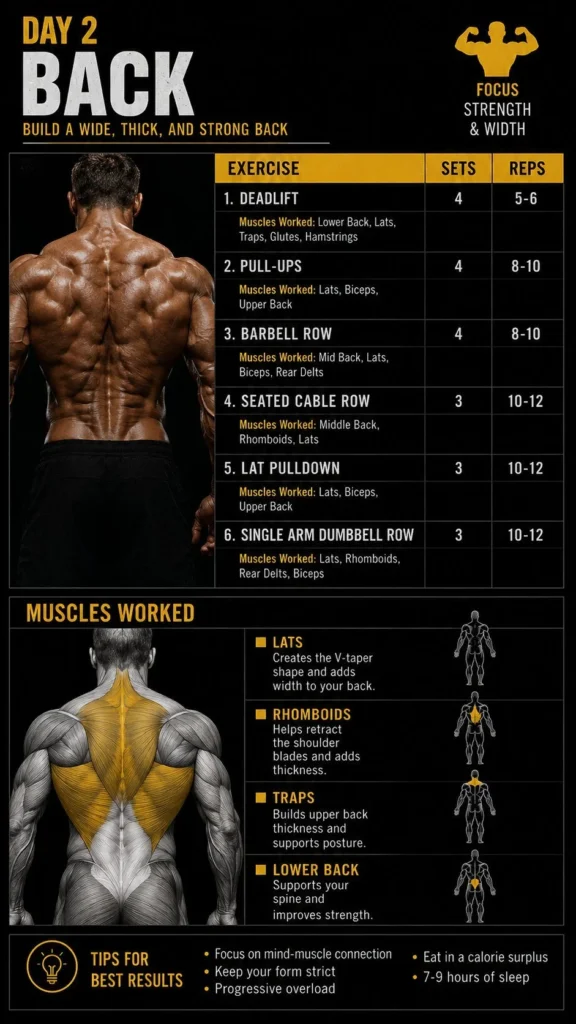
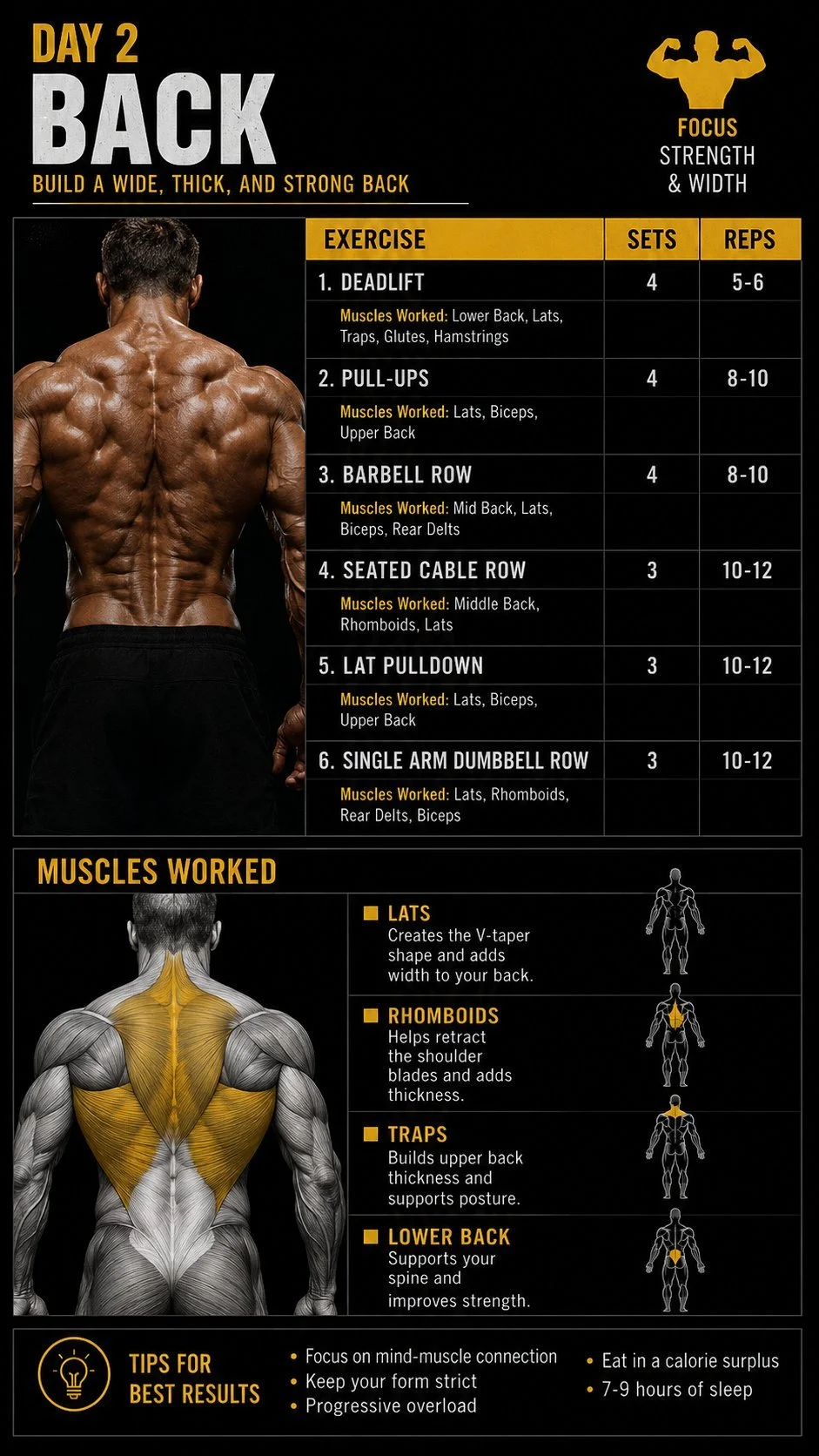
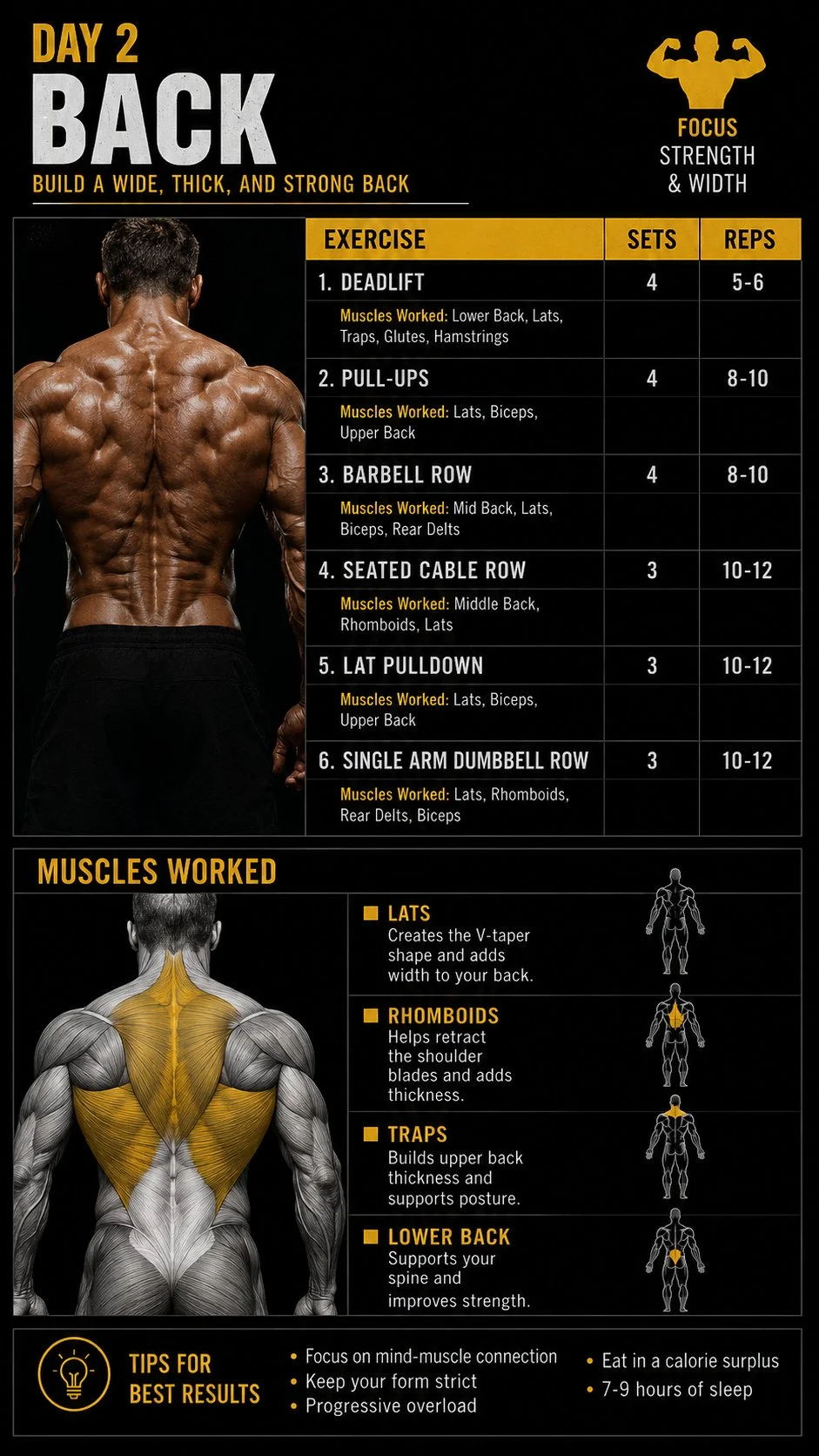
- Compound exercises: Squats, deadlifts, lunges, rows, and presses work several muscle groups at once.
- Bodyweight movements: Push-ups, pull-ups, planks, and step-ups make strength training accessible almost anywhere.
- Cardiovascular activity: Walking, running, cycling, or swimming supports endurance and heart health.
- Mobility work: Dynamic stretches and controlled movements help maintain a comfortable range of motion.
Aim for three or four training sessions per week, depending on your experience and schedule. Increase resistance, repetitions, or duration gradually while maintaining proper technique.
Make Recovery Part of the Plan
Exercise challenges the body, but recovery allows it to adapt. Training intensely without sufficient rest can reduce performance and increase the risk of pain, exhaustion, or injury.
Support recovery by:
- Sleeping approximately seven to nine hours each night
- Scheduling easier sessions or rest days after demanding workouts
- Eating enough protein and total calories
- Using gentle stretching, walking, yoga, or massage to reduce stiffness
- Adjusting your routine when persistent fatigue or discomfort appears
Rest is not lost time. It is an essential part of becoming stronger.
Develop a Resilient Mindset
Long-term fitness depends on patience and realistic expectations. Progress is rarely perfectly linear, and temporary setbacks do not erase the work you have already completed.
Set small, measurable goals and track improvements in strength, energy, mobility, or workout consistency. Mindfulness, meditation, and deep breathing can also help you manage stress and stay focused. Most importantly, compare your current abilities with your own starting point rather than someone else’s results.
Conclusion
A resilient body is built through repeated, sustainable choices. Nourish yourself with balanced meals, train consistently, prioritize recovery, and approach challenges with patience. When these habits work together, strength becomes more than a fitness goal—it becomes a foundation for a healthier and more capable life.