Built to Rise
True strength is more than lifting heavy weights. It comes from consistent training, balanced movement, proper recovery, and a routine that supports your goals. Whether you want to gain muscle, improve endurance, or make everyday activities easier, a varied workout plan can help you build a more capable body.
Why Strength Training Matters
Strength training benefits people of every age and fitness level—not only competitive athletes or bodybuilders. A well-designed routine can help:
- Develop muscle tone and definition
- Support a healthy metabolism
- Improve bone density and joint stability
- Enhance balance, posture, and coordination
- Make daily tasks easier to perform
- Increase confidence and physical resilience
The key is to begin at an appropriate level and gradually increase the challenge as your body adapts.
Start With Bodyweight Movements
Bodyweight exercises provide an accessible foundation because they require little or no equipment. They also teach you how to control your body before adding external resistance.
Effective movements include:
- Push-ups for the chest, shoulders, arms, and core
- Squats for the legs and hips
- Lunges for lower-body strength and balance
- Planks for core stability
- Glute bridges for the hips and posterior chain
Beginners can perform two or three sets of each exercise while prioritizing controlled movement and proper form. Easier variations—such as elevated push-ups or assisted squats—can make training more manageable.
Add Resistance for Greater Strength
Weights and resistance bands allow you to progressively challenge your muscles. Compound exercises are especially valuable because they engage several muscle groups at once.
Consider building your routine around:
- Deadlifts or hip hinges
- Bench presses or weighted push-ups
- Squat variations
- Overhead presses
- Rows or assisted pull-ups
Choose a resistance that allows you to maintain good technique throughout each set. A practical starting point is three sets of 8–12 repetitions, although the ideal range will depend on your experience and goals.
Once you can complete every repetition comfortably, increase the resistance slightly, add repetitions, or use a more demanding variation. This gradual progression encourages improvement without sacrificing form.
Combine Strength and Conditioning With HIIT
High-intensity interval training alternates brief periods of demanding exercise with recovery. It can improve cardiovascular fitness, muscular endurance, and workout efficiency.
A simple interval session might include:
- 30 seconds of fast running followed by 30–60 seconds of walking
- Burpees followed by a short rest
- Jump squats alternated with gentle marching
- Mountain climbers followed by controlled breathing
HIIT places significant stress on the body, so it does not need to be performed daily. One or two weekly sessions may be enough for many people. Beginners can use low-impact movements and longer recovery periods.
Train for Everyday Movement
Functional training develops strength through patterns used in daily life, including lifting, carrying, pushing, pulling, and rotating. Useful exercises include:
- Kettlebell swings for hip power
- Farmer’s carries for grip and total-body stability
- Medicine-ball slams for explosive movement
- Step-ups for balance and leg strength
- Suitcase carries for core control
These exercises can make carrying groceries, climbing stairs, moving furniture, and participating in recreational activities feel easier.
Make Recovery Part of the Plan
Muscles need time to repair and adapt after challenging workouts. Without adequate recovery, performance can decline and the likelihood of injury may increase.
Support recovery by:
- Scheduling rest days between demanding sessions
- Sleeping consistently
- Eating enough protein and nutrient-rich foods
- Staying hydrated
- Including gentle stretching or mobility work
- Reducing intensity when experiencing unusual fatigue or persistent pain
Yoga, walking, and light mobility sessions can keep you active without adding excessive strain. Sharp or ongoing pain should not be ignored; consult a qualified healthcare professional when necessary.
A Simple Weekly Structure
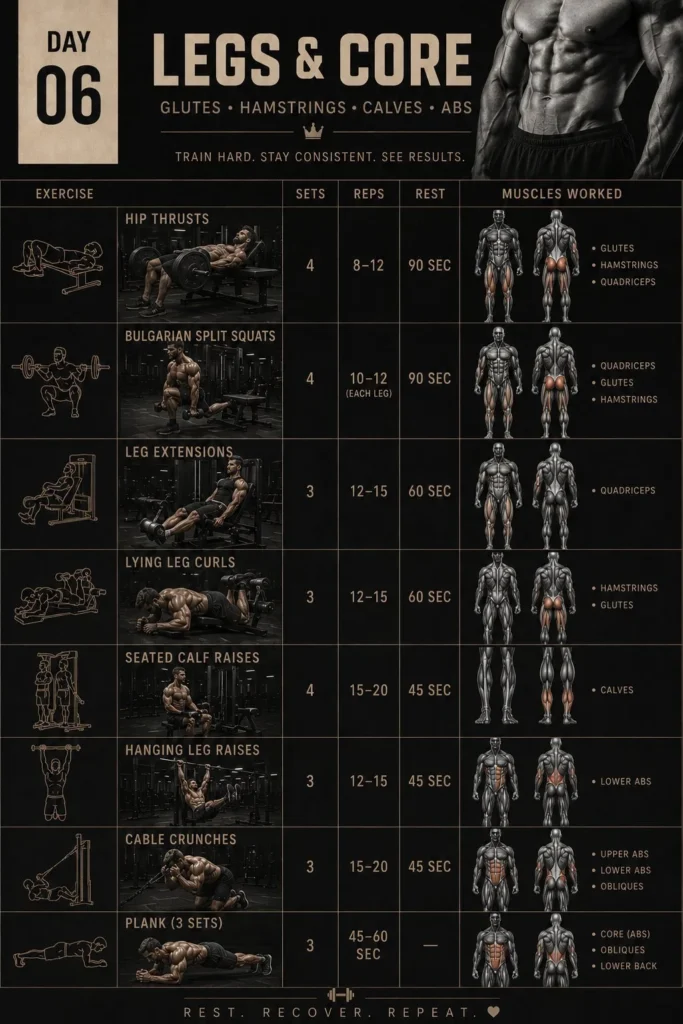
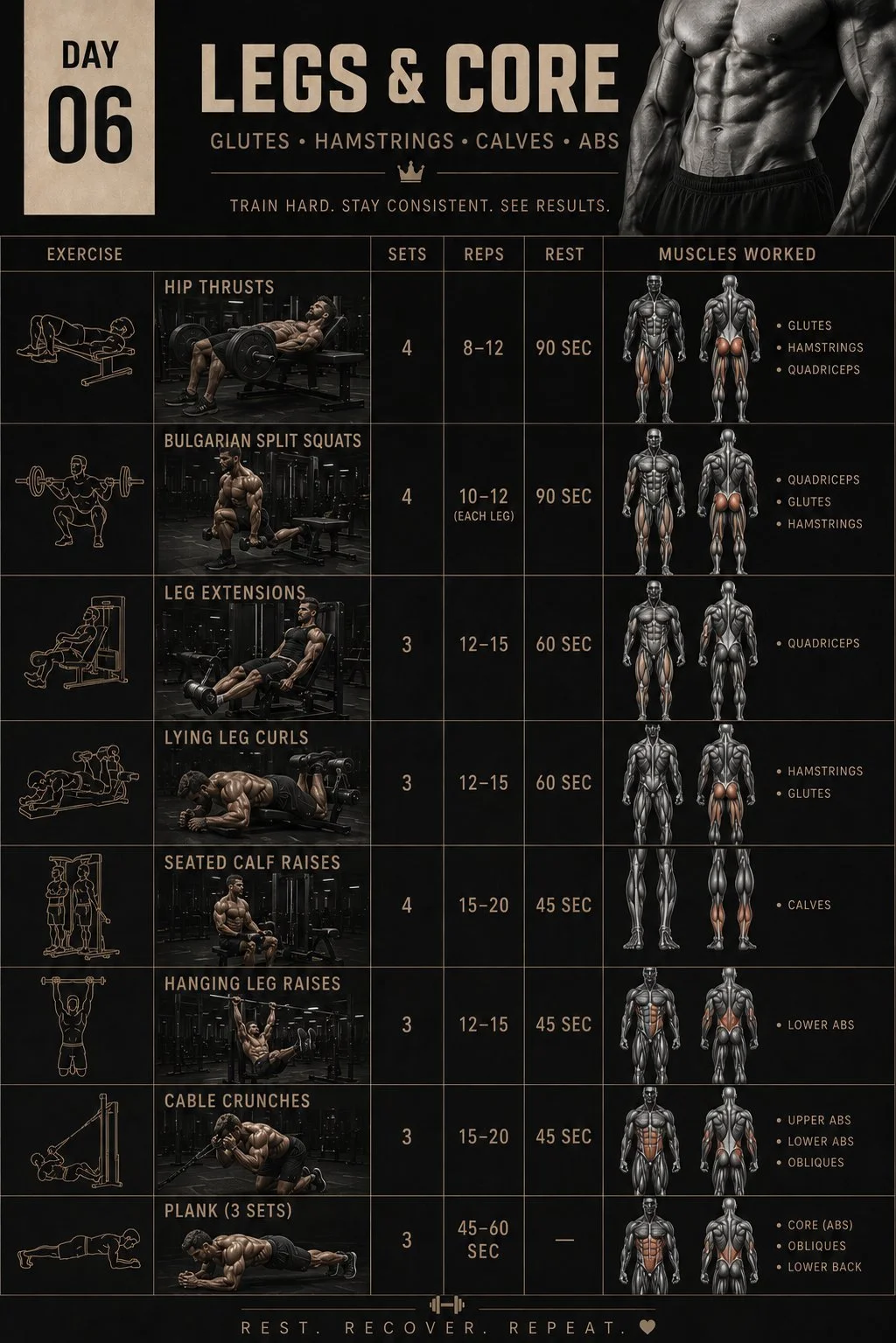
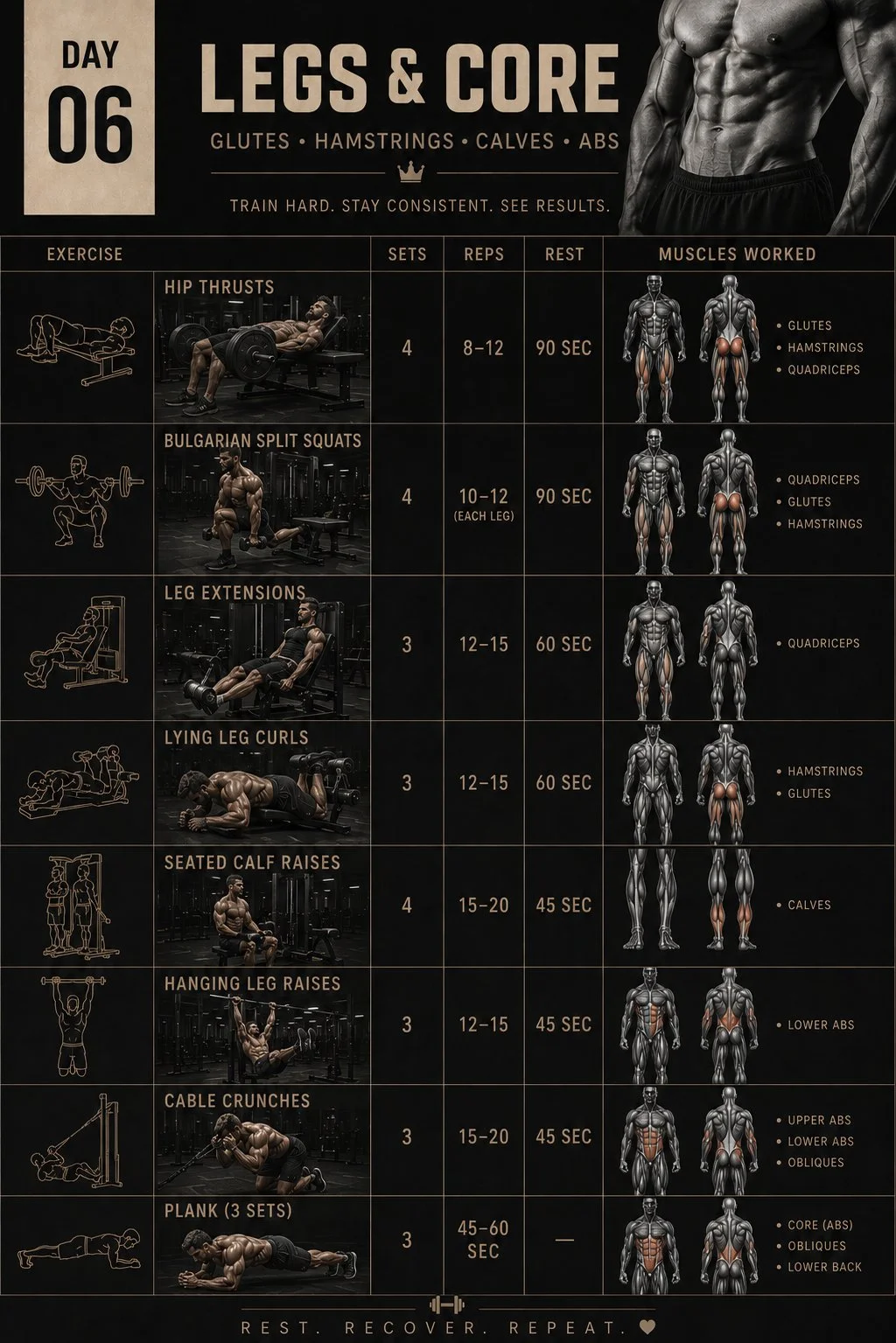
A balanced beginner-friendly schedule could look like this:
- Monday: Full-body resistance training
- Tuesday: Walking and mobility
- Wednesday: Bodyweight training or moderate HIIT
- Thursday: Rest
- Friday: Full-body resistance training
- Saturday: Functional exercises or light recreational activity
- Sunday: Rest and recovery
Adjust the schedule to match your current ability, available time, and fitness objectives. Consistent, manageable sessions are more effective than an overly demanding plan that cannot be sustained.
Conclusion
Building strength is a gradual process shaped by smart training, steady progression, and sufficient recovery. Combine bodyweight movements, resistance exercises, conditioning, and functional training to create a capable and well-rounded body. Start with achievable goals, focus on sound technique, and give yourself time to improve—every consistent workout is a step toward lasting strength.