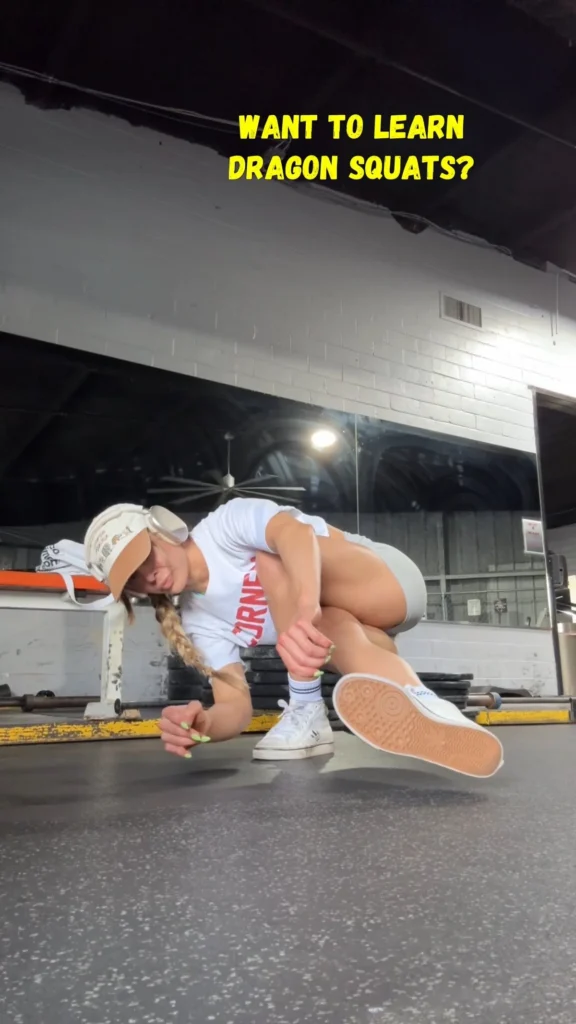
Master the Dragon Squat
Dragon squats combine strength, mobility, balance, and control in one demanding lower-body movement. With steady practice and the right progression, this challenging calisthenics exercise can become a valuable part of your weekly routine.
Why Practice Dragon Squats?
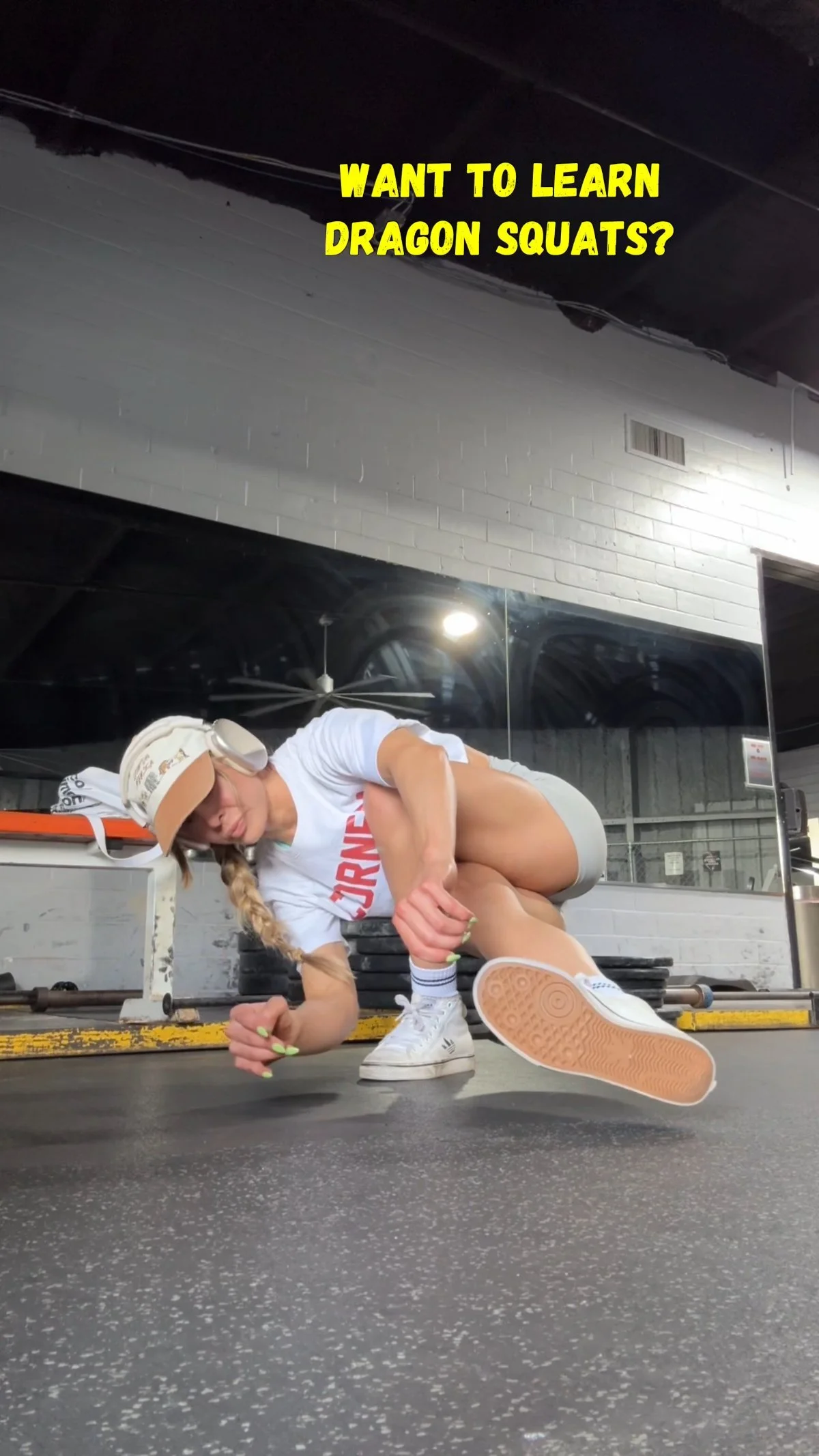
Unlike a standard squat, the dragon squat requires you to shift your weight onto one leg while extending the other across your body. This added complexity engages several muscle groups, including the:
- Quadriceps
- Hamstrings
- Glutes
- Calves
- Core stabilizers
Regular practice can build lower-body strength while improving hip mobility, flexibility, coordination, and balance.
How to Perform a Dragon Squat
- Set your stance: Stand tall with your feet approximately shoulder-width apart.
- Shift your weight: Transfer your weight onto one leg as you begin lowering into a squat.
- Extend the free leg: Sweep the opposite leg across your body, keeping it elevated whenever possible.
- Stay controlled: Brace your core, keep your chest lifted, and descend only as far as proper form allows.
- Return to standing: Press firmly through the planted foot to rise back to the starting position.
- Switch sides: Repeat the movement with the opposite leg.
Move slowly throughout each repetition. Control is more important than speed or depth.
Beginner Progressions
If a full dragon squat feels out of reach, build the necessary strength and mobility gradually:
- Hold a sturdy support, such as a rail or squat rack.
- Practice shallow repetitions before attempting greater depth.
- Use a box or bench to limit your range of motion.
- Work on single-leg squats and lateral lunges separately.
- Increase the height of your extended leg as your control improves.
Assistance is a training tool, not a shortcut. Reduce support only when you can maintain good alignment.
Technique Tips
Keep these points in mind during every set:
- Maintain a braced core and neutral spine.
- Keep the planted foot firmly connected to the floor.
- Allow the working knee to track in line with the toes.
- Avoid dropping quickly into the bottom position.
- Stop if you feel sharp pain in your knees, hips, or ankles.
- Prioritize smooth, controlled repetitions over maximum depth.
Adding Dragon Squats to Your Routine
Perform dragon squats once or twice per week, ideally after warming up your hips, knees, and ankles. Begin with 3–4 sets of controlled repetitions per side, resting long enough to preserve good technique.
They work well as:
- A skill exercise at the beginning of leg day
- A strength movement in a calisthenics session
- An accessory exercise after standard squats
- A challenging addition to a bodyweight circuit
Progress by descending deeper, using less assistance, pausing at the bottom, or lifting the extended leg higher. Change only one variable at a time so that your form remains consistent.
Conclusion
Dragon squats offer more than a demanding leg workout. They develop strength, mobility, balance, and body control through an unusual movement pattern. Start with a manageable progression, train consistently, and let precision—not speed—guide your improvement.