Spot-Fat Standoff: Why Targeted Fat Loss Fails
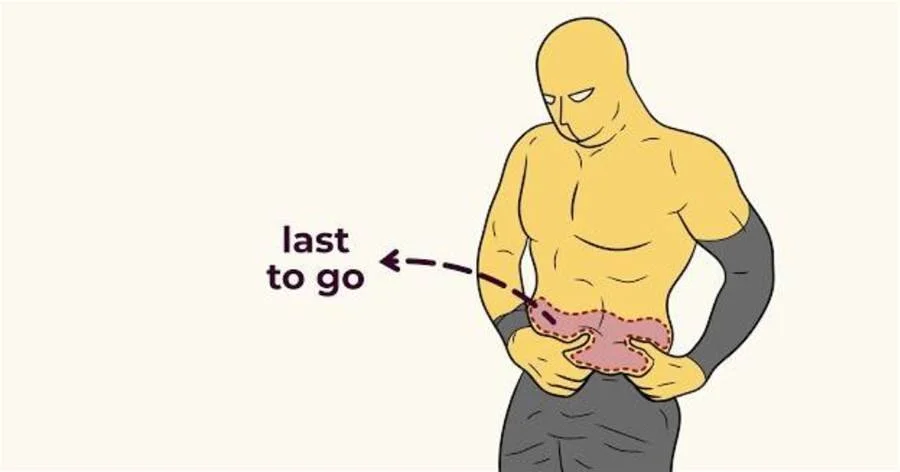
Most people who exercise and eat "right" still notice stubborn fat in certain places — hips, belly, thighs, or under the chin — and assume something is broken. The truth is more about biology, habits, and expectations than a single missing trick. If your goal is to change specific body areas, first understand how fat storage and loss actually work, then apply strategies that shift overall body composition.
Introduction: Why spot reduction is a myth
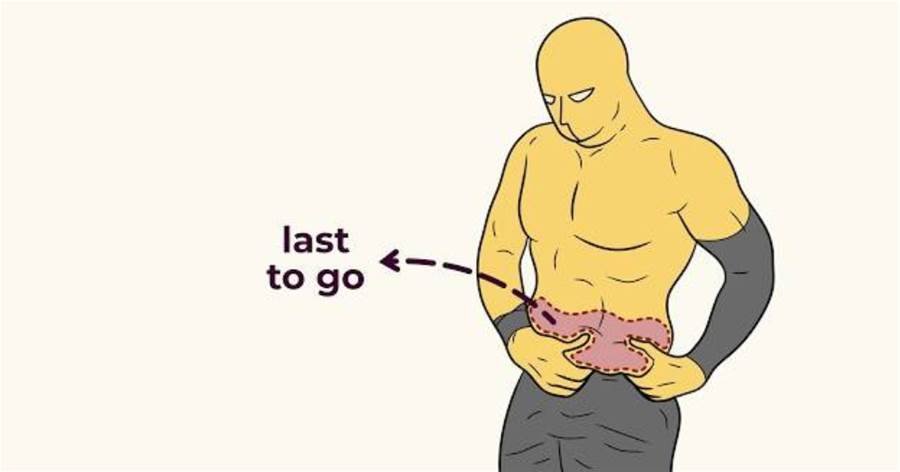
- Fat cells shrink and grow systemically, not selectively. When you lose weight, your body pulls energy from fat stores based on genetics, hormones, and overall energy balance, not the muscle you’re training.
- That said, you can influence appearance by building muscle in certain areas and reducing overall body fat. Small daily habits add up — even nighttime routines can help, as described in how to burn fat while you sleep with a 10-minute habit.
Why some areas hold on longer
- Genetics and fat distribution: Your genes largely determine whether you store more fat around your midsection or your hips. Those stubborn areas often have fat cells that are more resistant to hormone-driven breakdown.
- Hormonal influences: Insulin, cortisol, estrogen, and testosterone change how easily different fat depots release energy. Chronic stress and elevated cortisol tend to protect belly fat.
- Age and sex: As you age, you lose muscle mass and hormone balances shift, which can make fat loss slower and redistribute fat differently, often to the abdomen.
- Local blood flow and receptor types: Fat cells in different regions have different receptor profiles (alpha vs. beta adrenergic receptors) affecting how readily they respond to signals that trigger fat breakdown.
Practical strategies that actually help
- Prioritize overall fat loss
- Create a sustainable calorie deficit through diet and increased activity. Short-term extreme dieting often backfires; aim for modest, maintainable changes.
- Strength training with targeted hypertrophy
- While you can’t burn fat only from one spot, building the underlying muscle can change shape and tone. Focus on progressive overload in the areas you want to shape.
- Use full-body and compound movements
- Exercises like squats, deadlifts, lunges, and rows burn more calories and stimulate hormones that favor fat loss and muscle retention.
- Manage insulin and meal timing
- Emphasize whole foods, adequate protein, and appropriate carbohydrate timing around workouts. Lean protein choices support recovery and muscle synthesis — consider the research on how lean meat beats high-fat meat for faster post-workout muscle protein synthesis.
- Sleep and stress control
- Poor sleep and chronic stress impair fat loss by disrupting hunger hormones and recovery. Prioritize 7–9 hours and stress-reduction practices.
- Be patient and track progress correctly
- Use circumference, photos, and strength numbers rather than only scale weight. Fat-loss in stubborn areas often lags; persistent, consistent effort changes body composition over months, not days.
Quick tactical checklist
- Aim for a 300–500 kcal daily deficit (adjust individually).
- Strength train 3–4 times per week and include progressive overload.
- Keep protein around 0.7–1.0 g per pound of bodyweight (or as appropriate for you).
- Add 150–300 minutes of moderate activity weekly plus NEAT (non-exercise activity) increases.
- Reduce processed carbs and added sugars; emphasize fiber and vegetables.
- Track trends, not daily fluctuations.
When to consider medical or professional help
- If you struggle despite consistent diet and training, evaluate medications, thyroid function, and other medical conditions that can impede weight loss.
- A registered dietitian, certified trainer, or physician can help tailor interventions and check for underlying issues.
Common mistakes that stall progress
- Overdoing cardio and under-building muscle: leads to slower metabolism and frustration.
- Chasing quick fixes: fat-freezing gadgets and spot-targeted gimmicks rarely replace consistent lifestyle changes.
- Ignoring overall caloric intake: you can out-train a poor diet for only so long.
Conclusion
If you’ve done the fundamentals and still can’t shift stubborn fat, learn more about medical and metabolic reasons that may be affecting your progress by reading This could be why you’re not losing weight.