
Lift Fuel: Pre & Post-Workout Eats
Whether you’re pushing through heavy sets or finishing with high reps, what you eat before and after lifting matters. Proper timing and food choices help power your workout, protect muscle, and speed recovery—so you get stronger, faster. For a comfortable, confident session, pair your nutrition plan with comfortable gym outfits like these comfortable gym outfits that stay out of the way while you train.
Quick rules of thumb
- Pre-workout: prioritize easily digested carbs + a little protein 30–90 minutes before lifting. Aim for a balance that prevents hunger but avoids GI distress.
- During training: water is essential; for sessions >90 minutes or very intense work, consider electrolytes or a small carb drink.
- Post-workout: focus on protein + carbs within 30–120 minutes to maximize muscle repair and glycogen replenishment.
- Adjust portions to your body size, workout length, and goals (fat loss vs. muscle gain).
What to eat before lifting
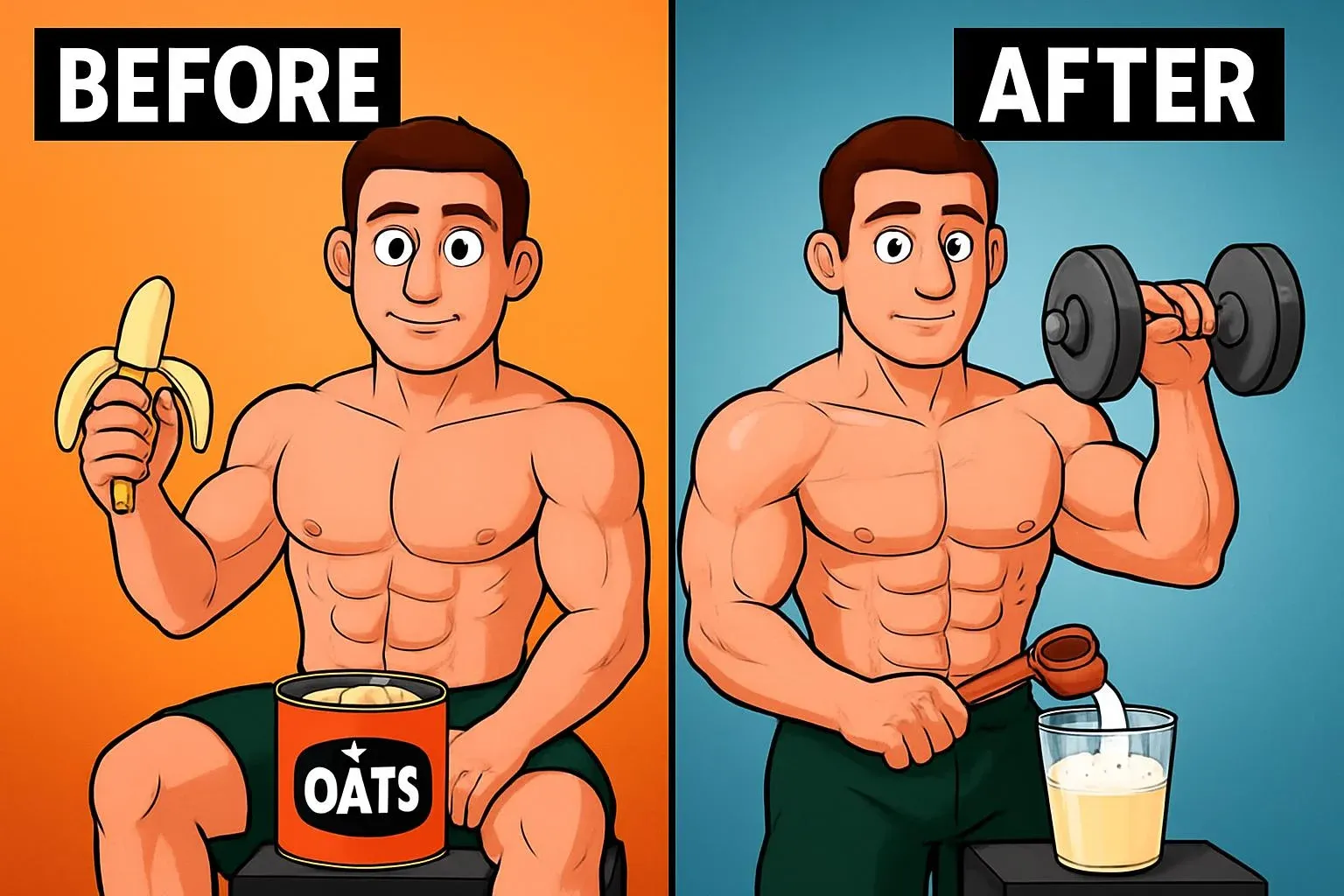
Short workouts (under 45 minutes): A small carb snack such as a banana, rice cake with jam, or a slice of toast keeps energy steady. If you train fasted and feel fine, a small coffee and light carb may suffice.
Moderate workouts (45–90 minutes): Combine 20–40 g of carbs with 10–20 g of protein: yogurt with fruit, oatmeal and whey, or a turkey sandwich on whole grain. These choices provide fuel and reduce muscle breakdown.
Long or high-intensity sessions (>90 minutes): Add more carbs and a bit more protein. A plain bagel with nut butter and a scoop of protein, or a sports drink plus a protein bar, can help you sustain performance.
What to eat after lifting
The goal after lifting is repair and replenishment.
- Protein: 20–40 g of high-quality protein (whey, dairy, lean meat, or plant-based blends) supports muscle protein synthesis.
- Carbs: 0.5–1.2 g/kg body weight over the next 2–4 hours helps restore glycogen — more if you have another session the same day.
- Fats: Include a small amount; large high-fat meals immediately post-workout can slow digestion but are fine later.
Quick post-workout options
- Protein shake with banana and milk (fast, portable).
- Chicken, rice, and steamed veggies (balanced and filling).
- Greek yogurt with granola and fruit (protein + carbs).
Hydration and electrolytes
Drink water before, during, and after sessions. For long or very sweaty workouts, include sodium and potassium (sports drinks, salted snacks, or electrolyte tablets) to maintain performance and prevent cramps.
Timing and portion tips
- If training early in the morning, a small easily digested snack (half a banana, toast) often works better than a big meal.
- For muscle gain, ensure daily protein targets are met (around 1.6–2.2 g/kg body weight), not just the post-workout window.
- If you’re unsure when to push heavier or increase volume, read about signs for progression and when to increase weight to match your nutrition plan.
Sample day for a 75–90 minute lifting session
- 60–90 minutes before: oatmeal with fruit + small scoop of protein.
- During: water; sip electrolytes if needed.
- 0–60 minutes after: whey shake + banana or chicken and rice.
- 2–4 hours later: balanced meal with vegetables, whole grains, and lean protein.
Practical meal ideas by goal
- Strength/mass: larger portions, more total calories, frequent protein every 3–4 hours.
- Fat loss: keep pre-workout carbs moderate, emphasize protein to preserve muscle, and create a controlled calorie deficit.
- Performance/endurance: prioritize carbs around the session and replenish glycogen thoroughly.

Conclusion
For a concise guide to tailoring pre- and post-workout meals by session type, see this helpful resource from UCLA Health: What to eat before and after a workout, based on your workout type.