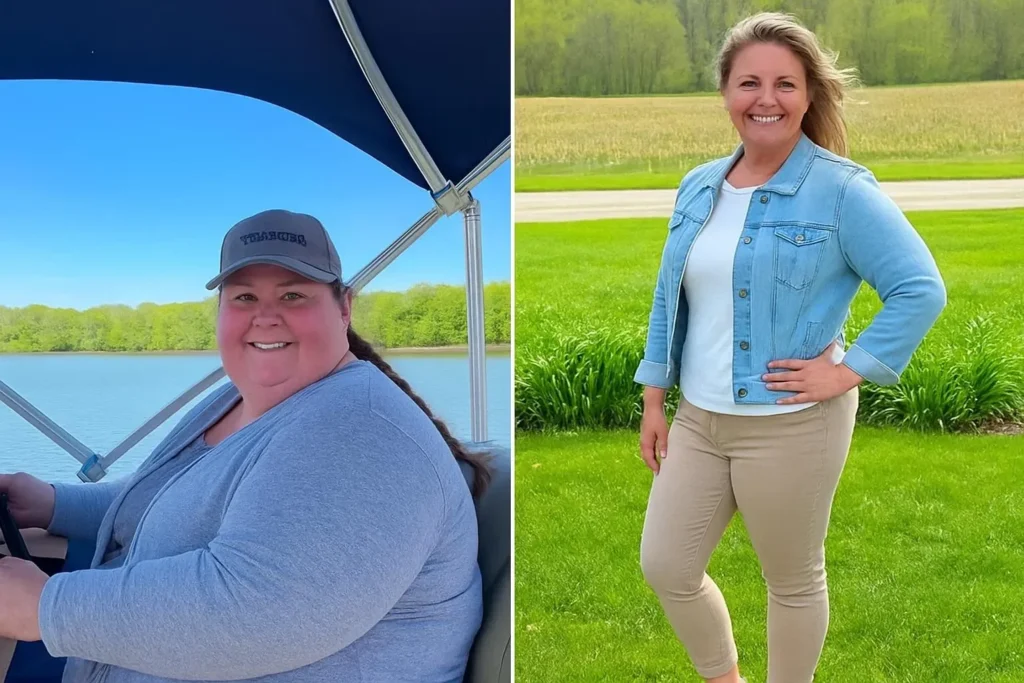
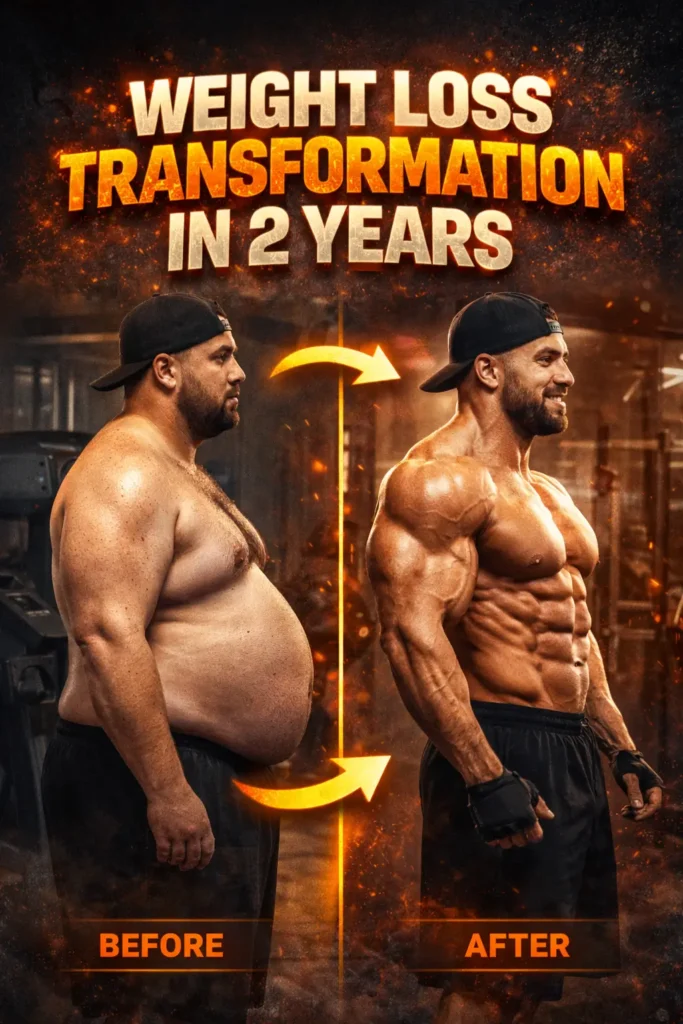
best weight-loss story ever. I once weighed 520 pounds. Two years later I stepped on the scale at 158 pounds; a 362-pound change that reshaped my body, my health, and my life. That dramatic transformation didn’t happen overnight. It was the result of gradual habit changes, consistent nutrition, progressive training, and a mindset that refused to give up. Along the way I discovered practical strategies that any determined person can adapt to their own journey. For people looking for structured coaching on body-sculpting techniques, I found helpful resources like abs workout coaching and home routines that complemented my routine.
My starting point and goals to weight-loss
- Starting weight: 520 lbs
- Current weight: 158 lbs
- Total lost: 362 lbs
- Timeframe: ~2 years
This wasn’t about extreme restriction or dangerous shortcuts. The aim was sustainable change: steady calorie reduction, nutrient-dense meals, consistent activity, and patient progression. Below is an overview of how the routine was structured and the practical lessons learned.
Nutrition approach (what I actually ate)
- Calorie target: A consistent daily calorie deficit tailored to my starting metabolic needs and adjusted as weight dropped. I tracked intake and progress weekly rather than obsessing daily fluctuations.
- Protein focus: High-protein meals to preserve lean mass — lean meats, fish, eggs, legumes, and dairy or fortified plant alternatives.
- Portion control + whole foods: Meals emphasized vegetables, whole grains or starchy vegetables in measured portions, healthy fats (avocado, olive oil, nuts) in moderation, and minimizing ultra-processed foods.
- Meal frequency: Three main meals with 1–2 planned snacks, depending on training days and hunger. The structure helped avoid impulsive eating.
- Hydration and fiber: Lots of water and fiber-rich foods to support digestion and satiety.
Exercise and progressive training
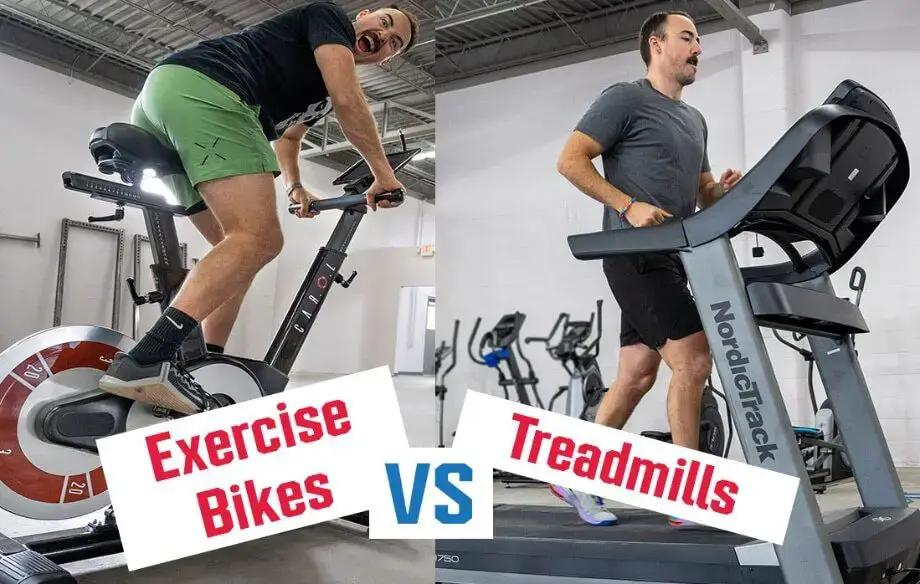
- Start where you are: Early training emphasized low-impact, sustainable movement — walking, water aerobics, or stationary cycling — to build cardiovascular capacity without joint overload.
- Strength training mattered: Building strength was crucial for metabolic health and body composition. I gradually introduced resistance work and bodyweight progressions. For those new to bodyweight training, routines like beginner calisthenics programs are a good blueprint to follow and adapt.
- Progressive overload: I increased intensity and volume slowly — more reps, more sets, or heavier resistance over months, not days.
- Recovery and mobility: Focused recovery days with mobility work, stretching, and sleep optimization to prevent setbacks.
Sample daily structure (conceptual)
- Breakfast: Protein + whole grain + vegetable/fruit
- Mid-morning: Light snack if needed (Greek yogurt, a piece of fruit, or a small handful of nuts)
- Lunch: Large salad or cooked vegetables + lean protein + controlled starch portion
- Afternoon: Movement break or short walk; small protein snack if training later
- Dinner: Balanced plate with veggies, protein, and a modest healthy fat
- Evening: Hydration and restful routine; no late-night heavy eating
Behavioral strategies that mattered
- Small wins compound: Celebrating non-scale victories (improved energy, clothing fit, mobility) kept motivation alive.
- Consistency over perfection: Missed workouts or indulgent meals happened. The priority was getting back on track rather than guilt.
- Accountability and support: Family, friends, or community groups provided encouragement and practical help. Professional input from nutritionists, trainers, or medical providers made a big difference.
- Tracking and adjustments: I tracked weight, measurements, and how clothes fit, and adjusted calories and training when progress slowed.
Common challenges and solutions
- Plateaus: When weight loss stalled, I reviewed intake, increased non-exercise movement, or altered training intensity before cutting calories further.
- Mental fatigue: Switching up activities (hiking, swimming, group classes) and scheduling rest weeks helped avoid burnout.
- Loose skin and body changes: Surgery is an option some choose; for many, strengthening the underlying musculature and focusing on function improved confidence even with remaining loose skin. Medical consultation is important.
Safety and medical considerations
A transformation of this scale involves medical risk. Anyone contemplating substantial weight loss should consult healthcare providers to monitor metabolic health, nutrient needs, and potential medical or surgical options. Rapid changes require professional oversight.
Full meal plan
This article summarizes the nutritional approach rather than listing every meal. The full detailed meal plan I followed (macros, portion sizes, and daily examples) is available in the comment associated with the original account. Use any full plan as a template, then personalize it to your needs and medical guidance.
Final notes
Sustainable transformation combines realistic nutrition, consistent progressive training, psychological resilience, and ongoing medical supervision. Two years of steady effort changed my life. The goal is lasting health, not just a number on the scale.
Conclusion
If you want practice problems or structured exercise solutions to help build a disciplined study or training routine, see this helpful resource: 4 Solutions to Exercises.