
Weight loss tips for obese women that actually worked — I tried them
Losing weight when you’re obese feels like climbing a mountain you’ve never been on before. I know — I was there. This article shares the realistic strategies that worked for me: small, sustainable changes, a focus on strength and protein, and systems that helped me keep going when motivation faded. If you want quick fixes, this isn’t it. But if you want practical, science-friendly habits that add up, read on.
Early on I focused on eating more protein and finding ways I actually liked to prepare it. For me that meant swapping some meals for lean meats and grilled options — I used a list of high-protein foods that are great for grilling to make dinners simple and satisfying.
What I changed and why it worked
- Start with one habit at a time: Instead of overhauling everything at once, I chose one habit every 2–4 weeks (water before meals, removing sugary drinks, adding a 20-minute walk). That prevented overwhelm and built confidence.
- Prioritize protein: Eating adequate protein reduced my hunger and preserved muscle mass as I lost weight. Protein also helped me feel full longer, which made calorie reduction realistic.
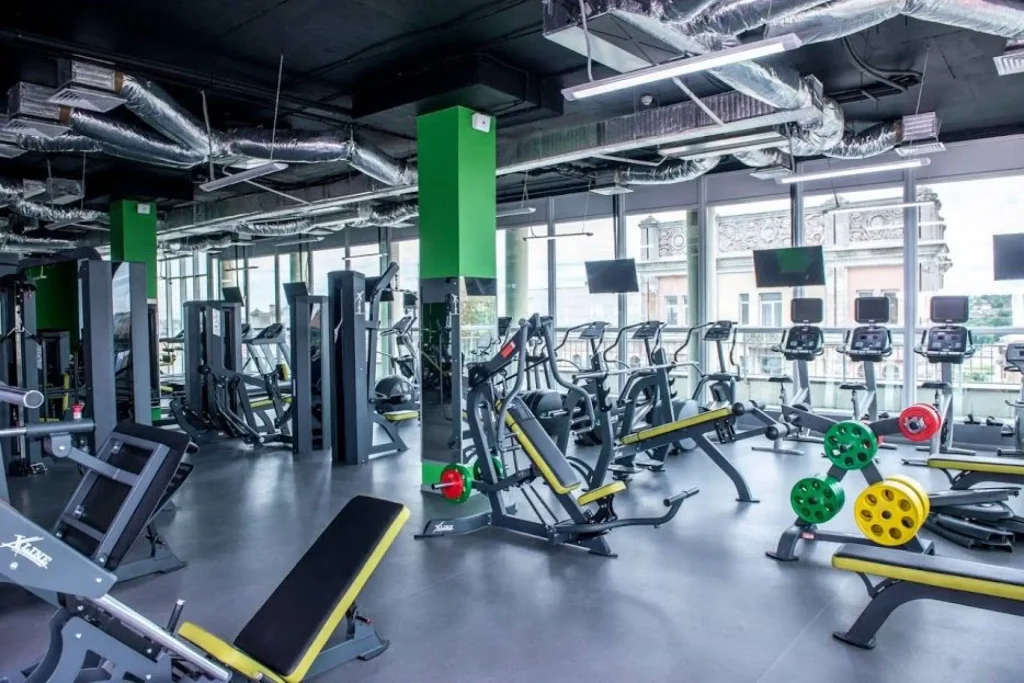
- Strength training matters: Cardio alone stalled my progress. When I added consistent resistance training my body composition changed — fat down, muscles up. If you want a structured place to start, I found a set of full-body workouts that delivered results helpful for guidance and variety.
- Keep calories reasonable, not extreme: I tracked food for a few weeks to learn portion sizes, then aimed for a modest calorie deficit I could sustain. Extreme restriction led to binges; moderate changes produced steady loss.
- Sleep and stress control: Poor sleep tanked my willpower and increased cravings. Prioritizing 7–8 hours per night and addressing stress (breathing, short walks, journaling) made dieting much easier.
Daily routines that actually stuck
- Plate method: Half vegetables, one quarter lean protein, one quarter whole grain or starchy veggie. Simple and visual.
- Meal prep 2x/week: Even basic prep (cut veggies, pre-cook chicken, portion snacks) removed friction on busy days.
- 10-minute movement windows: On heavy days, multiple short walks or bodyweight sets were better than none.
- Smart swaps: Soda → sparkling water with lemon; chips → air-popped popcorn; creamy sauces → yogurt-based dressings.
How I structured exercise
- Frequency: 3 strength sessions per week + 2 low-impact cardio sessions (walking, cycling, swimming). Rest days were active (stretching, light walking).
- Progression: Small increases in weight or reps every 1–2 weeks. Tracking lifts kept progress visible and motivating.
- Consistency over intensity: It was more important to show up consistently than to go all-out sporadically.
Mental strategies that made the difference
- Focus on behaviors, not the scale: I celebrated workouts, cooking nights, and days I stayed hydrated. The scale is one input, not the only one.
- Habit stacking: I attached new habits to existing ones (e.g., after brushing teeth in the morning I put on walking shoes).
- Accountability: A friend check-in or short message thread helped on tough weeks.
- Plan for slip-ups: I accepted that setbacks happen and planned immediate recovery actions (e.g., get back to meal prep the next day, not the next Monday).
What I ate (example day)
- Breakfast: Greek yogurt with berries and a small handful of nuts.
- Lunch: Grilled chicken salad with mixed greens, quinoa, and olive oil/lemon dressing.
- Snack: Apple + a tablespoon of nut butter.
- Dinner: Grilled salmon, roasted broccoli, and sweet potato.
- Dessert: A square of dark chocolate or Greek yogurt with cinnamon.
Tracking and adjusting
- Monthly check-ins: I measured weight, but also tracked waist, energy, sleep, clothes fit, and strength gains.
- If weight loss stalled: I reviewed food logs, reduced liquid calories, increased NEAT (more standing, walking), or adjusted workout intensity.
- Medical check: I had regular check-ins with my primary care provider to monitor health markers and ensure my plan was safe.
Common obstacles and fixes
- Hunger: Increase protein and fiber, add a small high-volume snack (like broth-based soup), and assess if sleep or stress is the real cause.
- Plateaus: Recalculate calories for your new weight, swap exercise formats, and ensure you’re still in a sustainable deficit.
- Time: Simplify meals (one-pan dinners, slow cooker) and use short, intense workouts when needed.
- Emotional eating: Create a pause routine (10-minute walk, breathing exercise) before deciding to eat.
Real results and timeframe
I lost steadily by aiming for 0.5–1 pound per week — slower than some programs promise, but more sustainable. Over months, that added to significant change in body composition and fitness. The biggest non-scale wins were more energy, better sleep, and stronger muscles.
A note on safety
If you are obese or have health conditions, consult your doctor before making large changes, especially regarding very low-calorie diets, new exercise regimes, or weight-loss medications. What worked for me may need adjustment for you.
Conclusion
If you’re exploring different eating patterns and wondering about low-carb approaches, consider reputable reviews like this one on whether you should try keto: Should you try the keto diet?
Final thought: sustainable weight loss for obese women isn’t about perfection. It’s about choosing a set of manageable habits, staying consistent, seeking support, and making adjustments that fit your life. If you want, tell me your current routine and I’ll suggest a few prioritized changes to start with.