workout tips

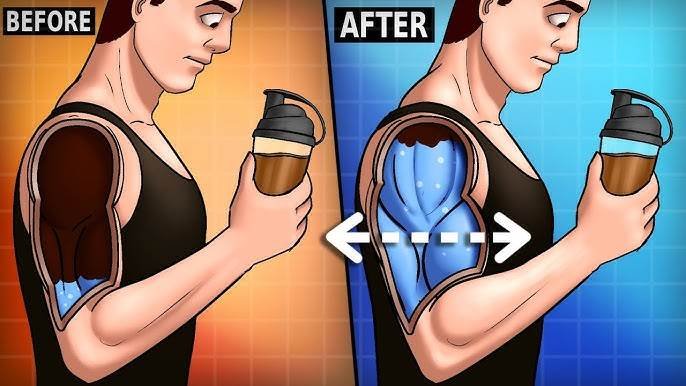
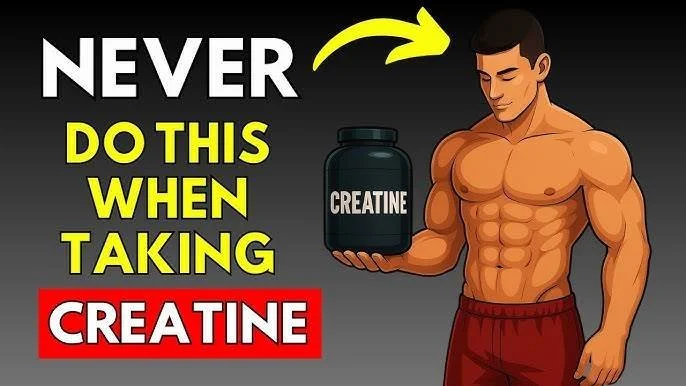
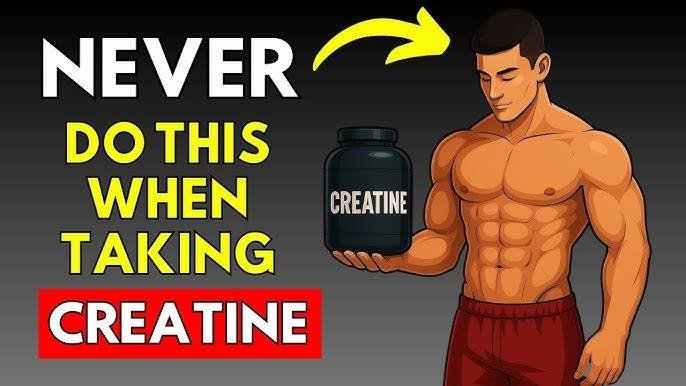
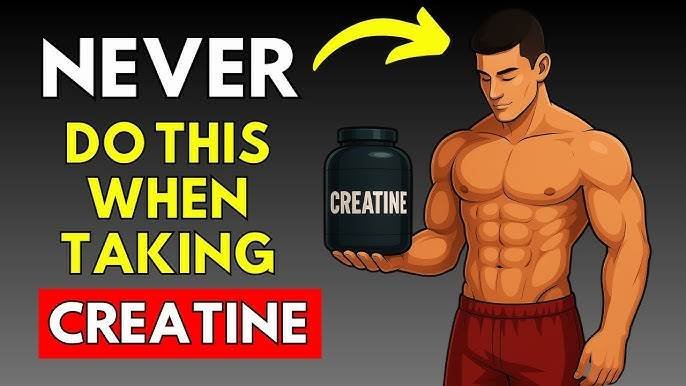
Illustration of creatine supplements without a loading phase

Forget the 20 g Ramp-Up? How to Use Creatine Without a Loading Phase and Still Win

Title: Skip the Ramp-Up: Smart Creatine Use Without Loading

Creatine monohydrate doesn’t need a 20 g/day loading phase to work — it just gets there faster. If you prefer a steady, low-dose approach that avoids digestive discomfort and still delivers the strength and power benefits, a simple daily strategy will saturate muscle creatine stores within a few weeks and keep you performing. For lifters pairing supplementation with targeted training, exercises and alternatives like the Bulgarian split squat can help convert those gains into stronger legs and better balance — try these options for variety: Bulgarian split squat alternatives.
Forget the 20 g Ramp-Up? How to Use Creatine Without a Loading Phase and Still Win

Why the loading phase exists

  • Loading (commonly ~20 g/day for 5–7 days) raises muscle creatine faster, achieving near-maximal stores in about a week.
  • It’s a convenience, not a necessity. Skipping loading means you’ll reach the same muscle saturation more slowly (typically 3–4 weeks with a daily maintenance dose), but you’ll avoid the higher chance of stomach upset and water retention some people report during loading.

Daily dosing that works

  • Typical no-load protocol: 3–5 g creatine monohydrate once per day. This dose is evidence-based, inexpensive, and well-tolerated.
  • Timing: Consistency is more important than exact timing. Post-workout with a meal or a mixed shake may slightly improve uptake, but taking it any time daily works.
  • Vegetarians and older adults may notice larger relative gains because baseline creatine stores are often lower.

How long until you notice benefits

  • Strength and power improvements often emerge within 2–6 weeks on a maintenance dose, depending on training, diet, and individual response.
  • Cognitive or recovery benefits reported in some studies may also appear over weeks, but effects vary.

Practical tips to make no-load dosing more effective

  • Use creatine monohydrate: it’s the most researched form and cheapest per effective dose.
  • Mix with a carbohydrate- or carb+protein-containing meal or shake occasionally to enhance muscle uptake (not required every day).
  • Stay hydrated: maintain normal fluid intake — creatine draws extra water into muscle cells, so simple hydration helps.
  • Split doses if you have mild GI sensitivity (e.g., 2.5 g twice daily).
  • Combine with consistent resistance training for best results; creatine amplifies the training signal into bigger strength and mass gains.

Who benefits most

  • Strength and power athletes, recreational lifters, older adults looking to preserve muscle, and people with low dietary creatine (e.g., vegetarians) tend to see the clearest improvements.
  • If you’re focused on technique and core control while adding mass or strength, integrate core drills to transfer gains effectively — try tools like the band twist for functional trunk strength: band twist how to build core strength.

Safety and myths

  • Long-term studies show creatine monohydrate is safe for healthy individuals when taken at recommended doses.
  • Claims that creatine damages kidneys are not supported in healthy people; however, anyone with preexisting kidney disease should consult a physician first.
  • “Bloating” is usually just intracellular water within muscle and often subsides after the first few weeks.

Sample no-load schedules

  • Simple daily: 5 g once per day with breakfast or post-workout.
  • Gentle split: 2.5 g morning + 2.5 g evening if stomach upset occurs.
  • Maintenance after prior loading (if you did one): 3–5 g/day to sustain stores.

Bottom line

  • If you want the benefits of creatine without the inconvenience or side effects of a high-dose loading phase, a consistent 3–5 g/day plan works reliably. Pair it with solid training, adequate protein and carbohydrates around workouts when possible, and patience — results arrive in a few weeks and will compound with consistent training.
Forget the 20 g Ramp-Up? How to Use Creatine Without a Loading Phase and Still Win

Conclusion

For a practical, evidence-based framework on how diet and exercise timing can amplify supplement effects, see this review: Performance Enhancing Diets and the PRISE Protocol to Optimize ….

Forget the 20 g Ramp-Up? How to Use Creatine Without a Loading Phase and Still Win Read More »
, , , ,
Lifter performing a 15-minute warm-up hack for better gains and joint health.

Want Bigger Gains & Healthier Joints? The 15‐Minute Warm‐Up Hack Every Lifter Needs

15‑Minute Warm‑Up Hack for Bigger Gains

Want bigger lifts and joints that feel good for years? You don’t need an hour of foam rolling and mobility drills to prep—just a smart, 15‑minute warm‑up that primes your nervous system, activates stabilizers, and grooves movement patterns for safer, stronger working sets. This routine is designed for lifters of all levels and slots easily into any training day. For a quick primer on shoulder mechanics that pairs well with activation work, check out this guide to the seated dumbbell shoulder press setup.

Want Bigger Gains & Healthier Joints? The 15‐Minute Warm‐Up Hack Every Lifter Needs

Why 15 minutes is enough

  • Efficiency beats volume: a focused warm‑up that targets mobility, activation, and progressive loading gives you the nervous system readiness and joint lubrication you need without wasting energy.
  • Reduces risk and boosts performance: warming up increases synovial fluid, raises tissue temperature, and primes motor patterns so you can lift heavier with more confidence.
  • Consistency wins: a short, repeatable routine is more likely to be done before every session, which compounds into better joint health and gains over months and years.

The 15‑minute warm‑up plan (step‑by‑step)

  1. General movement (2–3 minutes)
    • Light cardio to raise heart rate: brisk walking, easy bike, or jump rope. Keep intensity low—this is about raising core and muscle temperature.
  2. Joint mobility flows (3 minutes)
    • Neck, thoracic rotations, hip circles, ankle dorsiflexion drills, and shoulder pass‑throughs using a band or broomstick. Move controlled, pain‑free, and through the ranges you’ll use for the workout.
  3. Activation & stability (4 minutes)
    • Glute bridges (2 sets x 10), banded lateral walks (1–2 sets x 10 steps each way), and scapular pull‑ups or face pulls (2 sets x 8–12). These light activations wake up muscles that stabilize your joints under load.
  4. Movement patterning (3 minutes)
    • Perform the main movement with just your bodyweight or the empty implement: bodyweight squats, push‑ups, hip hinges with a broom, or single‑arm rows. Focus on bracing, breathing, and groove.
  5. Warm‑up sets (3 minutes)
    • 2–4 progressively heavier warm‑up sets that approach working weight without hitting fatigue. For example: 50% x 5, 70% x 3, 85% x 1–2 (adjust depending on exercise and load). Keep reps crisp; this primes the nervous system for your top sets.

Programming tips

  • Match the warm‑up to the day: heavy lower‑body days get more hip and ankle work; upper‑body days get more thoracic and scapular activation.
  • Don’t overdo it: avoid fatiguing accessory work in the warm‑up—if a warm‑up set leaves you shaky on your working set, cut back.
  • Progress gradually: use the warm‑up to assess readiness—if a movement feels stiff, add an extra activation set or dynamic mobility before loading.

Joint‑friendly cues and technique reminders

  • Breathe to brace: inhale to expand the ribcage, exhale and brace the core just before the lift. This reduces shear forces and protects the spine.
  • Keep joint positions stacked: knees tracking over toes, shoulders over hips, neutral spine. Small alignment improvements reduce long‑term wear.
  • Use pain as a stop sign: transient stiffness is common; sharp or radiating pain is not. Adjust mechanics, reduce load, or consult a professional.

Nutrition and recovery note

  • Warm‑ups prepare the body; nutrition and recovery repair it. Simple steps like ensuring adequate protein and timing a small carb + protein snack before or after training help maximize repair and adaptation. For practical ideas on boosting daily protein, see how to increase your protein intake across meals and snacks.

Quick troubleshooting

  • If you feel persistently stiff in one joint despite warming up, increase mobility time for that area and consider targeted soft tissue work post‑session.
  • If warm‑up sets sap your strength, reduce volume or redistribute reps across sets to keep intensity high for working sets.
  • For long‑term joint health, alternate heavy days with lighter technique or speed sessions to reduce cumulative joint stress.

Want Bigger Gains & Healthier Joints? The 15‐Minute Warm‐Up Hack Every Lifter Needs

Conclusion

Consistent, focused warm‑ups are one of the highest‑leverage habits for better performance and joint longevity. To deepen your understanding of how to structure progressive warm‑up sets and bridge them into effective working sets, read Warm Up Sets: How to Warm Up For Your Working Sets.

Want Bigger Gains & Healthier Joints? The 15‐Minute Warm‐Up Hack Every Lifter Needs Read More »

, , , ,
A guide to using creatine for muscle growth with detailed usage plan.

How To Use CREATINE for Muscle Growth (FULL PLAN)

Creatine Growth Blueprint

Creatine is one of the most researched supplements for increasing strength, power and muscle mass. This guide gives a simple, practical plan to use creatine safely and effectively, including dosing, timing, training pairings and troubleshooting for best results. For coaches and educators wanting to turn this into a session, see this resource on designing fitness workshops: how to design educational fitness workshops.

How To Use CREATINE for Muscle Growth (FULL PLAN)

What follows is a concise, actionable plan you can apply whether you’re a beginner or an experienced lifter.

How creatine works

  • Creatine supplies quick phosphate groups (as phosphocreatine) to regenerate ATP during short, high-intensity efforts — the kind of energy used in sprints and heavy lifts.
  • Over weeks, improved training quality (more reps, heavier loads, better recovery) drives greater muscle hypertrophy.

Which creatine to choose

  • Creatine monohydrate (micronized) is the gold standard — cheapest, safest, and most studied.
  • Avoid exotic blends or proprietary mixes unless they explicitly list creatine monohydrate and dose.

Loading vs. low-dose daily

  • Loading (optional): 20 g/day split into 4 doses for 5–7 days to saturate muscles fast.
  • Maintenance: 3–5 g/day thereafter.
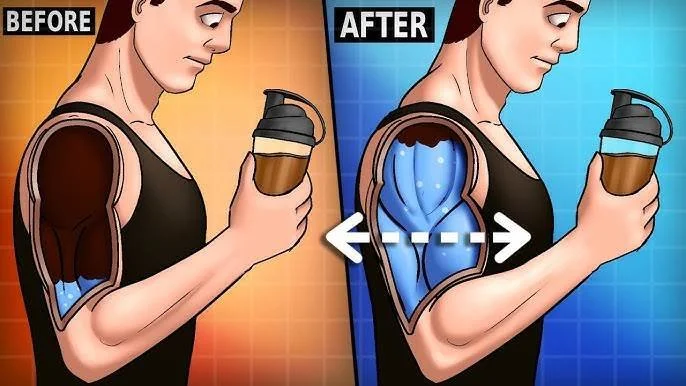
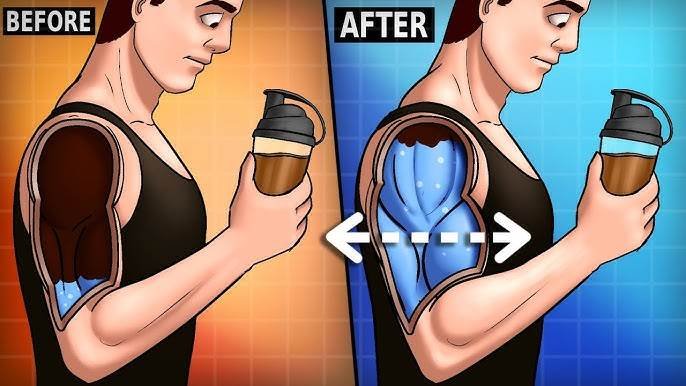
  • Skip loading if you prefer a steady approach: 3–5 g/day will saturate muscles in ~3–4 weeks with similar long-term benefits.

Timing and pairings

  • Timing is flexible: daily consistency matters more than exact minute timing.
  • Small advantage: taking creatine post-workout with carbs/protein can aid uptake — mix it with your post-workout shake or a carb snack.
  • Stay well hydrated; creatine draws water into muscle cells.

Sample simple plan (two options)

  • Fast saturation (optional):
    • Loading: 20 g/day (4 × 5 g) for 5–7 days
    • Maintenance: 3–5 g/day thereafter
  • Straight maintenance:
    • 3–5 g/day every day (no loading)

Training and nutrition to maximize gains

  • Use progressive overload: prioritize compound lifts (squats, deadlifts, presses, rows) and gradually increase weight or reps.
  • Creatine works best when combined with consistent resistance training and adequate protein (0.7–1 g/lb bodyweight) and calories.
  • Use creatine during cutting phases too to preserve strength and lean mass.

Safety and side effects

  • Side effects are uncommon; occasional bloating or stomach upset can occur (reduce dose or split throughout the day).
  • Kidney concerns are not supported in healthy individuals at recommended doses, but consult a medical professional if you have pre-existing kidney disease.
  • For gym safety while pushing heavier loads, review basic safety protocols to reduce injury risk: how to stay safe at the gym.

Practical tips and troubleshooting

  • Mix creatine into warm water, juice or your shake to dissolve it fully.
  • If you forget a dose, skip it and resume the next day — don’t double up.
  • Track progress: log lifts, sets, and body measurements every 4 weeks to see creatine’s benefits.

Frequently asked questions

  • Will creatine make me bulky? It increases muscle size when combined with training; initial weight gain may include water in muscle cells.
  • Is cycling necessary? No; continuous daily use at maintenance doses is common and effective.
  • Can women use it? Yes — benefits apply across sexes when paired with resistance training.

How To Use CREATINE for Muscle Growth (FULL PLAN)

Conclusion

For a reliable, medically reviewed overview of creatine — including benefits, safety and supplement guidance — consult the Cleveland Clinic summary: Creatine: What It Does, Benefits, Supplements & Safety.

How To Use CREATINE for Muscle Growth (FULL PLAN) Read More »

, , , ,
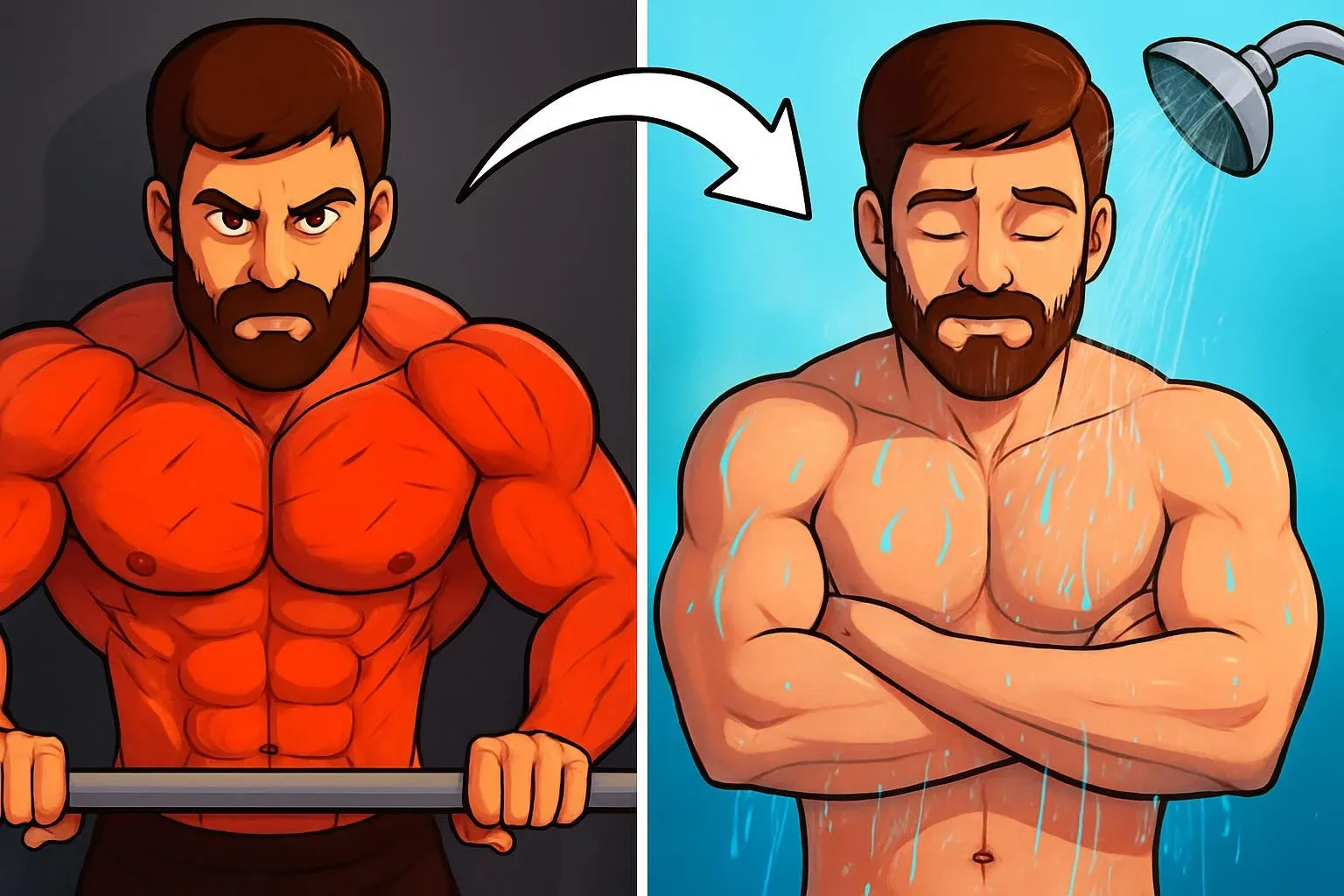
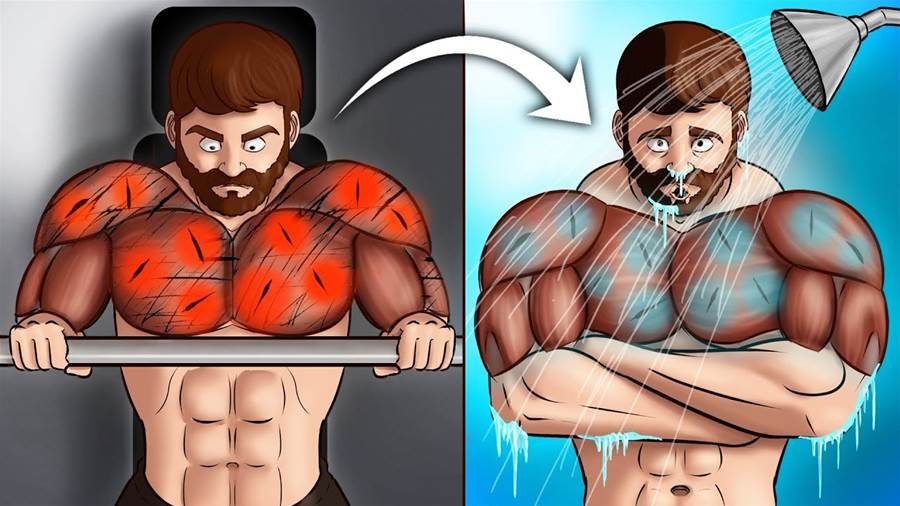
Exercises that can KILL testosterone levels for fitness enthusiasts

5 Popular Exercises That KILL Testosterone

Workouts That Quiet Your Testosterone

Many popular workouts are great for burning calories and improving endurance, but when done excessively or without proper recovery they can suppress testosterone levels and blunt gains. If you love training but want to protect your hormones, here’s a practical look at five common exercise styles that can lower testosterone when overdone — and what to do instead. For people who focus narrowly on specific muscle groups, pairing smarter recovery with targeted work (for example, balanced glute routines) helps preserve hormone health: glute-strength routines to try.

5 Popular Exercises That KILL Testosterone

  1. Long, steady-state endurance running (marathon-style)
  • Why it can lower testosterone: Chronic long-distance running increases cortisol and can push the body into an energy-deficit, both of which suppress testosterone production.
  • Signs it’s happening: Persistent fatigue, loss of libido, poor recovery, or plateaued strength.
  • What to do instead: Replace some long runs with shorter, higher-intensity intervals or limit long runs to a few times per week and prioritize calories and sleep.
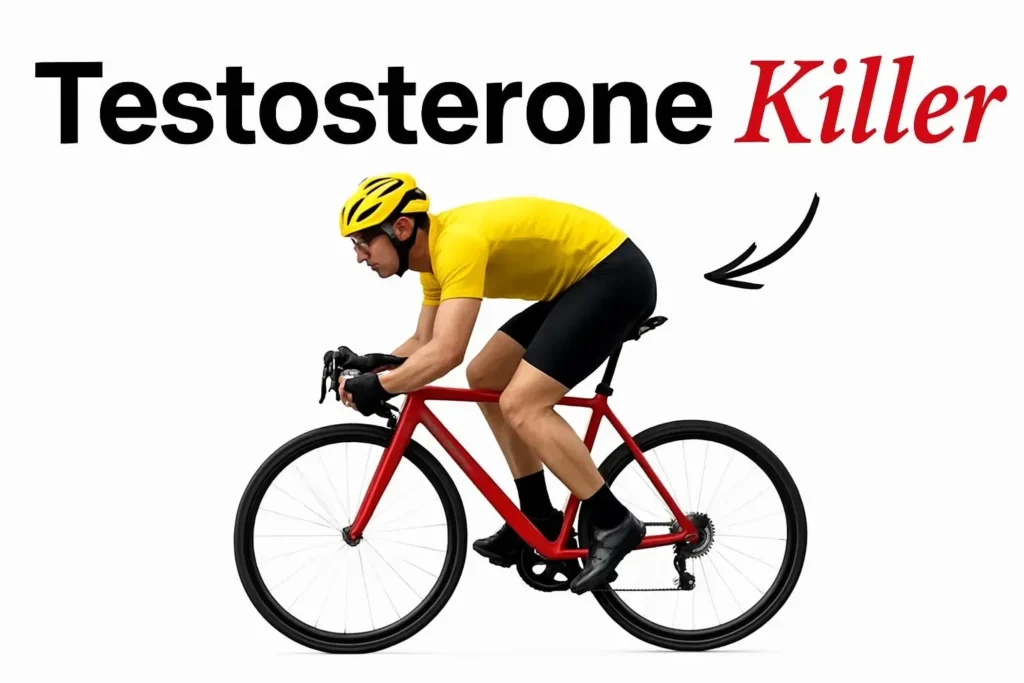
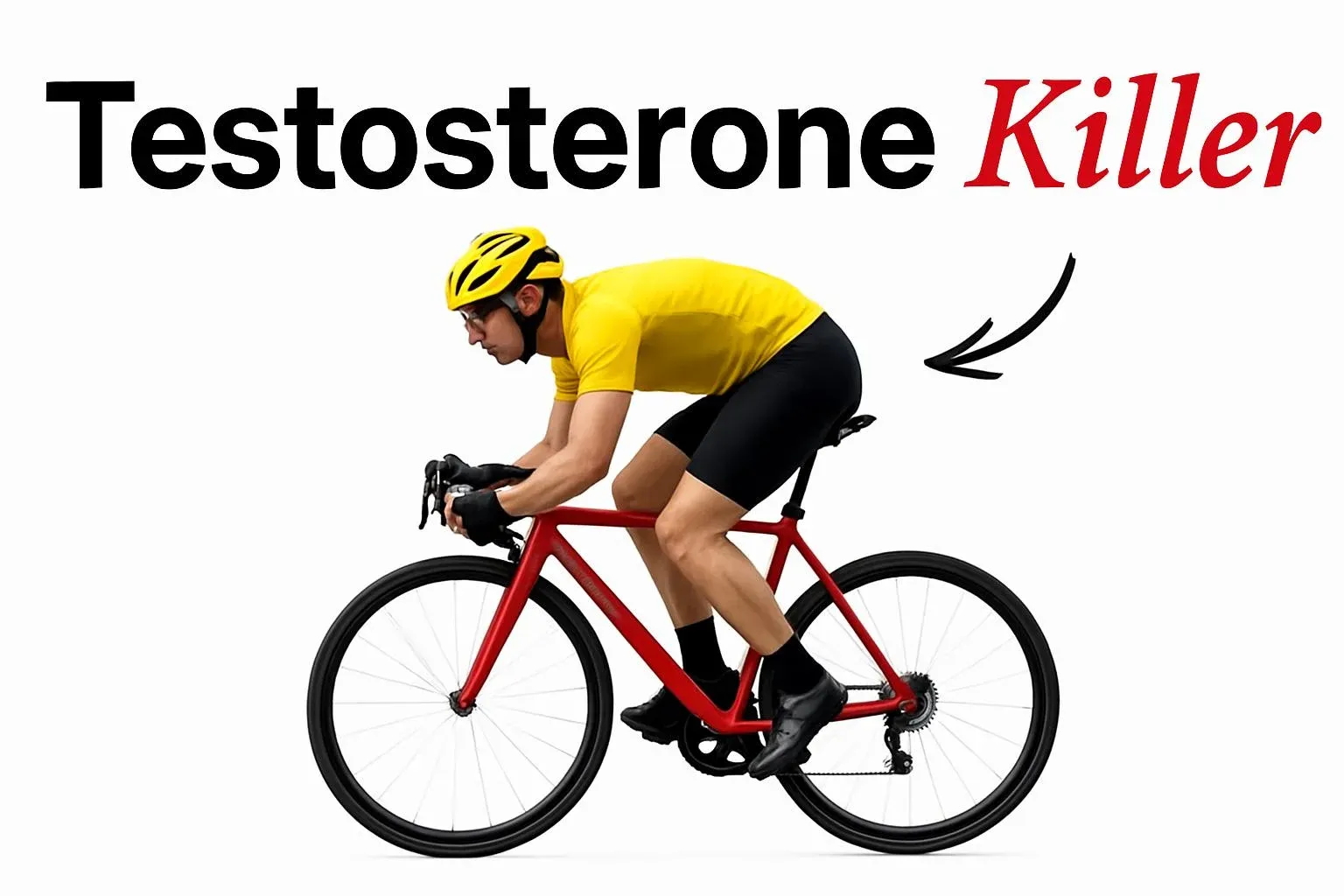
  1. Excessive cycling (high-volume road cycling)
  • Why it can lower testosterone: Very high training volume plus scrotal compression and heat can impair testicular function for some men; prolonged bike seats and long rides can exacerbate this.
  • Signs it’s happening: Testicular discomfort, decreased morning erections, or unexplained drops in strength.
  • What to do instead: Use a better saddle and bike fit, include off-bike resistance sessions, and avoid consecutive very long rides without recovery.
  1. Endless steady-state cardio machines (treadmill/rower/elliptical marathons)
  • Why it can lower testosterone: Like long runs, long sessions on cardio machines increase stress hormones and deplete energy stores if not balanced with nutrition and rest.
  • Signs it’s happening: Reduced muscle mass, sluggishness, and longer recovery times.
  • What to do instead: Incorporate sprint intervals or reduce session length and add resistance training to maintain anabolic stimulus.
  1. High-rep, low-weight "pump" sessions done daily
  • Why it can lower testosterone: Constant high metabolic stress without progressive overload or proper recovery can increase cortisol and hinder anabolic signaling.
  • Signs it’s happening: You feel pumped but aren’t getting stronger or gaining muscle.
  • What to do instead: Focus on heavier, compound lifts 2–4 times per week and use high-rep pump sets sparingly for variety.
  1. Constant core-only circuits and nonstop ab training
  • Why it can lower testosterone: Excessive focus on high-frequency core circuits (especially when combined with overall high training volume) contributes to systemic fatigue and hormonal strain.
  • Signs it’s happening: Persistent core soreness, diminished performance elsewhere, hormonal symptoms.
  • What to do instead: Make core work supportive and targeted; let compound lifts handle most of the load and use specific ab routines in moderation. If you’re looking for structured core work that burns fat and builds definition, these abs-killer exercises to try are effective when used judiciously.

Practical rules to protect testosterone while training

  • Prioritize resistance training: Heavy compound lifts (squats, deadlifts, presses) stimulate anabolic hormones.
  • Avoid chronic calorie deficits: Energy availability matters for hormone production.
  • Limit excessive endurance volume: Balance steady cardio with recovery and strength work.
  • Sleep and stress management: Aim for 7–9 hours nightly and use active recovery, mobility, or meditation.
  • Periodize training: Cycle intensity and volume to prevent overtraining and allow hormone systems to reset.

5 Popular Exercises That KILL Testosterone

Conclusion

If you suspect your training is harming your testosterone, adjust volume, prioritize recovery, and lean into strength training. For complementary strategies and to understand how certain supplements might fit into a hormone-friendly plan, see this overview on What is creatine? Potential benefits and risks of this popular supplement.

5 Popular Exercises That KILL Testosterone Read More »

, , , ,
Building muscle without creatine: tips and insights for effective gains.

No Creatine, No Gains? The Brutal Truth About Building Muscle Without a Secret Weapon

Gains Without Creatine

Building muscle without creatine is absolutely possible — and for many lifters it’s the smarter, more sustainable route. Creatine helps speed up strength gains for a lot of people, but it isn’t a required "secret weapon." With consistent training, smart nutrition, and recovery, you can build meaningful muscle and strength naturally. For variety in your program and to avoid plateaus, consider exercise swaps like Bulgarian split squat alternatives that keep progression steady without relying on a single supplement.

No Creatine, No Gains? The Brutal Truth About Building Muscle Without a Secret Weapon

Why creatine helps — and why it isn’t mandatory

  • Creatine increases phosphocreatine stores in muscle, which helps with short, high-intensity efforts and can allow for extra reps or heavier sets. That can translate into faster strength and hypertrophy gains.
  • However, hypertrophy fundamentally depends on progressive overload, sufficient protein and calories, and recovery. Creatine simply accelerates one pathway — it doesn’t replace the need for effective training and nutrition.

Training strategies that replace the supplement boost

  1. Progressive overload: Track reps, sets, and loads. Small weekly improvements (even a single extra rep) compound into real gains.
  2. Volume and frequency: Increasing weekly training volume across 2–3 sessions per muscle group is as effective as short-term strength spikes from supplements.
  3. Rep-range variety: Include heavy (3–6 reps) for strength, moderate (8–12) for hypertrophy, and lighter (15–20) for metabolic stress. That mix stimulates different growth mechanisms.
  4. Smart exercise selection: Compound lifts move the most weight; accessory work targets weaknesses. Swap exercises periodically to force adaptation.

Nutrition and recovery you can’t skip

  • Protein: Aim for 1.6–2.2 g/kg body weight per day. Quality and timing matter, but total daily intake is most important.
  • Calories: To gain muscle, provide a modest calorie surplus (200–500 kcal/day) if body-fat gain is acceptable; otherwise, focus on recomposition with tight protein and high training intensity.
  • Sleep: 7–9 hours nightly enhances recovery, hormone balance, and training performance.
  • Hydration and micronutrients: Proper electrolytes and vitamins support performance and recovery.

Supplement alternatives and natural helpers
If you’re avoiding creatine, other evidence-backed or supportive strategies include:

  • Beta-alanine: Can improve performance in 60–240 second efforts by raising muscle carnosine.
  • HMB (beta-hydroxy beta-methylbutyrate): May help with recovery and limit muscle breakdown, especially for beginners or during calorie deficits.
  • Caffeine: Useful as a pre-workout performance enhancer.
  • Focus on whole-food protein sources and timing — a simple whey or mixed-protein shake post-workout remains very effective.

Programming examples (simple weekly layout)

  • Upper/Lower 4x week: Upper A, Lower A, Upper B, Lower B. Progress load or reps each session.
  • Push/Pull/Legs 3x week: Rotate volume and emphasize progressive overload for lagging areas.
  • Single-set-to-failure protocols are less reliable for long-term muscle gain compared to structured progressive plans.

Common mistakes when skipping creatine

  • Expecting overnight progress — creatine can create quick water and performance changes that mask real adaptation rates.
  • Under-prioritizing sleep, protein, or progressive overload.
  • Ignoring volume: Without creatine’s extra reps, you may need more sets or sessions to reach an effective weekly stimulus.

Who should consider skipping creatine?

  • People concerned about water retention, though this is often minimal and temporary.
  • Those who experience GI issues with creatine.
  • Individuals wanting to test their baseline progress without performance-boosting supplements.

Realistic timelines and expectations

  • Beginners often see rapid gains regardless of creatine due to neural and initial hypertrophic adaptations.
  • Intermediate and advanced trainees will progress more slowly; consistency and well-planned cycles matter more than any single supplement.
  • Track progress with objective measures: strength numbers, circumferential changes, and photos over months, not days.

Food quality and long-term health
Choosing nutrient-rich foods supports sustainable muscle growth. Whether you prefer organic or conventional produce, prioritize protein density, whole grains, fruits, vegetables, and healthy fats. For more on how farming and food choices affect nutrition and sustainability, see resources like organic and non-organic food considerations.

Practical checklist (no-creatine muscle plan)

  • Training: 3–5 sessions/week, progressive overload, mix of compound and accessory lifts.
  • Nutrition: 1.6–2.2 g/kg protein, modest calorie surplus or tight maintenance for recomposition.
  • Recovery: 7–9 hours sleep, consistent deloads every 6–8 weeks.
  • Supplements (optional): Beta-alanine, caffeine, HMB — not substitutes for foundational habits.
  • Track: Use a simple log for weights/reps and weekly photos/measurements.

No Creatine, No Gains? The Brutal Truth About Building Muscle Without a Secret Weapon

Conclusion

If you’re over 50 and managing diet while building strength, be mindful of common pitfalls; this guide on 7 Mistakes People Over Age 50 Make With The Keto Diet highlights dietary issues that can affect energy, recovery, and muscle outcomes. In short: creatine can help, but it’s not essential — consistent training, adequate protein and calories, and good sleep produce real, lasting gains.

No Creatine, No Gains? The Brutal Truth About Building Muscle Without a Secret Weapon Read More »

, , , ,
Top 8 activities for post workout recovery and improved results

8 Best Things to do After a Workout

8 Smart Moves After Your Workout

A great workout pays off only when you follow it with the right recovery steps. These eight simple actions help your body repair, reduce soreness, and turn effort into progress — whether you’re training for strength, endurance, or general fitness. If you want to optimize the whole routine, don’t forget to pair recovery with the right pre-workout fuel for better performance and results: best pre-workout snacks to power your morning routine.

8 Best Things to do After a Workout

  1. Cool down with light movement
  • Spend 5–10 minutes walking, cycling slowly, or doing gentle dynamic stretches after intense exercise. This helps clear metabolic waste from muscles and lowers heart rate gradually.
  1. Do focused stretching or mobility work
  • Target tight areas (hamstrings, hips, chest) with controlled stretches or mobility drills to maintain flexibility and reduce stiffness.
  1. Rehydrate smartly
  • Replace fluids lost during exercise. Water is usually enough for short sessions; if you had a long or very sweaty workout, a drink with electrolytes can help.
  1. Refuel within 45–60 minutes
  • Eat a balanced snack or meal with protein and carbohydrates to support muscle repair and glycogen replenishment. Aim for roughly a 3:1 carb-to-protein ratio for optimal recovery.
  1. Apply contrast or ice when needed
  • For acute soreness or swelling, short icing sessions can reduce inflammation. Alternating warm and cold (contrast therapy) can also relieve tightness for some people.
  1. Use active recovery days
  • Include low-intensity activities like walking, swimming, or yoga on rest days to promote circulation and healing without adding stress.
  1. Track recovery and tailor it to your body
  • Pay attention to how your body responds and adjust rest, nutrition, and intensity accordingly. If you’re following a plan for a specific body type, adapt recovery strategies to match your needs — for example, those working with an endomorph profile may emphasize different approaches for metabolism and recovery: endomorph body type: best 3 workouts and diets.
  1. Prioritize sleep and stress management
  • Sleep is when most muscle repair and hormonal recovery happen. Aim for consistent, quality sleep and use relaxation techniques (breathing, stretching, light reading) to lower overall stress levels.

8 Best Things to do After a Workout

Conclusion

For an evidence-based checklist of post-workout steps and more tips you can try, see What to Do After Working Out: 11 Tips to Try Post-Workout (https://www.healthline.com/health/exercise-fitness/what-to-do-after-working-out).

8 Best Things to do After a Workout Read More »

, , , ,
Natural pre-workout foods for energy, including bananas for quick fuel.

Best Natural Pre-Workout Foods and Benefits

Fueling your workout with the right Natural Pre-Workout Foods can boost performance, sharpen focus, and speed recovery; without relying on processed supplements. Whether you’re training for strength, endurance, or general fitness, choosing whole-food options that combine fast energy, sustained carbs, electrolytes, and a bit of protein gives you the best results. If you want ideas for quick, ready-to-eat options, check out this guide to pre-workout snacks to power your morning routine.

Below are top natural choices, why they help, and simple combos you can use depending on how long before exercise you plan to eat.

Top Natural Pre-Workout Foods

  • Banana
    • Why: Quick, easily digestible carbohydrates (natural sugars) provide immediate fuel. High in potassium and magnesium, bananas help maintain muscle function and reduce cramping risk.
    • Use: Eat 15–60 minutes before short, intense workouts.
  • Oats
    • Why: Slow-digesting complex carbohydrates give steady energy release and help preserve glycogen for endurance training. Oats also contain B vitamins for energy metabolism.
    • Use: Ideal 1–2 hours before longer sessions; add a little nut butter for protein and fats.
  • Greek Yogurt
    • Why: Offers a mix of fast carbs and high-quality protein for muscle support with low volume and easy digestion. The probiotics can aid gut comfort.
    • Use: Eat 45–90 minutes before training; top with fruit or honey for extra carbs.
  • Dates
    • Why: High in natural sugars and potassium—excellent for quick energy and electrolytes. They’re light to eat and won’t weigh you down.
    • Use: Great 10–30 minutes before exercise; popular among endurance athletes.
  • Coffee (or black tea)
    • Why: Caffeine enhances alertness, perceived exertion, and power output in many people. A small cup can improve focus and reduce fatigue.
    • Use: Consume ~30–60 minutes before a workout; avoid excessive amounts to prevent jitters.
  • Beetroot (juice or cooked)
    • Why: Rich in nitrates that can improve blood flow and endurance by lowering oxygen cost during exercise. Beneficial for sustained, moderate-intensity workouts.
    • Use: Best consumed 2–3 hours before longer efforts.
  • Nuts and Nut Butters
    • Why: Provide healthy fats and a bit of protein to slow digestion and sustain energy during longer workouts. They also contain magnesium and other micronutrients valuable for muscle function.
    • Use: Combine with a banana or toast if eaten within an hour before activity.
  • Whole-Grain Toast with Honey or Jam
    • Why: Offers an easy-to-digest carbohydrate source with a quick-sugar option (honey/jam) for near-immediate fuel. Keeps stomach comfortable for many people.
    • Use: Eat 30–60 minutes prior to moderate training.

Protein-Rich Options (When You Need Muscle Support)

Natural Pre-Workout Foods

If your session includes heavy lifting or you’re training on an empty stomach, adding a small amount of protein helps limit muscle breakdown. Simple choices include a small protein shake, a hard-boiled egg, or a portion of Greek yogurt. For more ready-made protein ideas that fit into a busy day, see this list of protein lunchables for adults—many concepts translate well to pre-workout portions.

Timing and Portion Guidance

  • 0–30 minutes before: Small, high-carb, easily digestible items (banana, dates, a slice of toast with honey).
  • 30–60 minutes before: Combination of carbs with a small amount of protein (Greek yogurt with fruit, toast with nut butter).
  • 1.5–3 hours before: Larger meals with complex carbs and some protein (oatmeal with fruit and nuts, a rice-and-lean-protein bowl).
  • Hydration: Drink 200–300 ml (7–10 oz) of water ~30 minutes before starting; adjust for sweat rates and climate.

Simple Pre-Workout Combos

  • Fast power: Banana + a few dates
  • Balanced 30–60 min: Greek yogurt + sliced berries + a drizzle of honey
  • Endurance prep: Oats with banana and a small splash of beetroot juice several hours before
  • Light and alert: Whole-grain toast + a smear of almond butter + 1 small cup of coffee

Benefits Summary

Eating natural pre-workout foods gives you:

  • Immediate and sustained energy from simple and complex carbs
  • Electrolytes (potassium, magnesium) for muscle function and cramp prevention
  • Better performance and focus with strategic caffeine or nitrate-containing foods
  • Reduced muscle breakdown when protein is included
  • Fewer digestive issues and artificial additives compared with many processed supplements

Conclusion

Choosing whole-food pre-workout options tailored to the timing and intensity of your session will consistently improve how you feel and perform. If you’re exploring different dietary approaches alongside your pre-workout fueling—especially low-carb strategies—consider reading more about Say Goodbye To Carbs With The Ketovore Revolution for complementary ideas on meal structure and fat-based fuel.

Best Natural Pre-Workout Foods and Benefits Read More »

, , , ,
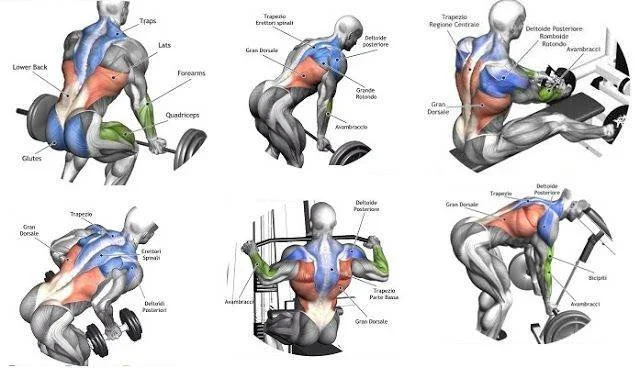
A fit person demonstrating 5 essential back moves for a stronger back workout.

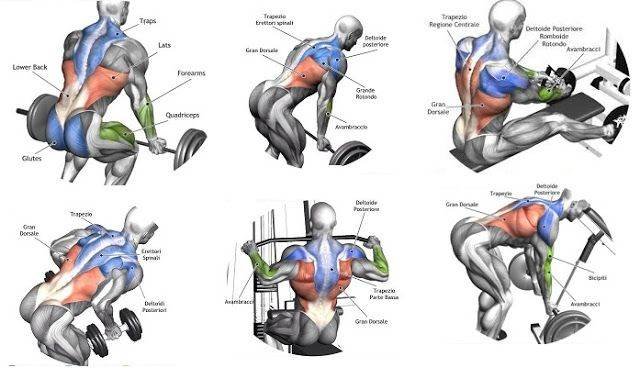
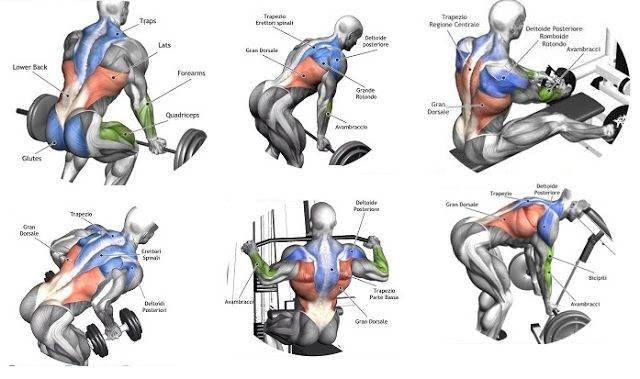
5 Must-Do Back Moves to Build A Massive Back👇👇

5 Must-Do Back Moves to Build a Massive Back

A powerful, wide, and thick back is one of the best indicators of full-body strength and athleticism. Whether your goal is to look impressive in a T-shirt, improve deadlift numbers, or prevent injury, these five foundational moves should be the backbone of your training. For balanced development, pair your back days with smart lower-body work such as these 5 Bulgarian split squat alternatives to build stronger legs without the balance struggle.

Below are the five essential exercises, how to perform them correctly, programming suggestions, and common mistakes to avoid.

1) Deadlift (Conventional / Trap Bar)

Why: The deadlift is a whole-posterior-chain builder—low back, erectors, lats, traps, glutes, and hamstrings all get stronger.

How to cue it:

  • Setup with feet hip-width, grip just outside legs.
  • Brace your core, pull lats down and back, and drive through the heels.
  • Keep a neutral spine and push the floor away rather than pulling the bar.

Programming:

  • Strength focus: 3–6 sets of 3–6 reps with heavy loads.
  • Hypertrophy: 3–4 sets of 6–10 reps with slightly lighter, controlled reps.

Common mistakes:

  • Hips rising too fast into a stiff-legged position.
  • Rounded upper back—pull the shoulder blades down to protect the spine.
  • Letting the bar drift away from the shins.

If you want a structured way to practice heavy pulls, try a dedicated protocol like the 15-minute heavy deadlift EMOM workout to build strength fast to build consistency under load.

2) Bent-Over Barbell Row (or Chest-Supported Row)

Why: Rows add thickness to the mid-back and reinforce horizontal pulling strength that balances pressing work.

How to cue it:

  • Hinge at the hips, keep a flat back, and pull the bar toward your lower rib cage.
  • Lead with the elbows and squeeze the shoulder blades together at the top.

Programming:

  • 3–5 sets of 6–12 reps for size and strength.
  • Use chest-supported rows if lower-back fatigue limits your ability to maintain position.

Common mistakes:

  • Using excessive torso momentum.
  • Dominating the movement with the arms instead of lats and scapular retraction.

3) Pull-Ups / Chin-Ups

Why: Bodyweight vertical pulling builds wide lats and functional strength. Changing grip width and hand orientation shifts emphasis across the back and biceps.

How to cue it:

  • Start from a full hang, initiate by pulling the chest toward the bar, and avoid shrugging the shoulders up.
  • Control the descent on the way down.

Programming:

  • Strength: weighted pull-ups, 3–6 sets of 3–6 reps.
  • Hypertrophy: bodyweight or assisted, 3–4 sets of 6–15 reps.

Common mistakes:

  • Kipping unless intentionally training for it.
  • Partial reps—aim for full range of motion.

4) Single-Arm Dumbbell Row (or One-Arm Cable Row)

Why: Unilateral work corrects left-right imbalances, improves lat shape, and allows full contraction at the top of the movement.

How to cue it:

  • Keep a braced torso, pull the elbow back and slightly up, and rotate the shoulder blade into the spine.
  • Pause and squeeze at the top for 1–2 seconds.

Programming:

  • 3–4 sets of 8–15 reps per side.
  • Use heavier sets for strength and higher reps for time under tension.

Common mistakes:

  • Twisting the torso to cheat.
  • Letting the shoulder hike—keep it down and active.

5) Face Pulls / Rear Delt Band Work

Why: The small muscles of the upper back and rear delts improve posture, shoulder health, and the upper-thickness of the back—important for aesthetics and injury prevention.

How to cue it:

  • Pull the rope or band toward your face with elbows high, externally rotating at the finish.
  • Focus on scapular retraction and posterior shoulder activation.

Programming:

  • 3–4 sets of 12–20 reps with controlled tempo.
  • Use as a finisher for back or upper-body days.

Common mistakes:

  • Using too heavy a load that turns the movement into a row.
  • Letting the head jut forward—keep neutral alignment.

Programming Template (Simple Week)

  • Day 1 (Heavy): Deadlift variant 4×4, Bent-over row 4×6, Face pulls 3×15
  • Day 2 (Volume/Width): Pull-ups 4×8, Single-arm rows 4×10, Rear-delt work 3×15
  • Swap in variations weekly (e.g., trap-bar deadlift, chest-supported rows) and prioritize progressive overload.

Recovery and Injury Prevention

  • Warm up with banded pull-aparts, light rows, and hip-hinge drills.
  • Maintain thoracic mobility to support a strong, safe pulling position.
  • Address residual soreness with mobility, foam rolling, and targeted recovery work.

Conclusion

If heavy pulling ever leaves your lower back sore or stiff, follow these practical 5 Steps to Treat Lower Back Pain from Deadlifts to recover safely and get back to building a massive back.

5 Must-Do Back Moves to Build A Massive Back👇👇 Read More »

, , , ,
Scroll to Top