workout recovery

Individual resting between sets during a workout for optimal performance.

How long should you rest between sets?

Pause to Progress

How long you rest between sets can be just as important as the exercises, loads, and volume you choose. Rest intervals influence strength, hypertrophy, metabolic stress and recovery — and they should be selected to match your goal, the lift, and your individual response. For guidance on progressing load and intensity along with rest strategies, see how progressive overload breaks you out.
How long should you rest between sets?

Why rest intervals matter
Rest period length determines how much ATP and phosphocreatine recover, how much metabolic byproduct clears, and how nervous system fatigue dissipates. Shorter rests (30–60 seconds) keep metabolic stress high and increase density, which can promote hypertrophy for some trainees. Longer rests (2–5 minutes) allow more full recovery and better performance on heavy sets, improving strength and power adaptations.

General rest ranges (practical starting points)

  • Strength/power: 2–5 minutes. Use long rests when lifting near-max loads (≤6 reps) or training explosive lifts so you can maintain high force output each set.
  • Hypertrophy: 60–120 seconds. This middle zone balances mechanical tension and metabolic stress; many lifters find 1–2 minutes works well for moderate rep ranges (6–12 reps).
  • Muscular endurance/metabolic conditioning: 30–60 seconds (or less). Short rests increase cardiovascular demand and work capacity, useful for circuits and conditioning.
  • Rehab, technique-focused sets, or light accessory work: 30–90 seconds depending on goals and fatigue.

Matching rest to exercise and session

  • Compound vs. isolation: Big, multi-joint lifts (squats, deadlifts, bench) demand longer rest because they stress the nervous system more. Single-joint movements recover faster.
  • Load and rep scheme: Heavier loads and lower reps need longer recovery; lighter loads and higher reps allow shorter rests.
  • Training frequency and fatigue: If you’re doing multiple heavy sessions per week, slightly longer rests can help manage accumulated fatigue and preserve performance.

Programming tips and variations

  • Individualize: Track performance — if your bar speed or rep count drops dramatically across sets, add 30–60 seconds to your rest. Use RPE to gauge readiness.
  • Use clusters or mini-rests: For heavy sets where accumulated fatigue limits reps, break sets into short clusters (e.g., 3×(3+20s rest) to complete 9 total reps with higher quality).
  • Supersets and antagonistic pairing: Pair opposing muscle groups (e.g., chest and back) to reduce rest without compromising set quality. This also boosts session density.
  • Active rest: Light mobility, low-intensity cardio, or breathing work can speed recovery without dropping heart rate too low. Avoid activities that fatigue the muscles you’re about to train.
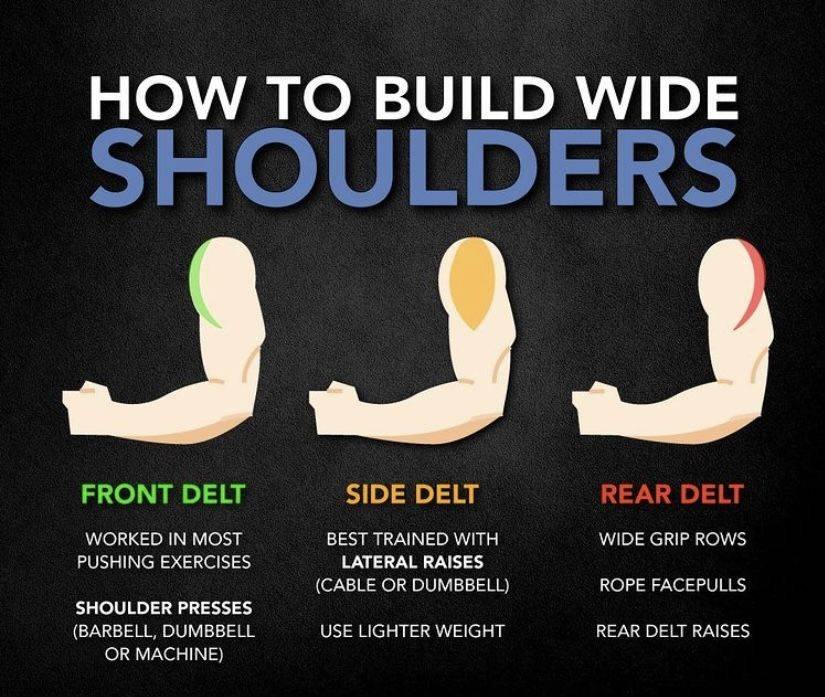
  • Progress over time: As you adapt, adjust rest to match heavier loads or different rep ranges. For programming ideas that combine progressing load with smart rest choices, try incorporating the principles in top cable exercises for shoulders as accessory work with tailored rest.

Practical guidelines for workouts

  • Time your rests: Use a watch or phone timer for consistency.
  • Be goal-focused: If your aim is strength, err on the longer side; for hypertrophy, start with ~90 seconds and adjust by feel.
  • Keep notes: Log rest length alongside sets, reps, and RPE — small changes in rest can explain progress or stalls.
  • Stay flexible: Stress, sleep, and nutrition change recovery. On low-energy days, increase rest slightly and prioritize technique.
How long should you rest between sets?

Conclusion

For an evidence-based review of how rest intervals affect strength training outcomes, see the study on Rest interval between sets in strength training.
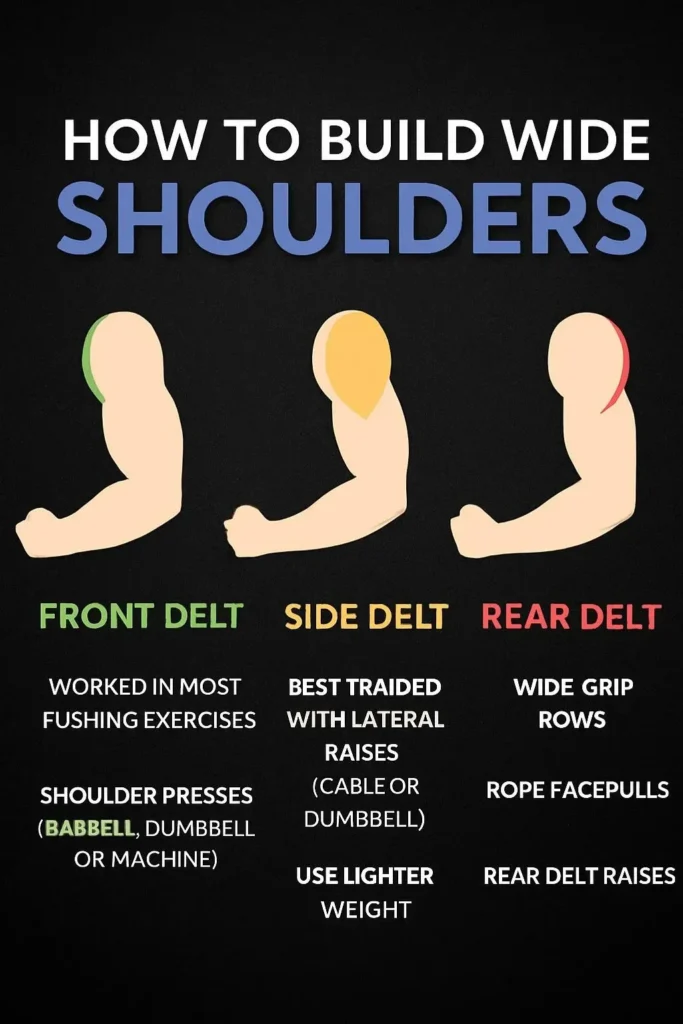
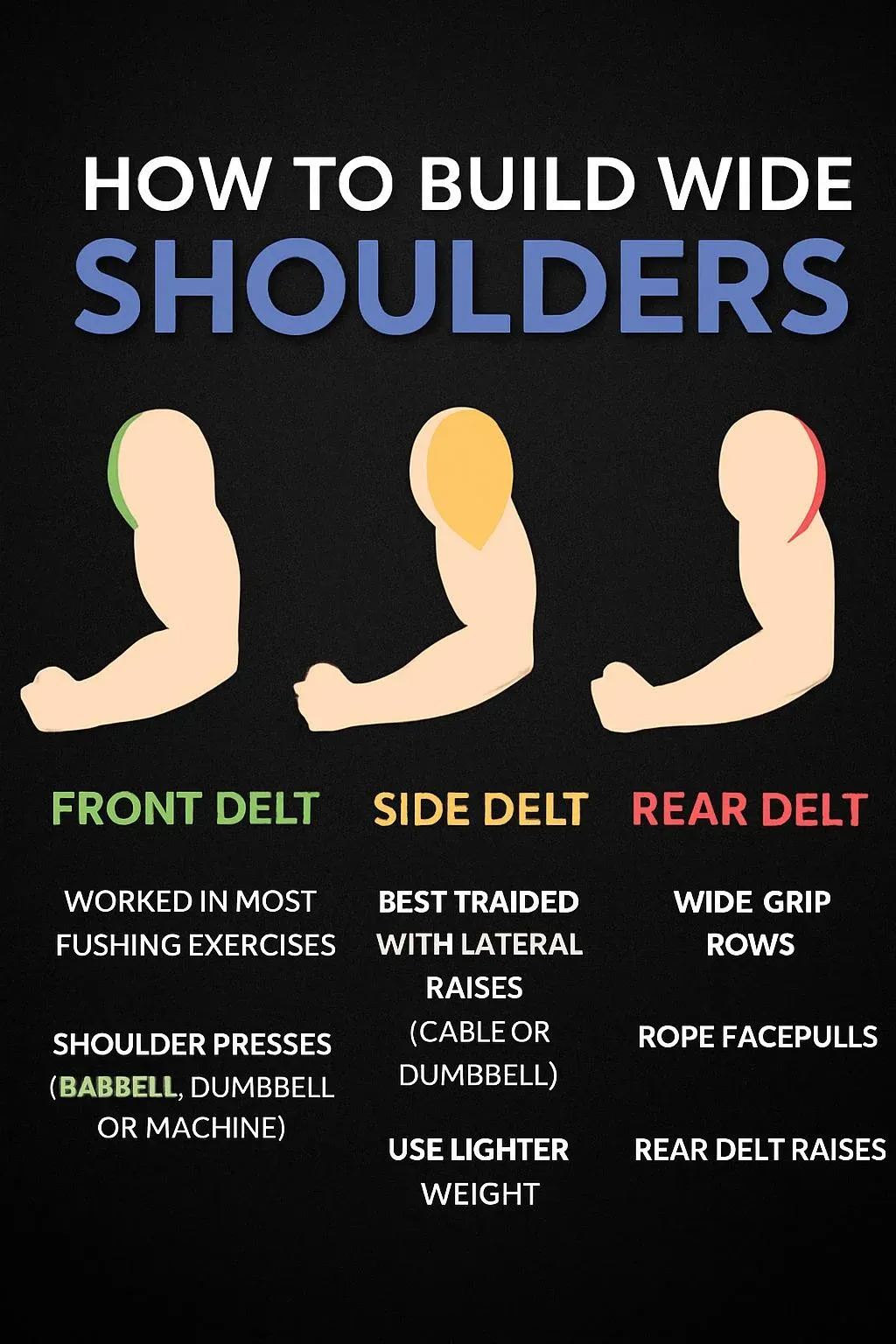
How long should you rest between sets? Read More »

, , , ,
Sleeping muscles are vital for effective recovery and growth in fitness programs.

Muscles Won’t Grow If You Don’t Sleep — The Hidden Recovery Mistake Killing Your Progress

Sleep or Stall: The Recovery Mistake Killing Your Gains

You can grind in the gym and follow the perfect program, but if you’re shortchanging sleep, muscle growth will stall. Recovery happens when you rest — not while you’re counting reps — and poor sleep undermines hormones, repair, and training adaptations. If you struggle to gain size despite consistent effort, this invisible factor might be the missing piece.
Muscles Won’t Grow If You Don’t Sleep — The Hidden Recovery Mistake Killing Your Progress

Why sleep matters

  • Muscle protein synthesis and repair occur most efficiently during deep sleep stages.
  • Growth hormone and testosterone — both crucial for hypertrophy — are released in pulses tied to sleep quality.
  • Poor sleep increases cortisol, which can blunt recovery and increase catabolism.

How sleep affects hormones and recovery
Sleep deprivation alters the hormonal environment:

  • Lowered growth hormone secretion: Less repair and slowed tissue remodeling.
  • Decreased testosterone: Reduced anabolic signaling for strength and size.
  • Increased cortisol and insulin resistance: A catabolic environment that makes building muscle harder.

Common sleep mistakes that kill progress

  • Prioritizing extra sessions instead of rest days. More training isn’t always better if recovery is compromised.
  • Using caffeine or screen time late into the evening, which delays sleep onset and reduces deep sleep.
  • Inconsistent sleep timing: erratic bedtimes disrupt circadian rhythms and hormonal cycles.
  • Eating large meals or heavy stimulants right before bed, impairing sleep quality.

Practical strategies to fix sleep and reclaim gains

  1. Set a consistent sleep schedule: go to bed and wake up at the same time daily to stabilize circadian rhythms.
  2. Create a pre-sleep routine: 30–60 minutes of winding down (reading, stretching, light mobility).
  3. Optimize the bedroom: dark, cool (around 60–68°F / 15–20°C), and quiet.
  4. Limit blue light and screens at least an hour before bed.
  5. Use caffeine wisely: avoid it 6–8 hours before bedtime.
  6. Manage stress: mindfulness, breathing exercises, or brief evening journaling can lower nighttime arousal.
  7. Time training strategically: late-night heavy lifts can impair sleep for some; experiment with earlier sessions when possible.
  8. Nap smart: short naps (20–30 minutes) can boost performance without derailing nighttime sleep; avoid long late-afternoon naps.

Nutrition and sleep-friendly fueling

  • Protein before bed (slow-digesting sources like casein or cottage cheese) can support overnight muscle protein synthesis.
  • Avoid heavy, spicy, or high-sugar meals right before sleep.
  • Moderate alcohol may help you fall asleep but fragments REM sleep and reduces recovery quality.

Monitoring progress and recovery
Track more than just weight on the bar. Monitor:

  • Subjective energy and mood.
  • Sleep duration and perceived sleep quality.
  • Resting heart rate and morning readiness.
    If you want a simple way to measure overall recovery and health, try this simple assessment to see how well your body is coping with training loads.

When more training isn’t the answer
If weeks of consistent training aren’t producing gains, stop chasing more volume and evaluate recovery. Overtraining and poor sleep produce diminishing returns. Adjust volume, sleep habits, and nutrition, then reassess.

Small changes that compound

  • Add a 20–30 minute nap on heavy training days if you can.
  • Prioritize a protein-rich bedtime snack occasionally to fuel overnight repair.
  • Make one small sleep habit change per week and measure its effect.

If you need ideas to tweak your diet alongside these sleep improvements, here’s a useful resource on boosting protein intake across meals and snacks: 10 easy ways to increase your protein intake.

Muscles Won’t Grow If You Don’t Sleep — The Hidden Recovery Mistake Killing Your Progress

Conclusion

Fixing sleep is one of the highest-ROI steps you can take to accelerate muscle growth and strength. If progress has stalled, review your sleep strategy before adding more training. For broader troubleshooting on training plateaus and common mistakes that stop progress, check this guide: 9 Mistakes Why You are Not Making ANY Progress with Calisthenics …

Muscles Won’t Grow If You Don’t Sleep — The Hidden Recovery Mistake Killing Your Progress Read More »

, , , ,
Scroll to Top