
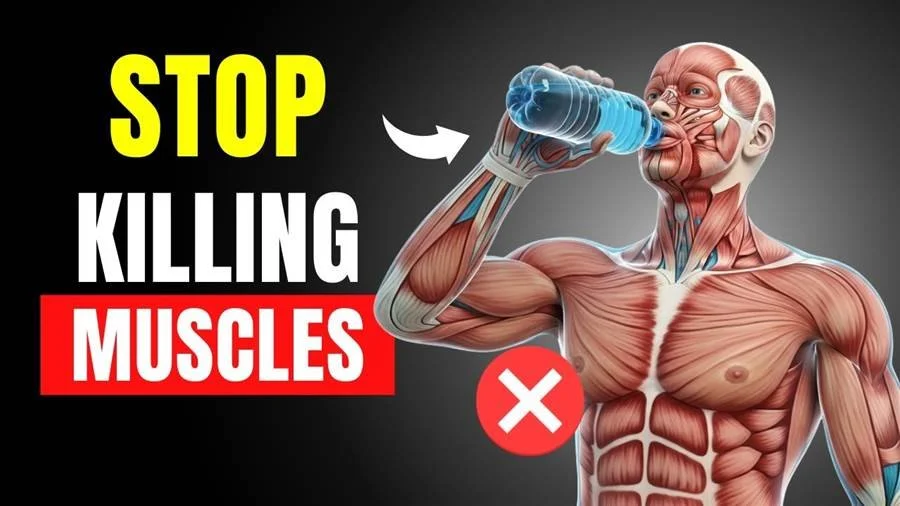
Gain or Pain? Why Overtraining Is the Silent Progress Killer — And How to Spot It
Silent Setback: Spotting & Stopping Overtraining
Overtraining can feel like a mystery—you’re putting in more hours, eating right, and yet progress stalls or reverses. Understanding the subtle warning signs and knowing how to respond can turn that plateau back into gains without losing your momentum. For example, smart accessory work like a controlled band routine can maintain strength while you deload: band twist core guide.
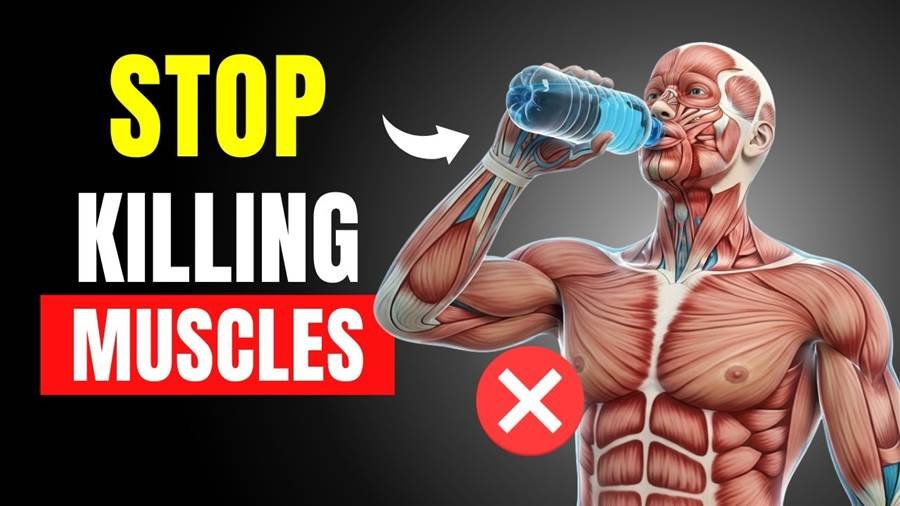
What overtraining looks like
- Persistent fatigue that sleep doesn’t cure.
- Drops in performance or stalled strength gains.
- Elevated resting heart rate and slower recovery between sets.
- Mood changes, irritability, or diminished motivation.
- Increased injury risk and frequent minor illnesses.
Why it happens
- Chronic training stress without adequate recovery (sleep, nutrition, deloads).
- Excessive volume or intensity for too long.
- Poor programming—too many high-intensity days stacked together.
- Life stress, poor sleep, or inadequate calories compounding training stress.
How to spot it early
- Track trends: sleep quality, resting heart rate, and workout performance week-to-week.
- Rate of perceived exertion (RPE) feels unusually high for normal loads.
- Workouts that used to feel “productive” become grindy or joyless.
- Use simple self-checks: morning energy, appetite, and enthusiasm for training.
Immediate steps to recover
- Back off: reduce volume or intensity for 7–14 days (a deload).
- Prioritize sleep and add 1–2 extra rest days.
- Keep movement: light mobility, walking, or a brief low-intensity session to maintain blood flow.
- Reassess nutrition—ensure adequate protein, carbs around workouts, and overall calories.
Programming fixes to prevent recurrence
- Plan regular deload weeks every 4–8 weeks, depending on intensity and experience.
- Cycle intensity: mix heavy, moderate, and light training blocks.
- Track accumulated stress (work, family, travel) and adjust training accordingly.
- Consider monitoring metrics like HRV or morning pulse as early warning signals.
Recovery tools that actually help
- Quality sleep hygiene: consistent schedule, cool dark room, no screens before bed.
- Active recovery sessions and targeted mobility work.
- Strategic supplementation only when needed—consult a professional.
- If muscle focus is needed during low-intensity phases, intentionally choose lower-impact core work or controlled ab routines: abs killer routine.
When to seek help
- Symptoms persist despite a structured deload and improved sleep/nutrition.
- Recurrent injuries or long-term mood disruption—consult a coach or medical professional.
- Consider professional testing (bloodwork for hormones, iron, vitamin D) if unexplained fatigue continues.
Simple 2-week deload plan (example)
- Reduce volume by ~40% and intensity by ~10–20%.
- Replace two intense sessions with low-intensity cardio and mobility.
- Keep one short, high-quality session focused on technique and speed with light loads.
- Prioritize sleep and add daily walks or light yoga.
Conclusion
Overtraining is manageable when you recognize early signs and respond with deliberate recovery and smarter programming. For guidance on handling post-workout soreness and whether pain relievers are appropriate during recovery, see this resource: Sore Muscles After Workouts: Should You Take Pain Relievers?
Gain or Pain? Why Overtraining Is the Silent Progress Killer — And How to Spot It Read More »