
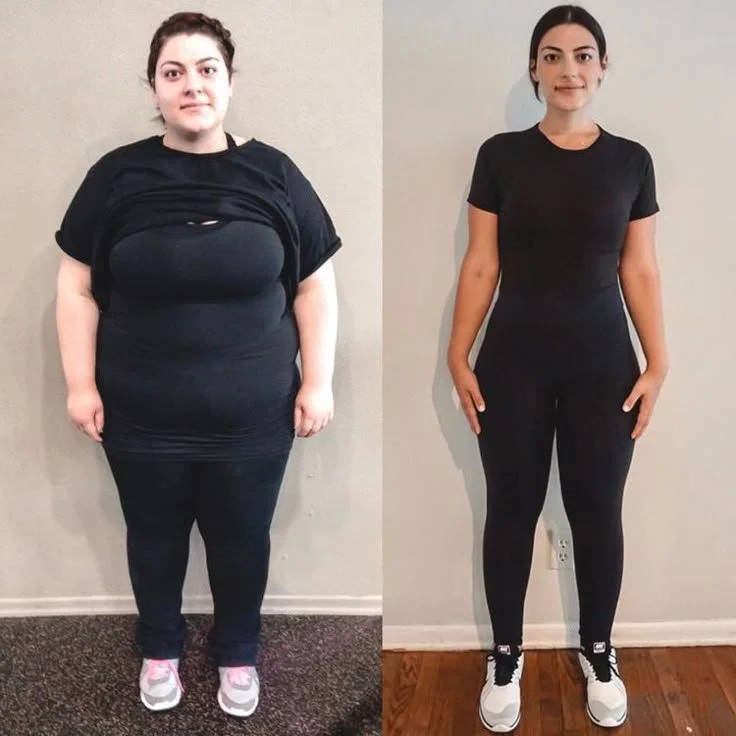
How I Learned My Weight-Loss Journey Wasn’t Over Even After Losing 170 Pounds
How I Learned My Weight-Loss Journey Wasn’t Over Even After Losing 170 Pounds
Introduction
When I hit the milestone of losing 170 pounds, I expected a giant checkmark next to “health.” Instead I found a new list of questions. The scale had given me a number—but not the full story. In those first weeks after the celebration, I faced loose skin, unexpected aches, muscle weakness, and a surprisingly persistent fear of regaining the weight. I also learned that progress doesn’t stop when the pounds do: strength, mobility, and mindset needed attention too. Early on I found resources about breaking plateaus helpful, like this piece on progressive overload that reframed strength as part of ongoing progress.
What “Done” Really Meant—and Didn’t
Losing weight answered one question: could I change my body through consistent choices? Yes. But weight loss didn’t answer how to live in that body day to day. There were practical things that the before-and-after photos didn’t show: excess skin that made exercise uncomfortable, clothes that still didn’t fit the way I imagined, and a chronic tendency to measure success only in pounds. I had to re-learn how to evaluate health beyond the scale.
The Physical Truths: Body Composition and Strength
Dropping 170 pounds was mostly about creating a calorie deficit and building better habits. But once the major weight came off, I noticed weaknesses—especially in my core and posterior chain—that made certain movements awkward. Rebuilding functional strength became more important than maintaining a tiny number on the scale. I started treating my training like physical rehabilitation: mobility, low-impact conditioning, and targeted strength work to protect joints and improve posture. Incorporating new exercises for stability helped; simple band work and rotational moves reminded me that strength can be subtle—see an example of band-based core work like a band twist for core strength—and that foundation matters for long-term success.
The Mental Work: Identity, Fear, and Reward
Weight loss can become a powerful identity anchor: “I’m a person who lost weight.” When that anchor was no longer moving, I had to decide whether my identity rested only on the number or on the habits I cultivated. There’s also the fear of relapse—after extreme effort, the idea of slipping back felt catastrophic. I learned to reframe relapse as information, not failure: if I gained a few pounds, what happened in my routine? Stress, sleep, medication, or a change in activity? That curiosity, not shame, led to sustainable fixes.
Lifestyle Beyond the Scale
Maintenance required new habits that prioritized longevity: consistent sleep, strength training to preserve muscle, flexible meal patterns that allowed joy without extremes, and social systems that supported my choices. I stopped punishing myself for “treats” and instead scheduled active rest and recovery. Small routines—like a morning mobility sequence or a weekly strength session—became more valuable than obsessing over daily weight fluctuations.
Practical Strategies That Worked
- Measure progress in multiple ways: photos, clothes fit, energy, and strength improvements.
- Prioritize resistance work to build a body that supports daily life.
- Build a support network—friends, coaches, or online communities—that understands maintenance is different from initial loss.
- Use setbacks as data. Track patterns (sleep, stress, intake) and adjust.
- Celebrate functional wins (climbing stairs without breathlessness, carrying groceries easily) as much as scale wins.
Why the Journey Continues
The narrative that weight loss is a finish line is seductive but misleading. Even after losing a huge amount of weight, bodies adapt, habits shift, and goals evolve. For me, the “next chapter” became strength, confidence, and maintenance strategies that honored my physical and mental wellbeing. My journey didn’t end because the number changed—it transformed into a lifestyle focused on resilience.
Conclusion
If you’ve reached a big milestone and still feel unsettled, you’re not alone. Read the original story for another person’s experience in “How I Learned My Weight-Loss Journey Wasn’t Over Even After Losing 170 Pounds” to see how narrative, body, and mind continue to evolve after major weight loss.
How I Learned My Weight-Loss Journey Wasn’t Over Even After Losing 170 Pounds Read More »