
Weight Loss

High-protein grocery list with foods for weight loss and muscle building

High-Protein Grocery List: Best Foods for Weight Loss & Muscle Gain

High-Protein Grocery List: Best Foods for Weight Loss & Muscle Gain

Introduction
A high-protein grocery list can be your single best tool whether your goal is to lose body fat, preserve muscle while dieting, or build strength. Protein increases satiety, supports recovery, and helps maintain lean mass during calorie deficits. If you’re combining diet with targeted strategies — including evidence-backed supplements — check resources on muscle preservation supplements to optimize results alongside food choices.

Why Protein Matters for Fat Loss and Muscle Growth

  • Appetite control: Protein keeps you fuller longer, which reduces overeating.
  • Thermic effect: Digesting protein burns more calories than carbs or fats.
  • Muscle protein synthesis: Adequate protein and training stimulate muscle repair and growth, essential for improving body composition.
    Aim for a daily protein target that fits your goals — commonly 0.7–1.2 grams per pound (1.6–2.6 g/kg) of bodyweight depending on activity level and whether you’re cutting or bulking.

High-Protein Grocery Categories (and Top Picks)
Animal proteins (lean and versatile)

  • Chicken breast: Low fat, high protein; ideal for meal prep.
  • Turkey: Ground or whole cuts; leaner than many red meats.
  • Lean beef: Provides iron and B12 along with protein.
  • Fish (salmon, tuna, cod): Excellent protein plus omega-3s — salmon is higher in fat but great for recovery.

Dairy & eggs

  • Greek yogurt: Thick texture and double the protein of regular yogurt.
  • Cottage cheese: Slow-digesting casein protein — great before bed.
  • Eggs: Whole eggs supply protein and nutrients; egg whites add lean protein without fat.

Plant-based proteins

  • Lentils & chickpeas: High in protein and fiber, good for satiety.
  • Tofu & tempeh: Versatile soy proteins that hold up well in many dishes.
  • Edamame: Snackable, nutrient-rich, and high in protein per serving.
  • Quinoa: A complete plant protein, good as a carb-protein hybrid.

Pantry & convenience proteins

  • Canned tuna and salmon: Shelf-stable and compact protein choices.
  • Protein powders: Whey, casein, or plant-based powders for shakes or recipes.
  • Nuts and seeds: Calorie-dense but offer healthy fats plus protein — portion carefully.
  • Jerky and lean deli meats: Good for on-the-go protein, watch for sodium.

Meal and Grocery Shopping Tips

  • Build meals around a protein source first, then add vegetables, healthy fats, and a controlled portion of carbs.
  • Prioritize whole foods most shopping trips, but use convenience options (canned fish, Greek yogurt, protein powders) to stay consistent on busy days.
  • Buy in bulk and freeze portions to save money and prevent waste.
  • Track your intake for a few days to identify gaps (e.g., low morning protein) and adjust your grocery list accordingly.

Simple High-Protein Meal Ideas

  • Breakfast: Greek yogurt parfait with berries and a sprinkle of chopped nuts.
  • Lunch: Grilled chicken salad with quinoa and mixed greens.
  • Snack: Cottage cheese with pineapple or a small handful of almonds.
  • Dinner: Baked salmon with roasted Brussels sprouts and lentils.
  • Post-workout: Protein shake with a banana or a lean turkey sandwich on whole-grain bread.

Grilling and Cooking for Protein Retention
Grilling is a fast, flavorful way to prepare high-protein foods. Use marinades with acid (lemon, vinegar) and herbs to add taste without extra calories, and avoid charring by cooking at moderate heat. For more recipe ideas and protein-friendly grilling options, explore high-protein grilling options to keep meals interesting and effective for muscle goals.

Shopping Checklist (quick)

  • Proteins: Chicken breast, lean beef, salmon, canned tuna, tofu, tempeh
  • Dairy & eggs: Greek yogurt, cottage cheese, eggs
  • Legumes & grains: Lentils, chickpeas, quinoa
  • Snacks & pantry: Nuts, seeds, jerky, protein powder
  • Veggies & fruits: Leafy greens, cruciferous veggies, berries, bananas

Conclusion

For a thorough, beginner-friendly compilation that maps these choices into an actionable shopping list, see The Ultimate High-Protein Grocery List For Beginners | Nourish.

High-Protein Grocery List: Best Foods for Weight Loss & Muscle Gain Read More »
, , , ,
A selection of 9 fat-burning foods to boost weight loss and enhance health.

9 Fat-Burning Foods That’ll Help You Reach Your Goals Faster

9 Fat-Burning Foods That’ll Help You Reach Your Goals Faster

Introduction
Losing fat isn’t about miracle foods — it’s about choosing the right ingredients that support metabolism, keep you full, and help you maintain a calorie deficit sustainably. Below are nine evidence-backed foods that can accelerate fat loss when paired with consistent exercise and sensible portion control. If you want practical ways to boost the protein in meals that support these choices, check out this guide to how to increase your protein intake.

  1. Lean poultry (chicken, turkey)
    Why it helps: Lean meats are high in protein, which increases the thermic effect of food (you burn more calories digesting protein) and preserves muscle while you lose fat.
    How to use it: Grill or roast skinless breasts, slice into salads, or batch-cook shredded meat for quick, lean meals.

  2. Eggs
    Why it helps: Eggs are nutrient-dense and filling. Eating a protein-rich breakfast with eggs can reduce calorie intake later in the day.
    How to use it: Boil for snacks, make vegetable-packed omelets, or pair with whole-grain toast for satiety.

  3. Fatty fish (salmon, mackerel)
    Why it helps: Omega-3 fats help regulate appetite and inflammation, and the protein content supports muscle maintenance.
    How to use it: Bake or pan-sear fillets, add to salads, or make fish-based bowls with veggies and quinoa.

  4. Green tea
    Why it helps: Green tea contains catechins and a modest amount of caffeine, which together can slightly boost metabolic rate and fat oxidation.
    How to use it: Replace sugary drinks with brewed green tea; drink hot or cold throughout the day for a mild energy and metabolism lift.

  5. Chili peppers (capsaicin)
    Why it helps: Capsaicin, the compound that makes peppers hot, can raise calorie burning briefly and reduce appetite in some people.
    How to use it: Add chili flakes to sauces, salsas, or marinades; try spicy seasonings on roasted vegetables or lean proteins.

  6. Oats and other whole grains
    Why it helps: Whole grains are high in fiber and have a lower glycemic impact than refined carbs, promoting steady energy and fullness.
    How to use it: Start the day with oatmeal topped with nuts and berries, or use barley/brown rice as a base for balanced bowls.

  7. Greek yogurt
    Why it helps: Greek yogurt is higher in protein than regular yogurt and provides probiotics that may support gut health and digestion.
    How to use it: Use as a base for smoothies, mix with fruit and nuts, or swap for sour cream in savory dishes.

  8. Legumes (beans, lentils)
    Why it helps: Legumes provide plant-based protein and fiber, which lengthen digestion and stabilize blood sugar — both helpful for controlling hunger.
    How to use it: Add lentils to soups, make bean-based salads, or turn chickpeas into roasted snacks.

  9. Nuts (almonds, walnuts)
    Why it helps: Nuts offer healthy fats, protein, and fiber that increase satiety. Portion control is key because they’re calorie-dense.
    How to use it: Use small handfuls as snacks, sprinkle chopped nuts over yogurt or salads, or blend into homemade nut butter.

How to use these foods together

  • Build balanced plates: aim for a protein source + vegetables + a bit of whole grain or legume. That combo supports fullness and steady energy.
  • Prioritize fiber and protein at each meal to minimize snacking driven by hunger.
  • Prepare simple swaps: grilled salmon instead of fried protein, Greek yogurt instead of sugary desserts, and oats instead of sweetened cereals.
  • Track trends, not every calorie: monitor how your clothes fit, energy, and performance in workouts. If you want a quick method to check overall progress and habits, here’s a simple way to assess your health.

Quick tips for best results

  • Focus on consistency: adding these foods helps only when you stick with healthier patterns over weeks and months.
  • Watch portions of calorie-dense items (nuts, fatty fish) — they’re healthy but add up.
  • Pair dietary changes with strength training to protect muscle and increase resting metabolic rate.
  • Stay hydrated and get quality sleep; both influence hunger hormones and fat-loss results.

Conclusion

Food choices can make fat loss easier and more sustainable, but emotional or habit-driven eating often undermines even the best meal plans. If emotional eating is a barrier for you, refer to the Mayo Clinic’s guidance to Gain control of emotional eating for practical strategies to support lasting change.

9 Fat-Burning Foods That’ll Help You Reach Your Goals Faster Read More »

, , , ,
Woman sharing successful weight loss tips for obese individuals

Weight loss tips for obese women that actually worked. I tried them.

Weight loss tips for obese women that actually worked — I tried them

Losing weight when you’re obese feels like climbing a mountain you’ve never been on before. I know — I was there. This article shares the realistic strategies that worked for me: small, sustainable changes, a focus on strength and protein, and systems that helped me keep going when motivation faded. If you want quick fixes, this isn’t it. But if you want practical, science-friendly habits that add up, read on.

Early on I focused on eating more protein and finding ways I actually liked to prepare it. For me that meant swapping some meals for lean meats and grilled options — I used a list of high-protein foods that are great for grilling to make dinners simple and satisfying.

What I changed and why it worked

  • Start with one habit at a time: Instead of overhauling everything at once, I chose one habit every 2–4 weeks (water before meals, removing sugary drinks, adding a 20-minute walk). That prevented overwhelm and built confidence.
  • Prioritize protein: Eating adequate protein reduced my hunger and preserved muscle mass as I lost weight. Protein also helped me feel full longer, which made calorie reduction realistic.
  • Strength training matters: Cardio alone stalled my progress. When I added consistent resistance training my body composition changed — fat down, muscles up. If you want a structured place to start, I found a set of full-body workouts that delivered results helpful for guidance and variety.
  • Keep calories reasonable, not extreme: I tracked food for a few weeks to learn portion sizes, then aimed for a modest calorie deficit I could sustain. Extreme restriction led to binges; moderate changes produced steady loss.
  • Sleep and stress control: Poor sleep tanked my willpower and increased cravings. Prioritizing 7–8 hours per night and addressing stress (breathing, short walks, journaling) made dieting much easier.

Daily routines that actually stuck

  • Plate method: Half vegetables, one quarter lean protein, one quarter whole grain or starchy veggie. Simple and visual.
  • Meal prep 2x/week: Even basic prep (cut veggies, pre-cook chicken, portion snacks) removed friction on busy days.
  • 10-minute movement windows: On heavy days, multiple short walks or bodyweight sets were better than none.
  • Smart swaps: Soda → sparkling water with lemon; chips → air-popped popcorn; creamy sauces → yogurt-based dressings.

How I structured exercise

  • Frequency: 3 strength sessions per week + 2 low-impact cardio sessions (walking, cycling, swimming). Rest days were active (stretching, light walking).
  • Progression: Small increases in weight or reps every 1–2 weeks. Tracking lifts kept progress visible and motivating.
  • Consistency over intensity: It was more important to show up consistently than to go all-out sporadically.

Mental strategies that made the difference

  • Focus on behaviors, not the scale: I celebrated workouts, cooking nights, and days I stayed hydrated. The scale is one input, not the only one.
  • Habit stacking: I attached new habits to existing ones (e.g., after brushing teeth in the morning I put on walking shoes).
  • Accountability: A friend check-in or short message thread helped on tough weeks.
  • Plan for slip-ups: I accepted that setbacks happen and planned immediate recovery actions (e.g., get back to meal prep the next day, not the next Monday).

What I ate (example day)

  • Breakfast: Greek yogurt with berries and a small handful of nuts.
  • Lunch: Grilled chicken salad with mixed greens, quinoa, and olive oil/lemon dressing.
  • Snack: Apple + a tablespoon of nut butter.
  • Dinner: Grilled salmon, roasted broccoli, and sweet potato.
  • Dessert: A square of dark chocolate or Greek yogurt with cinnamon.

Tracking and adjusting

  • Monthly check-ins: I measured weight, but also tracked waist, energy, sleep, clothes fit, and strength gains.
  • If weight loss stalled: I reviewed food logs, reduced liquid calories, increased NEAT (more standing, walking), or adjusted workout intensity.
  • Medical check: I had regular check-ins with my primary care provider to monitor health markers and ensure my plan was safe.

Common obstacles and fixes

  • Hunger: Increase protein and fiber, add a small high-volume snack (like broth-based soup), and assess if sleep or stress is the real cause.
  • Plateaus: Recalculate calories for your new weight, swap exercise formats, and ensure you’re still in a sustainable deficit.
  • Time: Simplify meals (one-pan dinners, slow cooker) and use short, intense workouts when needed.
  • Emotional eating: Create a pause routine (10-minute walk, breathing exercise) before deciding to eat.

Real results and timeframe
I lost steadily by aiming for 0.5–1 pound per week — slower than some programs promise, but more sustainable. Over months, that added to significant change in body composition and fitness. The biggest non-scale wins were more energy, better sleep, and stronger muscles.

A note on safety
If you are obese or have health conditions, consult your doctor before making large changes, especially regarding very low-calorie diets, new exercise regimes, or weight-loss medications. What worked for me may need adjustment for you.

Conclusion

If you’re exploring different eating patterns and wondering about low-carb approaches, consider reputable reviews like this one on whether you should try keto: Should you try the keto diet?

Final thought: sustainable weight loss for obese women isn’t about perfection. It’s about choosing a set of manageable habits, staying consistent, seeking support, and making adjustments that fit your life. If you want, tell me your current routine and I’ll suggest a few prioritized changes to start with.

Weight loss tips for obese women that actually worked. I tried them. Read More »

, , , ,
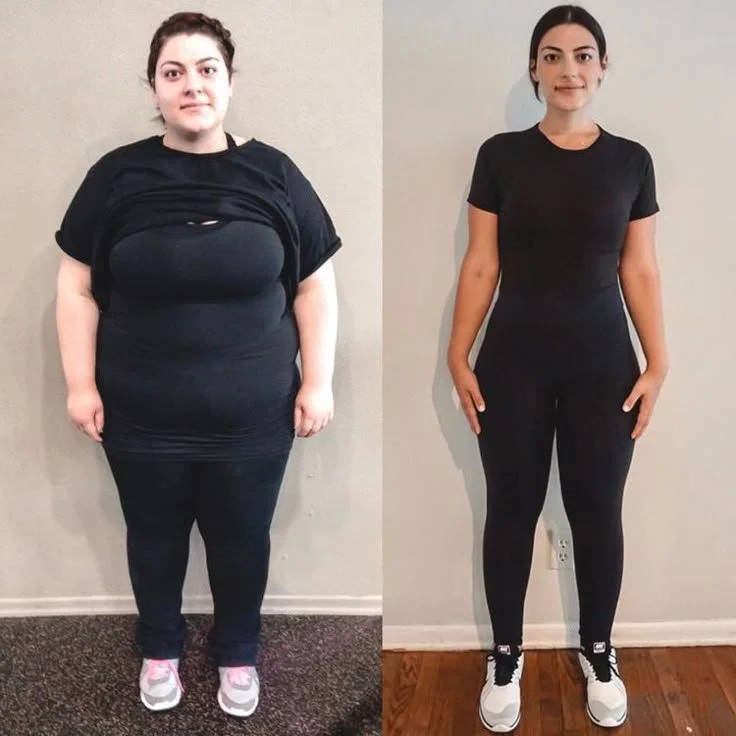
Personal story of ongoing weight-loss journey after losing 170 pounds

How I Learned My Weight-Loss Journey Wasn’t Over Even After Losing 170 Pounds

How I Learned My Weight-Loss Journey Wasn’t Over Even After Losing 170 Pounds

Introduction
When I hit the milestone of losing 170 pounds, I expected a giant checkmark next to “health.” Instead I found a new list of questions. The scale had given me a number—but not the full story. In those first weeks after the celebration, I faced loose skin, unexpected aches, muscle weakness, and a surprisingly persistent fear of regaining the weight. I also learned that progress doesn’t stop when the pounds do: strength, mobility, and mindset needed attention too. Early on I found resources about breaking plateaus helpful, like this piece on progressive overload that reframed strength as part of ongoing progress.

What “Done” Really Meant—and Didn’t
Losing weight answered one question: could I change my body through consistent choices? Yes. But weight loss didn’t answer how to live in that body day to day. There were practical things that the before-and-after photos didn’t show: excess skin that made exercise uncomfortable, clothes that still didn’t fit the way I imagined, and a chronic tendency to measure success only in pounds. I had to re-learn how to evaluate health beyond the scale.

The Physical Truths: Body Composition and Strength
Dropping 170 pounds was mostly about creating a calorie deficit and building better habits. But once the major weight came off, I noticed weaknesses—especially in my core and posterior chain—that made certain movements awkward. Rebuilding functional strength became more important than maintaining a tiny number on the scale. I started treating my training like physical rehabilitation: mobility, low-impact conditioning, and targeted strength work to protect joints and improve posture. Incorporating new exercises for stability helped; simple band work and rotational moves reminded me that strength can be subtle—see an example of band-based core work like a band twist for core strength—and that foundation matters for long-term success.

The Mental Work: Identity, Fear, and Reward
Weight loss can become a powerful identity anchor: “I’m a person who lost weight.” When that anchor was no longer moving, I had to decide whether my identity rested only on the number or on the habits I cultivated. There’s also the fear of relapse—after extreme effort, the idea of slipping back felt catastrophic. I learned to reframe relapse as information, not failure: if I gained a few pounds, what happened in my routine? Stress, sleep, medication, or a change in activity? That curiosity, not shame, led to sustainable fixes.

Lifestyle Beyond the Scale
Maintenance required new habits that prioritized longevity: consistent sleep, strength training to preserve muscle, flexible meal patterns that allowed joy without extremes, and social systems that supported my choices. I stopped punishing myself for “treats” and instead scheduled active rest and recovery. Small routines—like a morning mobility sequence or a weekly strength session—became more valuable than obsessing over daily weight fluctuations.

Practical Strategies That Worked

  • Measure progress in multiple ways: photos, clothes fit, energy, and strength improvements.
  • Prioritize resistance work to build a body that supports daily life.
  • Build a support network—friends, coaches, or online communities—that understands maintenance is different from initial loss.
  • Use setbacks as data. Track patterns (sleep, stress, intake) and adjust.
  • Celebrate functional wins (climbing stairs without breathlessness, carrying groceries easily) as much as scale wins.

Why the Journey Continues
The narrative that weight loss is a finish line is seductive but misleading. Even after losing a huge amount of weight, bodies adapt, habits shift, and goals evolve. For me, the “next chapter” became strength, confidence, and maintenance strategies that honored my physical and mental wellbeing. My journey didn’t end because the number changed—it transformed into a lifestyle focused on resilience.

Conclusion

If you’ve reached a big milestone and still feel unsettled, you’re not alone. Read the original story for another person’s experience in “How I Learned My Weight-Loss Journey Wasn’t Over Even After Losing 170 Pounds” to see how narrative, body, and mind continue to evolve after major weight loss.

How I Learned My Weight-Loss Journey Wasn’t Over Even After Losing 170 Pounds Read More »

, , , ,
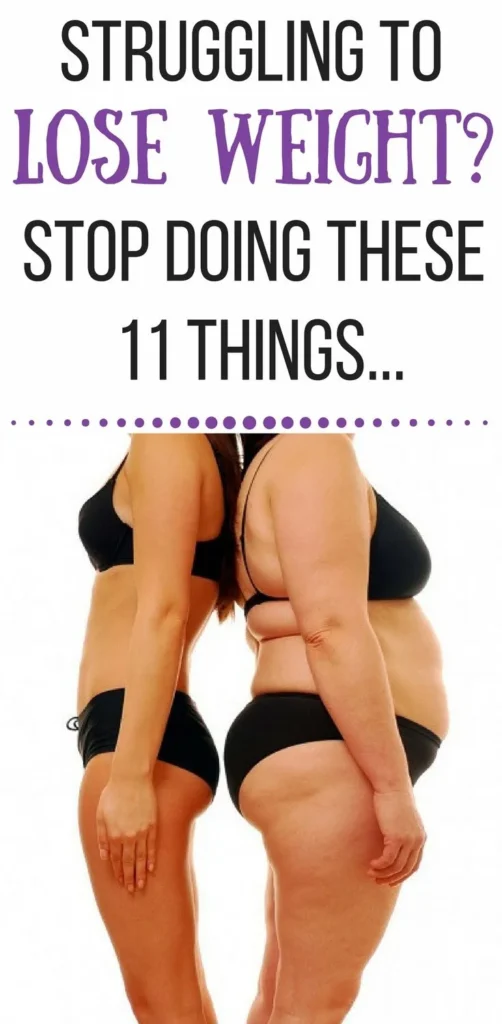
Common habits that sabotage weight loss efforts illustrated in a colorful infographic

11 Common Habits Sabotaging Your Weight Loss

11 Common Habits Sabotaging Your Weight Loss

Introduction
Many people start a weight-loss plan with enthusiasm, only to hit frustrating plateaus. Sometimes the obstacles aren’t calories or exercise alone but everyday habits that quietly undermine progress. Learning from examples — even celebrity transformations such as Kelly Clarkson’s weight-loss success — can help reveal what works and what to avoid. Below are 11 common habits that often sabotage weight loss, why they matter, and simple swaps to get back on track.

  1. Skipping Protein at Breakfast
    Why it hurts: Low-protein mornings can lead to mid-morning cravings and overeating later in the day.
    Quick fix: Start with eggs, Greek yogurt, a protein shake, or a nut-butter-and-seed topping on oatmeal.

  2. Relying on “Diet” Packaged Foods
    Why it hurts: Foods labeled “low-fat” or “sugar-free” often contain added refined carbs or artificial ingredients that promote hunger.
    Quick fix: Read labels and prefer whole foods — fruits, vegetables, lean proteins, and whole grains.

  3. Mindless Snacking While Distracted
    Why it hurts: Eating while watching TV or scrolling increases portions consumed because you aren’t paying attention to fullness cues.
    Quick fix: Create a dedicated eating space, put away screens, and serve snacks in a small bowl instead of eating straight from the package.

  4. Not Tracking Liquid Calories
    Why it hurts: Beverages like sugary coffee drinks, sodas, and many smoothies add substantial calories that are easy to ignore.
    Quick fix: Choose water, sparkling water, unsweetened tea, or black coffee; if you want treats, make them occasional and portion-controlled.

  5. Overestimating Workout Calories Burned
    Why it hurts: People often reward themselves with extra food after exercise, believing they burned more than they did.
    Quick fix: Use conservative estimates for calories burned and focus on the non-caloric benefits of exercise (mood, strength, endurance).

  6. Inconsistent Sleep Patterns
    Why it hurts: Poor or irregular sleep dysregulates appetite hormones and increases cravings for high-calorie foods.
    Quick fix: Aim for consistent bed and wake times, a wind-down routine, and 7–9 hours of quality sleep.

  7. Not Planning Meals
    Why it hurts: Lack of planning makes it more likely you’ll grab convenient, less-healthy options when hungry.
    Quick fix: Batch-cook simple meals, keep healthy staples on hand, and pack lunches or snacks for busy days.

  8. Liquid Calories from Alcohol
    Why it hurts: Alcohol is calorie-dense and lowers inhibitions, often leading to late-night overeating.
    Quick fix: Limit drinking nights, choose lower-calorie options, and alternate alcoholic drinks with water.

  9. All-or-Nothing Mindset
    Why it hurts: Viewing a slip as failure can lead to giving up entirely rather than getting back on track.
    Quick fix: Adopt a flexible approach — a single indulgence doesn’t erase long-term progress. Learn, adjust, and move forward.

  10. Ignoring Strength Training
    Why it hurts: Focusing solely on cardio can result in muscle loss, which lowers resting metabolic rate.
    Quick fix: Add two to three sessions per week of resistance training to preserve or build muscle and support long-term fat loss.

  11. Obsessive Daily Weighing
    Why it hurts: Daily fluctuations are normal and can cause frustration or knee-jerk changes in diet. If you obsess over small changes, you may abandon effective plans prematurely.
    Quick fix: Weigh weekly under consistent conditions and focus on trends, not day-to-day swings. For more on why the scale moves daily, see this helpful resource: why your weight fluctuates daily.

Practical habits to build instead

  • Keep a small, realistic food log to increase awareness without perfectionism.
  • Prioritize whole, minimally processed foods most of the time.
  • Develop a consistent sleep schedule and stress-management routine.
  • Use portion-control strategies like smaller plates or pre-portioned containers.
  • Make movement enjoyable so exercise is sustainable — a mix of cardio, strength, and mobility.

Conclusion

Breaking unhelpful patterns is often more effective than chasing the latest fad. For a broader look at everyday behaviors that can derail your efforts, this succinct overview — 20 Everyday Habits That Sabotage Weight Loss Goals — offers research-backed examples and practical tips to help you tighten up routines and protect your progress.

11 Common Habits Sabotaging Your Weight Loss Read More »

, , , ,
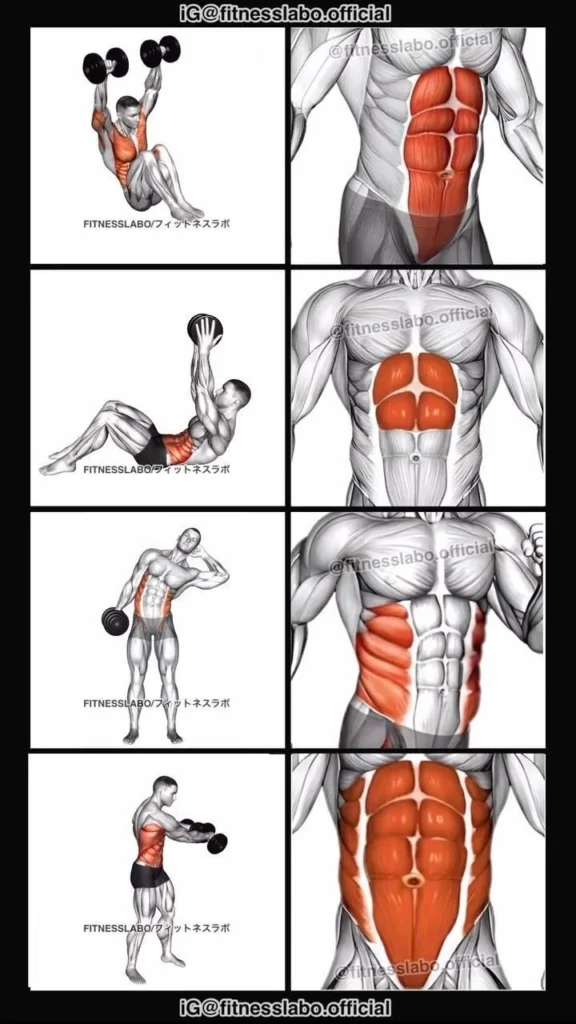
Flat belly workout exercises for a toned midsection.

ボード「Flat belly workout」のピン

From a Pin to a Plan: Building a Realistic Flat-Belly Workout Routine

A single pin on a board labeled "Flat belly workout" can spark a lot of ideas — short circuits, exotic moves, and the promise of quick results. But turning inspiration into sustainable progress requires context: efficient exercises, consistent habits, realistic expectations, and an understanding of common fitness myths. If you clicked on that pin hoping for an instant transformation, start here with a practical path from pin to plan. For a deeper look at why some promises are misleading, see this explanation of the spot reduction myth.

Why a Pinterest Pin Isn’t a Complete Plan

Pins are visual and motivating, but they usually lack critical details: progression, frequency, nutrition, and recovery. A balanced approach addresses:

  • Strength (to shape and support your core)
  • Cardiovascular fitness (to help with overall fat loss)
  • Mobility and posture (so your results look and feel functional)
  • Nutrition and sleep (which drive body composition changes)

Keep in mind that visible abdominal definition is affected by overall body fat, genetics, and hormone balances — not only by which abs moves you do.

Core Principles for a Real Flat-Belly Routine

Follow these principles rather than copying random sequences from pins:

  • Progressive overload: increase difficulty or volume over time.
  • Multi-planar movement: include anti-flexion (planks), anti-rotation (pallof presses), and loaded carries, not just crunches.
  • Consistency over intensity: short, frequent sessions beat sporadic extremes.
  • Diet quality and caloric balance: moderate calorie control and protein support muscle retention.

If you want a science-based debunking of quick fixes and myths linked to core workouts, refer to this clear overview: why spot reduction is a myth.

A Simple Weekly Template (Beginner to Intermediate)

Aim for 3–5 sessions per week, mixing core-focused work with full-body strength and cardio:

  • Day 1 — Full-body strength + 8–12 min core finisher (plank progressions, dead bugs)
  • Day 2 — Low-intensity steady-state cardio or active recovery
  • Day 3 — HIIT (15–20 minutes) + loaded carries (farmer carries)
  • Day 4 — Mobility/yoga and breathing work
  • Day 5 — Strength emphasis (squats/hinges) + anti-rotation/core stability
  • Weekend — Light activity, walks, and nutrition planning

Sample core finisher (10 minutes):

  • 45s plank, 15s rest
  • 30s dead bugs, 15s rest
  • 30s side plank (each side), 15s rest
  • 60s farmer carry (or suitcase carry)
    Repeat until 10 minutes is reached. These moves build tension and transfer to real-life posture better than endless sit-ups.

Nutrition, Recovery, and Lifestyle

Abdominal appearance is highly sensitive to body fat and bloating:

  • Aim for a modest calorie deficit or maintenance with body-composition-focused goals.
  • Prioritize protein (1.2–1.8 g/kg bodyweight) and whole foods for satiety.
  • Hydrate and reduce sodium-heavy processed foods to minimize bloating.
  • Sleep 7–9 hours — poor sleep increases cravings and slows recovery.
  • Manage stress; chronic cortisol elevation can affect abdominal fat distribution.

Common Pitfalls to Avoid

  • Chasing 6-pack-only moves: Core strength is more than aesthetics.
  • Expecting rapid change from brief viral workouts.
  • Ignoring posture and breathing: diaphragmatic breathing and pelvic control matter.
  • Overtraining the abs: they recover like other muscles and need rest.

Practical Tips for Turning Pins into Progress

  • Save the pin as a reference, then build a weekly plan incorporating its best elements.
  • Track progress with photos, performance metrics (plank hold time, loaded carry distance), and measurements, not just scale weight.
  • Use variety: rotate exercises every 4–6 weeks to keep strength and motivation improving.
  • Work with coaches or reputable resources when unsure about form or programming.

Conclusion

If a Pinterest board kickstarted your journey, convert that inspiration into a balanced routine combining strength, cardio, recovery, and sensible nutrition. For curated programs and quick-start products that some people use to supplement a structured plan, consider checking the Hot flat tummy in 7 days Store.

ボード「Flat belly workout」のピン Read More »

, , , ,
Bowl of Japanese water promoting fat burning for weight loss

Japanese Water to burn All The Fat easily

Title: Japanese Water for Fat Loss — Practical Guide, Science, and Safe Steps

Introduction
Japanese water therapy — the simple habit of drinking warm water first thing after waking — has gained attention as a low-effort strategy people claim helps burn fat and improve digestion. While it’s not a magic bullet, many find it a helpful ritual that supports better appetite control and daily hydration. For those who pair small daily habits with structured training or lifestyle changes (for example, combining with targeted full-body workout routines), the therapy can be a useful component of a broader weight-loss plan.

What is Japanese Water Therapy?
At its core, Japanese water therapy is very simple:

  • Immediately after waking, drink 2–4 glasses (about 500–750 ml) of warm or room-temperature water before eating or brushing your teeth.
  • Wait at least 45–60 minutes before eating breakfast, allowing the body to begin digestion and circulation.

Advocates say this practice “cleanses” the digestive tract, boosts metabolism, and reduces cravings. Let’s look at the evidence and practical steps.

Why it might help (mechanisms)

  • Hydration raises resting metabolic rate slightly. Drinking water increases energy expenditure for a short period, which might contribute minutely to daily calorie burn.
  • Appetite suppression. Drinking water before a meal can reduce hunger and lead to lower calorie intake.
  • Improved digestion and bowel regularity for some people — warm fluids can relax the gut and help bowel movements.
  • Behavioral cue. A consistent morning ritual can trigger healthier choices throughout the day.

What the evidence says
Scientific support for dramatic fat loss from water therapy alone is limited. Studies confirm that drinking water can modestly increase metabolism and reduce snack intake, but these effects are small and short-lived. Japanese water therapy may support weight loss when combined with calorie control, exercise, and adequate sleep — it’s an adjunct, not a substitute, for proven strategies.

How to practice it safely

  • Temperature: Use warm or room-temperature water (not scalding). Warm is gentler on the stomach in the morning.
  • Amount: Start with 1–2 glasses (250–500 ml). Gradually increase as comfortable, up to about 4 glasses.
  • Timing: Drink immediately upon waking, before consuming anything else. Wait at least 45–60 minutes before breakfast to get the claimed benefits related to digestion and appetite.
  • Do not overdo it: Excessive fluid intake in a short period can cause discomfort or electrolyte imbalance, especially if you have heart or kidney conditions.

Who should avoid or be cautious

  • People with heart failure, kidney disease, or on fluid-restricted regimens should consult their clinician before increasing morning fluids.
  • Those with severe acid reflux may find warm water triggers symptoms; monitor how your body responds.
  • Children and people with certain medical conditions should use age-appropriate amounts and seek medical advice.

Tips to maximize the impact

  • Combine with a structured exercise plan for greater fat loss — strength training and high-intensity intervals boost metabolism more than water alone.
  • Use the morning ritual as a cue for other healthy habits (light stretching, a short walk, or mindful breathing).
  • Improve overnight recovery: adequate sleep amplifies any metabolic benefit; consider simple routines that help you burn fat while you sleep with a 10-minute habit.
  • Avoid sugary add-ins. Plain warm water is the core recommendation; lemon or a small splash of apple cider vinegar is optional but won’t create dramatic effects.

Practical recipes and variations

  • Basic: 2 glasses warm water on waking.
  • Lemon variation: 1 glass warm water + juice of 1/4 lemon for flavor (minimal calories).
  • Herbal warm water: steep a mild herbal tea bag in warm water if you prefer flavor — avoid caffeinated teas if you plan to wait before breakfast.

Realistic expectations
Expect small benefits: slightly reduced morning hunger, mild short-term metabolic boost, and improved hydration. For measurable fat loss, pair this habit with calorie control, regular exercise, and sleep optimization. Long-term results depend on overall lifestyle changes rather than any single morning ritual.

Conclusion

Japanese water therapy can be a gentle, low-risk habit to support hydration and modest appetite control, but it should be part of a wider plan that includes exercise, nutrition, and sleep. For a balanced look at the practice’s claims, risks, and effectiveness, see this overview on Japanese Water Therapy: Benefits, Risks, and Effectiveness.

Japanese Water to burn All The Fat easily Read More »

, , , ,
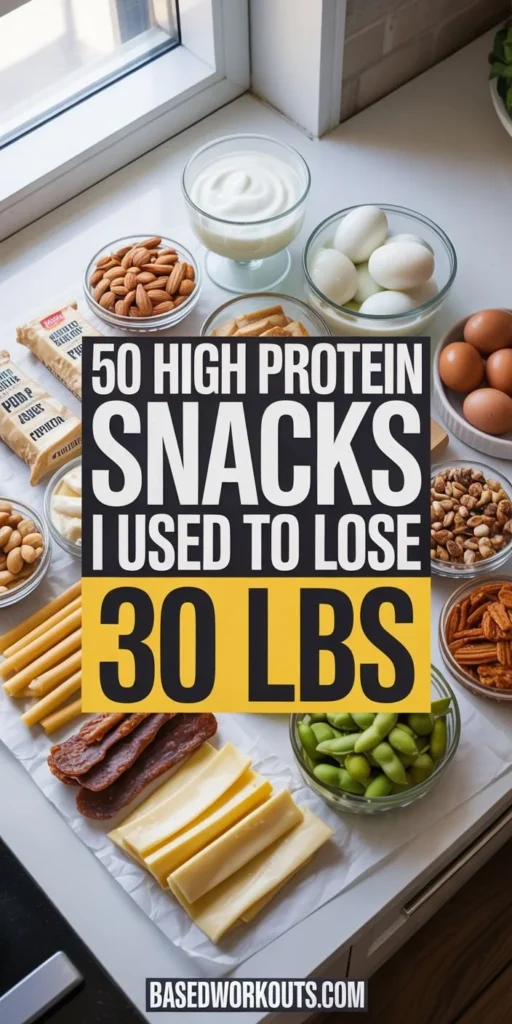
50 healthy snack ideas for weight loss and smart snacking

🥗 50 Healthy Snacks That Helped Me Lose 30 Pounds | Snack Smarter & Slim Down Fast! ✨

🥗 50 Healthy Snacks That Helped Me Lose 30 Pounds | Snack Smarter & Slim Down Fast! ✨

Losing 30 pounds didn’t happen overnight — it was built bite by bite. Smart snacking kept my hunger steady, my energy up, and my calorie budget on track. Below are 50 nutritious, satisfying snacks that I rotated through for variety and results, plus the strategies that made them work. If you want to learn simple ways to boost fullness, consider ways to increase your protein intake at each meal and snack — that shift was a game changer for me.

Why snacks matter for weight loss

  • Prevent overeating at meals by stabilizing blood sugar and appetite.
  • Keep energy levels steady so workouts stay strong.
  • Allow controlled portions of treats so nothing feels forbidden.
  • Improve nutrient balance — snacks can add fiber, protein, and healthy fats.

How I chose snacks: high in protein or fiber (or both), 150–300 calories, easy to prep or grab-and-go, and satisfying textures (crunch + creamy often wins).

Snack categories and 50 ideas

Protein-rich (great for fullness)

  1. Greek yogurt (plain, with berries)
  2. Cottage cheese with cucumber and pepper
  3. Hard-boiled eggs (sprinkle of paprika)
  4. Turkey or chicken roll-ups (wrapped around asparagus)
  5. Tuna-stuffed mini bell peppers
  6. Edamame (steamed, lightly salted)
  7. Smoked salmon on a cucumber slice
  8. Protein smoothie with spinach and frozen fruit
  9. Low-fat cheese sticks
  10. Roasted chickpeas (savory spices)

High-fiber fruit & veg (low calories, high volume)
11. Apple slices with a smear of almond butter (watch portions)
12. Pear with cottage cheese
13. Carrot sticks + hummus
14. Celery with Greek yogurt ranch dip
15. Mixed berries bowl
16. Grapefruit halves with a pinch of cinnamon
17. Cherry tomatoes with a tiny ball of mozzarella
18. Roasted zucchini chips
19. Steamed asparagus spears with lemon
20. Sliced bell peppers with guacamole

Healthy fats & small indulgences (satisfying, nutrient-dense)
21. A small handful of mixed nuts (almonds, walnuts, pistachios) — 1 oz
22. A few dark chocolate squares (70% cocoa or higher)
23. Avocado toast on whole-grain crispbread
24. Olives and a wedge of cheese
25. Nut butter on a rice cake (thinly spread)

Whole-grain & crunchy (slow-digesting carbs)
26. Air-popped popcorn (light salt)
27. Whole-grain crackers + tuna or chicken salad
28. Oatmeal energy balls made with oats, nut butter, and chia
29. Rye crisp with smoked salmon
30. Mini whole-grain pita with tzatziki

Warm & comforting (great for chilly days)
31. Small bowl of vegetable soup (broth-based)
32. Baked apple with cinnamon
33. Warm lentil dip with veggie sticks
34. Sautéed mushrooms on whole-grain toast
35. Low-fat cottage cheese warmed with herbs

Portable & prepped for busy days
36. Mason jar Greek yogurt parfait (berries + nuts on top)
37. Pre-portioned trail mix (no added sugar)
38. Sliced turkey + apple rollups
39. Chia pudding with vanilla and cinnamon
40. Veggie-packed frittata muffin

Energy-boosters & pre-workout picks
41. Banana with a spoonful of peanut butter
42. Rice cake + almond butter + banana slices
43. Small smoothie with whey or plant protein and berries
44. Date stuffed with almond butter
45. Plain yogurt + granola (small serving)

Sweet-but-smart treats
46. Frozen grapes
47. Yogurt-covered frozen banana slices
48. Baked cinnamon pears with a crumble of oats
49. Dark chocolate dipped strawberries
50. Low-sugar fruit sorbet (small bowl)

How I portioned and prepped for success

  • Pre-portion servings into containers or snack bags to make grabbing the right portion automatic.
  • Track snacks loosely for a few weeks to learn true calorie density — we often underestimate nuts and nut butter portions.
  • Pair a carb with a protein or fat (e.g., apple + peanuts) to extend satiety.
  • Keep quick options visible: a fruit bowl, pre-cut veggies, and a jar of hummus in the fridge.
  • Use high-volume, low-cal snacks (veggies, broth-based soups) when you want to eat more without extra calories.

Quick swap ideas

  • Craving chips? Try air-popped popcorn or roasted chickpeas.
  • Need a cookie? Have a small dark chocolate square + tea.
  • Want ice cream? Blend frozen banana for “nice cream” with a dash of vanilla.

Prepping that actually sticks

  • Spend 60–90 minutes on Sunday prepping a few staples: boiled eggs, roasted chickpeas, chopped veggies, and mason jar yogurts. For targeted pre-workout ideas that keep morning routines fuelled, exploring the best pre-workout snacks helped me plan efficient boosts without extra calories.

Mindset & habits that helped me keep the weight off

  • No “all or nothing.” I allowed small treats to stay consistent long-term.
  • Focused on progress, not perfection — most days I hit my goals.
  • Consistency in snack choices reduced decision fatigue and prevented impulse binges.

Sample 1-day snack plan (under 600 calories total for snacks)

  • Mid-morning: Greek yogurt + berries (150 cal)
  • Pre-workout: Banana + 1 tsp peanut butter (120 cal)
  • Afternoon: Veggies + 2 tbsp hummus (80 cal)
  • Evening: Small handful of almonds (120 cal)
    Total: ~470 calories — adjust portions to fit your daily calorie plan.

Conclusion

If you want more structured ideas to batch-cook healthy options and streamline your week, check out these Delicious Meal Prep Ideas for Weight Loss 🥗: Delicious Meal Prep Ideas for Weight Loss 🥗

Good luck — snack smart, stay consistent, and celebrate small wins along the way.

🥗 50 Healthy Snacks That Helped Me Lose 30 Pounds | Snack Smarter & Slim Down Fast! ✨ Read More »

, , , ,
Detox Cortisol Cocktail recipe for weight loss with fresh ingredients.

Detox Cortisol Cocktail for Weight Loss Recipe

Detox Cortisol Cocktail for Weight Loss Recipe

Introduction
Cortisol, the body’s primary stress hormone, can influence appetite, fat storage and metabolism when chronically elevated. Small dietary changes paired with stress-reduction techniques may help manage cortisol spikes and support weight-loss goals. For extra motivation and real-life success stories, check out Kelly Clarkson’s weight-loss success, which shows how consistency and lifestyle adjustments add up over time.

Understanding Cortisol and Weight

  • What cortisol does: It helps regulate blood sugar, inflammation and the fight-or-flight response. But persistent high cortisol encourages cravings for calorie-dense foods and abdominal fat storage.
  • Why a “detox cocktail” might help: While no drink can “detox” hormones, certain ingredients (adaptogens, anti-inflammatory herbs, micronutrient-rich plants) can support the body’s stress response and help stabilize blood sugar and appetite between meals.

Key Ingredients and Their Benefits

  • Lemon: Supports hydration and adds vitamin C for adrenal support.
  • Ginger: Anti-inflammatory and can help blood sugar regulation.
  • Apple cider vinegar: Small amounts may slow gastric emptying and blunt post-meal blood sugar spikes.
  • Green tea (or matcha): Contains L-theanine and modest caffeine — together they can enhance focus without major cortisol spikes for many people.
  • Ashwagandha (optional, consult a provider): An adaptogen shown in some studies to lower perceived stress and cortisol.
  • Cinnamon: Helps improve insulin sensitivity and flavor.
  • Raw honey or stevia (optional): For mild sweetness without processed sugars.

Detox Cortisol Cocktail — Ingredients (per serving)

  • 1 cup green tea (brewed and cooled) or water with 1/2 teaspoon matcha
  • Juice of 1/2 lemon
  • 1 teaspoon apple cider vinegar
  • 1/2 teaspoon grated fresh ginger (or 1/4 teaspoon ground)
  • 1/4 teaspoon cinnamon
  • 1/4–1/2 teaspoon raw honey or 1–2 drops stevia (optional)
  • Pinch of Himalayan salt (optional, for electrolytes)
  • 1/2 teaspoon ashwagandha powder (optional — check interactions)

Recipe and Preparation

  1. Brew green tea and let it cool to warm (not boiling) if using matcha or green tea; high heat can reduce beneficial compounds.
  2. In a glass or shaker, combine lemon juice, apple cider vinegar, grated ginger, cinnamon and honey/stevia.
  3. Add the tea or water and stir or shake until combined.
  4. If using ashwagandha, blend briefly to disperse the powder evenly.
  5. Taste and adjust sweetness or ginger. Serve chilled or at room temperature.

How to Use It

  • Timing: Drink once daily, ideally mid-morning or mid-afternoon when cortisol dips or cravings often occur. Avoid taking close to bedtime if your mixture contains caffeine (green tea/matcha).
  • Duration: Use as part of a broader plan — hydration, balanced meals and sleep — rather than as a sole solution.
  • Combine with activity: Pair the cocktail with a short walk, breathing exercises or a brief stretching routine to maximize stress relief.

Lifestyle Practices to Lower Cortisol

  • Sleep: Prioritize 7–9 hours of quality sleep; consistent sleep supports hormonal balance.
  • Movement: Mix calming movement (yoga, walks) with higher-intensity training. For structured exercise ideas, try this 10 best full-body workouts for maximum results to keep metabolism strong while managing stress.
  • Mindfulness: Daily breathing, progressive muscle relaxation or brief meditations reduce perceived stress and cortisol peaks.
  • Nutrition: Prioritize protein at each meal, whole-food carbohydrates and healthy fats to stabilize blood sugar.
  • Social and behavioral: Reduce stimulant intake late in the day, limit late-night screen time and build supportive routines.

Precautions and Who Should Avoid It

  • Medication interactions: Ashwagandha and apple cider vinegar can interact with some medications (thyroid meds, blood pressure drugs, diabetes medications). Check with your clinician.
  • Gastrointestinal sensitivity: Apple cider vinegar and raw ginger can irritate some stomachs — dilute more if needed.
  • Pregnancy/breastfeeding: Consult a healthcare provider before using adaptogens or concentrated herbal preparations.
  • Caffeine sensitivity: Use decaffeinated green tea or water if you react to caffeine.

Sample 7-Day Use Plan

  • Days 1–2: Try the cocktail in the late morning; observe any digestive or sleep changes.
  • Days 3–5: Add a 10–20 minute walk after drinking it and practice 5 minutes of deep breathing.
  • Days 6–7: Note energy, cravings and sleep. Adjust ingredients (less vinegar, caffeine-free base, or omit adaptogens) as needed.

Final tips
Keep expectations realistic: no single drink will cause dramatic weight loss. This cocktail is a supportive tool — best used alongside balanced nutrition, regular exercise and stress management. Track how you feel, and modify the recipe to suit your tolerance and goals.

Conclusion

If you’re curious about personal experiences with daily cortisol-focused drinks and what people noticed, the article "I Drank a “Cortisol Cocktail” Every Day for a Week—Here’s What …" offers a firsthand perspective that may help you set expectations and tweak your approach: I Drank a “Cortisol Cocktail” Every Day for a Week—Here’s What …

Detox Cortisol Cocktail for Weight Loss Recipe Read More »

, , , ,
Scroll to Top