
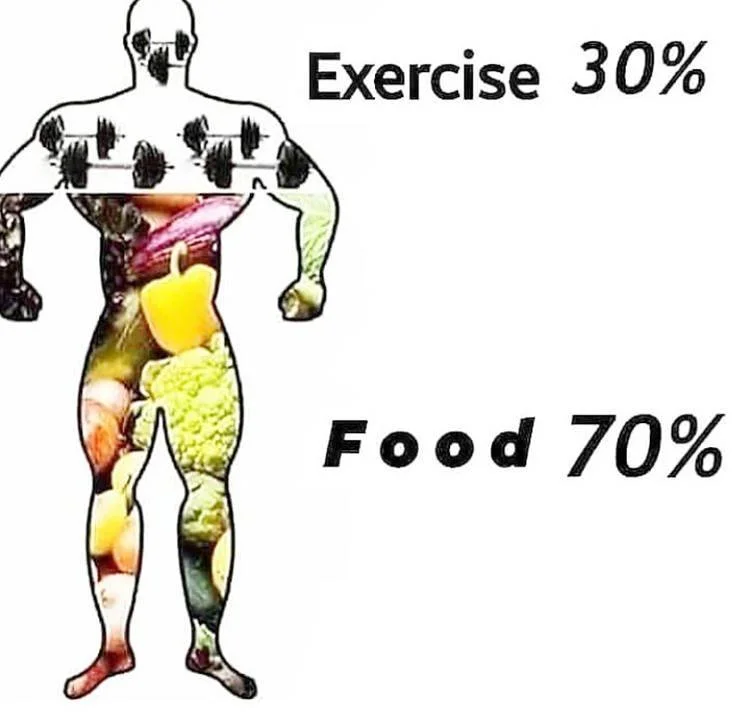
You’re Training Hard But Not Growing? These 5 “Hidden” Errors Are Stealing Your Muscle
5 Silent Muscle Thieves
If you’re training hard but the mirror and the scale aren’t showing progress, something’s stealing your gains. Often it isn’t the program — it’s small, “hidden” errors in recovery, nutrition, technique, or lifestyle that quietly blunt muscle growth. Before you overhaul your routine, check these five common saboteurs and the simple fixes that actually work.
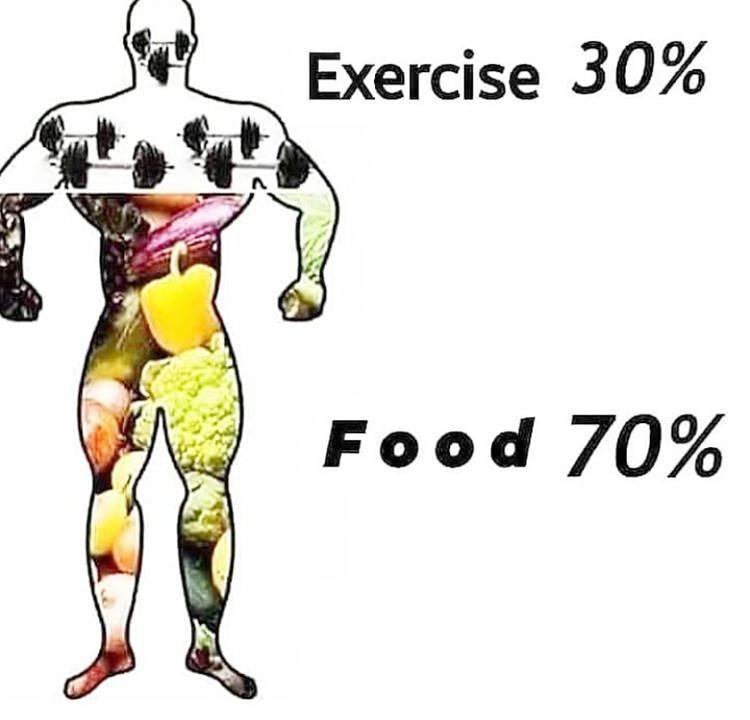
- Chronic Under-Recovery: Training More ≠ Growing
- The problem: Doing extra sessions or piling on volume without enough recovery keeps your body in a catabolic state. You can’t out-train inadequate rest.
- Signs: Persistent soreness, plateaued lifts, sleep trouble, low motivation.
- Fix: Prioritize sleep (7–9 hours for most), schedule lighter weeks, and add active recovery days. Use progressive overload but plan deloads every 4–8 weeks.
- Hidden Calorie and Protein Shortfall
- The problem: Many trainees underestimate how many calories and how much protein they need to build muscle, especially when adding heavy training.
- Signs: Slow strength gains, minimal size increases, feeling drained.
- Fix: Track intake for 1–2 weeks to find maintenance, then add a modest surplus (200–400 kcal/day). Aim for 0.7–1.0 g protein per pound of bodyweight (1.6–2.2 g/kg). If you’re unsure about your overall nutrition approach, review your choices and supplementation strategy — and consider checking resources on meeting nutrient needs to confirm you’re on track: are you meeting your nutrient needs.
- Inefficient Training Focus: Volume vs. Intensity Balance
- The problem: Either too much low-quality volume or constant maximal attempts can both impair hypertrophy. Muscles grow from a mix of tension, metabolic stress, and adequate volume executed with good form.
- Signs: Lots of time in the gym but weak progressive increases, recurring form breakdown.
- Fix: Periodize training: include blocks that emphasize heavier strength work (3–6 reps), hypertrophy ranges (6–12 reps), and lighter metabolic work. Track sets that reach near-failure for targeted muscles each week.
- Subtle Form Flaws and Muscle Imbalances
- The problem: Small technique errors or dominant muscle groups taking over can prevent the target muscle from being fully stressed.
- Signs: One side lags, certain muscles never feel “worked,” joint discomfort.
- Fix: Slow down reps, use controlled tempo, add unilateral movements (single-leg or single-arm) and pre-exhaust techniques. Video yourself or get a coach critique. Also evaluate your training apparel and mobility — small gear or mobility choices can affect movement quality; for example, selecting appropriate training gear can improve comfort and performance: apparel to fuel your odyssey.
- Lifestyle Stress and Inflammation
- The problem: High life stress, poor sleep hygiene, excessive alcohol, or chronic low-level inflammation reduce recovery capacity and impair anabolic signaling.
- Signs: Persistent fatigue, poor sleep, frequent illness, slow healing.
- Fix: Manage stress with brief daily practices (breathing, short walks), limit evening stimulants, keep consistent sleep schedules, and prioritize anti-inflammatory whole foods. If inflammation or health concerns persist, get professional care.
Quick troubleshooting checklist (do this weekly)
- Calculate rough calorie needs and protein — adjust slowly.
- Log key lifts and sets; look for trends rather than single workouts.
- Ensure 1–2 full rest or active recovery days per week.
- Video compound lifts monthly to monitor form.
- Assess sleep quality and stress; aim to improve one small habit each week.
Small changes compound
Often these errors coexist. Fixing just one — improving sleep, increasing protein, correcting a form issue — can unlock weeks of progress. Be patient: muscle growth is slow but consistent, and reducing these “silent thieves” makes every workout count.
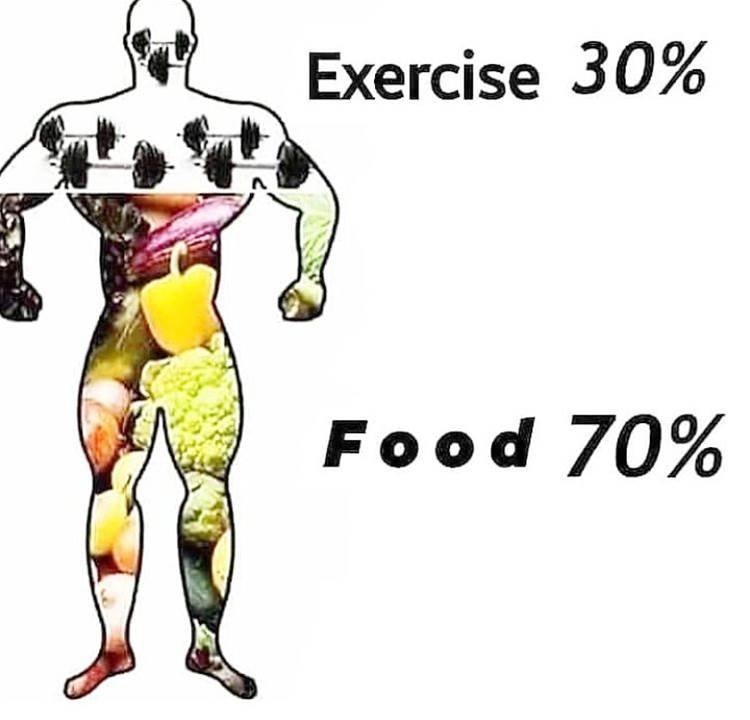
Conclusion
If you suspect stress, sleep, or underlying health issues are holding back your progress, consider getting professional student health or wellness support. The Utah State University Student Health Center can be a helpful starting point for assessments and guidance on sleep, nutrition, and medical concerns.
You’re Training Hard But Not Growing? These 5 “Hidden” Errors Are Stealing Your Muscle Read More »