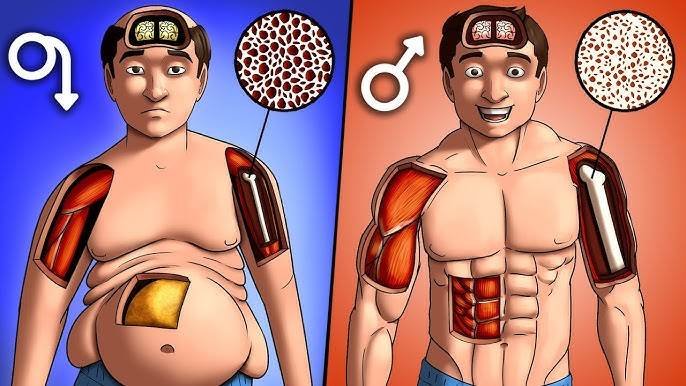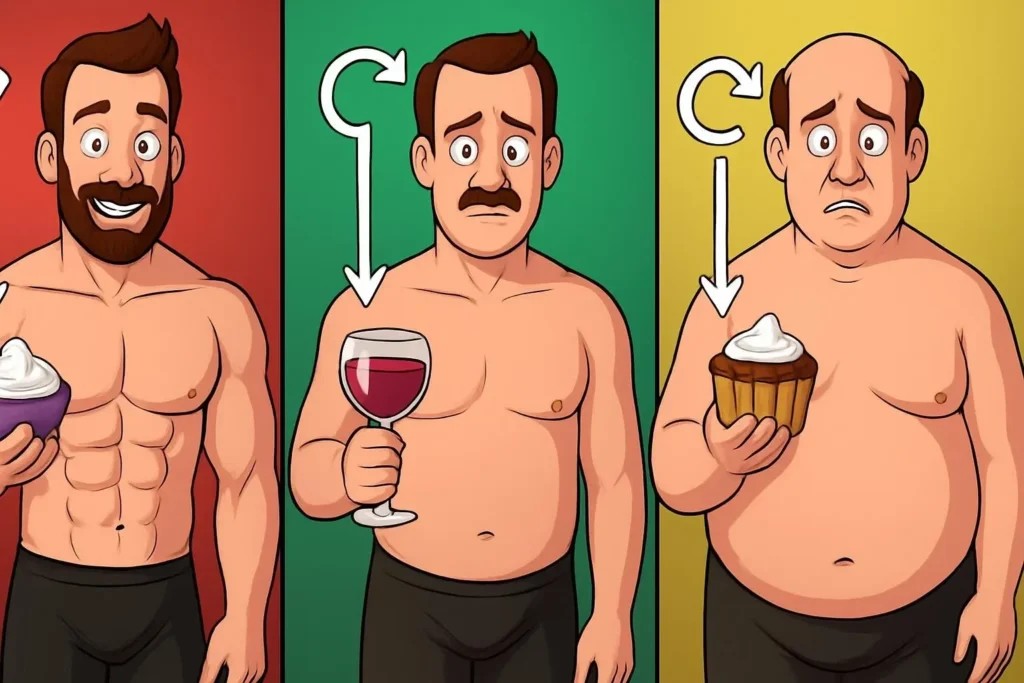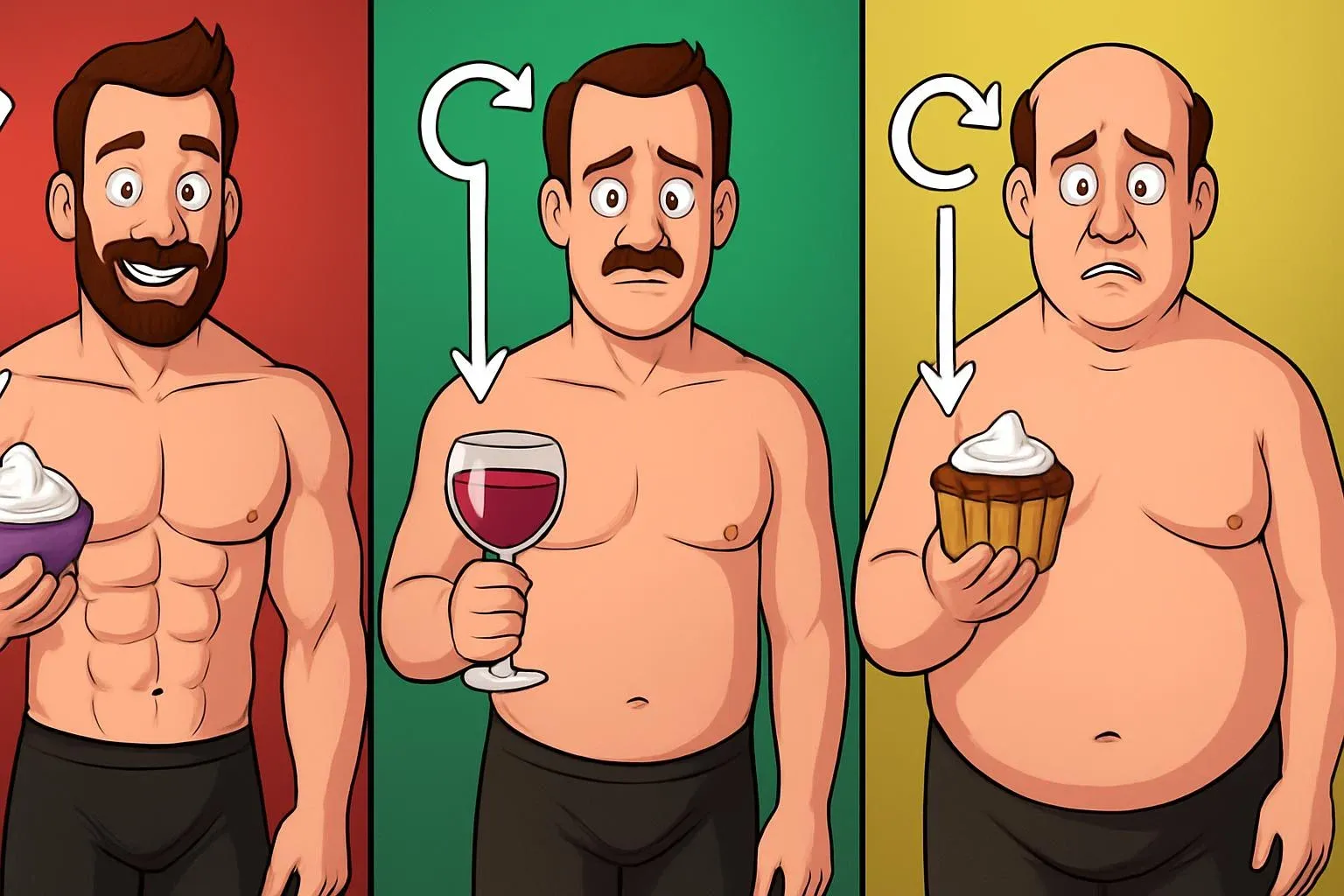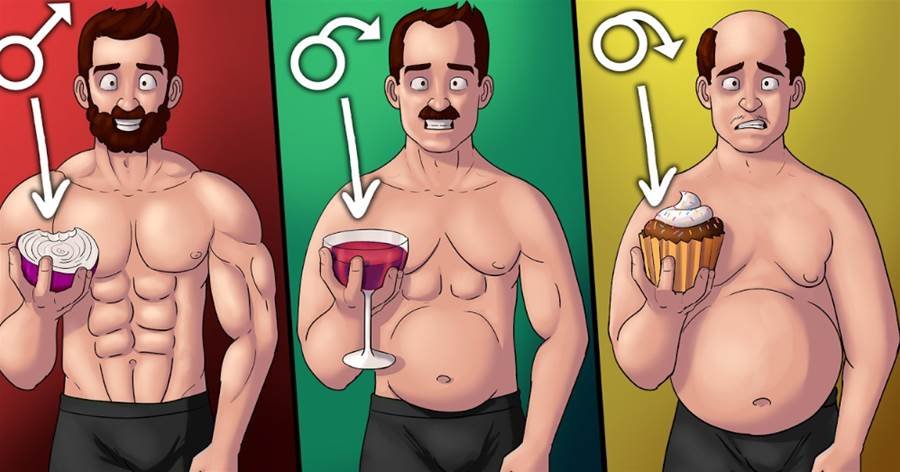
testosterone

8 foods that kill testosterone levels in men - science-based insights

8 SURPRISING Foods that KILL Testosterone (Science-Based)

8 Unexpected Foods That Lower Testosterone

Diet plays a bigger role in hormone balance than many realize. While some foods can support testosterone, others — surprisingly common — can suppress it by altering hormone production, binding testosterone, or raising estrogen-like compounds. Small changes can make a meaningful difference; for example, swapping some processed meals for lean, grilled options can help preserve testosterone levels — try grilling-focused protein choices like grilling-friendly high-protein foods for easy swaps.

8 SURPRISING Foods that KILL Testosterone (Science-Based)

Here are eight surprising foods and ingredients that have been linked to lower testosterone (science-based explanations and practical swaps included).

  1. Soy products (tofu, soy milk, tempeh)
  • Why: Soy contains isoflavones, plant compounds with weak estrogen-like activity (phytoestrogens). In large amounts, these can modestly affect hormone balance in some men.
  • What to swap in: Use other plant proteins (peas, lentils) or lean animal proteins occasionally.
  1. Flaxseed
  • Why: Flaxseed is high in lignans, another class of phytoestrogens, and some studies show flax intake can lower testosterone concentrations.
  • What to swap in: Chia seeds or hemp seeds for fiber and healthy fats with less phytoestrogen effect.
  1. Licorice (including supplements and certain candies)
  • Why: Licorice root contains glycyrrhizin, which has been shown to reduce testosterone production in small studies.
  • What to swap in: Choose herbal alternatives without glycyrrhizin; read ingredient labels on supplements and candies.
  1. Spearmint and peppermint (large amounts)
  • Why: Some research indicates that regular consumption of spearmint or peppermint teas may lower free testosterone levels, possibly via anti-androgenic effects.
  • What to swap in: Opt for other herbal teas like rooibos or ginger if you’re concerned about hormone effects.
  1. Alcohol (especially chronic/high intake)
  • Why: Heavy or frequent alcohol use impairs the testes’ ability to produce testosterone and disrupts the hypothalamic-pituitary-gonadal axis.
  • What to swap in: Limit alcohol intake; choose low- or no-alcohol beverages and hydrate with water or sparkling water on social occasions.
  1. Processed & fried foods (trans fats)
  • Why: Trans fats (often found in fast food, fried snacks, and certain baked goods) are associated with lower testosterone, likely through inflammation, insulin resistance, and direct testicular damage.
  • What to swap in: Cook at home using healthier fats and try grilled options and whole-food snacks — or enjoy protein-packed home dishes like high-protein chicken enchiladas as occasional treats.
  1. High-sugar foods and sugary drinks
  • Why: Excess sugar causes insulin spikes and metabolic stress; chronically high blood sugar and insulin resistance are linked to lower testosterone.
  • What to swap in: Replace sugary sodas with infused water, and choose whole fruits over candy or pastries.
  1. Excessive intake of certain seed/vegetable oils (in large, processed amounts)
  • Why: Diets very high in highly processed seed oils and industrial vegetable oils can promote inflammation and oxidative stress; some studies suggest adverse effects on male hormones when consumed in excess.
  • What to swap in: Use moderate amounts of olive oil, avocado oil, or whole-food fat sources (nuts, olives) and avoid repeatedly reheated frying oils.

Practical tips

  • Focus on balance rather than fear: Most of these foods are fine in moderation; it’s chronic, high consumption that poses the greatest risk.
  • Prioritize whole foods, lean proteins, and healthy fats while limiting processed foods, added sugars, and heavy alcohol use.
  • Monitor and adjust: If you suspect a specific food is impacting your energy, libido, or mood, try reducing it for several weeks and note changes, and consult a clinician if needed.

8 SURPRISING Foods that KILL Testosterone (Science-Based)

Conclusion

If you want a broader, science-backed overview of testosterone-influencing foods — including benefits, risks, and recipe ideas — see 10 Testosterone-Killing Foods: Benefits, Risks, Recipes.

8 SURPRISING Foods that KILL Testosterone (Science-Based) Read More »
, , , ,
Plate of testosterone boosting foods for men, including nuts, eggs, and leafy greens.

10 Testosterone Boosting Foods Men NEED To Know About!

Title: Testosterone Fuel: 10 Foods Men Need

A strong, balanced diet can support healthy testosterone levels, energy, and recovery—without resorting to supplements or shortcuts. Below are 10 science-backed foods to include regularly, why they help, and simple ways to add them to meals. For practical protein swaps and meal ideas, check resources like high-protein foods for strength to inspire your shopping list.

10 Testosterone Boosting Foods Men NEED To Know About!

  1. Oysters
  • Why: Extremely high in zinc, a mineral directly linked to testosterone production and reproductive health.
  • How to eat: Fresh or cooked; marinated oysters or a small raw tasting can be a treat. Aim for occasional servings given sodium concerns in prepared options.
  1. Eggs
  • Why: Rich in vitamin D, cholesterol (a testosterone precursor), and high-quality protein.
  • How to eat: Whole eggs for yolk nutrients — scrambled, boiled, or added to salads and bowls.
  1. Fatty Fish (salmon, mackerel, sardines)
  • Why: Provide omega-3s and vitamin D, supporting hormone balance and inflammation control.
  • How to eat: Grill, bake, or add canned sardines to salads for a quick boost.
  1. Lean Beef
  • Why: Source of zinc, iron, and saturated fats in moderation — all important for hormone synthesis.
  • How to eat: Choose lean cuts and control portions; pair with veggies and whole grains.
  1. Spinach and Leafy Greens
  • Why: High in magnesium, which can increase free testosterone when levels are optimal.
  • How to eat: Add raw to smoothies or salads, or sauté as a side.
  1. Nuts and Seeds (walnuts, almonds, pumpkin seeds)
  • Why: Provide healthy fats, zinc, magnesium, and antioxidants that support overall endocrine health.
  • How to eat: Snack handfuls, stir into yogurt, or use as salad toppers.
  1. Avocado
  • Why: Rich in monounsaturated fats and vitamin E, supporting hormone production and cardiovascular health.
  • How to eat: Mash on toast, slice into salads, or blend into smoothies.
  1. Pomegranate
  • Why: Antioxidant-rich fruit linked in some studies with improved testosterone and reduced oxidative stress.
  • How to eat: Fresh arils in yogurt or salads, or drink 100% pomegranate juice in moderation.
  1. Broccoli and Cruciferous Vegetables
  • Why: Contain compounds that may help regulate estrogen metabolism, indirectly supporting testosterone balance.
  • How to eat: Roast, steam, or add raw to slaws for crunch.
  1. Beans and Legumes
  • Why: Plant-based proteins and zinc sources; also support stable blood sugar and weight management—both important for healthy testosterone.
  • How to eat: Add to soups, chilis, or bowls. For practical meal planning tips, see 10 easy ways to increase your protein intake.

Quick tips for success

  • Prioritize whole foods over processed options.
  • Balance dietary fats (monounsaturated and omega-3s) with lean proteins and plenty of vegetables.
  • Maintain healthy body composition and manage stress and sleep—diet helps, but lifestyle matters too.
  • Consider bloodwork if you suspect clinically low testosterone; diet supports health but won’t replace medical treatment when needed.

10 Testosterone Boosting Foods Men NEED To Know About!

Conclusion

To explore a concise roundup beyond this list, see 13 Top Testosterone-Boosting Foods for additional ideas and details to complement the foods above.

10 Testosterone Boosting Foods Men NEED To Know About! Read More »

, , , ,
Exercises that can KILL testosterone levels for fitness enthusiasts

5 Popular Exercises That KILL Testosterone

Workouts That Quiet Your Testosterone

Many popular workouts are great for burning calories and improving endurance, but when done excessively or without proper recovery they can suppress testosterone levels and blunt gains. If you love training but want to protect your hormones, here’s a practical look at five common exercise styles that can lower testosterone when overdone — and what to do instead. For people who focus narrowly on specific muscle groups, pairing smarter recovery with targeted work (for example, balanced glute routines) helps preserve hormone health: glute-strength routines to try.

5 Popular Exercises That KILL Testosterone

  1. Long, steady-state endurance running (marathon-style)
  • Why it can lower testosterone: Chronic long-distance running increases cortisol and can push the body into an energy-deficit, both of which suppress testosterone production.
  • Signs it’s happening: Persistent fatigue, loss of libido, poor recovery, or plateaued strength.
  • What to do instead: Replace some long runs with shorter, higher-intensity intervals or limit long runs to a few times per week and prioritize calories and sleep.
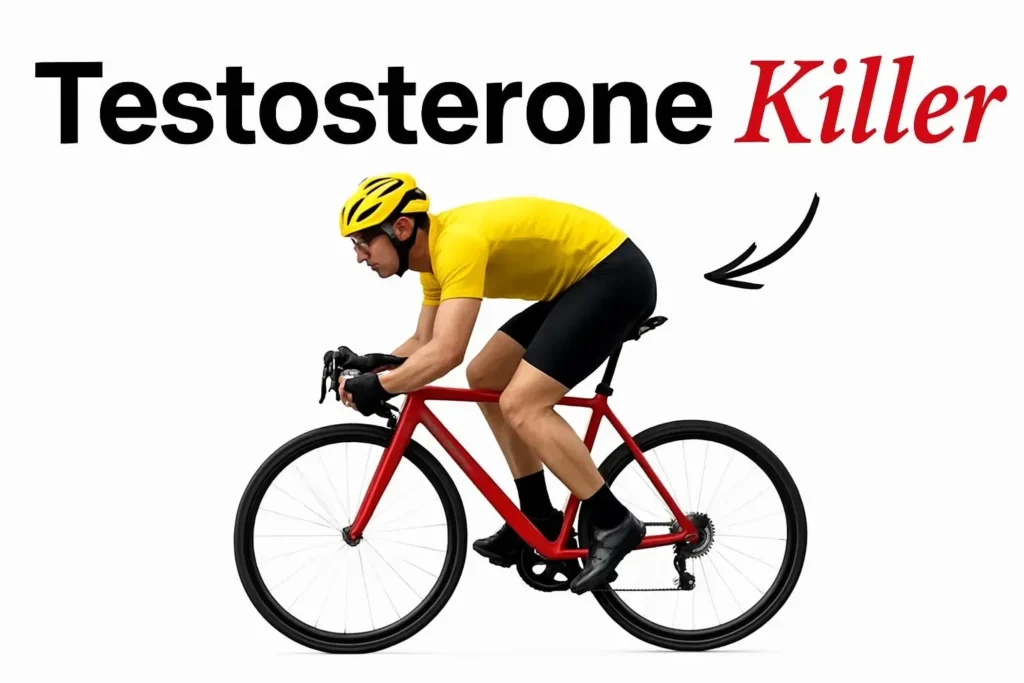
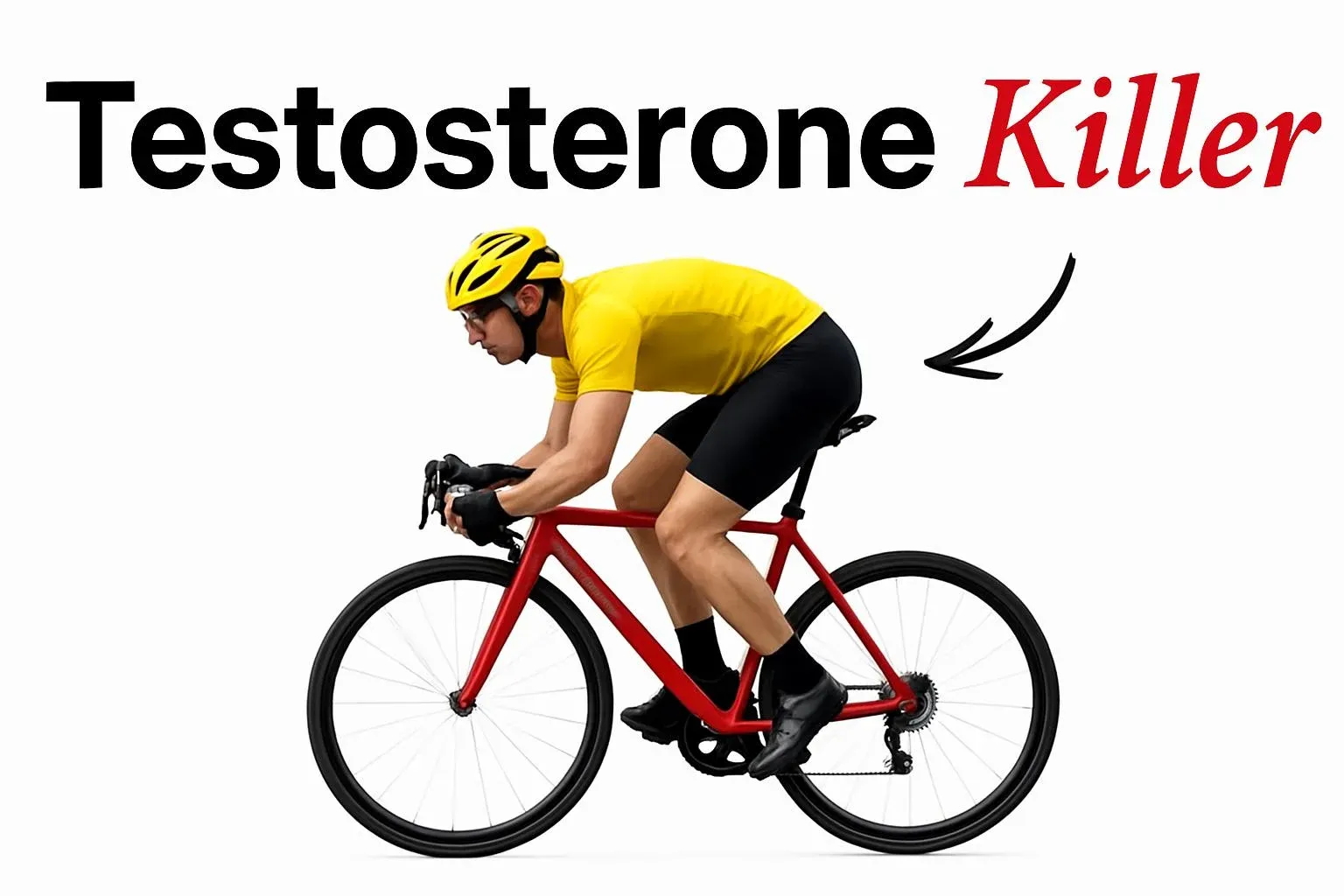
  1. Excessive cycling (high-volume road cycling)
  • Why it can lower testosterone: Very high training volume plus scrotal compression and heat can impair testicular function for some men; prolonged bike seats and long rides can exacerbate this.
  • Signs it’s happening: Testicular discomfort, decreased morning erections, or unexplained drops in strength.
  • What to do instead: Use a better saddle and bike fit, include off-bike resistance sessions, and avoid consecutive very long rides without recovery.
  1. Endless steady-state cardio machines (treadmill/rower/elliptical marathons)
  • Why it can lower testosterone: Like long runs, long sessions on cardio machines increase stress hormones and deplete energy stores if not balanced with nutrition and rest.
  • Signs it’s happening: Reduced muscle mass, sluggishness, and longer recovery times.
  • What to do instead: Incorporate sprint intervals or reduce session length and add resistance training to maintain anabolic stimulus.
  1. High-rep, low-weight "pump" sessions done daily
  • Why it can lower testosterone: Constant high metabolic stress without progressive overload or proper recovery can increase cortisol and hinder anabolic signaling.
  • Signs it’s happening: You feel pumped but aren’t getting stronger or gaining muscle.
  • What to do instead: Focus on heavier, compound lifts 2–4 times per week and use high-rep pump sets sparingly for variety.
  1. Constant core-only circuits and nonstop ab training
  • Why it can lower testosterone: Excessive focus on high-frequency core circuits (especially when combined with overall high training volume) contributes to systemic fatigue and hormonal strain.
  • Signs it’s happening: Persistent core soreness, diminished performance elsewhere, hormonal symptoms.
  • What to do instead: Make core work supportive and targeted; let compound lifts handle most of the load and use specific ab routines in moderation. If you’re looking for structured core work that burns fat and builds definition, these abs-killer exercises to try are effective when used judiciously.

Practical rules to protect testosterone while training

  • Prioritize resistance training: Heavy compound lifts (squats, deadlifts, presses) stimulate anabolic hormones.
  • Avoid chronic calorie deficits: Energy availability matters for hormone production.
  • Limit excessive endurance volume: Balance steady cardio with recovery and strength work.
  • Sleep and stress management: Aim for 7–9 hours nightly and use active recovery, mobility, or meditation.
  • Periodize training: Cycle intensity and volume to prevent overtraining and allow hormone systems to reset.

5 Popular Exercises That KILL Testosterone

Conclusion

If you suspect your training is harming your testosterone, adjust volume, prioritize recovery, and lean into strength training. For complementary strategies and to understand how certain supplements might fit into a hormone-friendly plan, see this overview on What is creatine? Potential benefits and risks of this popular supplement.

5 Popular Exercises That KILL Testosterone Read More »

, , , ,
7 surprising foods that negatively affect testosterone levels based on scientific evidence

7 SURPRISING Foods that KILL Testosterone (Science-Based)

Title: Foods That Quiet Testosterone: 7 Science-Backed Surprises

Introduction
Many everyday foods can influence hormones, and some may lower testosterone more than you’d expect. Below are seven surprising items with evidence-backed mechanisms so you can make informed choices. For practical meal swaps that preserve muscle and hormone health, check this high-protein grilling guide.

7 SURPRISING Foods that KILL Testosterone (Science-Based)

  1. Alcohol (especially binge drinking)
    Evidence: Heavy and repeated alcohol intake reduces testosterone production by disrupting the hypothalamic-pituitary-gonadal axis and damaging Leydig cells in the testes. Even short-term binge drinking can transiently lower testosterone and impair erections.
    Practical tip: Limit intake and favor lower-alcohol options when socializing.

  2. Soy and high-isoflavone foods
    Evidence: Soy contains isoflavones (phytoestrogens) that can bind estrogen receptors. Most human studies show small or inconsistent effects, but some men consuming large amounts of soy protein or supplements have shown modest reductions in testosterone or altered sperm parameters.
    Practical tip: Moderate whole soy foods (tofu, tempeh, edamame); they’re still a good protein source for many people.

  3. Flaxseed and lignan-rich seeds
    Evidence: Flaxseed is high in lignans, which can increase sex-hormone–binding globulin (SHBG) and shift estrogen:testosterone balance in some studies. Small clinical trials reported drops in free testosterone after high flaxseed intake.
    Practical tip: Use flaxseed in moderation and rotate with other seeds (chia, hemp) if concerned about testosterone.

  4. Licorice
    Evidence: Glycyrrhizin, the active compound in licorice root, can suppress testosterone production by affecting adrenal and gonadal steroid metabolism. Human studies have observed reduced testosterone after licorice consumption.
    Practical tip: Avoid daily licorice supplements and limit candies or herbal products containing real licorice root.

  5. Spearmint and peppermint (especially concentrated teas)
    Evidence: Small clinical trials — mostly in women with hirsutism — found that regular spearmint tea reduced free testosterone. While male data are limited, concentrated mint preparations could theoretically lower androgen activity.
    Practical tip: Occasional mint tea is fine; avoid excessive daily consumption if you’re monitoring testosterone.

  6. Trans fats and highly processed fried foods
    Evidence: Diets high in trans fats and ultra-processed foods are associated with worse metabolic health and lower testosterone levels in observational studies. Trans fats promote inflammation and insulin resistance, both of which can reduce testosterone production.
    Practical tip: Choose cooking oils with healthier fats and limit deep-fried fast foods.

  7. Refined sugars and excess calories (sugary drinks/snacks)
    Evidence: Rapid spikes in insulin from sugary foods can lower testosterone acutely; chronic overconsumption leading to obesity and metabolic syndrome is strongly linked to lower testosterone long-term. Weight gain and increased aromatase activity in adipose tissue convert testosterone to estrogen.
    Practical tip: Cut sugary beverages, favor whole carbohydrates, and prioritize protein for satiety.

How strong is the evidence?

  • Varies by food: alcohol, trans fats, and obesity-related effects have stronger human data. For items like soy, flax, and mint, studies are smaller or mixed; effects often depend on dose and individual factors.
  • Mechanisms include altered hormone synthesis, binding protein changes (SHBG), increased aromatase activity (conversion to estrogen), and metabolic disruption.

Practical swaps and strategies

  • Replace sugary drinks with water, sparkling water, or unsweetened tea.
  • Choose grilled lean proteins and healthy fats instead of processed fried options; for grilling ideas, see this 24/7 body-fueling tips.
  • Moderate or rotate seeds and soy products rather than consuming very large daily amounts.
  • Limit alcohol to sensible levels and avoid binge patterns.
  • Maintain healthy body composition through resistance training and adequate protein — both support testosterone.

7 SURPRISING Foods that KILL Testosterone (Science-Based)

Conclusion

If you want a deeper, medically reviewed overview of foods and factors that can lower testosterone, see this summary on 6 testosterone-killing foods: Causes and factors.

7 SURPRISING Foods that KILL Testosterone (Science-Based) Read More »
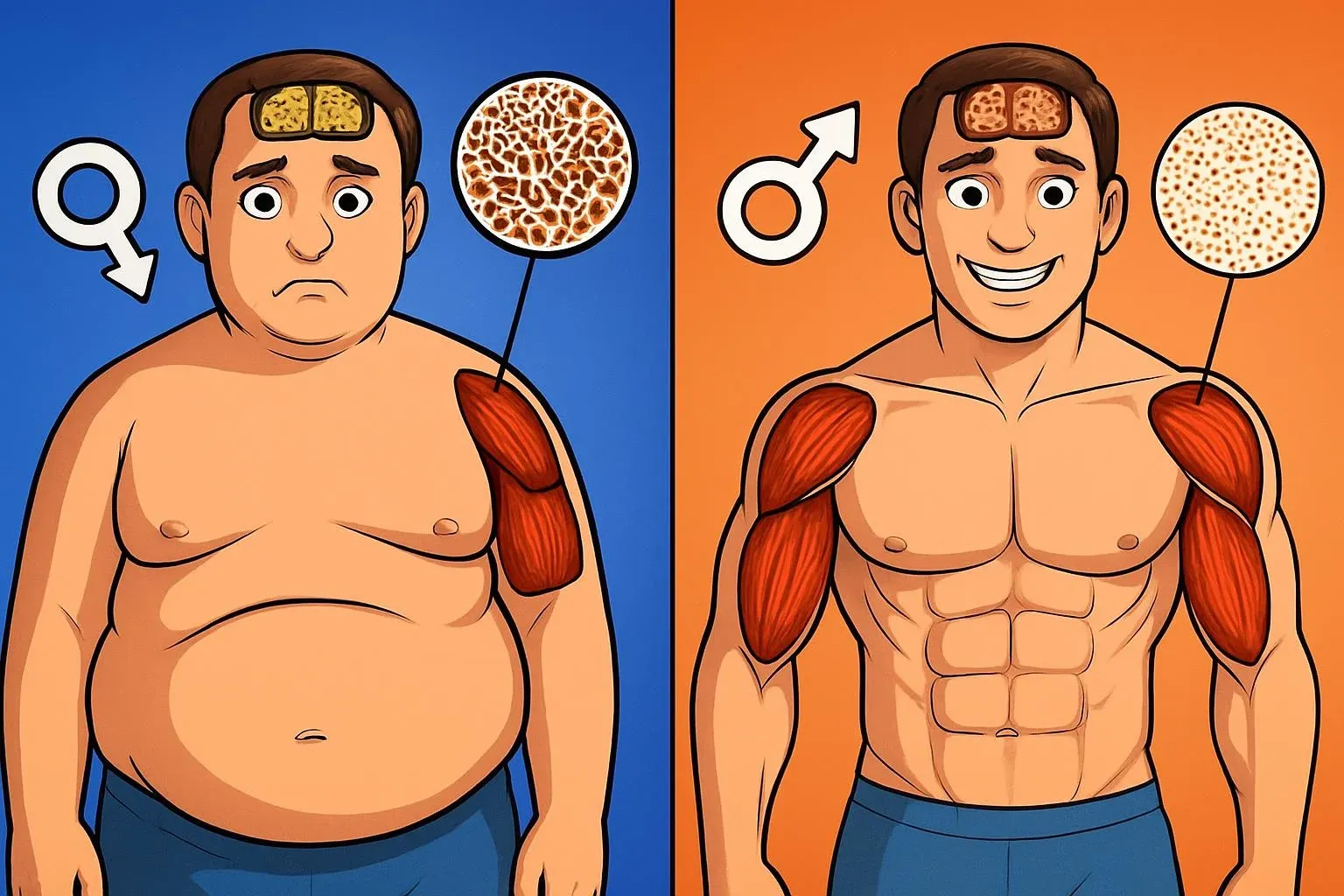
, , , ,
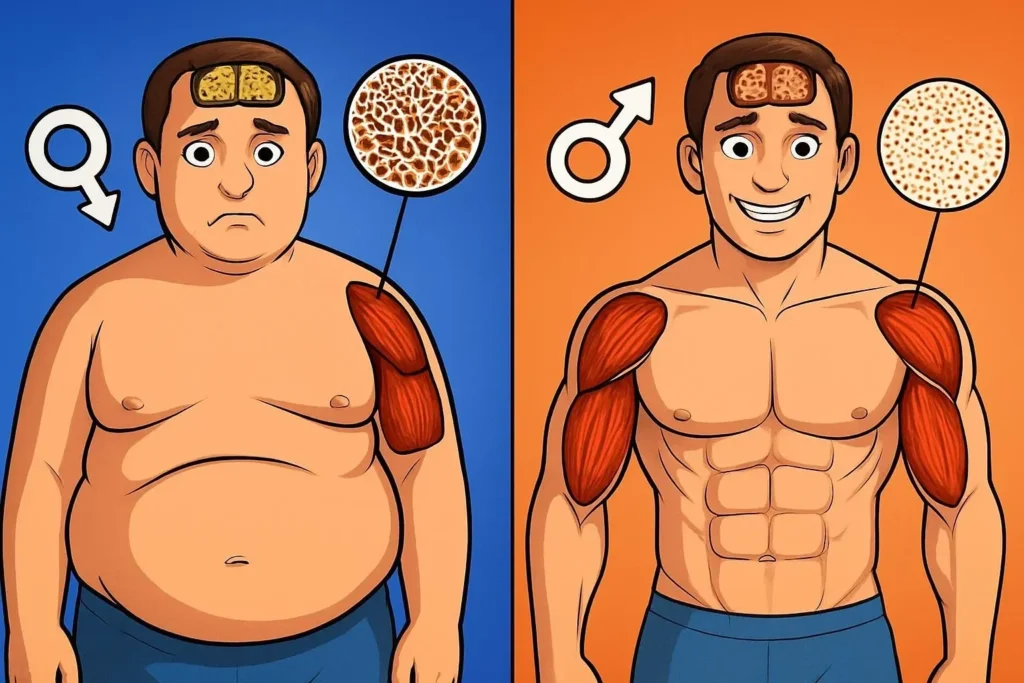
Infographic on 6 testosterone killers men should avoid for better health.

6 Testosterone Killers Men MUST Avoid

Shield Your Testosterone: 6 Killers Men Must Avoid

Testosterone fuels strength, energy, mood, and libido. Small daily choices can chip away at levels more than you realize — but you can stop the slide by avoiding common pitfalls and building simple healthy habits. For quick ways to stay active even when short on time, try pairing healthier choices with short routines like 10-minute home workouts to support overall hormone health.

6 Testosterone Killers Men MUST Avoid

1) Excess Sugar and Refined Carbs

What it does: High sugar intake and refined carbohydrates cause insulin spikes and fat gain. Increased fat, especially around the belly, converts testosterone into estrogen and lowers overall testosterone production.

How to avoid it:

  • Swap soda and sweets for whole fruit, nuts, or yogurt.
  • Choose whole grains, legumes, and fibrous vegetables.
  • Read labels: avoid foods with added sugars high on the ingredients list.

2) Chronic Alcohol Use

What it does: Regular heavy drinking reduces testosterone synthesis, damages testicular tissue, and disrupts sleep patterns critical for hormone regulation.

How to avoid it:

  • Limit drinks to occasional moderate amounts.
  • Replace evening drinks with nonalcoholic alternatives to protect sleep and recovery.
  • If struggling with moderation, seek support — cutting alcohol yields noticeable hormonal improvements.

3) Too Little Strength Training (and Too Much Sitting)

What it does: Muscle-sparing resistance exercise stimulates testosterone. A sedentary lifestyle leads to fat gain and hormonal decline.

How to avoid it:

  • Prioritize compound strength moves (squats, deadlifts, presses). If you want movement ideas that build a stronger back and overall mass, consider practical guides like 5 must-do back moves.
  • Break up long sitting periods—stand, walk, or do short mobility sets every hour.
  • Aim for 2–4 strength sessions per week for hormonal and metabolic benefits.

4) Poor Sleep and Chronic Stress

What it does: Nightly testosterone production peaks during deep sleep. Chronic stress raises cortisol, which antagonizes testosterone and can blunt libido and vitality.

How to avoid it:

  • Prioritize 7–9 hours of quality sleep; maintain a consistent bedtime.
  • Use wind-down routines (no screens before bed, cool dark room).
  • Manage stress with breathing, brief walks, or mindfulness — even 5–10 minutes daily helps.

5) Obesity and Excess Body Fat

What it does: Higher body fat increases aromatase activity, converting testosterone into estrogen. Inflammation associated with overweight also suppresses healthy hormone signaling.

How to avoid it:

  • Combine strength training with moderate cardio and improved nutrition.
  • Focus on sustainable calorie control rather than extreme diets.
  • Small, consistent weight losses (5–10% of body weight) often produce meaningful testosterone gains.

6) Environmental Endocrine Disruptors and Certain Medications

What it does: Some plastics, BPA, phthalates, and even long-term use of specific medications can disrupt endocrine balance and reduce testosterone.

How to avoid it:

  • Prefer glass or stainless-steel for food storage instead of plastic.
  • Avoid microwaving food in plastic containers.
  • Discuss medication effects with your doctor — don’t stop prescribed meds without medical advice.

6 Testosterone Killers Men MUST Avoid

Conclusion

Avoiding these six common testosterone killers — excess sugar, heavy alcohol use, lack of strength training, poor sleep and stress, excess body fat, and environmental disruptors — can help preserve and even boost your natural testosterone levels. For a deeper look at diet-related factors that lower testosterone, see the detailed review on 6 testosterone-killing foods: Causes and factors.

6 Testosterone Killers Men MUST Avoid Read More »

, , , ,
Scroll to Top