supplementation

Infographic detailing 13 surprising facts about creatine supplementation

13 Things No One Tells You About Creatine

Creatine Uncovered: 13 Things You Didn’t Know

Creatine is one of the most researched supplements in sports nutrition, but even regular users miss important details that shape results, safety, and expectations. Whether you’re just starting or tweaking your regimen, these lesser-known facts will help you use creatine smarter — not just harder. If you’re planning a focused training block, consider pairing what you learn here with a program such as the Built Not Bought Challenge to see results faster.
13 Things No One Tells You About Creatine

  1. It’s not a steroid — it’s fuel
  • Creatine isn’t an anabolic steroid. It replenishes cellular ATP, the energy currency your muscles use for short bursts of effort (sprints, heavy reps). That’s why it helps power strength and high-intensity performance.
  1. Loading is optional
  • A common protocol is a 5–7 day loading phase (20 g/day split) followed by 3–5 g/day maintenance. But you can skip loading and take 3–5 g/day; it just takes longer (3–4 weeks) to saturate muscles.
  1. Creatine monohydrate is the gold standard
  • Many forms exist (ethyl ester, HCL, buffered), but creatine monohydrate has the strongest evidence for efficacy, safety, and cost-effectiveness when dosed properly.
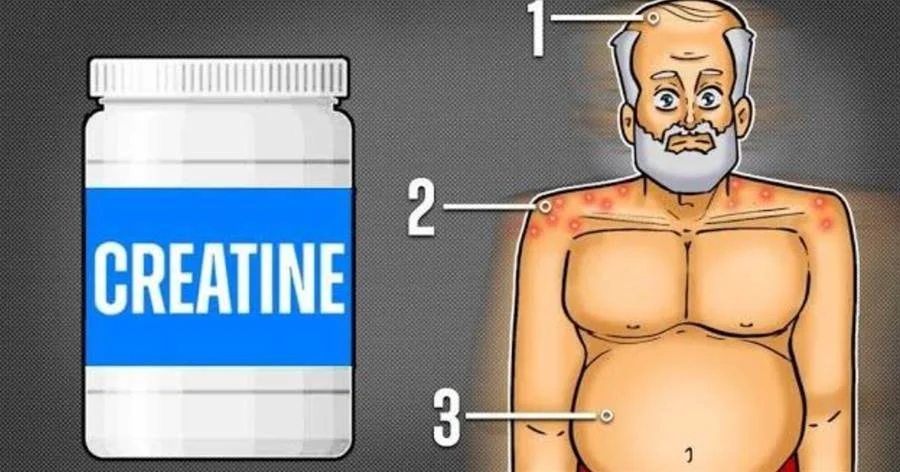
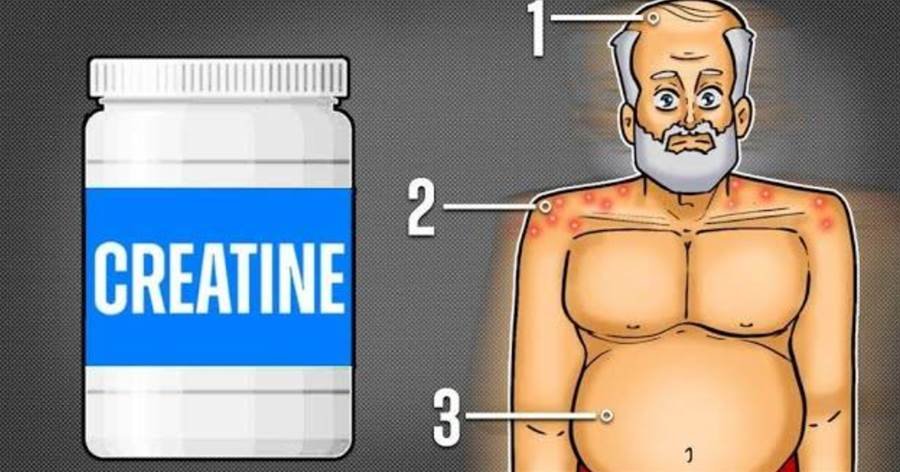
  1. Expect some weight gain — usually water
  • Initial weight gain is mainly intracellular water in muscle cells, which can be mistaken for fat. This is often beneficial (fuller muscles) and not a sign of fat gain.
  1. Timing isn’t critical — consistency is
  • Post-workout timing may offer slight advantages for uptake, but overall daily consistency matters more. Daily intake keeps muscle stores topped up.
  1. Hydration matters
  • Creatine draws water into muscle cells. Maintain good hydration, especially in hot conditions or long endurance sessions, to avoid cramping and maintain performance.
  1. It’s safe long-term for most people
  • Extensive research shows creatine is safe for healthy individuals when taken at recommended doses. If you have kidney disease or other chronic conditions, consult a clinician before starting.
  1. Vegetarians and vegans may see bigger gains
  • People with lower baseline creatine (common in vegan/vegetarian diets) often experience larger relative improvements when supplementing.
  1. Caffeine interaction is nuanced
  • Early studies suggested caffeine might blunt creatine’s benefits, but evidence is mixed. Moderate caffeine use is generally fine; just monitor your performance and digestion.
  1. Purity matters
  • Choose reputable brands with third-party testing to avoid contaminants. Look for Creapure® or similar certifications when possible.
  1. It won’t give you a six-pack by itself
  • Creatine helps strength and muscle fullness, but reducing belly fat and revealing abs depends on diet and conditioning. For common misconceptions about abs and how training links to appearance, see these myths about six-pack.
  1. Small doses can help older adults and cognition
  • Research shows benefits for aging muscle preservation and even some cognitive support, though outcomes vary and require more study.
  1. Quality control and stacking
  • Combine creatine with a sensible training program and adequate protein for best results. Avoid overcomplicating stacks; creatine alone delivers big value for most people.

Practical tips

  • Start with 3–5 g/day if you prefer simplicity. If you choose to load, split the daily dose into 4 portions to reduce stomach upset.
  • Mix with water, juice, or your post-workout shake. Creatine is flavorless and dissolves better in warm liquids.
  • Track bodyweight and performance, not just the scale. Strength and rep gains are the clearest signals of benefit.
13 Things No One Tells You About Creatine

Conclusion

For a concise, readable breakdown that complements this guide, check out 13 Things No One Tells You About Creatine. It’s a helpful companion if you want another take on dosing, myths, and practical use.

13 Things No One Tells You About Creatine Read More »

, , , ,
30-day creatine supplementation effects backed by scientific studies

What Happens When You Take Creatine for 30 Days Straight? (13 studies)

30-Day Creatine Snapshot

Creatine is one of the most studied supplements for strength, power, and muscle gains. Taken daily for 30 days, creatine consistently raises muscle creatine stores and can produce measurable gains in performance and body composition in healthy adults. For best results, pair supplementation with smart nutrition — for example, simple strategies to increase your protein intake help support recovery and growth.

What Happens When You Take Creatine for 30 Days Straight? (13 studies)

What changes to expect in 30 days

  • Faster energy for short, intense bursts: Creatine increases phosphocreatine stores in muscle, improving ATP availability during high-intensity efforts. Many studies show better sprint, jump, and repeated-sprint performance within weeks.
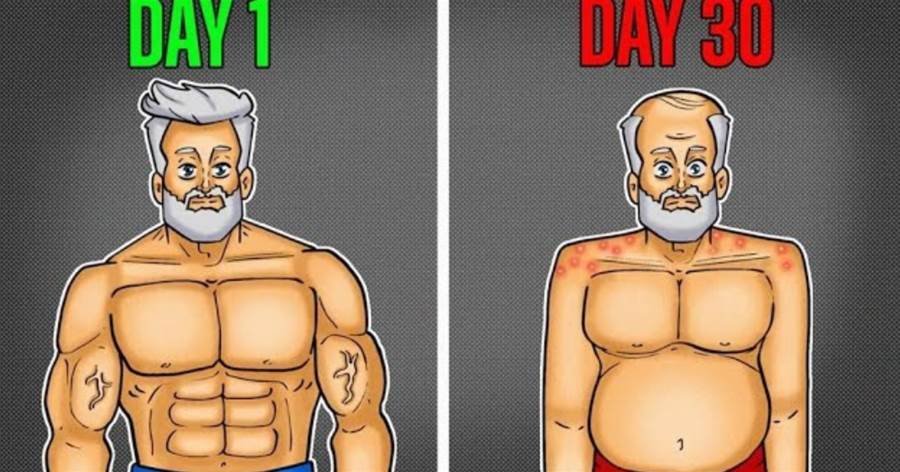
  • Early weight gain, mostly water: A common early effect is a 1–3 lb (0.5–1.5 kg) increase from intracellular water retention. Over 30 days some of this may shift toward true lean mass if training is consistent.
  • Noticeable strength and power improvements: Bench press, squat, and other maximal-strength measures often improve within 2–4 weeks, especially when resistance training accompanies supplementation.
  • Small cognitive and recovery benefits in some people: A subset of studies report improved short-term memory and reduced fatigue in demanding conditions, though effects vary.
  • Time course: Muscle creatine rises within days; functional gains tend to become clearer after 2–4 weeks of training plus supplementation.

How safe is daily creatine for 30 days?

  • In healthy adults, 3–5 g/day is well tolerated; common mild effects include bloating or transient gastrointestinal discomfort in some users.
  • Blood creatinine (a kidney function marker) can rise because creatine converts to creatinine — this is expected and not necessarily a sign of kidney damage. People with pre-existing kidney disease should consult a clinician before starting.
  • Stay hydrated and monitor any unusual symptoms. Long-term studies have not shown adverse effects in healthy subjects when used appropriately.

Dosing strategies that work in 30 days

  • Loading (optional): 20 g/day split into 4 doses for 5–7 days, then 3–5 g/day maintenance. This saturates muscles faster and can show effects sooner.
  • No-load (simple): 3–5 g/day from day 1 — muscles reach near-saturation over a few weeks and still produce gains across 30 days.
  • Timing: Daily consistency matters more than precise timing; taking creatine post-workout with carbs/protein may slightly improve uptake.

Pair it with training and habits

  • Resistance training: Progressive overload across the 30 days maximizes the supplement’s benefits.
  • Cardio/sprints: Creatine helps repeated high-intensity efforts, so include intervals if your sport requires them.
  • A focused 30-day program can amplify results — combining creatine with a structured plan like the 30-day ab challenge or another targeted routine increases the chance of visible changes.
  • Nutrition and sleep: Adequate protein, calories, and recovery all influence how much muscle you gain in 30 days.

Practical tips

  • Start with 3–5 g/day if you want to avoid loading-related bloating.
  • Mix with a carbohydrate-containing drink to help uptake if desired.
  • Keep training intensity high and track lifts or sprint times to see objective changes.
  • If concerned about lab results (e.g., elevated creatinine), inform your healthcare provider you are taking creatine before testing.

What Happens When You Take Creatine for 30 Days Straight? (13 studies)

Conclusion

Taking creatine daily for 30 days reliably increases muscle creatine stores and often leads to early gains in strength, power, and lean mass when combined with proper training and nutrition. If you have medical questions or are taking medications and want to review official prescribing or safety information, consult product labeling such as the FDA label for TAMIFLU® (oseltamivir phosphate) and discuss any concerns with your healthcare provider.

What Happens When You Take Creatine for 30 Days Straight? (13 studies) Read More »

, , , ,
Scroll to Top