
Stretching After Your Workout? The Brutal Truth Science Doesn’t Want You to Know
After-Workout Stretching: The Uncomfortable Science
Most gym-goers reach for a long static stretch after training because it feels like the responsible thing to do — we assume it speeds recovery, prevents soreness, and lowers injury risk. The real picture is messier: stretching has benefits, but they’re specific, limited, and sometimes counterproductive if used as a catch-all solution. If recovery and muscle maintenance are your priorities, don’t overlook basic nutrition — for example, learn practical ways to increase your protein intake to support repair and growth.
Why we stretch: the common beliefs
- Stretching after exercise is supposed to reduce muscle soreness (DOMS) and lower injury risk.
- Many people equate longer stretches with “better recovery.”
- It’s also a ritual: finishing a workout with 10–15 minutes of static stretching feels like finishing strong.
What the research actually shows
- Static stretching does improve immediate flexibility, but the effect is short-lived unless you do it consistently over weeks.
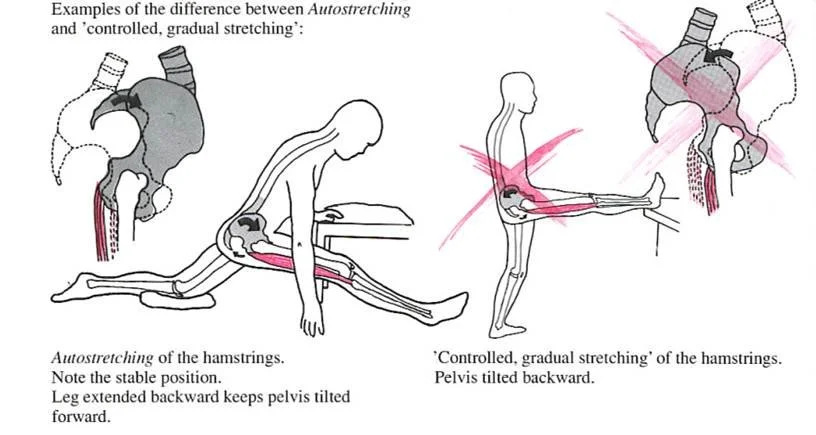
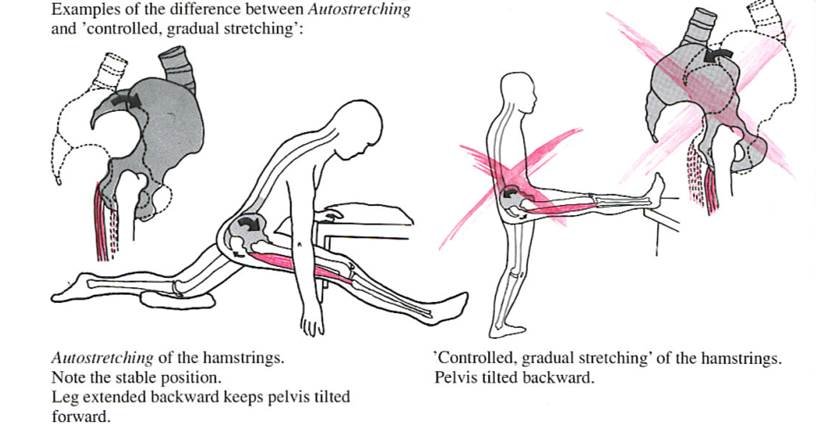
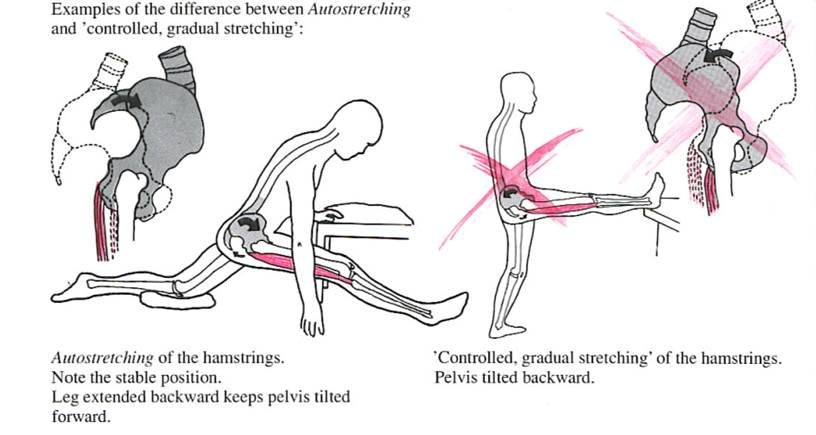
- Multiple studies find static stretching post-exercise does not meaningfully reduce delayed-onset muscle soreness (DOMS) or prevent most acute injuries in recreational athletes.
- Doing long static stretches right before or immediately after heavy strength work can temporarily reduce maximal strength and power output — not ideal when the goal is to build or maintain strength.
- The greatest protective benefits against injury and functional decline come from progressive strength training and movement quality, not from static stretching alone.
Where stretching helps
- Long-term flexibility and range-of-motion improvements: regular, targeted stretching can change tissue tolerance and joint mobility over weeks to months.
- Rehabilitation and mobility training: in clinical settings, stretching is useful as part of a plan to restore specific ranges of motion.
- Nervous-system calming: gentle stretching and breath work can help with relaxation and perceived recovery after intense sessions.
Practical recommendations you can use today
- Prioritize strength and movement training. Strength work builds resilience, improves tissue health, and lowers real-world injury risk more than passive stretching.
- Warm up with dynamic, movement-based mobility rather than long static holds when preparing for strength or power work.
- Use short, targeted static stretches when you need to regain a specific range of motion, and plan them consistently (several times per week) for lasting change.
- Consider alternatives for recovery and soreness reduction: active recovery, light aerobic activity, sleep, hydration, and proper protein intake.
- If balance or technique limits certain exercises (like split squats), choose simpler strength alternatives to build the foundation first — for example, explore single-leg alternatives that remove the balance challenge while strengthening the same muscles.
A final, evidence-based playbook
- For immediate post-workout recovery: cool down with light movement and focus on nutrition and sleep.
- For long-term mobility: schedule consistent stretching and mobility sessions, not just the few minutes tacked onto a workout.
- For injury prevention and durability: invest your time most in progressive strength training and movement competency.
Conclusion
If your priority is building resilience and healthier bodies over the long term, strength training — combined with smart mobility work and nutrition — is the evidence-backed route. Read more on how strength training helps aging bodies stay stronger and healthier here: How can strength training build healthier bodies as we age …
Stretching After Your Workout? The Brutal Truth Science Doesn’t Want You to Know Read More »