
Strength training

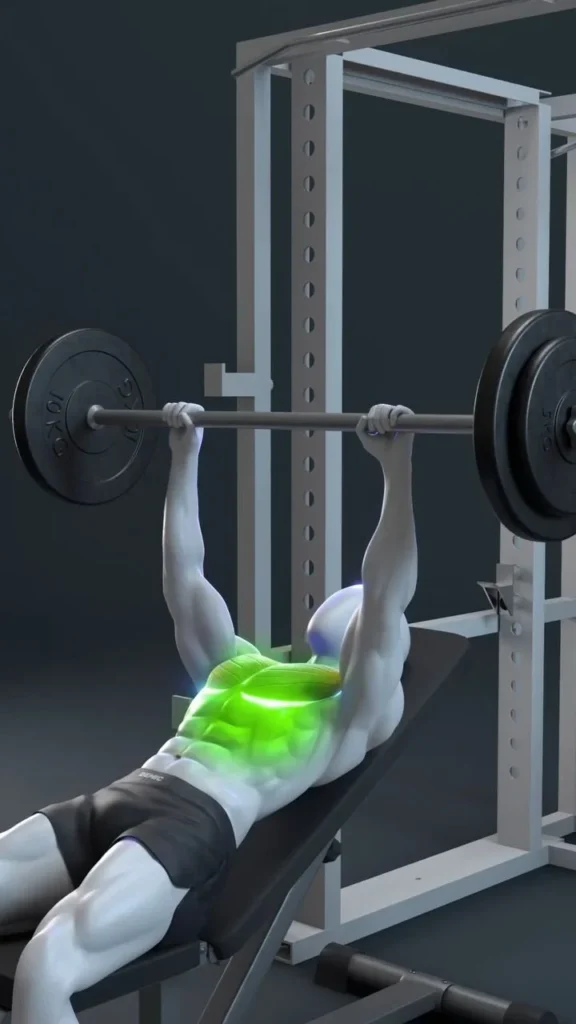
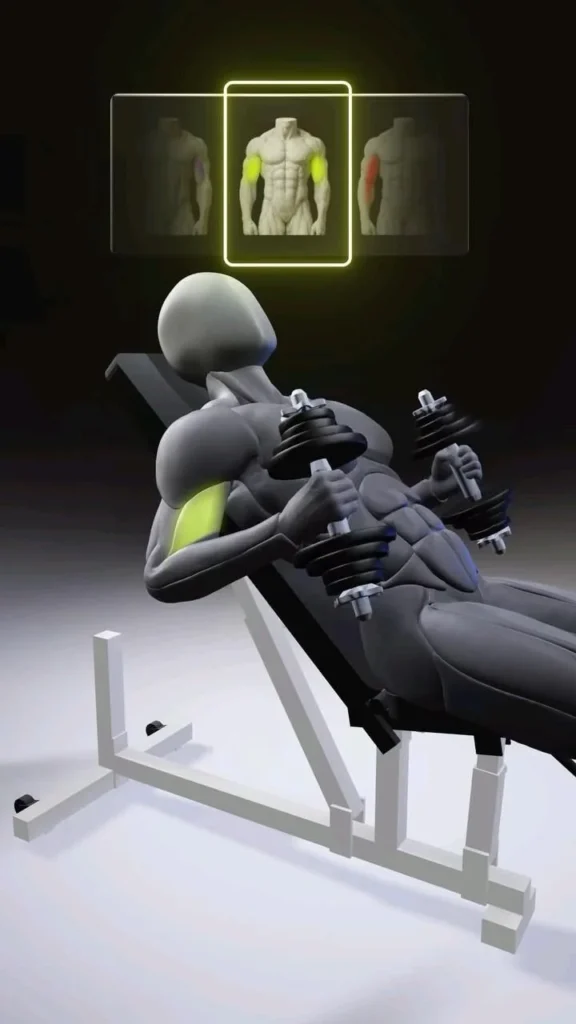
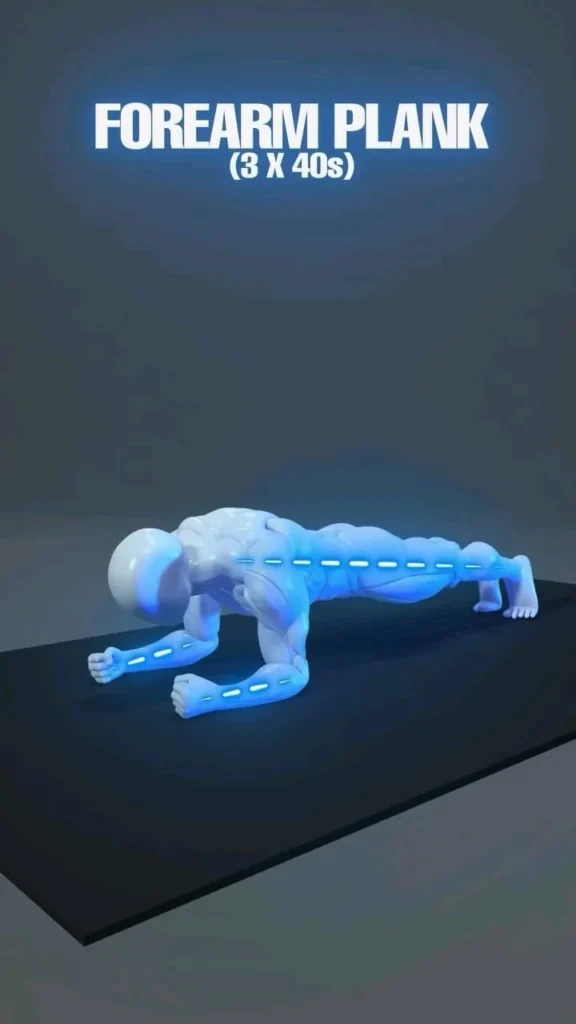
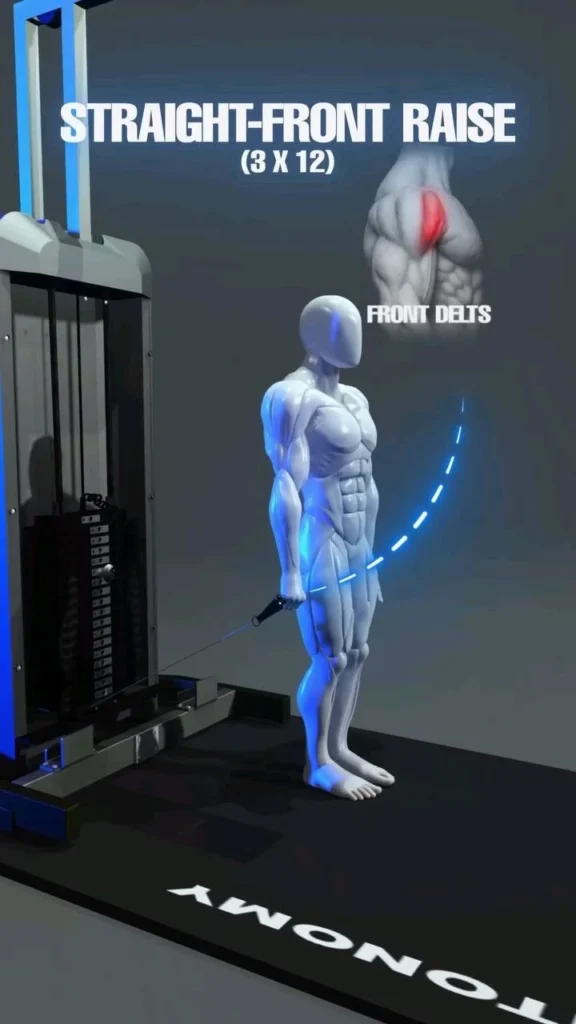
Illustration of core stability exercises for strength and balance improvement.

Core Stability

Core stability is more than just having visible abdominal muscles; it is the coordinated strength and control of the deep and superficial muscles that support the spine, pelvis, and hips during movement. Developing functional core stability improves balance, reduces injury risk, enhances athletic performance, and makes everyday tasks easier — from lifting groceries to maintaining posture at a desk.

Introduction
A well-trained core provides a stable foundation for the limbs to generate force and absorb impact. This stability arises from a complex interaction between the diaphragm, pelvic floor, transversus abdominis, multifidus, obliques, and other trunk muscles. For a practical starting point and an accessible exercise to build rotational control, many practitioners recommend variations of resisted twists; see a practical guide to one such approach here: band twist how to build core strength. Understanding core stability helps you choose exercises that transfer to real-life movement rather than just producing aesthetic results.

What core stability means in practice

  • Support vs. stiffness: True stability allows controlled motion while protecting the spine, not rigidness that limits mobility.
  • Local vs. global systems: “Local” stabilizers (e.g., transversus abdominis, multifidus) control segmental stiffness; “global” movers (e.g., rectus abdominis, erector spinae) produce larger movements. Training both systems in context produces the best outcomes.
  • Feedforward activation: The body often pre-activates core muscles in anticipation of limb movement; training can improve this timing and coordination.

Benefits of improving core stability

  • Reduced low-back pain risk and improved rehabilitation outcomes.
  • Better balance and fewer falls in older adults.
  • Increased efficiency and power transfer in sports and lifting tasks.
  • Improved posture and endurance for prolonged tasks.

Assessment pointers
Practical assessments help tailor training:

  • Static holds: Planks, side planks — evaluate endurance and alignment.
  • Dynamic control: Single-leg deadlifts, bird-dogs — observe compensations and pelvic control.
  • Functional tests: Rotational throws or loaded carries reveal how the core stabilizes under realistic loads.
    Record movement quality, not just time, and note breathing and hip mobility, which greatly influence core performance.

Core stability exercise progressions
Start with breathing and activation, then progress to load and complexity:

  1. Breathing + activation: Diaphragmatic breathing with gentle transversus abdominis bracing.
  2. Static control: Front and side planks, dead-bug variations — focus on neutral spine and steady breathing.
  3. Dynamic control: Bird-dogs, single-leg bridges, pallof press variations.
  4. Loaded and rotational: Farmer carries, suitcase carries, resisted twists and anti-rotation work. For guided instruction on a rotational band exercise that builds both strength and control, check this practical resource: band twist how to build core strength.
  5. Sport-specific integration: Plyometrics, change-of-direction drills, and weighted lifts while maintaining trunk control.

Programming tips

  • Frequency: 3–4 times per week for beginners; integrate core work into warm-ups and as part of full sessions for intermediates/athletes.
  • Sets and reps: For endurance-focused holds, 3–4 sets of 20–90 seconds depending on fitness. For dynamic control, 2–4 sets of 8–15 reps per side.
  • Progression: Increase complexity before simply adding load — e.g., move from bilateral to unilateral, add perturbations, then external resistance.
  • Consistency and specificity: Train the core in ways that mimic your sport or daily activities for best transfer.

Common mistakes to avoid

  • Over-bracing and breath-holding, which can restrict movement and increase intra-abdominal pressure unnecessarily.
  • Neglecting hip and thoracic mobility; limited range in these areas shifts demand to the lumbar spine.
  • Doing hundreds of sit-ups without addressing stabilization or movement quality — quantity without quality won’t build functional stability.
  • Using the core only in isolation; integrate it with limb movements for practical strength.

Rehabilitation and special considerations

  • If recovering from low-back pain or surgery, begin with gentle activation and progress under professional guidance.
  • For older adults, prioritize balance and anti-rotation holds to reduce fall risk.
  • Pregnant or postpartum individuals should seek tailored programs that address diastasis recti, pelvic floor function, and safe loading strategies.

Sample 8-week beginner block (example)
Weeks 1–2: Focus on breathing, pelvic floor activation, 3×/week planks (3 × 20–30s), dead-bugs (3×10).
Weeks 3–4: Add side planks, bird-dogs, and light loaded carries; introduce unilateral balance work.
Weeks 5–6: Progress to pallof presses, single-leg bridges, and increased carry distances.
Weeks 7–8: Introduce more dynamic rotational work, integrated plyometrics, and sport-specific drills, while maintaining a baseline of stability work.

Tracking progress
Use both qualitative and quantitative markers:

  • Improved hold times and reduced compensations.
  • Better performance in functional tests (e.g., single-leg balance, loaded carries).
  • Subjective reports of reduced pain and improved daily function.

Conclusion

For an evidence-informed overview of core stability concepts, mechanisms, and clinical applications, see the resource Core Stability – Physiopedia. This summary can complement practical guides and exercise progressions as you design a balanced, functional core program.
Core Stability Read More »

, , , ,
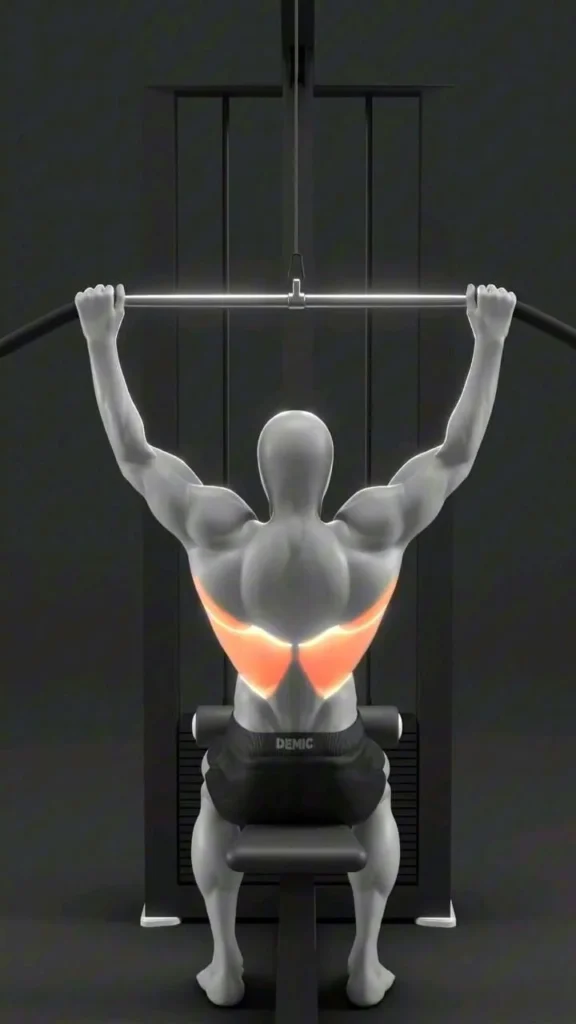
Person performing a Lat Pulldown exercise in a gym setting

Lat Pulldown Workout

Lat Pulldown Workout: Build a Strong, Wide Back

The lat pulldown is a staple exercise for developing the latissimus dorsi (lats), improving posture, and increasing pulling strength for rows and pull-ups. Whether you’re a beginner or an experienced lifter, a well-structured lat pulldown workout can add width to your back and balance upper-body development. If you train full-body routines, lat pulldowns pair well with compound movements—see a suggested pairing in this 10 Best Full-Body Workouts guide.

Why the Lat Pulldown Matters

  • Targets the lats, teres major, and middle back muscles, helping create the coveted “V” taper.
  • Assists in improving posture by strengthening scapular depressors and retractors.
  • Transfers to functional and sport-specific movements like climbing, rowing, and pull-ups.
  • Scalable for beginners through advanced lifters using different grips and tempos.

Proper Technique: Step-by-Step

  1. Setup: Sit with knees secured under the pad, chest tall, and feet flat. Choose a grip width appropriate to the variation you’re performing.
  2. Grip and alignment: Hold the bar with a grip that’s slightly wider than shoulder-width for the classic wide pulldown. Keep shoulder blades pulled down and back before initiating the pull.
  3. The pull: Pull the bar down in a controlled arc to the upper chest (or slightly below chin for some variations). Lead with the elbows, not the hands, and maintain a slight backward lean from the hips—avoid excessive torso swinging.
  4. Lowering phase: Slowly return the bar to the starting position with control, allowing a full stretch in the lats without letting the weight stack slam.
  5. Breathing: Exhale while pulling down, inhale while returning to start.

Key cues: “Elbows to ribs,” “Chest up,” and “Slow on the negative.”

Variations to Target Different Angles

  • Wide-Grip Lat Pulldown: Emphasizes outer lats and width.
  • Close-Grip/Neutral-Grip Pulldown: Hits lower lats and biceps more.
  • Reverse (Underhand) Grip: Increases biceps involvement and can help lifters with elbow mobility.
  • Single-Arm Pulldown: Corrects left-right strength imbalances and improves scapular control.
  • Behind-the-Neck Pulldown: Not generally recommended due to shoulder stress—use caution and only if you have excellent mobility and supervision.

Programming: Sets, Reps, and Progression

  • Beginners: 3 sets of 8–12 reps with moderate weight and strict form.
  • Intermediate: 3–5 sets of 6–10 reps for strength, or 8–12 for hypertrophy. Add tempo variations (e.g., 2-1-3) to increase time under tension.
  • Advanced: Incorporate drop sets, supersets (e.g., with rows or face pulls), and single-arm work to break plateaus.

Lat pulldowns fit well into full-body or upper-body days. For busy schedules, you can include a focused lat pulldown superset in a time-efficient routine—see a practical template in this 20-Minute Full-Body Workout for Busy Schedules article.

Sample workouts:

  • Hypertrophy session: 4 sets x 10 reps (wide grip), superset with 3 sets x 12 single-arm cable rows.
  • Strength session: 5 sets x 5 reps (close grip), rest 2–3 minutes between sets.
  • Volume day: 3 sets x 8 (wide), 3 sets x 10 (reverse grip), finish with 2 drop sets.

Common Mistakes and Fixes

  • Using momentum: Reduce weight and focus on elbow drive to stay strict.
  • Pulling behind the neck: This can compromise shoulder health—pull to the chest instead.
  • Shrugging shoulders: Pre-activate scapular depression before each rep to shift tension to the lats.
  • Not achieving full range of motion: Allow a controlled stretch at the top and a full contraction at the bottom.

Accessory Exercises and Progressions

  • Assisted or banded pull-ups to transfer vertical pulling strength.
  • Bent-over rows and single-arm dumbbell rows to build mid-back thickness.
  • Face pulls and band pull-aparts to strengthen rear delts and improve shoulder stability.
  • Gradually reduce machine assistance or add weight to the stack while maintaining strict form for progression.

Modifications and Who Should Be Cautious

  • If you have shoulder impingement or limited overhead mobility, use neutral-grip handles or perform single-arm pulldowns to reduce strain.
  • Those with lower-back issues should avoid excessive leaning—focus on an upright torso and core bracing.
  • Always prioritize pain-free movement; stop if you feel sharp joint pain.

Safety Tips

  • Warm up with light rows and band pull-aparts to prime the scapular muscles.
  • Control the eccentric phase—don’t let the weight slam back up.
  • Use a full range of motion tailored to your mobility and training goals.
  • Keep a steady cadence and track progressive overload (weight, reps, or time under tension).

Conclusion

For a comprehensive how-to, variations, and safety considerations on the exercise, consult this detailed guide: Lat Pulldowns: Techniques, Benefits, Variations.

Lat Pulldown Workout Read More »

, , , ,
Perfect form for triceps pushdown exercise demonstrating proper technique.

Triceps Pushdown Technique

Triceps Pushdown Technique

The triceps pushdown is a staple cable exercise for building the posterior upper arm. It isolates the triceps long and lateral heads, allows precise load control, and is easy to vary for different training goals. If you pair it with pressing work like the seated dumbbell shoulder press in your program, you’ll create complementary strength and hypertrophy effects across the shoulder–arm chain.

Why it works (anatomy & purpose)

The triceps make up the bulk of upper-arm mass and extend the elbow. Pushdowns keep the shoulder relatively stable and place most of the work on elbow extension, letting you:

  • Target triceps without heavy shoulder involvement.
  • Train with consistent tension through the range of motion using cables.
  • Use variations (rope, straight bar, V-bar) to emphasize different heads.

Setup & positioning

  • Stand upright in front of a cable machine with a high pulley. Feet hip-width apart, knees soft.
  • Grab your chosen attachment with a neutral or overhand grip. Keep your torso tall and chest up.
  • Tuck your elbow to your sides: the elbow should act as a hinge, not travel forward or backward.
  • Slight forward lean (~10–15°) from the hips can improve shoulder stability and allow a fuller contraction.

Execution: step-by-step

  1. Start with forearms bent and the attachment near chest height.
  2. Exhale and press the attachment down by extending the elbows until arms are fully straight (avoid hyperextension).
  3. Pause briefly with triceps contracted, focusing on squeezing the muscle.
  4. Inhale and return under control to the start position, resisting the weight on the eccentric phase.
  5. Maintain elbows close to your torso; only the forearm should move.

Cues: “Drive the hands down,” “Keep elbows glued,” and “Squeeze at the bottom.”

Grip & attachment choices

  • Rope: allows a greater peak contraction and slight external rotation at the bottom to hit medial and lateral heads.
  • Straight bar: produces a strong, stable pressing line; good for heavier loads.
  • V-bar or angled bar: blends straight-bar stability with a more natural wrist position.
    Switch attachments across workouts to stimulate the triceps from different angles.

Tempo, sets & reps

  • Strength: 3–5 sets of 4–6 reps with heavier loads, controlled 2–3 sec eccentric.
  • Hypertrophy: 3–4 sets of 8–15 reps with 1–2 sec concentric, 2–3 sec eccentric.
  • Endurance: 2–3 sets of 15–25+ reps with lighter loads.
    Controlling the eccentric and pausing at the bottom increase time under tension and build muscle quality.

Common mistakes and corrections

  • Elbow drift: If elbows move forward, reduce weight and focus on a tactile cue (touch the side of your ribcage).
  • Using too much torso: If you lean excessively, reduce load and keep a small forward lean only.
  • Partial range: Let the forearm come high enough at the top to create a full stretch without loosening the elbow.
  • Wrist collapse: Maintain a neutral or safe wrist angle—switch attachments if you feel strain.

Variations and programming tips

  • Single-arm cable pushdowns: useful for correcting left-right imbalances and improving mind–muscle connection.
  • Reverse-grip pushdowns: place more emphasis on the long head.
  • Superset with overhead triceps extensions for long-head emphasis.
    For accessory or home workouts consider pairing with dumbbell extensions — see a focused routine for that approach in this article about a triceps workout using dumbbells.

Warm-up and injury prevention

  • Warm up with light cable pushdowns for 1–2 sets of 15–20 reps.
  • Incorporate shoulder mobility drills to keep the scapula stable.
  • Avoid heavy maximal loads if you have a history of elbow tendinopathy; prioritize tempo and higher reps instead.

Sample session (hypertrophy focus)

  • Warm-up: band pull-aparts + light pushdowns 2 × 15
  • Compound pressing: bench/pressing movement 3–4 sets
  • Triceps pushdowns: 4 × 10–12 (rope attachment), 2–3 sec eccentric, squeeze 1 sec
  • Overhead dumbbell extensions: 3 × 10–12
  • Finish: light skull crushers or pressdowns drop set

Conclusion

For a thorough how-to with photos and extra variations, check out this practical guide: Tricep Pushdowns: Techniques, Benefits, Variations.

Triceps Pushdown Technique Read More »

, , , ,
Person demonstrating perfect incline bench press form for effective chest workouts

Perfect Incline Bench Press Form

Perfect Incline Bench Press Form

The incline bench press is one of the best compound lifts for building upper-chest thickness and shoulder stability when performed correctly. Small adjustments in setup, bar path, and muscle recruitment separate an effective, joint-friendly press from an inefficient or injurious one. Before diving in, review related shoulder mechanics—for example, this primer on the seated dumbbell shoulder press setup—to better understand how the delts and scapula should behave during incline pressing.

Why incline press matters

  • Targets clavicular head of the pectoralis major more than flat benching.
  • Improves upper-chest fullness and the transition between chest and shoulders.
  • Encourages a more upright pressing pattern that translates to overhead strength.

Setup: bench angle, feet, and grip

  • Bench angle: Aim for 30–45 degrees. Lower angles (around 30°) emphasize the upper chest while reducing excessive anterior deltoid stress; higher angles shift load to the shoulders.
  • Feet: Plant them firmly to create a stable base and enable leg drive. Your feet should remain flat throughout the rep.
  • Grip width: Use a grip that places your forearms vertical at the bottom of the press. Too wide reduces range of motion and increases shoulder strain; too narrow makes the press more triceps-dominant.

Positioning the body: scapula and chest

  • Retract and depress the scapulae: Pinch your shoulder blades together and slightly down to create a solid pressing platform. This protects the shoulder joint and increases chest recruitment.
  • Chest up: Think about presenting your sternum toward the bar. Keeping the chest elevated shortens the ROM and promotes better pectoral activation.
  • Maintain a natural lower-back arch; don’t over-bridge. The arch should be stable, not mobile.

Bar path and elbow position

  • Bar path: Lower the bar to the upper-chest / lower-clavicle area, then press up and slightly back toward your eyes. This diagonal path keeps the load aligned with the muscle work.
  • Elbow angle: Aim for elbows 45–70 degrees from your torso (roughly halfway between flared and tucked). This reduces impingement risk while allowing the chest to work.
  • Touch point: Lightly touch the chest—do not bounce. Controlled contact ensures tension stays on the muscles.

Breathing, tempo, and tension

  • Inhale and brace the core as you lower the bar, maintaining full-body tension.
  • Pause for a brief moment at the bottom (no dead stop if using continuous tension), then exhale as you press.
  • Tempo: A controlled 2–3 second descent with a deliberate press up maximizes muscle fiber recruitment and control.
  • Keep tension through the glutes, legs, core, and lats to transfer force efficiently.

Common mistakes and fixes

  • Excessive bench angle: If you feel your front delts dominating, lower the angle a few degrees.
  • Flaring elbows: If your shoulders ache, bring elbows closer to the torso and focus on chest squeeze.
  • Poor scapular control: Practice retracted holds and lighter sets to engrain the position.
  • Lack of leg drive: Drive the feet and squeeze the glutes at the top of each rep to stabilize the torso.

Progressions and accessory work

  • Use varied rep ranges: heavier sets (3–6) for strength, moderate (8–12) for hypertrophy, and lighter (<15) for endurance and control.
  • Accessory lifts: Incline dumbbell press, incline flyes, and pressing variations strengthen weak points. For triceps-focused assistance and lockout work, consider techniques from the close-grip press family—see this piece on the close-grip bench press technique.
  • Deload and mobility: If shoulder stiffness appears, reduce load and add mobility work for the thoracic spine and shoulder girdle.

How to program it

  • Frequency: 1–3 times per week depending on goals and recovery.
  • Volume: Start with 6–12 working sets per week for the incline press and adjust based on progress.
  • Pair with vertical press and row variations to balance pushing and pulling strength.

Conclusion

For a complete reference on form, benefits, and common variations, check out this detailed guide to the Incline Bench Press: Proper Form & Benefits | Legion.

Perfect Incline Bench Press Form Read More »

, , , ,
Woman performing a chest fly exercise with dumbbells for strength training

Chest Fly Workout

Chest Fly Workout: Build a Fuller, Stronger Chest

The chest fly is a staple isolation move that stretches and contracts the pectoral muscles in a way pressing movements can’t fully replicate. Whether you’re aiming for better chest shape, improved muscle activation, or finishing off a heavy pressing day, flys are an essential tool. If you want a variation that targets the upper pecs with a rotational cue, check out this dumbbell chest workout with twist incline fly for ideas on sets and rep ranges that emphasize the upper fibers.

This article explains why flys work, how to perform them safely, which variations to use, and sample programming to add them to your routine.

Why Flys Work

  • Isolation for the chest: Fly movements put the pectoralis major under long-axis tension, emphasizing stretch and peak contraction.
  • Complementary to presses: Presses (bench, incline, dips) are compound and allow heavy loading. Flys let you focus on range of motion and mind-muscle connection without heavy triceps involvement.
  • Hypertrophy benefits: Moderate loads with controlled tempo and full range increase time under tension, which is effective for muscle growth.

Variations and When to Use Them

  • Dumbbell Flat Fly: Classic, best for mid-chest development and full pec stretch.
  • Incline Dumbbell Fly: Targets upper chest. Use moderate incline (15–30°) to shift emphasis upward.
  • Decline Fly: Emphasizes lower chest fibers.
  • Cable Fly (standing or lying): Keeps constant tension throughout the range; excellent for finishing sets and peak contraction.
  • Pec Deck Machine: Great for beginners or for isolating without stabilizer fatigue.
  • Single-arm and alternating flys: Useful for correcting imbalances and for stricter control.

For a concise plan that blends fly variations into a complete chest routine, the best chest workout routine overview offers a straightforward 4-exercise scheme you can adapt.

Proper Technique (Dumbbell Fly Example)

  1. Setup: Lie flat on a bench with a dumbbell in each hand, palms facing each other. Feet planted, back neutral.
  2. Start position: Bring weights together above chest with a slight bend in elbows. This bend should stay consistent.
  3. Descent: Open arms wide in a controlled arc, feeling a stretch across the chest. Go until your elbows are roughly in line with the bench (or a comfortable stretch), not necessarily until your upper arm is parallel with the floor if shoulder comfort is an issue.
  4. Ascent: Reverse the arc by squeezing the chest and bringing dumbbells together above chest, maintaining the elbow angle.
  5. Breathing: Inhale on the descent; exhale on the squeeze upward.
  6. Tempo: Typical hypertrophy tempo is 2–4 seconds down, 1–2 second pause (optional), then 1–2 seconds up.

Common mistakes:

  • Using too heavy a weight and turning the fly into a press.
  • Dropping elbows too low (risking shoulder strain).
  • Excessive speed, losing muscle tension.

Programming and Sample Workouts

Guidelines:

  • Reps: 8–15 for hypertrophy; 12–20 for a higher-rep finisher.
  • Sets: 3–5 sets depending on how much chest volume you’re accumulating that session.
  • Placement: Use flys after heavy compound presses or as a finisher at the end of a chest workout.
  • Progression: Increase time under tension, range of motion, or add a few reps before increasing weight.

Sample Routines:

  • Mass-focused chest day

    • Barbell bench press: 4 sets × 6–8 reps
    • Incline dumbbell press: 3 sets × 8–10 reps
    • Dumbbell flat fly: 3–4 sets × 10–12 reps
    • Cable crossovers (high to low): 3 sets × 12–15 reps
  • Chest-finisher circuit

    • Incline dumbbell fly (moderate weight) 12 reps
    • Flat bench push-ups 15 reps
    • Cable fly (slow negatives) 12–15 reps
    • Rest 60–90 seconds and repeat for 3 rounds

Safety, Mobility, and Progressions

  • Warm up shoulders and scapulae with band pull-aparts and rotator cuff activation.
  • Limit the range if you feel sharp anterior shoulder pain—maintain a safe, comfortable stretch.
  • Mix cables and dumbbells to manage load and constant tension differences.
  • Progress by increasing reps, adding a drop set, slowing eccentric tempo, or slightly increasing weight while preserving form.

Conclusion

For technique demonstrations and extra tips on the dumbbell fly movement, see this helpful Dumbbell Flys: Video Exercise Guide & Tips.

Chest Fly Workout Read More »

, , , ,
A person executing a biceps workout with dumbbells for strength training.

Biceps Workouts

Biceps Workouts: Build Size, Strength, and Shape

A well-developed pair of biceps not only looks great but also improves pulling strength and elbow stability. Whether your goal is fuller peaks, thicker arms, or better functional strength, a focused biceps plan will help. If you’re looking for a simple, strength-focused approach, try a barbell-only biceps routine to prioritize load and progressive overload.

Anatomy and How It Affects Training

Understanding the muscle heads helps you choose exercises:

  • Long head: contributes to the biceps “peak.” Emphasize incline curls and supinated grips to better target it.
  • Short head: adds thickness and width. Movements with a wider grip and preacher-style curls emphasize this head.
  • Brachialis: lies beneath the biceps and pushes the biceps up when developed — hammer curls and neutral-grip work well.
  • Brachioradialis: forearm muscle that assists elbow flexion, trained with hammer and reverse curls.

Train with exercises that place the muscle under tension through various joint angles to stimulate all portions effectively.

Training Principles

  • Progressive overload: gradually increase load, reps, or time under tension over weeks.
  • Frequency: 2 sessions per week for biceps is effective for most lifters — ensure 48–72 hours recovery between sessions.
  • Rep ranges: 6–8 for strength, 8–12 for hypertrophy, and 12–20+ for endurance and metabolic stress. Mix ranges across sessions.
  • Volume: aim for 8–20 hard sets per week depending on experience and recovery.
  • Tempo and control: slow the eccentric (lowering) phase for more muscle damage and growth stimulus.

Exercise Selection

Choose 3–4 exercises per session to hit the biceps from multiple angles:

  • Barbell curls (strict or with controlled cheat)
  • Dumbbell alternating curls (supination through the arc)
  • Hammer curls (brachialis and brachioradialis emphasis)
  • Preacher curls (short head isolation)
  • Incline dumbbell curls (long head stretch)
  • Cable curls (constant tension)

Variety prevents plateaus and ensures broader development.

Sample 4-Exercise Routine

Here’s a balanced session you can repeat twice weekly. For a full program of complementary movements and progressions, consider an effective biceps exercises routine that cycles load and intensity.

  • Barbell curls — 4 sets of 6–8 reps (heavy)
  • Incline dumbbell curls — 3 sets of 8–12 reps (full range, slow eccentric)
  • Hammer curls — 3 sets of 10–12 reps (neutral grip)
  • Cable curls (rope or single-handle) — 3 sets of 12–15 reps (constant tension, last set to near failure)

Rest 60–90 seconds between sets. Adjust volume based on recovery and overall arm training load.

Technique Tips

  • Keep elbows relatively fixed to isolate the biceps; avoid excessive upper-arm swing.
  • Supinate (turn palm up) throughout curls to maximize long head recruitment.
  • Use full range of motion: fully extend to stretch, fully contract at the top.
  • Control the eccentric for 2–4 seconds to increase time under tension.
  • When fatigued, drop the weight or switch to partial reps rather than sacrificing form.

Common Mistakes

  • Using momentum: turns the lift into a row and reduces biceps stimulus.
  • Neglecting forearms and brachialis: this limits overall arm thickness.
  • Overtraining: too many daily sets without recovery can halt progress.
  • Ignoring variety: always doing the same curl leads to adaptation and stagnation.

Recovery and Progression

  • Sleep, nutrition (adequate protein), and managing total weekly volume are crucial.
  • Track weights and reps; if you can complete target reps easily, increase load or reps next session.
  • Deload every 4–8 weeks if progress stalls or fatigue accumulates.

Equipment Variations

  • No dumbbells? Use resistance bands or a barbell.
  • Gym cables offer constant tension; machines add stability for drop sets.
  • For home training, tempo emphasis and higher volume can compensate for lighter loads.

Conclusion

Consistent, progressive training with deliberate exercise selection and solid technique will drive biceps growth and strength. For a large library of guided biceps movements and video demonstrations to expand your exercise options, see Biceps Exercises: 200+ Free Video Exercise Guides | Muscle ….

Biceps Workouts Read More »

, , , ,
Person performing Smith Machine Row for back strength training

Smith Machine Row Techniques

Smith Machine Row Techniques

The Smith machine row is an accessible, stable choice for targeting the mid-back and lats while minimizing balance demands. By guiding the bar along a fixed vertical path, the Smith machine lets you focus on contraction, tempo, and position without worrying about barbell stability. Below are practical techniques, cueing, and programming tips to get the most from this exercise while avoiding common pitfalls.

Why use the Smith machine for rows?

  • Stability: The fixed bar path reduces the need for stabilizer recruitment, allowing heavier loads or focused muscle work.
  • Safety: Built-in catches and locking points make it easier to train near failure without a spotter.
  • Variety: Allows for grip and body-angle adjustments (e.g., torso angle, foot placement) that change emphasis across the back muscles.

Setup and starting position

  1. Bar height: Set the Smith bar so it sits at about knee height or slightly below when standing upright. This gives a natural pulling path that approximates a bent-over row.
  2. Foot placement: Stand with feet roughly hip-width apart. You can step forward slightly to allow more torso flexion and a fuller ROM.
  3. Torso angle: Hinge at the hips to roughly 30–45° from vertical for a classic row. More horizontal (closer to 90°) increases posterior chain demand.
  4. Grip: Use an overhand (pronated) grip for upper back emphasis; an underhand (supinated) grip shifts emphasis onto the lats and biceps. Grip width should be just outside shoulder width for balanced lat and rhomboid activation.
  5. Core and spine: Brace the core, keep a neutral spine, and maintain a fixed rib-to-pelvis relationship to avoid lumbar flexion.

Execution cues and technique

  • Initiate with the lats: Think about pulling your elbows back into your hips rather than pulling with your hands.
  • Elbow path: Drive elbows toward your lower ribs or hips (not straight out to the sides) to maximize lat engagement.
  • Shoulder blades: Pull your scapulae together at the top of the movement, pause 0.5–1.0s, then control the lowering phase.
  • Range of motion: Pull until your torso is close to vertical or until you achieve a strong contraction at the back—do not hyper-extend the shoulders.
  • Tempo: A common tempo is 2:0:1:2 (2s eccentric, no pause, 1s concentric, 2s isometric squeeze), though slower eccentrics increase time under tension.

Variations and when to use them

  • Chest-supported Smith rows: Lie face-down on an incline bench and row the Smith bar. Great for removing lower-back strain and isolating the mid-back.
  • Incline/decline foot placement: Stepping forward or backward changes torso angle and the bar path—experiment to feel different muscle emphasis.
  • Underhand (supinated) Smith rows: Use when you want more biceps and lower-lat drive.
  • Wide-grip Smith rows: Emphasizes upper traps and rear delts; keep elbows higher but avoid flaring too much.
  • Single-arm supported row with the Smith: Place one hand behind your back on a bench and row with the other for unilateral balance work.

Programming guidelines

  • Strength focus: 4–6 sets of 4–6 reps with heavier load and controlled tempo; longer rests (2–3 minutes).
  • Hypertrophy focus: 3–5 sets of 8–12 reps, 60–90s rest; emphasize full contraction and 2–3s eccentric.
  • Endurance/conditioning: 2–4 sets of 15–25 reps with lighter load and shorter rests.
  • Frequency: 1–3 back sessions per week depending on total training volume and recovery. Combine Smith rows with vertical pulls (pull-ups/lat pulldowns) and posterior-chain work for balanced development.

Common mistakes and how to fix them

  • Rounding the lower back: Fix by reducing range of motion or using a chest-supported variation and by reinforcing a strong core brace.
  • Using momentum: Slow the eccentric and control the concentric; think “pull with the elbows” to reduce arm-dominant movement.
  • Shrugging at the top: Drive elbows back into hips rather than elevating the shoulders; maintain scapular control.
  • Too narrow or too wide grip: Find a neutral grip width that feels strongest—generally just outside shoulders.
  • Too upright or too horizontal torso: Adjust feet and bench position to hit the desired muscle emphasis. If the torso is too upright, the movement resembles a vertical pull; too horizontal risks lumbar strain.

Safety tips

  • Warm up the posterior chain and scapular retractors before heavy sets (band pull-aparts, face pulls, light rows).
  • Set bar height so you don’t have to reach or over-flex at the start position.
  • Use the machine’s safety catches and consider stopping a rep earlier than risking form breakdown.
  • If you have lower-back issues, use chest-supported variations or reduce the range until core stability improves.

Sample sessions

  • Strength day: Warm-up, then Smith machine rows 5×5 heavy with 2–3 minutes rest; follow with heavy deadlifts or rack pulls.
  • Hypertrophy day: Smith machine rows 4×10 with 90s rest, superset with single-arm cable rows or face pulls.
  • Back-focused conditioning: 3 rounds — 12 Smith rows, 10 pull-ups, 15 kettlebell swings (light-moderate load), 60s rest.

Coaching cues (quick)

  • “Drive elbows back into your hips.”
  • “Brace your core like someone’s about to punch you.”
  • “Pull with the lats, squeeze the blades.”
  • “Control the lowering—don’t drop the bar.”

Conclusion

For step-by-step setup, form cues, and a list of benefits to refine your technique, see How to Do Smith Machine Rows (Form and Benefits) – Steel ….

Smith Machine Row Techniques Read More »

, , , ,
Person performing an abs workout routine for core strength and definition.

Abs Workout

Abs Workout: Build a Strong, Functional Core

A well-rounded abs workout does more than create a visible six-pack — it builds a stable, resilient core that improves posture, reduces injury risk, and enhances athletic performance. Whether you train at home or in a gym, consistent progress comes from balanced programming, solid technique, and gradual overload. If you want a quick at-home starter routine, see this Top 3 Abs Workout at Home for simple options you can do with minimal equipment.

Why Train the Abs (Beyond Aesthetics)

The abdominal muscles are central to nearly every movement pattern:

  • They stabilize the spine during lifting and bending.
  • They transfer force between upper and lower body (important for athletics).
  • They assist breathing mechanics and pelvic alignment.

Training the abs with functional, multi-plane exercises improves real-world strength more than endless isolated crunches.

Core Anatomy — What to Target

Focus on these major players:

  • Rectus abdominis: responsible for trunk flexion (the “six-pack”).
  • External and internal obliques: rotate and side-bend the torso; key for anti-rotation strength.
  • Transverse abdominis: deep stabilizer that compresses the abdomen and protects the lumbar spine.
  • Hip flexors: contribute to leg-raise movements but can dominate if overused — balance is crucial.

Understanding each muscle’s role helps you pick exercises that develop both stability and movement.

Designing an Effective Abs Workout

Follow these programming principles:

  • Frequency: 2–4 sessions per week depending on overall training volume.
  • Volume: 8–20 working sets per week for the abs spread across sessions.
  • Intensity: prioritize quality of contraction and progressive challenge (add resistance, increase time under tension, or reduce stability).
  • Balance: combine anti-flexion (planks), anti-rotation (pallof press variations), rotational (Russian twists), and dynamic flexion (leg raises) movements.

If you want a structured routine that focuses on a few high-impact moves, consider the Top 4 Abs Exercises Routine for a concise template to follow.

Sample Workouts

Beginner (2–3x per week)

  • Dead Bug — 3 sets of 8–12 reps per side
  • Front Plank — 3 × 20–45 seconds
  • Standing Pallof Press (light band) — 3 × 10–12 per side

Intermediate (3x per week)

  • Hanging Knee Raises — 3 × 10–15
  • Side Plank with Hip Drop — 3 × 8–12 per side
  • Russian Twist (medicine ball) — 3 × 12–20 total

Advanced (2–3x per week)

  • Hanging Leg Raises to Toes — 4 × 8–12
  • Weighted Decline Sit-Up — 4 × 8–12
  • Cable Anti-Rotation (heavy) — 4 × 8–10 per side

Mix stability-focused sets with higher-rep dynamic work to train both endurance and strength.

Technique Tips & Common Mistakes

  • Breathe rhythmically: exhale during the effort (e.g., curl or crunch) and inhale during release.
  • Control movement: avoid momentum-driven reps; slower eccentrics build strength and reduce injury risk.
  • Protect the low back: if you feel lumbar pain during leg raises, regress to bent-knee variations or perform anti-extension planks.
  • Progress sensibly: add resistance, range, or instability only after mastering form.
  • Recovery: treat abs like other muscles — allow at least 48 hours when performing high-intensity sets.

Equipment Options

You don’t need a gym to train your abs well. Useful tools:

  • Resistance bands for anti-rotation work
  • Medicine ball or dumbbell for loaded rotation
  • Pull-up bar for hanging leg raises
  • Stability ball for rollouts and stir-the-pot variations

Choose tools that challenge your weak links while letting you maintain good form.

Conclusion

A complete abs routine blends stabilization, rotation, and dynamic flexion with progressive overload and smart recovery. For a large library of demonstrations to help you vary and execute effective exercises, check out this comprehensive guide to Abs Exercises: 150+ Free Video Exercise Guides | Muscle & Strength.

Abs Workout Read More »

, , , ,
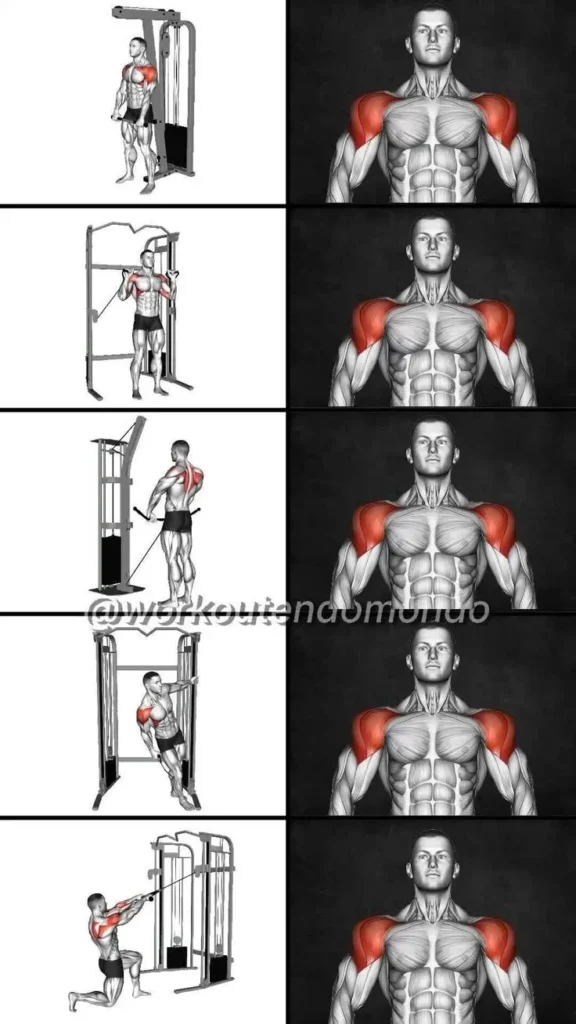
Effective shoulder workout using cable machines for strength training

Shoulder Workout on cables

Shoulder Workout on Cables

Cables are an underappreciated tool for building well-rounded shoulders. They provide constant tension through a movement’s range of motion, allow easy angle changes, and reduce momentum cheating — all of which help isolate the deltoid heads and improve muscle activation. If you typically train with free weights, consider alternating with cables for a few cycles to address weak ranges and stability (for a dumbbell comparison, see dumbbell shoulder workout).

Below is a practical guide you can use to structure an effective cable-based shoulder session, whether you’re in a commercial gym or a home setup with a functional trainer.

Shoulder anatomy refresher

  • Anterior deltoid — front lift and pressing motions.
  • Lateral (middle) deltoid — arm abduction and width.
  • Posterior deltoid — horizontal abduction and external rotation; key for posture and rear-chain balance.

Cables allow you to target each head with precise lines of pull, and to emphasize portions of a motion (e.g., top tension on lateral raises or end-range contraction on rear delt flyes).

Warm-up (5–10 minutes)

  • General warm-up: 3–5 minutes light cardio or dynamic arm circles.
  • Specific warm-up: 2–3 light sets on the cable for movement patterns you’ll use (e.g., 15–20 reps of face pulls and low-resistance lateral raises).

Core cable shoulder exercises (how to do them)

  1. Cable Face Pull (rear delts + external rotators)

    • Setup: Rope attachment at upper pulley.
    • Execution: Pull the rope towards your face with elbows high, external rotate so palms face your ears at the end. Squeeze shoulder blades together.
    • Sets/reps: 3 × 12–20.
  2. Single-Arm Cable Lateral Raise (middle delts)

    • Setup: Handle at the lowest setting, stand side-on to the machine.
    • Execution: With a slight elbow bend, raise the arm out to the side to just above parallel. Keep torso upright and avoid shrugging.
    • Sets/reps: 3–4 × 10–15 each side.
  3. Cable Front Raise (anterior delts)

    • Setup: Use a handle or rope from the lowest point; both arms or single arm.
    • Execution: Raise the handle to eye level or slightly higher, leading with the elbow. Slow eccentric control.
    • Sets/reps: 3 × 8–12.
  4. Cable Overhead Press (vertical pressing)

    • Setup: Handles set low, stand facing away and press overhead or use a single pulley with both hands.
    • Execution: Press up and slightly back to maintain a natural shoulder plane; don’t hyperextend the low back.
    • Sets/reps: 3–4 × 6–10.
  5. Cable Rear Delt Fly / High-Pulley Reverse Fly

    • Setup: Two high pulleys or a crossover; cross arms and pull across body with elbows slightly bent.
    • Execution: Focus on squeezing the rear delts at the end range; avoid using momentum.
    • Sets/reps: 3 × 12–15.
  6. Cable Upright Row (light, to emphasize traps/middle deltoid)

    • Setup: Straight bar on low pulley.
    • Execution: Pull to collarbone height with elbows leading; keep range comfortable to avoid impingement.
    • Sets/reps: 2–3 × 8–12 (use lighter loads, strict form).

Sample session templates

  • Hypertrophy-focused (45–60 minutes):

    • Warm-up.
    • Cable Overhead Press 4 × 8–10.
    • Single-Arm Cable Lateral Raise 4 × 12 each.
    • Cable Rear Delt Fly 3 × 15.
    • Cable Front Raise 3 × 12.
    • Face Pulls 3 × 15.
  • Strength / power (30–45 minutes):

    • Warm-up.
    • Cable Overhead Press 5 × 4–6 (heavier).
    • Superset: Single-Arm Lateral Raise 3 × 8 + Face Pull 3 × 12.
    • Light technical work on rear delts 3 × 15.

Progression and variation ideas

  • Tempo: Slow eccentrics (3–4 seconds) increase time under tension.
  • Partial reps: Top-half holds for lateral raises to overload the contraction.
  • Drop sets: End with a drop set on lateral raises or front raises for hypertrophy.
  • Unilateral focus: Work single-arm to remove bilateral compensation and build stability.

Pairing and programming tips

  • Frequency: Train shoulders 1–2 times per week directly; cables are easy to use for supplementary mid-week sessions.
  • Pairing: Cable shoulder work pairs well with chest or back sessions; you can finish a back day with face pulls and rear delt work.
  • Balance push/pull: For structural balance, include posterior chain and rotator cuff work. If you like finishing arms, consider a targeted arms routine afterwards — for a barbell-only arms finish, try this barbell biceps routine as a pairing option: 4 biceps exercises — barbell-only.

Common mistakes to avoid

  • Using too much weight: Cables can encourage momentum; prioritize form and full ROM.
  • Shrugging on lateral raises: Trap dominance reduces lateral delt stimulus.
  • Neglecting rear delts: Posterior delts are essential for shoulder health and posture.
  • Poor pulley alignment: Adjust cable height to match the plane of motion you want to target.

Safety cues

  • Maintain scapular stability; don’t let shoulders roll forward.
  • Keep core braced during standing cable presses.
  • Warm rotator cuff before heavy work with light external rotations on the cable or band.

Conclusion

Cables are a versatile, joint-friendly tool for building shoulder size, strength, and resilience. For a ready set of cable-focused movements and sample variations to plug into your routine, check out 6 Shoulder Cable Workouts For Stronger Shoulders | SQUATWOLF.

Shoulder Workout on cables Read More »

, , , ,
Seven exercises to target and strengthen the lower chest muscles

Chisel Your Lower Chest With These 7 Exercises

Chisel Your Lower Chest With These 7 Exercises

A well-defined lower chest adds shape and balance to the torso, improves pressing strength, and makes chest development look complete. To build that lower portion effectively, focus on movements that press or fly from high-to-low and include decline angles plus carefully executed bodyweight variations. Nutrition supports growth too — if you need ideas for fueling those workouts, check out 10 easy ways to increase your protein intake for practical tips.

How the lower chest responds

  • Lower pectoralis fibers are most stimulated when the line of force moves from a higher starting position down toward the hips (high-to-low).
  • Decline angles make the sternal (lower) head take a larger share of the load.
  • Progressive overload, proper mind–muscle connection, and adequate recovery are essential.

7 Best Exercises to Target the Lower Chest

  1. Decline Barbell Bench Press
    Why: Classic compound movement that allows heavy loading at a decline angle to emphasize the lower sternal fibers.
    How to: Set bench decline 15–30 degrees. Keep a slight arch, retract shoulder blades, and press through the same line, lowering to the lower chest. Use a full-but-controlled lockout.
    Sets/reps: 3–5 sets of 4–8 reps for strength, or 3–4 sets of 8–12 for hypertrophy.
    Tip: Use a spotter for heavy sets and prioritize controlled negatives.

  2. Decline Dumbbell Press
    Why: Frees each side to move independently, allowing a deeper stretch and slightly different path than the barbell.
    How to: On a decline bench, press the dumbbells together at the top to increase tension on the chest. Maintain elbow tuck ~45 degrees.
    Sets/reps: 3–4 sets of 8–12 reps.
    Form cue: If you want a quick refresher on dumbbell pressing fundamentals, review this basic shoulder-chest exercise with dumbbells to lock down posture and elbow path.

  3. Weighted Chest Dips (chest-focused)
    Why: One of the best bodyweight-to-weighted transitions for lower chest when performed with a forward lean.
    How to: Lean torso forward ~30–45 degrees, flare elbows slightly, and dip until chest is stretched. Drive up focusing on chest contraction rather than triceps.
    Sets/reps: 3–4 sets of 6–12 reps. Add belt weight or a dumbbell between legs to progress.

  4. Cable High-to-Low Fly (or High-to-Low Crossover)
    Why: Cables maintain constant tension and allow you to pull from a high anchor down across the body — ideal for the lower pec line.
    How to: Set pulleys high, use single or dual handles, and perform a descending arc, finishing hands near the hips or upper thighs. Keep a slight bend in elbows.
    Sets/reps: 3–4 sets of 10–15 reps.
    Tip: Slow eccentric and squeeze at the bottom to maximize fiber recruitment.

  5. Incline Hands-Elevated Push-ups (lower-chest emphasis)
    Why: Elevating your hands (placing them on a bench or step) biases the lower chest compared to flat push-ups.
    How to: Place hands on a stable surface shoulder-width or slightly wider, toes on the floor, lower chest toward the bench, and press through the palm to the top.
    Sets/reps: 3–4 sets of 12–20 reps (or AMRAP sets for conditioning).

  6. Single-Arm High-to-Low Cable Press
    Why: Unilateral pressing from high to low isolates the lower chest while challenging core stability.
    How to: Set cable at a high position, stand sideways, and press down and across the body. Focus on bringing the working hand toward the hip while keeping torso steady.
    Sets/reps: 3 sets of 8–12 reps per side.
    Progression: Increase resistance or add a pause at the bottom for time under tension.

  7. Decline Close-Grip Press (barbell or dumbbells)
    Why: Narrower grip at a decline angle emphasizes the lower inner pec fiber line while still taxing triceps — great for finishing work.
    How to: Use a moderate-close grip on a decline bench, descend under control, and press focusing on chest squeeze.
    Sets/reps: 2–3 sets of 8–12 reps as a finisher.

Programming and Progression

  • Frequency: Train chest 1–3 times per week depending on recovery. Include at least one session with heavier compound declines and one with higher-rep cable/fly work.
  • Order: Start workouts with the heaviest compound decline presses, then move to dips and unilateral cable work, finishing with high-rep flies or incline push-ups.
  • Progressive overload: Add weight, reps, or extra sets over time. Track performance to ensure steady progress.
  • Recovery: Get 48–72 hours between intense chest sessions, prioritize sleep, and follow a protein-forward diet to support repair.

Common Mistakes and How to Fix Them

  • Mistake: Using too steep a decline (over 30°) which can shift stress away from chest and toward shoulders. Fix: Keep decline moderate (15–30°).
  • Mistake: Relying on momentum on cable flies. Fix: Slow the eccentric, pause, and squeeze at the contraction.
  • Mistake: Performing dips upright (which emphasizes triceps). Fix: Lean forward and open the chest to stress pecs more.
  • Mistake: Neglecting form for heavier loads. Fix: Drop weight, refine tempo, and prioritize muscle feeling over ego lifts.

Warm-up and Mobility

  • General warm-up: 5–10 minutes of light cardio.
  • Specific warm-up: 2–3 sets of light incline or flat push movements (e.g., push-ups, light dumbbell presses) for 10–15 reps.
  • Mobility: Thoracic spine rotation and scapular retraction drills help stabilize the shoulder girdle and protect the joints.

Measuring Progress

  • Track the load, reps, and perceived difficulty of your key decline lifts.
  • Use tape measurements and progress photos every 6–8 weeks.
  • Monitor how the lower chest “fills out” under certain movements (you should feel more targeted activation during high-to-low presses and decline work).

Sample Lower-Chest Mini-Workout (intermediate)

  • Decline Barbell Bench Press: 4 sets x 6–8 reps
  • Weighted Chest Dips: 3 sets x 8–10 reps
  • Cable High-to-Low Fly: 3 sets x 12–15 reps
  • Incline Hands-Elevated Push-ups: 2 sets x 15–20 reps (finisher)

Safety Notes

  • If you have shoulder pain, reduce range of motion and avoid extreme decline angles. Consider substituting with cable high-to-low work which is more joint-friendly.
  • Use a spotter for heavy declines and be cautious when adding load to dips.

Conclusion

Want a structured routine and additional exercise variations to shape and strengthen your lower chest? This guide pairs well with expert recommendations you can find in The Best Lower Chest Workout for Shape and Strength | Anytime … — a helpful resource for programming ideas and exercise demonstrations.

Chisel Your Lower Chest With These 7 Exercises Read More »

, , , ,
Top 5 cable exercises for enhancing shoulder strength and stability

Enhance Your Shoulders: Top 5 Cable Exercises

Enhance Your Shoulders: Top 5 Cable Exercises

Strong, rounded shoulders improve posture, boost pressing strength, and give your upper body a balanced, athletic look. Cable machines are ideal for shoulder development because they provide constant tension and allow for smooth, controlled movement through a variety of angles. This guide covers five highly effective cable exercises, how to perform them, programming tips, and common mistakes to avoid.

If you like to combine upper-body work with lower-body or full-body training days, consider pairing shoulder sessions with dedicated glute work for better overall balance — for example, try the routines in this glute exercise guide.

Warm-up: Prep the Shoulders

Before you start loading weight, spend 8–10 minutes prepping:

  • 3–5 minutes of light cardio to raise body temperature.
  • Dynamic shoulder mobility: arm circles, band pull-aparts, and cross-body swings.
  • 2–3 light sets of the first exercise you’ll perform (e.g., cable face pulls) with minimal resistance.

Proper warm-up reduces injury risk and improves muscle recruitment during your main sets.

1. Cable Lateral Raise (Single-Arm or Double-Arm)

Why it works: Targets the lateral deltoid head — the primary muscle for shoulder width.
How to do it:

  • Set the pulley low. Stand with the cable at your side.
  • With a slight bend in the elbow, lift the handle out to the side until your arm is parallel to the floor.
  • Pause briefly at the top, then lower under control.
    Coaching tips:
  • Avoid shrugging; keep the neck relaxed.
  • Use a moderate rep range (8–15) and focus on a controlled eccentric.

2. Cable Front Raise (Using Rope or Handle)

Why it works: Emphasizes the anterior deltoid and helps with pressing strength.
How to do it:

  • Set the pulley near the very low position. Grip a single handle or rope with both hands.
  • Keeping arms mostly straight, lift in front of you to shoulder height.
  • Lower slowly, resisting the cable on the way down.
    Variations:
  • Single-arm front raises allow correcting left-right imbalances.
  • Use a neutral grip (thumb up) to slightly shift emphasis and joint comfort.

3. Cable Face Pull

Why it works: Builds rear delts and external rotators — crucial for posture and shoulder health.
How to do it:

  • Set the pulley at upper-chest to head height and attach a rope.
  • Pull the rope toward your forehead, flaring your elbows out and squeezing the shoulder blades.
  • Control the return; don’t let the shoulders round forward.
    Programming tip: For posture-focused work, perform higher reps (12–20) and multiple sets.
    Need help integrating core stability for better control during pulls? Check this abs routine to strengthen your midline and support heavy pulls.

4. Cable Upright Row (Wide Grip)

Why it works: Hits the lateral delts and traps; using cables keeps tension consistent.
How to do it:

  • Attach a straight bar to a low pulley. Stand close enough so the cable forms a slight angle.
  • Pull the bar up toward the upper chest with elbows leading and flaring outward.
  • Stop at chest or collarbone height and lower under control.
    Safety note:
  • If you have shoulder impingement issues, limit range of motion or swap for a different exercise.

5. Cable Reverse Fly (Incline or Standing)

Why it works: Excellent for rear delts and upper back — improves shoulder balance and scapular stability.
How to do it:

  • Set two pulleys to mid-chest height and cross them (left hand holds right pulley and vice versa).
  • Bend slightly at the hips or use an incline bench for support.
  • With a soft elbow, open your arms out to the sides, squeezing between shoulder blades.
    Mistakes to avoid:
  • Don’t use momentum; keep the motion deliberate and focused on the rear delts.

Programming Guidelines

  • Frequency: Train shoulders 1–3 times per week depending on volume and recovery.
  • Reps and sets: For size, aim for 3–5 sets of 8–12 reps on main lifts; include higher-rep accessory work (12–20) for rear delts and rotator cuff health.
  • Exercise order: Start with compound or multi-joint movements (upright row variants) and finish with single-joint isolation (lateral raises, face pulls).
  • Progressive overload: Increase weight, reps, or improve form week to week.
    Also remember to balance shoulder sessions with solid core work to stabilize lifts — fortified abs help transfer force better during standing cable movements.

Common Mistakes and How to Fix Them

  • Using too much momentum: Slow down the eccentric and prioritize control.
  • Neglecting posterior chain of the shoulder: Rear delts often lag — include face pulls and reverse flies each week.
  • Poor posture and scapular mechanics: Strengthen scapular stabilizers and maintain neutral spine during exercises.

Sample Cable Shoulder Workout

  • Warm-up: mobility + 2 light sets of face pulls
  • Cable Lateral Raises: 4 x 10–12
  • Cable Front Raises (alternating arms): 3 x 10–12
  • Cable Upright Row (wide grip): 4 x 8–10
  • Cable Face Pulls: 3 x 15–20
  • Cable Reverse Flys: 3 x 12–15
    Finish with 2–3 sets of rotator cuff work or light band external rotations for joint health.

Conclusion

Cables are an incredibly versatile tool for building rounded, functional shoulders because they offer constant tension and easy angle adjustments. For more exercises, progressions, and a structured approach to cable shoulder training, see this resource on 6 Best Cable Shoulder Exercises for Size and Strength.

Enhance Your Shoulders: Top 5 Cable Exercises Read More »

, , , ,

Pin en 筋肉

Title: Pin en 筋肉 — Building Muscle, Curating Motivation, and Practical Recovery

Introduction
"Pin en 筋肉" captures a common online habit: collecting visual inspiration for building muscle (筋肉) and saving ideas that motivate workouts, nutrition, and recovery. Whether you’re saving a striking before-and-after photo or a simple routine to try next week, a well-curated board can be a practical tool for progress. If life gets busy, consider pairing your inspiration with realistic plans like these workout strategies for busy parents to keep momentum without burning out.

Why visual curation helps muscle development

  • Focus and memory: Pinning routines, form cues, and progress photos reinforces the specific exercises and habits you want to reproduce in the gym. The more specific the image or note, the easier it is to recall the movement pattern or rep scheme.
  • Habit formation: A visible collection of small, achievable goals (e.g., "3×10 Romanian deadlifts" pinned beside a photo of proper form) nudges you to act. Visual reminders work as prompts that reduce friction between intent and behavior.
  • Diversity of ideas: Boards let you gather strength training splits, mobility drills, and accessory work in one place so you can trial combinations and build a program that fits your time and goals.

Training fundamentals to pin and practice

  • Progressive overload: Save pins that track rep or weight progression—charts, templates, or short videos that show incremental increases. Small, consistent gains are how muscle grows.
  • Compound movements first: Pins that emphasize squats, deadlifts, presses, and pulls are worth prioritizing; these moves produce the largest stimulus and help build balanced strength.
  • Accessory work and mobility: Curate specific pins for common weak points (e.g., glute activation drills or thoracic mobility routines). These help prevent plateaus and reduce injury risk.

Nutrition notes for muscle growth
Muscle-building requires protein and calories in appropriate amounts, but also varied micronutrients. Pin practical meal templates (easy, repeatable, and transportable) rather than elaborate one-off recipes. If you want to emphasize nutrient-dense greens alongside your protein sources, read more about why leafy vegetables like spinach are often labeled a superfood in this article on the benefits of spinach: spinach as a superfood. Pins that show simple meal-prep steps cut down on decision fatigue and make consistent eating much easier.

Recovery, pain management, and realistic expectations

  • Sleep and rest: Pin bedtime routines and sleep-hygiene tips—recovery starts at night. Consistent sleep supports hormone balance and muscle repair.
  • Active recovery: Low-intensity movement, foam rolling, and gentle stretching can be pinned as short routines to follow on rest days.
  • Addressing soreness and focal pain: For localized tight spots or nagging stiffness, keep pins that detail conservative approaches—heat/cold, targeted stretches, and when to seek professional help. If you want product-based relief options, reserve those links for targeted research rather than random pins so you can assess ingredients and instructions carefully.

Organizing a "筋肉" board that works

  • Create sub-sections: Divide pins into Workouts, Nutrition, Mobility, and Recovery so you can quickly find what you need for the day.
  • Use captions: Add a one-line note to each pin—why you saved it and how you plan to use it. That turns inspiration into a plan.
  • Limit the noise: Periodically archive pins that no longer fit your goals. A lean, intentional board is more actionable than a sprawling one.

Practical weekly routine (example)

  • Monday: Lower-body strength (focus: compound lifts) + short mobility finisher
  • Tuesday: Upper-body push/pull + accessory rotator cuff work
  • Wednesday: Active recovery (walking, mobility, foam rolling)
  • Thursday: Hypertrophy-based lower-body + sprint or conditioning finisher
  • Friday: Upper-body accessory + core stability
  • Weekend: One longer active session or sport, plus rest and meal prep

Use your pins to map each week—attach notes for target sets/reps and the weight you aim to progress. That small habit converts pinned inspiration into measurable results.

Conclusion

If you’re dealing with persistent localized stiffness or want a targeted, over-the-counter option to complement the recovery techniques you pin, consider researching products like サロンパス®ツボコリ®パッチ|コリや痛みにピンポイント®で効く. It can be a helpful part of a broader recovery plan when used appropriately and in conjunction with movement, rest, and professional advice when needed.

Pin en 筋肉 Read More »

, , , ,
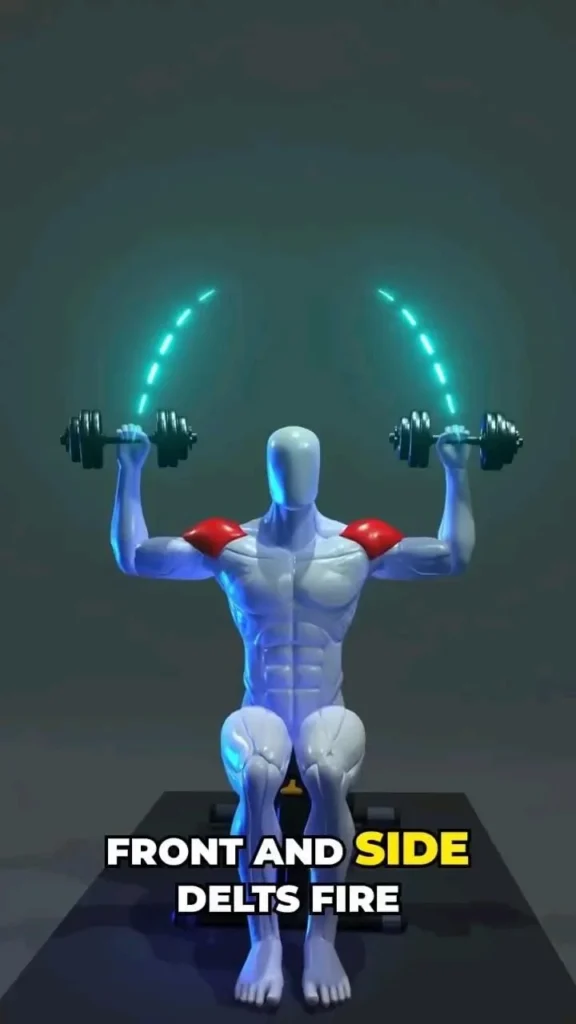
Dumbbell shoulder workout for strength training and muscle building

Shoulder Workout on dumbbells

Shoulder Workout Using Dumbbells: Build Strong, Defined Shoulders at Home or in the Gym

Strong, well-developed shoulders improve posture, athletic performance, and the overall look of your upper body. Dumbbells are one of the most versatile tools for training the deltoids, allowing unilateral work, natural joint pathways, and a wide variety of angles. If you want a focused plan, start here — and if you need a ready routine to follow, check out this guided dumbbell shoulder workout to get inspired.

Shoulder anatomy primer

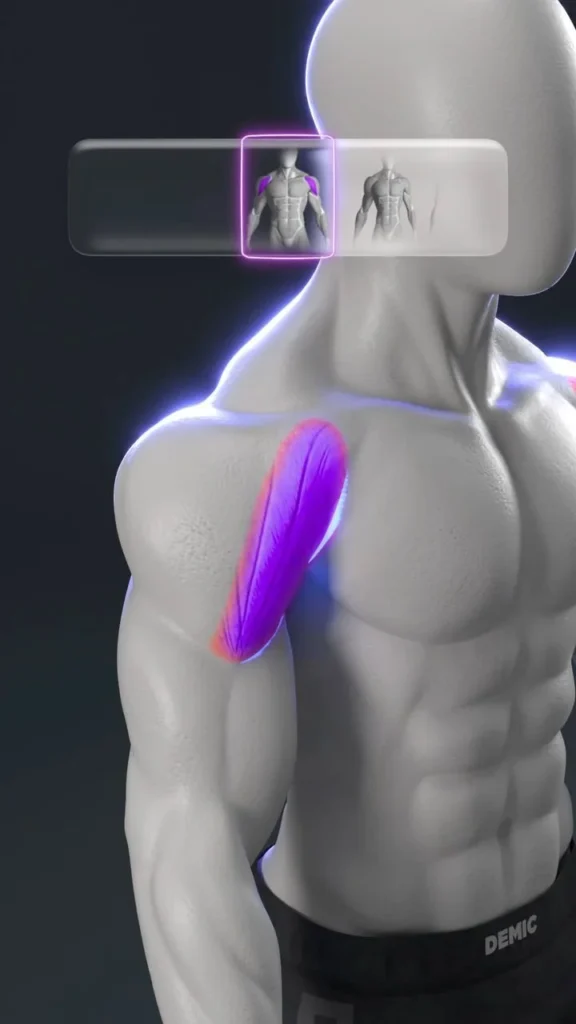
  • Anterior deltoid: front of the shoulder, primary mover for pressing and front-raise movements.
  • Lateral (middle) deltoid: gives width to your shoulders; targeted by lateral raises and upright rows.
  • Posterior deltoid: rear of the shoulder; activated with reverse flies and face pulls.
    Balanced development means training all three heads with pressing, lateral, and rear-delt movements.

Warm-up (5–10 minutes)

  • Light cardio: 3–5 minutes to raise body temperature (jump rope, bike, brisk walk).
  • Shoulder-specific mobility: arm circles, band pull-aparts, shoulder dislocations with a band or PVC.
  • Warm-up sets: 1–2 light sets of overhead presses or lateral raises (50% load) for 8–12 reps.

Core dumbbell shoulder exercises (technique + programming)

These are the foundational moves to include in most workouts. Aim for the rep ranges listed depending on your goal.

  1. Standing/Seated Dumbbell Overhead Press

    • Targets: anterior and lateral deltoids, triceps, upper chest.
    • Sets/Reps: 3–5 sets of 4–8 (strength) or 8–12 (hypertrophy).
    • Tip: Keep a neutral spine, brace your core, press in a slightly diagonal path for comfort.
  2. Arnold Press

    • Targets: all three deltoid heads with extra anterior focus.
    • Sets/Reps: 3 sets of 8–12.
    • Tip: Rotate palms during the press to drive balanced activation and full ROM.
  3. Dumbbell Lateral Raise

    • Targets: lateral deltoids for width.
    • Sets/Reps: 3–4 sets of 10–15.
    • Tip: Slight elbow bend, lead with the elbows, avoid shrugging. Use moderate weight and strict tempo.
  4. Dumbbell Front Raise

    • Targets: anterior deltoid.
    • Sets/Reps: 2–3 sets of 10–15.
    • Tip: Can be done one arm at a time to reduce momentum; control the descent.
  5. Bent-Over Reverse Fly (or Rear-Delt Fly)

    • Targets: posterior deltoid and upper back.
    • Sets/Reps: 3 sets of 10–15.
    • Tip: Hinge at the hips, keep a neutral neck, and squeeze shoulder blades at the top.
  6. Upright Row (wide grip, dumbbells)

    • Targets: lateral deltoids and traps.
    • Sets/Reps: 2–3 sets of 8–12.
    • Tip: Pull elbows high and wide; if you have shoulder impingement, substitute with lateral raises.
  7. Cuban Press (rotator cuff-friendly)

    • Targets: rotator cuff, rear delts, and overall shoulder health.
    • Sets/Reps: 2–3 sets of 8–12.
    • Tip: Use light weight and strict control to protect the shoulder joint.

Programming and progression

A simple approach: train shoulders directly 1–2x per week, or include a focused shoulder day plus indirect work on push days. Alternate heavier low-rep phases (4–6 reps) with hypertrophy phases (8–15 reps) every 4–8 weeks. For more exercise variety and single-equipment options, review this collection of dumbbells-only shoulder exercises that fit different experience levels.

Progression tips:

  • Increase load gradually (2.5–5% increments) once you can complete the top of your rep range with solid form.
  • Track volume (sets × reps × load) and aim to increase it weekly or biweekly.
  • Use tempo manipulation (slow negatives) or drop sets for added intensity without much heavier weights.

Common mistakes and how to avoid them

  • Using momentum on lateral/front raises: reduce weight and focus on control.
  • Over-emphasizing pressing at the expense of rear delts: include at least one rear-delt movement per session.
  • Neglecting rotator cuff work: include external-rotation exercises or Cuban presses to maintain shoulder health.
  • Poor posture: strengthen upper back and perform mobility work to improve scapular positioning.

Sample workouts

Beginner (2× per week)

  • Warm-up
  • Seated Dumbbell Press: 3×8–10
  • Lateral Raises: 3×12–15
  • Bent-Over Reverse Fly: 3×12
  • Light Cuban Press: 2×15

Intermediate (1–2× per week)

  • Warm-up
  • Standing Dumbbell Press: 4×6–8
  • Arnold Press: 3×8–10
  • Lateral Raises (superset with) Front Raises: 3×10–12 each
  • Upright Rows (wide): 3×8–10
  • Bent-Over Reverse Fly: 3×12–15

Advanced (power + hypertrophy)

  • Warm-up
  • Heavy Single-Arm Seated Press: 5×4–6 (each arm)
  • Drop-Set Arnold Press: 3×8 → drop weight ×6 → drop ×6
  • Pause Lateral Raises (2s top): 4×10–12
  • Bent-Over Reverse Fly (4s negative): 4×12
  • Finisher: Farmer carries or shrugs for trap balance

Recovery and supporting factors

  • Sleep: aim for 7–9 hours for optimal muscle recovery.
  • Nutrition: prioritize protein (0.7–1.0 g/lb bodyweight) and sufficient calories to support growth.
  • Mobility: daily thoracic and scapular mobility reduces injury risk.
  • Frequency: more frequent, moderate-volume sessions often trump one infrequent high-volume session.

Conclusion

For a curated list of movements to expand your dumbbell shoulder library, see the 13 Best Dumbbell Shoulder Exercises which pairs well with the routines above and provides variations to keep your workouts fresh.

Shoulder Workout on dumbbells Read More »

, , , ,
Person performing a 3D shoulders workout for strength and definition.

3D Shoulders Workout

3D Shoulders Workout: Build Width, Roundness, and Definition

Developing truly three-dimensional shoulders means training every plane of movement so your deltoids look full from every angle — not just big when viewed from the front. This article breaks down the principles behind a 3D shoulders workout, offers a practical routine you can use, and gives programming and recovery tips so your shoulders get stronger, rounder, and more resilient.

If you prefer equipment-specific routines, try this dumbbell 3D shoulder workout for a focused, at-home approach that emphasizes symmetry and control.

What “3D Shoulders” Means

3D shoulders target three key attributes:

  • Width (lateral deltoid development) to create a broad silhouette.
  • Roundness (balanced anterior, medial, and posterior delts) so the shoulder caps look full from all directions.
  • Depth (rear delts and scapular muscles) for a finished, athletic look and better shoulder health.

Training must include vertical pushes, horizontal variations, and transverse/rotational movements. A mix of compound lifts and precise isolation exercises plus smart tempo and progressive overload creates that 3D effect.

Core Principles

  • Balance anterior, medial, and posterior deltoid work. Overemphasizing pressing can produce forward-heavy shoulders and poor posture.
  • Use multiple planes: press (vertical), raise (lateral/abduction), and pull/fly (horizontal/transverse).
  • Vary load, tempo, and angles. Heavy sets build strength, moderate sets build size, and slower eccentrics carve detail.
  • Prioritize rotator cuff and scapular stability to keep shoulders healthy under load.

Warm-up and Mobility (5–10 minutes)

  • Scapular retractions x 10–15
  • Band pull-aparts x 2 sets of 20
  • Arm circles and internal/external rotation with light band x 10–12 each side
  • A light set of overhead presses or lateral raises to prime the delts

Sample 3D Shoulders Workout (Intermediate)

Perform this routine once or twice weekly, leaving 48–72 hours between heavy shoulder sessions.

  1. Barbell or Dumbbell Overhead Press — 4 sets x 4–6 reps (strength focus)
  2. Seated Arnold Press — 3 sets x 8–10 reps (anterior + medial emphasis with rotation)
  3. Strict Lateral Raises (Dumbbells) — 4 sets x 10–15 reps (use a controlled 2-0-2 tempo)
  4. Bent-Over Reverse Fly or Rear Delt Machine — 3 sets x 12–15 reps (posterior development)
  5. Face Pulls — 3 sets x 15–20 reps (rear delts + external rotators)
  6. Cable or Dumbbell Upright Row (high-pull variation) — 2 sets x 10–12 reps (upper traps + medial delts)
  7. Farmer Carry or Overhead Hold (optional finisher) — 2 rounds x 30–60 seconds

If you’re training full-body or alternating push/pull splits, this shoulder-focused day pairs well with compound lower-body work earlier in the week. For ideas on integrating shoulder days into a broader plan, see this full-body workouts resource that helps distribute volume across the week.

Exercise Notes and Variations

  • Overhead Press: Keep ribs down and drive through the legs slightly when using heavier loads to stabilize the spine.
  • Arnold Press: Adds rotation to engage all heads — control the negative to prevent shoulder impingement.
  • Lateral Raises: Lead with the elbow and pause at the top for peak contraction. Slight forward lean shifts tension to the medial head.
  • Rear Delt Work: Use light to moderate weight and slow eccentrics; many people undertrain the rear delts so volume matters.
  • Face Pulls: Use a rope and pull to the forehead, externally rotating at the end to train rotator cuff function.

Programming Tips

  • Frequency: 1–2 shoulder-focused sessions per week with 12–20 weekly sets per muscle group for hypertrophy, adjusted by experience level.
  • Progression: Increase load first, then reps, then time under tension. When all three are maxed, increase sets.
  • Rotation: Change angles and exercise selection every 4–8 weeks to avoid plateaus.
  • Recovery: Delts are involved in many upper-body moves; manage cumulative fatigue by monitoring shoulder soreness and reducing accessory volume when necessary.

Nutrition and Recovery

  • Protein intake: Aim for ~1.6–2.2 g/kg body weight for muscle repair.
  • Sleep and stress: Prioritize 7–9 hours of sleep and mobility work to aid recovery.
  • Deloads: Implement a lighter week every 4–8 weeks if progress stalls or soreness accumulates.

When to See a Coach or Physical Therapist

If you experience sharp pain, persistent instability, or unusual weakness, consult a professional. Deltoid imbalances and rotator cuff issues respond well to early intervention and corrective programming.

Conclusion

A well-rounded 3D shoulders workout blends strength, hypertrophy, and mobility work to produce shoulders that look strong from every angle. For an in-depth guide that complements the principles above, check out this detailed resource on 3D Shoulders: Develop Your Deltoids’ Strength & Shape | Flex AI.

3D Shoulders Workout Read More »

, , , ,
Chest workout with bodyweight exercises including push-ups and variations.

[Видео] «[Видео] «𝗙𝗜𝗧𝗡𝗘𝗦𝗦𝗟𝗔𝗕𝗢 on Instagram: “✅ Chest Workout with Bodyweight ① Push-up ② Close Grip Push-up ③ Decline Push-up ④ Incline Push-up 3 sets 12-15 reps …»» в 2025 г | Тренировка с гантелями, Фитнес мужчины, Тренировки мышц живота

Bodyweight Chest Workout: Simple, Effective, and Progressable

If you want a compact chest session that requires no gym machine — just your body and a bit of creativity — the classic push-up family is a perfect place to start. These movements build pressing strength, improve shoulder stability, and translate well to weighted lifts. If you want to add a dumbbell layer later, check this practical guide to a focused dumbbell chest routine for twists and incline flies to pair with bodyweight work: dumbbell chest workout guide.

Below is a concise breakdown of why push-up variations work, how to perform them safely, and a sample routine based on 3 sets of 12–15 reps — the same template many trainers recommend for hypertrophy and muscular endurance.

Why bodyweight chest work matters

  • Accessibility: You can do push-ups almost anywhere.
  • Joint-friendly progressions: Variations (incline, decline, close-grip) let you modulate intensity without loading the spine.
  • Transferable strength: Solid bodyweight pressing improves stability and motor patterns used in bench and dumbbell pressing.

Key push-up variations and technique

  • Standard Push-up: Hands just wider than shoulder-width, core braced, body in a straight line. Lower until chest hovers above the floor, then press up.
  • Close-Grip Push-up: Hands narrower, elbows tucked more; emphasizes the inner chest and triceps. When you progress to barbell work, learning the proper close-grip mechanics helps — for a technical deep dive see this article on mastering the close-grip technique: close-grip technique guide.
  • Decline Push-up: Feet elevated on a bench or box to shift load toward the upper chest and shoulders.
  • Incline Push-up: Hands on a raised surface (bench, step) to reduce load, useful as a regression or high-volume finisher.

Technique tips

  • Tempo: Try 2 seconds down, 1-second pause, explosive up to build both control and power.
  • Scapular control: Allow shoulders to protract/retract as you move — avoid rigid shrugging.
  • Core and glutes: Keep them engaged to maintain a straight plank line.
  • Range of motion: Work through full range; partial reps have a place for overload but prioritize depth for hypertrophy.

Sample 30–40 minute chest session (no equipment)

  • Warm-up (5–7 min): arm circles, band pull-aparts or scapular push-ups, light plank hold.
  • Main sets:
    • Standard Push-ups — 3 sets of 12–15 reps
    • Close-Grip Push-ups — 3 sets of 12–15 reps
    • Decline Push-ups — 3 sets of 12–15 reps
    • Incline Push-ups — 2 sets of 15–20 reps (as a burnout)
  • Rest: 60–90 seconds between sets for hypertrophy-style work.
  • Core finisher (optional): 2 sets of 30–45 seconds plank or hollow hold.

Progressions and adding load

  • Increase reps, decrease tempo, or add a weighted vest when bodyweight becomes easy.
  • Introduce unilateral variations (one-arm incline negatives, archer push-ups) to build imbalance-correcting strength.
  • Pair with dumbbell movements (incline flies or presses) for added stimulus on chest fiber types.

Programming tips

  • Frequency: Train chest 2 times per week for best balance of volume and recovery.
  • Volume: Aim for 9–15 sets per muscle group per week depending on experience and recovery.
  • Recovery: Prioritize sleep, protein intake, and joint mobility — shoulders respond well to regular mobility work.

Final notes

Bodyweight chest workouts are deceptively effective. With thoughtful progressions, varied angles, and attention to technique, you can build a strong, well-developed chest without barbells. Start with solid form, use the 3×12–15 template as a baseline, and layer in resistance or dumbbell variations as you outgrow pure bodyweight.

[Видео] «[Видео] «𝗙𝗜𝗧𝗡𝗘𝗦𝗦𝗟𝗔𝗕𝗢 on Instagram: “✅ Chest Workout with Bodyweight ① Push-up ② Close Grip Push-up ③ Decline Push-up ④ Incline Push-up 3 sets 12-15 reps …»» в 2025 г | Тренировка с гантелями, Фитнес мужчины, Тренировки мышц живота Read More »

, , , ,
Dilek Akmergiz demonstrating top chest exercises with dumbbells for strength training.

Dilek Akmergiz on Instagram: “📌Top 4 best Chest exercises with dumbbell🔥 Do these 4 exercises for a strong chest 💪🏻 1️⃣Chest press – 3×15 reps 2️⃣Close gri… [Video] [Video] | Stomach workout, Shoulder workout, Workout videos

Top 4 Dumbbell Chest Exercises for a Stronger, Better-Defined Chest

Building a solid chest with just a pair of dumbbells is entirely possible when you choose the right exercises and focus on form. Below is a concise, practical guide to four highly effective dumbbell moves, plus programming tips, common mistakes to avoid, and how to pair chest days with complementary work. If you want a ready-made template that uses four key moves, see this best chest workout routine — 4 exercises to compare variations and rep schemes.

The Top 4 Dumbbell Chest Exercises

  1. Flat Dumbbell Chest Press
  • What it does: Primary pressing movement for overall chest mass and strength; also engages triceps and front delts.
  • How to do it: Lie flat on a bench, press dumbbells from chest level to full extension, palms facing forward (or slightly turned in for comfort). Keep shoulder blades retracted and feet planted.
  • Reps/sets: 3–4 sets of 8–15 reps. Use heavier weight for 6–8 reps to build strength, or moderate weight for 12–15 reps to emphasize hypertrophy and endurance.
  • Tip: Pause briefly at the bottom on tougher sets to eliminate momentum and increase muscle activation.
  1. Close‑Grip Dumbbell Press (For inner chest and triceps synergy)
  • What it does: A close-grip variation narrows the line of force and brings more emphasis to the inner chest and triceps without needing machines.
  • How to do it: On a flat bench, hold dumbbells with palms facing each other or slightly angled, keep the dumbbells close together throughout the pressing motion, and press them up while maintaining a controlled path.
  • Reps/sets: 3 sets of 10–15 reps to focus on time under tension.
  • Tip: Keep elbows tucked slightly to protect the shoulder joint; this variation can also be a great finisher.
  1. Incline Dumbbell Press
  • What it does: Targets the upper chest (clavicular head) and helps create a fuller, balanced chest.
  • How to do it: Set bench at 25–40 degrees, press dumbbells upward and slightly together at the top. Avoid excessive incline to prevent overloading anterior delts.
  • Reps/sets: 3 sets of 8–12 reps.
  • Tip: Think of driving the weights up and slightly inward to emphasize upper pec contraction.
  1. Dumbbell Flyes (Flat or Incline)
  • What it does: Stretches and isolates the chest fibers, improving shape and the “stretch-contract” stimulus.
  • How to do it: With a slight bend in the elbows, open arms wide on the eccentric and bring dumbbells together over the chest on the concentric. Move through a controlled arc; don’t drop too low to avoid shoulder strain.
  • Reps/sets: 3 sets of 10–15 reps.
  • Tip: Use lighter weight than presses. Focus on a slow eccentric (3 seconds) to maximize tension.

Structuring the Session and Progression

  • Sample session: 1) Incline DB Press 3×8–12, 2) Flat DB Press 3×8–12, 3) Dumbbell Flyes 3×10–15, 4) Close‑Grip DB Press 3×12–15.
  • Frequency: Train chest 1–2 times per week depending on recovery and total volume.
  • Progression: Increase load when you can hit the top of the rep range with solid form for two sessions in a row. Alternatively, add a set or reduce rest to create overload.
  • Rest: 60–90 seconds between sets for hypertrophy; 2–3 minutes for heavier strength-focused sets.

Pairing Chest Work with Other Muscle Groups

Balancing your upper-body training is important. Chest days often pair well with triceps and shoulders, or you can alternate with back/biceps days to allow recovery. If you focus on arms on a separate day and want a simple, effective arm routine to complement your dumbbell chest work, consider this concise 4 biceps exercises routine — barbell only to balance pushing sessions with pulling-focused arm development.

Common Form Mistakes and Safety Notes

  • Overarching the lower back: Keep a neutral spine and a slight natural arch only. Clamp the ribcage down by engaging core.
  • Using too much weight: Sacrificing range of motion and control reduces muscle activation and increases injury risk.
  • Flaring elbows excessively: Leads to shoulder strain—keep elbows at about 45 degrees from the torso on presses.
  • Rushing reps: Slow, controlled reps increase time under tension and build better muscle quality.

Conclusion
Four well-chosen dumbbell exercises—flat press, incline press, close-grip press, and flyes—cover the movement patterns needed to build chest thickness and shape. Prioritize form, progressive overload, and program balance, and you’ll see steady gains without needing a lot of complex equipment.

Dilek Akmergiz on Instagram: “📌Top 4 best Chest exercises with dumbbell🔥 Do these 4 exercises for a strong chest 💪🏻 1️⃣Chest press – 3×15 reps 2️⃣Close gri… [Video] [Video] | Stomach workout, Shoulder workout, Workout videos Read More »

, , , ,
Scroll to Top