Strength training

Person performing isometric holds for strength training.

THESE 8 Isometric Holds Will Transform You | Build Strength Without Moving

Title: Static Power — 8 Isometric Holds That Rebuild Strength

Isometric holds let you build raw strength, joint stability, and muscular endurance without joint-travel or heavy loading. Whether you’re rehabbing, traveling with minimal equipment, or simply want to add a fresh stimulus to your routine, these eight holds force muscles to work through sustained tension — translating to improved control and force production across lifts and daily movements.
THESE 8 Isometric Holds Will Transform You | Build Strength Without Moving

Why isometrics work: when you hold a position under tension your nervous system recruits and refines motor units, increases time-under-tension, and improves rate of force development at specific joint angles. Below are eight highly effective isometric holds, how to perform them, progressions, and simple programming tips.

  1. Wall Sit (Quad Burner)
  • How: Stand with your back against a wall, slide down until knees are at about 90°. Keep weight in heels and chest tall.
  • Hold target: 30–90 seconds. Repeat 3 sets.
  • Progression: Raise one heel, hold a dumbbell, or sit for longer intervals. Great for building lower-body endurance without balance demands.
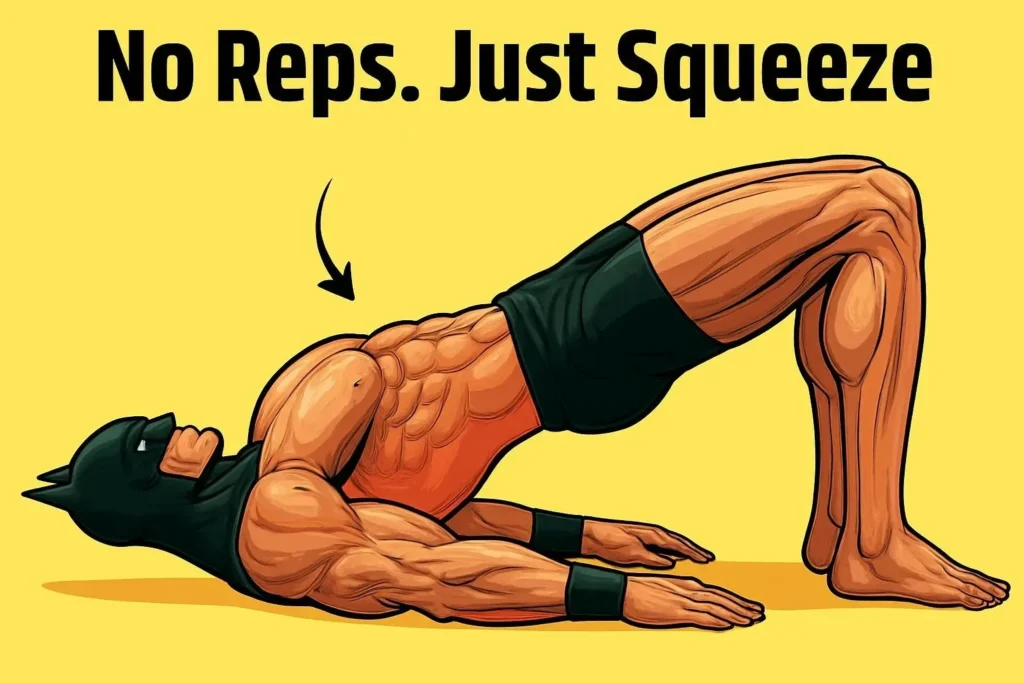
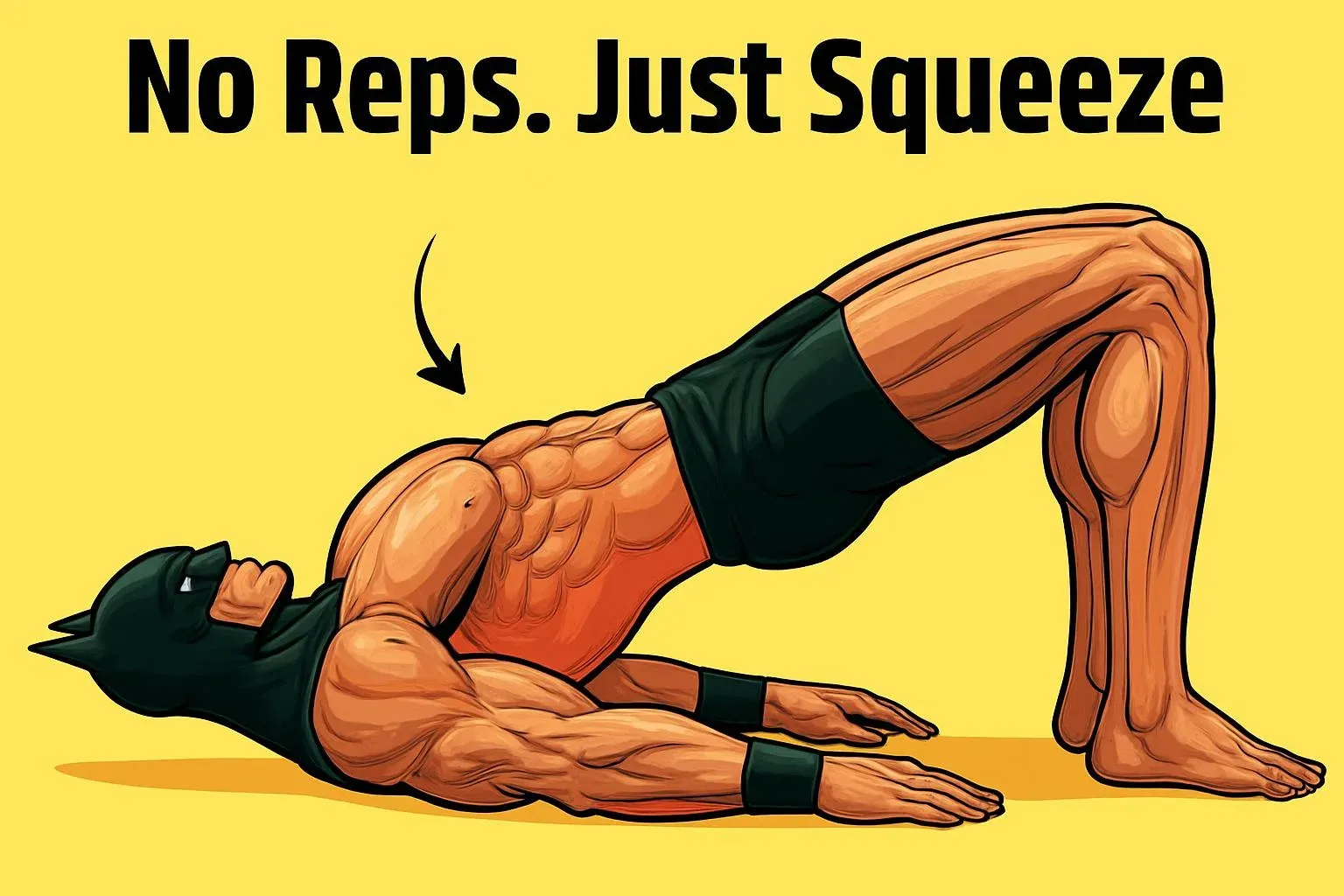
  1. Glute Bridge Hold (Posterior Chain)
  • How: Lie on your back, knees bent, feet hip-width. Drive hips up until torso and thighs align; squeeze glutes and hold.
  • Hold target: 20–60 seconds. Repeat 3–4 sets.
  • Progression: Single-leg bridge holds or add a band around knees. Use between squat sets for extra glute activation.
  1. Plank (Core & Shoulder Stability)
  • How: Forearms on ground, body in straight line. Pull belly button toward spine and avoid sagging.
  • Hold target: 30–120 seconds. Repeat 3 sets.
  • Progression: Single-arm or single-leg planks, elevated feet, or add shoulder taps while maintaining core tension.
  1. Hollow Hold (Anti-Extension Core)
  • How: Lie on your back, lift shoulders and legs slightly off floor, keep lower back pressed into the ground.
  • Hold target: 15–60 seconds. Repeat 3 sets.
  • Progression: Longer holds, straighten legs more, or combine with hollow rocks for dynamic work.
  1. Isometric Chin-Up / Pull-Up Hold (Upper Back & Grip)
  • How: Pull to the top of a chin-up/pull-up and hold with chin over bar. If you can’t reach the top, use a band or a jump-and-hold from a box.
  • Hold target: 5–20 seconds. Repeat 4–6 sets.
  • Progression: Increase hold time, reduce band assistance, or hold at multiple points of the pull.
  1. Push-Up Hold at Bottom (Pressed Stability)
  • How: Lower into bottom of push-up and hold 1–3 inches above ground, elbows tucked.
  • Hold target: 10–30 seconds. Repeat 3–5 sets.
  • Progression: Shorter rests between holds, deeper holds, or full-range hold if strong enough.
  1. Jefferson Curl (Slow Eccentric Hold — modified isometric timing)
  • How: With light load, slowly curl down vertebrae-by-vertebra and pause at the bottom for an isometric hold before reversing. Focus on control and spinal safety.
  • Hold target: 5–10 seconds at the end-range. Repeat 3–5 slow reps.
  • Progression: Gradually increase range, then weight, keeping strict technique.
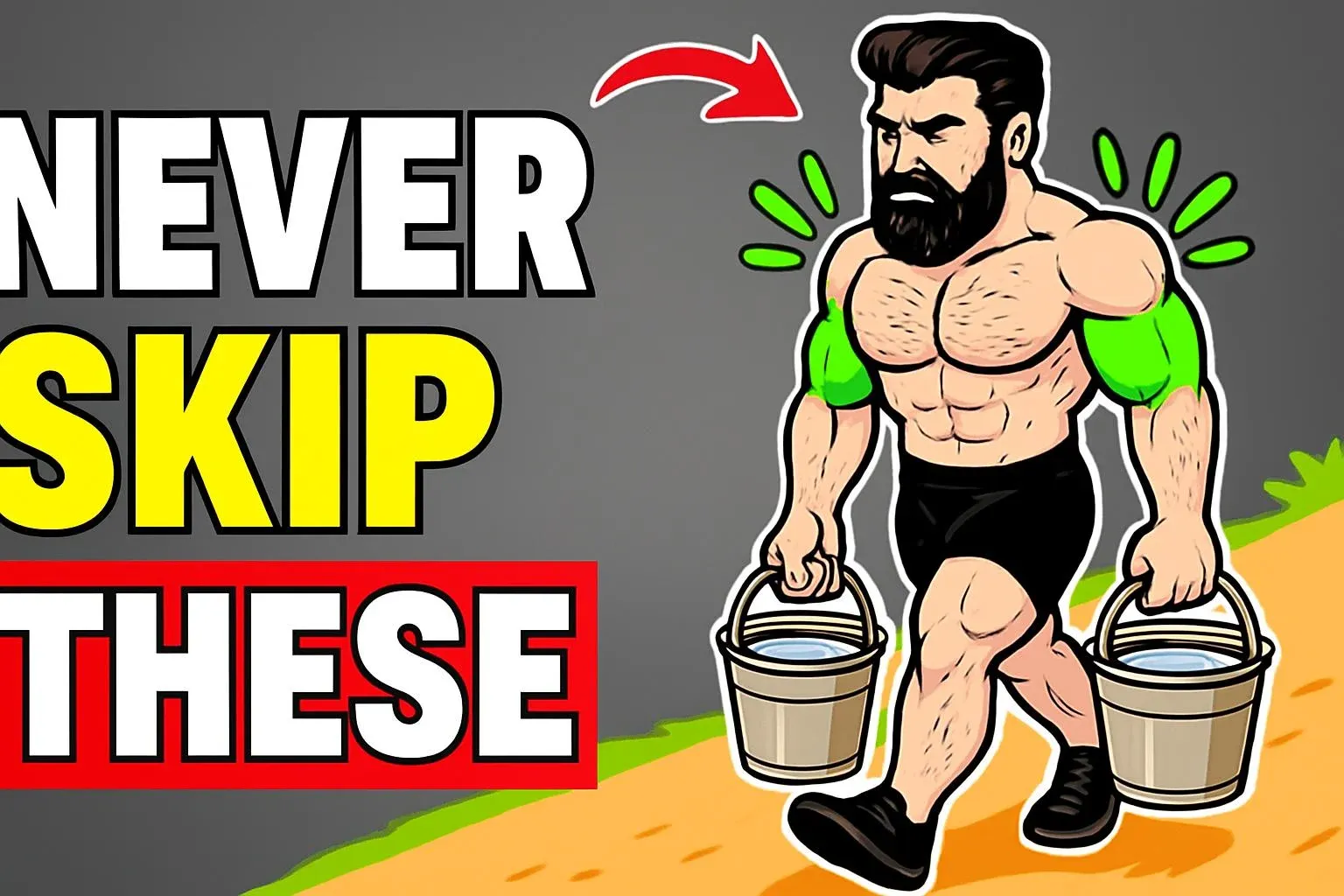
  1. Farmer Carry Isometric Hold (Grip & Posture)
  • How: Pick up heavy dumbbells or kettlebells and simply hold at your sides with shoulders packed and core braced.
  • Hold target: 30–90 seconds static holds repeated, or timed carries. Repeat 3 sets.
  • Progression: Increase weight or single-arm holds to challenge anti-rotation stability.

Programming and sets

  • Beginner: 3 holds per session, 2–3 times per week. Start with 3 sets of manageable durations.
  • Intermediate: 4–6 holds per session, mix short max-effort holds (5–15s) and longer endurance holds (30–90s).
  • Advanced: Combine holds with dynamic movements (e.g., isometric holds between heavy lifts) or perform repeated maximal attempts with longer rest for strength gains.

Recovery and nutrition

  • Isometrics are deceptively taxing on the nervous system; allow 24–48 hours between high-intensity isometric sessions for the same muscle group.
  • Fueling properly helps performance and recovery — quick, protein-rich snacks post-session are effective. For ideas on fueling for muscle-building after isometric-heavy sessions, see high-protein smoothies.

Tips and precautions

  • Breathe: Don’t hold your breath during holds — use controlled rhythmic breathing. Breath-holding raises blood pressure and reduces efficiency.
  • Joint angles matter: Isometric strength gains are greatest near the joint angle trained. Vary hold positions to cover full ranges of motion.
  • Rehab-friendly: Isometrics are often prescribed during rehab because they minimize joint movement while maintaining activation. For alternative lower-body options that avoid balance challenges, check out this guide to Bulgarian split squat alternatives.
  • Monitor pain: Discomfort from working muscles is normal; sharp joint pain is not. If unsure, consult a professional.

Sample session (Full-body isometric circuit)

  • Wall Sit — 60s
  • Plank — 60s
  • Glute Bridge Hold — 45s
  • Push-Up Bottom Hold — 20s
  • Farmer Carry Hold — 60s
    Repeat circuit 2–3 times with 90s rest between circuits.

THESE 8 Isometric Holds Will Transform You | Build Strength Without Moving

Conclusion

Isometric holds are a versatile tool for strength, stability, and rehab. For an authoritative overview on the benefits and precautions of isometric training, see this resource from the Isometric exercises: Good for strength training? – Mayo Clinic.

THESE 8 Isometric Holds Will Transform You | Build Strength Without Moving Read More »
, , , ,
Person demonstrating correct shoulder workouts technique for better results

Stop Sabotaging Your Shoulders: The Top 7 Errors Everyone Makes in Shoulder Workouts

Shoulder-Smart: 7 Mistakes to Stop Now

Your shoulders are a complex joint and one of the most injury-prone areas when training. Small technique errors or programming oversights can stall progress and cause pain. This article walks through the seven most common shoulder-workout mistakes, why they matter, and practical fixes so you can train smarter and safer.

Stop Sabotaging Your Shoulders: The Top 7 Errors Everyone Makes in Shoulder Workouts

Introduction: before diving into the errors, remember that balance between mobility, stability, and strength is key. If you want targeted accessory work to reinforce your pressing and overhead strength, try these recommended cable moves for balanced deltoid development: top 5 cable exercises.

  1. Using Too Much Weight (and Losing Form)
  • What happens: Ego-driven loads commonly lead to momentum, scapular elevation, and poor joint tracking.
  • Why it’s bad: Overloading without control shifts stress to ligaments and the neck, increasing injury risk.
  • Fix: Drop the weight until you can control the full range with a slow eccentric and solid bracing. Progress with small jumps and track reps done with perfect form.
  1. Neglecting External Rotation
  • What happens: Many press-heavy programs ignore rotator cuff strength and external rotation work.
  • Why it’s bad: Weak external rotators allow the humeral head to migrate forward during presses, causing impingement.
  • Fix: Add light-band or cable external rotation sets at the end of sessions; 3 sets of 12–15 reps prevents imbalance.
  1. Overemphasizing Front Delts
  • What happens: Too many bench and front-raise variations lead to dominant anterior delts and rounded shoulders.
  • Why it’s bad: Imbalanced delts alter scapulothoracic mechanics and can reduce overhead capacity.
  • Fix: Prioritize lateral and posterior deltoid work and integrate scapular retraction cues. For a balanced routine blueprint, see recommended deltoid-focused workouts: best shoulder exercises.
  1. Poor Scapular Control During Overhead Work
  • What happens: Shrugging or letting the scapulae wing or excessively elevate during presses.
  • Why it’s bad: Without stable scapulae, the glenohumeral joint suffers uneven load distribution.
  • Fix: Practice scapular upward rotation and depression drills with light loads, and cue “pack the shoulders” before each rep.
  1. Too Much Range, Too Fast (especially behind-the-neck work)
  • What happens: Aggressive behind-the-neck presses and uncontrolled ranges force excessive external rotation.
  • Why it’s bad: These positions can impinge the subacromial space and strain the capsule.
  • Fix: Favor front-facing overhead presses and use controlled ROM. If you include behind-the-neck lifts, do so cautiously and only if you have excellent shoulder mobility.
  1. Skipping Warm-Ups and Mobility
  • What happens: Jumping into heavy overhead or complex pressing without priming the joint.
  • Why it’s bad: Cold tissues and restricted thoracic extension make compensations more likely.
  • Fix: Use 5–10 minutes of dynamic mobility focused on thoracic extension, banded pull-aparts, and light rotator cuff activation.
  1. Programming Imbalance — Too Much Volume Without Recovery
  • What happens: High-frequency pressing or constant heavy sets without deloads.
  • Why it’s bad: Cumulative microtrauma to the shoulders leads to tendonitis and chronic soreness.
  • Fix: Monitor subjective soreness and performance. Cycle intensity, include deload weeks, and vary rep schemes to allow recovery.

Quick technique cues to use every set

  • Maintain a neutral spine and braced core.
  • Keep the shoulder blade set (not shrugged) throughout pressing.
  • Move with a controlled tempo — 2–3 seconds on the lowering phase.
  • Prioritize full, pain-free range of motion over ego-driven depth or load.

Programming example (starter)

  • Day A: Overhead press 4×6 (moderate weight), lateral raises 3×12, band external rotations 3×15
  • Day B: Incline or seated press 3×8, face pulls 3×15, rear-delt flyes 3×12
  • Rotate intensity weekly and include a lighter accessory day to emphasize technique.

If you’re rehabbing an existing shoulder issue, consult a qualified physiotherapist and avoid any movement that produces sharp pain. Small adjustments — better scapular control, balanced accessory work, and sensible load progression — often yield big gains in pain reduction and strength.

Stop Sabotaging Your Shoulders: The Top 7 Errors Everyone Makes in Shoulder Workouts

Conclusion

Fixing these seven common shoulder mistakes will keep you progressing and reduce your risk of injury. If you also perform dips or triceps-heavy work, be aware that errors in those movements can indirectly affect shoulder health — learn more about the most common dip pitfalls here: 7 Dumbest Dip Mistakes Sabotaging Your Triceps Growth …

Stop Sabotaging Your Shoulders: The Top 7 Errors Everyone Makes in Shoulder Workouts Read More »

, , , ,
Beginner performing strength training exercises at home without gym equipment.

No Gym? No Problem — 5 Moves That Turn Any Beginner Into a Strength Machine

Strength Anywhere: 5 No‑Gym Moves to Get Strong

No gym? No problem. With just your body, a chair, and a doorframe you can build real strength, improve posture, and gain confidence. This short plan focuses on five foundational moves that scale for beginners and progress smoothly as you get stronger. If you like challenges, consider pairing these moves with structured programs like the Built Not Bought challenge to stay consistent.

No Gym? No Problem — 5 Moves That Turn Any Beginner Into a Strength Machine

Why these five? They cover the pushing, pulling, leg drive, hip hinge, and core stability you need to move well and add muscle without equipment. Aim to practice 3 times per week, rest at least one day between sessions, and prioritize form over reps.

How to use this article

  • Warm up 5–8 minutes before starting (light cardio, joint circles, hip openers).
  • Perform each move for 3 sets with the suggested reps or time; rest 60–90 seconds between sets.
  • Increase difficulty by changing leverage, adding reps, slowing tempo, or moving to harder variations.

Move 1 — Push‑Up Progressions

  • Why: Builds chest, shoulders, triceps, and core stability.
  • Beginner option: Wall push‑ups — stand an arm’s length from the wall, hands at chest height, lower chest to the wall, press back.
  • Next step: Incline push‑ups (hands on a bench or sturdy table), then standard floor push‑ups.
  • Cue: Keep a straight line from head to heels, avoid sagging hips.
  • Rep guideline: 3 sets of 6–12 (or 20–40 seconds of slow, controlled reps for beginners).

Move 2 — Bodyweight Squat Variations

  • Why: Trains quads, glutes, knees through healthy range of motion.
  • Beginner option: Box or chair squats — sit back to a chair and stand without using momentum.
  • Progressions: Narrow, standard, then wider stance; add tempo (3 seconds down, 1 up).
  • Cue: Sit hips back, knees tracking toes, chest up.
  • Rep guideline: 3 sets of 10–20 reps.

Move 3 — Hip Hinge: Single‑Leg Romanian Deadlift (RDL)

  • Why: Trains posterior chain — hamstrings, glutes, and balance — critical for raw strength.
  • Beginner option: Two‑leg RDL or Romanian deadlift to a chair for depth control.
  • Progression: Move to single‑leg RDL, reaching opposite hand toward the floor while keeping a soft knee.
  • Cue: Hinge at the hips, keep spine neutral, feel a stretch in the back of the standing leg.
  • Rep guideline: 3 sets of 6–10 per leg.

Move 4 — Horizontal Pulls (Rows) — Doorframe/Inverted Row

  • Why: Balances pushing work, strengthens the back and improves posture.
  • Setup: Use a sturdy table edge or a low bar; for a doorframe row, loop a towel over the top and grip each end (be cautious — ensure stability).
  • Beginner option: Tabletop rows with feet on the floor and knees bent.
  • Progression: Lower the angle (feet straight) to make the row harder.
  • Cue: Squeeze shoulder blades together, lead with the chest toward the hands.
  • Rep guideline: 3 sets of 6–12.

For more focused back mechanics and drills, check out these targeted moves: 5 must-do back moves to build a massive back.

Move 5 — Triceps & Shoulders: Chair Dips + Plank Variations

  • Why: Rounds out upper‑body pressing strength and core control.
  • Chair dips: Hands on a sturdy chair, lower hips straight down and press up. Keep knees bent for beginners.
  • Plank variations: Forearm plank, side planks, and plank shoulder taps to build anti‑rotation strength.
  • Cue: Keep shoulders down and back during dips; maintain a neutral spine during planks.
  • Rep guideline: Dips 3 sets of 6–12; planks 3 rounds of 20–60 seconds.

Quick workout example (full session)

  • Warm‑up 5–8 minutes
  • Circuit (3 rounds): 8–12 push‑ups (or progressions), 12–15 bodyweight squats, 8 single‑leg RDLs per side, 8–12 rows, 10 chair dips — rest 60–90s between rounds.
  • Cool down: Hip and chest stretches, 3–5 minutes.

Progression tips

  • Track reps and aim to add 1–2 reps per week or move to a harder variation once you can complete the high end of a rep range with good form.
  • Manipulate tempo: slow the eccentric (lowering) phase to increase difficulty without more equipment.
  • Add unilateral work (one leg/arm at a time) to build stability and strength asymmetrically.

Common mistakes to avoid

  • Sacrificing form for reps — stop early and regress if form dips.
  • Neglecting mobility — tight hips or shoulders limit effective range; add mobility drills.
  • Too much too soon — strength is built consistently; prioritize progression over intensity spikes.

No Gym? No Problem — 5 Moves That Turn Any Beginner Into a Strength Machine

Conclusion

Ready to expand these five moves into full at‑home routines? For curated no‑equipment plans that pair well with this approach, see The 10 Best at Home Workouts (No-Equipment!) | Nerd Fitness.

No Gym? No Problem — 5 Moves That Turn Any Beginner Into a Strength Machine Read More »

, , , ,
Person doing push-ups to improve fitness and strength

How Many Push-Ups Should You Be Able to Do at Your Age?

Push-Up Benchmarks by Age

Push-ups are a simple, effective way to gauge upper-body strength and overall fitness. Below you’ll find age-based benchmarks, testing tips, and progress strategies to help you know where you stand and how to improve. For targeted shoulder work that supports push-up performance, include specific shoulder-strengthening moves in your routine like those recommended in this guide: shoulder-strengthening moves.

How Many Push-Ups Should You Be Able to Do at Your Age?

What follows are practical, realistic push-up standards broken into age groups, plus form checks and training pointers you can use right away.

How to test a standard push-up

  • Start in a high plank with hands under shoulders, body in a straight line.
  • Lower until your chest is roughly an inch from the floor, then push back up.
  • Keep elbows at about a 45-degree angle to your body; avoid flaring.
  • Count only full-range reps with good form.

Age-based push-up benchmarks (average / good)

  • 18–24: Men 15 / 30+ | Women 10 / 20+
  • 25–34: Men 12 / 25+ | Women 8 / 18+
  • 35–44: Men 10 / 20+ | Women 7 / 15+
  • 45–54: Men 8 / 15+ | Women 5 / 12+
  • 55–64: Men 6 / 12+ | Women 4 / 10+
  • 65+: Men 4 / 10+ | Women 2 / 8+

Notes on the benchmarks

  • "Average" indicates a reasonable norm for generally healthy, active people. "Good" indicates above-average fitness.
  • Individual variation is large — body weight, training history, and technique matter.
  • If standard push-ups are too hard, start with knee push-ups, incline push-ups, or wall push-ups and progress from there.

Training strategies to increase reps

  • Progressive overload: add 1–3 reps per session or add an extra set each week.
  • Volume structure: try 3–5 sets of 8–12 reps at a challenging intensity, or timed sets (e.g., max reps in 60 seconds).
  • Variation: incorporate decline push-ups for extra challenge or close-grip/pike push-ups to target different muscles.
  • Recovery: rest 48 hours between intense push-up-focused sessions.
  • Nutrition and energy: small, carbohydrate-focused pre-workout snacks can help sustain performance during training.

Common form mistakes to avoid

  • Sagging hips or a rounded back — tighten your core and glutes.
  • Partial reps — only count full-range movement.
  • Hands too wide or too narrow — aim for shoulder-width to slightly wider depending on target muscles.
  • Holding breath — breathe out on the push phase.

Quick progress test protocol

  • Warm up 5–10 minutes (dynamic shoulder and chest mobility).
  • Do one set to failure with strict form; use this number as your baseline.
  • Repeat the test every 4–6 weeks to track progress.

How Many Push-Ups Should You Be Able to Do at Your Age?

Conclusion

If you want a professional reference to compare your results and learn more about overall fitness measures, see this resource from the Mayo Clinic: How fit are you? See how you measure up – Mayo Clinic.

How Many Push-Ups Should You Be Able to Do at Your Age? Read More »

, , , ,
Five essential exercises you should never skip in your workout routine

The ONLY 5 Exercises You Should Never Skip

Don’t Skip These 5 Essential Moves

Start strong: whether you’re short on time or training for a goal, these five exercises give the best return on effort — strength, stability, mobility, and injury prevention. For targeted shoulder work that complements these moves, see this routine for cable-based lifts: Top 5 Cable Exercises for Shoulders.

The ONLY 5 Exercises You Should Never Skip

  1. Squat (Goblet or Back Squat)
  • Why it matters: Squats load the hips, quads, glutes, and core in a functional pattern you use every day.
  • How to do it: Keep chest up, knees tracking over toes, depth controlled. Use goblet for beginners; progress to back squats or front squats.
  • Programming tip: 3–5 sets of 5–12 reps depending on strength vs. hypertrophy focus.
  1. Hinge (Romanian Deadlift or Kettlebell Swing)
  • Why it matters: The hinge trains posterior chain strength (hamstrings, glutes, low back) and improves hip drive.
  • How to do it: Push hips back, maintain a flat back, feel stretch in hamstrings, return by driving hips forward.
  • Programming tip: Heavy Romanian deadlifts for strength (3–5 reps) or swings for conditioning (15–30 reps).
  1. Push (Push-up or Bench Press)
  • Why it matters: Horizontal pushing builds chest, shoulders, and triceps while teaching core rigidity.
  • How to do it: Maintain straight line from head to heels, lower chest to elbows at ~45 degrees, press evenly.
  • Progressions: Incline or kneeling push-ups for beginners; weighted or barbell bench for advanced trainees.
  1. Pull (Row or Pull-Up)
  • Why it matters: Pulling balances pushing work, protects the shoulders, and develops mid-back thickness.
  • How to do it: Squeeze shoulder blades together, avoid shrugging. Choose rows for horizontal pull and pull-ups for vertical strength.
  • For shoulder-focused accessory work, try these dumbbell-only movements: Dumbbells-Only Shoulder Exercises.
  1. Single-Leg (Bulgarian Split Squat or Single-Leg Deadlift)
  • Why it matters: Single-leg work fixes imbalances, improves balance, and transfers to athletic movement.
  • How to do it: Keep torso upright, drive through the front heel, control the descent. Use assistance if balance is an issue.
  • Programming tip: Use moderate reps (8–15) and prioritize control over heavy loading.

Quick warm-up and cool-down essentials

  • Warm-up: 5–10 minutes of light cardio + mobility for loaded joints.
  • Cool-down: Finish with light movement and targeted stretches to help recovery and reduce soreness.

How to fit them together

  • Minimalist template: 3 days/week — Day A: Squat, Push, Hinge accessory; Day B: Single-leg, Pull, Core. Rotate and adjust volume based on recovery.

The ONLY 5 Exercises You Should Never Skip

Conclusion

Consistency matters as much as exercise selection — and finishing sessions properly helps you recover and stay consistent. For guidance on why you should always finish with a proper cooldown, read this helpful article on the importance of a post-workout cool-down.

The ONLY 5 Exercises You Should Never Skip Read More »

, , , ,
Person performing push-ups as part of a 4-week fitness challenge to reach 50 push-ups.

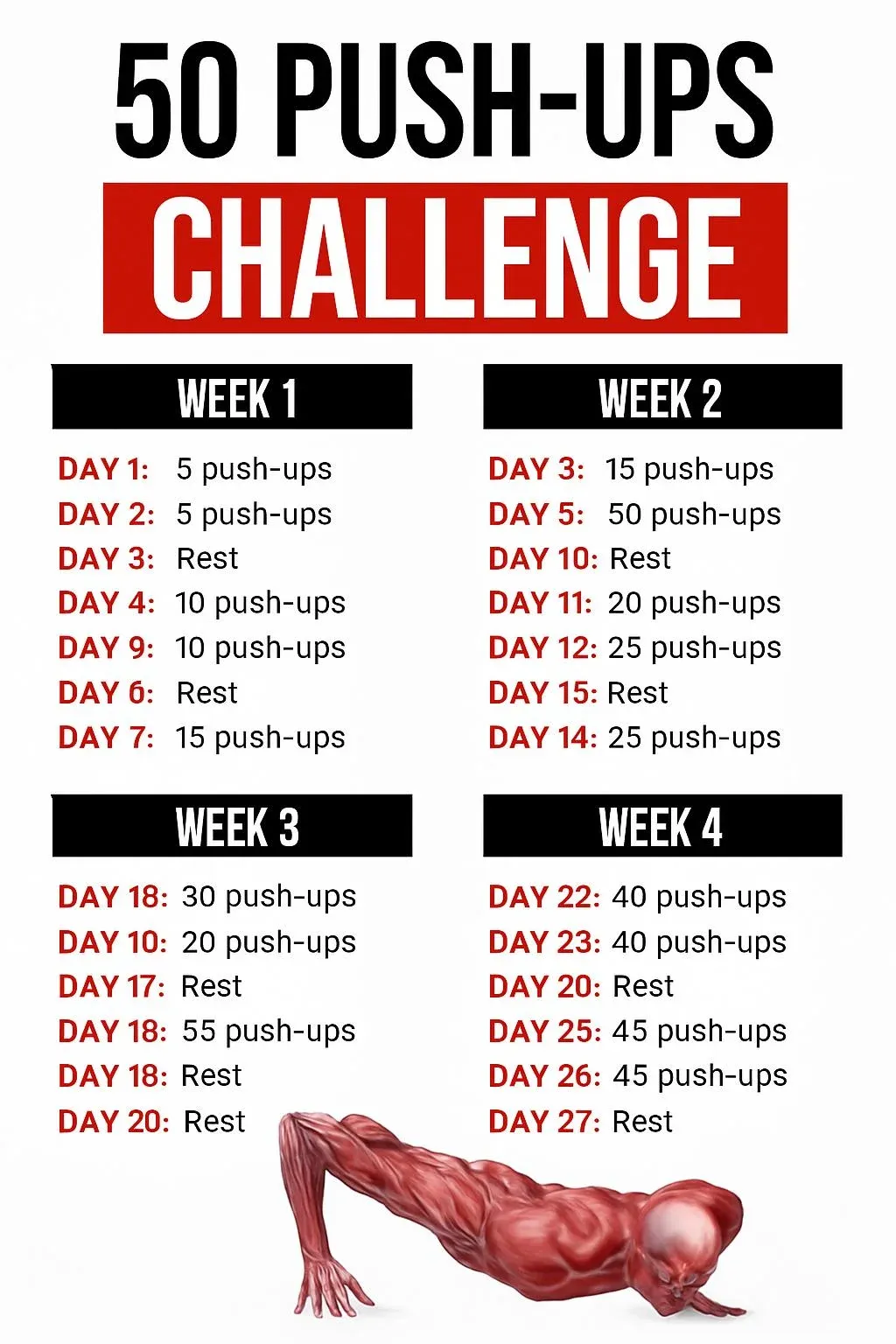
How to Do 50 Push-Ups: A 4-Week Challenge

How to Do 50 Push-Ups: A 4-Week Challenge

Push-ups are one of the most efficient, no-equipment exercises you can do to build upper-body strength, core stability, and muscular endurance. Whether you’re starting from a few reps or working up from zero, a structured 4-week plan can take you to 50 consecutive push-ups with consistent practice and smart recovery. Try pairing push-up training with targeted back work to keep your shoulders healthy and your posture strong.

How to Do 50 Push-Ups: A 4-Week Challenge

Why 50 push-ups?

  • It’s a measurable goal that tests muscular endurance across chest, shoulders, triceps, and core.
  • It builds confidence and creates a foundation for more advanced bodyweight moves.
  • It’s scalable: you can adapt the plan whether you can do 0, 10, or 30 reps today.

Fundamentals of good push-up form

  • Hands should be slightly wider than shoulder-width, fingers spread.
  • Body forms a straight line from head to heels — no sagging hips or pike.
  • Elbows track at a roughly 45-degree angle from your torso.
  • Lower until your chest is an inch or two from the floor, then press up fully.
  • Breathe in on the descent, out on the ascent.

Warm-ups and mobility (5–7 minutes)

  • Light jogging or jumping jacks (1–2 minutes).
  • Shoulder circles and band pull-aparts to activate rotator cuff and scapular stabilizers.
  • 10–15 scapular push-ups (protract/retract shoulder blades) to prime upper-back control.

The 4-week progression
This plan assumes you do the program 3–4 times per week (e.g., Monday, Wednesday, Friday, optional Sunday). On off days, do light mobility or a short walk.

Week 1 — Build volume and consistency

  • Test day (Day 1): Perform one maximal set of push-ups to find your starting point (don’t go to failure on training days).
  • Training days: 5 sets of 50% of your max reps with full rest between sets (2–3 min). If your max is 10, do 5 sets of 5.
  • Add one daily set later in the day of 60% of your max as a “grease the groove” mini-set to build neural efficiency.

Week 2 — Increase set density

  • Training days: 6 sets of 60% of your max. Reduce rest slightly (90–120 seconds).
  • Once per week, perform 2 “ramp” sets: start with light sets and finish with a near-max set to push endurance.
  • Introduce incline or knee push-ups for 1–2 sets if you need to keep total volume manageable.

Week 3 — Push closer to goal reps

  • Training days: 4 working sets designed as two heavier sets and two endurance sets.
    • Set 1 & 2: 75–85% of your current max (enough to fatigue without failing).
    • Set 3 & 4: As many reps as possible (AMRAP) but stop 1–2 reps shy of failure.
  • Add one day of tempo push-ups: slow 3-second descent and controlled 1-second up, 4 sets of moderate reps. Tempo work increases time under tension and control.

Week 4 — Peak and test

  • Reduce frequency slightly to allow fresh muscles: 3 solid sessions early in the week.
  • Early-week sessions: two heavy sets (near max) and one long set (aim for 70–90% of 50).
  • Test day (end of week): Attempt 50 consecutive push-ups. Warm thoroughly; attempt once when fresh.

Modifications and regression options

  • Incline push-ups (hands on bench/wall) reduce load for beginners.
  • Knee push-ups keep the pattern but lower resistive demands.
  • Eccentric-only (slow negatives) help if you can’t push up yet: step up (or have partner help) and lower slowly to the floor.

Accessory work to support push-up gains

  • Planks and hollow holds to strengthen core stability.
  • Dips or tricep-focused extensions for lockout strength.
  • Rows and posterior-chain work to balance the pushing volume — consider the primer on back development in the article 50 healthy snacks to fuel recovery when planning nutrition and recovery strategies.

Recovery, sleep, and nutrition

  • Aim for 7–9 hours of sleep nightly; muscle adaptations happen during rest.
  • Keep protein intake sufficient (rough guideline: 0.6–1.0 g per pound bodyweight for active trainees).
  • Hydrate and include anti-inflammatory foods (fruits, vegetables, omega-3s). Smart snacking between workouts can help meet calorie and protein needs while keeping energy stable.

Common mistakes and how to fix them

  • Rounding the back: focus on core bracing and reduce range of motion until you can keep a straight line.
  • Flared elbows: cue elbows to track closer to 45 degrees to protect shoulders.
  • Going to failure every set: preserve technique and avoid burnout — stop 1–2 reps shy of failure for most training sets.

Sample microcycle (for someone who can do ~15 push-ups now)

  • Monday: Test, then 5×8 (50% of max). Core work.
  • Tuesday: Mobility and light cardio.
  • Wednesday: 6×10 (60% of new working max). Shoulder stability.
  • Friday: Tempo work 4×8 + 2 sets AMRAP.
  • Sunday (optional): One easy set of 9–10 as active recovery.

Tracking progress

  • Keep a training log: reps, sets, perceived exertion.
  • Retest your max every 7–10 days to adjust training percentages.
  • Record short videos occasionally to check form and posture.

Motivation and consistency tips

  • Pair the push-up challenge with a habit trigger (e.g., after breakfast or before shower).
  • Use micro-goals: reaching 20, 30, 40 reps are motivating milestones.
  • Train with a friend or join an online community for accountability.

How to Do 50 Push-Ups: A 4-Week Challenge

Conclusion

If you want a concise, guided resource to complement this plan, consider reading this practical guide on How To Do 50 Push-Ups a Day: A 4-Week Challenge which outlines a similar progression and additional tips for making steady gains.

How to Do 50 Push-Ups: A 4-Week Challenge Read More »

, , , ,
Strength training routine designed for beginners focusing on form and controlled reps.

This routine is designed for beginners. Everyone begins somewhere

This beginners routine is built for newcomers; but don’t confuse “beginner” with “easy.” Progress comes from disciplined practice: controlled repetitions, strict form, measured increments, and consistency beat ego-driven heavy lifts every time. Below is a simple, effective plan that emphasizes safety, habit formation, and steady strength gains.

Why start simple for beginners

Simplicity lets you focus on fundamentals: posture, breathing, joint alignment, and motor patterns. Learning those well now prevents plateaus and injuries later. If you want to build a rock-solid core as part of that foundation, try movements that emphasize control and anti-rotation — a short primer on core control can illustrate how small, focused exercises translate to better lifts and daily function. (link in introduction)

Principles behind the routine

  • Prioritize form over load. Add weight only when you can complete every rep with the same technique.
  • Move with intention. Slow, controlled eccentric phases (the lowering part) and deliberate concentrics (the lifting part) stimulate muscle and reinforce control.
  • Frequency over fatigue. Training a movement more often with moderate intensity builds skill and strength more effectively than infrequent max attempts.
  • Track and micro-progress. Small weekly increases (2–5%) compound into huge gains over months.

The routine (3x per week — e.g., Mon/Wed/Fri)

Warm-up (10 minutes)

  • 3–5 minutes light cardio (rowing, cycling, brisk walk)
  • Dynamic mobility: hip circles, shoulder dislocates, leg swings
  • 2 sets of movement-specific warm-ups with light resistance

Main session (choose weights that allow last rep to be challenging but clean)

  1. Squat — 3 sets x 6–8 reps (2–3 min rest)
  2. Push exercise (push-up progression or bench press) — 3 x 6–10 reps (90–120s rest)
  3. Hinge (Romanian deadlift or kettlebell swing) — 3 x 6–8 reps (90–120s rest)
  4. Pull (bodyweight rows or bent-over row) — 3 x 6–10 reps (90–120s rest)
  5. Plank or anti-rotation hold — 3 x 30–60s

Accessory work (pick 2)

  • Banded lateral raises, calf raises, or glute bridges — 2–3 x 10–15 reps
  • Core rotation or anti-extension drills to build stability without overloaded spine

Conditioning (optional, 10–15 min)

  • Interval circuits, brisk walk, or bike for recovery and metabolic health

Progression strategy

  • Add 1–2 reps to a set each session until you reach top of rep range, then increase weight and drop reps back down.
  • If form breaks on the last rep, keep the weight and focus on improving control before adding load.
  • Deload every 4–8 weeks: reduce volume by ~40% for one week to recover.

Technique tips

  • Squat: sit your hips back, keep chest up, and drive through the heels. Pause briefly at the bottom to build control.
  • Hinge: push hips back, maintain neutral spine, feel hamstrings engage before standing.
  • Pulls: retract scapula first, then row; avoid using momentum.
  • Breathing: inhale during the eccentric, brace core, exhale through the concentric for stability.

Trouble-shooting common beginner problems

  • Stalled progress: review form, ensure adequate recovery, and check that you’re tracking increments.
  • Joint discomfort: reduce range, check mobility, and temporarily lower load until movement is pain-free.
  • Motivation fade: set small weekly goals, celebrate consistency (not just PRs), and log workouts.

Nutrition and recovery

Strength gains require adequate protein and energy. Aim for a balanced intake timed around workouts to support repair and growth. For many trainees, choosing lean protein sources after training supports faster muscle protein synthesis and recovery compared with fattier options; small practical choices in meals can speed your comeback between sessions. (link in body)

Sleep, hydration, and stress management are equally essential: without recovery, even the best training template stalls.

Final reminders

  • Consistency wins. Show up, respect the process, and focus on incremental improvements.
  • Quality of movement compounds into longevity and better performance.
  • Be patient. Strength takes months and years; build a base you can expand on safely.

Conclusion

If you’re curious how others have handled the idea of reducing weight to improve technique and gains, see this relevant reddit discussion on a potential benefit of lowering load for progress: discussion on decreasing weight for gains.

This routine is designed for beginners. Everyone begins somewhere Read More »

, , , ,
A person lifting weights, embodying the 'built not bought' philosophy of strength training.

Built, not bought. Challenge yourself today!

Built, not bought

Strength isn’t a label you buy; it’s a daily practice. Built one rep, one set, and one deliberate choice at a time. Whether you’re new to training or sharpening a lifestyle, the grind of consistent progress is what separates fleeting motivation from real, lasting strength. Many athletes and lifters recognize the same hurdles and humor that comes with the journey, like those listed in 14 Bodybuilder Struggles Everyone Faces in Life, and that shared experience can be a powerful motivator.

Below are practical ways to turn the “built, not bought” mindset into daily action.

Mindset: Small Wins Stack Into Big Gains

  • Embrace incremental progress. Add one more rep, five more pounds, or ten extra seconds of tension than yesterday.
  • Track process goals, not just outcomes. Celebrate consistency (workouts completed, nights of good sleep) rather than only numbers on a scale.
  • Reframe setbacks as data. A missed session or a poor lift tells you what to adjust, not that you failed.

Actionable cue: choose one micro-goal for the week (e.g., stick to three sessions, or hit a new form standard) and measure only that.

Training Principles: Quality Over Flash

  • Prioritize movement quality before load. A technically sound rep builds a foundation for heavier, safer gains.
  • Use progressive overload in small, sustainable increments; tempo, volume, or frequency can all be tweaked.
  • Mix heavy compound lifts, accessory work for weak links, and mobility to keep the body balanced.

Sample structure (3x per week):

  • Warm-up: dynamic mobility + activation (5–10 min)
  • Main lift: 3–5 sets at a challenging but controlled intensity
  • Accessory circuit: 2–3 exercises to shore up weaknesses (core, posterior chain)
  • Finisher: short metabolic or skill work for conditioning and durability

Nutrition & Recovery: Fuel the Work and Repair the Body

  • Strength is built in the gym but assembled by your nutrition and recovery. Prioritize an appropriate calorie level and protein distribution throughout the day to support repair.
  • Spread protein across meals to maximize muscle protein synthesis and support recovery and performance. For practical, everyday ideas to increase protein at each meal, see 10 Easy Ways to Increase Your Protein Intake.
  • Sleep and stress management matter as much as reps. Aim for consistent sleep patterns and simple recovery habits: hydration, mobility, and active rest.

Practical Tips to Keep Momentum

  • Schedule workouts like appointments. Non-negotiable blocks reduce decision fatigue.
  • Periodize: cycle intensity and volume to avoid overtraining. Deload every 4–8 weeks if needed.
  • Track more than weight—log moods, sleep, and perceived effort to spot trends early.
  • Surround yourself with a supportive community or coach who values steady progress over shortcuts.

A Simple Weekly Template for Busy People

  • Day 1 (Strength): Squat/hinge focus + accessory work
  • Day 2 (Push/Pull): Bench/row emphasis + core
  • Day 3 (Condition & Mobility): Short interval work + full-body mobility
  • Optional: extra skill session or active recovery depending on energy levels

Conclusion

Built, not bought is a mindset and a roadmap: choosing the slow, dependable path of consistent work over instant solutions. If you want a perspective formed from years of focused training with a specific tool, check out this reflection on kettlebell practice — 4 Years of Kettlebells Has Taught Me The Following Things — for practical lessons that echo the “one rep at a time” approach. What’s your focus today? Pick one small, measurable step and start.

Built, not bought. Challenge yourself today! Read More »

, , , ,
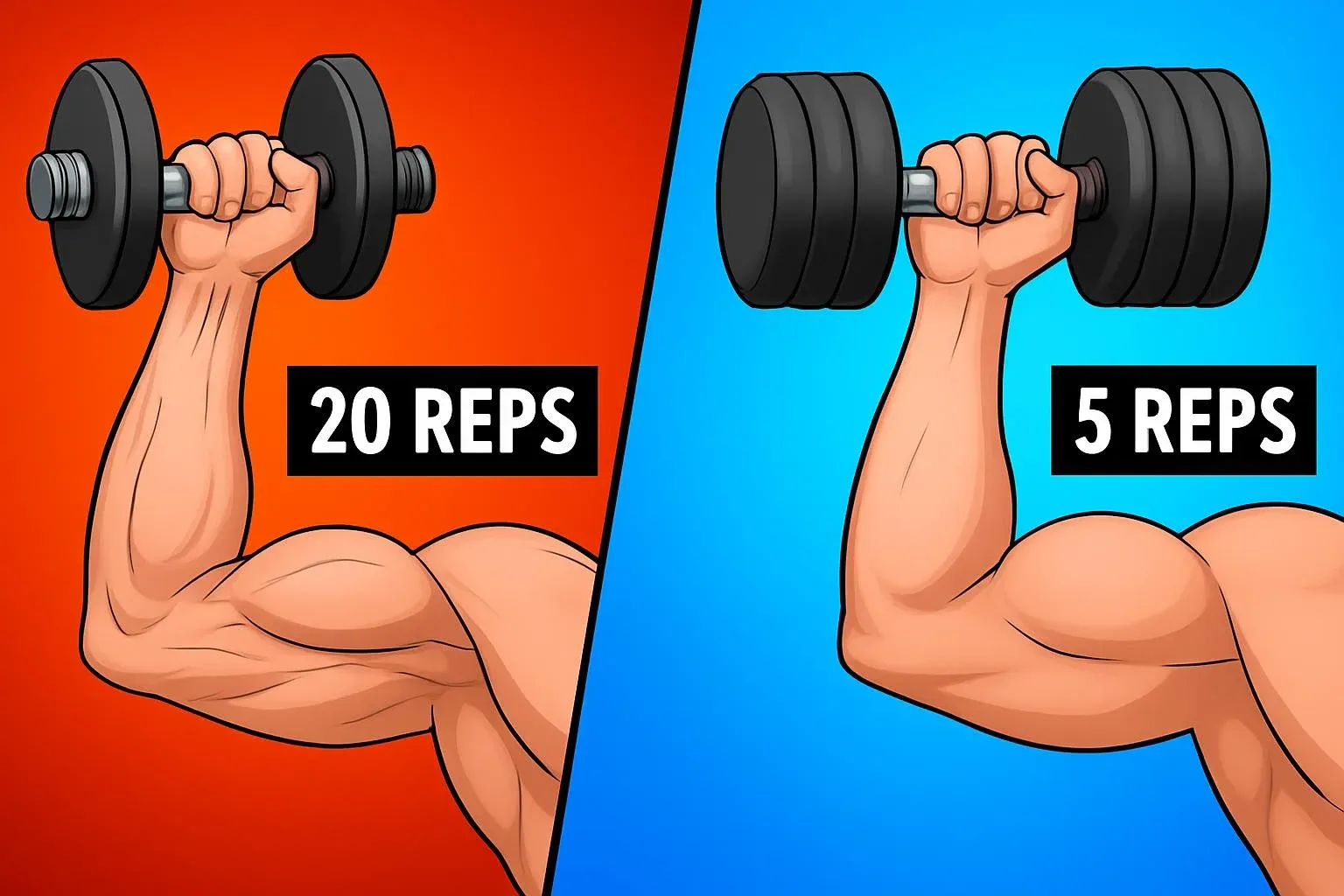
Effective arm day workout with isolation and compound exercises for biceps

Want to level up your arm day?

Level Up Your Arm Day

If you want bigger, stronger biceps, it isn’t about doing endless curls; it’s about choosing the right combination of compound and isolation moves, dialing in tempo and volume, and supporting recovery outside the gym. Before we dive in, consider whether your overall nutrition is supporting your goals; learning if you’re meeting your nutrient needs can change how fast you progress: check your nutrient strategy.

Why both compound and isolation matter

level up your arm day
  • Compound lifts (chin-ups, rows, pull-ups) recruit multiple muscles and let you handle heavier loads, which stimulates overall arm and back development and increases functional strength.
  • Isolation exercises (barbell curls, hammer curls, concentration curls) target the biceps more directly, allowing you to shape and fatigue the muscle after heavier compound work.
  • Using both types in the same session maximizes mechanical tension (from compounds) and metabolic stress / time under tension (from isolation), the two primary drivers of hypertrophy.

Core exercises to prioritize

  1. Chin-ups / assisted chin-ups — great for overall arm and lat strength; use varying grip widths.
  2. Barbell curl — classic mass-builder; allows heavier loading for progressive overload.
  3. Dumbbell hammer curl — targets the brachialis and brachioradialis to push the biceps up and make arms look thicker.
  4. Incline dumbbell curl — increases stretch on the long head of the biceps for fuller development.
  5. Cable curls or preacher curls — excellent for controlled tension through the entire range.

Tip: Alternate heavy compound-focused days with lighter, higher-volume isolation days to manage fatigue and ensure steady progress.

Programming tips that actually work

  • Frequency: Train biceps 2x per week if your recovery allows — one heavier day (6–8 rep range) and one moderate-to-high volume day (8–15 reps).
  • Sets: Aim for 8–16 total working sets per week for biceps (adjust by experience and recovery).
  • Progressive overload: Increase reps, sets, or weight gradually. Keep a simple log to track progress.
  • Exercise order: Start with compound moves while you’re fresh, then move to isolation work to finish with focused fatigue.

Form, tempo, and mind-muscle connection

  • Slow the eccentric (lowering) phase — a 2–4 second descent increases time under tension and muscle damage, which promotes growth.
  • Avoid swinging or using hip drive; strict form isolates the biceps and reduces injury risk.
  • Pause and squeeze at the top for a 1–2 second peak contraction. Visual focus on the biceps can improve neural recruitment.

Recovery, sleep, and supportive gear

Muscle growth happens between workouts. Prioritize sleep, adequate protein (roughly 1.6–2.2 g/kg bodyweight for many lifters), and progressive nutrition. Also, small practical details help: comfortable gym clothes and sleeves that support full range of motion can improve training consistency — find gear that suits your routine at apparel to fuel your odyssey.

Sample pair of arm workouts

Workout A (Strength-focused)

  • Chin-ups: 4 × 5–8
  • Barbell curls: 4 × 6–8
  • Hammer curls: 3 × 8–10

Workout B (Hypertrophy-focused)

  • Incline dumbbell curls: 4 × 8–12
  • Cable curls (rope or single-arm): 4 × 10–15
  • Preacher or concentration curls: 3 × 12–15

Alternate A and B across the week (e.g., Monday and Thursday), adjust based on recovery and overall program.

Common mistakes to avoid

  • Overusing momentum — reduces biceps stimulus and increases injury risk.
  • Neglecting triceps and forearms — balanced arm development improves aesthetics and strength.
  • Training too frequently without recovery — leads to stalled progress.
  • Chasing isolation only — neglecting compound lifts limits overall strength and mass gains.

Conclusion

To grow your biceps, combine heavy compound moves with focused isolation work, prioritize progressive overload and recovery, and fine-tune form and tempo. If you’re wondering whether pushing heavier weights is the right approach for you, read this guide: Is Lifting Heavier Weights Right for You? Discover the Truth! 💪🏻

Want to level up your arm day? Read More »

, , , ,
Man performing exercises to build bigger traps in the gym

The Top Tips to Build Bigger Traps

this is the Top Tips to Build Bigger Traps

The trapezius (traps) is the unsung hero of a powerful upper body; it stabilizes the neck and shoulders, contributes to powerful pulls, and gives your physique that thick, “hooded” look between the neck and shoulders. Whether you’re after more mass, greater thickness, or improved posture, targeted trap work plus smart programming gets you there. Before we dive into specific techniques, remember to consider how whole-body strength affects posture and lift performance; for balanced development check out this guide to strengthening legs and glutes: build bigger glutes and legs.

How the traps work (quick primer)

  • The trapezius has three functional regions: upper (elevates the scapula), middle (retracts the scapula), and lower (depresses and stabilizes the scapula).
  • “Building bigger traps” usually focuses on the upper and middle fibers for thickness and visible size, but balanced development across all regions improves posture and shoulder health.
  • Traps respond well to both heavy, low-rep loading (for density) and higher-rep work (for fullness and endurance).

Top training tips

  1. Prioritize progressive overload
    • Increase weight, reps, or time under tension over weeks. Even small consistent increases add significant trap mass over months.
  2. Use a mix of heavy and moderate sets
    • Heavy shrugs: 3–5 sets of 4–8 reps for maximal tension.
    • Moderate-volume trap work: 3–4 sets of 8–15 reps to build shape and endurance.
  3. Train traps from different angles
    • Barbell/dumbbell shrugs (vertical elevation) for upper traps.
    • Face pulls, seated rows with high elbow position, and Y/T/L raises for mid/trap stabilization and mid-trap thickness.
    • Farmer’s walks and rack pulls for traps and overall upper-back density.
  4. Focus on full range and deliberate contraction
    • Control the eccentric (lowering) phase for 2–3 seconds and pause at the top for a full contraction. Avoid using excessive momentum.
  5. Include heavy carries and compound pulls
    • Farmer’s walks, trap-bar carries, and heavy deadlifts transfer directly to trap development and improve functional strength.
  6. Use grip variations strategically
    • Thicker bars, straps, or mixed grips can let you handle heavier loads while still loading the traps effectively.
  7. Frequency and recovery
    • Train traps 2–3 times per week. They’re involved in many compound lifts, so keep volume moderate to avoid overuse. Emphasize sleep, protein intake, and adequate rest between heavy sessions.

Sample exercises and programming

  • Barbell Shrugs: 4 sets × 6–10 reps (heavy)
  • Dumbbell Shrugs: 3 sets × 10–12 reps (slow eccentrics)
  • Trap-Bar Deadlifts or Rack Pulls: 3 sets × 3–6 reps
  • Farmer’s Walks: 4 × 40–60 m (heavy)
  • Face Pulls: 3–4 sets × 12–20 reps (rear delt & mid-trap focus)
  • Y/T/L Raises: 3 sets × 10–15 total for scapular stability

Pair heavy, low-rep compound work early in sessions and finish with more precise, higher-rep isolation movements to flush and shape the traps.

Common mistakes to avoid

  • Overusing momentum during shrugs — jerking reduces time under tension and shifts stress away from the traps.
  • Ignoring mid and lower traps — this leads to imbalanced development and posture problems.
  • Training with poor neck or shoulder posture — always retract and stabilize the scapula when applicable.
  • Excessive volume without recovery — since traps assist many lifts, they can easily become overworked.

Accessory and mobility considerations

  • Strengthen the posterior chain: stronger upper back and glutes support heavier pulls that overload the traps. If you need alternative leg exercises that don’t demand a lot of balance, consider some targeted options like these Bulgarian split squat alternatives: Bulgarian split squat alternatives.
  • Incorporate thoracic mobility work and rear delt exercises to create the muscular scaffolding traps need to grow effectively.
  • Don’t neglect neck mobility and light cervical strengthening if you feel strain when increasing trap loads.

Progress measurement

  • Track barbell/dumbbell weight on shrugs, carries, and deadlifts.
  • Measure improvements in posture and how clothes/gym shirts fit across the shoulders.
  • Take periodic photos and keep a training log — visual and numerical progress together give the clearest picture.

Injury prevention

  • Warm up the shoulders and upper back before heavy sets (band pull-aparts, light face pulls).
  • Avoid excessive craning of the neck; instead, maintain a neutral cervical position with scapular control.
  • If you experience persistent pain, reduce direct trap volume and consult a medical professional.

Conclusion

For ongoing tips, programming examples, and short-form guidance to help you implement these techniques consistently, check out Fitonomy on Threads: Fitonomy on Threads.

The Top Tips to Build Bigger Traps Read More »

, , , ,
Person performing lat pulldowns to strengthen back muscles

Unlock the power of lat pulldowns for a stronger back!

Lat pulldowns are a fundamental back-builder;  ideal for anyone chasing a wider V-shape, better posture, and stronger pulling power. Whether you’re new to the gym or refining your routine, this quick guide breaks down the key benefits, smart technique tips, and a simple sample set to get immediate results.

Unlock the power of lat pulldowns for a stronger back! 💪 Here's a quick dive into the benefits and tips to get the most out of this exercise.
Benefits:Builds wide lats for that coveted V-shaped bac...

Introduction

  • Why lat pulldowns matter: They target the latissimus dorsi, reinforce scapular control, and transfer to improved performance in rows, pull-ups, and daily pulling tasks.
  • For balanced development, combine lat work with leg and lower-body training; check this Bulgarian split squat alternatives guide when planning full-body cycles.

Benefits

  • Wider lats and that V-taper: Lat pulldowns emphasize the outer fibers of the lats to broaden the back.
  • Strength and stability: Improved scapular retraction and shoulder extension for safer heavy lifts.
  • Scalable for all levels: Use lighter weight and higher reps or heavier weight for strength gains.
  • Posture improvement: Strengthening lats and upper back counters slouching from desk work.

How to perform an effective lat pulldown

  1. Setup: Sit tall, feet flat, chest lifted, knees secure under pads. Grip width matters; a slightly wider than shoulder-width grip emphasizes outer lats.
  2. Movement cue: Lead with your elbows, pull down to the upper chest while retracting your shoulder blades; avoid pulling with your hands or leaning back excessively.
  3. Tempo: 2 seconds down (concentric), 1–2 second squeeze at the bottom, 2–3 seconds controlled return.
  4. Rep ranges: 8–12 for hypertrophy, 5–8 for strength (heavier), 12–15+ for endurance or technique work.

Common mistakes to avoid

  • Using momentum: Excessive leaning or swinging removes tension from the lats.
  • Pulling to the stomach: Pull to the upper chest to maintain ideal lat activation.
  • Over-gripping: A death grip shifts work to forearms; focus on elbows driving the movement.
  • Skipping scapular retraction: Initiate each rep by pulling the shoulder blades down and together.

Programming tips

  • Frequency: 2x per week for most lifters; pair one heavier, lower-rep session with one higher-rep volume day.
  • Variation: Rotate grips (wide, neutral, underhand) to hit fibers differently and reduce joint strain.
  • Accessory pairing: Follow lat pulldowns with single-arm rows or face pulls to balance thickness and rear deltoid health; see advanced back routines like Damien Patrick’s Olympia back workout for ideas to progress width and thickness.

Sample lat-focused mini-workout

  • Warm-up: 5–8 minutes light cardio + band pull-aparts (2 sets of 15).
  • Lat pulldown: 4 sets; 12, 10, 8, 8 (increase weight as reps drop).
  • Single-arm cable row: 3 sets of 10–12 each side.
  • Straight-arm pulldown: 3 sets of 12–15 for lat stretch and finish.

Unlock the power of lat pulldowns for a stronger back! 💪 Here's a quick dive into the benefits and tips to get the most out of this exercise.
Benefits:Builds wide lats for that coveted V-shaped bac...

Conclusion

Want more movement ideas to build a toned back? Try these 4 Dumbbell Row Variations for a Toned Back to complement your lat pulldowns and accelerate width and detail.

Unlock the power of lat pulldowns for a stronger back! Read More »

, , , ,
Illustration of a bodybuilder facing common struggles in fitness and nutrition.

14 Things every Bodybuilder Struggles with in Life 😅😅⬇️⬇️

14 Things Every Bodybuilder Struggles With in Life (and How to Survive Them) 😅😅⬇️⬇️

Intro
Being a bodybuilder is equal parts discipline, sculpting, and everyday absurdity. Between meal prep, training cycles, and trying to look composed while your shirt refuses to cooperate, there are some universal struggles most lifters know all too well. If hitting your macros feels like navigating a maze, these practical ideas — like these 10 easy ways to increase your protein intake with every meal and snack — can make life a lot smoother.

  1. Social events vs. macros
    Invitations to dinner, birthdays, or potlucks suddenly become strategic operations. You either awkwardly explain your food plan or bring Tupperware like you’re smuggling gains.

  2. The perpetual bulk vs. cut dilemma
    Deciding whether to climb higher on the scale or reveal those gains is emotionally draining. Your jeans and mirror often disagree.

  3. Clothes that don’t fit right
    Finding shirts and suits that fit broad shoulders and small waists is an art form. Tailors are your unsung heroes.

  4. Getting judged for “just lifting”
    People assume “lifting” = vanity. Explaining hypertrophy, health benefits, and injury prevention usually takes longer than a set superset.

  5. Meal prep takes over your weekend
    Cooking for a week is satisfying — until you realize you’re eating chicken and rice for the tenth time in a row. Variety hack: rotate sauces and spices.

  6. Arm-day expectations vs. reality
    Everyone expects your biceps to be peak material every week. When arms lag, the comments start. Practical training tweaks (like focusing on getting bigger biceps with dumbbells) actually help more than random isolation exercises.

  7. Always being “on” for photos
    Relaxing on vacation and not taking a selfie that screams “cut season” is nearly impossible. Social media pressure is real.

  8. Injuries and nagging pains
    From tendinitis to lower back twinges, small injuries can derail weeks. Smart programming and rest are often the best medicine.

  9. Sleep — the overlooked gain
    You can out-plan your diet and crush workouts, but skimp on sleep and everything suffers: strength, mood, recovery.

  10. The mirror vs. the scale lie
    Muscle gain and fat loss move differently. A flat measurement can hide huge progress in strength or body composition.

  11. Supplement overwhelm
    Between protein powders, creatine, BCAAs, and dozens of fanciful jars, it’s easy to waste money chasing the newest miracle. Stick to basics first.

  12. Travel and training logistics
    Hotel gyms with one cable machine and two dumbbells don’t respect your plan. Learning to adapt with bodyweight or minimal equipment workouts is a survival skill.

  13. Meal timing weirdness
    Eating a heavy meal before cardio or leaving the gym starving after a hard session — timing matters, but life doesn’t always cooperate.

  14. Mental burnout and motivation dips
    Training consistently over months and years takes mental energy. Recognizing burnout and employing deloads, mini-goals, or hobby breaks keeps the fire lit.

Quick fixes and small wins

  • Prep flexible meals (mix-and-match components) so repetition doesn’t kill your vibe.
  • Prioritize sleep and hydration as non-negotiables.
  • Track progress with photos and strength numbers, not just the scale.
  • Learn to say “I’ll have the grilled option” at restaurants politely — you don’t need to explain your whole plan.
  • When a muscle lags, review technique, frequency, and targeted accessory work rather than doubling reps the next session.

Conclusion

Bodybuilding is as much about lifestyle management as it is about lifting. One often-overlooked area is pelvic and core health, which supports heavy lifts, improves stability, and helps prevent long-term issues — for practical guidance, check out these pelvic floor fitness resources: Connect Pelvic Floor Fitness.

14 Things every Bodybuilder Struggles with in Life 😅😅⬇️⬇️ Read More »

, , , ,
A fitness trainer demonstrating effective ab exercises for a stronger core.

The 5 Best Ab Exercises, According to Science⬇️⬇️

The 5 Best Ab Exercises, According to Science

A strong core improves posture, reduces back pain, and boosts performance in almost every sport and daily activity. Scientists assess abdominal exercises by measuring muscle activation (EMG), movement quality, and functional carryover — and some movements consistently come out on top. If you want efficient, evidence-based choices, start with these five.

If you’re new to structured core training or want male-specific progressions, see this guide on ab workouts for men for sample routines and progressions.

  1. Plank (and Progressions)
  • Why it works: Planks develop core endurance and anti-extension control across the rectus abdominis, transverse abdominis, and obliques without excessive spinal flexion.
  • How to do it: Keep a straight line from head to heels, engage glutes and ribs-down, breathe steadily. Hold on forearms or hands.
  • Progressions: Add single-leg lifts, shoulder taps, or move to weighted/plank-to-push-up variations.
  • Programming: 3–4 sets of 20–90 seconds depending on ability.
  1. Ab Wheel Rollout (or Rollouts from Knees)
  • Why it works: Rollouts produce high rectus abdominis activation and challenge anti-extension strength in a dynamic pattern. EMG studies show strong recruitment when performed correctly.
  • How to do it: From knees (or standing for advanced), roll the wheel forward with a neutral spine until you hit your stability limit, then retract without sagging the low back.
  • Cues: Keep hips tucked slightly, avoid overarching; stop short of loss of form.
  • Programming: 3–5 sets of 6–12 controlled reps.
  1. Hanging Leg Raise (or Captain’s Chair)
  • Why it works: Targets the lower rectus abdominis and hip flexors; variations can emphasize pelvic tilt and lower-ab control, which is often neglected in standard crunches.
  • How to do it: Hang from a bar, keep the torso stable, lift legs with a controlled pelvic tilt. Progress from bent knees to straight-leg raises.
  • Programming: 3–4 sets of 8–15 reps.
  1. Bicycle Crunch
  • Why it works: Among common crunch variations, the bicycle produces high rectus and oblique activation due to combined trunk flexion and rotation, making it efficient for abdominal development.
  • How to do it: Lie on your back, hands lightly behind your head, cycle opposite elbow to knee with controlled tempo — avoid pulling on the neck.
  • Programming: 3–4 sets of 20–40 total reps (10–20 per side), focusing on quality over speed.
  1. Pallof Press (Anti-Rotation Cable/Band Press)
  • Why it works: Core stability isn’t just about generating movement — resisting rotation is equally important. The Pallof press builds anti-rotational strength in the obliques and deeper stabilizers with low spinal load.
  • How to do it: Stand perpendicular to a cable or band anchored at chest height, press the handle straight out and hold/slowly return while resisting rotation.
  • Programming: 3–4 sets of 8–15 reps per side, or tall-kneel variations for progression.

Programming Tips (Putting It Together)

  • Frequency: Train core 2–4 times per week. Mix endurance (planks) with dynamic strength (rollouts, hanging leg raises) and anti-rotation work (Pallof).
  • Volume: Choose 2–4 exercises per session: one plank/hold, one dynamic flexion/rollout, one anti-rotation, and an accessory rotational movement or bicycle crunches.
  • Form over reps: High EMG doesn’t help if the movement is done poorly. Progress by improving control and increasing load or range.
  • Recovery: Core muscles recover relatively quickly but require progressive overload like any other muscle group.

Pairing Core Work with Full-Body Training
A strong core supports heavy lifts and leg work, so pair abdominal sessions with lower-body training for better transfer. If you want leg-focused options that reduce balance demands while still building strength, check this set of Bulgarian split squat alternatives. Pairing compound leg work with targeted core exercises enhances overall stability and athleticism.

Common Mistakes to Avoid

  • Overemphasizing flexion: Too many crunches can stress the spine; mix with anti-extension and anti-rotation work.
  • Using momentum: Especially on rollouts and hanging raises, control matters more than range.
  • Ignoring breathing: Breath control (exhale on effort) helps maintain intra-abdominal pressure and spinal support.
  • Neglecting progressive overload: Increase difficulty via reps, tempo, range, added weight, or harder variations.

Sample 20–30 Minute Core Session (Intermediate)

  • Plank: 3 x 60 seconds (30–60s rest)
  • Ab wheel rollout: 4 x 8–10 reps
  • Pallof press: 3 x 12 reps per side
  • Hanging knee-to-chest raises: 3 x 12–15 reps
  • Bicycle crunches: 3 x 30 seconds (light tempo, controlled)

Conclusion

Choosing the most effective ab exercises comes down to movement quality, balanced programming, and progressive overload. For a supportive group fitness environment in Boston focused on core strength and full-body conditioning, consider visiting Barre Groove: Boston’s Best Fitness Studio for Women | Cardio You to explore classes that integrate core stability with cardio and strength training.

The 5 Best Ab Exercises, According to Science⬇️⬇️ Read More »

, , , ,
A fit person demonstrating 5 essential back moves for a stronger back workout.

5 Must-Do Back Moves to Build A Massive Back👇👇

5 Must-Do Back Moves to Build a Massive Back

A powerful, wide, and thick back is one of the best indicators of full-body strength and athleticism. Whether your goal is to look impressive in a T-shirt, improve deadlift numbers, or prevent injury, these five foundational moves should be the backbone of your training. For balanced development, pair your back days with smart lower-body work such as these 5 Bulgarian split squat alternatives to build stronger legs without the balance struggle.

Below are the five essential exercises, how to perform them correctly, programming suggestions, and common mistakes to avoid.

1) Deadlift (Conventional / Trap Bar)

Why: The deadlift is a whole-posterior-chain builder—low back, erectors, lats, traps, glutes, and hamstrings all get stronger.

How to cue it:

  • Setup with feet hip-width, grip just outside legs.
  • Brace your core, pull lats down and back, and drive through the heels.
  • Keep a neutral spine and push the floor away rather than pulling the bar.

Programming:

  • Strength focus: 3–6 sets of 3–6 reps with heavy loads.
  • Hypertrophy: 3–4 sets of 6–10 reps with slightly lighter, controlled reps.

Common mistakes:

  • Hips rising too fast into a stiff-legged position.
  • Rounded upper back—pull the shoulder blades down to protect the spine.
  • Letting the bar drift away from the shins.

If you want a structured way to practice heavy pulls, try a dedicated protocol like the 15-minute heavy deadlift EMOM workout to build strength fast to build consistency under load.

2) Bent-Over Barbell Row (or Chest-Supported Row)

Why: Rows add thickness to the mid-back and reinforce horizontal pulling strength that balances pressing work.

How to cue it:

  • Hinge at the hips, keep a flat back, and pull the bar toward your lower rib cage.
  • Lead with the elbows and squeeze the shoulder blades together at the top.

Programming:

  • 3–5 sets of 6–12 reps for size and strength.
  • Use chest-supported rows if lower-back fatigue limits your ability to maintain position.

Common mistakes:

  • Using excessive torso momentum.
  • Dominating the movement with the arms instead of lats and scapular retraction.

3) Pull-Ups / Chin-Ups

Why: Bodyweight vertical pulling builds wide lats and functional strength. Changing grip width and hand orientation shifts emphasis across the back and biceps.

How to cue it:

  • Start from a full hang, initiate by pulling the chest toward the bar, and avoid shrugging the shoulders up.
  • Control the descent on the way down.

Programming:

  • Strength: weighted pull-ups, 3–6 sets of 3–6 reps.
  • Hypertrophy: bodyweight or assisted, 3–4 sets of 6–15 reps.

Common mistakes:

  • Kipping unless intentionally training for it.
  • Partial reps—aim for full range of motion.

4) Single-Arm Dumbbell Row (or One-Arm Cable Row)

Why: Unilateral work corrects left-right imbalances, improves lat shape, and allows full contraction at the top of the movement.

How to cue it:

  • Keep a braced torso, pull the elbow back and slightly up, and rotate the shoulder blade into the spine.
  • Pause and squeeze at the top for 1–2 seconds.

Programming:

  • 3–4 sets of 8–15 reps per side.
  • Use heavier sets for strength and higher reps for time under tension.

Common mistakes:

  • Twisting the torso to cheat.
  • Letting the shoulder hike—keep it down and active.

5) Face Pulls / Rear Delt Band Work

Why: The small muscles of the upper back and rear delts improve posture, shoulder health, and the upper-thickness of the back—important for aesthetics and injury prevention.

How to cue it:

  • Pull the rope or band toward your face with elbows high, externally rotating at the finish.
  • Focus on scapular retraction and posterior shoulder activation.

Programming:

  • 3–4 sets of 12–20 reps with controlled tempo.
  • Use as a finisher for back or upper-body days.

Common mistakes:

  • Using too heavy a load that turns the movement into a row.
  • Letting the head jut forward—keep neutral alignment.

Programming Template (Simple Week)

  • Day 1 (Heavy): Deadlift variant 4×4, Bent-over row 4×6, Face pulls 3×15
  • Day 2 (Volume/Width): Pull-ups 4×8, Single-arm rows 4×10, Rear-delt work 3×15
  • Swap in variations weekly (e.g., trap-bar deadlift, chest-supported rows) and prioritize progressive overload.

Recovery and Injury Prevention

  • Warm up with banded pull-aparts, light rows, and hip-hinge drills.
  • Maintain thoracic mobility to support a strong, safe pulling position.
  • Address residual soreness with mobility, foam rolling, and targeted recovery work.

Conclusion

If heavy pulling ever leaves your lower back sore or stiff, follow these practical 5 Steps to Treat Lower Back Pain from Deadlifts to recover safely and get back to building a massive back.

5 Must-Do Back Moves to Build A Massive Back👇👇 Read More »

, , , ,
Individual lifting 200KG weight for 25 reps showcasing strength.

25 reps using 200KG Weight 💪 This is the most reps I’ve ever seen.

25 Reps with 200 kg: Breaking Down an Incredible Strength-Endurance Feat

Intro
Watching someone blast out 25 reps with 200 kg on the bar is the kind of moment that stops a gym in its tracks. Whether it was a back squat, hack squat, or a loaded machine set, the feat signals an unusual mix of strength, conditioning, and technique. Cross-training activities that build stamina and mental grit — even things as different as long hikes — can contribute to that capacity; I’ve seen similar endurance improvements from athletes who embraced outdoor conditioning like hiking retreats as part of their plan.

Why 25 reps at 200 kg is remarkable

  • Strength vs. strength-endurance: Lifting a heavy load for one to five reps is primarily maximal strength. Doing 25 reps flips the emphasis to muscular endurance and repeated force production. For most lifters, 200 kg for a set of 25 is far beyond routine programming.
  • Energy systems: A long, taxing set uses a blend of anaerobic glycolysis and aerobic recovery between reps. The athlete must tolerate rising acidity and maintain motor control as fatigue accumulates.
  • Technical efficiency: To hold form across dozens of reps, the lifter must be economical with bar path, breathing, and joint positioning. Small technical escapes (shortened range of motion, slight tempo changes) often appear as reps pile up.
  • Equipment and load interpretation: Check whether the weight was raw, on a machine, or assisted by a belt/suit. Machine-based lifts or partial ranges can allow much higher rep counts at heavy nominal loads.

How to interpret that performance realistically

  • Don’t assume absolute maximal strength: Twenty-five reps at a heavy weight indicates impressive work capacity. But it isn’t the same as maximizing a one-rep max (1RM) in a single explosive attempt. Different adaptations are prioritized in each context.
  • Range and tempo matter: Were these full-depth reps? Slower eccentric tempos or brief pauses drastically change the stimulus. Always look beyond the number on the plates.
  • Bodyweight and leverages: A taller lifter with longer limbs may move the same load differently than a compact lifter. Bodyweight and anthropometry change how impressive a number truly is.

Training lessons and practical takeaways

  • Build a foundation of volume before chasing one-off feats. Progressive overload with sets in the 6–15 rep range builds both strength and hypertrophy that can later support higher-rep, heavy sets.
  • Incorporate density work and tempo sets. Training blocks of challenging rep-endurance (for example, 3–5 sets of 12–20 at submaximal loads, or AMRAPs with purposeful tempo) will improve tolerance for long sets.
  • Use accessory work that reinforces stability and pressing/squatting mechanics. For those focused on chest or pressing strength, specific dumbbell work can improve balance and muscle activation — consider program variations like the twist incline fly and dumbbell chest routines to shore up weak points.
  • Recovery and nutrition: High-rep heavy work is metabolically taxing. Prioritize carbs around training, quality sleep, and active recovery to sustain frequent intense sessions.
  • Safety first: If you’re attempting high-rep sets with very heavy loads, use spotters or machines, and scale range and load conservatively to avoid injury from fatigue-induced technical breakdown.

How to test and replicate it safely

  • Start with conservative rep ranges at a percentage of a known 10RM or 5RM and slowly increase reps over weeks.
  • Use cluster sets and short rests to accumulate volume without gross technical failure.
  • Track tempo and range methodically so you’re comparing apples to apples when attempting similar feats.
  • Consider alternating high-load endurance blocks with traditional strength blocks to allow nervous system recovery.

A final perspective
A single display of 25 reps with 200 kg is a memorable performance, but it’s also a springboard for questions: what was the lift, what equipment was used, and what was the athlete’s training history? Behind every headline number is a context that matters — and useful lessons for any lifter who wants to expand both their raw strength and their capacity to sustain it.

Conclusion

If you want a practical way to translate heavy dumbbell performance into expectations for barbell bench numbers, check this discussion on How much weight can I lift in bench press if I can do dumbbell bench … for examples and community estimates.

25 reps using 200KG Weight 💪 This is the most reps I’ve ever seen. Read More »

, , , ,
Samantha Rice lifting 297.5KG as the strongest woman in the world

With a lift of 297.5KG, Samantha Rice is the strongest woman in the world. 💪

Samantha Rice crowned the strongest woman in the world after a jaw-dropping lift of 297.5 kg — a feat that redefines expectations and raises the bar for female strength athletes everywhere. Her achievement is more than a number; it’s a statement about training, discipline, and the shifting landscape of powerlifting. For many fans, this moment is also a reminder that peak performance comes from a mix of physical preparation and lifestyle choices — whether that’s structured recovery, time spent outdoors, or targeted nutrition. For example, athletes often complement their training with restorative activities like hiking retreats to reset mentally and physically between competition cycles.

What 297.5 kg represents
A lift of 297.5 kg (about 655 pounds) places Rice in an elite tier on the global stage. Beyond raw strength, lifts at this level reflect flawless technique, optimal programming, and years of incremental progress. Competitions that showcase such lifts are where lifters prove not only their peak capability but also consistency under pressure. Observers will study everything from bar path to brace timing to understand how she turned potential into a record-setting performance.

Training pillars behind elite lifts
Elite-level lifting rests on repeatable fundamentals: periodized strength cycles, progressive overload, and disciplined recovery. Coaches emphasize accessory work to shore up weaknesses and injury prevention to keep athletes training long-term. Nutrition plays a pivotal role, too — timely protein intake and the right macronutrient balance accelerate repair and adaptation. Many strength athletes follow evidence-backed approaches such as favoring lean proteins for quicker post-workout recovery, a strategy highlighted in resources about how lean meat supports faster muscle protein synthesis.

The ripple effect on the sport
When an athlete like Samantha Rice reaches new heights, it inspires both newcomers and seasoned competitors. Young lifters gain a tangible target to aim for, sponsors take notice, and meet organizers respond with more visibility and opportunities for women’s divisions. The performance encourages innovation in coaching and sports science, pushing the entire community to reassess standards and expectations.

What comes next
Records invite challengers. Rice’s 297.5 kg lift will become a benchmark — a reference point for national federations, coaches, and rivals plotting their own path to the podium. The inevitable next chapter will include attempts to surpass that mark, refinements in training methodologies, and broader recognition for female strength sports in mainstream media.

Conclusion

Rice’s 297.5 kg lift sits alongside other recent landmark performances in powerlifting; for perspective on the evolving elite scene, see this round-up of a major lift by Powerlifter Hunter Henderson (U82.5 kg) Scores A Huge 305 kg …

With a lift of 297.5KG, Samantha Rice is the strongest woman in the world. 💪 Read More »

, , , ,
Scroll to Top