
Strengths does not come from winning. It comes from the struggle.
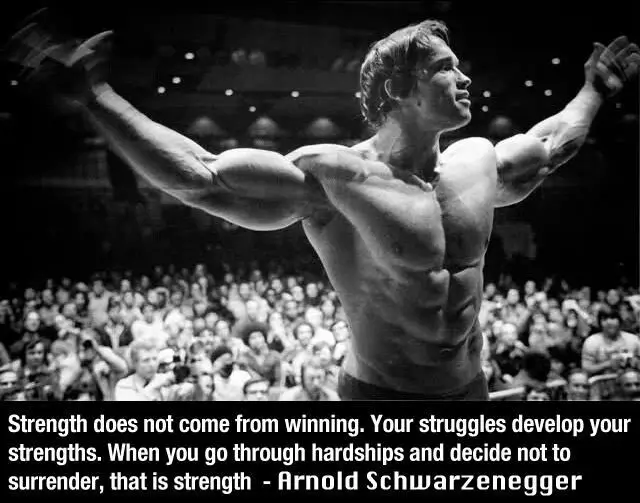
“Strengths does not come from winning. It comes from the struggle. When you go through hardship and decide not to surrender, that is strengths.” ;This idea, popularized by icons like Arnold Schwarzenegger, captures a universal truth: resilience is forged in pressure, not in easy victories.
In daily life, the choices we make; what we eat, how we rest, and how we respond, shape our capacity to endure. If you’re curious about how everyday decisions influence long-term resilience, consider how simple lifestyle choices like diet quality affect recovery and performance; for a practical look at the differences between food systems, see this piece on organic vs. non-organic choices and their journey from farm to fork.
The Nature of Strengths
Strengths isn’t only physical. It’s mental, emotional, and behavioral. When someone wins a competition, observers often see only the final score. What they don’t see are the sleepless nights, repeated failures, and course corrections that came before. That accumulation of small, difficult experiences; setbacks, pain, humility; creates a deeper durability than any single triumph ever could.
Key elements that define strengths:
- Repeated exposure to challenge (progressive overload for the mind as well as the body)
- Conscious choices to persist rather than retreat
- Learning and adapting after each setback
This process mirrors how muscles grow: stress causes microdamage, and rest plus nutrition rebuilds tissue stronger than before.
How Struggle Builds Strengths
Struggle teaches useful habits. When confronted with difficulty, you develop problem-solving routines, grit, and a tolerance for discomfort. These habits then compound over time: each tough episode becomes evidence you can handle the next one. Practically:
- Break large obstacles into smaller, solvable steps.
- Treat failures as data, not identity.
- Celebrate small wins to keep motivation steady.
Importantly, choosing to face hardship doesn’t mean seeking unnecessary suffering—it means committing to growth when pain is a likely byproduct. This perspective shifts the narrative from “avoiding pain” to “optimizing the path to resilience.”
Nutrition, Recovery, and Practical Support
Building strengths requires fuel. Recovery and adaptation rely on proper nutrition and rest, which makes dietary strategy a practical pillar of resilience. If you consistently push your limits—physically or mentally—you need to support repair processes. One straightforward way to do that is by making protein a reliable part of every meal and snack. For easy, actionable tips on how to boost protein throughout your day, check out this guide on how to increase your protein intake.
Other recovery basics:
- Prioritize sleep quality and duration
- Include anti-inflammatory foods and adequate hydration
- Use progressive rest days—active recovery rather than complete inactivity
When these foundations are in place, the body and mind can translate struggle into durable strengths rather than chronic wear and tear.
Applying the Lesson: Small Steps That Lead to Big Gains
You don’t need dramatic overhauls to build resilience. Aim for consistent, modest improvements:
- Pick one uncomfortable habit—cold showers, early starts, or a difficult conversation—and practice it regularly.
- Track setbacks and identify a single lesson from each one.
- Support your body with simple nutrition and recovery habits so setbacks become learning opportunities, not breakdowns.
Over months and years, these micro-choices accumulate into a level of stamina and composure that feels effortless from the inside but is grounded in deliberate struggle.
Conclusion
True strengths is earned in the trenches of everyday challenge. By reframing struggle as growth, supporting your body with smart recovery and nutrition, and treating setbacks as steps rather than stops, you cultivate a resilient life—one in which not surrendering becomes your default response.
Strengths does not come from winning. It comes from the struggle. Read More »