
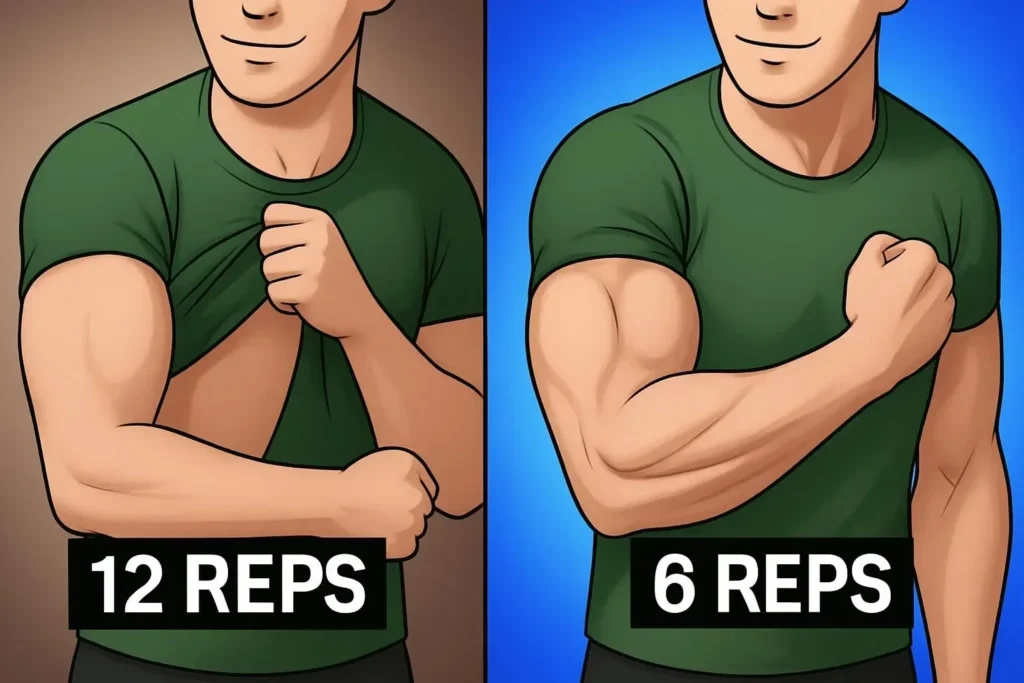
8 Reasons Your Shoulders Are NOT Growing (Science Based)
Stalled Shoulders: 8 Science-Backed Reasons and Fixes
Shoulder gains stall for many lifters because the shoulder is a complex joint with three heads (anterior, lateral, posterior) and a lot of surrounding stabilizers — and overlooking one small detail can blunt growth. If your shoulders look the same month after month, the problem is usually a combination of training, recovery, and movement quality rather than “bad genetics.” For practical help with training consistency and gear, consider whether what you wear and how you prepare affects your sessions: apparel to fuel your workouts.
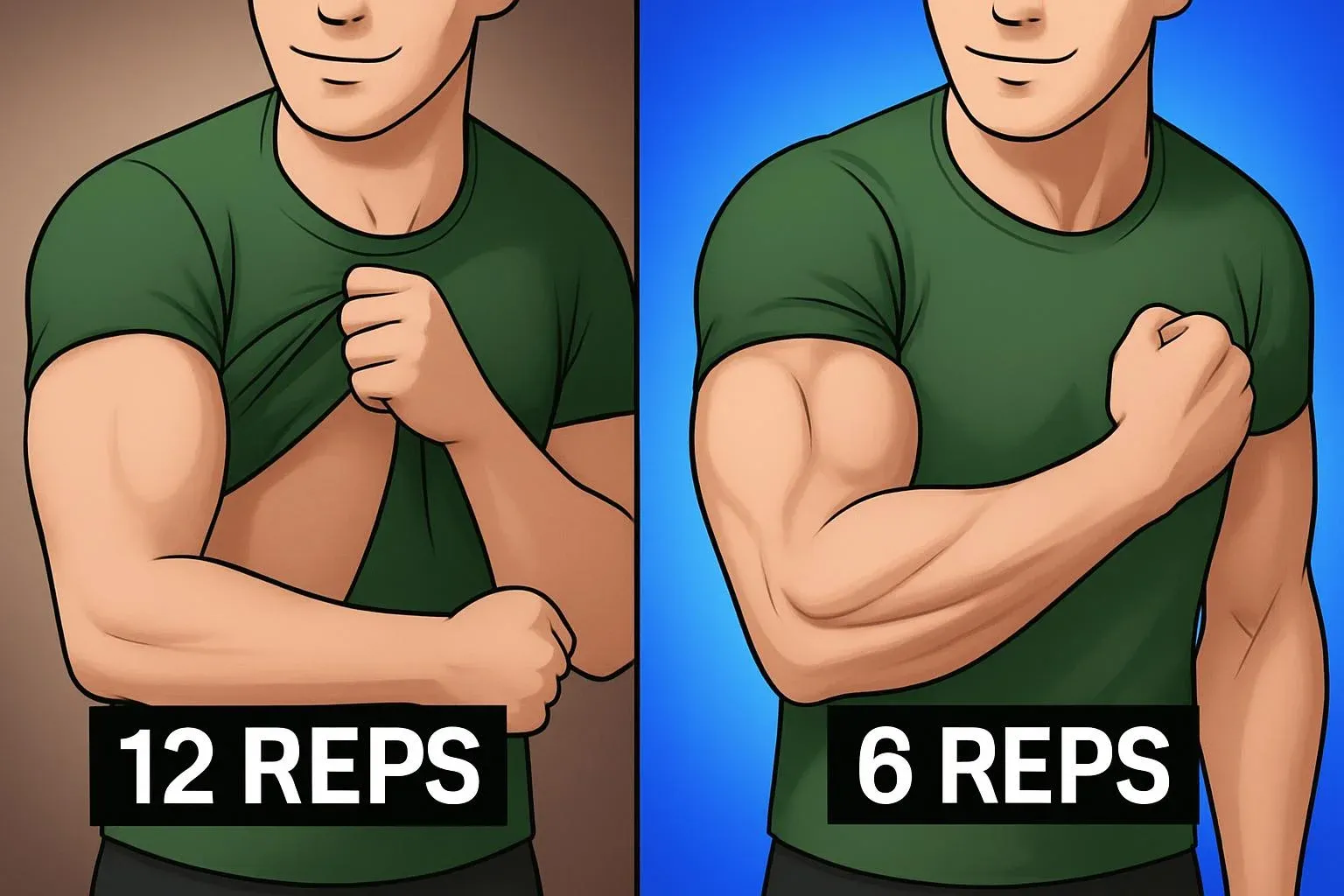
What follows are eight science-based reasons your shoulders aren’t growing, what’s happening physiologically, and clear fixes you can apply this week.
- You’re not applying progressive overload
- Why it stalls growth: Muscle hypertrophy requires increasing mechanical tension over time. If sets and weights don’t gradually increase, stimulus plateaus.
- Fix: Track load, reps, or sets. Aim to add 1–3 reps, 2–5% load, or an extra set every 1–3 weeks. Use a simple progressive plan (e.g., 3×8 → 3×9 → 3×10 → increase weight).
- Poor exercise selection — not targeting all heads
- Why it stalls growth: Overemphasis on pressing hits the anterior deltoid and chest; lateral and posterior heads get neglected, leaving shoulders underdeveloped.
- Fix: Include a balanced mix: compound presses (standing/ seated), lateral raises for the medial head, and face pulls or reverse flyes for the posterior head. Rotate variations every 4–8 weeks.
- Bad technique and too much momentum
- Why it stalls growth: Using body swing or dominant traps reduces tension on the delts and shifts load away from the target muscles.
- Fix: Slow the eccentric phase, pause briefly at the bottom or top, and use lighter weights with strict form. Tempo like 2s up, 3s down increases time under tension safely.
- Insufficient training volume or wrong frequency
- Why it stalls growth: Shoulders respond well to moderate volume spread across the week. Too few sets or too long between sessions limits cumulative stimulus.
- Fix: Aim for 8–16 total weekly working sets per shoulder (all heads combined), split across 2–3 sessions. Adjust based on recovery and progress.
- You never change rep ranges or time under tension
- Why it stalls growth: Muscles adapt to the same stimulus. Only using heavy low reps or light high reps exclusively limits hypertrophy pathways.
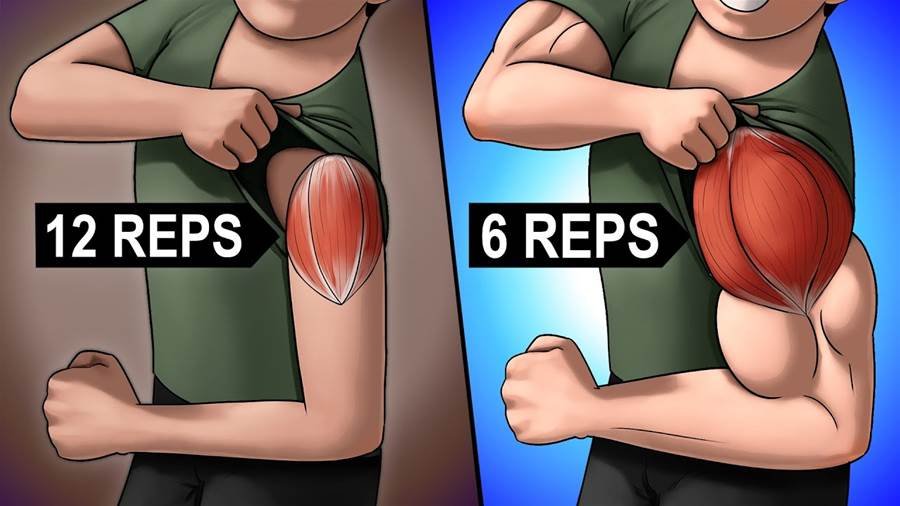
- Fix: Cycle rep ranges: 6–8 weeks of moderate-heavy (4–8), followed by 4–6 weeks of higher volume (8–15) focusing on tempo and pump work.
- Scapular instability and limited mobility
- Why it stalls growth: Poor scapular control or restricted external rotation limits range and forces compensatory patterns that reduce deltoid loading and increase injury risk.
- Fix: Add scapular stability drills (banded pull-aparts, serratus punches) and mobility work (thoracic extensions, banded shoulder distractions). Strengthen rotator cuff with light external rotation work.
- Overlapping dominant movements (too much pushing)
- Why it stalls growth: If your program is chest/press-heavy, the anterior deltoid becomes fatigued and under-recovered, while middle/posterior delts are under-stimulated.
- Fix: Balance your program — reduce redundant pressing volume, place direct lateral/posterior work earlier in sessions, and prioritize delts at least once per week as the main focus.
- Recovery and nutrition are inadequate
- Why it stalls growth: Muscle protein synthesis, hormonal environment, and glycogen availability drive hypertrophy. Without calories, protein, and sleep, progress stops.
- Fix: Eat ~0.7–1.0 g protein per pound bodyweight (higher end if leaner), maintain a small caloric surplus if you want size, and aim for 7–9 hours sleep. For more on meeting nutrient needs for performance and recovery, see optimizing your nutrient intake.
Conclusion
If you’ve addressed form, programming, and recovery and still struggle, a deep-dive resource can help you troubleshoot specifics and advanced programming tweaks — see this detailed breakdown: 8 Reasons Why Your Shoulders Aren’t Growing | BOXROX.
Action steps this week: pick two fixes from the list (one training and one recovery), track them for 4–6 weeks, and reassess progress.
8 Reasons Your Shoulders Are NOT Growing (Science Based) Read More »