shoulder workouts

Illustration of shoulder workouts for optimal shoulders growth results.

8 Reasons Your Shoulders Are NOT Growing (Science Based)

Stalled Shoulders: 8 Science-Backed Reasons and Fixes

Shoulder gains stall for many lifters because the shoulder is a complex joint with three heads (anterior, lateral, posterior) and a lot of surrounding stabilizers — and overlooking one small detail can blunt growth. If your shoulders look the same month after month, the problem is usually a combination of training, recovery, and movement quality rather than “bad genetics.” For practical help with training consistency and gear, consider whether what you wear and how you prepare affects your sessions: apparel to fuel your workouts.
8 Reasons Your Shoulders Are NOT Growing (Science Based)

What follows are eight science-based reasons your shoulders aren’t growing, what’s happening physiologically, and clear fixes you can apply this week.

  1. You’re not applying progressive overload
  • Why it stalls growth: Muscle hypertrophy requires increasing mechanical tension over time. If sets and weights don’t gradually increase, stimulus plateaus.
  • Fix: Track load, reps, or sets. Aim to add 1–3 reps, 2–5% load, or an extra set every 1–3 weeks. Use a simple progressive plan (e.g., 3×8 → 3×9 → 3×10 → increase weight).
  1. Poor exercise selection — not targeting all heads
  • Why it stalls growth: Overemphasis on pressing hits the anterior deltoid and chest; lateral and posterior heads get neglected, leaving shoulders underdeveloped.
  • Fix: Include a balanced mix: compound presses (standing/ seated), lateral raises for the medial head, and face pulls or reverse flyes for the posterior head. Rotate variations every 4–8 weeks.
  1. Bad technique and too much momentum
  • Why it stalls growth: Using body swing or dominant traps reduces tension on the delts and shifts load away from the target muscles.
  • Fix: Slow the eccentric phase, pause briefly at the bottom or top, and use lighter weights with strict form. Tempo like 2s up, 3s down increases time under tension safely.
  1. Insufficient training volume or wrong frequency
  • Why it stalls growth: Shoulders respond well to moderate volume spread across the week. Too few sets or too long between sessions limits cumulative stimulus.
  • Fix: Aim for 8–16 total weekly working sets per shoulder (all heads combined), split across 2–3 sessions. Adjust based on recovery and progress.
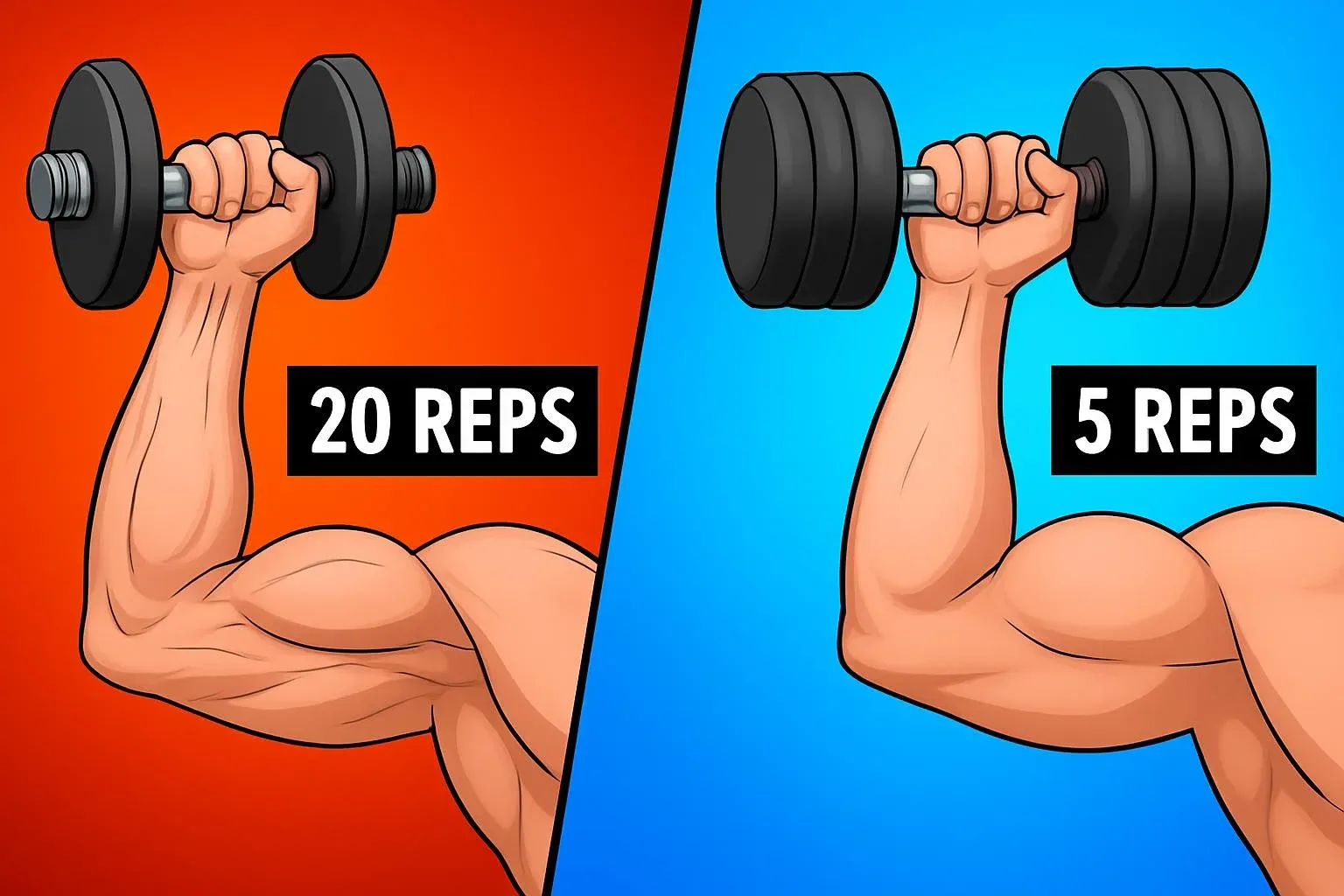
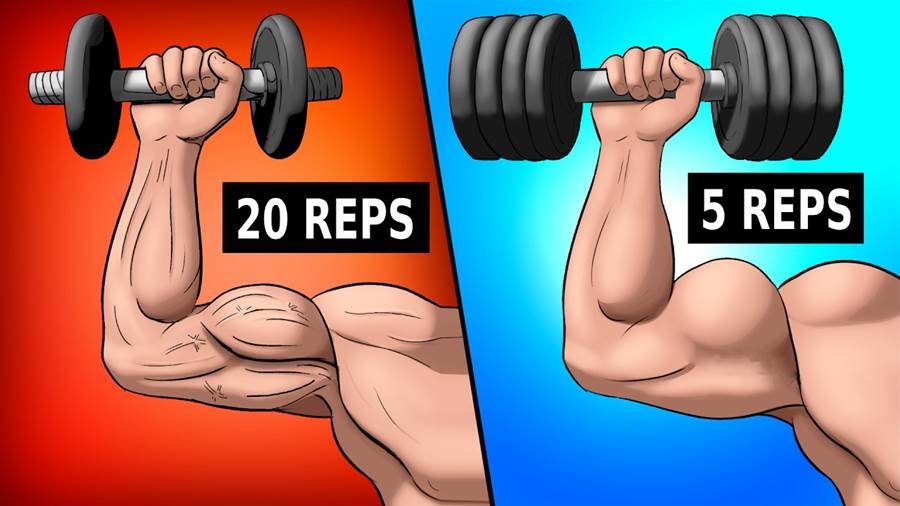
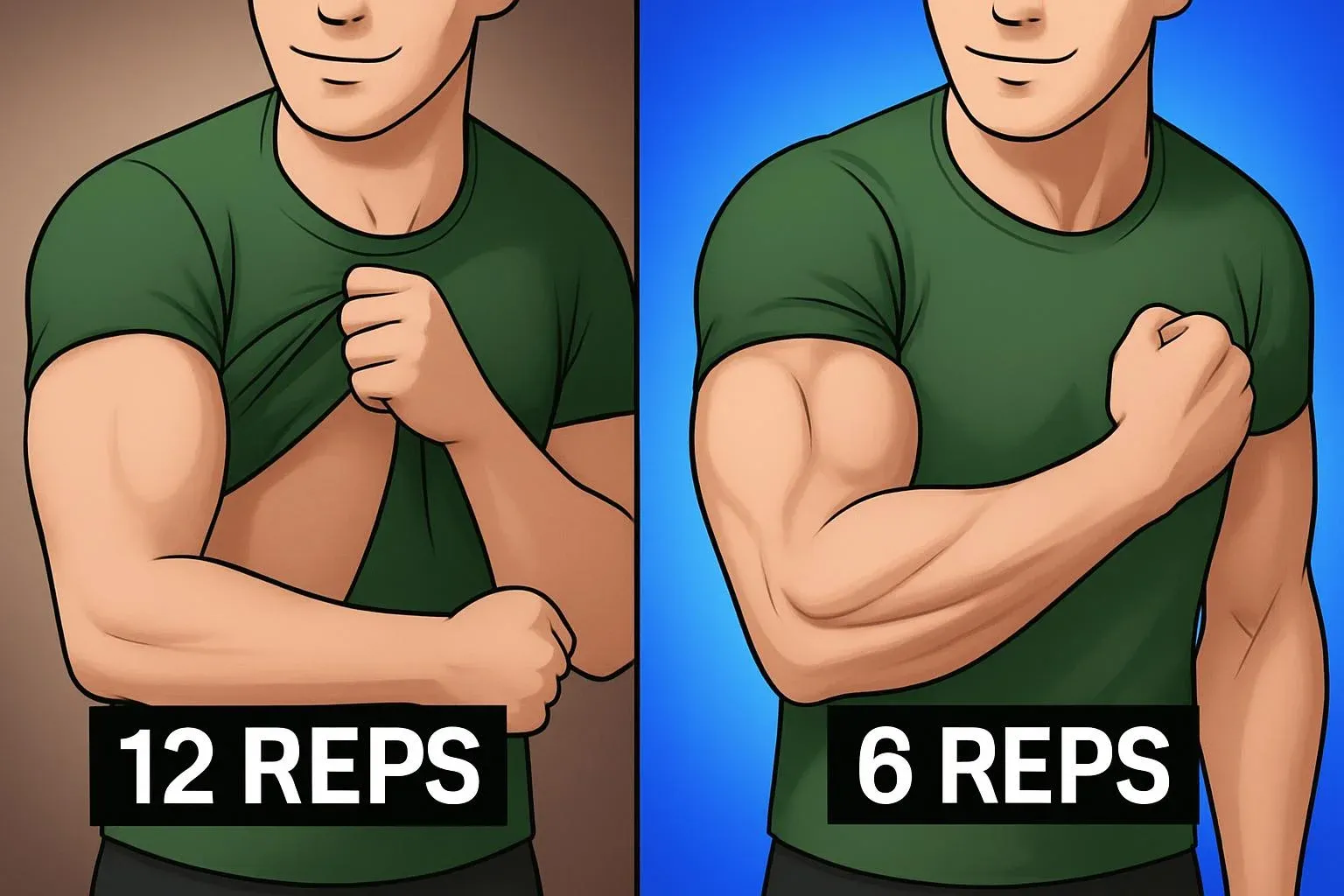
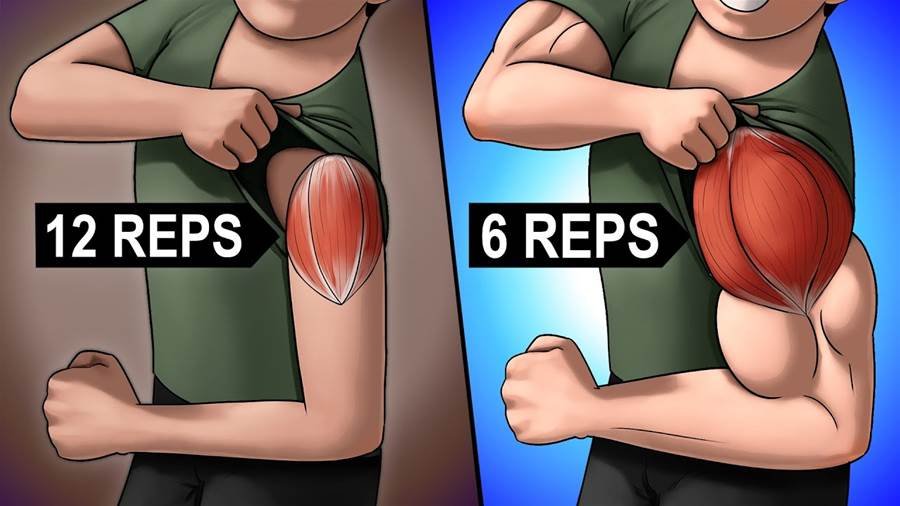
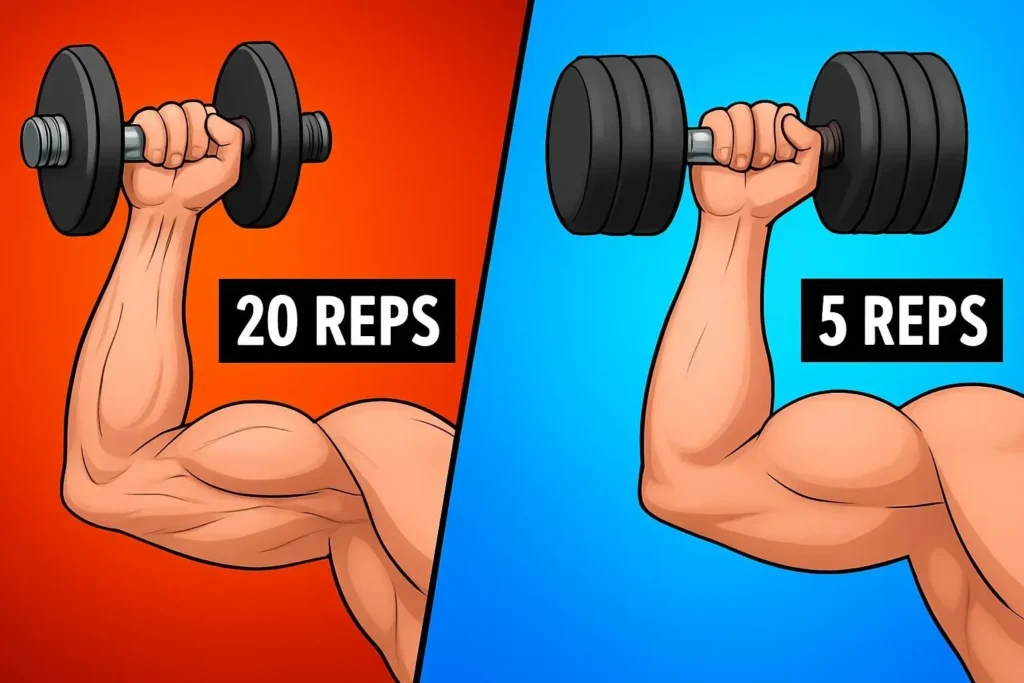
  1. You never change rep ranges or time under tension
  • Why it stalls growth: Muscles adapt to the same stimulus. Only using heavy low reps or light high reps exclusively limits hypertrophy pathways.
  • Fix: Cycle rep ranges: 6–8 weeks of moderate-heavy (4–8), followed by 4–6 weeks of higher volume (8–15) focusing on tempo and pump work.
  1. Scapular instability and limited mobility
  • Why it stalls growth: Poor scapular control or restricted external rotation limits range and forces compensatory patterns that reduce deltoid loading and increase injury risk.
  • Fix: Add scapular stability drills (banded pull-aparts, serratus punches) and mobility work (thoracic extensions, banded shoulder distractions). Strengthen rotator cuff with light external rotation work.
  1. Overlapping dominant movements (too much pushing)
  • Why it stalls growth: If your program is chest/press-heavy, the anterior deltoid becomes fatigued and under-recovered, while middle/posterior delts are under-stimulated.
  • Fix: Balance your program — reduce redundant pressing volume, place direct lateral/posterior work earlier in sessions, and prioritize delts at least once per week as the main focus.
  1. Recovery and nutrition are inadequate
  • Why it stalls growth: Muscle protein synthesis, hormonal environment, and glycogen availability drive hypertrophy. Without calories, protein, and sleep, progress stops.
  • Fix: Eat ~0.7–1.0 g protein per pound bodyweight (higher end if leaner), maintain a small caloric surplus if you want size, and aim for 7–9 hours sleep. For more on meeting nutrient needs for performance and recovery, see optimizing your nutrient intake.
8 Reasons Your Shoulders Are NOT Growing (Science Based)

Conclusion

If you’ve addressed form, programming, and recovery and still struggle, a deep-dive resource can help you troubleshoot specifics and advanced programming tweaks — see this detailed breakdown: 8 Reasons Why Your Shoulders Aren’t Growing | BOXROX.

Action steps this week: pick two fixes from the list (one training and one recovery), track them for 4–6 weeks, and reassess progress.

8 Reasons Your Shoulders Are NOT Growing (Science Based) Read More »
, , , ,
Person demonstrating correct shoulder workouts technique for better results

Stop Sabotaging Your Shoulders: The Top 7 Errors Everyone Makes in Shoulder Workouts

Shoulder-Smart: 7 Mistakes to Stop Now

Your shoulders are a complex joint and one of the most injury-prone areas when training. Small technique errors or programming oversights can stall progress and cause pain. This article walks through the seven most common shoulder-workout mistakes, why they matter, and practical fixes so you can train smarter and safer.

Stop Sabotaging Your Shoulders: The Top 7 Errors Everyone Makes in Shoulder Workouts

Introduction: before diving into the errors, remember that balance between mobility, stability, and strength is key. If you want targeted accessory work to reinforce your pressing and overhead strength, try these recommended cable moves for balanced deltoid development: top 5 cable exercises.

  1. Using Too Much Weight (and Losing Form)
  • What happens: Ego-driven loads commonly lead to momentum, scapular elevation, and poor joint tracking.
  • Why it’s bad: Overloading without control shifts stress to ligaments and the neck, increasing injury risk.
  • Fix: Drop the weight until you can control the full range with a slow eccentric and solid bracing. Progress with small jumps and track reps done with perfect form.
  1. Neglecting External Rotation
  • What happens: Many press-heavy programs ignore rotator cuff strength and external rotation work.
  • Why it’s bad: Weak external rotators allow the humeral head to migrate forward during presses, causing impingement.
  • Fix: Add light-band or cable external rotation sets at the end of sessions; 3 sets of 12–15 reps prevents imbalance.
  1. Overemphasizing Front Delts
  • What happens: Too many bench and front-raise variations lead to dominant anterior delts and rounded shoulders.
  • Why it’s bad: Imbalanced delts alter scapulothoracic mechanics and can reduce overhead capacity.
  • Fix: Prioritize lateral and posterior deltoid work and integrate scapular retraction cues. For a balanced routine blueprint, see recommended deltoid-focused workouts: best shoulder exercises.
  1. Poor Scapular Control During Overhead Work
  • What happens: Shrugging or letting the scapulae wing or excessively elevate during presses.
  • Why it’s bad: Without stable scapulae, the glenohumeral joint suffers uneven load distribution.
  • Fix: Practice scapular upward rotation and depression drills with light loads, and cue “pack the shoulders” before each rep.
  1. Too Much Range, Too Fast (especially behind-the-neck work)
  • What happens: Aggressive behind-the-neck presses and uncontrolled ranges force excessive external rotation.
  • Why it’s bad: These positions can impinge the subacromial space and strain the capsule.
  • Fix: Favor front-facing overhead presses and use controlled ROM. If you include behind-the-neck lifts, do so cautiously and only if you have excellent shoulder mobility.
  1. Skipping Warm-Ups and Mobility
  • What happens: Jumping into heavy overhead or complex pressing without priming the joint.
  • Why it’s bad: Cold tissues and restricted thoracic extension make compensations more likely.
  • Fix: Use 5–10 minutes of dynamic mobility focused on thoracic extension, banded pull-aparts, and light rotator cuff activation.
  1. Programming Imbalance — Too Much Volume Without Recovery
  • What happens: High-frequency pressing or constant heavy sets without deloads.
  • Why it’s bad: Cumulative microtrauma to the shoulders leads to tendonitis and chronic soreness.
  • Fix: Monitor subjective soreness and performance. Cycle intensity, include deload weeks, and vary rep schemes to allow recovery.

Quick technique cues to use every set

  • Maintain a neutral spine and braced core.
  • Keep the shoulder blade set (not shrugged) throughout pressing.
  • Move with a controlled tempo — 2–3 seconds on the lowering phase.
  • Prioritize full, pain-free range of motion over ego-driven depth or load.

Programming example (starter)

  • Day A: Overhead press 4×6 (moderate weight), lateral raises 3×12, band external rotations 3×15
  • Day B: Incline or seated press 3×8, face pulls 3×15, rear-delt flyes 3×12
  • Rotate intensity weekly and include a lighter accessory day to emphasize technique.

If you’re rehabbing an existing shoulder issue, consult a qualified physiotherapist and avoid any movement that produces sharp pain. Small adjustments — better scapular control, balanced accessory work, and sensible load progression — often yield big gains in pain reduction and strength.

Stop Sabotaging Your Shoulders: The Top 7 Errors Everyone Makes in Shoulder Workouts

Conclusion

Fixing these seven common shoulder mistakes will keep you progressing and reduce your risk of injury. If you also perform dips or triceps-heavy work, be aware that errors in those movements can indirectly affect shoulder health — learn more about the most common dip pitfalls here: 7 Dumbest Dip Mistakes Sabotaging Your Triceps Growth …

Stop Sabotaging Your Shoulders: The Top 7 Errors Everyone Makes in Shoulder Workouts Read More »

, , , ,
Scroll to Top