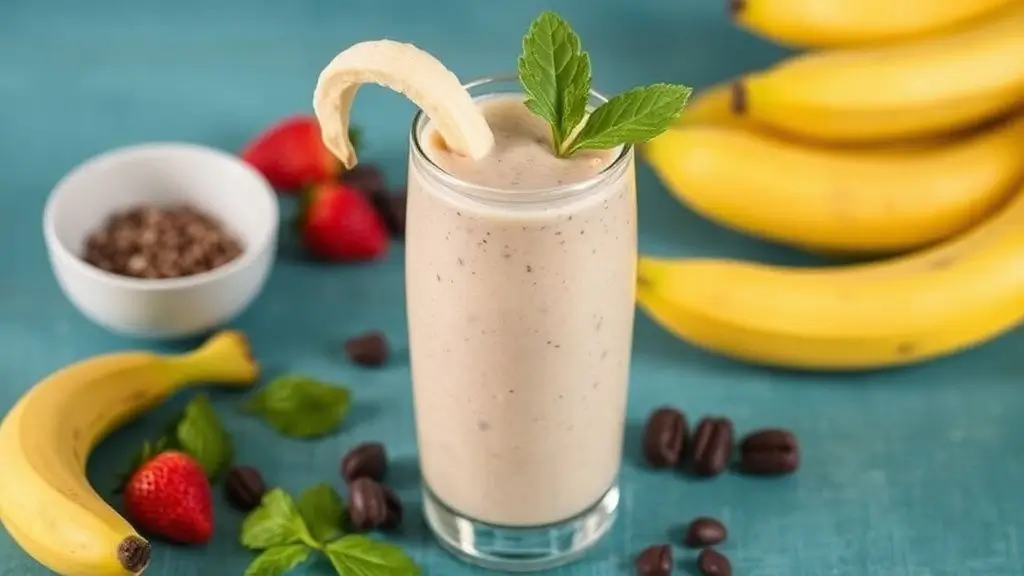
That creamy, delicious banana might be sabotaging the health benefits of your morning smoothie. A groundbreaking new study reveals that adding a single banana can reduce your body’s absorption of heart-healthy flavanols by a staggering 84%.
But before you banish bananas for good, the real takeaway is more nuanced. It’s not that bananas are bad; it’s that smoothie combinations are a science. Depending on your health goals, your fruit choices can make or break your drink’s nutritional power.
The Enzyme to Blame: Polyphenol Oxidase (PPO)
Published in the Food & Function journal, researchers from the University of California, Davis, pinpointed the culprit: an enzyme called polyphenol oxidase (PPO).
You’ve seen PPO in action; it’s what causes bananas, apples, and other fruits to turn brown when exposed to air. In your smoothie, this enzyme doesn’t just affect color; it actively breaks down the precious flavanols before your body can absorb them.
Flavanols are bioactive compounds celebrated for their profound benefits to heart and brain health.
How the Study Unfolded
To get practical, real-world results, lead author Javier Ottaviani and his team designed a simple test:
Participants drank a smoothie made with banana (high in PPO).
They drank another smoothie made with mixed berries (low in PPO).
For a baseline, they also took a pure flavanol capsule.
By analyzing blood and urine samples, the researchers could see exactly how much flavanol was absorbed.
The “Shocking” Result
The finding was dramatic. The banana smoothie led to up to 84% lower flavanol levels in the body compared to the control.
“We were really surprised to see how quickly adding a single banana decreased the level of flavanols… This highlights how food preparation and combinations can affect the absorption of dietary compounds.” — Javier Ottaviani, Lead Author
The Verdict: Should You Stop Adding Bananas?
Not necessarily. This isn’t a call to eliminate bananas, which are packed with potassium, fiber, and energy-boosting carbs.
Instead, it’s about intentionality. Ask yourself: What is the primary goal of my smoothie?
If your goal is to maximize flavanol intake for cardiometabolic health, skip high-PPO fruits like bananas and apples. Combine flavanol-rich foods (like berries, cocoa, green tea) with low-PPO fruits like pineapple, mango, oranges, or citrus.
If your goal is quick energy, muscle recovery, or digestive health, the banana remains an excellent, nutritious choice.
Never before have we had a bigger appetite for protein. Everyone seems to be waxing poetic about this macronutrient as it’s being hyped as the means to packing on more muscle and slashing hunger. Indeed, if you are focused on supporting muscle recovery and growth after hitting the gym, feeling less peckish following a meal, maintaining bones of steel, and keeping your immune system firing on all cylinders, then eating enough protein is crucial. So it’s a good thing that more people are becoming aware of their protein needs.
This has left consumers on the hunt for easy ways to get more protein in their diet. And food and beverage manufacturers have taken notice. While protein bars and shakes are still out there in spades, more and more brands are adding protein to many unsuspecting foods. Protein-packed spaghetti and high-protein everything bagels. Chocolate chip cookies with as much protein as a trio of eggs. Watermelon flavored protein gels. Vanilla glazed donuts with 20 grams of protein. Fruity-tasting protein soda. Yes, we are in a golden era of protein-enhanced food. I won’t be surprised if I get a pitch sometime soon for a protein crusted frozen fish fillet or protein-enhanced carrot sticks. It’s never been easier to eat heaps of protein.
Despite all the hoopla, we need to proceed with caution when it comes to the crazy world of protein-rich, on-the-go foods. Not all foods and drinks boosted with protein are what you should be eating. Here’s what you need to know about the products beefed up with protein and how to figure out if you should go all-in. Spoiler alert: Foods that are naturally high-protein without a helping hand from food producers are still the best muscle-makers money can buy.
1. Are These Foods Right for You?
Yes, these protein-enhanced foods make it easier to get the necessary amount of this muscle-making macro, but that doesn’t mean you have to pay up for them. As a general rule, active people who are keen on building lean body mass should aim to take in 1.6 to 2.0 grams of protein per kilogram of body weight. That is 130 to 163 grams of protein for a 180 pound guy.
So, yes, that is a sizable amount of protein you need to stuff in every day to hone your physique. But certainly not impossible if you make sure to eat sufficient amounts of protein-dense foods like chicken, eggs, fish, tofu, and Greek yogurt at your meals and snacks. And perhaps a scoop or two of protein powder into your shakes. If you do this, then the need for expensive protein-boosted foods is less pressing. After all, before all these products hit the market somehow we got by without suffering the perils of protein deficiency. Arnold did not have access to bread with 8g of protein in a slice.
The upshot is that you should try to accurately calculate your daily protein intake and then use this information to better understand your need, or not, for foods that are jacked up with extra protein.
2. Protein Quality Can Be Questionable
Perhaps protein chips and steak aren’t created equal. A recent analysis of a lofty 1,641 protein bars published in the journal Scientific Reports found that the quality of protein in most bars on the market is far from ideal for building muscle. For the study, researchers analyzed the protein content, source, and nutritional quality of numerous widely available protein bars.
Although 81% of the protein bars analyzed were considered high-protein from sources like whey and soy, when the protein sources were processed into bar form, digestibility typically dropped significantly.
The study authors surmise that the low numbers can be attributed to the use of lower-nutritional-quality proteins (such as collagen) and other ingredients such as carbohydrates, fats and fibers that may deteriorate the bioaccessibility of essential amino acids. So 20 grams of protein from a bar may not be equivalent to the same amount of the macro from a hunk of chicken. Another reason to focus on eating mostly whole food sources of protein. Certainly, research like this should make us question the protein quality of certain processed foods like bars.
3. Don’t Overlook Nutrition
For good reason, we have associated protein with health, but this is certainly not always the case. Just because a product as amped up their protein does not make it a nutritional hero. Never forget that protein can be just one aspect of a food. If a protein-fortified food or beverage is also laced with added artificial sweeteners, sugars, refined grains, abundant fat calories, emulsifiers, salt, and an assortment of tongue-twisting additives then you have to start questioning whether that extra protein is worth the overall nutrition cost.
For instance, I’ve come across some high-protein cereals that have more grams of added sugars than grams of protein. Protein pretzels with plenty of refined grains and sodium can still be considered ultra-processed, despite giving you way more protein than your standard ballpark option. Do your due diligence and read package labels carefully to make sure all that protein doesn’t come with too much nutritional baggage.
4. High-Protein Means Different Things To Different Brands
Not all foods advertised as being a protein heavyweight are true to their marketing. It’s easy to find so-called protein bars, protein granola, and protein candy that don’t deliver much more than the normal option. Protein has become a marketing term and some brands are leaning heavily on this without delivering the goods. Don’t believe the front-of-the-package hype until you determine for yourself how much protein the product has. There is no regulated amount of protein that a product has to contain before saying it is ‘high-protein’, but sage advice is that a protein-fortified food or drink should give you at least 8 to 10 grams in a serving.
Our Favorite Protein-Enhanced Foods
These protein-enhanced foods don’t sacrifice nutrition to go bigger on the muscle-sculpting macro.
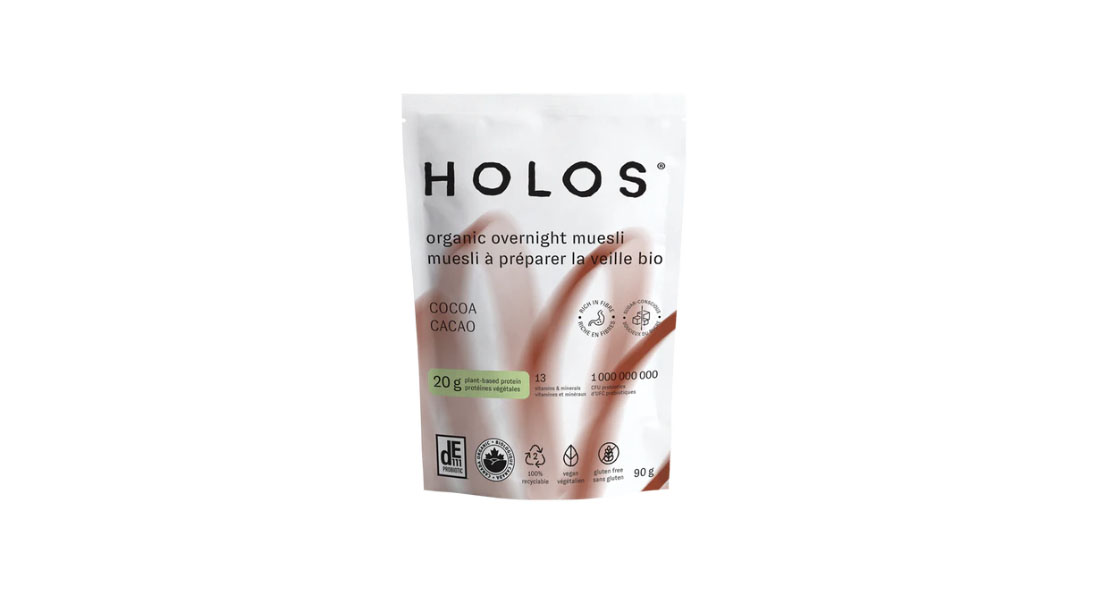
This no-cooking-required overnight muesli-oatmeal hybrid is a nutritional giant. Each pouch of oats, which you only need to dump into a jar or bowl and soak in milk for a few hours, has an impressive 20 grams of plant-based protein and 11g of dietary fiber from sources like chia seeds. There is even some probiotics in the fold to give your gut a boost. Plus, the product is low in added sugar, letting the dried fruit carry most of the sweetness. And the chocolate flavor makes it a crave-worthy breakfast. The great balance of carbs and protein makes this a good option for post-gym recovery nutrition.
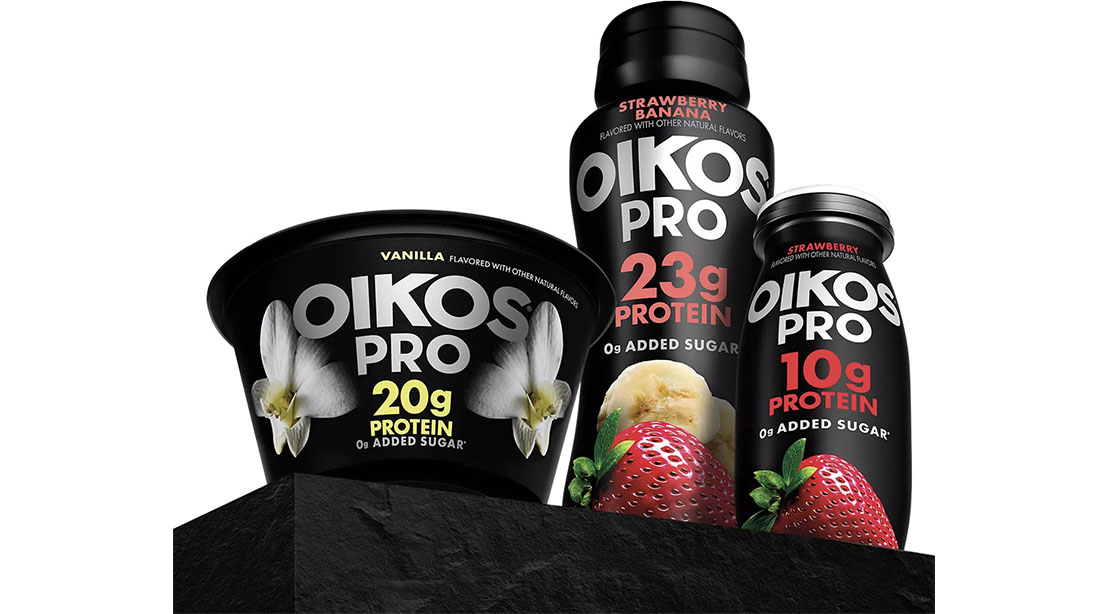
The inclusion of whey protein gives this yogurt even more of the macro than most Greek versions on the market. Plus, it’s deliciously thick without including any thickening agents and delivers just the right amount of tang. The plain flavor means there are no added sugars.
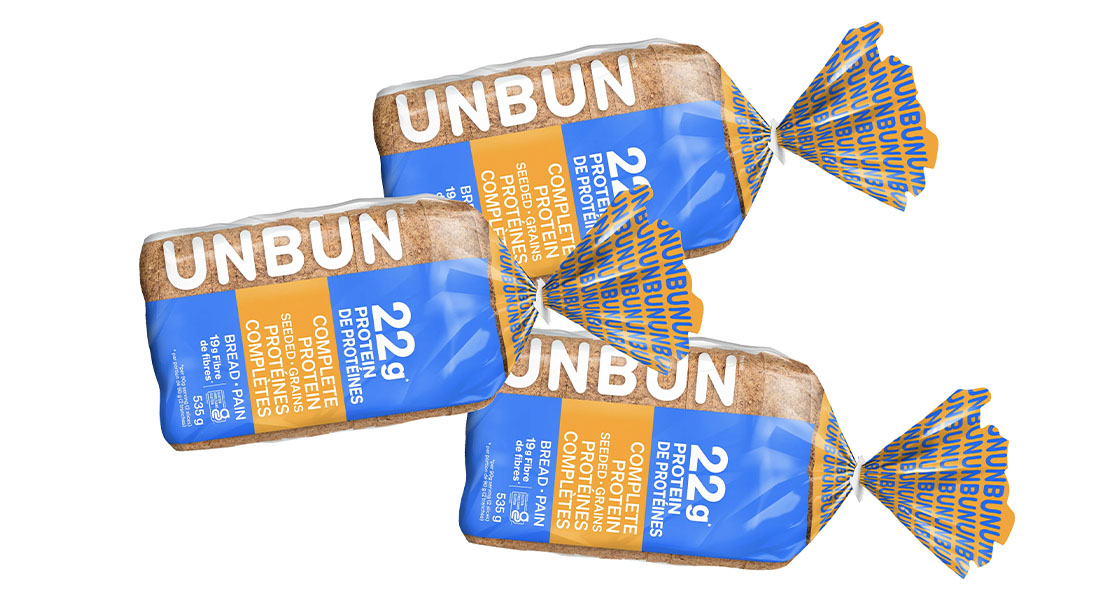
This isn’t your standard slice of doughy white sandwich bread. The bread is made with milk protein isolate and whey protein concentrate to help turn your lunch sandwiches and morning toast into a protein powerhouse. There are no refined grains or added sugar, a rarity in the commercial bread industry. And the fiber levels are off-the-charts. Just something to keep in mind if your gut isn’t used to eating high-fiber foods. If this is the case, you may want to ease into the product by starting with a single slice at a time.
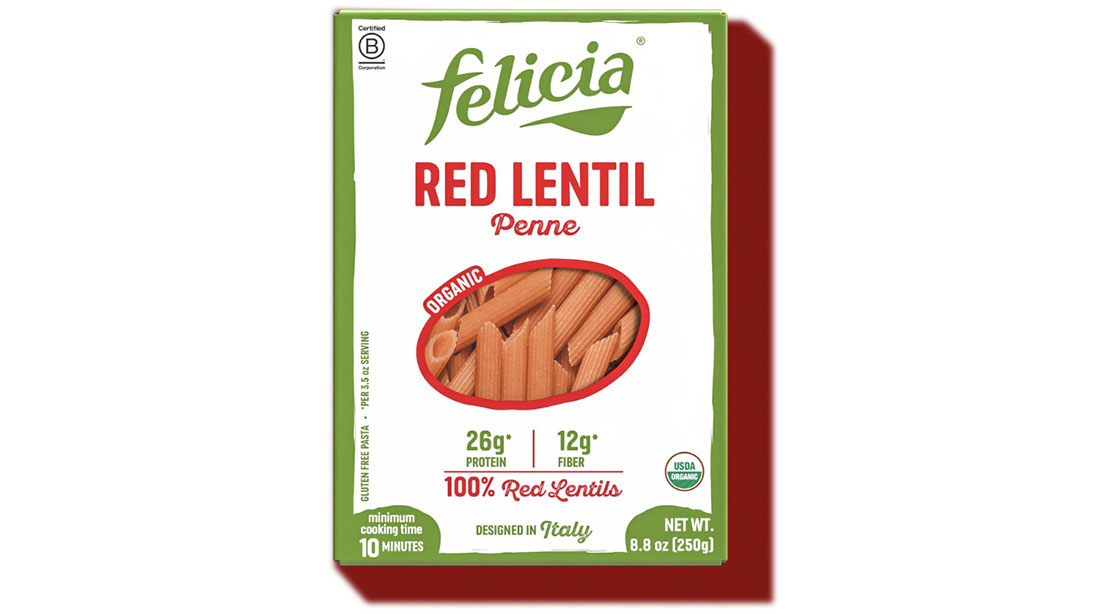
This shaped pasta is made with organic red lentil flour instead of wheat flour giving, it a serious protein and fiber advantage. And this dynamic duo makes the noodles extra satiating. When prepared as instructed, the texture doesn’t suffer. Consider this your path to next-level pasta salad.
It’s the latest trendy take on your morning cup of joe. Mushroom-coffee has exploded in popularity, transitioning from a niche wellness curiosity to a mainstream staple, with consumer interest skyrocketing by 52% year-over-year.
Brands promise everything from improved focus and immunity to better sleep and stamina. But are these claims grounded in solid science, or are they just clever marketing? Let’s brew the facts and see what’s really in your mug.
What is Exactly Mushroom Coffee?
Mushroom coffee isn’t a brew made from coffee beans that taste like mushrooms. It’s typically a powdered blend of regular coffee and extracts from functional mushrooms (also called medicinal mushrooms). These aren’t your everyday culinary varieties.
The most common functional mushrooms you’ll find in these blends are:
Lion’s Mane: Often linked to cognitive benefits and focus.
Reishi: Known as the “king of mushrooms,” it’s touted for immune support and relaxation.
Chaga: A powerful antioxidant powerhouse.
Cordyceps: Famously associated with boosting energy and athletic stamina.
Turkey Tail: Primarily recognized for its immune-modulating properties.
MyFitnessPal dietitian Lauren Cuda says that different mushrooms offer different benefits; for example, lion’s mane may be good for focus (6), reishi for boosting the immune system (8), and cordyceps for to boost stamina (9). “No one type is definitively better,” she says.
Want another natural way to fuel your body? Try my Protein Pumpkin Pie Recipe for a delicious, nutrient-dense snack that supports muscle recovery and satisfies sweet cravings.
Be aware that most scientific evidence for these supposed benefits comes from research on pure mushroom extracts (sometimes taken as supplements), not mushroom coffee blends. To date, there haven’t been major rigorous clinical trials to assess the health impacts of mushroom coffee in humans.
Mushroom coffee may have less caffeine than regular coffee depending on the brand (10, 11), so if you like the taste, it could be a great way to enjoy a warm brew without the caffeine jitters.
The Crucial Caveat: Where’s the Proof?
Here’s the most important thing to understand: Most scientific evidence for these benefits comes from studies on pure, high-dose mushroom extracts or supplements; not from mushroom coffee powders.
To date, there have been no major, rigorous clinical trials on humans drinking mushroom coffee. The amount of mushroom extract in your daily cup is often much lower than the doses used in studies showing benefits. So, while the components are being researched, the product itself lacks robust scientific backing.
Culinary vs. Functional Mushrooms
While everyday culinary mushrooms (like portobello, button, and shiitake) are eaten for their taste and texture, functional mushrooms (like those in mushroom coffee) are consumed for their potential health benefits.
Mushrooms are naturally low in calories, but rich in nutrients such as:
According to Cuda, functional mushrooms tend to be tough, woody, or bitter; which is why they are usually processed into extract forms like supplements or mushroom coffee.
“Eating culinary mushrooms is a great way to support overall nutrition, but if your goal is to incorporate functional mushrooms, a supplement or mushroom coffee may be a more practical option,” Cuda says. It all depends on your health preferences.
About the Expert
Lauren Cuda, RD is a Food Data Curator at MyFitnessPal. She earned her bachelor’s degree in Dietetics from Missouri State University and her master’s degree in Nutrition Diagnostics from Cox College. With over 10 years of experience, she specializes in pediatric nutrition, malnutrition, and nutrition support.
Pros and Cons of Mushroom Coffee: A Balanced Look
Mushroom Coffee Benefits
Lower Caffeine: It typically contains less caffeine than regular coffee, which is great for those sensitive to the jitters.
Possible benefits of mushrooms may include(7) (8):
Immune support
Reduced inflammation
Improved focus
Enhanced stamina
Potential Benefits of Mushroom Coffee: You may get a subtle, supportive dose of the properties associated with the mushrooms in your blend (e.g., slight immune support from Reishi, focus from Lion’s Mane).
Nutrient Introduction: It’s a way to incorporate functional mushrooms into your routine without taking another pill.
Mushroom Coffee Drawbacks
However, most benefits of functional mushrooms are based on animal studies or isolated mushroom extracts; not on brewed mushroom coffee. It’s unknown whether or not these benefits apply to humans.
According to Cuda, mushroom coffee may interact with medications such as immunosuppressants, blood pressure drugs, blood thinners, and medications for diabetes (7, 8, 9). “Always check with your healthcare provider,” she says.
Frequently Asked Questions (FAQs)
Does mushroom coffee taste different from regular coffee?
Mushroom coffee tastes similar to regular coffee, often with a mild earthy or nutty undertone. Quality and flavor generally depend on the brand.
Does mushroom coffee have a lower nutrient content than whole functional mushrooms?
Although it’s hard to quantify, Cuda says that mushroom coffee likely has less nutritional value due to processing and smaller amounts used.
How does mushroom coffee compare to other coffee alternatives, like matcha and yerba mate?
Mushroom coffee typically contains less caffeine than matcha or yerba mate, which could make it a good option if you are looking to decrease your caffeine intake.
The Bottom Line: Should You Try It?
If you’re interested in consuming functional mushrooms, mushroom coffee may be a good option to potentially reap the possible benefits of functional mushrooms while getting an energy boost.
Keep in mind that there is very little research backing up the benefits of mushroom coffee. If you want to consume the caffeine of coffee and the nutrients of mushrooms, regular old coffee and culinary mushrooms might be a cheaper and more researched choice.
So, is mushroom coffee worth a sip? The answer is a nuanced one.
Yes, if: You are curious about functional mushrooms, want to slightly reduce your caffeine intake, and don’t mind the earthy flavor and higher price tag. Think of it as a potential wellness supplement rather than a direct coffee replacement.
No, if: You are expecting a miracle cure, are on a tight budget, or want proven, dramatic results. For most people, sticking with regular coffee and adding nutritious culinary mushrooms (like shiitake or portobello) to your meals is a more researched and cost-effective approach.
Final Sip: Mushroom coffee isn’t a magic potion, but it’s not a complete scam either. It’s a functional beverage with potential, yet-to-be-fully-proven benefits. If you’re intrigued, buy a small container and see how your body responds. But as with any health trend, sip with a critical mind.