Whether you’re pushing through heavy sets or finishing with high reps, what you eat before and after lifting matters. Proper timing and food choices help power your workout, protect muscle, and speed recovery—so you get stronger, faster. For a comfortable, confident session, pair your nutrition plan with comfortable gym outfits like these comfortable gym outfits that stay out of the way while you train.
Quick rules of thumb
Pre-workout: prioritize easily digested carbs + a little protein 30–90 minutes before lifting. Aim for a balance that prevents hunger but avoids GI distress.
During training: water is essential; for sessions >90 minutes or very intense work, consider electrolytes or a small carb drink.
Post-workout: focus on protein + carbs within 30–120 minutes to maximize muscle repair and glycogen replenishment.
Adjust portions to your body size, workout length, and goals (fat loss vs. muscle gain).
What to eat before lifting
Short workouts (under 45 minutes): A small carb snack such as a banana, rice cake with jam, or a slice of toast keeps energy steady. If you train fasted and feel fine, a small coffee and light carb may suffice.
Moderate workouts (45–90 minutes): Combine 20–40 g of carbs with 10–20 g of protein: yogurt with fruit, oatmeal and whey, or a turkey sandwich on whole grain. These choices provide fuel and reduce muscle breakdown.
Long or high-intensity sessions (>90 minutes): Add more carbs and a bit more protein. A plain bagel with nut butter and a scoop of protein, or a sports drink plus a protein bar, can help you sustain performance.
What to eat after lifting
The goal after lifting is repair and replenishment.
Protein: 20–40 g of high-quality protein (whey, dairy, lean meat, or plant-based blends) supports muscle protein synthesis.
Carbs: 0.5–1.2 g/kg body weight over the next 2–4 hours helps restore glycogen — more if you have another session the same day.
Fats: Include a small amount; large high-fat meals immediately post-workout can slow digestion but are fine later.
Quick post-workout options
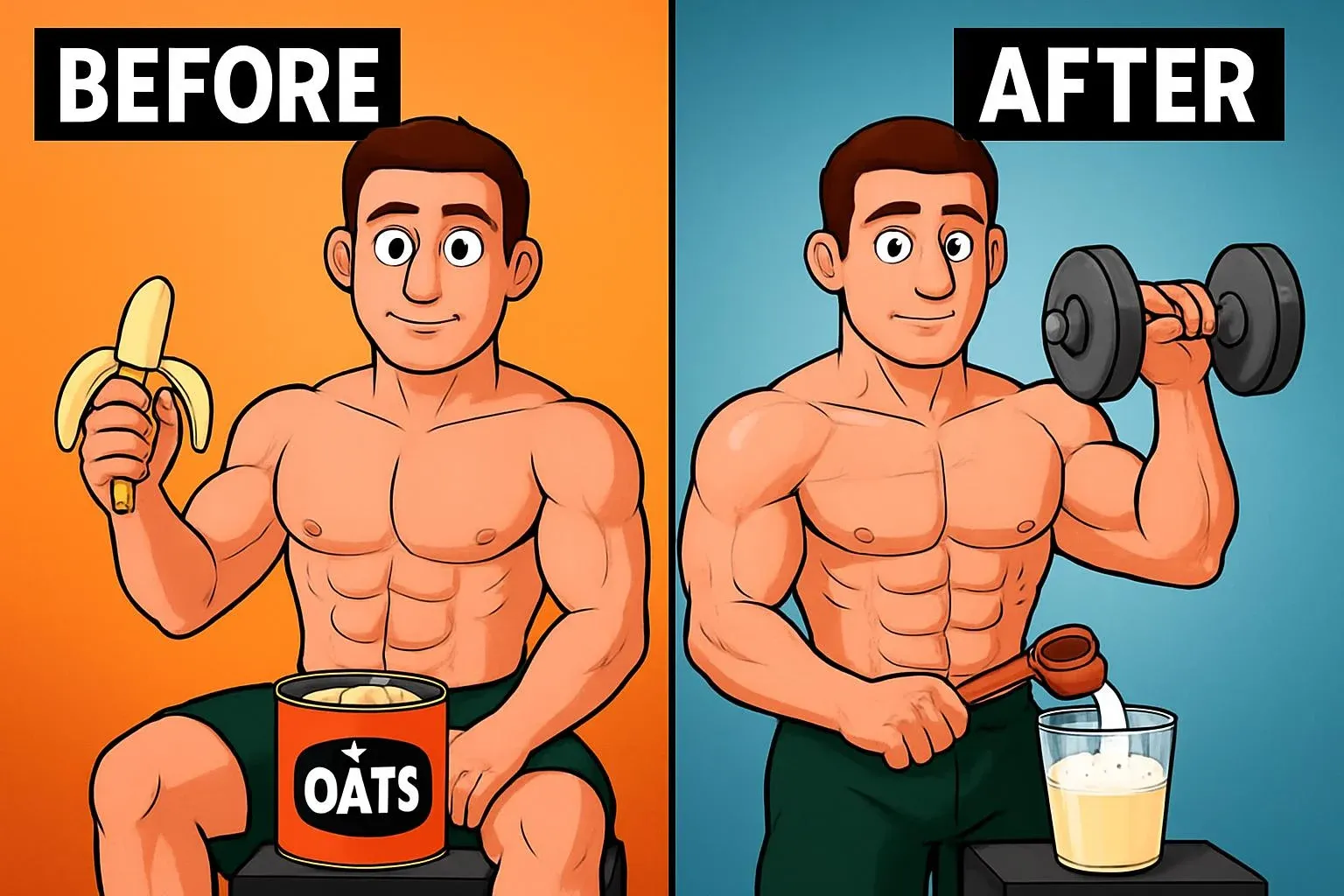
Protein shake with banana and milk (fast, portable).
Chicken, rice, and steamed veggies (balanced and filling).
Greek yogurt with granola and fruit (protein + carbs).
Hydration and electrolytes
Drink water before, during, and after sessions. For long or very sweaty workouts, include sodium and potassium (sports drinks, salted snacks, or electrolyte tablets) to maintain performance and prevent cramps.
Timing and portion tips
If training early in the morning, a small easily digested snack (half a banana, toast) often works better than a big meal.
For muscle gain, ensure daily protein targets are met (around 1.6–2.2 g/kg body weight), not just the post-workout window.
If you’re unsure when to push heavier or increase volume, read about signs for progression and when to increase weight to match your nutrition plan.
Sample day for a 75–90 minute lifting session
60–90 minutes before: oatmeal with fruit + small scoop of protein.
During: water; sip electrolytes if needed.
0–60 minutes after: whey shake + banana or chicken and rice.
2–4 hours later: balanced meal with vegetables, whole grains, and lean protein.
Practical meal ideas by goal
Strength/mass: larger portions, more total calories, frequent protein every 3–4 hours.
Fat loss: keep pre-workout carbs moderate, emphasize protein to preserve muscle, and create a controlled calorie deficit.
Performance/endurance: prioritize carbs around the session and replenish glycogen thoroughly.
Fueling your workout with the right Natural Pre-Workout Foods can boost performance, sharpen focus, and speed recovery; without relying on processed supplements. Whether you’re training for strength, endurance, or general fitness, choosing whole-food options that combine fast energy, sustained carbs, electrolytes, and a bit of protein gives you the best results. If you want ideas for quick, ready-to-eat options, check out this guide to pre-workout snacks to power your morning routine.
Below are top natural choices, why they help, and simple combos you can use depending on how long before exercise you plan to eat.
Top Natural Pre-Workout Foods
Banana
Why: Quick, easily digestible carbohydrates (natural sugars) provide immediate fuel. High in potassium and magnesium, bananas help maintain muscle function and reduce cramping risk.
Use: Eat 15–60 minutes before short, intense workouts.
Oats
Why: Slow-digesting complex carbohydrates give steady energy release and help preserve glycogen for endurance training. Oats also contain B vitamins for energy metabolism.
Use: Ideal 1–2 hours before longer sessions; add a little nut butter for protein and fats.
Greek Yogurt
Why: Offers a mix of fast carbs and high-quality protein for muscle support with low volume and easy digestion. The probiotics can aid gut comfort.
Use: Eat 45–90 minutes before training; top with fruit or honey for extra carbs.
Dates
Why: High in natural sugars and potassium—excellent for quick energy and electrolytes. They’re light to eat and won’t weigh you down.
Use: Great 10–30 minutes before exercise; popular among endurance athletes.
Coffee (or black tea)
Why: Caffeine enhances alertness, perceived exertion, and power output in many people. A small cup can improve focus and reduce fatigue.
Use: Consume ~30–60 minutes before a workout; avoid excessive amounts to prevent jitters.
Beetroot (juice or cooked)
Why: Rich in nitrates that can improve blood flow and endurance by lowering oxygen cost during exercise. Beneficial for sustained, moderate-intensity workouts.
Use: Best consumed 2–3 hours before longer efforts.
Nuts and Nut Butters
Why: Provide healthy fats and a bit of protein to slow digestion and sustain energy during longer workouts. They also contain magnesium and other micronutrients valuable for muscle function.
Use: Combine with a banana or toast if eaten within an hour before activity.
Whole-Grain Toast with Honey or Jam
Why: Offers an easy-to-digest carbohydrate source with a quick-sugar option (honey/jam) for near-immediate fuel. Keeps stomach comfortable for many people.
Use: Eat 30–60 minutes prior to moderate training.
Protein-Rich Options (When You Need Muscle Support)
If your session includes heavy lifting or you’re training on an empty stomach, adding a small amount of protein helps limit muscle breakdown. Simple choices include a small protein shake, a hard-boiled egg, or a portion of Greek yogurt. For more ready-made protein ideas that fit into a busy day, see this list of protein lunchables for adults—many concepts translate well to pre-workout portions.
Timing and Portion Guidance
0–30 minutes before: Small, high-carb, easily digestible items (banana, dates, a slice of toast with honey).
30–60 minutes before: Combination of carbs with a small amount of protein (Greek yogurt with fruit, toast with nut butter).
1.5–3 hours before: Larger meals with complex carbs and some protein (oatmeal with fruit and nuts, a rice-and-lean-protein bowl).
Hydration: Drink 200–300 ml (7–10 oz) of water ~30 minutes before starting; adjust for sweat rates and climate.
Simple Pre-Workout Combos
Fast power: Banana + a few dates
Balanced 30–60 min: Greek yogurt + sliced berries + a drizzle of honey
Endurance prep: Oats with banana and a small splash of beetroot juice several hours before
Light and alert: Whole-grain toast + a smear of almond butter + 1 small cup of coffee
Benefits Summary
Eating natural pre-workout foods gives you:
Immediate and sustained energy from simple and complex carbs
Electrolytes (potassium, magnesium) for muscle function and cramp prevention
Better performance and focus with strategic caffeine or nitrate-containing foods
Reduced muscle breakdown when protein is included
Fewer digestive issues and artificial additives compared with many processed supplements
Conclusion
Choosing whole-food pre-workout options tailored to the timing and intensity of your session will consistently improve how you feel and perform. If you’re exploring different dietary approaches alongside your pre-workout fueling—especially low-carb strategies—consider reading more about Say Goodbye To Carbs With The Ketovore Revolution for complementary ideas on meal structure and fat-based fuel.
Pre-workout nutrition plays a critical role in determining how effectively you perform, how you feel during exercise, and how well you recover afterward. Many people believe that eating sugary snacks or drinking energy beverages before training is a smart way to get a quick energy boost. After all, sugar is a fast-digesting carbohydrate that provides glucose, the body’s primary fuel.
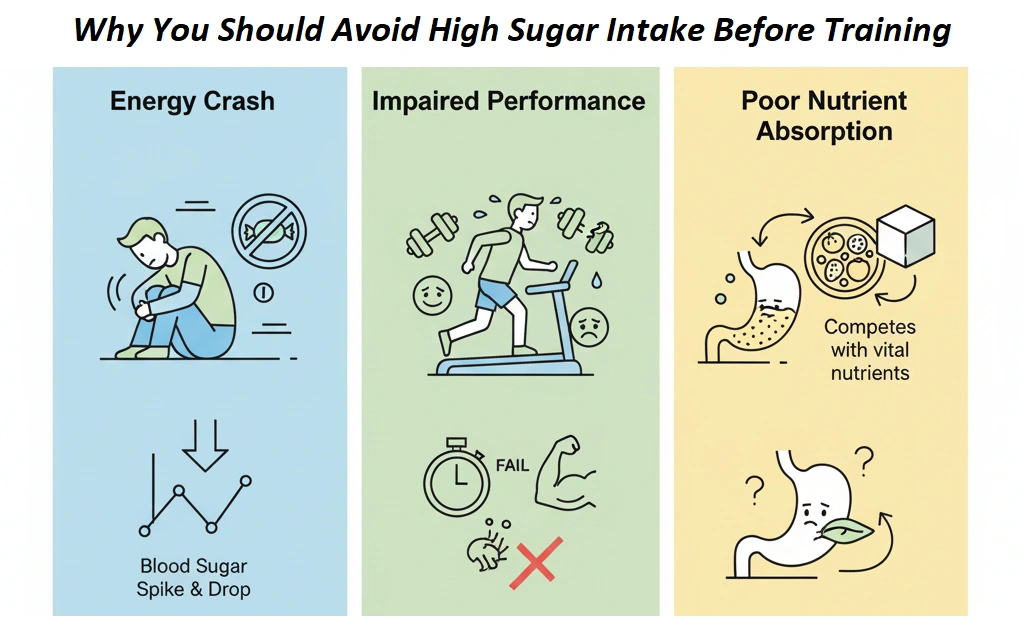
However, while sugar can provide a short-term surge of energy, consuming too much of it before training often backfires. Instead of sustained focus and power, you may experience an energy crash, mental fatigue, and even digestive discomfort midway through your workout. To optimize performance, it’s important to understand how sugar affects the body, why timing matters, and what smarter pre-workout nutrition strategies look like.
The Science of Sugar and Energy Metabolism
1. How Sugar Is Processed in the Body
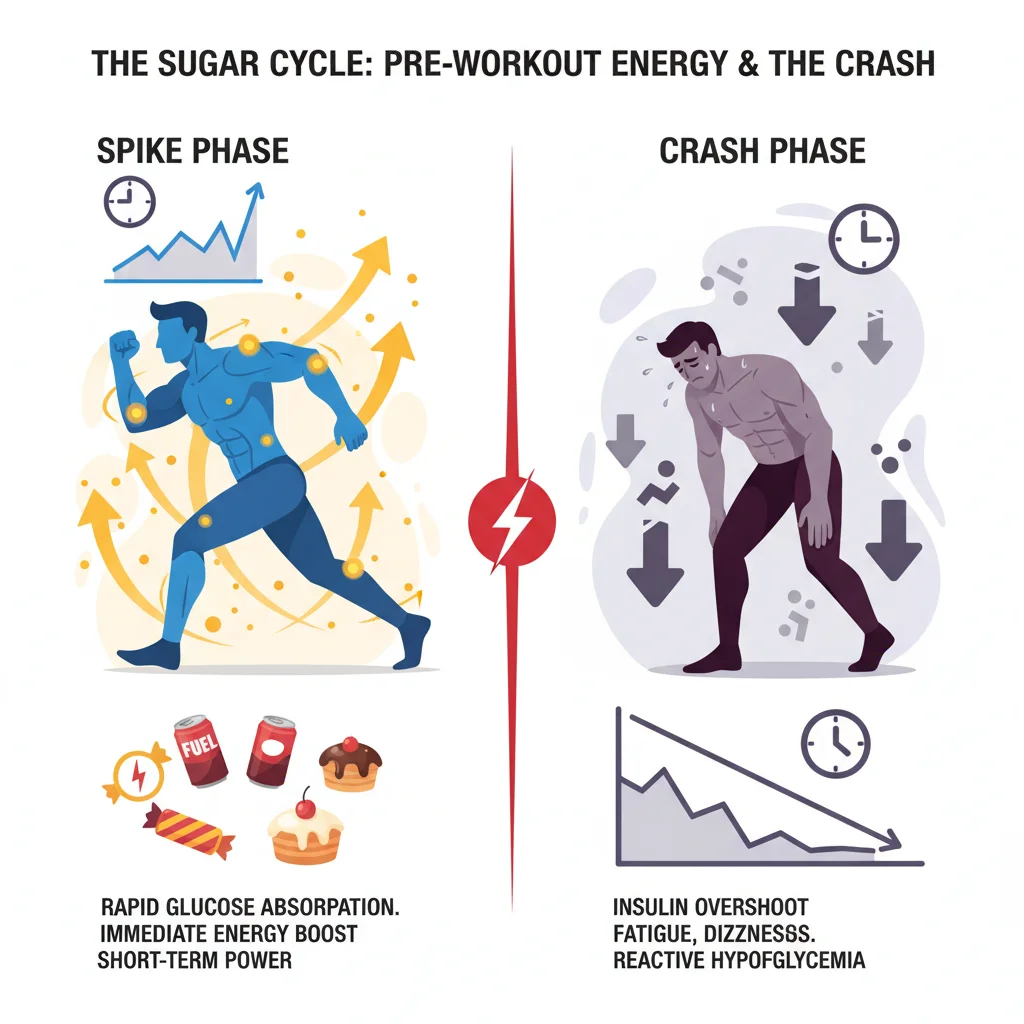
When you consume sugary foods or beverages—such as candy, soda, pastries, or sweetened energy drinks—your body rapidly breaks them down into glucose. This glucose enters the bloodstream, causing a quick rise in blood sugar levels. In response, the pancreas releases insulin, the hormone responsible for transporting glucose into cells for immediate energy use or storage.
Spike Phase: The initial rise in blood glucose gives you a temporary energy boost.
Crash Phase: Insulin overshoot may cause blood sugar to dip below baseline, leaving you feeling drained, hungry, or unfocused.
This cycle is known as reactive hypoglycemia and is a common consequence of consuming large amounts of simple sugars before training.
2. Role of Glycogen in Exercise
Muscles store glucose in the form of glycogen, which serves as the primary energy source during exercise. While some sugar intake can help replenish glycogen, consuming it right before training doesn’t necessarily improve performance. Instead, complex carbohydrates eaten in advance provide a steadier release of glucose and better support sustained energy output.
3. Hormonal Impact
Beyond blood sugar, high sugar intake influences several hormones:
Insulin: Spikes rapidly, followed by a drop, which may impair fat burning during exercise.
Cortisol: Stress hormones may rise if blood sugar crashes, increasing fatigue and perceived exertion.
Dopamine: Sugar stimulates reward pathways, but over-reliance can reduce natural motivation and create dependency.
Why High Sugar Intake Before Training Can Be Problematic
1. The Mid-Workout Crash
The biggest issue with high sugar intake is the energy crash that follows the initial spike. Instead of steady energy, you may feel sudden fatigue halfway through your session. This is especially detrimental during strength training or endurance workouts that require consistent effort.
2. Reduced Fat Utilization
When blood sugar and insulin levels are elevated, your body prioritizes burning glucose rather than mobilizing fat stores. For athletes or individuals aiming to improve body composition, this can limit fat loss efficiency.
3. Digestive Distress
Sugary beverages and snacks may cause bloating, stomach cramps, or nausea when consumed too close to exercise, particularly during high-intensity or endurance training. Liquids with high sugar concentration (like sodas or fruit juices) can also delay gastric emptying, leading to discomfort.
4. Mental Fatigue
A sugar crash doesn’t just affect physical energy—it also impacts cognitive function. Reduced blood sugar availability to the brain can lead to poor focus, slower reaction times, and lower motivation during exercise.
When Sugar May Be Useful in Training
Not all sugar is harmful in the context of exercise. In fact, there are strategic times when consuming simple carbs can be beneficial:
During Endurance Exercise (90+ minutes): Sports drinks, gels, or fruit can provide glucose to maintain glycogen levels and delay fatigue.
Post-Workout Recovery: A moderate amount of simple carbs combined with protein helps replenish glycogen and accelerate muscle repair.
High-Intensity Competition: Athletes who need quick energy bursts (e.g., sprinters, CrossFit competitors) may benefit from small amounts of fast-digesting carbs right before an event.
The key takeaway is that sugar can be a tool—but only when timed properly and consumed in moderation.
Smarter Pre-Workout Nutrition Choices
1. Complex Carbohydrates for Steady Energy
Instead of refined sugar, choose complex carbs that digest more slowly and release glucose gradually. Examples include:
Oatmeal with fruit
Brown rice or quinoa
Sweet potatoes
Whole-grain bread
These foods provide a stable energy supply without sharp spikes or crashes.
2. Include Lean Protein
Adding protein to pre-workout meals helps maintain satiety, stabilizes blood sugar, and supports muscle repair. Examples:
Chicken or turkey with rice
Greek yogurt with berries
Plant-based protein shakes
3. Healthy Fats in Moderation
Fats take longer to digest and are not ideal immediately before training, but small amounts can help sustain energy during longer sessions. Examples:
Nut butter on whole-grain toast
Avocado slices
Chia or flax seeds in a smoothie
4. Hydration First
Water or electrolyte beverages are essential for fluid balance, thermoregulation, and endurance. Dehydration, even as little as 2%, can reduce performance significantly.
Sample Pre-Workout Meal Ideas
1–2 Hours Before Training:
Oatmeal topped with banana slices and almond butter
Grilled chicken with sweet potato and vegetables
Whole-grain wrap with turkey, spinach, and hummus
30–45 Minutes Before Training (Quick Fuel):
Banana with peanut butter
Rice cake with almond butter and honey
Small protein smoothie with berries and oats
Special Considerations by Training Type
1. Strength Training
Balanced meals with protein and complex carbs 1–2 hours before lifting support glycogen stores and prevent fatigue. Avoid high-sugar snacks that cause fluctuations in strength mid-session.
2. Endurance Training
For runs or cycling sessions under 90 minutes, complex carbs and hydration are sufficient. For longer events, intra-workout simple carbs may be beneficial.
3. High-Intensity Interval Training (HIIT)
Stable energy from complex carbs prevents early fatigue. High sugar intake before HIIT can lead to early crashes and reduce output.
4. General Fitness and Weight Loss
Those training for weight loss or body composition should avoid high sugar intake, as it reduces fat mobilization and may trigger overeating later in the day.
Long-Term Strategies to Reduce Reliance on Sugar
Plan meals ahead: Having balanced meals prevents last-minute sugary snack choices.
Improve sleep: Adequate rest reduces cravings for fast-digesting carbs.
Manage stress: Meditation, deep breathing, and exercise lower cortisol-driven sugar cravings.
Retrain taste buds: Gradually reducing added sugar helps the body adapt and lowers long-term cravings.
Frequently Asked Questions
1. Is it bad to eat fruit before a workout? No. Whole fruits like bananas or berries contain natural sugars but also provide fiber, vitamins, and minerals. They are much better options than processed sugary foods.
2. Should I completely avoid sugar before training? Not always. Small amounts of natural sugar from fruit can be beneficial, but large amounts from processed foods should be avoided.
3. What if I only have time for a quick snack before exercise? Choose simple but balanced options like a banana with nut butter, a protein bar with low sugar, or a small smoothie.
4. Do energy drinks help performance? Many energy drinks are high in sugar and caffeine. While caffeine may enhance performance, the sugar content can lead to crashes. Sugar-free alternatives are often better.
Conclusion
While sugar can deliver a quick burst of energy, consuming large amounts before training is more likely to hinder performance than help it. The resulting blood sugar crash can reduce endurance, strength, and focus mid-session, while also contributing to digestive discomfort and limiting fat utilization.
A smarter strategy is to fuel your body with balanced meals that combine complex carbohydrates, lean protein, and healthy fats—providing steady energy and supporting recovery. For most workouts, this approach outperforms sugary snacks or drinks. The only exceptions are long-duration endurance events or immediate post-workout recovery, where targeted use of simple carbs can play a beneficial role.
By making more informed choices, you’ll not only avoid mid-session crashes but also enhance overall training quality, long-term results, and general health.
Ludwig, D. S. (2002). The glycemic index: physiological mechanisms relating to obesity, diabetes, and cardiovascular disease. JAMA.
Ivy, J. L. (2004). Regulation of muscle glycogen repletion, muscle protein synthesis and repair following exercise. Journal of Sports Science & Medicine.
Benton, D., & Young, H. A. (2017). Role of sugar in cognitive function. Nutrients.
Burke, L. M. et al. (2011). Carbohydrates for training and competition. Journal of Sports Sciences.