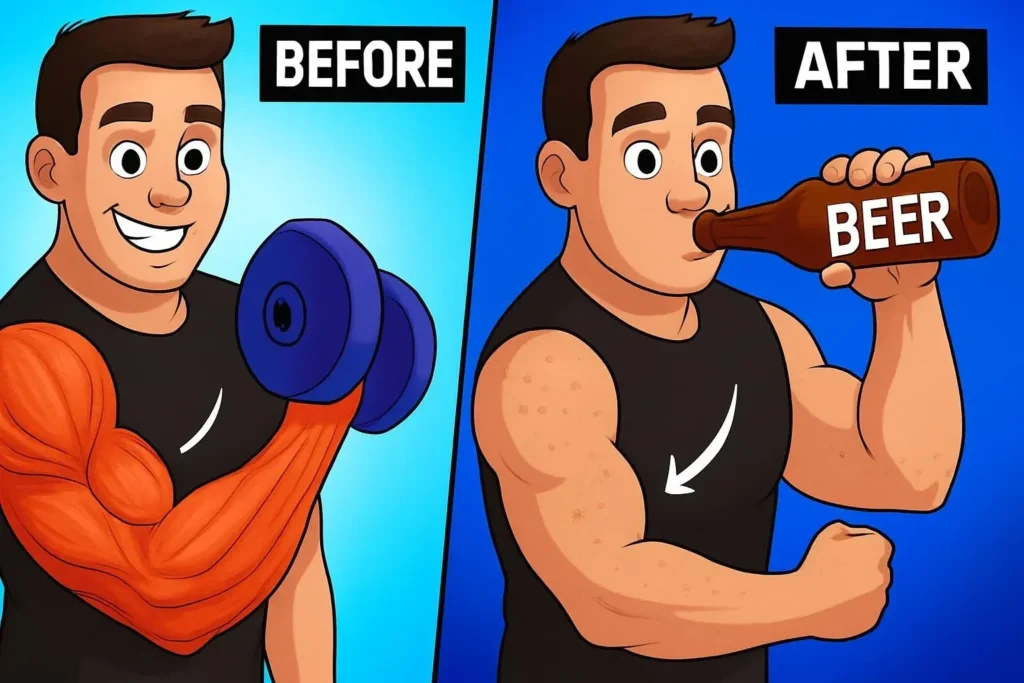
8 Best Things to do After a Workout
After-Workout Playbook: 8 Smart Moves
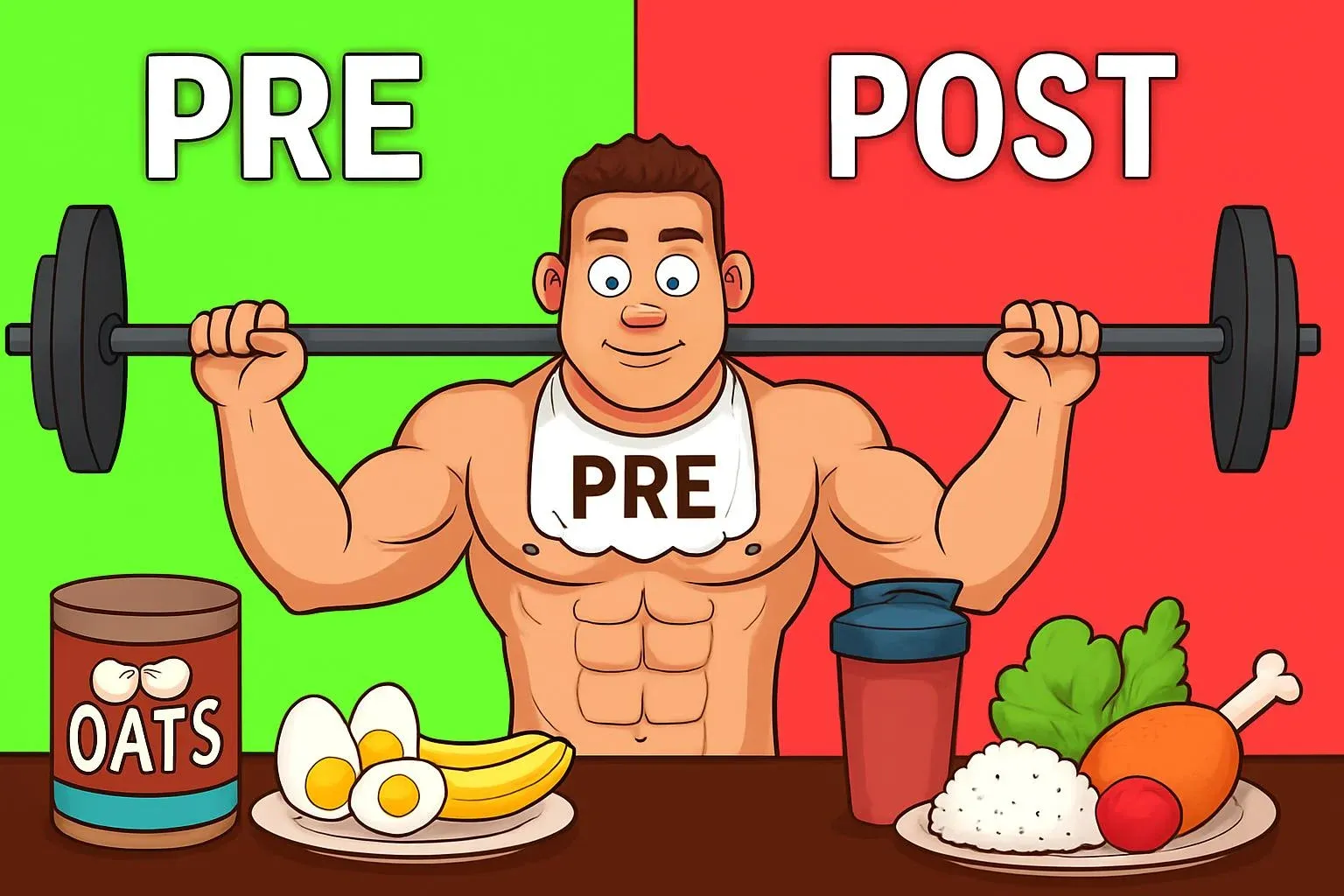
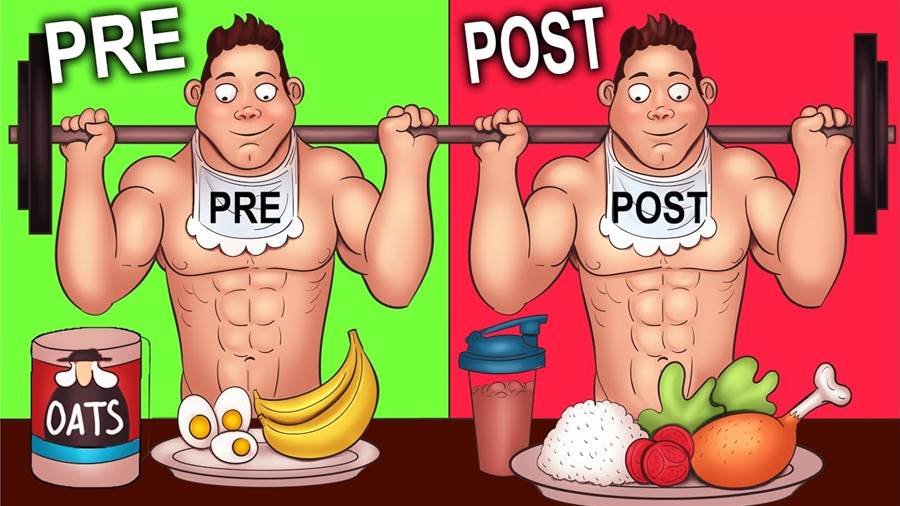
A great workout deserves an equally deliberate finish. The minutes and hours after exercise are when your body recovers, rebuilds, and adapts — and doing the right things can speed recovery, reduce soreness, and lock in gains. Simple post-workout habits, from cooling down to refueling, make a big difference over time. Consider also how your overall routine relates to what you eat before and after training — for example, your choice of pre-workout snacks can affect how you feel and recover afterward.
- Cool down and stretch
- Spend 5–10 minutes walking or doing light cardio to gradually lower heart rate. Follow with gentle static stretches for the muscles you worked. This helps reduce tightness and promotes flexibility.
- Rehydrate properly
- Replace fluids lost in sweat. Water is fine for most sessions under an hour; for long or intense workouts, consider an electrolyte drink. Sip steadily rather than gulping to support circulation and digestion.
- Refuel with the right macros
- Aim to eat a mix of protein and carbohydrates within 45–90 minutes post-workout: protein to support muscle repair (20–30 g) and carbs to replenish glycogen. A small meal or shake works well.
- Use foam rolling or self-massage
- Spend 5–10 minutes foam rolling sore or tight areas to improve blood flow and speed recovery. Focus on major muscle groups and move slowly over tender spots.
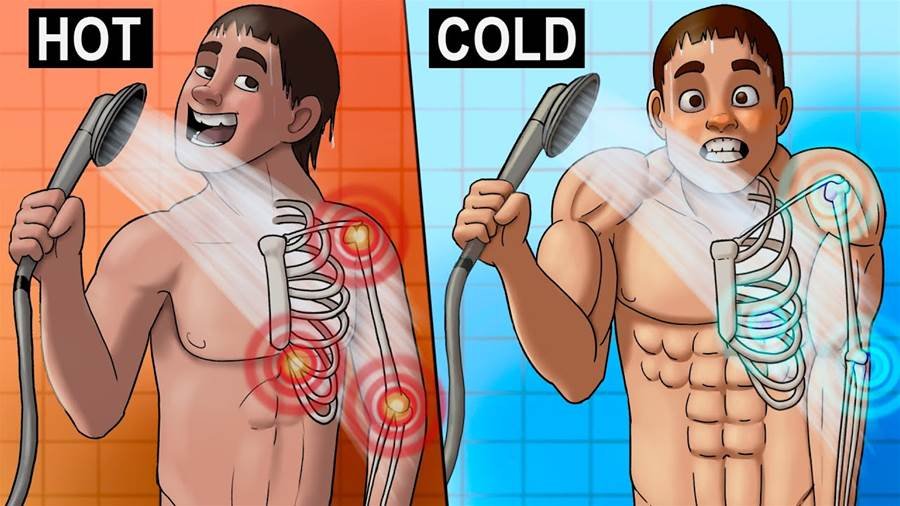
- Cool shower and change clothes
- A warm shower relaxes muscles; a contrast or cooler rinse can help reduce inflammation after very intense sessions. Change out of sweaty clothes to prevent skin irritation and promote comfort.
- Track recovery and training progress
- Log how you feel, any soreness, and workout notes. This helps you adjust volume, intensity, and rest days so you progress without overtraining.
- Prioritize sleep and passive recovery
- Sleep is when your body does most of the rebuilding. Aim for consistent, quality rest each night and consider short naps after extremely taxing sessions.
- Plan active recovery and mobility work
- On rest days, include low-impact activities like walking, swimming, or yoga to maintain circulation. If you have a specific body type or training goal, tailor recovery to match — for example, those adapting routines for an endomorph body type may emphasize certain recovery and cardio patterns differently.
Conclusion
Post-workout routines don’t need to be complicated — a thoughtful cooldown, hydration, targeted refueling, and consistent recovery habits add up. For a concise checklist and extra tips to try after training, see What to Do After Working Out: 11 Tips to Try Post-Workout.