post-workout nutrition

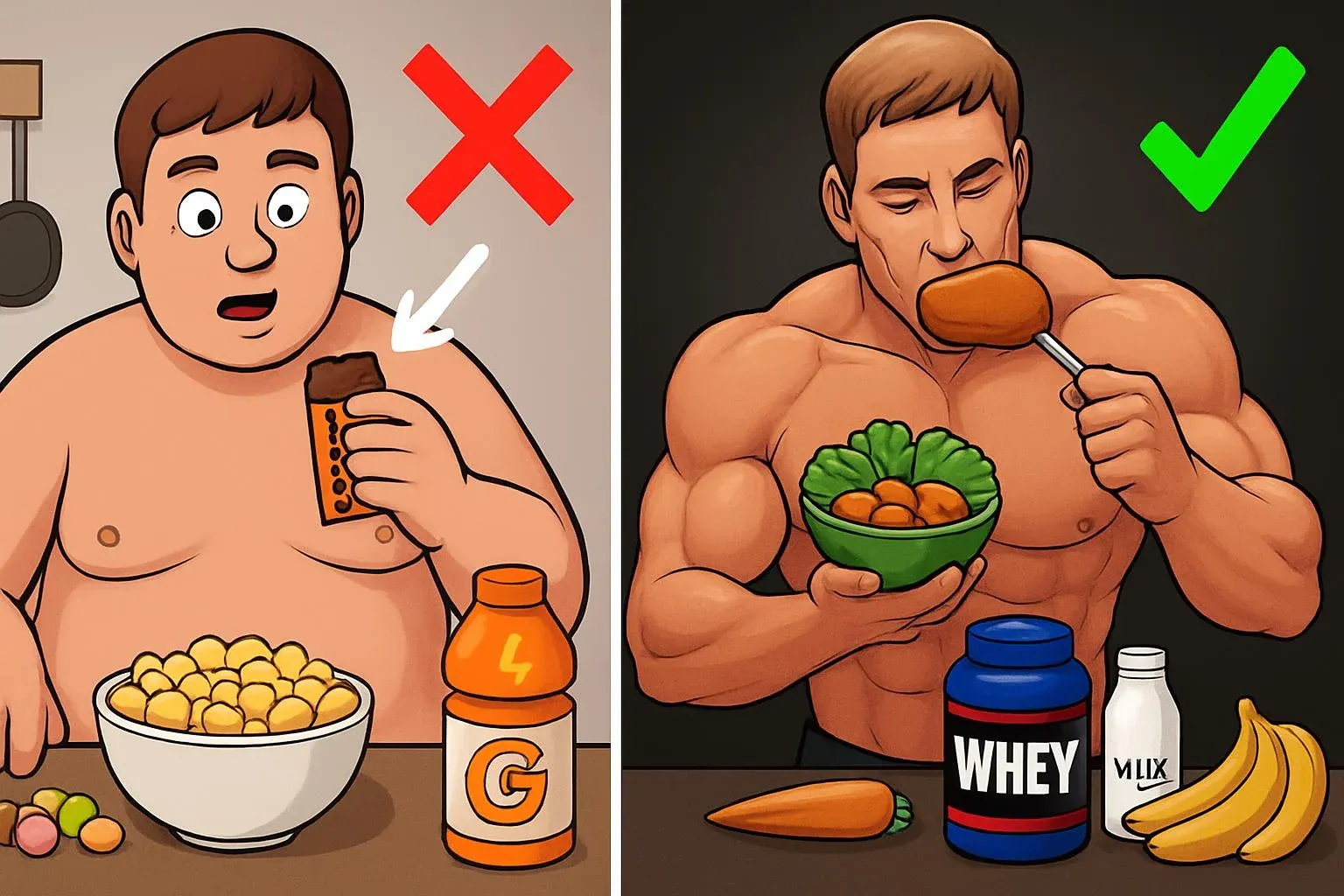
Nutritious post-workout protein shake with ingredients for muscle recovery

Is the Post-Workout Protein Shake Myth Real? What Science & Experts Actually Say

Beyond the Protein Shake Myth

The idea that you must gulp a protein shake within a strict "anabolic window" after every workout has become gym lore — but is it accurate? This article breaks down what the science and experts actually say about post-workout protein timing, how much matters, and practical guidance for real-world training.

Is the Post-Workout Protein Shake Myth Real? What Science & Experts Actually Say

Introduction: what people mean by the "protein window"
Many athletes and gym-goers believe there’s a narrow window (often said to be 30–60 minutes) after training when you must consume protein to maximize muscle growth. In reality, timing is only one piece of the puzzle — total daily protein and overall diet quality usually play larger roles. For context on how protein source and meal composition affect recovery, see this discussion on how lean meat can influence post-workout muscle protein synthesis.

What the research says

  • The original anabolic-window concept came from older studies showing rapid increases in muscle protein synthesis after resistance exercise. More recent, larger reviews find that the "window" is not razor-thin: a broader timeframe (several hours) around training is typically fine if daily protein needs are met.
  • Multiple randomized trials and meta-analyses indicate that total daily protein intake and resistance training are the biggest determinants of muscle growth. Timing plays a smaller role, though immediate intake can slightly help under some conditions (see special cases below).
  • Protein dose matters: most evidence shows ~20–40 g of high-quality protein (or ~0.25–0.40 g/kg body weight) in a serving maximizes acute muscle protein synthesis for most people.

Why the myth persists

  • Marketing from supplement companies and a handful of early studies endorsed a narrow window.
  • The nuance—that timing is secondary to total intake—was lost as a simple, memorable rule spread through gyms and social media.

Practical guidance (what to do)

  • Prioritize total daily protein: aim for roughly 1.6–2.2 g/kg/day for most people seeking muscle gain; adjust for goals and body composition.
  • If you train fasted, or have long gaps until your next meal, prioritize a protein-rich snack or shake within an hour after training.
  • For most recreational trainees who eat balanced meals every 3–4 hours, there’s no urgent need to stress over an immediate shake.
  • Choose complete proteins or combine sources to supply all essential amino acids; quality and distribution over the day matter more than a single post-workout product.

How much and what type of protein?

  • Whey is fast-absorbing and convenient, making it a fine option post-workout. Casein and whole-food proteins digest more slowly and are still effective when consumed as part of meals.
  • Aim for 20–40 g of protein after resistance workouts, depending on body size and training intensity.
  • Whole foods (eggs, lean meat, dairy, legumes) provide additional nutrients; shakes are a convenience tool, not a necessity.

Special cases where timing matters more

  • Fasted training: consuming protein soon after is sensible to blunt muscle breakdown and start rebuilding.
  • Elite athletes with multiple daily sessions: consuming protein close to or between sessions helps recovery when training density is high.
  • Older adults: anabolic resistance can make protein timing and higher per-meal doses more relevant to preserve muscle.

Putting it into a week of training

  • Spread daily protein evenly across 3–5 meals for steady muscle protein synthesis.
  • Use a shake when convenience is needed (travel, rapid refueling between sessions), otherwise favor whole-food meals.
  • Combine protein with some carbohydrates when rapid glycogen recovery is desired (e.g., same-day repeated intense sessions). For broader diet strategy considerations, including how carb choices affect results, see this take on carb restriction versus calorie counting.

Summary: where the truth lies

  • The strict 30-minute anabolic window is overstated for most people. Total daily protein and consistent resistance training are the big levers.
  • Immediate protein can help in specific situations (fasted workouts, multiple daily sessions, older adults), but for the average gym-goer a balanced diet with well-distributed protein is sufficient.

    Is the Post-Workout Protein Shake Myth Real? What Science & Experts Actually Say

Conclusion

For most trainees, the idea that you must down a protein shake right after training is a myth: timing matters less than total daily intake and consistent resistance training. For a concise media explainer that covers the evolving view of the anabolic window, read You don’t actually need protein right after a workout.

Is the Post-Workout Protein Shake Myth Real? What Science & Experts Actually Say Read More »

, , , ,
Healthy foods to eat after a workout for recovery and energy replenishment

10 Best Foods to Eat After a Workout

Refuel Right: Top 10 Post-Workout Foods

Recovering well after a workout helps your muscles rebuild, restores energy, and keeps you ready for the next session. Aim for a mix of protein and carbohydrates within 30–60 minutes when possible, and choose whole-food options that also provide vitamins, minerals, and healthy fats. If you want to pair what you eat after exercise with what you eat before, check out best natural pre-workout foods for complementary fueling strategies.

10 Best Foods to Eat After a Workout

  1. Greek Yogurt with Berries
  • Why: High-quality protein (casein and whey) supports muscle repair; berries add antioxidants and carbs to refill glycogen.
  • Tip: Add a drizzle of honey or a handful of granola for extra carbs and flavor.
  1. Grilled Chicken and Quinoa
  • Why: Lean protein from chicken and complex carbs from quinoa provide sustained recovery nutrients and essential amino acids.
  • Tip: Toss with veggies and a squeeze of lemon for added vitamins and electrolytes.
  1. Chocolate Milk
  • Why: An easy, tasty option that delivers a near-ideal carb-to-protein ratio for recovery and rehydration.
  • Tip: Choose low-fat or regular depending on calorie needs; great for post-endurance sessions.
  1. Cottage Cheese and Fruit
  • Why: Cottage cheese is rich in casein protein, which digests slowly and helps with overnight muscle repair; fruit supplies quick carbs.
  • Tip: Pineapple or peaches pair well for flavor and vitamin C.
  1. Salmon and Sweet Potato
  • Why: Salmon supplies protein and anti-inflammatory omega-3s; sweet potato provides complex carbs and potassium to replace lost electrolytes.
  • Tip: Bake or grill with herbs to keep it light and nutrient-dense.
  1. Turkey Wrap with Whole-Grain Tortilla
  • Why: Turkey is a lean protein that rebuilds muscle; whole-grain wraps add complex carbs and fiber for steady energy.
  • For balanced training days, match this recovery meal to your session type and volume — for example, after full-body strength work, you might prefer the meals recommended for full-body workouts.
  • Tip: Add leafy greens and avocado for micronutrients and healthy fats.
  1. Protein Smoothie with Banana and Spinach
  • Why: Quick to make and easy to digest; combines whey or plant protein with carbs from banana and nutrients from spinach.
  • Tip: Blend with water or milk and a spoonful of nut butter for extra calories if needed.
  1. Eggs and Whole Grain Toast
  • Why: Eggs are a complete protein and provide essential amino acids; toast gives the carbs needed to top up glycogen.
  • Tip: Add a side of tomatoes or sautéed greens for antioxidants.
  1. Hummus and Pita with Veggies
  • Why: A plant-based combo giving protein, fiber, and carbs; chickpeas provide both protein and complex carbs.
  • Tip: Use whole-wheat pita and include cucumber, carrots, and peppers for crunch and vitamins.
  1. Oatmeal with Protein Powder and Fruit
  • Why: Oats are a slow-digesting carb source; stirring in protein powder boosts muscle-repairing potential while fruit supplies quick carbs.
  • Tip: Prepare with milk for added calories and calcium if desired.

Practical plating and timing tips

  • Aim for a 3:1 to 4:1 carb-to-protein ratio after endurance workouts; for shorter strength sessions, a 2:1 ratio often suffices.
  • Hydrate alongside food—water is usually enough, but include electrolytes for long or very sweaty workouts.
  • Prioritize whole foods most of the time; convenience options like smoothies or chocolate milk are useful when you’re short on time.

10 Best Foods to Eat After a Workout

Conclusion

For a deeper dive into what to eat after different types of workouts and evidence-based recommendations, read this guide on Post-Workout Nutrition: What to Eat After a Workout.

10 Best Foods to Eat After a Workout Read More »

, , , ,
Top 10 foods to eat after a workout for optimal recovery and energy replenishment

10 Best Foods to Eat After a Workout

Refuel Right: 10 Best Post‑Workout Foods

A smart post-workout meal helps repair muscle, restore glycogen and speed recovery so you’re ready for your next session. Whether you just finished a HIIT session or a long run, pairing the right foods with your training — and programs like full-body workouts — makes every session count.

10 Best Foods to Eat After a Workout

  1. Greek yogurt with berries
  • High in protein and packed with antioxidants from berries, this combo supports muscle repair and reduces inflammation. Opt for plain Greek yogurt to keep added sugars low.
  1. Chocolate milk
  • A favorite among athletes because it offers an ideal carb-to-protein ratio for recovery, plus fluids and electrolytes to rehydrate.
  1. Grilled chicken and sweet potato
  • Lean protein and complex carbs make this a classic recovery meal. Sweet potato replenishes glycogen while chicken provides essential amino acids for muscle rebuilding.
  1. Salmon and quinoa
  • Omega-3 fats in salmon help combat exercise-induced inflammation; quinoa supplies carbs plus a full profile of amino acids.
  1. Cottage cheese with pineapple or peach
  • Cottage cheese is slow-digesting casein protein for continued muscle repair after your workout. This pairs well with fruit for a carb boost. If you like planning around your sessions, check tips on pre-workout foods to optimize what you eat before and after training.
  1. Banana and nut butter
  • Quick, portable and effective: bananas offer fast carbs and potassium to counteract cramping risk; nut butter supplies healthy fats and some protein.
  1. Eggs and whole-grain toast
  • Eggs are a complete protein source; whole-grain toast gives sustained-release carbs and fiber. Add spinach or avocado for extra nutrients.
  1. Turkey and avocado wrap
  • Lean turkey provides protein while avocado adds healthy monounsaturated fats, helping you feel satisfied and fueling recovery.
  1. Protein smoothie with spinach and fruit
  • A blended smoothie (whey or plant protein, fruit, leafy greens, and liquid) is fast to consume and customizable to hit your carb/protein targets.
  1. Hummus and whole-grain crackers or pita
  • Chickpeas supply plant-based protein and carbs, and hummus adds flavor and healthy fats — a good option for light, post-exercise snacking.

Quick recovery tips

  • Aim for a 3:1 to 4:1 carb-to-protein ratio for intense endurance sessions; for strength work, prioritize protein soon after your workout.
  • Hydrate with water or an electrolyte beverage when you sweat heavily.
  • Listen to hunger cues: some people perform best with a light snack immediately and a fuller meal within 1–2 hours.

10 Best Foods to Eat After a Workout

Conclusion

For a practical guide that explains the why and how of post-workout meals in more depth, see this resource on Post-Workout Nutrition: What to Eat After a Workout.

10 Best Foods to Eat After a Workout Read More »

, , , ,
Scroll to Top