pilates

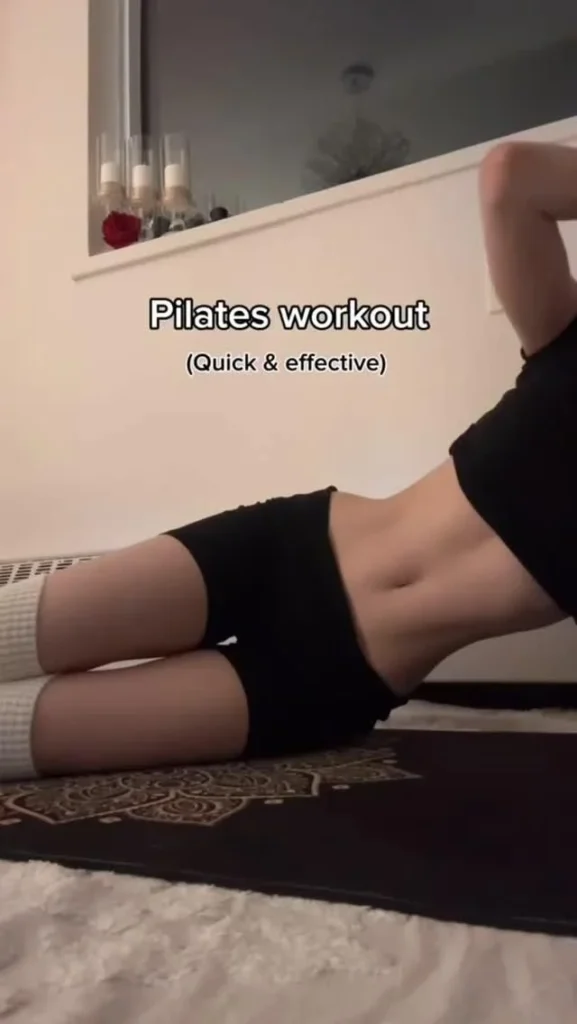
Pilates Core Burner workout with no equipment needed for effective core strengthening

Pilates Core Burner — No Equipment Needed ❤️‍🔥

Pilates Core Burner — No Equipment Needed ❤️‍🔥

Looking to torch your midsection without machines or bands? This no-equipment Pilates core burner gives you precise, effective exercises that target the deep abdominals, obliques, and lower back using only your bodyweight. Whether you’re a Pilates regular or new to mat work, this routine is scalable and easy to fit into short home workouts. If you enjoy progressive core challenges, you can pair these moves with other strength patterns like a band twist tutorial for rotational power on different days.

Why Pilates for the Core?

Pilates emphasizes controlled movement, breath, and alignment — making it ideal for strengthening the transversus abdominis (deep core) rather than just producing visible “six-pack” tension. This approach improves posture, stabilizes the pelvis and spine, and reduces injury risk while giving you a functional, toned midsection.

Quick Warm-Up (5 minutes)

  • Cat-Cow: 6–8 slow reps to mobilize the spine.
  • Pelvic tilts: 10 reps lying on your back to find neutral pelvis and engage deep abdominals.
  • Marching bridge: 8–10 reps per side to activate glutes and coordinated core control.

Core-Burning Exercises (No Equipment)

  1. Hundred Prep (60 seconds)

    • Lying on your back, knees bent into tabletop. Lift head and shoulders slightly, extend arms and pump small pulses while breathing 5 in/5 out for 10 cycles (or 60 seconds).
    • Cue: Keep ribs down and draw navel toward spine.
  2. Pilatés Single Leg Stretch (8–12 reps per side)

    • One knee into chest while the other extends out at 45°, shoulders lifted, alternating. Hands on shin, shoulder blades stable.
    • Modify by keeping head down if neck sensitive.
  3. Roll-Up (6–8 reps)

    • From lying tall, peel the spine up to seated reaching toward toes and roll down slowly. Focus on articulating the spine and using abdominal contraction to lift, not momentum.
  4. Double Leg Lowering (6–10 reps)

    • Legs start vertical; lower slowly toward the mat while keeping low back long. Only lower as far as you can without the lumbar arching.
    • Regression: Bend knees or perform single-leg lowers.
  5. Side Plank with Hip Dips (6–10 reps per side)

    • From side plank, dip hips slightly then lift. Builds oblique strength and shoulder stability.
    • If full side plank is too intense, drop the bottom knee to the floor.
  6. Teaser Prep (4–6 reps)

    • From supine, roll to a short-sit position with knees bent; hold for a breath and roll back. Progress toward straight legs as control improves.
  7. Bird Dog Pulse (8–12 reps per side)

    • On hands and knees, reach one arm forward and opposite leg back; pulse small lifts to challenge spinal stability.
  8. Heel Beats (20–40 beats)

    • Lying supine with legs in tabletop, pulse heels toward each other for a controlled burn. Breathe rhythmically and maintain low belly connection.

Sample 20-Minute Workout

  • Warm-up (5 min)
  • Circuit 1 (Repeat twice): Hundred Prep (60s), Single Leg Stretch (12 each), Roll-Up (8)
  • Circuit 2 (Repeat twice): Double Leg Lowering (8), Side Plank Hip Dips (8 each side), Bird Dog Pulse (10 each)
  • Finisher: Teaser Prep (4–6) + Heel Beats (30s)
  • Cool-down stretches (2–3 min)

Breathing and Form Tips

  • Inhale to prepare, exhale to initiate the movement. Pilates breath is lateral (ribcage expansion) to maintain pelvic stability.
  • Move slowly and with intention — quality trumps quantity. If you lose alignment (ribs popping up, lumbar overarching), reduce range or rest.
  • Keep neck long; support your head with hands during high-rep neck-lifting exercises if needed.

Modifications & Progressions

  • Beginner: Reduce reps, keep knees bent, perform movements with feet on the floor, or lower tempo.
  • Intermediate: Increase reps, lengthen lever (straighten legs), and add pauses at peak contraction.
  • Advanced: Combine exercises into flowing sequences (e.g., roll-up into teaser), slow negatives, or add pulses and isometric holds.

Recovery & Frequency

  • Aim for 3–4 focused core sessions per week, with rest or active recovery days in between.
  • Pair this routine with mobility work and lower-body strength training for balanced fitness. For guidance on nutritious pairing and whole-food choices that support recovery, read about food sourcing and nutrition to help your body refuel optimally.

Safety Notes

  • Avoid straining your neck — support gently with hands or keep chin tucked.
  • If you have lower back pain, prioritize neutral pelvis and reduce lever length (bend knees).
  • Stop if you feel sharp pain; consult a clinician for persistent issues.

Conclusion

Ready to add a standing element to your Pilates practice and work the legs with the same attention to control? Try this Standing Leg Workout – The Pilates Class for complementary standing core and leg stability work to round out your no-equipment routine.
Pilates Core Burner — No Equipment Needed ❤️‍🔥 Read More »

, , , ,
Leila demonstrating an abs workout at home with coaching tips on Instagram.

[Видео] «[Видео] «Leila on Instagram: “Try this at home, 3-5x a week 1:1 coaching in my bio 🤎 #absworkout #pilates #homeworkout Cc:Melanie (on tiktok)”»» в 2025 г | Тренировка для пресса, Тренировки, Ежедневные физические упражнения

Try This At Home: A Simple 3–5x/Week Pilates Abs Workout

Short, focused home workouts are trending — and for good reason. Leila’s recent clip encouraging viewers to “Try this at home, 3–5x a week” captures the modern approach: consistent, short sessions that build control and tone without needing a gym. Keep in mind that while targeted ab work strengthens and sculpts the core, spot reduction is a myth, so combine core training with overall conditioning and nutrition to see the best results.

This article breaks down an effective, pilates-inspired abs routine you can do at home, how often to do it, progressions, and quick nutrition tips to support your efforts.

Why 3–5x per week works

  • Frequency builds skill and endurance. Short, frequent sessions reinforce movement patterns and muscle recruitment.
  • Recovery matters. If you do this routine 5 times a week, keep intensity moderate and listen to soreness; 3–4 sessions is ideal for most people balancing other workouts.
  • Consistency beats intensity. Ten to 25 minutes of focused core work most days is better than sporadic, exhaustive sessions.

Pilates principles for better abs

Pilates emphasizes control, breath, and precision — all of which translate to safer, more effective core training:

  • Neutral spine and pelvic awareness keep pressure off the lower back.
  • Slow, controlled movements increase time under tension without needing heavy weights.
  • Breathing patterns (exhale on exertion) help engage the deep transverse abdominis and pelvic floor.

20-minute Home Pilates Abs Routine (Beginner → Advanced)

Warm-up (2–3 minutes)

  • Cat–cow 30 sec
  • Standing roll-downs with slow breaths 1 minute

Main set (repeat circuit 2–3 rounds)

  1. Hundreds (modified): 30–60 seconds — pump arms with small inhales/exhales, keeping ribs in.
  2. Single-leg stretch: 8–12 reps per side — focus on pelvic stability.
  3. Double leg lower (controlled): 8–10 reps — stop if your back arches.
  4. Criss-cross (slow): 10–16 total reps — rotate with control, not momentum.
  5. Plank to knee tap: 30–45 seconds — maintain a straight line, draw belly button to spine.
  6. Pilates leg circles (small): 6–8 each direction per leg — keep hips stable.

Cool-down (2–4 minutes)

  • Child’s pose with diaphragmatic breathing 1 minute
  • Supine knees-to-chest and gentle twist 1–2 minutes

Progressions: increase reps, add a third round, or extend hold times. Add a weighted or resistance-element only after mastering form.

Nutrition and recovery (short guide)

Ab-focused training benefits greatly from proper fueling and recovery. Prioritize lean protein and whole foods after workouts to support muscle repair. For easy meal ideas that pair well with grilling season and post-workout recovery, consider including high-protein foods that are great for grilling like chicken breasts, salmon, or firm tofu to make quick, nutritious dinners after training.

Hydration, sleep, and stress management also play major roles in visible progress and energy levels.

Common form mistakes to avoid

  • Over-cranking the neck during crunches — support the head with the hands and lead with the chest.
  • Holding breath — exhale on effort to maximize core engagement.
  • Letting the lower back arch on leg lowers — reduce range of motion if needed.
  • Relying on momentum — slower, controlled reps are more effective.

When to seek coaching

If you have persistent lower back pain, diastasis recti, or previous abdominal surgery, consider 1:1 coaching to tailor movements and progressions safely. A coach can correct subtle compensations and create a plan that fits your schedule and goals.

Conclusion
A compact, pilates-based abs routine done 3–5 times a week can improve core strength, posture, and movement quality. Combine consistent practice with whole-body conditioning and mindful nutrition for the best results. Start slow, prioritize form, and gradually challenge yourself — your core will thank you.

[Видео] «[Видео] «Leila on Instagram: “Try this at home, 3-5x a week 1:1 coaching in my bio 🤎 #absworkout #pilates #homeworkout Cc:Melanie (on tiktok)”»» в 2025 г | Тренировка для пресса, Тренировки, Ежедневные физические упражнения Read More »

, , , ,
Scroll to Top