

personal growth

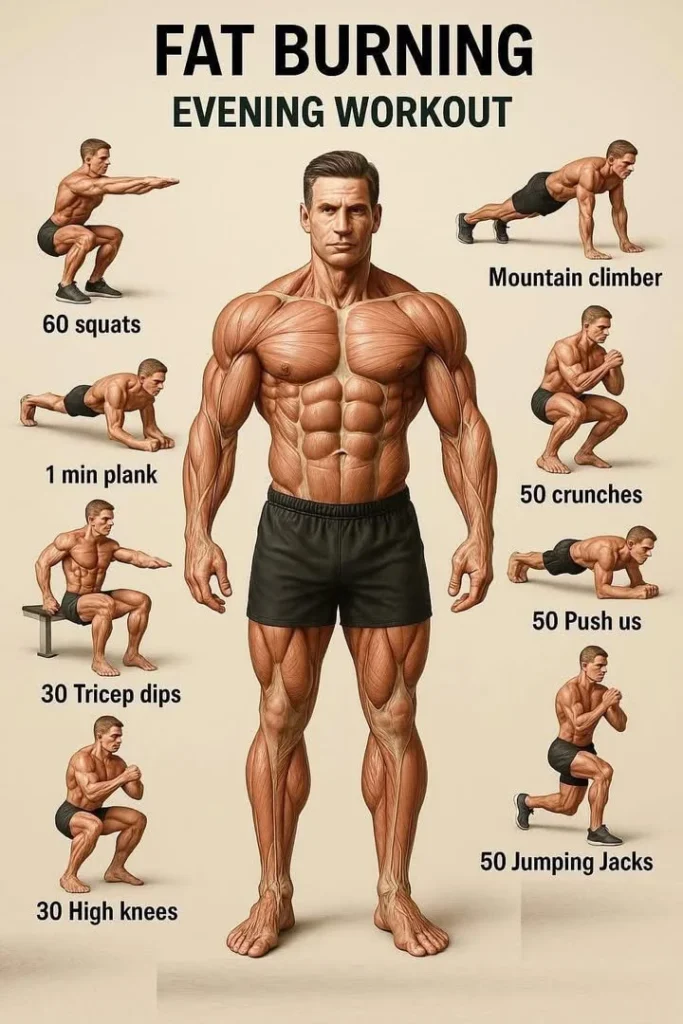
A person lifting weights, embodying the 'built not bought' philosophy of strength training.

Built, not bought. Challenge yourself today!

Built, not bought

Strength isn’t a label you buy; it’s a daily practice. Built one rep, one set, and one deliberate choice at a time. Whether you’re new to training or sharpening a lifestyle, the grind of consistent progress is what separates fleeting motivation from real, lasting strength. Many athletes and lifters recognize the same hurdles and humor that comes with the journey, like those listed in 14 Bodybuilder Struggles Everyone Faces in Life, and that shared experience can be a powerful motivator.

Below are practical ways to turn the “built, not bought” mindset into daily action.

Mindset: Small Wins Stack Into Big Gains

  • Embrace incremental progress. Add one more rep, five more pounds, or ten extra seconds of tension than yesterday.
  • Track process goals, not just outcomes. Celebrate consistency (workouts completed, nights of good sleep) rather than only numbers on a scale.
  • Reframe setbacks as data. A missed session or a poor lift tells you what to adjust, not that you failed.

Actionable cue: choose one micro-goal for the week (e.g., stick to three sessions, or hit a new form standard) and measure only that.

Training Principles: Quality Over Flash

  • Prioritize movement quality before load. A technically sound rep builds a foundation for heavier, safer gains.
  • Use progressive overload in small, sustainable increments; tempo, volume, or frequency can all be tweaked.
  • Mix heavy compound lifts, accessory work for weak links, and mobility to keep the body balanced.

Sample structure (3x per week):

  • Warm-up: dynamic mobility + activation (5–10 min)
  • Main lift: 3–5 sets at a challenging but controlled intensity
  • Accessory circuit: 2–3 exercises to shore up weaknesses (core, posterior chain)
  • Finisher: short metabolic or skill work for conditioning and durability

Nutrition & Recovery: Fuel the Work and Repair the Body

  • Strength is built in the gym but assembled by your nutrition and recovery. Prioritize an appropriate calorie level and protein distribution throughout the day to support repair.
  • Spread protein across meals to maximize muscle protein synthesis and support recovery and performance. For practical, everyday ideas to increase protein at each meal, see 10 Easy Ways to Increase Your Protein Intake.
  • Sleep and stress management matter as much as reps. Aim for consistent sleep patterns and simple recovery habits: hydration, mobility, and active rest.

Practical Tips to Keep Momentum

  • Schedule workouts like appointments. Non-negotiable blocks reduce decision fatigue.
  • Periodize: cycle intensity and volume to avoid overtraining. Deload every 4–8 weeks if needed.
  • Track more than weight—log moods, sleep, and perceived effort to spot trends early.
  • Surround yourself with a supportive community or coach who values steady progress over shortcuts.

A Simple Weekly Template for Busy People

  • Day 1 (Strength): Squat/hinge focus + accessory work
  • Day 2 (Push/Pull): Bench/row emphasis + core
  • Day 3 (Condition & Mobility): Short interval work + full-body mobility
  • Optional: extra skill session or active recovery depending on energy levels

Conclusion

Built, not bought is a mindset and a roadmap: choosing the slow, dependable path of consistent work over instant solutions. If you want a perspective formed from years of focused training with a specific tool, check out this reflection on kettlebell practice — 4 Years of Kettlebells Has Taught Me The Following Things — for practical lessons that echo the “one rep at a time” approach. What’s your focus today? Pick one small, measurable step and start.

Built, not bought. Challenge yourself today! Read More »

, , , ,
Innerpace logo and concept illustration representing self-discovery and inner peace.

Innerpace

Title: Exploring Innerpace — Cultivating Calm in a Busy World

Introduction

Innerpace is a simple idea with profound implications: the space inside you where attention, emotion, and presence meet. In a world that prizes speed, constant information, and multitasking, developing an inner pace — a rhythm of thought and breath that supports clarity and resilience — can transform how you respond to stress, relate to others, and make decisions. This article explores what innerpace means, practical ways to cultivate it, and the benefits you can expect when you make inner steadiness part of daily life.

What is innerpace?

Innerpace refers to the steady, mindful tempo of your inner life. It isn’t just being calm; it’s an aligned quality of attention that:

  • Notices sensations, thoughts, and emotions without getting swept away.
  • Balances doing with being, so action is purposeful instead of reactive.
  • Maintains continuity of awareness across changing situations.

Think of innerpace as the soundtrack beneath your activities — when it’s steady, your actions are more coherent, creative, and compassionate.

Why innerpace matters

Modern life often disrupts our internal rhythm. Notifications, deadlines, and split attention increase cognitive load and emotional volatility. Cultivating innerpace:

  • Reduces stress reactivity, so you recover faster from setbacks.
  • Improves focus and productivity by minimizing distraction.
  • Enhances decision-making because you’re less likely to be driven by impulse.
  • Strengthens relationships through improved listening and empathy.

Core practices to cultivate innerpace

  1. Anchor to the breath
    The breath is the most accessible anchor to the present moment. Even 1–3 minutes of slow, intentional breathing can downshift the nervous system and create a pause between stimulus and reaction.

How to start:

  • Inhale slowly for a count of four, exhale for a count of five. Repeat 8–12 times.
  • Notice the rise and fall of the belly or chest as a gentle focus point.
  1. Short mindfulness breaks
    Instead of waiting until you have a long block of time, sprinkle micro-practices throughout the day.
  • Two-minute body scan: notice tension and let it soften.
  • Single-tasking sprints: dedicate 10–25 minutes to one task without switching.
  1. Movement with attention
    Walking, yoga, or simple stretches practiced with mindful attention integrate the body into your innerpace.
  • Try a five-minute mindful walk, focusing on sensations of each step and the rhythm of your stride.
  1. Anchor rituals
    Create small rituals that mark transitions — morning intention setting, a mid-day pause, an evening gratitude reflection. Rituals scaffold a consistent internal rhythm.

  2. Reflective journaling
    A short journaling practice clarifies thoughts and creates psychological space. Try a daily three-line entry: one thing that went well, one challenge, one intention.

  3. Limit stimuli deliberately
    Temporarily reducing digital noise helps recalibrate innerpace.

  • Schedule notification-free blocks.
  • Commit to device-free meals or the first 30 minutes after waking.

How to sustain progress

  • Start small and consistent. Habit sticks when it’s simple and repeated.
  • Use environmental cues. Place a small object (a pebble, a sticky note) where you’ll see it regularly to remind you to pause.
  • Share the practice. Practicing with a friend or group increases accountability and depth.
  • Be patient. Innerpace develops gradually; occasional setbacks are normal.

Signs your innerpace is improving

  • You notice fewer impulsive reactions.
  • You can return to tasks after interruptions more quickly.
  • Sleep quality and mood show improvements.
  • Relationships feel calmer and more connected.

Common obstacles and how to handle them

  • “I don’t have time.” Micro-practices take less than five minutes and still shift your nervous system.
  • “I get bored.” Curiosity about how your experience shifts over time keeps practice fresh.
  • “I can’t sit still.” Movement-based practices can be just as effective as seated meditation.

Practical routines to try (sample week)

  • Daily: Morning 5-minute breath anchor; evening 3-line journal.
  • Twice daily: Two-minute mindful check-in (midday and before bed).
  • Three times weekly: 20-minute mindful walk or yoga session.
  • Weekly: One longer reflection (20–30 minutes) reviewing what supported your calm and what disrupted it.

Measuring impact

Innerpace is felt more than measured, but you can track progress with simple markers:

  • Number of calm responses vs. reactive responses in a week.
  • Minutes spent in focused, distraction-free work.
  • Subjective mood and sleep ratings over time.

Conclusion

Developing an innerpace is a practical commitment to living with steadiness and intention. If you’re looking for guided practices, structured programs, or tools to help you build and maintain a consistent inner rhythm, consider exploring resources from Innerpace.

Innerpace Read More »

, , , ,
Illustration of wellness guidelines for personal growth and development.

💪🏻✨

The Power of Strength and Resilience: A Journey to Self-Improvement

In a world that continually challenges our limits, the symbols 💪🏻✨ represent more than just physical strength; they embody the essence of resilience and transformation. This article explores the profound impact of cultivating both inner and outward strength, encouraging readers to embark on their personal journey of self-improvement.

Embracing Physical Strength

Physical fitness is often the most visible form of strength. It is not merely about lifting weights or running marathons; it is a holistic endeavor that promotes overall well-being. Engaging in regular physical activity has numerous benefits:

  • Improved Health: Regular exercise reduces the risk of chronic diseases, boosts immunity, and enhances mental health.
  • Increased Confidence: Achieving physical goals, whether big or small, can significantly boost self-esteem, making one feel accomplished and empowered.
  • Social Connections: Joining fitness communities fosters friendships and builds support systems that enhance motivation.

To embark on a journey of physical strength, consider finding an activity you love, setting achievable goals, or joining a community that encourages you.

Cultivating Inner Resilience

While physical strength is admirable, inner resilience often dictates how we navigate life’s challenges. Inner strength can be cultivated through various practices:

  • Mindfulness and Meditation: These practices help create a sense of peace, allowing us to respond to challenges with clarity instead of reactiveness.
  • Positive Affirmations: Encouraging oneself through affirmations can shift mindset and boost confidence, empowering us to face difficulties head-on.
  • Continuous Learning: Embracing a growth mindset fosters resilience, reminding us that failure is a stepping stone toward success rather than an end.

Developing inner resilience is a lifelong journey, requiring consistent effort and reflection. By facing fears and pushing past comfort zones, individuals can unlock limitless potential.

The Spark of Motivation

The combination of physical strength and inner resilience creates a powerful force for motivation. Here are some ways to keep the spark alive:

  1. Set Clear Goals: Whether for fitness or personal growth, having specific targets can help maintain focus and direction.
  2. Track Progress: Documenting your journey provides tangible evidence of improvement, reinforcing motivation when challenges arise.
  3. Celebrate Small Wins: Acknowledging minor achievements along the way nurtures positive feelings and momentum.

Conclusion: Your Journey Begins Now

The symbols 💪🏻✨ remind us of our innate power to transform both our bodies and minds. By embracing physical fitness and cultivating inner resilience, each one of us can navigate the ups and downs of life with strength and grace.

So, step forward and embark on your journey—today is the perfect day to become the strongest version of yourself! Take the first step and allow your inner and outer strengths to shine bright.

💪🏻✨ Read More »

, , , ,
Scroll to Top