muscle recovery

Protein-rich snack before bed benefits for recovery and sleep quality

Most People Get This Wrong: 5 Reasons to Have Protein Before Bed (Science-Based)

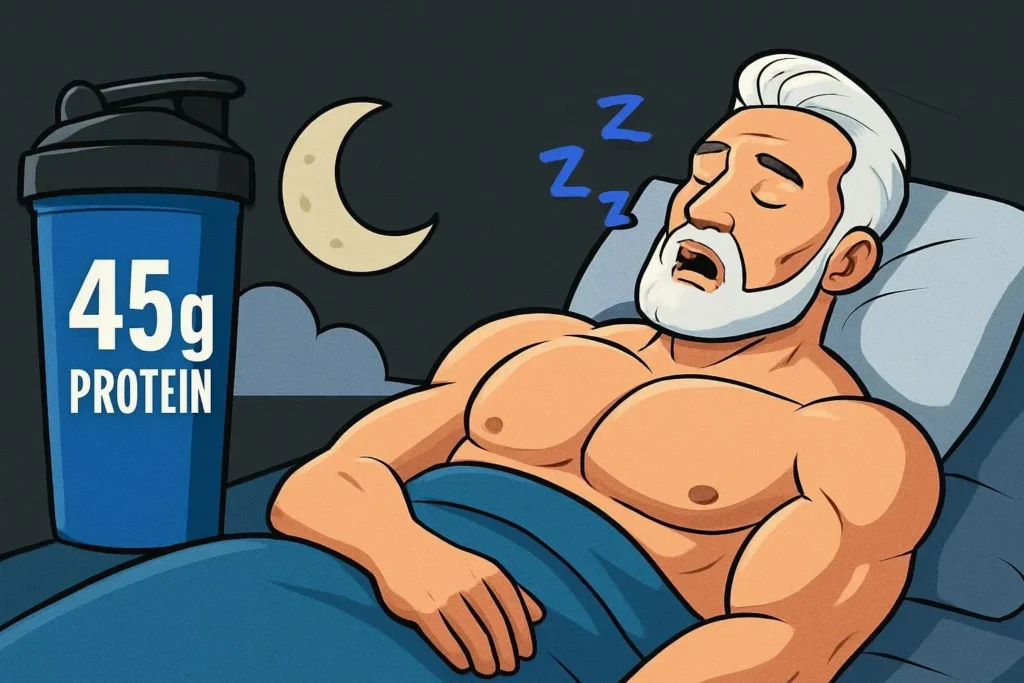
Nighttime Protein: 5 Science-Backed Reasons to Eat Protein Before Bed

Most people think “no food before bed” is always best — but when it comes to protein, the timing matters. Eating a modest, protein-rich snack before sleep can support muscle repair, preserve lean mass, improve overnight recovery, and even help with appetite control the next day. If you’ve been skipping late-day protein under the assumption it only leads to weight gain, read on—science paints a different picture. For a protein-packed start to your day that pairs well with a night-focused nutrition plan, check this protein-packed breakfast option.

Most People Get This Wrong:  5 Reasons to Have Protein Before Bed (Science-Based)

Why protein before bed? Research in sleep and metabolism shows that overnight is an active period for muscle protein turnover. Providing amino acids during this window can shift the balance toward synthesis, not breakdown. Below are five clear, science-based reasons to include protein before sleeping — plus practical tips on what and how much.

  1. Boost overnight muscle protein synthesis
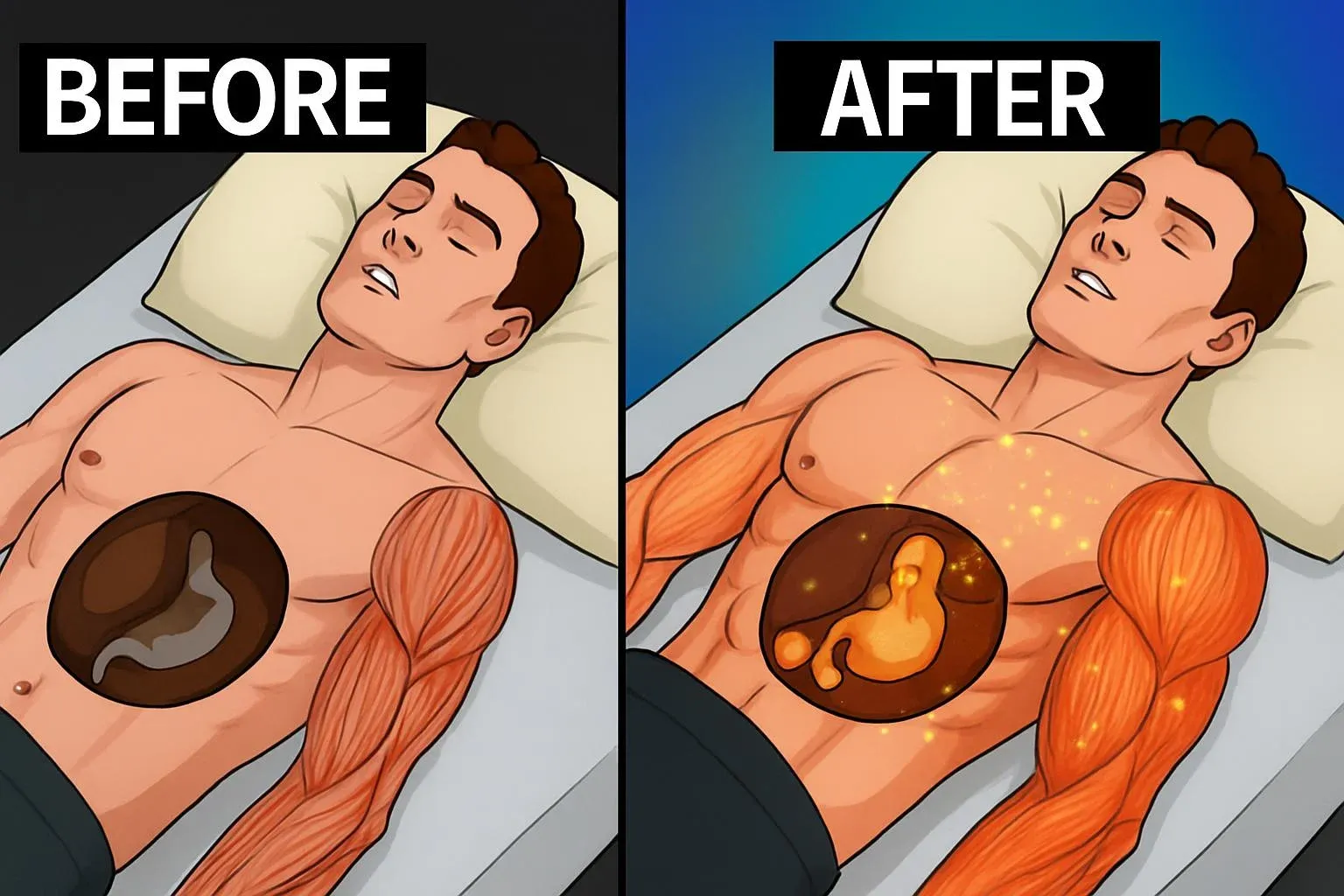
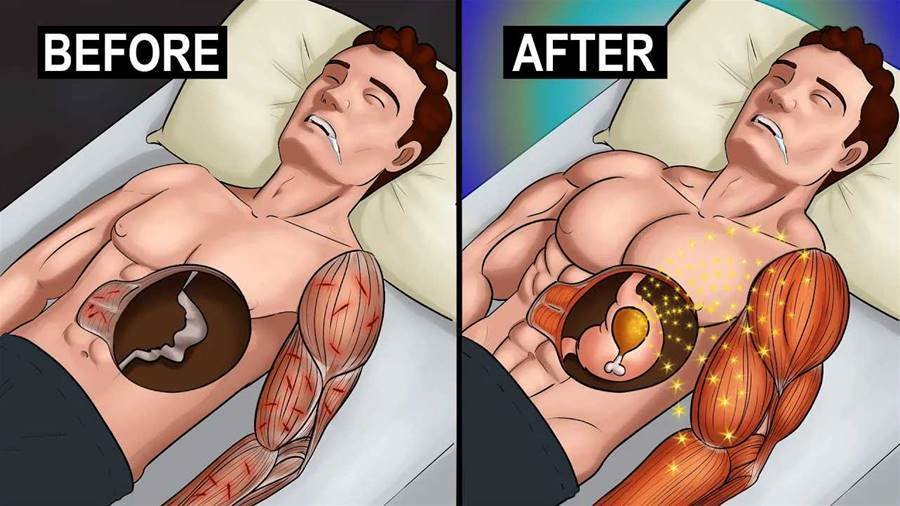
  • During sleep, muscles switch between breakdown and rebuilding. Consuming a slow-digesting protein (e.g., casein) about 30–60 minutes before bed supplies a steady stream of amino acids throughout the night.
  • Studies show that nighttime protein increases whole-body protein synthesis and supports strength and lean mass gains when combined with regular resistance training.
  1. Preserve lean mass during calorie deficit
  • If you’re trying to lose fat, maintaining muscle is critical for metabolic health. Eating protein at night helps blunt muscle protein breakdown that can occur during extended fasting (sleep).
  • A small protein snack (20–40 g depending on your size and training load) can be enough to protect muscle without causing excess calorie surplus.
  1. Improve recovery and next-day performance
  • Athletes and regular gym-goers benefit from improved overnight recovery when they include pre-sleep protein, leading to better performance in subsequent training sessions.
  • Timing protein intake to cover the long fast of sleep helps repair exercise-induced damage and speeds adaptation.
  1. Enhance satiety and better appetite control
  • Protein is the most satiating macronutrient. A modest protein snack before bed can reduce late-night hunger and lower the likelihood of high-calorie, low-nutrient night eating.
  • This can indirectly support body composition goals by reducing overall calorie intake and stabilizing morning hunger cues.
  1. Support metabolic and hormonal balance
  • Protein intake influences hormones like ghrelin and insulin in ways that promote fullness and stable blood sugar through the night.
  • For people sensitive to overnight drops in glucose or those prone to nocturnal hunger, a targeted protein snack can stabilize levels until morning.

What type of protein and how much?

  • Slow-digesting proteins (casein, cottage cheese, Greek yogurt) are commonly recommended because they release amino acids gradually. A whey + casein combination also works.
  • Aim for roughly 20–40 g of protein depending on your body size and training. For most people 20–30 g is effective; serious athletes may need more.
  • Keep total calories reasonable and consider pairing protein with a small amount of fiber or healthy fat if you find it helps with satiety.

Practical ideas and timing

  • Simple options: Greek yogurt with berries, cottage cheese with sliced apple, a casein-based shake, or a small portion of lean meat or tofu.
  • If you prefer savory, a small dinner that’s higher in protein (and lower in refined carbs) can serve the same purpose—see a hearty high-protein dinner example like this creamy garlic cheesy chicken and potatoes for inspiration.
  • Avoid large, calorie-dense meals right before bed — the goal is a measured protein serving, not a full extra meal.

Who should avoid pre-sleep protein?

  • Most healthy adults benefit, but if you have digestive issues that worsen at night, reflux, or specific medical conditions, customize timing and food choices accordingly.
  • If you’re managing a medical condition (especially neurological or seizure disorders), consult your clinician about timing and composition of late-night meals.

Quick sample pre-sleep snack ideas

  • 1 cup Greek yogurt + 1 tbsp chopped nuts
  • 1 serving casein shake mixed with water
  • 1/2 cup cottage cheese + sliced cucumber
  • 3–4 oz grilled chicken or smoked turkey slices with raw veggies

Final tips

  • Make protein before bed part of an overall balanced plan: consistent training, sufficient total daily protein, and good sleep hygiene amplify benefits.
  • Track how your body responds for a few weeks — energy, morning appetite, workout performance, and body composition will tell you whether it’s working.

Most People Get This Wrong:  5 Reasons to Have Protein Before Bed (Science-Based)

Conclusion

If you have a neurological condition or concerns about how late-night nutrition might affect seizure risk or other brain health issues, consult reliable resources like the Epilepsy and Seizures | National Institute of Neurological Disorders and Stroke and discuss personalized timing with your healthcare provider. Overall, for most people looking to preserve muscle, improve recovery, and control appetite, a modest protein snack before bed is a practical, science-backed strategy.

Most People Get This Wrong: 5 Reasons to Have Protein Before Bed (Science-Based) Read More »

, , , ,
Nutritious post-workout protein shake with ingredients for muscle recovery

Is the Post-Workout Protein Shake Myth Real? What Science & Experts Actually Say

Beyond the Protein Shake Myth

The idea that you must gulp a protein shake within a strict "anabolic window" after every workout has become gym lore — but is it accurate? This article breaks down what the science and experts actually say about post-workout protein timing, how much matters, and practical guidance for real-world training.

Is the Post-Workout Protein Shake Myth Real? What Science & Experts Actually Say

Introduction: what people mean by the "protein window"
Many athletes and gym-goers believe there’s a narrow window (often said to be 30–60 minutes) after training when you must consume protein to maximize muscle growth. In reality, timing is only one piece of the puzzle — total daily protein and overall diet quality usually play larger roles. For context on how protein source and meal composition affect recovery, see this discussion on how lean meat can influence post-workout muscle protein synthesis.

What the research says

  • The original anabolic-window concept came from older studies showing rapid increases in muscle protein synthesis after resistance exercise. More recent, larger reviews find that the "window" is not razor-thin: a broader timeframe (several hours) around training is typically fine if daily protein needs are met.
  • Multiple randomized trials and meta-analyses indicate that total daily protein intake and resistance training are the biggest determinants of muscle growth. Timing plays a smaller role, though immediate intake can slightly help under some conditions (see special cases below).
  • Protein dose matters: most evidence shows ~20–40 g of high-quality protein (or ~0.25–0.40 g/kg body weight) in a serving maximizes acute muscle protein synthesis for most people.

Why the myth persists

  • Marketing from supplement companies and a handful of early studies endorsed a narrow window.
  • The nuance—that timing is secondary to total intake—was lost as a simple, memorable rule spread through gyms and social media.

Practical guidance (what to do)

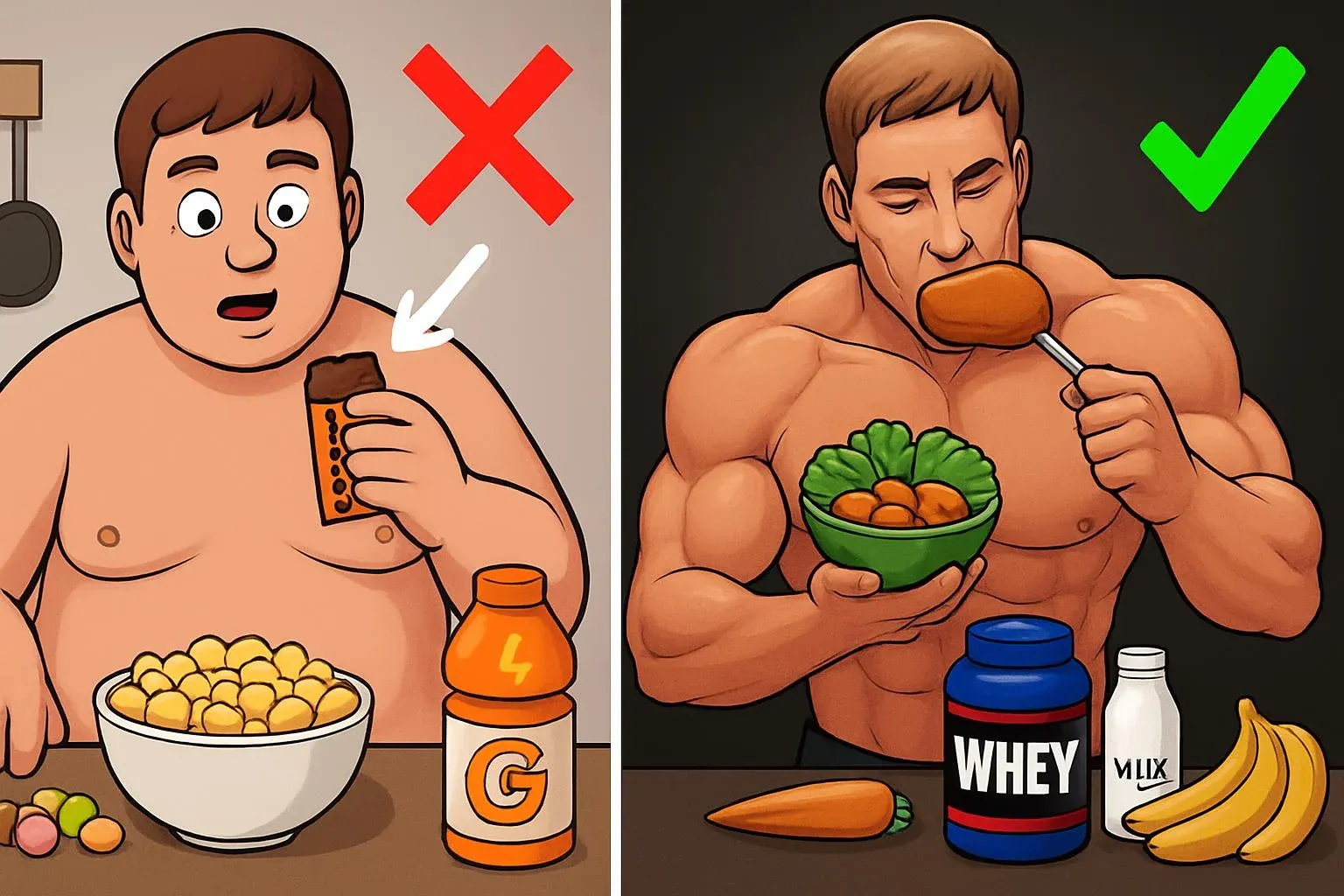
  • Prioritize total daily protein: aim for roughly 1.6–2.2 g/kg/day for most people seeking muscle gain; adjust for goals and body composition.
  • If you train fasted, or have long gaps until your next meal, prioritize a protein-rich snack or shake within an hour after training.
  • For most recreational trainees who eat balanced meals every 3–4 hours, there’s no urgent need to stress over an immediate shake.
  • Choose complete proteins or combine sources to supply all essential amino acids; quality and distribution over the day matter more than a single post-workout product.

How much and what type of protein?

  • Whey is fast-absorbing and convenient, making it a fine option post-workout. Casein and whole-food proteins digest more slowly and are still effective when consumed as part of meals.
  • Aim for 20–40 g of protein after resistance workouts, depending on body size and training intensity.
  • Whole foods (eggs, lean meat, dairy, legumes) provide additional nutrients; shakes are a convenience tool, not a necessity.

Special cases where timing matters more

  • Fasted training: consuming protein soon after is sensible to blunt muscle breakdown and start rebuilding.
  • Elite athletes with multiple daily sessions: consuming protein close to or between sessions helps recovery when training density is high.
  • Older adults: anabolic resistance can make protein timing and higher per-meal doses more relevant to preserve muscle.

Putting it into a week of training

  • Spread daily protein evenly across 3–5 meals for steady muscle protein synthesis.
  • Use a shake when convenience is needed (travel, rapid refueling between sessions), otherwise favor whole-food meals.
  • Combine protein with some carbohydrates when rapid glycogen recovery is desired (e.g., same-day repeated intense sessions). For broader diet strategy considerations, including how carb choices affect results, see this take on carb restriction versus calorie counting.

Summary: where the truth lies

  • The strict 30-minute anabolic window is overstated for most people. Total daily protein and consistent resistance training are the big levers.
  • Immediate protein can help in specific situations (fasted workouts, multiple daily sessions, older adults), but for the average gym-goer a balanced diet with well-distributed protein is sufficient.

    Is the Post-Workout Protein Shake Myth Real? What Science & Experts Actually Say

Conclusion

For most trainees, the idea that you must down a protein shake right after training is a myth: timing matters less than total daily intake and consistent resistance training. For a concise media explainer that covers the evolving view of the anabolic window, read You don’t actually need protein right after a workout.

Is the Post-Workout Protein Shake Myth Real? What Science & Experts Actually Say Read More »

, , , ,
Men over 40 building muscle with nighttime habits for faster results

6 Nighttime Habits that Build Muscle Faster (men over 40)

Night Gains After 40

Getting leaner and stronger at night isn’t magic — it’s strategy. Men over 40 can accelerate muscle growth by stacking simple, science-backed nighttime habits that improve recovery, hormone balance, and protein synthesis. For an easy bedtime nutrition boost, try incorporating high-protein options like high-protein smoothies into your evening routine to support overnight repair.

6 Nighttime Habits that Build Muscle Faster (men over 40)

1. Prioritize 7–9 Hours of Quality Sleep

Muscle repair and growth happen mostly during deep sleep when growth hormone and repair processes peak. Aim for consistent sleep and a dark, cool room (around 65°F / 18°C). Remove screens 60–90 minutes before bed to improve sleep onset and depth.

2. Nighttime Protein: Casein or Lean Choices

Consume a slow-digesting protein 60–90 minutes before bed (about 20–40g). Casein-rich dairy or a small cottage cheese bowl are classics because they supply amino acids steadily through the night. If you prefer whole foods after evening training, prioritize lean, lower-fat options and proven post-workout choices like those covered in lean meat and synthesis research.

3. Keep Evening Workouts Moderate and Focused

Intense late-night cardio can interfere with sleep; instead, schedule resistance training earlier, or do focused, moderate strength sessions in the evening that end at least 60–90 minutes before bed. Short, intense strength sessions still stimulate muscle protein synthesis without compromising sleep when timed properly.

4. Manage Late-Night Stress and Cortisol

Chronic elevated cortisol can blunt muscle-building pathways. Build a short wind-down routine: deep breathing, light stretching, or a 10-minute mindfulness practice to lower evening stress hormones and promote anabolic recovery overnight.

5. Limit Alcohol and Heavy Carbs Late

Alcohol and large late meals disrupt sleep architecture and hormone responses. Keep evening alcohol low or absent and favor a balanced small meal or snack that combines protein with slow carbs and healthy fats to support glycogen and muscle repair.

6. Consistency, Tracking, and Small Progressive Overload

Over-40 bodies respond to consistent stimuli. Track sleep, training, and evening nutrition for a few weeks to spot patterns. Gradual progressive overload in your workouts plus steady nightly recovery habits compound into faster gains than sporadic, intense efforts.

6 Nighttime Habits that Build Muscle Faster (men over 40)

Conclusion

Small, consistent nighttime changes can significantly boost muscle growth and recovery for men over 40. For a deeper look at why strength training and recovery matter as we age, read this resource on how strength training builds healthier bodies as we age.

6 Nighttime Habits that Build Muscle Faster (men over 40) Read More »

, , , ,
Protein before bed enhances muscle growth study results

Protein Before Bed – It DOES Build Muscle Faster? (New Study!)

Night Fuel: Protein’s Edge for Faster Muscle Gains

Is eating protein before bed really a shortcut to faster muscle growth? A recent wave of research suggests the answer is yes — when done right. In this article we’ll unpack what the new study implies, how nighttime protein affects muscle protein synthesis, practical dosing and food choices, and who benefits most from this strategy. If you already struggle to hit daily protein targets, adding a small pre-sleep shake or snack can be a simple fix — try incorporating high-protein smoothies into your routine for an easy bedtime option.

Protein Before Bed - It DOES Build Muscle Faster? (New Study!)

What the study found

  • The new research examined resistance-trained adults who consumed protein before sleep and compared their muscle growth and strength changes to those who did not.
  • Participants who took a slow-digesting protein (commonly casein) before bed showed improved overnight muscle protein synthesis and slightly larger gains in muscle mass over weeks of training.
  • The effect was greatest when total daily protein intake and training stimulus were already adequate — pre-sleep protein seems to augment, not replace, solid nutrition and workouts.

How pre-sleep protein works

  • During sleep your body is in an extended fasted state. Supplying amino acids overnight helps sustain muscle protein synthesis when otherwise it would drop.
  • Slow-digesting proteins like casein provide a steady release of amino acids for several hours, preventing prolonged catabolism and supporting overnight recovery.
  • Timing matters less than total intake; pre-sleep protein is most useful when it helps raise your daily protein to recommended levels for muscle growth.

Recommended amounts and types

  • Typical effective doses in studies range from 25–40 grams of high-quality protein taken 30–60 minutes before sleep.
  • Casein (found in cottage cheese or micellar casein powders) is ideal because it digests slowly. Whey works too but is faster-absorbing; combine forms if you prefer.
  • For those avoiding dairy, mixed plant proteins with complementary amino acid profiles can help, but you may need slightly higher amounts to match leucine delivery.

Practical bedtime protein ideas

  • Cottage cheese with berries and a sprinkle of nuts is an easy, whole-food option.
  • A small casein or mixed protein shake blended with water or milk keeps calories controlled.
  • Greek yogurt, a small omelet, or a serving of tofu scramble also work for variety and satiety.

How to use pre-sleep protein in your plan

  • Make sure your total daily protein is sufficient first — most people aiming for muscle gain should target ~1.6–2.2 g/kg bodyweight per day.
  • Use pre-sleep protein as a tool to reach daily goals or to support recovery after an evening workout.
  • If you train early in the evening and then go several hours without food before bed, the pre-sleep snack is especially helpful.

Who benefits most — and who should be cautious

  • Best candidates: resistance-trained individuals, those struggling to meet daily protein targets, and people doing evening workouts.
  • Be cautious if you’re trying to lose weight with a strict calorie deficit; additional bedtime calories can hinder fat loss unless accounted for in your daily plan.
  • Those with lactose intolerance should choose lactose-free or plant-based options; people with renal disease should consult a physician before increasing protein.

Quick do’s and don’ts

  • Do: aim for 25–40 g of a slowly digested protein before sleep if it helps meet daily protein.
  • Don’t: treat bedtime protein as a substitute for total daily protein or for progressive resistance training.
  • Do: monitor calorie balance — extra protein still adds energy.
  • Don’t: expect overnight protein alone to produce major gains; it’s an augmentative strategy.

Further reading and recipes

  • If you like ready-made options, try building a small bedtime shake or snack from recipes that emphasize protein density without excess calories.
  • For more ways to add protein across the day and for snack ideas beyond bedtime, see practical guides on how to increase protein with every meal.

Protein Before Bed - It DOES Build Muscle Faster? (New Study!)

Conclusion

The evidence suggests that ingesting protein before sleep can support overnight muscle protein synthesis and marginally improve muscle gains when combined with a robust training program and adequate daily protein. For a full review of the clinical evidence, read this detailed study: The Impact of Pre-sleep Protein Ingestion on the Skeletal Muscle …

Protein Before Bed – It DOES Build Muscle Faster? (New Study!) Read More »

, , , ,
Top 10 foods to eat after a workout for optimal recovery and energy replenishment

10 Best Foods to Eat After a Workout

Refuel Right: 10 Best Post‑Workout Foods

A smart post-workout meal helps repair muscle, restore glycogen and speed recovery so you’re ready for your next session. Whether you just finished a HIIT session or a long run, pairing the right foods with your training — and programs like full-body workouts — makes every session count.

10 Best Foods to Eat After a Workout

  1. Greek yogurt with berries
  • High in protein and packed with antioxidants from berries, this combo supports muscle repair and reduces inflammation. Opt for plain Greek yogurt to keep added sugars low.
  1. Chocolate milk
  • A favorite among athletes because it offers an ideal carb-to-protein ratio for recovery, plus fluids and electrolytes to rehydrate.
  1. Grilled chicken and sweet potato
  • Lean protein and complex carbs make this a classic recovery meal. Sweet potato replenishes glycogen while chicken provides essential amino acids for muscle rebuilding.
  1. Salmon and quinoa
  • Omega-3 fats in salmon help combat exercise-induced inflammation; quinoa supplies carbs plus a full profile of amino acids.
  1. Cottage cheese with pineapple or peach
  • Cottage cheese is slow-digesting casein protein for continued muscle repair after your workout. This pairs well with fruit for a carb boost. If you like planning around your sessions, check tips on pre-workout foods to optimize what you eat before and after training.
  1. Banana and nut butter
  • Quick, portable and effective: bananas offer fast carbs and potassium to counteract cramping risk; nut butter supplies healthy fats and some protein.
  1. Eggs and whole-grain toast
  • Eggs are a complete protein source; whole-grain toast gives sustained-release carbs and fiber. Add spinach or avocado for extra nutrients.
  1. Turkey and avocado wrap
  • Lean turkey provides protein while avocado adds healthy monounsaturated fats, helping you feel satisfied and fueling recovery.
  1. Protein smoothie with spinach and fruit
  • A blended smoothie (whey or plant protein, fruit, leafy greens, and liquid) is fast to consume and customizable to hit your carb/protein targets.
  1. Hummus and whole-grain crackers or pita
  • Chickpeas supply plant-based protein and carbs, and hummus adds flavor and healthy fats — a good option for light, post-exercise snacking.

Quick recovery tips

  • Aim for a 3:1 to 4:1 carb-to-protein ratio for intense endurance sessions; for strength work, prioritize protein soon after your workout.
  • Hydrate with water or an electrolyte beverage when you sweat heavily.
  • Listen to hunger cues: some people perform best with a light snack immediately and a fuller meal within 1–2 hours.

10 Best Foods to Eat After a Workout

Conclusion

For a practical guide that explains the why and how of post-workout meals in more depth, see this resource on Post-Workout Nutrition: What to Eat After a Workout.

10 Best Foods to Eat After a Workout Read More »

, , , ,
Sleeping muscles are vital for effective recovery and growth in fitness programs.

Muscles Won’t Grow If You Don’t Sleep — The Hidden Recovery Mistake Killing Your Progress

Sleep or Stall: The Recovery Mistake Killing Your Gains

You can grind in the gym and follow the perfect program, but if you’re shortchanging sleep, muscle growth will stall. Recovery happens when you rest — not while you’re counting reps — and poor sleep undermines hormones, repair, and training adaptations. If you struggle to gain size despite consistent effort, this invisible factor might be the missing piece.
Muscles Won’t Grow If You Don’t Sleep — The Hidden Recovery Mistake Killing Your Progress

Why sleep matters

  • Muscle protein synthesis and repair occur most efficiently during deep sleep stages.
  • Growth hormone and testosterone — both crucial for hypertrophy — are released in pulses tied to sleep quality.
  • Poor sleep increases cortisol, which can blunt recovery and increase catabolism.

How sleep affects hormones and recovery
Sleep deprivation alters the hormonal environment:

  • Lowered growth hormone secretion: Less repair and slowed tissue remodeling.
  • Decreased testosterone: Reduced anabolic signaling for strength and size.
  • Increased cortisol and insulin resistance: A catabolic environment that makes building muscle harder.

Common sleep mistakes that kill progress

  • Prioritizing extra sessions instead of rest days. More training isn’t always better if recovery is compromised.
  • Using caffeine or screen time late into the evening, which delays sleep onset and reduces deep sleep.
  • Inconsistent sleep timing: erratic bedtimes disrupt circadian rhythms and hormonal cycles.
  • Eating large meals or heavy stimulants right before bed, impairing sleep quality.

Practical strategies to fix sleep and reclaim gains

  1. Set a consistent sleep schedule: go to bed and wake up at the same time daily to stabilize circadian rhythms.
  2. Create a pre-sleep routine: 30–60 minutes of winding down (reading, stretching, light mobility).
  3. Optimize the bedroom: dark, cool (around 60–68°F / 15–20°C), and quiet.
  4. Limit blue light and screens at least an hour before bed.
  5. Use caffeine wisely: avoid it 6–8 hours before bedtime.
  6. Manage stress: mindfulness, breathing exercises, or brief evening journaling can lower nighttime arousal.
  7. Time training strategically: late-night heavy lifts can impair sleep for some; experiment with earlier sessions when possible.
  8. Nap smart: short naps (20–30 minutes) can boost performance without derailing nighttime sleep; avoid long late-afternoon naps.

Nutrition and sleep-friendly fueling

  • Protein before bed (slow-digesting sources like casein or cottage cheese) can support overnight muscle protein synthesis.
  • Avoid heavy, spicy, or high-sugar meals right before sleep.
  • Moderate alcohol may help you fall asleep but fragments REM sleep and reduces recovery quality.

Monitoring progress and recovery
Track more than just weight on the bar. Monitor:

  • Subjective energy and mood.
  • Sleep duration and perceived sleep quality.
  • Resting heart rate and morning readiness.
    If you want a simple way to measure overall recovery and health, try this simple assessment to see how well your body is coping with training loads.

When more training isn’t the answer
If weeks of consistent training aren’t producing gains, stop chasing more volume and evaluate recovery. Overtraining and poor sleep produce diminishing returns. Adjust volume, sleep habits, and nutrition, then reassess.

Small changes that compound

  • Add a 20–30 minute nap on heavy training days if you can.
  • Prioritize a protein-rich bedtime snack occasionally to fuel overnight repair.
  • Make one small sleep habit change per week and measure its effect.

If you need ideas to tweak your diet alongside these sleep improvements, here’s a useful resource on boosting protein intake across meals and snacks: 10 easy ways to increase your protein intake.

Muscles Won’t Grow If You Don’t Sleep — The Hidden Recovery Mistake Killing Your Progress

Conclusion

Fixing sleep is one of the highest-ROI steps you can take to accelerate muscle growth and strength. If progress has stalled, review your sleep strategy before adding more training. For broader troubleshooting on training plateaus and common mistakes that stop progress, check this guide: 9 Mistakes Why You are Not Making ANY Progress with Calisthenics …

Muscles Won’t Grow If You Don’t Sleep — The Hidden Recovery Mistake Killing Your Progress Read More »

, , , ,
Benefits of consuming protein before bed for health and sleep improvement

5 Surprising Benefits of Having Protein Before Bed You Didn’t Know About

Nighttime Protein: 5 Surprising Perks

Eating protein before bed has become a popular habit for athletes and health-conscious people — but beyond muscle repair, there are some surprising benefits you might not know about. If you’re curious how a pre-sleep snack can fit into your routine and portioning, check out these practical tips like 10 easy ways to increase your protein intake with every meal and snack.

5 Surprising Benefits of Having Protein Before Bed You Didn’t Know About

1. Better overnight muscle repair and growth

While you sleep your body enters a longer fasting window. Consuming a moderate amount of slow-digesting protein (like casein or a small dairy-based snack) supplies a steady amino-acid stream to support muscle protein synthesis throughout the night — especially helpful after evening workouts. This means improved recovery and, over time, better gains in strength and lean mass.

2. Improved metabolic stability and appetite control

Protein is the most satiating macronutrient. A protein-rich bedtime snack can blunt late-night hunger and reduce the likelihood of waking up ravenous. That fullness helps stabilize morning blood sugar and may reduce overall daily calorie intake for people trying to manage weight.

3. Enhanced sleep quality for some people

Some studies suggest that a small protein snack before bed can reduce sleep disturbances linked to overnight hypoglycemia or hunger. Tryptophan-containing proteins (like turkey or milk) can also support the production of serotonin and melatonin in susceptible individuals, potentially easing the transition to restful sleep. Individual responses vary, so experiment with timing and portion size.

4. Supports muscle maintenance during calorie restriction

When you’re dieting or in a calorie deficit, your body risks breaking down muscle for energy. A steady supply of protein overnight helps preserve lean tissue by keeping amino acids available, which can protect strength and metabolism while you lose fat. If you track portions, it may help to know examples of serving sizes and how much protein looks like on a plate to plan your evening snack effectively: what 150g of protein looks like on a plate.

5. Convenient way to boost daily protein totals

For many people, fitting enough protein into their day is the hardest part. A simple bedtime option — Greek yogurt, cottage cheese, a protein shake, or a small handful of nuts with a serving of dairy — is an easy and reliable way to raise daily protein intake without disrupting daytime meals. Over weeks and months, that extra protein can support body composition and recovery goals.

5 Surprising Benefits of Having Protein Before Bed You Didn’t Know About

Conclusion

If you’re weighing whether to add a small protein snack before bed, evidence suggests there can be meaningful upsides — from overnight muscle repair to better appetite control. For a concise, science-backed overview, see this resource on the potential benefits: Are There Benefits to Eating Protein Before Bed?

5 Surprising Benefits of Having Protein Before Bed You Didn’t Know About Read More »

, , , ,
Scroll to Top