
muscle growth

Man training in gym with weights, aiming to grow muscle efficiently.

If you train like this, you won’t grow muscle

Grow muscle

If you feel like you’re training hard but the mirror and scale aren’t showing progress, you’re not alone. Many common training mistakes silently sabotage muscle growth ; and the fix is often simpler than you think. Deciding which muscle groups to prioritize up front helps you design a plan that actually produces results.

If you train like this, you won't grow muscle

Why your training might not be building muscle

  • No progressive overload: If you never increase weight, reps, sets, or intensity, the muscles have no reason to adapt.
  • Poor recovery: Training the same muscle groups every day, skimping on sleep, or ignoring stress keeps you in a catabolic state.
  • Insufficient calories or protein: Without enough fuel and amino acids, growth stalls even if training is intense.
  • Too much low-intensity cardio: Excessive steady-state cardio can interfere with recovery and blunt strength gains.
  • Haphazard programming: Constantly switching workouts with no consistency prevents long-term adaptation.

Common technical mistakes

  • Bad form that limits load: Compensating with momentum reduces time under tension and increases injury risk.
  • Always training to failure: Occasional close-to-failure sets are useful, but daily maximal failure can degrade performance and recovery.
  • Ignoring compound lifts: Bench, squat, deadlift, and rows engage multiple muscles and stimulate greater hormonal and neuromuscular responses.
  • Wrong rep ranges for goals: Purely staying in very high reps with light loads won’t maximize hypertrophy for many lifters.

Practical fixes you can apply this week

  • Plan progressive overload: Add small, measurable increases (2–5% weight or 1–2 reps) every week or two.
  • Prioritize sleep and rest days: Aim for 7–9 hours of quality sleep and at least 48 hours between heavy sessions for the same muscle group.
  • Track macros: Ensure adequate protein (roughly 0.7–1.0 g per pound of bodyweight for many lifters) and a modest calorie surplus if you want to gain mass.
  • Use mixed intensity: Combine heavy compound days (4–6 reps), moderate hypertrophy blocks (8–12 reps), and occasional lighter technique or conditioning days.
  • Fix form first: Reduce load if needed to maintain strict technique, then progress volume or intensity.

Programming examples (simple templates)

  • 3-day upper/lower/full split: Good balance for recovery and frequency; hit muscles ~2x/week.
  • 4-day push/pull/legs/upper or push/pull/legs/rest: Allows more focused volume per muscle group.
  • For plant-based lifters: focus on protein variety and timing; research shows you can still build muscle on a plant-based diet when planned properly; consider strategies like pooling plant proteins and timing intake around workouts (build muscle on a plant-based diet).

Small tweaks that compound

  • Increase daily protein distribution (20–40 g every 3–4 hours).
  • Add a weekly heavy compound session and a separate moderate hypertrophy session for each major muscle group.
  • Replace some long cardio with short interval conditioning to preserve muscle.

If you train like this, you won't grow muscle

Conclusion

If you want a quick checklist of signals that your training is working and muscles are responding, see 5 Secret Signs You’re Building Muscles for clear, practical indicators to track.
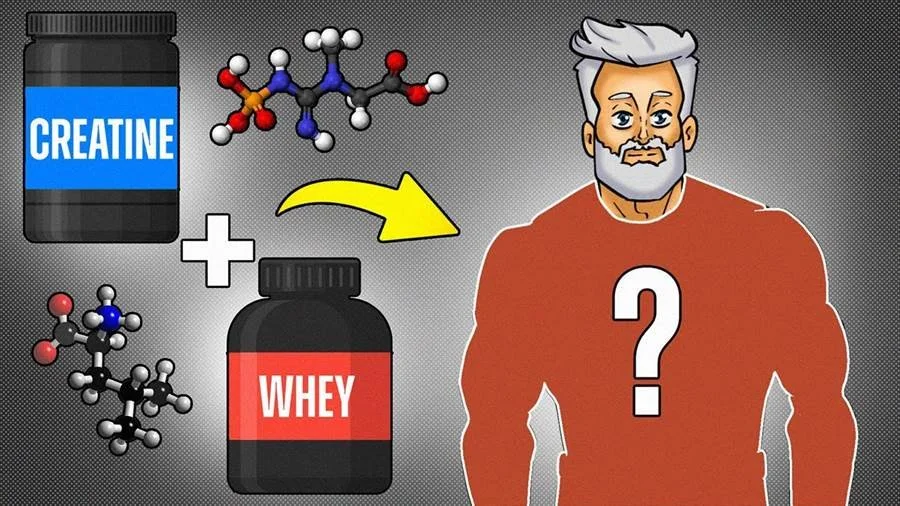
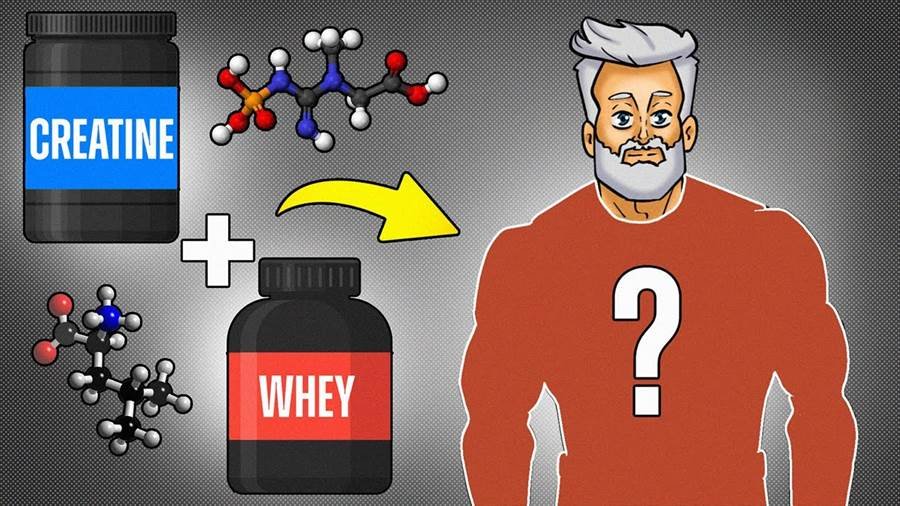
If you train like this, you won’t grow muscle Read More »

, , , ,
Creatine protein powder benefits for workout performance

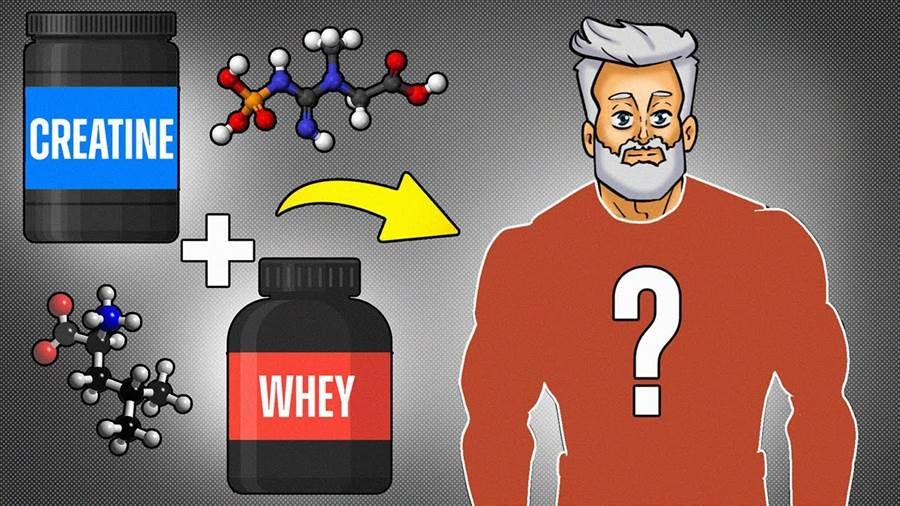
Creatine and Protein: the best way 2 how you can double the power?

Creatine and protein powder are two of the most popular supplements in gyms and kitchens worldwide. Athletes and hobby lifters often stack them, believing the combination speeds muscle growth and boosts strength more than either alone. But what does the research actually say; and how should you take them for best results? For simple ideas to boost daily protein that pair well with supplement timing, see this guide on increasing protein intake.

Double the Pow­er? What Science Says About Taking Creatine and Protein Powder

How creatine and protein work (quick primer)

  • Creatine supplies phosphate groups that help regenerate ATP, the immediate energy source for short, intense efforts (like heavy lifts and sprints). That improves strength, power, and the ability to perform more quality reps.
  • Protein — or more precisely, the amino acids in protein — provides the building blocks (especially leucine) that trigger muscle protein synthesis (MPS) and support recovery and growth when combined with resistance training.
    Taken together, the two support different but complementary elements of adaptation: creatine helps you train harder and more often; protein helps your muscles repair and grow from that training.

What the science says about combining them

  • Performance and hypertrophy: Multiple randomized trials show that creatine improves strength and lean mass when combined with resistance training. Adding adequate protein to a training program also increases muscle gain. Several studies comparing creatine + protein vs. protein alone report greater gains in strength and lean mass with the combined approach — but the effect size varies and depends on training status, total calories, and baseline creatine stores.
  • Timing: Early theories proposed creatine absorption might be enhanced by the insulin response to carbohydrates or protein. Some small studies showed slightly greater creatine uptake when taken with a carbohydrate-or-carb+protein drink, but later work suggests the practical benefits are modest for most people. The most important factors are consistent daily creatine intake (3–5 g/day) and enough dietary protein spread across the day.
  • Loading vs maintenance: A common protocol is a short loading phase (20 g/day split for 5–7 days) then maintenance (3–5 g/day). Loading can saturate muscle stores faster, but long-term maintenance without loading also works. Combining either approach with adequate daily protein still produces benefits.

Practical timing and dosing recommendations

  • Creatine: 3–5 g/day is effective for most adults. If you choose to load, follow with maintenance dosing. Take it consistently; timing (pre vs post) has minor effects compared with daily adherence.
  • Protein: Aim for roughly 1.6–2.2 g/kg/day for those focused on muscle growth, with 20–40 g of high-quality protein per meal, including a dose near your training session.
  • Stacking: Mixing creatine into your post-workout protein shake is convenient and supported by evidence of safety and effectiveness. The act of consuming protein (and an accompanying carb) may slightly aid creatine uptake, but the real advantage is convenience and adherence.

Safety and myths

  • Kidney health: In healthy individuals, standard creatine doses (3–5 g/day) show no harmful effects on kidney function in clinical studies. Individuals with preexisting kidney disease should consult a doctor before starting creatine.
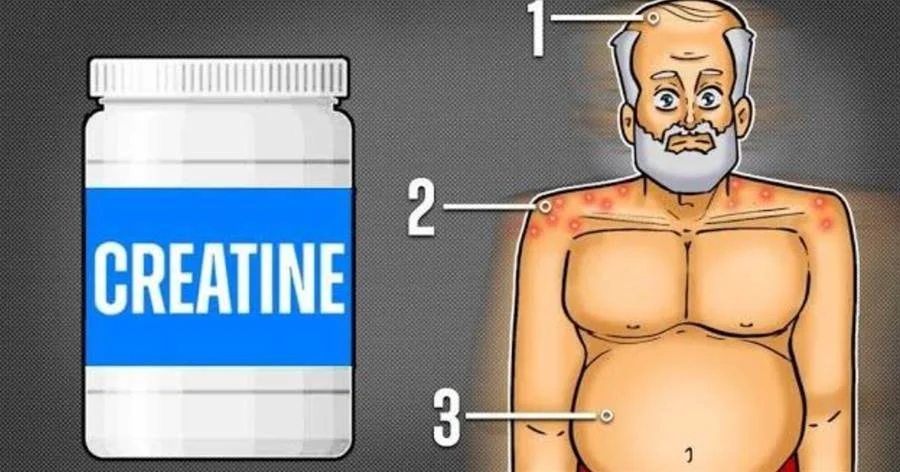
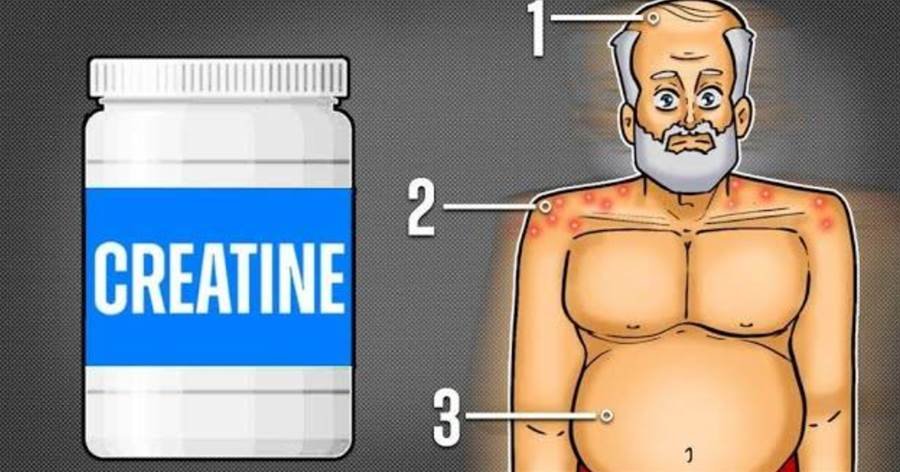
  • Digestive upset: Some people experience bloating or GI discomfort with creatine loading or high single doses; spacing doses or skipping loading can reduce symptoms.
  • Contamination and quality: Supplements vary in purity. Choosing reputable brands that third-party test for contaminants and heavy metals is wise. For ideas on protein-based recipes and how to use protein powder safely in meals, try this protein powder pancakes recipe.

Mixing, taste, and convenience

  • Creatine monohydrate is flavorless and mixes well into shakes, coffee, or water. Adding it to a protein shake doesn’t significantly change taste and makes daily dosing simpler.
  • If you prefer to take capsules, that’s fine too; just ensure you take a consistent amount.
  • Combining with carbs (fruit, juice) post-workout can make a shake more enjoyable and may slightly increase insulin-mediated creatine uptake, although the effect isn’t essential for most users.

Who benefits most from combining them?

  • Beginners and intermediate lifters: Likely to see clear additive benefits because gains are substantial when starting a consistent program.
  • Experienced lifters: Still benefit, but gains are more modest and depend on training specificity, nutrition, and recovery.
  • Athletes in power and sprint sports: Creatine helps repeated high-intensity efforts; adequate protein supports recovery between sessions.

Quick stacking routine example

  • Pre-workout: Small meal with carb + protein (1–2 hours out).
  • Post-workout shake: 20–30 g whey protein + 3–5 g creatine mixed with water or milk.
  • Daily habit: If you miss post-workout, take creatine with any other beverage — consistency matters most.

When to consult a pro

  • Preexisting medical conditions (especially kidney disease) or medications: ask your physician.
  • If you’re unsure about dosing, nutrition timing, or product quality, a registered dietitian or sports nutritionist can personalize recommendations.
Double the Pow­er? What Science Says About Taking Creatine with Protein Powder

Conclusion

Stacking creatine with protein powder is a convenient, well-supported strategy to enhance strength and lean mass when combined with resistance training — but product quality matters. For information on heavy metal contamination and safety concerns in some protein powders, see this Consumer Reports piece on High Levels of Lead in Protein Powder and Shakes (https://www.consumerreports.org/lead/protein-powders-and-shakes-contain-high-levels-of-lead-a4206364640/).

Creatine and Protein: the best way 2 how you can double the power? Read More »

, , , ,
Infographic detailing 13 surprising facts about creatine supplementation

13 Things No One Tells You About Creatine

Creatine Uncovered: 13 Things You Didn’t Know

Creatine is one of the most researched supplements in sports nutrition, but even regular users miss important details that shape results, safety, and expectations. Whether you’re just starting or tweaking your regimen, these lesser-known facts will help you use creatine smarter — not just harder. If you’re planning a focused training block, consider pairing what you learn here with a program such as the Built Not Bought Challenge to see results faster.

13 Things No One Tells You About Creatine

  1. It’s not a steroid — it’s fuel
  • Creatine isn’t an anabolic steroid. It replenishes cellular ATP, the energy currency your muscles use for short bursts of effort (sprints, heavy reps). That’s why it helps power strength and high-intensity performance.
  1. Loading is optional
  • A common protocol is a 5–7 day loading phase (20 g/day split) followed by 3–5 g/day maintenance. But you can skip loading and take 3–5 g/day; it just takes longer (3–4 weeks) to saturate muscles.
  1. Creatine monohydrate is the gold standard
  • Many forms exist (ethyl ester, HCL, buffered), but creatine monohydrate has the strongest evidence for efficacy, safety, and cost-effectiveness when dosed properly.
  1. Expect some weight gain — usually water
  • Initial weight gain is mainly intracellular water in muscle cells, which can be mistaken for fat. This is often beneficial (fuller muscles) and not a sign of fat gain.
  1. Timing isn’t critical — consistency is
  • Post-workout timing may offer slight advantages for uptake, but overall daily consistency matters more. Daily intake keeps muscle stores topped up.
  1. Hydration matters
  • Creatine draws water into muscle cells. Maintain good hydration, especially in hot conditions or long endurance sessions, to avoid cramping and maintain performance.
  1. It’s safe long-term for most people
  • Extensive research shows creatine is safe for healthy individuals when taken at recommended doses. If you have kidney disease or other chronic conditions, consult a clinician before starting.
  1. Vegetarians and vegans may see bigger gains
  • People with lower baseline creatine (common in vegan/vegetarian diets) often experience larger relative improvements when supplementing.
  1. Caffeine interaction is nuanced
  • Early studies suggested caffeine might blunt creatine’s benefits, but evidence is mixed. Moderate caffeine use is generally fine; just monitor your performance and digestion.
  1. Purity matters
  • Choose reputable brands with third-party testing to avoid contaminants. Look for Creapure® or similar certifications when possible.
  1. It won’t give you a six-pack by itself
  • Creatine helps strength and muscle fullness, but reducing belly fat and revealing abs depends on diet and conditioning. For common misconceptions about abs and how training links to appearance, see these myths about six-pack.

  1. Small doses can help older adults and cognition
  • Research shows benefits for aging muscle preservation and even some cognitive support, though outcomes vary and require more study.
  1. Quality control and stacking
  • Combine creatine with a sensible training program and adequate protein for best results. Avoid overcomplicating stacks; creatine alone delivers big value for most people.

Practical tips

  • Start with 3–5 g/day if you prefer simplicity. If you choose to load, split the daily dose into 4 portions to reduce stomach upset.
  • Mix with water, juice, or your post-workout shake. Creatine is flavorless and dissolves better in warm liquids.
  • Track bodyweight and performance, not just the scale. Strength and rep gains are the clearest signals of benefit.

13 Things No One Tells You About Creatine

Conclusion

For a concise, readable breakdown that complements this guide, check out 13 Things No One Tells You About Creatine. It’s a helpful companion if you want another take on dosing, myths, and practical use.

13 Things No One Tells You About Creatine Read More »

, , , ,
Infographic showing the formula for rapid, lean muscle growth.

Stop Wasting Time — Here’s the Real Formula for Rapid, Lean Muscle Growth

Title: Lean Rapid: The Real Formula for Fast Muscle Growth

Stop spinning your wheels and hoping for magic. Building lean muscle fast is not about extremes — it’s about a precise, repeatable formula that pairs smart training, targeted nutrition, and disciplined recovery. Follow the core principles below and you’ll get consistent gains without unnecessary fat or wasted effort.

Stop Wasting Time — Here’s the Real Formula for Rapid, Lean Muscle Growth

Why this approach works

  • Focus on progressive overload and movement quality to force adaptation.
  • Prioritize sufficient protein and controlled calories to fuel muscle without excess fat.
  • Use training frequency and exercise selection to maximize stimulus while limiting fatigue.
  • Optimize recovery (sleep, stress, mobility) so growth actually happens between sessions.

The Training Principles

  1. Progressive overload, not endless volume
    • Increase weight, reps, or density weekly. Small, consistent increments beat sporadic extremes.
  2. Favor compound lifts
    • Squats, deadlifts, presses, rows and chins move the most load and drive hormonal and mechanical stimulus.
  3. Rep ranges and session design
    • 3–6 sets per main lift, 6–12 reps for hypertrophy work, and occasional 3–5 rep strength blocks to raise training ceiling.
  4. Frequency matters
    • Train each major muscle 2–3 times per week for faster hypertrophy.

Quick note on food choices
Choose high-quality, lean protein sources around workouts to maximize protein synthesis — lean options often outperform high-fat choices for post-workout recovery. See research-backed guidance on why lean meats can be superior after training: lean meat post-workout.

Nutrition: the lean-growth template

  • Protein: 1.6–2.2 g/kg body weight per day (adjust up for larger or older trainees).
  • Calories: a mild surplus of 250–350 kcal/day for most trainees targeting lean gains; leaner individuals can use cycling or refeeds.
  • Carbohydrates: prioritize around training (pre/post) to support performance and recovery.
  • Fats: 20–30% of calories to support hormones and satiety.
  • Hydration and electrolytes: underrated but critical for performance and recovery.

Supplements that actually help
Supplements are tools, not magic. Creatine monohydrate, vitamin D (if deficient), and a protein powder for convenience are top priorities. For preserving muscle during dieting or to complement training, consult evidence-based options and consider targeted protocols: best supplements for muscle preservation.

Programming example (8-week lean build)
Weeks 1–4: 3 full-body sessions/week — main lift + 2 accessory movements per session, 8–12 reps for most accessory work.
Weeks 5–8: Upper/lower split — increase intensity on main lifts, include a heavier set (3–6 reps) and a hypertrophy cluster (3 sets of 8–10).
Progress rule: if you hit top reps for all sets two workouts in a row, increase load 2.5–5%.

Recovery and lifestyle

  • Sleep: aim for 7–9 hours; less sleep kills muscle gains and learning.
  • Stress management: chronic cortisol blunts growth; use breathing, distractions, and structure.
  • Non-exercise activity: maintain NEAT to control fat gain while in a surplus.

Common mistakes to avoid

  • Chasing the biggest pump instead of progressive overload.
  • Overshooting calories and blaming “slow metabolism.”
  • Ignoring mobility and joint health — pain limits progress.
  • Changing too many variables at once (program, diet, supplements).

Simple 4-week checklist to start

  • Track training loads weekly.
  • Log calories and protein for at least two weeks.
  • Sleep priority: 7+ hours on 5+ nights/week.
  • Use the programming example above and adjust based on progress.

Stop Wasting Time — Here’s the Real Formula for Rapid, Lean Muscle Growth

Conclusion

For a sustainable, evidence-informed approach to lean gains, combine progressive overload, adequate protein, and disciplined recovery. If you want a deeper review of how calorie strategies and maintenance affect body composition and long-term weight control, see this resource on weight-loss and maintenance strategies.

Stop Wasting Time — Here’s the Real Formula for Rapid, Lean Muscle Growth Read More »

, , , ,
7 essential foods for muscle growth in men over 40

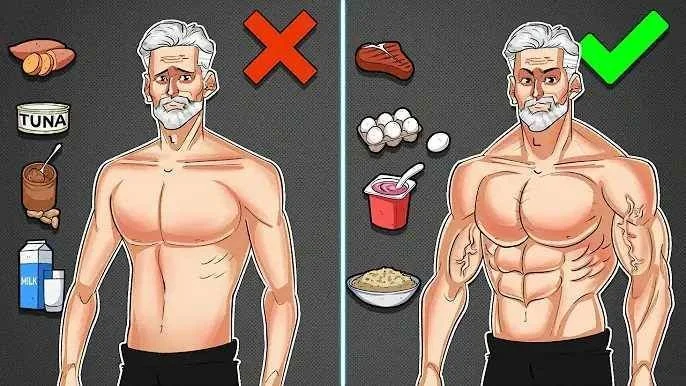
7 Foods Every Man Over 40 Must Eat for Muscle Growth

Title: Prime Fuel: 7 Muscle-Building Foods for Men Over 40

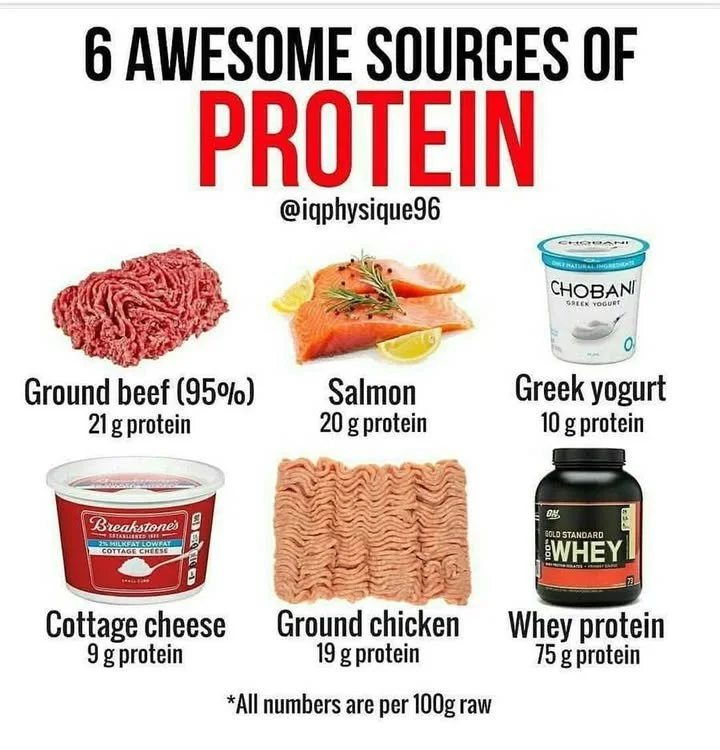
Men over 40 face unique challenges for maintaining and building muscle: hormonal shifts, slower recovery, and a greater need for nutrient-dense meals. Targeted food choices can help preserve lean mass, support recovery, and boost strength without excessive calories. For simple ways to get more protein into your routine, check out these high-protein grilling options.

7 Foods Every Man Over 40 Must Eat for Muscle Growth

  1. Eggs — Complete protein with vitamin D and choline
    Eggs pack high-quality protein and healthy fats that support muscle protein synthesis and cognitive health. For men over 40, two to three whole eggs (or a mix of whole eggs and egg whites) after resistance training helps stimulate recovery. Cook them in olive oil with spinach for added antioxidants.

  2. Salmon — Omega-3s plus lean protein
    Fatty fish like salmon supplies EPA and DHA, which reduce inflammation and may improve muscle repair. Aim for two servings a week; baked or grilled fillets with lemon and herbs are an easy, nutrient-dense dinner option.

  3. Greek yogurt — Probiotic, calcium, and whey protein
    Plain Greek yogurt offers concentrated protein and probiotics to support gut health and recovery. Mix with berries and a handful of nuts for a muscle-friendly snack or breakfast that also delivers calcium for bone health.

  4. Lean beef — Iron and leucine for synthesis
    Lean cuts of beef supply iron, zinc, and the amino acid leucine, a key trigger for muscle protein synthesis. Choose lean steaks or ground beef; portion control keeps saturated fat low. For evidence that lean meat supports faster post-workout synthesis, consider this resource on lean meat post-workout benefits.

  5. Quinoa — Complete plant-based protein and carbs
    Quinoa is a rare grain that provides all essential amino acids, plus fiber and magnesium. Use it as a base for bowls with vegetables and a protein source to replenish glycogen and aid recovery after training.

  6. Cottage cheese — Slow-digesting casein for overnight repair
    Cottage cheese is rich in casein protein, which digests slowly and supplies amino acids over several hours — ideal before sleep to support overnight muscle repair. Add pineapple or cucumber and herbs for a savory or sweet option.

  7. Walnuts and almonds — Healthy fats and anti-inflammatory support
    Nuts deliver monounsaturated and polyunsaturated fats, vitamin E, and antioxidants that help reduce exercise-induced inflammation. A small handful as a snack provides calories and nutrients without overdoing saturated fat.

Practical tips for men over 40

  • Prioritize protein at each meal: aim for 25–40 g per sitting to maximize synthesis.
  • Combine strength training with these foods to maintain stimulus for muscle growth.
  • Monitor portion sizes and overall calorie balance — building muscle doesn’t mean overeating.
  • Stay hydrated and get adequate sleep; both are crucial for recovery and hormonal balance.

7 Foods Every Man Over 40 Must Eat for Muscle Growth

Conclusion

Smart food choices speed recovery and support muscle growth as you age. For a broader list of muscle-focused options and meal ideas, see 10 Foods Every Man Should Eat Every Day to Build Dense Muscle.

7 Foods Every Man Over 40 Must Eat for Muscle Growth Read More »

, , , ,
Hidden errors that hinder muscle growth despite training hard

You’re Training Hard But Not Growing? These 5 “Hidden” Errors Are Stealing Your Muscle

5 Silent Muscle Thieves

If you’re training hard but the mirror and the scale aren’t showing progress, something’s stealing your gains. Often it isn’t the program — it’s small, “hidden” errors in recovery, nutrition, technique, or lifestyle that quietly blunt muscle growth. Before you overhaul your routine, check these five common saboteurs and the simple fixes that actually work.

You’re Training Hard But Not Growing? These 5 “Hidden” Errors Are Stealing Your Muscle

  1. Chronic Under-Recovery: Training More ≠ Growing
  • The problem: Doing extra sessions or piling on volume without enough recovery keeps your body in a catabolic state. You can’t out-train inadequate rest.
  • Signs: Persistent soreness, plateaued lifts, sleep trouble, low motivation.
  • Fix: Prioritize sleep (7–9 hours for most), schedule lighter weeks, and add active recovery days. Use progressive overload but plan deloads every 4–8 weeks.
  1. Hidden Calorie and Protein Shortfall
  • The problem: Many trainees underestimate how many calories and how much protein they need to build muscle, especially when adding heavy training.
  • Signs: Slow strength gains, minimal size increases, feeling drained.
  • Fix: Track intake for 1–2 weeks to find maintenance, then add a modest surplus (200–400 kcal/day). Aim for 0.7–1.0 g protein per pound of bodyweight (1.6–2.2 g/kg). If you’re unsure about your overall nutrition approach, review your choices and supplementation strategy — and consider checking resources on meeting nutrient needs to confirm you’re on track: are you meeting your nutrient needs.
  1. Inefficient Training Focus: Volume vs. Intensity Balance
  • The problem: Either too much low-quality volume or constant maximal attempts can both impair hypertrophy. Muscles grow from a mix of tension, metabolic stress, and adequate volume executed with good form.
  • Signs: Lots of time in the gym but weak progressive increases, recurring form breakdown.
  • Fix: Periodize training: include blocks that emphasize heavier strength work (3–6 reps), hypertrophy ranges (6–12 reps), and lighter metabolic work. Track sets that reach near-failure for targeted muscles each week.
  1. Subtle Form Flaws and Muscle Imbalances
  • The problem: Small technique errors or dominant muscle groups taking over can prevent the target muscle from being fully stressed.
  • Signs: One side lags, certain muscles never feel “worked,” joint discomfort.
  • Fix: Slow down reps, use controlled tempo, add unilateral movements (single-leg or single-arm) and pre-exhaust techniques. Video yourself or get a coach critique. Also evaluate your training apparel and mobility — small gear or mobility choices can affect movement quality; for example, selecting appropriate training gear can improve comfort and performance: apparel to fuel your odyssey.
  1. Lifestyle Stress and Inflammation
  • The problem: High life stress, poor sleep hygiene, excessive alcohol, or chronic low-level inflammation reduce recovery capacity and impair anabolic signaling.
  • Signs: Persistent fatigue, poor sleep, frequent illness, slow healing.
  • Fix: Manage stress with brief daily practices (breathing, short walks), limit evening stimulants, keep consistent sleep schedules, and prioritize anti-inflammatory whole foods. If inflammation or health concerns persist, get professional care.

Quick troubleshooting checklist (do this weekly)

  • Calculate rough calorie needs and protein — adjust slowly.
  • Log key lifts and sets; look for trends rather than single workouts.
  • Ensure 1–2 full rest or active recovery days per week.
  • Video compound lifts monthly to monitor form.
  • Assess sleep quality and stress; aim to improve one small habit each week.

Small changes compound
Often these errors coexist. Fixing just one — improving sleep, increasing protein, correcting a form issue — can unlock weeks of progress. Be patient: muscle growth is slow but consistent, and reducing these “silent thieves” makes every workout count.

You’re Training Hard But Not Growing? These 5 “Hidden” Errors Are Stealing Your Muscle

Conclusion

If you suspect stress, sleep, or underlying health issues are holding back your progress, consider getting professional student health or wellness support. The Utah State University Student Health Center can be a helpful starting point for assessments and guidance on sleep, nutrition, and medical concerns.

You’re Training Hard But Not Growing? These 5 “Hidden” Errors Are Stealing Your Muscle Read More »

, , , ,
Building muscle without creatine - effective strategies for muscle growth.

No Creatine, No Gains? The Brutal Truth About Building Muscle Without a Secret Weapon

Gains Without Creatine

First thing’s first: no, creatine isn’t a miracle drug you absolutely must take to build muscle — but it is a powerful, convenient aid. If you choose to train without it, the road is still very much open; it just requires smarter programming, sharper nutrition, and realistic expectations about timelines. This article lays out how to get meaningful hypertrophy without relying on that "secret weapon."

No Creatine, No Gains? The Brutal Truth About Building Muscle Without a Secret Weapon

Why creatine helps (and what you lose when you skip it)

  • Creatine increases available phosphocreatine in muscles, boosting short, intense efforts and helping you squeeze out extra reps or a heavier set.
  • Without it you may see slightly slower strength gains early on and less ability to hit those last grind-reps that stimulate extra growth.
  • The trade-off: no supplementation means you avoid the small risks, costs, and habit of daily dosing — and many lifters still build impressive muscle naturally.

Introduction: set expectations and a plan
If your goal is visible muscle and strength but you’re opting out of creatine, be clear on timeframes: gains may be marginally slower and recovery from maximal efforts might feel different. That said, with disciplined training and nutrition you can still progress steadily. For programming ideas focused on unilateral strength and stability that pair well with no-supplement approaches, check out Bulgarian split squat alternatives to build robust lower-body work without overloading the central nervous system every session.

How muscle grows without a supplement

  • Mechanical tension: Lift heavy (relative to you) and prioritize progressive overload. Track reps, weight, and tempo.
  • Metabolic stress: Use higher-rep sets, dropsets, and short rest periods to create cellular signaling for growth.
  • Muscle damage and repair: Controlled eccentric loading (slow negatives) stimulates remodeling. Balance this with adequate recovery.
  • Volume matters most: Total weekly volume per muscle group is a primary driver of hypertrophy. If you can’t push intensity as high each session, increase sets across the week.

Diet tweaks to compensate

  • Aim for a slight caloric surplus (200–350 kcal/day) if your goal is hypertrophy. Prioritize protein at ~1.6–2.2 g/kg bodyweight.
  • Time your carbs around workouts to fuel effort and replenish glycogen; this helps maintain training quality without creatine’s burst-capacity boost.
  • Creatine can increase cell water and muscle fullness; without it, emphasize sodium and carbohydrate timing to maintain training performance on heavy days.
  • For guidance on how food choices affect performance and recovery across broader eating styles, see how organic and non-organic choices play into food quality — it’s not creatine, but food quality matters.

Training strategies that work well without creatine

  • Prioritize barbell compound lifts 2–3x/week (e.g., squat, bench, deadlift, row, press) to build overall strength.
  • Use autoregulation (RPE or leaving 1–2 reps in reserve) to avoid chronic overreaching when you can’t rely on extra short-term power.
  • Add hypertrophy-focused accessory work: 8–15 rep ranges, varied tempos, and controlled eccentrics.
  • Increase weekly volume gradually and deload every 4–8 weeks depending on fatigue signs.

Recovery and non-training factors

  • Sleep 7–9 hours where possible — recovery drives protein synthesis.
  • Manage stress and maintain consistent meal timing.
  • Consider caffeine for acute performance (pre-workout) but don’t equate it to creatine’s effects.
  • Stay hydrated and monitor electrolyte balance, particularly if you noticed added muscle fullness when previously using creatine.

Common pitfalls when skipping creatine

  • Expecting the same week-to-week jumps in strength — they’ll be smaller.
  • Training too hard too often because you’re compensating mentally for “missing” the supplement.
  • Underestimating the need for consistent progressive overload and volume.
  • Neglecting nutrition timing and total calories; supplements don’t replace fundamentals.

A simple 8-week approach (sample)
Weeks 1–4

  • 3 weight sessions/week: full-body template (squat/press/row + 2 accessory movements).
  • Rep ranges: 4–6 heavy sets; 8–12 accessory sets; total weekly volume per muscle: moderate.
  • Focus: technique, build consistency.
    Weeks 5–8
  • Increase weekly sets by ~10–20% for each major muscle group.
  • Add slow eccentrics and a weekly higher-rep finisher per muscle.
  • Evaluate progress: if strength and size stalling, add another set or adjust calories.

Small wins to track

  • Increased working sets at a given weight.
  • More accurate execution of tempo and eccentrics.
  • Clothing fit and measurements rather than scale weight alone.
  • Consistent increases in weekly volume or training load.

No Creatine, No Gains? The Brutal Truth About Building Muscle Without a Secret Weapon

Conclusion

You can absolutely build meaningful muscle without creatine by dialing in progressive overload, weekly volume, recovery, and nutrition — but expect slightly slower short-term gains and be methodical. If you’re curious about dietary pitfalls that commonly affect older adults who may be altering their nutrition for performance or body composition, read this resource: 7 Mistakes People Over Age 50 Make With The Keto Diet.

No Creatine, No Gains? The Brutal Truth About Building Muscle Without a Secret Weapon Read More »

, , , ,
A guide to using creatine for muscle growth with detailed usage plan.

How To Use CREATINE for Muscle Growth (FULL PLAN)

Creatine Growth Blueprint

Creatine is one of the most researched supplements for increasing strength, power and muscle mass. This guide gives a simple, practical plan to use creatine safely and effectively, including dosing, timing, training pairings and troubleshooting for best results. For coaches and educators wanting to turn this into a session, see this resource on designing fitness workshops: how to design educational fitness workshops.

How To Use CREATINE for Muscle Growth (FULL PLAN)

What follows is a concise, actionable plan you can apply whether you’re a beginner or an experienced lifter.

How creatine works

  • Creatine supplies quick phosphate groups (as phosphocreatine) to regenerate ATP during short, high-intensity efforts — the kind of energy used in sprints and heavy lifts.
  • Over weeks, improved training quality (more reps, heavier loads, better recovery) drives greater muscle hypertrophy.

Which creatine to choose

  • Creatine monohydrate (micronized) is the gold standard — cheapest, safest, and most studied.
  • Avoid exotic blends or proprietary mixes unless they explicitly list creatine monohydrate and dose.

Loading vs. low-dose daily

  • Loading (optional): 20 g/day split into 4 doses for 5–7 days to saturate muscles fast.
  • Maintenance: 3–5 g/day thereafter.
  • Skip loading if you prefer a steady approach: 3–5 g/day will saturate muscles in ~3–4 weeks with similar long-term benefits.

Timing and pairings

  • Timing is flexible: daily consistency matters more than exact minute timing.
  • Small advantage: taking creatine post-workout with carbs/protein can aid uptake — mix it with your post-workout shake or a carb snack.

  • Stay well hydrated; creatine draws water into muscle cells.

Sample simple plan (two options)

  • Fast saturation (optional):
    • Loading: 20 g/day (4 × 5 g) for 5–7 days
    • Maintenance: 3–5 g/day thereafter
  • Straight maintenance:
    • 3–5 g/day every day (no loading)

Training and nutrition to maximize gains

  • Use progressive overload: prioritize compound lifts (squats, deadlifts, presses, rows) and gradually increase weight or reps.
  • Creatine works best when combined with consistent resistance training and adequate protein (0.7–1 g/lb bodyweight) and calories.
  • Use creatine during cutting phases too to preserve strength and lean mass.

Safety and side effects

  • Side effects are uncommon; occasional bloating or stomach upset can occur (reduce dose or split throughout the day).
  • Kidney concerns are not supported in healthy individuals at recommended doses, but consult a medical professional if you have pre-existing kidney disease.
  • For gym safety while pushing heavier loads, review basic safety protocols to reduce injury risk: how to stay safe at the gym.

Practical tips and troubleshooting

  • Mix creatine into warm water, juice or your shake to dissolve it fully.
  • If you forget a dose, skip it and resume the next day — don’t double up.
  • Track progress: log lifts, sets, and body measurements every 4 weeks to see creatine’s benefits.

Frequently asked questions

  • Will creatine make me bulky? It increases muscle size when combined with training; initial weight gain may include water in muscle cells.
  • Is cycling necessary? No; continuous daily use at maintenance doses is common and effective.
  • Can women use it? Yes — benefits apply across sexes when paired with resistance training.

How To Use CREATINE for Muscle Growth (FULL PLAN)

Conclusion

For a reliable, medically reviewed overview of creatine — including benefits, safety and supplement guidance — consult the Cleveland Clinic summary: Creatine: What It Does, Benefits, Supplements & Safety.

How To Use CREATINE for Muscle Growth (FULL PLAN) Read More »

, , , ,
Calisthenics training for muscle growth and overcoming common mistakes.

Calisthenics Muscle Growth: The Hidden Mistakes Killing Your Progress

Calisthenics Growth Killers

Calisthenics builds strength and size without a gym, but many athletes stall because of small, avoidable mistakes. This article pinpoints the hidden errors that quietly kill your muscle growth and gives practical fixes so you can start making consistent progress again. For a quick nutrition tip, consider how lean protein choices affect recovery and synthesis: lean meat boosts post-workout protein synthesis.

Calisthenics Muscle Growth: The Hidden Mistakes Killing Your Progress

Why progress stalls

  • Failure to apply progressive overload. Bodyweight training still needs gradual increases in tension, volume, or difficulty. Doing the same reps and routines week after week won’t drive growth.
  • Poor exercise selection. Relying on variations that don’t sufficiently load target muscles (e.g., light-range push-ups instead of weighted or advanced push variations) limits stimulus.
  • Neglecting volume and frequency. Calisthenics lifters often underdo total weekly sets for hypertrophy because single-session rep counts look high, but overall weekly stimulus remains low.

Form, range, and tempo

  • Rushed reps and short ranges reduce muscle tension. Slow eccentrics and full range-of-motion reps amplify hypertrophic signaling.
  • Skipping progressions. Instead of forcing a skill-level move repeatedly, use regressions that let you hit quality volume (e.g., ring rows, incline variations, or negatives).
  • Ignoring eccentric and isometric loading. Incorporate controlled negatives and holds to increase time under tension without needing heavy external load.

Programming mistakes

  • No plan for periodization. Rotate intensity, volume, and focus (strength vs hypertrophy) across weeks to prevent stagnation.
  • Random exercise mixing. Track what works; repeat and gradually intensify proven progressions rather than constantly switching for novelty.
  • Underestimating recovery. Without adequate sleep and deload periods, the nervous system and muscles fail to adapt.

Nutrition and calories

  • Under-eating. Many calisthenics athletes assume bodyweight training needs less fuel — in reality, growth requires a caloric surplus or at least maintenance with optimal protein.
  • Protein neglect. Aim for 0.7–1.0 g per pound of bodyweight (1.6–2.2 g/kg). If you struggle to hit targets, use practical strategies like the ones in 10 easy ways to increase your protein intake.
  • Timing and distribution. Spread protein across meals and include a quality source after training to support repair and synthesis.

Common training anti-patterns

  • Doing endless skill practice but no hypertrophy work. Skills improve neural efficiency but don’t always deliver enough volume for muscle growth.
  • Chasing high reps only. Extremely high reps can build endurance but may not maximize hypertrophy unless matched with progressive overload.
  • Skipping accessory work. Small isolation-style pulls/pushes and unilateral exercises correct imbalances and increase total volume.

Tracking and adjustments

  • Not measuring progress. Track sets, reps, tempo, and perceived effort. If you aren’t improving one of those metrics, change something.
  • Waiting too long to adjust. If 4–6 weeks of consistent effort yields no improvement, alter load, volume, or nutrition.
  • Overdoing everything at once. Change one variable at a time (e.g., increase weekly sets by 10–20%) to find what drives gains without burning out.

Quick, practical tweaks to restart growth

  • Add small, weekly progression steps: extra rep, added tempo, or harder variation.
  • Schedule 2–3 hypertrophy-focused sessions weekly with 8–20 total weekly sets per muscle group depending on experience.
  • Prioritize sleep, protein, and a modest calorie surplus if your goal is size.
  • Use negatives, holds, and tempo work to increase intensity without weights.
  • Track workouts and body measurements to objectively assess progress.

Calisthenics Muscle Growth: The Hidden Mistakes Killing Your Progress

Conclusion

If your calisthenics gains have plateaued, revisiting these common pitfalls is the fastest path back to progress. For a focused breakdown of mistakes that stop progress and how to fix them, see 9 Mistakes Why You are Not Making ANY Progress with Calisthenics …

Calisthenics Muscle Growth: The Hidden Mistakes Killing Your Progress Read More »

, , , ,
7 everyday foods that serve as muscle hacks for better growth after lifting

Still Small After Lifting for Months? These 7 Everyday Foods Could Be Your Missing Muscle Hack

7 Everyday Foods That Unlock Real Muscle Gains

Still putting in hours at the gym but not seeing the size you want? Training is only half the equation — the foods you eat every day can make or break muscle growth. Small, strategic swaps and reliable staples can turbocharge recovery, boost protein synthesis, and help you finally see the gains you’re chasing. For a quick read on complementary strategies, consider pairing these food choices with targeted nutrients like the best supplements for muscle preservation.

Still Small After Lifting for Months? These 7 Everyday Foods Could Be Your Missing Muscle Hack

Why these foods matter: they deliver high-quality protein, essential amino acids (especially leucine), supportive fats, and digestible carbs — the building blocks your muscles need to adapt to training.

  • Eggs — The complete protein powerhouse

    • Why: Whole eggs supply about 6–7 g of complete protein each, plus healthy fats and choline for recovery.
    • How to use: 2–3 whole eggs post-workout or scrambled with veggies for breakfast. Aim for 20–30 g protein in that meal.
    • Tip: Don’t fear the yolk; it helps with absorption of fat-soluble nutrients and provides extra calories if you need to gain mass.
  • Greek yogurt (or cottage cheese) — Slow-release casein for overnight repair

    • Why: Rich in casein protein which digests slowly, supporting overnight muscle repair and limiting breakdown.
    • How to use: 1 cup plain Greek yogurt with fruit and a spoonful of nut butter before bed.
    • Tip: Choose full-fat if you’re trying to add size — extra calories help fuel hypertrophy.
  • Lean red meat — High leucine and iron to support strength

    • Why: Red meat is dense in leucine (a trigger for muscle protein synthesis), creatine precursors, and bioavailable iron.
    • How to use: 4–6 oz lean cuts a few times weekly with veggies and a starch.
    • Tip: If you want the science-backed edge on meat choice and post-workout protein synthesis, read more about lean meat and faster post-workout muscle protein synthesis.
  • Chicken breast — Versatile, lean, and protein-dense

    • Why: High-quality protein with minimal fat — easy to portion for precise calorie and protein goals.
    • How to use: Grill or bake 4–6 oz portions; pair with rice or sweet potato for optimal glycogen replenishment.
    • Tip: Marinate and cook in batches to simplify meal prep and stay consistent.
  • Salmon (or other fatty fish) — Protein plus anti-inflammatory fats

    • Why: Offers complete protein and omega-3s (EPA/DHA), which can reduce exercise-induced inflammation and support recovery.
    • How to use: 3–5 oz servings 2–3 times per week; great for evening meals.
    • Tip: If you can’t eat fish often, consider a fish oil supplement (discuss with a professional).
  • Lentils and beans — Plant protein and carbs with fiber

    • Why: Excellent for variety, providing protein, carbs, and micronutrients (iron, folate) — great in combination with grains for a complete amino acid profile.
    • How to use: Add 1 cup cooked lentils to salads, soups, or burritos; pair with rice or quinoa.
    • Tip: Combine with vitamin-C rich foods (tomatoes, peppers) to improve iron absorption.
  • Oats — Slow carbs that support consistent energy and calories

    • Why: Oats provide slow-digesting carbs, some protein, and a reliable calorie base for increasing mass without spiking insulin.
    • How to use: 1 cup cooked with milk, topped with banana and nut butter for a balanced pre- or post-workout meal.
    • Tip: Add a scoop of protein powder or chopped nuts to hit your protein targets.

Simple meal structure to follow

  • Aim for 3–5 meals daily that each contain 20–40 g of protein from these foods.
  • Match carbs to workout timing: more around training, less during rest days.
  • Track total calories first (to ensure you’re in a modest surplus for growth), then refine macronutrients.

Practical hacks to maximize gains

  • Prioritize total daily protein (0.7–1.0 g/lb bodyweight for many lifters) rather than overemphasizing single meals.
  • Use calorie-dense versions (full-fat yogurt, olive oil, nuts) if you struggle to eat enough.
  • Sleep, stress management, and progressive overload in training amplify the benefits of these foods.

Still Small After Lifting for Months? These 7 Everyday Foods Could Be Your Missing Muscle Hack

Conclusion

Consistency with these seven everyday foods — combined with smart training and recovery — often breaks plateaus faster than chasing gimmicks. For additional guidance on body composition and fat-loss strategies that complement muscle-building efforts, see this resource: Losing Belly Fat | Rush.

Still Small After Lifting for Months? These 7 Everyday Foods Could Be Your Missing Muscle Hack Read More »

, , , ,
Protein supplements and foods for effective muscle growth

The Best Way to Use Protein for Muscle Growth (science-based)

Protein Blueprint for Muscle Growth

Consistent, well-distributed protein intake is the single most important nutritional factor for building and preserving muscle. Aim for a daily target based on bodyweight, spread across meals that each contain enough essential amino acids — especially leucine — to trigger maximal muscle protein synthesis. For a deeper dive into how food choice affects post-workout protein use, consider how lean meat beats high-fat meat for faster post-workout muscle protein synthesis in practical settings.

The Best Way to Use Protein for Muscle Growth (science-based)

Why this matters

  • Muscle protein synthesis (MPS) is the process of building new muscle. You stimulate MPS with resistance training and dietary protein; you reduce net muscle loss by minimizing breakdown with adequate energy and protein.
  • The goal is to maximize the response to each meal so that total daily MPS is as high as possible.

Daily protein targets

  • Evidence-based range: 1.6–2.2 g/kg bodyweight per day for most people seeking muscle growth (higher end if you’re in a calorie deficit or older).
  • Example: a 75 kg person should target roughly 120–165 g/day depending on training status and goals.
  • Calories and overall energy still matter — protein won’t build muscle if you’re severely underfed.

Per-meal protein and the leucine threshold

  • Per-meal doses of ~0.4–0.55 g/kg (roughly 20–40 g for many people) effectively stimulate MPS when evenly distributed.
  • Leucine, an essential branched-chain amino acid, acts as a key trigger. Aim for ~2.5–3 g leucine per meal (commonly reached with ~25–40 g of high-quality protein).
  • Spread protein evenly across 3–5 meals to repeatedly stimulate MPS instead of front-loading all protein in one sitting.

Timing around training

  • Post-workout protein is valuable, but the “anabolic window” isn’t a narrow 30-minute slot for most people. If you’ve eaten a protein-containing meal within a few hours before training, post-workout urgency is reduced.
  • Practical rule: consume a quality protein-containing meal within 1–3 hours after resistance training if your previous meal was several hours earlier.
  • Pre-sleep protein (30–40 g casein or whole-food protein) can support overnight MPS and recovery, especially on hard training days.

Protein quality and choices

  • Prioritize high-quality sources with complete amino acid profiles: whey, eggs, dairy, lean meats, poultry, fish, and soy.
  • For convenience or caloric control, whey and lean protein sources are efficient choices; they digest quickly and deliver leucine efficiently.
  • If you’re plant-based, combine complementary sources and aim for slightly higher daily protein to offset lower digestibility.

Practical strategies to hit targets

  • Distribute protein: aim for similar protein amounts at breakfast, lunch, dinner, and at least one snack or shake.
  • Simple swaps: add an extra egg or Greek yogurt at breakfast, include a lean meat or tofu portion at lunch, and finish dinner with a solid protein portion.
  • Use protein-rich snacks after training or between meals to keep per-meal intake sufficient — for more tips, check these ways to increase your protein intake.
  • Track totals for a few days and adjust: focus on meeting the daily and per-meal numbers rather than obsessing over timing.

Special populations and considerations

  • Older adults: may need the higher end of the protein range (2.0–2.4 g/kg) and larger per-meal protein to overcome anabolic resistance.
  • During fat loss: keep protein at the upper range (2.0–2.4 g/kg) to minimize muscle loss.
  • Athletes with heavy training loads: maintain adequate calories and lean toward the higher end of the recommended range.

Sample daily plan (75 kg lifter aiming ~150 g/day)

  • Breakfast: 30 g protein (eggs + Greek yogurt)
  • Midday meal: 35 g (lean chicken, rice, veg)
  • Post-workout snack: 25 g (whey shake + banana)
  • Dinner: 40 g (fish or steak with sides)
  • Optional bedtime casein: 20 g (cottage cheese)
    This distribution keeps each meal in the effective per-meal range and provides regular MPS stimulation.

The Best Way to Use Protein for Muscle Growth (science-based)

Conclusion

Consistent daily protein intake, distributed across several meals with sufficient leucine per meal, is the most science-supported approach to maximizing muscle growth. For a thorough, science-based guide to optimizing protein timing and doses, see The Smartest Way To Use Protein To Build Muscle (Science …).

The Best Way to Use Protein for Muscle Growth (science-based) Read More »

, , , ,
Essential muscle supplements for faster muscle growth and performance

The ONLY Supplements You Need to Build Muscle Faster

Essential Muscle Stack

Building muscle faster doesn’t require a cabinet full of powders and pills — just a short, smart stack of supplements, consistent training, and solid nutrition. Below I break down the truly essential supplements that give the biggest return on time and money, how to use them, and safety notes so you can stack intelligently.

The ONLY Supplements You Need to Build Muscle Faster

Introduction

  • Focus on evidence-based staples first. Supplements are aids, not substitutes for progressive overload, sleep, and calories. If you struggle with specific lifts or balance, consider alternatives like these Bulgarian split squat alternatives to keep training consistent while you add the following basics.

The core supplements (the "ONLY" you need)

  1. Protein powder (whey or plant)
  • Why: Ensures you hit daily protein targets conveniently, supporting muscle protein synthesis and recovery.
  • How to use: Aim for ~0.7–1.0 g per pound of bodyweight from all food; use a shake to fill gaps. Post-workout or between meals both work.
  • Tip: Blend into meals or try high-protein smoothies when you need calories and convenience.
  1. Creatine monohydrate
  • Why: The most-researched supplement for strength and lean mass gains. Increases available ATP for short, intense efforts.
  • How to use: 3–5 g daily. Loading (20 g/day split for 5–7 days) speeds saturation but isn’t necessary.
  • Safety: Extremely safe for healthy adults when taken at recommended doses; stay hydrated.
  1. Omega-3 (fish oil)
  • Why: Supports recovery, joint health, inflammation control, and overall well-being — useful when training volume increases.
  • How to use: 1–3 g combined EPA + DHA daily from a quality supplement or fatty fish.
  1. Vitamin D (if deficient)
  • Why: Many adults are low in vitamin D, which can impair recovery, immune function, and mood — indirect but real effects on training consistency.
  • How to use: Test first if possible. Typical supplementation ranges from 1,000–4,000 IU/day, tailored to blood levels.
  1. Caffeine (strategic, not daily high doses)
  • Why: Proven to boost performance, focus, and perceived exertion when taken pre-workout.
  • How to use: 3–6 mg/kg 30–60 minutes before training. Use only on training days or when you need a performance boost to avoid tolerance.

Optional single-purpose extras (use only if needed)

  • Beta-alanine: For longer sets or repeated sprint work (helps buffering), 2–5 g/day with 400 mg doses to reduce tingling.
  • A basic multivitamin: If your diet lacks variety, use a once-daily multivitamin as nutritional insurance.

How to prioritize and stack

  • Start with protein and creatine — these two give the largest, consistent impact for strength and muscle.
  • Add omega-3 and fix vitamin D if tests show deficiency or you have limited sun exposure.
  • Use caffeine only as a situational enhancer for hard sessions; don’t rely on it for every workout.
  • Keep supplements simple: one high-quality protein, creatine monohydrate, and a fish oil; add others only for specific needs.

Safety and quality control

  • Choose third-party tested brands when possible (NSF, Informed-Sport, USP).
  • Don’t exceed recommended doses; consult a healthcare professional if you have medical conditions, are pregnant, or take medications.
  • Remember supplements complement — they don’t replace — whole foods, progressive training, and sleep.

Practical sample daily plan

  • Breakfast: Protein + whole-food meal
  • Pre-workout: Caffeine (if needed)
  • Post-workout: Protein shake + creatine (3–5 g)
  • Daily: Fish oil and vitamin D (if supplementing)

The ONLY Supplements You Need to Build Muscle Faster

Conclusion

Stick to the essentials — high-quality protein, creatine monohydrate, omega‑3s, and only add vitamin D or caffeine when needed — and you’ll cover the supplements that reliably speed muscle growth while minimizing cost and complexity. For a deeper, evidence-based overview of supplement roles and recommendations, see this comprehensive guide from supplements-for-muscle-growth | NASM.

The ONLY Supplements You Need to Build Muscle Faster Read More »

, , , ,
30-day creatine supplementation effects backed by scientific studies

What Happens When You Take Creatine for 30 Days Straight? (13 studies)

30-Day Creatine Snapshot

Creatine is one of the most studied supplements for strength, power, and muscle gains. Taken daily for 30 days, creatine consistently raises muscle creatine stores and can produce measurable gains in performance and body composition in healthy adults. For best results, pair supplementation with smart nutrition — for example, simple strategies to increase your protein intake help support recovery and growth.

What Happens When You Take Creatine for 30 Days Straight? (13 studies)

What changes to expect in 30 days

  • Faster energy for short, intense bursts: Creatine increases phosphocreatine stores in muscle, improving ATP availability during high-intensity efforts. Many studies show better sprint, jump, and repeated-sprint performance within weeks.
  • Early weight gain, mostly water: A common early effect is a 1–3 lb (0.5–1.5 kg) increase from intracellular water retention. Over 30 days some of this may shift toward true lean mass if training is consistent.
  • Noticeable strength and power improvements: Bench press, squat, and other maximal-strength measures often improve within 2–4 weeks, especially when resistance training accompanies supplementation.
  • Small cognitive and recovery benefits in some people: A subset of studies report improved short-term memory and reduced fatigue in demanding conditions, though effects vary.
  • Time course: Muscle creatine rises within days; functional gains tend to become clearer after 2–4 weeks of training plus supplementation.

How safe is daily creatine for 30 days?

  • In healthy adults, 3–5 g/day is well tolerated; common mild effects include bloating or transient gastrointestinal discomfort in some users.
  • Blood creatinine (a kidney function marker) can rise because creatine converts to creatinine — this is expected and not necessarily a sign of kidney damage. People with pre-existing kidney disease should consult a clinician before starting.
  • Stay hydrated and monitor any unusual symptoms. Long-term studies have not shown adverse effects in healthy subjects when used appropriately.

Dosing strategies that work in 30 days

  • Loading (optional): 20 g/day split into 4 doses for 5–7 days, then 3–5 g/day maintenance. This saturates muscles faster and can show effects sooner.
  • No-load (simple): 3–5 g/day from day 1 — muscles reach near-saturation over a few weeks and still produce gains across 30 days.
  • Timing: Daily consistency matters more than precise timing; taking creatine post-workout with carbs/protein may slightly improve uptake.

Pair it with training and habits

  • Resistance training: Progressive overload across the 30 days maximizes the supplement’s benefits.
  • Cardio/sprints: Creatine helps repeated high-intensity efforts, so include intervals if your sport requires them.
  • A focused 30-day program can amplify results — combining creatine with a structured plan like the 30-day ab challenge or another targeted routine increases the chance of visible changes.
  • Nutrition and sleep: Adequate protein, calories, and recovery all influence how much muscle you gain in 30 days.

Practical tips

  • Start with 3–5 g/day if you want to avoid loading-related bloating.
  • Mix with a carbohydrate-containing drink to help uptake if desired.
  • Keep training intensity high and track lifts or sprint times to see objective changes.
  • If concerned about lab results (e.g., elevated creatinine), inform your healthcare provider you are taking creatine before testing.

What Happens When You Take Creatine for 30 Days Straight? (13 studies)

Conclusion

Taking creatine daily for 30 days reliably increases muscle creatine stores and often leads to early gains in strength, power, and lean mass when combined with proper training and nutrition. If you have medical questions or are taking medications and want to review official prescribing or safety information, consult product labeling such as the FDA label for TAMIFLU® (oseltamivir phosphate) and discuss any concerns with your healthcare provider.

What Happens When You Take Creatine for 30 Days Straight? (13 studies) Read More »

, , , ,
Protein before bed enhances muscle growth study results

Protein Before Bed – It DOES Build Muscle Faster? (New Study!)

Night Fuel: Protein’s Edge for Faster Muscle Gains

Is eating protein before bed really a shortcut to faster muscle growth? A recent wave of research suggests the answer is yes — when done right. In this article we’ll unpack what the new study implies, how nighttime protein affects muscle protein synthesis, practical dosing and food choices, and who benefits most from this strategy. If you already struggle to hit daily protein targets, adding a small pre-sleep shake or snack can be a simple fix — try incorporating high-protein smoothies into your routine for an easy bedtime option.

Protein Before Bed - It DOES Build Muscle Faster? (New Study!)

What the study found

  • The new research examined resistance-trained adults who consumed protein before sleep and compared their muscle growth and strength changes to those who did not.
  • Participants who took a slow-digesting protein (commonly casein) before bed showed improved overnight muscle protein synthesis and slightly larger gains in muscle mass over weeks of training.
  • The effect was greatest when total daily protein intake and training stimulus were already adequate — pre-sleep protein seems to augment, not replace, solid nutrition and workouts.

How pre-sleep protein works

  • During sleep your body is in an extended fasted state. Supplying amino acids overnight helps sustain muscle protein synthesis when otherwise it would drop.
  • Slow-digesting proteins like casein provide a steady release of amino acids for several hours, preventing prolonged catabolism and supporting overnight recovery.
  • Timing matters less than total intake; pre-sleep protein is most useful when it helps raise your daily protein to recommended levels for muscle growth.

Recommended amounts and types

  • Typical effective doses in studies range from 25–40 grams of high-quality protein taken 30–60 minutes before sleep.
  • Casein (found in cottage cheese or micellar casein powders) is ideal because it digests slowly. Whey works too but is faster-absorbing; combine forms if you prefer.
  • For those avoiding dairy, mixed plant proteins with complementary amino acid profiles can help, but you may need slightly higher amounts to match leucine delivery.

Practical bedtime protein ideas

  • Cottage cheese with berries and a sprinkle of nuts is an easy, whole-food option.
  • A small casein or mixed protein shake blended with water or milk keeps calories controlled.
  • Greek yogurt, a small omelet, or a serving of tofu scramble also work for variety and satiety.

How to use pre-sleep protein in your plan

  • Make sure your total daily protein is sufficient first — most people aiming for muscle gain should target ~1.6–2.2 g/kg bodyweight per day.
  • Use pre-sleep protein as a tool to reach daily goals or to support recovery after an evening workout.
  • If you train early in the evening and then go several hours without food before bed, the pre-sleep snack is especially helpful.

Who benefits most — and who should be cautious

  • Best candidates: resistance-trained individuals, those struggling to meet daily protein targets, and people doing evening workouts.
  • Be cautious if you’re trying to lose weight with a strict calorie deficit; additional bedtime calories can hinder fat loss unless accounted for in your daily plan.
  • Those with lactose intolerance should choose lactose-free or plant-based options; people with renal disease should consult a physician before increasing protein.

Quick do’s and don’ts

  • Do: aim for 25–40 g of a slowly digested protein before sleep if it helps meet daily protein.
  • Don’t: treat bedtime protein as a substitute for total daily protein or for progressive resistance training.
  • Do: monitor calorie balance — extra protein still adds energy.
  • Don’t: expect overnight protein alone to produce major gains; it’s an augmentative strategy.

Further reading and recipes

  • If you like ready-made options, try building a small bedtime shake or snack from recipes that emphasize protein density without excess calories.
  • For more ways to add protein across the day and for snack ideas beyond bedtime, see practical guides on how to increase protein with every meal.

Protein Before Bed - It DOES Build Muscle Faster? (New Study!)

Conclusion

The evidence suggests that ingesting protein before sleep can support overnight muscle protein synthesis and marginally improve muscle gains when combined with a robust training program and adequate daily protein. For a full review of the clinical evidence, read this detailed study: The Impact of Pre-sleep Protein Ingestion on the Skeletal Muscle …

Protein Before Bed – It DOES Build Muscle Faster? (New Study!) Read More »

, , , ,
Three essential science-backed supplements for muscle growth

The ONLY 3 Supplements You Need for Muscle Growth (science-based)

Title: 3 Science-Backed Supplements for Muscle Growth

Building muscle reliably comes down to progressive resistance training, adequate calories and protein, sleep, and consistency. Once those basics are in place, only a few supplements offer meaningful, evidence-backed benefits for strength and hypertrophy — and they’re simple, cheap, and well-studied.

The ONLY 3 Supplements You Need for Muscle Growth (science-based)

Why limit the list?
Too many supplement options create confusion and expense. Focusing on the handful with the strongest clinical support reduces waste and gives the best return on effort. Before adding any supplement, make sure your overall diet and training are dialed in and check whether you’re already meeting your nutrient goals using resources like meeting your nutrient needs for optimal wellness.

  1. High-quality protein (whey or whole-food protein)
  • Why it helps: Muscle growth requires a positive net muscle protein balance after training. Supplemental protein — especially fast-digesting, leucine-rich sources like whey — reliably increases muscle protein synthesis when total daily protein is sufficient.
  • How to use: Aim for ~1.6–2.2 g/kg body weight per day for most trainees. For individual meals, target ~20–40 g of high-quality protein (or ~0.25–0.4 g/kg) to maximally stimulate muscle protein synthesis. A post-workout shake is convenient but not strictly necessary if meals hit protein targets.
  • Evidence: Multiple meta-analyses show additional protein intake increases lean mass and strength when combined with resistance training.
  1. Creatine monohydrate
  • Why it helps: Creatine increases muscle phosphocreatine stores, improving short-term high-intensity performance and training quality. Over weeks to months, that extra work capacity translates into greater strength and hypertrophy. Creatine also has cell-signaling and volumizing effects that support muscle growth.
  • How to use: 3–5 g/day is effective for maintenance. A 5–7 day loading phase of 20 g/day (divided doses) will saturate stores faster but isn’t required. Mix with water; timing is flexible (post-workout is common).
  • Safety: Extensive research supports creatine’s safety in healthy adults when used at recommended doses.
  1. Omega-3 fish oil (EPA/DHA) — strategic, not magic
  • Why it helps: Omega-3 fatty acids support muscle health by modulating inflammation and enhancing anabolic signaling in some populations, particularly older adults or those with suboptimal intakes. They can help recovery and may augment the muscle-protein-synthesis response to protein and resistance exercise.
  • How to use: Typical supplemental doses range from 1–3 g combined EPA+DHA per day. Emphasize dietary sources (fatty fish) first; supplement when intake is low.
  • Evidence: Benefits are modest for young, well-nourished lifters but more pronounced when baseline omega-3 status is poor or in aging populations.

Practical dosing and priorities

  • First priority: hit daily protein targets and progressive overload in training.
  • Add creatine (3–5 g/day) next — highest single ROI.
  • Consider fish oil (1–3 g/day) if your diet is low in fatty fish or you want extra recovery/inflammatory control.
  • Micronutrients: correct deficiencies (e.g., vitamin D) rather than routinely supplementing every vitamin. If you suspect low vitamin D, test and treat accordingly; blanket supplementation isn’t always needed.

What to avoid

  • Expensive “muscle builders” with proprietary blends and stimulants rarely outperform the three fundamentals above.
  • Multi-ingredient pre-workouts can be useful for focus but don’t replace creatine or protein.
  • Relying on supplements to fix poor training, sleep, or nutrition is ineffective.

Who benefits most

  • Beginners and intermediate lifters benefit a lot from protein + creatine.
  • Older adults or those with low dietary omega-3s or vitamin D may see additional gains from targeted supplementation.
  • Competitive athletes may layer other supplements for sport-specific needs, but for general muscle growth these three cover the essentials.

Safety and quality

  • Choose third-party tested products when possible to verify purity and labeled doses.
  • Follow recommended dosing and consult a healthcare provider if you have medical conditions or take medications.

The ONLY 3 Supplements You Need for Muscle Growth (science-based)

Conclusion

When training and diet are solid, the most consistently useful supplements for muscle growth are high-quality protein, creatine monohydrate, and omega-3 fish oil. For a concise, professional overview of evidence-based options and guidance, see supplements-for-muscle-growth | NASM.

The ONLY 3 Supplements You Need for Muscle Growth (science-based) Read More »

, , , ,
A person measuring creatine powder for daily supplementation.

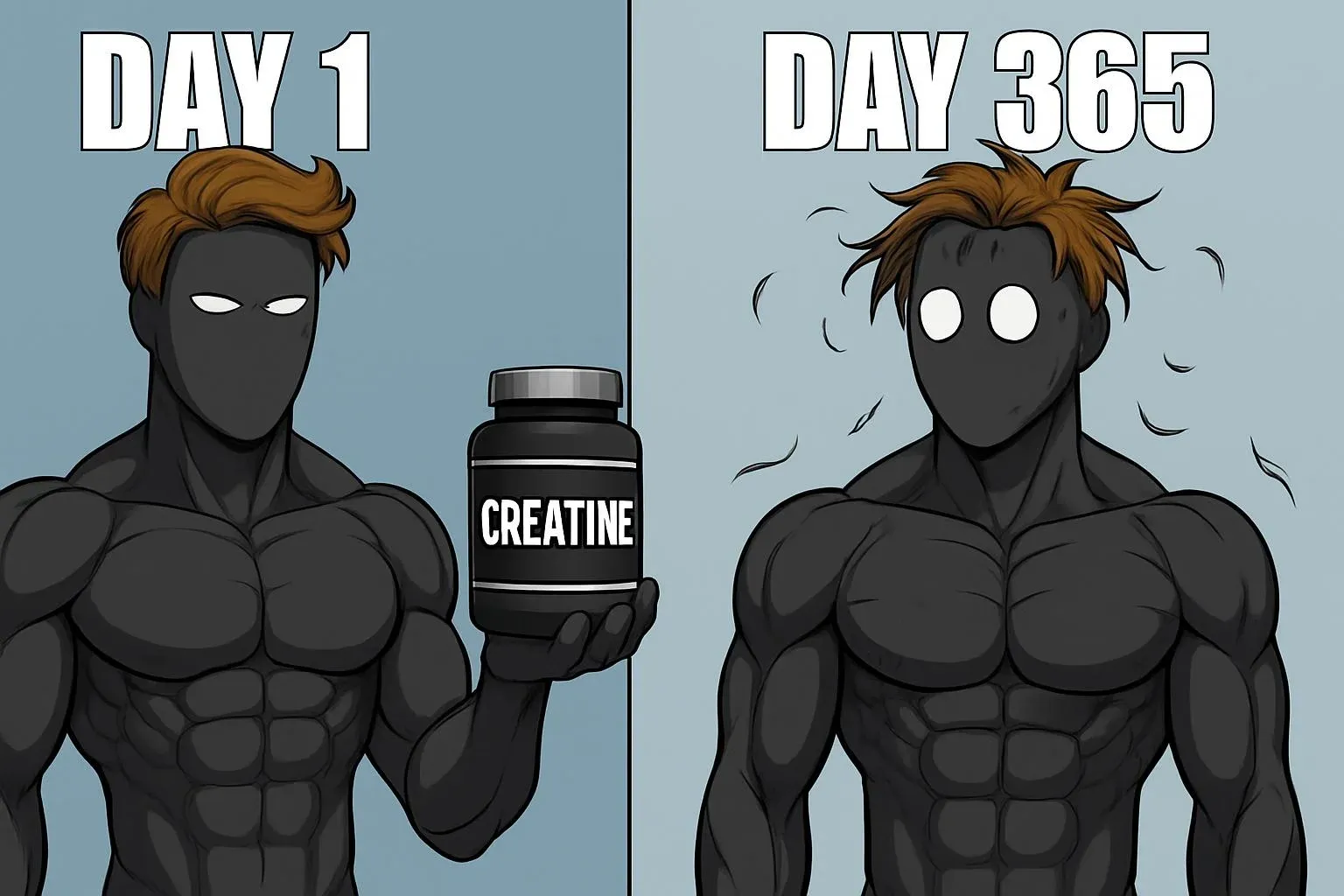
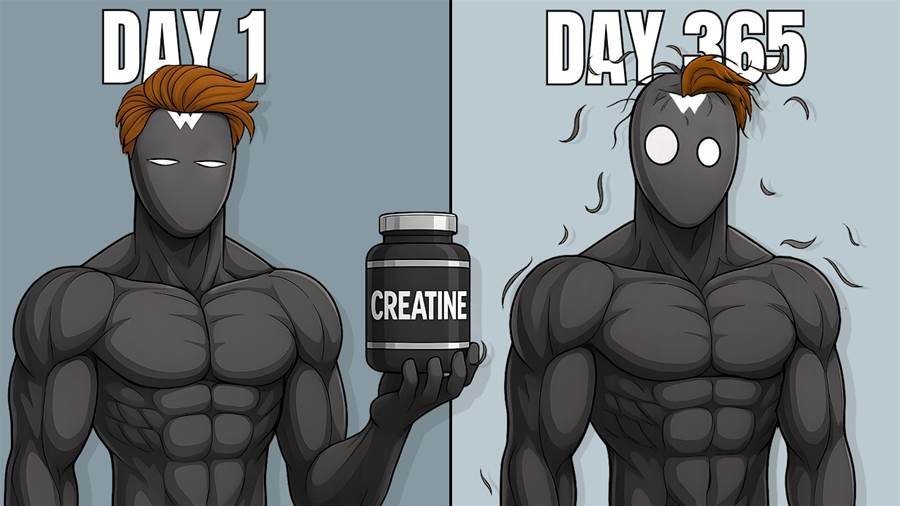
I Took Creatine For 365 Days… Here is What Happened.

365 Days on Creatine — Year in Gains

I decided to take creatine every day for 365 days to see what consistent supplementation would do for strength, size, recovery, and how it would feel day-to-day. I treated it like a year-long experiment: same basic training split, roughly the same calorie target, and a simple 5 g daily dose of creatine monohydrate. The mindset was consistent practice — similar to how artists improve by returning to fundamentals again and again, which kept me committed during slow weeks (human figure drawing essential techniques for artists).

I Took Creatine For 365 Days... Here is What Happened.

What I did (protocol)

  • Dose: ~5 g creatine monohydrate daily, with water. No loading phase after month one.
  • Training: Hypertrophy + strength mix, 3–5 sessions/week.
  • Nutrition: Slight calorie surplus some months, more attention to protein timing and quality.
  • Tracking: Monthly photos, lifting numbers for main lifts, bodyweight, and subjective recovery scores.

Month-by-month highlights

  • Month 1: Noticeable water retention and fuller muscles. Strength jumps felt fastest here — likely improved ATP availability and neuromuscular adaptations.
  • Months 2–3: Strength gains continued but steadied. Bench, squat, and deadlift numbers rose more consistently than my bodyweight did.
  • Months 4–6: Visual muscle gains became clearer. Recovery between sessions improved; I could handle slightly higher volume.
  • Months 7–12: Gains slowed to a sustainable pace, but overall strength and muscle were still above baseline. No major side effects; energy and training consistency became the main drivers of progress rather than acute supplement effects.

Quantifiable results (my experience)

  • Bodyweight: +5–7 lbs over the year (some was water early on, some lean mass later).
  • Strength: 8–20% increases on compound lifts depending on the lift and starting level.
  • Recovery: Less soreness and quicker return to high-quality sessions in the weeks after intense training.

Side effects and safety

  • Early water retention: Most noticeable first 2–6 weeks. Muscles looked fuller but scales rose slightly.
  • Digestive issues: A few days of mild stomach upset the first time I tried a concentrated dose; spreading intake with a meal fixed that.
  • No kidney pain or alarming symptoms. I did routine blood work midway and at the end of the year — kidney markers remained normal. If you have pre-existing kidney issues, check with your physician before starting.
  • Sleep and mood: No consistent negative effects; a handful of days I felt mentally sharper, though that’s anecdotal.

How creatine helped beyond muscle

  • Short-burst power and strength: Felt subjectively stronger on heavy sets and sprints.
  • Training volume: Ability to add reps or sets more often without breaking down.
  • Confidence and consistency: Seeing early wins helped maintain adherence to training and nutrition — habits that produced bigger returns than the supplement alone.

Nutrition and stacking considerations

  • Protein matters: Creatine isn’t a substitute for adequate protein; it works best when paired with consistent protein intake and good post-workout nutrition. I prioritized lean, timely protein after workouts to support synthesis and recovery (lean meat beats high-fat meat for faster post-workout muscle protein synthesis).
  • Hydration: Drinking more water helped manage the initial bloat and supported training intensity.
  • No fancy stacks required: Monohydrate worked fine for me. I didn’t notice meaningful extra benefit from adding other ergogenic supplements beyond protein and caffeine when needed.

Practical tips from a year of use

  • Start at 5 g/day; loading isn’t necessary, but you can do it if you want faster saturation.
  • Mix with water or put it into a post-workout shake. If you get stomach upset, split the dose.
  • Track measurable lifts and photos monthly to see real progress beyond the scale.
  • Stay consistent: The biggest gains came from steady use over months, combined with progressive overload in training.
  • Check bloodwork annually if you plan to use creatine long-term, especially if you’re older or have health concerns.

What I wish I’d done differently

  • More structured deloads to maintain peak performance during heavy months.
  • More rigorous dietary tracking early on to separate water weight from lean gains.
  • Kept a short daily log of sleep and mood — some subtle cognitive effects might’ve been easier to identify.

Who should consider it

  • Strength trainees and those seeking to add measurable power or muscle mass tend to see the best returns.
  • Older adults can benefit from preserved muscle and power, but consult a doctor if you have health issues.
  • Creatine is one of the most-studied supplements and, for most healthy people, is safe and cost-effective.

Final verdict
After 365 days, creatine gave me reliable, measurable improvements in strength, a fuller muscle appearance, and better session-to-session recovery. It wasn’t a miracle pill — training consistency, progressive overload, and nutrition were the real engines — but creatine acted like a steady helper that made those engines run a bit better.

I Took Creatine For 365 Days... Here is What Happened.

Conclusion

If you’re weighing long-term supplementation and lifestyle choices — especially as you age or if you follow a restrictive diet — it helps to learn what to avoid and how to adapt. For readers over 50 or anyone managing dietary constraints, these tips on common pitfalls can be a useful companion to supplement decisions: 7 Mistakes People Over Age 50 Make With The Keto Diet.

If you want a quick starter plan or have questions about dosing and timing for your goals, ask and I’ll share the specifics I used.

I Took Creatine For 365 Days… Here is What Happened. Read More »

, , , ,
Scroll to Top