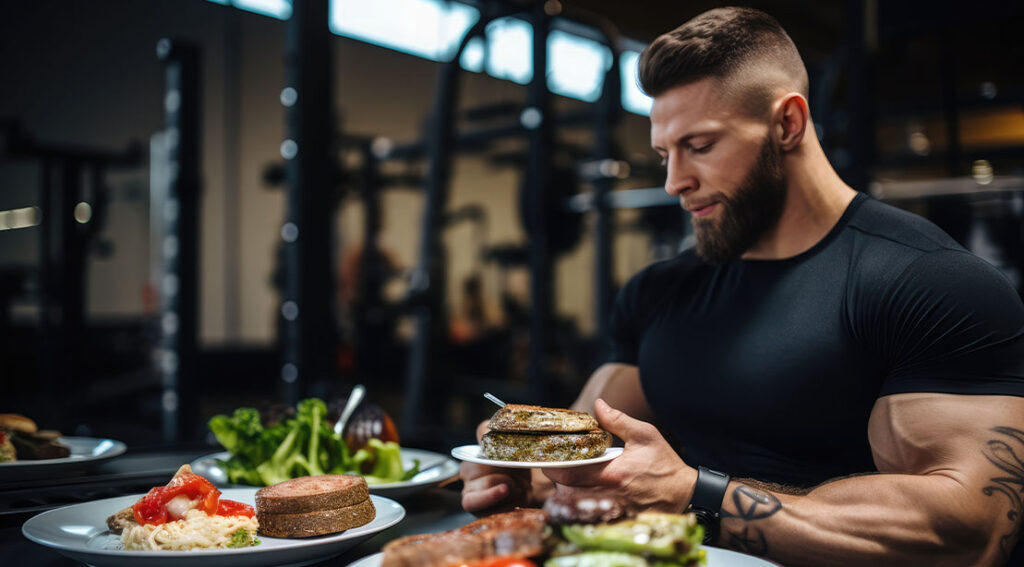
Want noticeably bigger arms in 30 days? This concise, focused plan gives you five practical steps; workouts, nutrition tweaks, and recovery habits; to maximize arm growth quickly and safely. Commit to the plan, track progress, and adjust weights each week for steady gains.
Step 1 — Prioritize Progressive Overload
Increase weight, reps, or sets each week. Progressive overload forces muscle growth. Aim to add 2–5% more weight or 1–2 reps each session.
Focus workouts around a mix of compound presses and isolation moves so your biceps and triceps get both heavy loading and targeted stimulus.
Step 2 — Use the Right Exercises and Rep Ranges
Compound lifts: Close-grip bench press, dips, and chin-ups build overall arm mass.
Isolation moves: Barbell curls, hammer curls, triceps pushdowns, and overhead triceps extensions create shape and peak.
Rep scheme: 4–6 heavy reps for compound strength, 8–12 for hypertrophy, and finish with 12–20 for metabolic stress. Combine ranges across sets.
Step 3 — Train Frequency and Volume
Train arms directly 2–3 times per week with moderate volume (8–16 total sets per muscle group/week), and include them indirectly on compound days.
Structure sample week: Day 1 heavy compound focus, Day 3 accessory arm work (higher reps), Day 5 mixed strength + finishers. For complementary core work, consider a focused plan like the 30-Day Ab Challenge to stabilize your lifts.
Step 4 — dial in Nutrition and Calories
To grow, eat a slight calorie surplus: ~250–500 kcal above maintenance, emphasizing protein (0.7–1.0 g per pound bodyweight).
Prioritize whole food protein sources, adequate carbs around workouts, and healthy fats. Small changes in diet often speed visible results more than extra sets.
Step 5 — Recovery, Form, and Consistency
Sleep 7–9 hours and manage stress—muscle repair happens outside the gym.
Maintain strict form to target the intended muscles and avoid injury. Use tempo (2–1-2) on accessory lifts to increase time under tension.
Balance arm work with overall conditioning; consider mixing in balanced plans like these 5 Full-Body Workout Routines on non-specialized days to keep fat low and shape defined.
Quick 30-Day Sample Microcycle (Weeks 1–4):
Week 1: Establish baseline weights, focus on technique.
Week 2: Increase volume (add a set) and push rep targets.
Week 3: Add weight on main lifts; maintain accessory volume.
Week 4: Deload or reduce volume slightly while keeping intensity to let growth consolidate.
Common Pitfalls to Avoid
Chasing ego lifts—too much weight with poor form limits growth.
Overtraining—arms need recovery; constant soreness with no progress is a sign to back off.
Ignoring nutrition—no matter how hard you train, insufficient calories/protein will stall gains.
Conclusion
Pair training with a sensible nutrition plan for faster results; for a structured dietary push you can explore the Keto Challenge 30 Days To Transform Your Body Fast Food Edition to see how adjusting your eating strategy can accelerate your 30-day arm gains.
Title: Skip the Ramp-Up: Smart Creatine Use Without Loading
Creatine monohydrate doesn’t need a 20 g/day loading phase to work — it just gets there faster. If you prefer a steady, low-dose approach that avoids digestive discomfort and still delivers the strength and power benefits, a simple daily strategy will saturate muscle creatine stores within a few weeks and keep you performing. For lifters pairing supplementation with targeted training, exercises and alternatives like the Bulgarian split squat can help convert those gains into stronger legs and better balance — try these options for variety: Bulgarian split squat alternatives.
Why the loading phase exists
Loading (commonly ~20 g/day for 5–7 days) raises muscle creatine faster, achieving near-maximal stores in about a week.
It’s a convenience, not a necessity. Skipping loading means you’ll reach the same muscle saturation more slowly (typically 3–4 weeks with a daily maintenance dose), but you’ll avoid the higher chance of stomach upset and water retention some people report during loading.
Daily dosing that works
Typical no-load protocol: 3–5 g creatine monohydrate once per day. This dose is evidence-based, inexpensive, and well-tolerated.
Timing: Consistency is more important than exact timing. Post-workout with a meal or a mixed shake may slightly improve uptake, but taking it any time daily works.
Vegetarians and older adults may notice larger relative gains because baseline creatine stores are often lower.
How long until you notice benefits
Strength and power improvements often emerge within 2–6 weeks on a maintenance dose, depending on training, diet, and individual response.
Cognitive or recovery benefits reported in some studies may also appear over weeks, but effects vary.
Practical tips to make no-load dosing more effective
Use creatine monohydrate: it’s the most researched form and cheapest per effective dose.
Mix with a carbohydrate- or carb+protein-containing meal or shake occasionally to enhance muscle uptake (not required every day).
Stay hydrated: maintain normal fluid intake — creatine draws extra water into muscle cells, so simple hydration helps.
Split doses if you have mild GI sensitivity (e.g., 2.5 g twice daily).
Combine with consistent resistance training for best results; creatine amplifies the training signal into bigger strength and mass gains.
Who benefits most
Strength and power athletes, recreational lifters, older adults looking to preserve muscle, and people with low dietary creatine (e.g., vegetarians) tend to see the clearest improvements.
If you’re focused on technique and core control while adding mass or strength, integrate core drills to transfer gains effectively — try tools like the band twist for functional trunk strength: band twist how to build core strength.
Safety and myths
Long-term studies show creatine monohydrate is safe for healthy individuals when taken at recommended doses.
Claims that creatine damages kidneys are not supported in healthy people; however, anyone with preexisting kidney disease should consult a physician first.
“Bloating” is usually just intracellular water within muscle and often subsides after the first few weeks.
Sample no-load schedules
Simple daily: 5 g once per day with breakfast or post-workout.
Gentle split: 2.5 g morning + 2.5 g evening if stomach upset occurs.
Maintenance after prior loading (if you did one): 3–5 g/day to sustain stores.
Bottom line
If you want the benefits of creatine without the inconvenience or side effects of a high-dose loading phase, a consistent 3–5 g/day plan works reliably. Pair it with solid training, adequate protein and carbohydrates around workouts when possible, and patience — results arrive in a few weeks and will compound with consistent training.
Short Title: Smart Surplus — Grow Muscle, Not Waist
Want bigger muscles without a bigger waistline? You can—if you treat a calorie surplus like a targeted experiment, not a free pass to overeat. The goal is to provide just enough extra energy to support new muscle tissue while minimizing fat gain. Start small, measure often, and prioritize protein and quality training over endless carbs and calories. For balanced lower-body growth and movement variety, don’t forget to mix in focused leg work and progression like the routines that help you build bigger legs as part of your plan.
How a modest surplus works
Aim for a conservative surplus: +200–400 kcal/day above maintenance. This is usually enough to fuel muscle growth for most trainees while keeping fat gain limited.
Bigger surpluses speed up weight gain but tend to increase the proportion of fat gained. If you want better body composition, slow and steady wins.
Protein and macronutrient priorities
Protein: target ~1.6–2.2 g/kg (0.7–1.0 g/lb) of body weight daily. This supports repair and hypertrophy.
Carbs: provide training fuel and replenish glycogen. Time higher-carb meals around workouts for better performance and recovery.
Fats: keep dietary fat at 20–30% of calories to support hormones and satiety.
Training to make the surplus effective
Progressive overload is the non-negotiable driver of muscle growth. Track reps, sets, and loads to ensure steady progression.
Combine compound lifts with targeted accessory work to maximize muscle-building stimulus. For upper-body strength and pressing mechanics, incorporate cues and variations similar to proven bench press strategies—consider technical refinements like those in the close-grip bench technique to get more from your pressing days.
Frequency: train each muscle group 2–3 times per week when possible, using a mix of volume, intensity, and rep ranges.
Meal timing and distribution
Spread protein evenly across 3–5 meals to support muscle protein synthesis throughout the day.
Pre- and post-workout meals: include an easy-to-digest carb and 20–40 g protein within a couple hours of training for best recovery.
Liquid calories (smoothies, milk) can make hitting a small surplus easier without making you feel overly full.
Minimizing fat gain while bulking
Monitor: weigh yourself weekly and take body measurements or progress photos every 2–4 weeks. Aim for ~0.25–0.5% bodyweight gain per week (roughly 0.5–1.0 lb/week for many).
If weight rises faster or belly fat increases, trim the surplus by 100–200 kcal/day and reassess.
Add low-impact cardio or structured conditioning 1–3x/week if fat gain is more than you want — keep sessions moderate to avoid impairing recovery.
Advanced strategies (if needed)
Reverse dieting: When coming off a diet, slowly increase calories to maintenance to limit rapid fat regain.
Calorie cycling: use higher calories on heavy training days and lower calories on rest days to concentrate energy where it’s most needed.
Refeeds: periodic higher-carb days can replenish glycogen and help regulate hormones like leptin, which affects hunger and metabolic rate.
Lifestyle factors that matter
Sleep: aim for 7–9 hours. Poor sleep undermines recovery and increases fat gain risk.
Stress management: chronic stress raises cortisol, which can make fat retention more likely.
Protein quality, whole foods, fiber, and veggies improve satiety and micronutrient intake, making a leaner bulk easier to sustain.
Practical weekly checklist
Calculate maintenance calories, add +200–400 kcal for your surplus.
Hit protein target daily; prioritize whole foods.
Train with progressive overload 3–5x/week and include both compounds and accessories.
Weigh/measure weekly and adjust calories based on rate of gain.
Sleep, hydrate, and manage stress for optimal results.
Conclusion
If your goal is to add muscle without a larger waistline, focus on a conservative calorie surplus, high protein, progressive resistance training, and regular monitoring. For additional guidance on trimming belly fat and improving overall health alongside a clean bulk, see these practical tips from Johns Hopkins: 8 Ways to Lose Belly Fat and Live a Healthier Life.
Creatine is one of the most studied supplements in sports nutrition, but beyond the familiar benefits — strength, power, and recovery — there are a lot of smaller, surprising details people rarely discuss. Whether you’re new to creatine or you’ve been taking it for years, these ten points will change how you think about it and how you use it. If you’re also dialing in your broader nutrition, consider ways to increase your protein intake to get more consistent results from training and supplementation.
It’s not a steroid — it’s an energy buffer
Creatine works by replenishing ATP, the immediate energy currency in muscle. That’s why it helps short, intense efforts (sprints, heavy lifts) more than long endurance events. It’s a bioenergetic aid, not a hormone.
Water weight is real — but not permanent
Some people notice a quick weight increase the first week of creatine use. That’s mainly intracellular water retention (water pulled into muscle cells). It can make muscles look fuller and generally isn’t harmful; it typically stabilizes after two to four weeks.
Timing matters less than consistency
You’ll read about pre-workout vs. post-workout creatine timing. The truth: daily consistency and reaching muscle saturation matters far more than the precise minute you take it. A regular dose every day is the simplest, most effective strategy.
Loading phase isn’t required
A loading phase (20 g/day for 5–7 days) gets muscles saturated faster, but a steady maintenance dose (3–5 g/day) reaches the same level in a few weeks without the initial spike in water weight. Pick what suits your goals and stomach.
Different forms — mostly marketing
Creatine monohydrate has the strongest research backing. Other forms (buffered, ethyl ester, hydrochloride) claim advantages, but most users and studies show little extra benefit over plain monohydrate.
It can help cognitive tasks
Emerging research suggests creatine may support cognitive performance in stressful or sleep-deprived conditions by improving brain energy availability. It’s not a magic brain pill, but it’s promising for some scenarios.
Not everyone responds the same
“Responders” and “non-responders” is a real phenomenon. People with lower baseline muscle creatine (often vegetarians) see bigger gains. Genetics, diet, and baseline muscle mass influence the degree of benefit.
It’s safe for long-term use (in healthy people)
Decades of research show creatine is safe for healthy adults when used at recommended doses. Typical side effects are mild (GI discomfort when taken in large single doses) — dividing doses can help.
It pairs well with carbs and protein
Insulin promotes creatine uptake into muscle. Taking creatine alongside carbs or a carb+protein snack post-workout can slightly boost uptake during the loading phase. For most people, though, plain creatine with water is adequate.
It won’t stop fat loss — and may help your efforts indirectly
Creatine itself doesn’t burn fat directly, but by improving workout quality and helping you maintain or increase lean mass, it preserves resting metabolic rate and supports body composition goals. Small habits like optimizing sleep and metabolic rhythm also matter; for ideas about improving overnight metabolism, see how to burn fat while you sleep.
Practical tips
Dose: 3–5 g/day for maintenance is effective for most adults.
Mix: Dissolve in warm water or a non-acidic beverage to reduce grittiness.
Storage: Keep creatine dry and cool — it’s stable if stored properly.
Cycling: Not necessary. Continuous use is generally fine for ongoing benefits.
Watch for fillers: Choose a pure creatine monohydrate powder to avoid unnecessary additives.
Conclusion
Creatine remains one of the most practical, affordable, and effective supplements for athletic performance and recovery. If you want perspectives on lifestyle, performance, and practical health habits from experienced coaches and guests, check out this episode of Scale with Tom Ashcroft | Podcast on Spotify.
High-Protein Grocery List: Best Foods for Weight Loss & Muscle Gain
Introduction
A high-protein grocery list can be your single best tool whether your goal is to lose body fat, preserve muscle while dieting, or build strength. Protein increases satiety, supports recovery, and helps maintain lean mass during calorie deficits. If you’re combining diet with targeted strategies — including evidence-backed supplements — check resources on muscle preservation supplements to optimize results alongside food choices.
Why Protein Matters for Fat Loss and Muscle Growth
Appetite control: Protein keeps you fuller longer, which reduces overeating.
Thermic effect: Digesting protein burns more calories than carbs or fats.
Muscle protein synthesis: Adequate protein and training stimulate muscle repair and growth, essential for improving body composition.
Aim for a daily protein target that fits your goals — commonly 0.7–1.2 grams per pound (1.6–2.6 g/kg) of bodyweight depending on activity level and whether you’re cutting or bulking.
High-Protein Grocery Categories (and Top Picks)
Animal proteins (lean and versatile)
Chicken breast: Low fat, high protein; ideal for meal prep.
Turkey: Ground or whole cuts; leaner than many red meats.
Lean beef: Provides iron and B12 along with protein.
Fish (salmon, tuna, cod): Excellent protein plus omega-3s — salmon is higher in fat but great for recovery.
Dairy & eggs
Greek yogurt: Thick texture and double the protein of regular yogurt.
Cottage cheese: Slow-digesting casein protein — great before bed.
Eggs: Whole eggs supply protein and nutrients; egg whites add lean protein without fat.
Plant-based proteins
Lentils & chickpeas: High in protein and fiber, good for satiety.
Tofu & tempeh: Versatile soy proteins that hold up well in many dishes.
Edamame: Snackable, nutrient-rich, and high in protein per serving.
Quinoa: A complete plant protein, good as a carb-protein hybrid.
Pantry & convenience proteins
Canned tuna and salmon: Shelf-stable and compact protein choices.
Protein powders: Whey, casein, or plant-based powders for shakes or recipes.
Nuts and seeds: Calorie-dense but offer healthy fats plus protein — portion carefully.
Jerky and lean deli meats: Good for on-the-go protein, watch for sodium.
Meal and Grocery Shopping Tips
Build meals around a protein source first, then add vegetables, healthy fats, and a controlled portion of carbs.
Prioritize whole foods most shopping trips, but use convenience options (canned fish, Greek yogurt, protein powders) to stay consistent on busy days.
Buy in bulk and freeze portions to save money and prevent waste.
Track your intake for a few days to identify gaps (e.g., low morning protein) and adjust your grocery list accordingly.
Simple High-Protein Meal Ideas
Breakfast: Greek yogurt parfait with berries and a sprinkle of chopped nuts.
Lunch: Grilled chicken salad with quinoa and mixed greens.
Snack: Cottage cheese with pineapple or a small handful of almonds.
Dinner: Baked salmon with roasted Brussels sprouts and lentils.
Post-workout: Protein shake with a banana or a lean turkey sandwich on whole-grain bread.
Grilling and Cooking for Protein Retention
Grilling is a fast, flavorful way to prepare high-protein foods. Use marinades with acid (lemon, vinegar) and herbs to add taste without extra calories, and avoid charring by cooking at moderate heat. For more recipe ideas and protein-friendly grilling options, explore high-protein grilling options to keep meals interesting and effective for muscle goals.
High-Protein Foods: A Practical List and How to Use Them
Getting enough protein supports muscle repair, keeps you full longer, and helps maintain healthy body composition. Below is a versatile, easy-to-follow high-protein food list organized by category, plus simple tips for adding more protein to everyday meals. If you like cooking outdoors, you might also enjoy these suggestions for high-protein foods that are great for grilling.
These figures are approximate and vary by brand and preparation. For more extended lists and ideas, see this broader high-protein foods resource.
Animal-based proteins
Animal proteins are complete proteins, meaning they contain all essential amino acids. Lean poultry, beef, pork tenderloin, fish, and seafood are efficient ways to add large amounts of protein with relatively small portions. Choose grilling, baking, or broiling to keep added fats low. Canned tuna or salmon are pantry-friendly high-protein options for sandwiches, salads, and casseroles.
Plant-based proteins
Legumes, soy products, grains, nuts, and seeds provide excellent plant-based protein choices. Combining beans or lentils with grains (e.g., rice or quinoa) creates a complementary amino acid profile. Tofu and tempeh are versatile: marinate and stir-fry, grill, or cube into soups and salads. Seitan is a concentrated wheat-based protein suitable for many savory dishes. Snack on roasted chickpeas or edamame for portable protein-rich options.
Dairy, eggs, and protein-packed snacks
Greek yogurt, cottage cheese, and cheeses deliver higher protein than regular yogurt or milk per serving. Hard-boiled eggs are an inexpensive, easy snack. Beef jerky, smoked salmon, or protein bars (watch the sugar content) are convenient on-the-go choices. Smoothies made with milk or yogurt, protein powder, and nut butter can quickly boost daily intake.
Meal planning tips to increase protein intake
Spread protein evenly across meals (aim for 20–30 g per meal for many adults).
Prioritize a protein source first when composing a plate, then add vegetables and grains.
Use high-protein swaps: Greek yogurt instead of sour cream, cottage cheese in pancakes, chickpeas for croutons.
Prepare protein-rich staples in batches (grilled chicken, roasted chickpeas, boiled eggs) to streamline weekday meals.
Pay attention to portion sizes and prepare meals using simple seasonings to make lean proteins more appealing.
Special considerations
Vegetarians and vegans can meet protein needs with careful planning: legumes, soy, whole grains, nuts, and seeds combined throughout the day.
Older adults may need slightly higher protein targets to preserve muscle mass; consult a healthcare professional for personalized guidance.
If you have kidney disease or other medical conditions, discuss protein intake with your care team.
Bulking season has always had a reputation for being messy. Some lifters treat it as a free pass to load up on burgers, fries, and milkshakes in the name of “getting big.” Sure, the scale moves up fast, but so does your body fat, leaving you sluggish in the gym and staring at an extended, painful cut when it’s time to lean down.
The reality is, bulking doesn’t have to be an all-you-can-eat buffet. A well-run bulking cycle is calculated, structured, and purposeful. I’m talking about adding slabs of quality muscle while keeping fat gain under control, so that when you transition out, you’re bigger, stronger, and still relatively lean.
Think of it like tuning a race car. You can’t just dump in cheap fuel and expect world-class performance. With the right balance of nutrition, training, and recovery, you can build size that lasts, strength that translates, and a physique you’ll be proud of at the end of the cycle.
I’ve seen this firsthand both in the weight room and on the performance field. As a coach with a Master’s in Sports Performance, NSCA Certified Strength and Conditioning Specialist (CSCS), National Sports Performance Association Certified Sports Nutrition Coach, and USAW National Coach, I’ve helped athletes and lifters of all levels bulk the right way. Whether it’s preparing an Olympic weightlifter for competition or guiding everyday athletes in the gym, the same principles hold: smart bulking builds muscle without the baggage.
In the sections ahead, we’ll lay out the blueprint for bulking smarter: dialing in your calories without overdoing it, training for muscle instead of just numbers, and building the daily habits that separate the jacked from the bloated.
Nutrition: Eat Big, But Eat Clean
Calories drive growth, but the quality and quantity of those calories determine if you’re building lean muscle or just adding belly fat.
As a certified nutrition coach, I’ve seen lifters make the same mistake over and over again, thinking bulking means eating without limits. That might move the scale, but most of that weight comes from fat. A better approach is starting with a moderate surplus of 250–500 calories above maintenance. This keeps your body in growth mode without forcing you to diet for months on end afterward.
Here’s the framework I use with athletes:
Find Your Surplus Sweet Spot: Track weekly weight gain. A reasonable rate is 0.25–0.5% of bodyweight per week. Faster than that, and your body is likely storing fat instead of building muscle.
Macronutrient Blueprint
Protein: 0.8–1 gram per pound of bodyweight to maximize muscle protein synthesis.
Carbs: 2–3 grams per pound to fuel heavy training sessions. Stick to performance carbs, such as rice, potatoes, oats, and fruit.
Fats: Keep 20–30% of your daily intake from nutrient-dense sources like avocados, nuts, and olive oil.
Nutrient Timing Hacks: Push most of your carbs before and after training for fuel and recovery. Throughout the rest of the day, meals should focus on lean protein and vegetables to help maintain a healthy body composition.
Coach’s Note: Eating like it’s Thanksgiving every night isn’t bulking—it’s bingeing. Smart bulking involves consuming clean foods in slightly larger quantities and adjusting your intake as your body responds.
Training: Lift for Growth, Not Just Weight
Training during a bulk is about creating the right stimulus for hypertrophy while maintaining optimal recovery. The goal is to convert extra calories into high-quality muscle with consistent, structured training.
As a strength coach, I program bulking cycles differently from strength or peaking cycles. The priority is progressive overload in the hypertrophy range. This means pushing for steady increases in weight, reps, or sets each week to build muscle mass rather than test maximum strength.
Here’s the framework I use with athletes:
Prioritize Progressive Overload: Look for measurable increases each week. Add an extra rep, increase the weight slightly, or complete another set. Growth develops from steady progress.
Train in the Hypertrophy Zone: Use 6–12 reps for big compound lifts such as squats, presses, rows, and deadlifts. Work in the 8–15 rep range for accessory lifts. Control your tempo to keep tension on the muscle.
Hit the Right Training Volume: Aim for 10–20 total sets per muscle group per week. This volume is the sweet spot for most lifters to maximize growth while staying within recovery limits.
Focus on Training Effort: Rep ranges matter, but effort matters more. Train close to failure with 1–2 reps left in reserve (RIR) on most sets. Proper intent ensures you’re giving your muscles a reason to grow without sacrificing form.
Balance Compounds and Isolation: Make compound lifts the foundation of your program. Use accessory work to target weak points and improve symmetry.
Keep Conditioning in the Mix: Program 1–2 short conditioning sessions per week. Small doses of conditioning help maintain cardiovascular health and support recovery between intense lifting sessions. Examples include sled pushes, sprints, or short circuits.
Coach’s Note: During a bulk, volume and quality are the focus. Push for consistent progress in your training and avoid sloppy lifting that can stall your results.
Lifestyle Habits That Make or Break a Bulk
Training and nutrition are the foundation of a bulk, but lifestyle choices decide how well your body responds. Recovery, sleep, hydration, and stress management are often the difference between gaining lean muscle and spinning your wheels.
Here’s what I emphasize with athletes:
Prioritize Sleep: Aim for 7–9 hours each night. Deep, consistent sleep supports the release of growth hormone, promotes recovery, and enhances better appetite regulation. If your sleep is inconsistent, your progress will likely be as well.
Stay Hydrated: Dehydration lowers training performance and slows recovery. A good baseline is at least half your bodyweight in ounces of water per day, with more if you train intensely or sweat heavily.
Track Your Progress: Use multiple measures. The scale should trend upward slowly, but strength logs, performance in the gym, and progress photos give a clearer picture of lean gains. If your waistline grows faster than your lifts, adjust your nutrition.
Manage Stress: High stress levels elevate cortisol, which can impact recovery and body composition. Consistent training, proper downtime, and recovery practices keep your system primed for growth.
Build Consistency: Success in a bulk comes from stringing together good days, not relying on perfect ones. Hitting your meal, training session, and sleep targets most of the time is what leads to long-term results.
Coach’s Note: Lifestyle is the glue that holds training and nutrition together. Dial in these habits, and your bulking cycle will run smoother with far better results.
Smart Bulk vs. Dirty Bulk
Not all bulks are created equal. A smart bulk builds lean mass with minimal fat gain, while a dirty bulk leaves you sluggish and forces you into a long, painful cut.
Here’s the difference I highlight with lifters:
What is Smart Bulk
Moderate calorie surplus of 250–500 above maintenance
Weight gain of 0.25–0.5% of bodyweight per week
Clean, nutrient-dense foods are the base of the diet
10–20 working sets per muscle group each week, with training close to failure
Short, consistent conditioning sessions to keep body fat in check
Regular tracking of weight, performance, and body composition
What is Dirty Bulk
Massive calorie surplus with no tracking
Rapid, uncontrolled weight gain
Junk food accounts for the majority of calories
Training focused on lifting heavier without attention to volume or quality
Zero conditioning, leading to poor work capacity
Little to no tracking until the cut begins
Coach’s Note: A lean 10 pounds gained from a smart bulk will outperform a sloppy 20 every time. Muscle built with intention lasts, while fat only adds more work later.
The Bottom Line on Bulking Smart
Bulking should never be an excuse to get sloppy. With the right balance of nutrition, structured training, and supportive lifestyle habits, you can add lean muscle that looks good and performs even better. The key is precision—eating enough to grow, training with intent, and recovering so your body can utilize the extra calories effectively.
A smart bulk builds strength, confidence, and muscle mass that you’ll retain even after the cycle ends. A dirty bulk only sets you up for extra fat loss later. The difference comes down to discipline and consistency in the details.
Top 5 Clean Bulking Questions You Should Be Asking Yourself
Is my weight trending up at a steady, controlled pace (0.25–0.5% of bodyweight per week)?
Are my main lifts progressing without major breakdowns in form?
Do I look and feel stronger in the mirror, not just heavier on the scale?
Is my waistline staying relatively stable compared to my chest, arms, and legs?
Am I recovering well from training and staying consistent with sleep, nutrition, and hydration?
If the majority of your answers are “yes,” you’re bulking smart. If not, it’s time to tighten up your approach before small mistakes become significant setbacks.
Coach’s Note: When you step into a bulking cycle, think precision, not permission. Fuel your training, recover properly, and build size you’ll be proud of when it’s time to show the results.