meal prep

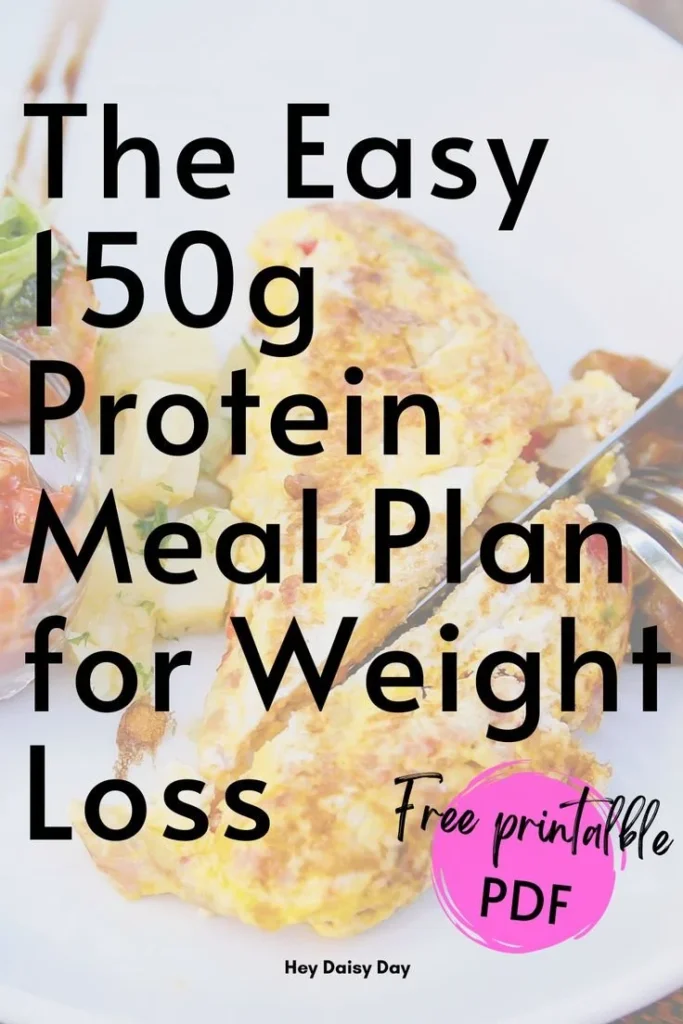
Visual representation of a protein plate with 150g of protein servings.

What 150g of Protein Looks Like on a Plate

What 150g of Protein Looks Like on a Plate

Hitting 150 grams of protein in a day can sound daunting, but when you break it down into real plates and portions it becomes very manageable. Whether you’re building muscle, recovering from injury, or simply wanting to maintain lean mass, knowing what portions look like helps you plan meals that meet your target. For quick strategies to boost protein at every meal, see this helpful guide on 10 easy ways to increase your protein intake.

Below are realistic, mixed-diet and plant-forward plate examples plus simple visual cues so you can imagine — and plate — 150 g of protein across a day.

Why 150 g might be your goal

  • Active lifters and many athletes often aim for 1.2–2.2 g/kg bodyweight; for many people that falls near 150 g/day.
  • Older adults and those in recovery often need higher protein to preserve muscle.
  • The goal should be spread across meals (e.g., 3–5 eating occasions) to maximize muscle protein synthesis.

Quick visual cues to estimate portions

  • A cooked palm-sized portion of meat or fish (~100–150 g cooked) = roughly 25–35 g protein.
  • 1 large egg = ~6–7 g protein.
  • 1 scoop whey protein = ~20–25 g protein.
  • 1 cup cottage cheese = ~25–30 g; 200 g Greek yogurt ≈ 15–20 g.
  • 1 cup cooked lentils = ~15–18 g; 100 g firm tofu ≈ 8–15 g (varies by brand).
  • Handful of nuts (30 g) = ~5–7 g.

Use these cues when building plates: one palm-sized portion of animal protein + a cup of Greek yogurt or a scoop of protein powder during the day will get you most of the way.

Sample daily plates that add up to ~150 g

Omnivore plan

  • Breakfast: 3 eggs (18 g) + 200 g Greek yogurt (20 g) = 38 g
  • Lunch: 150 g grilled chicken breast (~45 g) + greens and quinoa (5 g) = 50 g
  • Snack: 1 scoop whey protein (24 g) + 30 g almonds (6 g) = 30 g
  • Dinner: 150 g salmon (~34 g) = 34 g
    Total ≈ 152 g

Vegetarian plan

  • Breakfast: 1 cup cottage cheese (28 g) + 2 tbsp peanut butter (8 g) = 36 g
  • Lunch: 200 g firm tofu (~24 g) + 1 cup cooked lentils (18 g) = 42 g
  • Snack: 200 g Greek yogurt (20 g) + a protein bar (20 g) = 40 g
  • Dinner: 150 g tempeh (~32 g) = 32 g
    Total ≈ 150 g

Vegan plan (mixing concentrated plant proteins)

  • Breakfast: Smoothie with 1 scoop pea protein (25 g) + oats (6 g) = 31 g
  • Lunch: Seitan 100 g (~25 g) + 1 cup cooked chickpeas (15–20 g) = ~44 g
  • Snack: 150 g edamame (17 g) + 30 g almonds (6 g) = 23 g
  • Dinner: 200 g firm tofu (~24 g) + 1 cup quinoa (8 g) = 32 g
  • Add a small protein bar (20 g) as needed = total ≈ 150 g

These are examples — adjust portion sizes based on the specific protein content of the foods you use and how much you need at each meal.

How to distribute protein through the day

  • Aim for 30–40 g per meal across 3 meals, plus 10–30 g from snacks or shakes. That distribution is convenient for reaching 150 g without huge single meals.
  • Combine complementary plant proteins (grains + legumes) when following plant-based plans to ensure varied amino acids.
  • Simple swaps (larger portions of Greek yogurt or cottage cheese, adding a scoop of protein powder to smoothies, choosing higher-protein breads) can raise intake without major meal changes.

Pairing protein with training

Protein timing matters less than total daily intake, but eating protein within a couple hours before or after resistance training supports recovery and growth. If you pair a higher-protein day with focused strength work, include compound lifts and targeted arm work to make the most of that protein — for example, try a barbell-only arms routine if you’re looking to emphasize the biceps and triceps in a session: 4 biceps exercises — barbell-only arms workouts.

Practical plating tips

  • Use your hand as a measuring tool: a palm-sized cooked protein portion per meal, plus a small cup of dairy or a scoop of powder at some point in the day, gets you close.
  • Pre-portion snacks (yogurt cups, hard-boiled eggs, single-serve cottage cheese) so you can add protein quickly between meals.
  • Track a few days with a food-tracking app to learn your most reliable protein sources and portion sizes; once you know them, plating becomes second nature.

Conclusion

Seeing protein on a plate is easier than it seems — a few palm-sized portions of meat/fish/tofu plus strategic dairy, legumes, or a scoop of powder can get most people to 150 g/day. For a complementary visual comparison showing what 100 grams looks like across diets (helpful when scaling up to 150 g), check out this visual guide: Your Visual Guide: Here’s What 100 Grams of Protein Looks Like on ….
What 150g of Protein Looks Like on a Plate Read More »

, , , ,
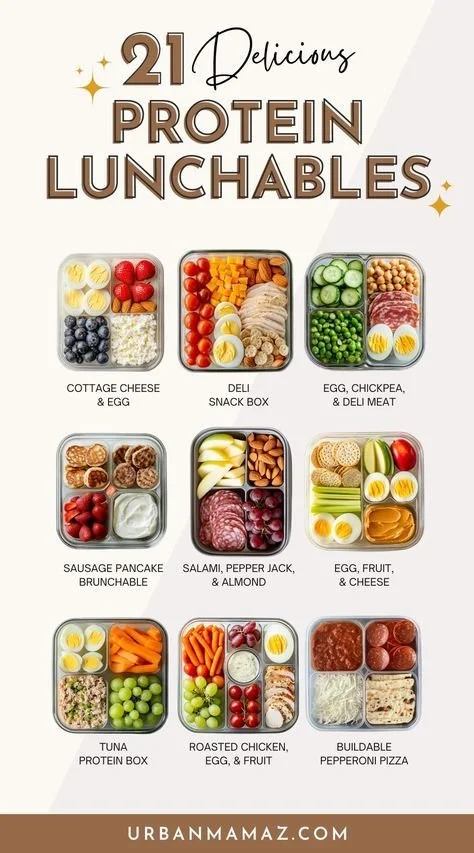
Assorted protein lunchables for adults featuring cheese, meats, and snacks.

21 Best Protein Lunchables for Adults

21 Best Protein Lunchables for Adults

Adults need lunchables that deliver more than nostalgia — they should provide satisfying protein, balanced fats, and enough fiber to keep you energized through the afternoon. Below are 21 creative, high-protein portable lunch ideas that feel like a grown-up version of the classic Lunchable: convenient, tasty, and geared toward satiety. If you’re pairing meals with training days, these options complement a routine built around the best full-body workouts for recovery and strength.

  1. Turkey, Swiss & Apple Stackers — Sliced turkey, Swiss cheese, apple slices, and a handful of almonds for crunch. Simple, 25–30g protein.
  2. Mediterranean Tuna Snack Box — Tuna in olive oil, cucumber, cherry tomatoes, olives, and whole-grain crackers. Rich in healthy fats and ~28g protein.
  3. Cottage Cheese & Veggie Pot — Full-fat cottage cheese with baby carrots, cucumbers, and hemp seeds. 20–24g protein and filling.
  4. Smoked Salmon Bagel Bite — Mini whole-grain bagel, smoked salmon, capers, and cream cheese. Omega-3s and ~22g protein.
  5. Roast Beef & Horseradish Roll-Ups — Thin roast beef slices rolled with a smear of horseradish and pickles. Compact and 25–30g protein.
  6. Spicy Edamame & Quinoa Salad — Shelled edamame mixed with quinoa, scallions, and sesame dressing. Plant-based, ~18–22g protein.
  7. Chicken Caesar Dip Box — Chopped grilled chicken, romaine hearts, parmesan crisps, and Caesar dip. Easy to eat with ~30g protein.
  8. Protein-Packed Greek Yogurt Parfait — Thick Greek yogurt layered with toasted seeds, berries, and a drizzle of honey. 20–25g protein.
  9. Hard-Boiled Egg & Avocado Duo — Two eggs, avocado wedges, and rye crisps. Simple, satiating, ~18g protein.
  10. Beef Jerky & Pickled Veggies — High-quality beef jerky paired with pickled cucumbers and cherry tomatoes. Convenient and ~20–25g protein.
  11. Chickpea Tuna Mash Wrap — Mashed chickpeas and tuna with lemon and herbs, served with whole-wheat crackers. Plant + animal protein blend, ~24g protein.
  12. Mini Frittata Squares & Greens — Baked frittata squares with spinach and feta, plus a small side salad. Portable and ~18–22g protein.
  13. Hummus, Falafel & Veggie Platter — Mini falafel, hummus, and sliced veg for dipping. Vegan-friendly and ~15–20g protein.
  14. BBQ Chicken Slider Box — Shredded BBQ chicken in a small whole-grain bun with slaw. Hearty, ~28–32g protein depending on portion.
  15. Seared Tofu & Pineapple Skewers — Firm tofu cubes, charred pineapple, and bell pepper on skewers. A sweet-savory vegetarian option with ~18–22g protein.
  16. Sardine & Whole-Grain Cracker Snack — Sardines in olive oil, mustard, and lemon on whole-grain crackers. Nutrient-dense and ~20g protein.
  17. Peanut Butter Protein Plate — Celery sticks, apple slices, and a pot of high-protein peanut butter or peanut powder mix. Simple and ~15–20g protein.
  18. Lentil Salad & Feta Cups — Cold lentil salad spooned into mini romaine leaves with feta. Filling and ~16–20g protein.
  19. Turkey Meatball Bento — Baked turkey meatballs, roasted veggies, and tzatziki for dipping. Comforting and ~30g protein.
  20. Protein Bar + Cheese & Fruit Combo — Choose a low-sugar, high-protein bar paired with a cheese stick and grapes. Quick and ~20–30g protein.
  21. Shrimp Cocktail Snack Pack — Chilled shrimp, cocktail sauce, and a lemon wedge with cucumber slices. Light and ~22g protein.

How to choose and pack:

  • Aim for 20–30g protein per meal to support muscle repair and fullness.
  • Include a fiber-rich carbohydrate (whole-grain crackers, veggies, or fruit) and a fat source (nuts, cheese, or olive oil) to slow digestion.
  • Use compact containers with dividers to keep textures fresh and dips separate.
  • Rotate proteins (fish, poultry, plant-based) across the week for nutrient variety.

Snackable strategy for busy days:

  • Assemble several grab-and-go protein packs on a weekend prep session.
  • Portion out nuts, boiled eggs, sliced cheeses, and single-serve Greek yogurt to reduce decision fatigue.
  • Consider pairing your protein lunchables with targeted nutrition strategies—especially if preserving muscle is a priority, check guidance on the best supplements for muscle preservation to see what supports your goals.

Conclusion

For a curated roundup and more shop-ready suggestions, see the full list at 21 Best Protein Lunchables for Adults – Urban Mamaz.

21 Best Protein Lunchables for Adults Read More »

, , , ,
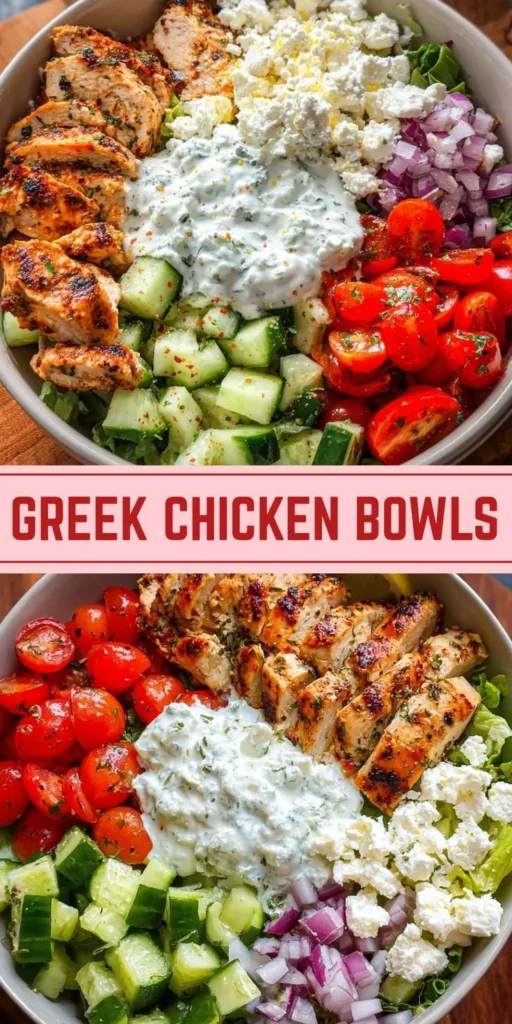
Healthy Greek Chicken Bowls recipe with fresh veggies and grilled chicken.

Greek Chicken Bowls: Easy Clean Eating Meal Prep

Greek Chicken Bowls: Easy Clean Eating Meal Prep

Fresh, flavorful, and simple to assemble, Greek chicken bowls are a perfect clean-eating meal-prep option. They combine lean protein, bright vegetables, and Mediterranean herbs for a satisfying lunch or dinner that holds up well through the week. If you’re prioritizing protein, these bowls are a natural fit — and you can find practical tips to boost protein across meals in this helpful guide: 10 Easy Ways to Increase Your Protein Intake With Every Meal and Snack.

This article walks through ingredients, prep steps, storage tips, and tasty variations so you can make a batch of Greek chicken bowls that feel fresh every day.

What’s in a Greek Chicken Bowl

Core components (build your bowl from these):

  • Protein: grilled or baked chicken breast, marinated in lemon, garlic, oregano, and olive oil.
  • Base: quinoa, brown rice, or mixed greens for a lighter option.
  • Veggies: cucumbers, cherry tomatoes, red onion, and shredded carrot.
  • Add-ins: Kalamata olives, crumbled feta, and a spoonful of tzatziki or hummus.
  • Herbs & seasoning: fresh mint or dill, cracked black pepper, and extra lemon for brightness.

Simple Marinade & Cooking Method

Marinade (for 4 servings):

  • Juice of 1 lemon
  • 2 tbsp olive oil
  • 3 garlic cloves, minced
  • 1 tsp dried oregano
  • Salt & pepper to taste

Directions:

  1. Pound or slice chicken breasts into even pieces. Combine chicken with marinade and refrigerate for at least 30 minutes (overnight is best).
  2. Grill or pan-sear over medium-high heat until internal temperature reaches 165°F (75°C). Let rest before slicing.
  3. Cook your chosen base (quinoa or rice) according to package directions.
  4. Assemble bowls with base, sliced chicken, raw veggies, olives, feta, and a dollop of tzatziki.

Timing tip: cook grains and chicken simultaneously to streamline prep. Chopping vegetables while things cook minimizes overall time.

Meal-Prep Strategy

  • Batch-cook proteins and grains on a single day (Sunday is popular). Portion into airtight containers.
  • Keep wet ingredients separate when possible. Store tzatziki or dressings in small containers to prevent sogginess.
  • Rotate toppings each day—add fresh herbs, a squeeze of lemon, or a sprinkle of toasted pine nuts—to keep bowls interesting.

Storage:

  • Chicken and grains: up to 4 days refrigerated.
  • Fresh cut veggies: up to 3–4 days if stored dry in airtight containers.
  • Freeze cooked chicken for up to 2 months; thaw in the fridge before reheating gently.

Vegetarian & Other Variations

If you want meatless options or just want variety, try these swaps:

  • Replace chicken with roasted chickpeas or grilled halloumi.
  • Use a bed of mixed greens and add roasted sweet potato for heartiness.
  • Try different Mediterranean spreads like muhammara or a red pepper hummus for variety.

For more meatless meal ideas that pair beautifully with Mediterranean flavors, consider exploring easy vegetarian recipes such as those found in this collection: 8 Easy Vegetarian Recipes.

Nutrition Snapshot

A typical Greek chicken bowl with quinoa, chicken, veggies, and a modest amount of feta or tzatziki provides:

  • A balanced ratio of protein and complex carbs.
  • Healthy fats from olive oil and olives.
  • Fiber and micronutrients from fresh vegetables.

Adjust portion sizes and ingredient ratios to meet your calorie and macronutrient goals. Swapping quinoa for extra greens reduces carbs; adding extra chicken or a scoop of Greek yogurt increases protein.

Quick Serving Ideas

  • Meal-prep lunches: grab a container, add fresh lemon, and enjoy either cold or reheated.
  • Family dinners: set up a “bowl bar” and let everyone build their own with different toppings.
  • On-the-go: pack dressing separately and assemble just before eating.

Conclusion

If you want step-by-step inspiration or a tested recipe to get started quickly, check out this helpful recipe for Greek Chicken Bowls (Meal Prep Easy) – Easy Peasy Meals.

Greek Chicken Bowls: Easy Clean Eating Meal Prep Read More »

, , , ,
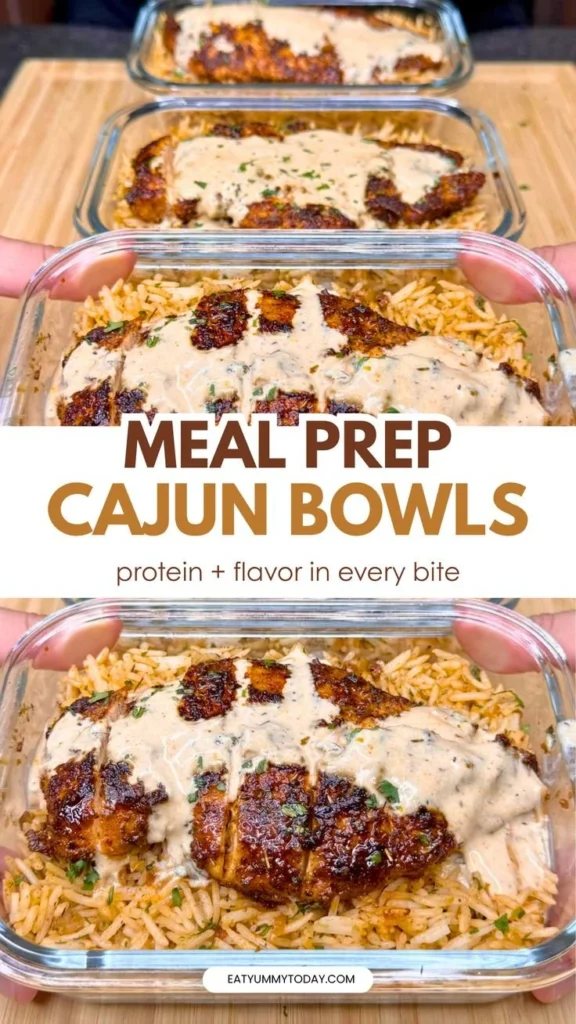
Creamy Cajun chicken and rice bowls, high in protein and perfect for meal prep.

Creamy Cajun Chicken & Rice Bowls | High Protein Meal Prep

Creamy Cajun Chicken & Rice Bowls — High-Protein Meal Prep

Creamy Cajun Chicken & Rice Bowls are a delicious way to turn bold flavors into a week’s worth of high-protein meals. Tender chicken tossed in a spiced, creamy sauce over rice and veggies makes an easy, satisfying dish for lunch or dinner. If you’re trying to hit your daily protein goals, pair this bowl with other strategies like the 10 easy ways to increase your protein intake with every meal and snack to maximize results without losing flavor.

Why this bowl works for meal prep

  • High protein: Lean chicken breast provides substantial protein to support muscle maintenance and recovery.
  • Balanced macros: Rice supplies carbohydrates for energy and veggies add fiber, vitamins, and minerals.
  • Make-ahead friendly: Sauces and cooked chicken hold up well in the fridge, making portioning simple.
  • Versatile: Swap grains, tweak spice level, or add beans for extra fiber and variety.

Ingredients (serves 4)

  • 1.5 lbs (700 g) boneless skinless chicken breasts, cut into bite-sized pieces
  • 2 tbsp olive oil
  • 2–3 tbsp Cajun seasoning (adjust to taste)
  • 1 red bell pepper, sliced
  • 1 yellow bell pepper, sliced
  • 1 medium onion, thinly sliced
  • 3 cloves garlic, minced
  • 1 cup low-sodium chicken broth
  • 1 cup plain Greek yogurt or light sour cream (for creaminess)
  • 2 cups cooked brown rice or white rice
  • 2 cups baby spinach (optional)
  • Fresh parsley or green onions for garnish
  • Salt and pepper to taste

Quick method

  1. Season the chicken with 1–2 tablespoons Cajun seasoning, salt, and pepper.
  2. Heat 1 tbsp olive oil in a large skillet over medium-high heat. Sear the chicken until golden and cooked through, about 6–8 minutes. Transfer to a plate.
  3. In the same pan, add remaining oil and sauté the onion and bell peppers until softened, 4–5 minutes. Add garlic and cook 30 seconds.
  4. Sprinkle remaining Cajun seasoning, stir, then pour in chicken broth to deglaze the pan. Let simmer 2 minutes.
  5. Reduce heat to low and stir in Greek yogurt until sauce is creamy and smooth. Return chicken to the pan and coat with sauce. If it’s too thick, add a splash more broth.
  6. Fold in spinach until wilted, then remove from heat. Adjust seasoning.
  7. Serve over warm rice and garnish.

Meal prep & storage tips

  • Portion into airtight containers with rice on one side and chicken & veggies on the other to prevent sogginess.
  • Refrigerate for up to 4 days; freeze for up to 3 months (thaw overnight before reheating).
  • Reheat gently in a microwave or on the stovetop with a splash of water to loosen the sauce.
  • For a post-workout boost, pair the bowl with a protein-rich drink or one of these 8 high-protein smoothie recipes to build muscle for a complete recovery meal.

Variations and swaps

  • Grain swap: Use quinoa, cauliflower rice, or farro depending on your carb goals.
  • Veggie boost: Add zucchini, mushrooms, or frozen corn for color and nutrition.
  • Dairy-free: Replace Greek yogurt with canned coconut milk for creamy texture and a hint of sweetness.
  • Extra protein: Stir in white beans, edamame, or top with a fried egg.

Nutrition estimate (per serving, approximate)

  • Calories: 550–650 (depending on rice choice and portion sizes)
  • Protein: 40–55 g (varies by chicken portion and yogurt)
  • Carbs: 45–60 g
  • Fat: 12–22 g

Conclusion

For a detailed recipe and exact nutrition breakdown, check out the original High Protein Creamy Cajun Chicken and Rice – Amazing 53g … at High Protein Creamy Cajun Chicken and Rice – Amazing 53g ….

Creamy Cajun Chicken & Rice Bowls | High Protein Meal Prep Read More »

, , , ,
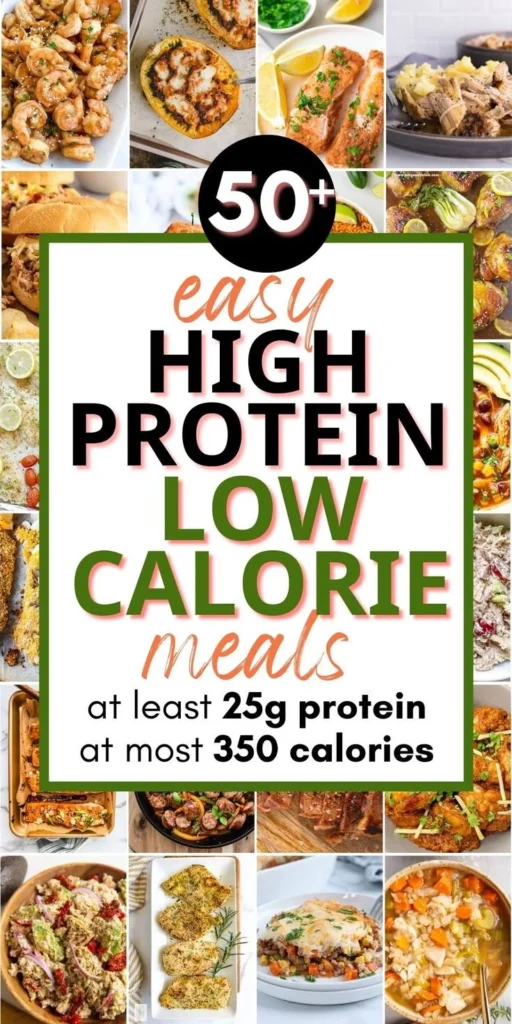
A collection of 50+ high protein low calorie meal recipes for healthy eating

50+ High Protein, Low Calorie Meals (Easy Recipes)

50+ High-Protein, Low-Calorie Meals (Easy Recipes)

Eating for strength, fat loss, or simple everyday health doesn’t have to be complicated. High-protein, low-calorie meals keep you full, support muscle maintenance, and make it easier to stay within your daily calorie goals. Below are easy, practical ideas and recipe frameworks you can mix and match to create 50+ meals without spending hours in the kitchen.

High-protein meals center on lean animal proteins (chicken breast, turkey, fish), plant proteins (tofu, tempeh, legumes), and dairy or dairy alternatives (Greek yogurt, cottage cheese). Pair these with high-volume, low-calorie sides—lots of vegetables, leafy greens, and modest portions of whole grains—to create satisfying plates that are light in calories but rich in nutrients.

If you’re pairing nutrition with training, try stacking meals around workouts and recovery strategies—this is especially useful when doing targeted routines like a focused leg day such as Sam Sulek’s quad-focused leg day, where protein timing can aid muscle repair.

How to Build a High-Protein, Low-Calorie Meal (Simple Formula)

  • Protein: 20–40 g per meal (3–6 oz lean meat, 1–2 cups Greek yogurt, or equivalent plant protein).
  • Veggies: 1–3 cups non-starchy vegetables (spinach, broccoli, zucchini, peppers).
  • Healthy fat: 1 tsp–1 tbsp if needed (olive oil, avocado, nut butter) — keep fats modest to control calories.
  • Optional: small serving of whole grains or starchy veggie (¼–½ cup cooked quinoa, brown rice, sweet potato) if you need extra energy.

Breakfast Ideas (10+)

  • Egg white omelet with spinach, cherry tomatoes, and feta.
  • Greek yogurt parfait with berries and a sprinkle of crushed nuts.
  • Cottage cheese bowl with sliced peaches and cinnamon.
  • Protein pancakes made with cottage cheese and oats (blend and cook like pancakes).
  • Savory scrambled eggs with smoked salmon and chives.
  • Overnight oats with protein powder and a handful of blueberries.
  • Tofu scramble with turmeric, mushrooms, and kale.
  • High-protein chia pudding using milk + protein powder.
  • Egg muffins: eggs, lean turkey, peppers baked in a muffin tin (make-ahead).
  • Low-calorie breakfast burrito: whole-wheat wrap, egg whites, salsa, and black beans.

Lunch Ideas (10+)

  • Grilled chicken breast over mixed greens with lemon-tahini dressing.
  • Tuna salad (water-packed tuna, Greek yogurt, diced celery) on lettuce cups.
  • Turkey and veggie lettuce wraps with mustard or hot sauce.
  • Lentil and roasted vegetable salad (lentils give protein, veggies add volume).
  • Shrimp and cucumber salad with dill and low-fat yogurt dressing.
  • Salmon and steamed asparagus with a squeeze of lemon.
  • Chickpea “tuna” with avocado-free dressing for fewer calories.
  • Turkey chili made with extra beans and diced tomatoes (batch cook).
  • Baked cod with cauliflower mash and steamed greens.
  • Quinoa and edamame bowl with sesame-ginger vinaigrette (hold the oil).

Dinner Ideas (10+)

  • Baked lemon-herb chicken thighs (skinless) with roasted Brussels sprouts.
  • Steak salad: thin-sliced flank steak over arugula, cherry tomatoes, and red onion.
  • Grilled mahi-mahi with pico de gallo and sautéed zucchini.
  • Stir-fry: tofu or shrimp with broccoli, bell pepper, and a splash of low-sodium soy.
  • Turkey meatballs with spiralized zucchini and marinara.
  • Baked turkey or chicken meatloaf using oats instead of breadcrumbs.
  • Stuffed bell peppers with ground turkey and cauliflower rice.
  • Seared tuna over a bed of steamed spinach and edamame.
  • Miso-glazed salmon with a side of steamed bok choy.
  • Vegetable and bean stew with smoked paprika and herbs.

Snacks & Small Meals (10+)

  • Hard-boiled eggs or egg whites with hot sauce.
  • Cottage cheese with sliced cucumber and dill.
  • Roasted edamame or spiced chickpeas (watch portion size).
  • Protein mug cake made with protein powder and egg white for a quick dessert.
  • Low-fat Greek yogurt dip with raw veggies.
  • Sliced turkey roll-ups with mustard and pickle.
  • Smoked salmon on cucumber rounds with a dollop of low-fat cream cheese.
  • Homemade protein bars using protein powder, nut butter (small amount), and oats.
  • Baked chicken tenders with almond flour crust (air-fryer recommended).
  • Protein-rich hummus made with extra chickpeas and tahini, used sparingly.

Soups, Salads & One-Pot Meals

  • Chicken and vegetable soup with lots of greens and beans.
  • Lentil soup with diced tomatoes and spinach.
  • Brothy seafood chowder using skim milk or light milk alternatives thickened with pureed cauliflower.
  • Warm salmon salad with green beans and mustard vinaigrette.
  • High-protein minestrone with extra beans and lean turkey sausage.

Smoothies & Shakes

Smoothies are fast, portable, and easy to control for calories. Use a base of water or unsweetened plant milk, add 1 serving protein powder or Greek yogurt, a handful of spinach, and frozen berries. For more ideas and muscle-building shakes, check out 8 high-protein smoothie recipes that can be adapted to lower calories.

Flavor Boosters and Low-Calorie Dressings

  • Citrus (lemon, lime) and vinegars add flavor with almost no calories.
  • Mustard-based dressings or salsa for zest.
  • Fresh herbs and spices: basil, cilantro, cumin, smoked paprika.
  • Use Greek yogurt as a creamy base instead of mayo.
  • Spray olive oil and grill or roast for depth without excess calories.

Meal Prep Strategies

  • Batch-cook proteins (grill chicken, bake fish, roast tofu) and portion into containers.
  • Keep a variety of pre-cut raw veggies on hand for quick salads and stir-fries.
  • Make one-pot soups and stews in large batches to freeze single servings.
  • Use a food scale and reusable containers to control portion sizes and make tracking easier.
  • Swap similar ingredients week to week to keep variety: chicken one week, tempeh or fish the next.

Calorie & Protein Targets (Quick Guide)

  • Weight loss: aim for 20–40 g protein per meal and 150–250 calories from non-protein components (veggies and small fats).
  • Maintenance/muscle gain: increase protein portions and include more starchy carbs post-workout.
  • Snacks: keep to 100–250 calories with 10–20 g protein.

Sample Weekly Plan (Mix-and-Match)

  • Monday: Egg white omelet; tuna lettuce wraps; baked salmon with roasted broccoli.
  • Tuesday: Greek yogurt parfait; turkey chili; tofu stir-fry.
  • Wednesday: Protein pancakes; shrimp salad; turkey meatballs with zucchini noodles.
  • Thursday: Cottage cheese and peach bowl; lentil salad; grilled mahi-mahi.
  • Friday: Tofu scramble; chicken and vegetable soup; steak salad.
  • Weekend: Use leftovers, batch soups, and enjoy a higher-carb meal near training if desired.

Tips for Staying On Track

  • Keep meals colorful and varied to avoid boredom.
  • Prioritize whole foods and limit liquid calories from sugary beverages.
  • Adjust portion sizes based on hunger and activity.
  • Use simple seasonings to make repetitive proteins exciting.

Conclusion

For a comprehensive compilation and more ready-to-use dishes, see the curated list of 50+ High Protein Low Calorie Meals (Easy Meal Prep Recipes) which pairs well with the ideas above and offers many make-ahead options to simplify your week.

50+ High Protein, Low Calorie Meals (Easy Recipes) Read More »

, , , ,
Bowl of high-protein overnight oats topped with fruits and nuts

High-Protein Overnight Oats

High-Protein Overnight Oats: A Simple, Muscle-Friendly Breakfast

Overnight oats are a fast, nutritious way to start the day — especially when you boost them with extra protein. Whether you’re recovering from a tough workout, trying to maintain muscle mass, or just want a filling meal, these make-ahead breakfasts are adaptable and satisfying. If you like drinking your protein in a shake, you might also enjoy checking out some high-protein smoothie recipes that pair well with oats for a complete morning routine.

This article covers the basic formula, recipe, variations, nutrition benefits, and practical tips so you can customize your own high-protein overnight oats.

Why add protein to overnight oats?

Oats provide slow-digesting carbohydrates and fiber, which keep you full and support stable blood sugar. Adding protein:

  • Improves muscle repair and recovery after exercise.
  • Increases satiety, helping curb mid-morning cravings.
  • Balances the macronutrient profile for a more complete meal.

Protein can come from whey or plant-based protein powders, Greek yogurt, cottage cheese, silken tofu, or nut butters. Choose the source that fits your taste and dietary needs.

Basic High-Protein Overnight Oats Recipe (serves 1)

Ingredients:

  • 1/2 cup rolled oats
  • 3/4 cup milk of choice (dairy, almond, soy, oat)
  • 1/2 cup plain Greek yogurt (or 1 scoop protein powder + 1/3 cup milk)
  • 1 tablespoon chia seeds or ground flax (optional, for texture and omega-3s)
  • 1 tablespoon nut butter or 1 scoop protein powder (for extra protein)
  • 1/2 teaspoon vanilla extract (optional)
  • Pinch of salt and cinnamon to taste
  • Fresh fruit or nuts for topping

Method:

  1. In a jar or container, combine oats, milk, Greek yogurt (or protein powder), chia seeds, vanilla, salt, and cinnamon.
  2. Stir or shake well until ingredients are fully mixed. If using protein powder, mix thoroughly to avoid clumps.
  3. Refrigerate overnight (or at least 4 hours).
  4. In the morning, stir the oats. Add a splash of milk if too thick. Top with fruit, nuts, or a drizzle of honey.

Tip: If you prefer a creamier texture, use quick oats or blend half the oats before mixing. For thicker oats, increase chia seeds slightly.

Flavor variations and add-ins

  • Berry Almond: Mix in mashed berries and top with slivered almonds.
  • Banana-Cocoa: Stir in mashed banana, 1 teaspoon cocoa powder, and a scoop of chocolate protein.
  • Tropical Coconut: Use coconut milk, add diced mango, and sprinkle toasted coconut.
  • Savory Spin: For a savory twist, omit sweeteners and add a pinch of salt, black pepper, and a spoonful of cottage cheese.

If you enjoy grilling protein-rich foods later in the day, you might also find inspiration from recipes focusing on high-protein foods for grilling to round out your meal plan.

Nutrition snapshot and portion planning

A typical serving (using Greek yogurt + 1/2 cup oats + milk) yields:

  • Calories: ~350–450 (varies by milk and add-ins)
  • Protein: 20–30 g (higher if using protein powder or extra yogurt)
  • Carbs: 40–55 g
  • Fat: 6–12 g (depends on nut butter and milk)

Adjust portion sizes to your calorie and protein goals:

  • For muscle gain: increase protein powder or add a scoop of nut butter.
  • For weight loss: reduce calorie-dense toppings, use low-fat Greek yogurt, and watch portion sizes.

Storage, prep, and serving tips

  • Make 2–4 jars at once for easy breakfasts all week (consume within 3–4 days).
  • Use airtight glass jars to preserve freshness and make transport simple.
  • If your oats get too thick in the fridge, loosen with a splash of milk or yogurt before serving.
  • To enjoy warm oats, heat briefly in the microwave (stir halfway) or warm gently on the stove with a splash of milk.

Conclusion

If you want more recipe inspiration and a creamy take on protein-boosted oats, try the Quick & Creamy High-Protein Overnight Oats- with Protein Powder … recipe for three ways to customize your jar.

High-Protein Overnight Oats Read More »

, , , ,
Scroll to Top