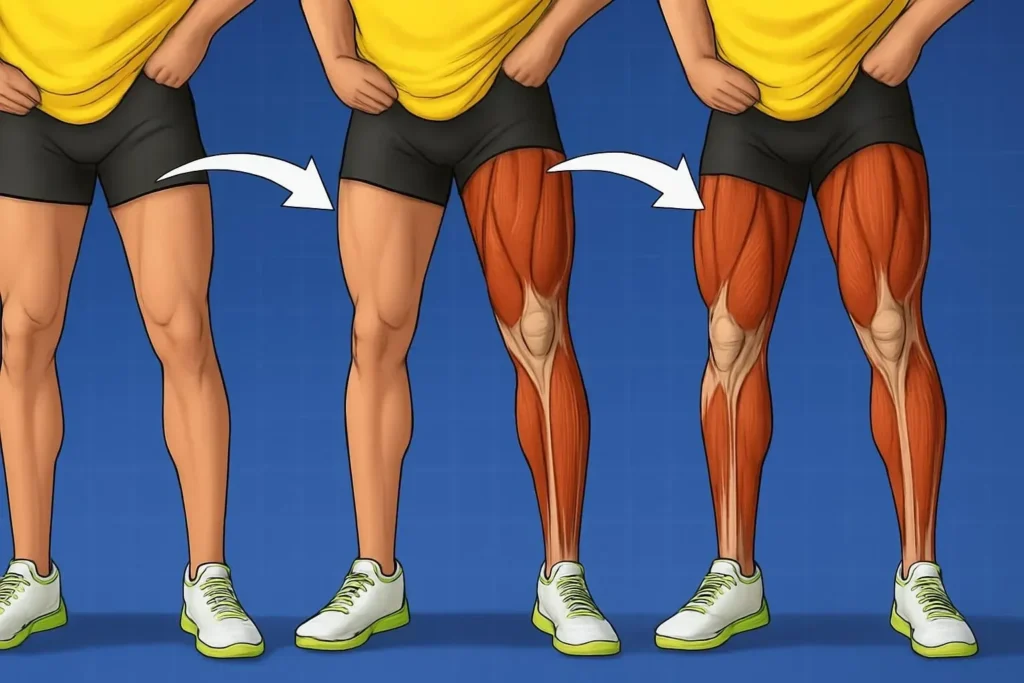
lower-body strength

Person demonstrating proper squat technique for lower-body strength training.

Squat Like a Pro — 7 Secrets That Instantly Upgrade Your Lower‐Body Strength

Pro Squat Playbook: 7 Quick Upgrades for Bigger, Stronger Legs

Squatting well is the fastest way to build lower-body strength, boost athleticism, and move better in daily life. These seven actionable secrets focus on technique, programming, and small tweaks that deliver immediate gains without adding extra time in the gym. If you’re also dialing in nutrition to support those gains, a practical guide to increasing your protein intake can make progress faster.

Squat Like a Pro — 7 Secrets That Instantly Upgrade Your Lower‐Body Strength

Why these secrets work: they combine motor control, joint health, proper loading and recovery so that your squat becomes stronger and safer — not just heavier.

  1. Master the hip hinge first
  • Before loading heavy, practice the hip hinge pattern (think deadlift mechanics). This teaches your hips to drive the lift rather than relying solely on your knees. Spend sets of 5–8 reps with light weight focusing on feeling the glutes and hamstrings engage.
  1. Fix your stance and toe angle
  • Small stance tweaks change leverage. A slightly wider stance and a few degrees of external rotation in the toes often allow deeper, more powerful squats for lifters with limited ankle mobility. Test minor adjustments and choose the position that lets you descend under control while keeping the chest tall.
  1. Cue depth by owning the bottom
  • Aim to hit a consistent, purposeful depth — ideally hip crease below the knee for most athletes. Pause-squats (1–2 seconds) at the bottom train stability and remove “bounce” reliance, teaching you to generate force out of the hole.
  1. Improve ankle mobility strategically
  • Limited dorsiflexion forces forward knee travel and torso compensation. Daily short mobility drills (heel drops on a step, ankle dorsiflexion holds) and foam rolling the calves can produce quick wins. Pair these with loaded goblet squats to reinforce improved mechanics.
  1. Use tempo and variations to plug weak links
  • Slow eccentrics (3–5 seconds down) build control; box squats and front squats emphasize posterior chain or quad dominance as needed. Rotate variations every 3–6 weeks to prevent plateaus and train all squat components.
  1. Program progressive overload — but not just more weight
  • Increase training stress in multiple ways: add reps, sets, reduce rest, or add mini-sets of paused squats. Track effort and prioritize subtle weekly progression rather than chasing big jumps that sacrifice form.
  1. Fuel and warm up for performance
  • Short, targeted warm-ups (light single-leg glute bridges, banded lateral walks, dynamic lunges) wake the right muscles. And a small pre-workout snack can sharpen energy for heavy sets — try a carb-plus-protein option 30–60 minutes before training for consistent power. For snack ideas, see recommendations on pre-workout snacks.

Quick troubleshooting — three common squat errors

  • Torso collapsing forward: Check ankle mobility and cue chest up; drop load until technique is fixed.
  • Knees caving: Emphasize glute activation, lateral band walks, and pause reps to reinforce knee tracking.
  • Bouncing out of the hole: Use tempo and paused reps to build strength from the bottom.

How to put it together (sample mini-plan)

  • Day A (Heavy): Warm-up → Build to 3–5 top sets of 3–5 reps (paused last rep) → 3 sets of Romanian deadlift → core plank work.
  • Day B (Volume/Technique): Goblet squats 4×8 with slow eccentrics → single-leg work → mobility circuit.

Squat Like a Pro — 7 Secrets That Instantly Upgrade Your Lower‐Body Strength

Conclusion

For those interested in a tool that changes loading mechanics and can help lifters—especially older trainees—maintain an upright posture and reduce shoulder strain, consider exploring the resource on The Safety Squat Bar: The Middle-Aged Man’s Secret Weapon for ….

Squat Like a Pro — 7 Secrets That Instantly Upgrade Your Lower‐Body Strength Read More »

, , , ,
Man demonstrating proper squat form for increased lower-body strength

Squat Like a Pro — 7 Secrets That Instantly Upgrade Your Lower‐Body Strength

Title: Squat Upgrade: 7 Pro Secrets for Instant Lower-Body Strength

Mastering the squat is the fastest way to build powerful legs, improve athleticism and protect your joints. These seven practical, science-backed tweaks make your squat safer and stronger without adding extra gym time — small changes, big results. Boosting your protein intake supports recovery as you implement them.

Squat Like a Pro — 7 Secrets That Instantly Upgrade Your Lower‐Body Strength

  1. Nail the Hip-First Descent
  • Think “hips back” before “knees forward.” Initiate the movement by hinging at the hips and sitting between your heels. This loads the glutes and hamstrings and prevents excessive forward knee travel that stresses the knees.
  • Drill: Slow three-count eccentric focusing on hip control.
  1. Find the Right Bar Path and Chest Position
  • Keep a vertical bar path over mid-foot. Maintain a proud chest (not hyperextended), which helps the bar track straight and reduces undue lumbar shear.
  • Cue: Imagine your sternum gently pointing up at the ceiling as you descend.
  1. Depth That Builds Strength (Not Pain)
  • Depth is individual. Aim to reach a point where your hips break parallel while maintaining a neutral spine and no knee pain. If mobility limits depth, work on ankle and thoracic mobility rather than forcing position.
  • Accessory: Glute bridges and banded ankle dorsiflexion drills produce measurable improvements.
  1. Tempo and Tension — Control Before Power
  • Use a controlled 2–3 second descent, a brief pause to remove elastic rebound, then an explosive ascent. Maintain full-body tension — brace your core, press the feet into the floor, and drive the hips forward.
  • Tip: Over-breathing ruins tension; inhale into your belly, brace, then hold that pressure through the rep.
  1. Progress Load Intelligently
  • Progress with micro-loads, volume cycling, and auto-regulation. If form breaks, reduce weight, not reps. Incorporate heavier triples and occasional singles for strength, and lighter higher-rep sets for technique.
  • Programming sample: 3 weeks build (3–5 reps), 1 week deload (6–8 reps).
  1. Use Accessory Movements that Transfer
  • Front squats and paused back squats build upright torso strength and top-end drive. Romanian deadlifts and split squats strengthen the posterior chain and single-leg stability for a balanced squat.
  • Include short bands, single-leg work, and weighted carries to shore up weak links.
  1. Mobility, Warm-Up & Fueling
  • Prioritize ankle dorsiflexion, hip external rotation, and thoracic extension mobility. A 6–8 minute dynamic warm-up focusing on these areas prevents breakdown mid-set.
  • Recovery and pre-workout choices matter. For consistent energy and fewer on-set drop-offs try targeted snacks that combine carbs and moderate protein; they help power your squat sessions without gut discomfort. Smart pre-workout snacks

Quick Weekly Mini-Program (8 weeks)

  • Day A (Heavy): Back squat 4×4 at 85% of your 4RM; paused squats 3×3 (60%).
  • Day B (Volume): Front squat 5×5 at moderate weight; Romanian deadlifts 3×8.
  • Day C (Speed/Control): Jump squats or box squats 6×3 (explosive), single-leg RDLs 3×8.
  • Rotate magnitudes and include a light recovery week every fourth week.

Common Mistakes to Watch

  • Letting knees collapse: strengthen glute med and use banded warm-ups.
  • Losing neutral spine: reduce depth or lighten load and focus on bracing.
  • Skipping accessory work: compound lifts hide imbalances; accessory work corrects them.

Squat Like a Pro — 7 Secrets That Instantly Upgrade Your Lower‐Body Strength

Conclusion

Use the safety squat bar to reduce shoulder strain and change leverage when regular back squats feel limiting — learn more in this helpful safety squat bar guide. Implement the seven tweaks above progressively: prioritize technique, dial in nutrition and recovery, and the pounds on the bar will follow.

Squat Like a Pro — 7 Secrets That Instantly Upgrade Your Lower‐Body Strength Read More »
, , , ,
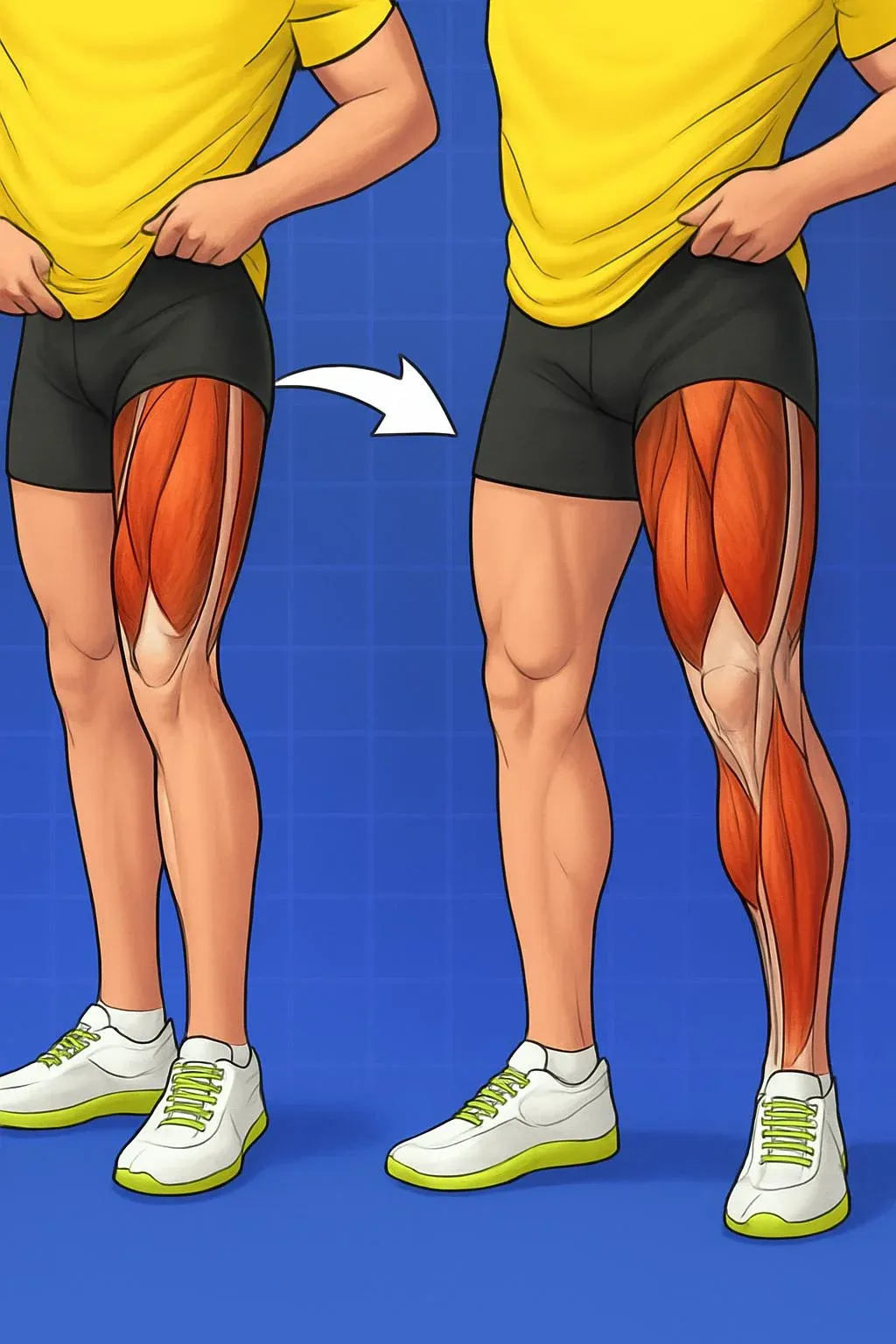
A person demonstrating perfect squat technique to improve lower-body strength.

Squat Like a Pro — 7 Secrets That Instantly Upgrade Your Lower‐Body Strength

Instant Squat Upgrades: 7 Pro Secrets

Squats are the foundation of lower-body strength — when done right they build power, muscle, and real-world function. Below are seven focused, actionable secrets that will instantly raise your squat performance and reduce injury risk. For best results, combine these technical fixes with solid nutrition — starting with easy protein boosts before and after training (see this guide to increasing protein with every meal).

Squat Like a Pro — 7 Secrets That Instantly Upgrade Your Lower‐Body Strength

  1. Master your setup: stance, toes, and pressure
  • Find the stance that lets your hips descend without your heels coming off the floor. For most people this is shoulder- to slightly wider-than-shoulder width with toes turned out 10–30°.
  • Think “tripod” foot pressure: heel, big toe, little toe. Drive through the whole foot as you ascend.
  1. Depth with control, not ego
  • Aim for breaking parallel where your hip crease is just below the top of the knee unless your mobility or goals require otherwise. If depth costs stability, use a box to train consistent depth and build comfort with confident touch-and-go or pause reps.
  1. Tension before descent: brace and breathe
  • Take a big belly-breath (diaphragmatic) and brace your core like you expect a light punch in the stomach. This intra-abdominal pressure protects the spine and transfers force more efficiently. Learn to breathe and brace with lighter reps first, then carry it into work sets.
  1. Hinge first, knees second
  • Initiate the squat by sending your hips back slightly — this engages the hamstrings and glutes and lets the knees track forward without collapsing. Cue “hips back, then down” or practice slow tempo squats to reinforce the pattern.
  1. Fix common weak links with targeted accessory work
  • If your knees cave, use banded lateral walks, clamshells, and single-leg Romanian deadlifts to strengthen the glute medius and posterior chain. If your upper back rounds, add chest-supported rows, face pulls, and shorter ROM paused squats to build bracing and upright posture.
  1. Program smart: tempo, variety, and fueling
  • Rotate squat variations (high-bar, low-bar, front squat, goblet, paused, box) across weeks to teach movement while avoiding overload. Use tempo sets (e.g., 3-second descent) to build control. Also, fuel short, intense squat sessions with a light pre-workout snack — something that combines carbs and a bit of protein to sustain power and recovery; quick ideas are covered in this pre-workout snack guide.
  1. Progression and recovery rules everyone skips
  • Track effort: increase weight, reps, or quality of reps gradually. Use deload weeks every 4–8 weeks based on volume and fatigue. Prioritize sleep, mobility (ankle and hip drills), and soft-tissue work to keep your squat pain-free and progressing.

Quick cues to use in a session

  • “Chest up, hips back” for descent control.
  • “Push the floor away” to initiate drive.
  • “Brace and breathe” before every rep.

Short weekly plan (beginner-intermediate)

  • Day 1: Heavy squat day (3–5 sets × 3–6 reps), pause squats 2 sets × 3 reps.
  • Day 2: Accessory day (lunges, RDLs, core holds).
  • Day 3: Technique/light day (3 sets × 8–12 reps at 60–70% with tempo).
    Monitor recovery and adjust volume rather than constantly chasing heavier loads.

Squat Like a Pro — 7 Secrets That Instantly Upgrade Your Lower‐Body Strength

Conclusion

If you want a different loading option to reduce shoulder or spinal stress while still building lower-body strength, consider learning more about the safety squat bar as a tool for training — The Safety Squat Bar: The Middle-Aged Man’s Secret Weapon for …

Apply these seven secrets consistently, and you’ll see faster, safer progress in strength and size.

Squat Like a Pro — 7 Secrets That Instantly Upgrade Your Lower‐Body Strength Read More »

, , , ,
Scroll to Top