
Still Small After Lifting for Months? These 7 Everyday Foods Could Be Your Missing Muscle Hack
7 Everyday Foods That Unlock Real Muscle Gains
Still putting in hours at the gym but not seeing the size you want? Training is only half the equation — the foods you eat every day can make or break muscle growth. Small, strategic swaps and reliable staples can turbocharge recovery, boost protein synthesis, and help you finally see the gains you’re chasing. For a quick read on complementary strategies, consider pairing these food choices with targeted nutrients like the best supplements for muscle preservation.

Why these foods matter: they deliver high-quality protein, essential amino acids (especially leucine), supportive fats, and digestible carbs — the building blocks your muscles need to adapt to training.
Eggs — The complete protein powerhouse
- Why: Whole eggs supply about 6–7 g of complete protein each, plus healthy fats and choline for recovery.
- How to use: 2–3 whole eggs post-workout or scrambled with veggies for breakfast. Aim for 20–30 g protein in that meal.
- Tip: Don’t fear the yolk; it helps with absorption of fat-soluble nutrients and provides extra calories if you need to gain mass.
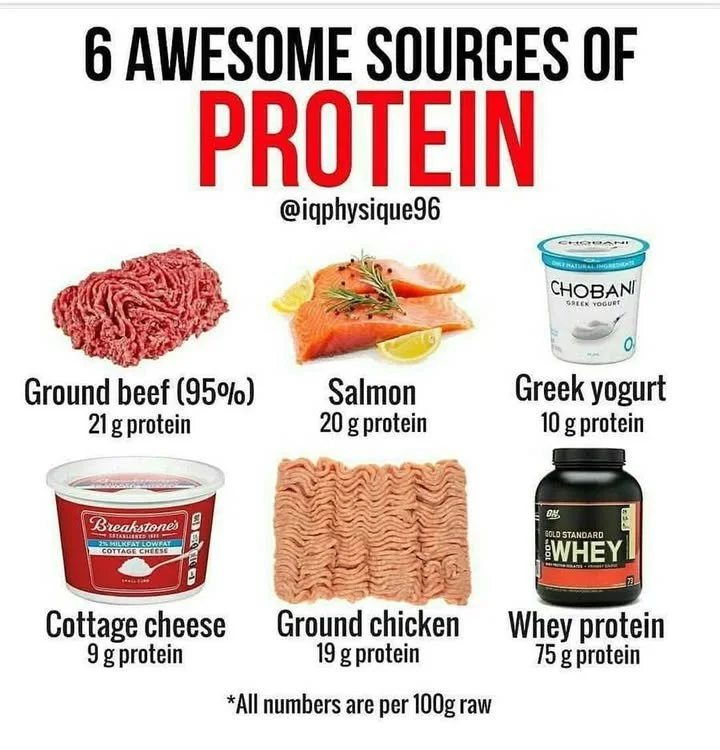
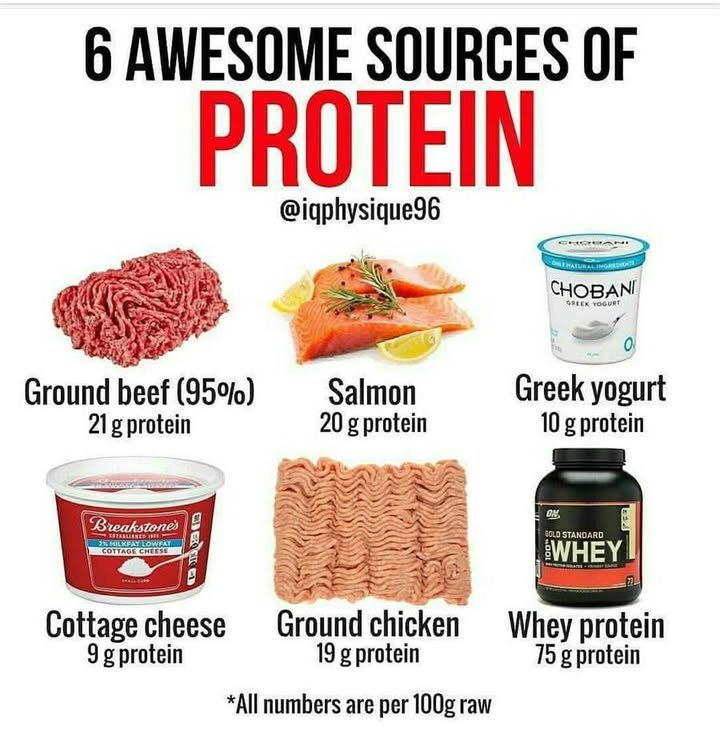
Greek yogurt (or cottage cheese) — Slow-release casein for overnight repair
- Why: Rich in casein protein which digests slowly, supporting overnight muscle repair and limiting breakdown.
- How to use: 1 cup plain Greek yogurt with fruit and a spoonful of nut butter before bed.
- Tip: Choose full-fat if you’re trying to add size — extra calories help fuel hypertrophy.
Lean red meat — High leucine and iron to support strength
- Why: Red meat is dense in leucine (a trigger for muscle protein synthesis), creatine precursors, and bioavailable iron.
- How to use: 4–6 oz lean cuts a few times weekly with veggies and a starch.
- Tip: If you want the science-backed edge on meat choice and post-workout protein synthesis, read more about lean meat and faster post-workout muscle protein synthesis.
Chicken breast — Versatile, lean, and protein-dense
- Why: High-quality protein with minimal fat — easy to portion for precise calorie and protein goals.
- How to use: Grill or bake 4–6 oz portions; pair with rice or sweet potato for optimal glycogen replenishment.
- Tip: Marinate and cook in batches to simplify meal prep and stay consistent.
Salmon (or other fatty fish) — Protein plus anti-inflammatory fats
- Why: Offers complete protein and omega-3s (EPA/DHA), which can reduce exercise-induced inflammation and support recovery.
- How to use: 3–5 oz servings 2–3 times per week; great for evening meals.
- Tip: If you can’t eat fish often, consider a fish oil supplement (discuss with a professional).
Lentils and beans — Plant protein and carbs with fiber
- Why: Excellent for variety, providing protein, carbs, and micronutrients (iron, folate) — great in combination with grains for a complete amino acid profile.
- How to use: Add 1 cup cooked lentils to salads, soups, or burritos; pair with rice or quinoa.
- Tip: Combine with vitamin-C rich foods (tomatoes, peppers) to improve iron absorption.
Oats — Slow carbs that support consistent energy and calories
- Why: Oats provide slow-digesting carbs, some protein, and a reliable calorie base for increasing mass without spiking insulin.
- How to use: 1 cup cooked with milk, topped with banana and nut butter for a balanced pre- or post-workout meal.
- Tip: Add a scoop of protein powder or chopped nuts to hit your protein targets.
Simple meal structure to follow
- Aim for 3–5 meals daily that each contain 20–40 g of protein from these foods.
- Match carbs to workout timing: more around training, less during rest days.
- Track total calories first (to ensure you’re in a modest surplus for growth), then refine macronutrients.
Practical hacks to maximize gains
- Prioritize total daily protein (0.7–1.0 g/lb bodyweight for many lifters) rather than overemphasizing single meals.
- Use calorie-dense versions (full-fat yogurt, olive oil, nuts) if you struggle to eat enough.
- Sleep, stress management, and progressive overload in training amplify the benefits of these foods.
Conclusion
Consistency with these seven everyday foods — combined with smart training and recovery — often breaks plateaus faster than chasing gimmicks. For additional guidance on body composition and fat-loss strategies that complement muscle-building efforts, see this resource: Losing Belly Fat | Rush.