joint health

Lifter performing a 15-minute warm-up hack for better gains and joint health.

Want Bigger Gains & Healthier Joints? The 15‐Minute Warm‐Up Hack Every Lifter Needs

15‑Minute Warm‑Up Hack for Bigger Gains

Want bigger lifts and joints that feel good for years? You don’t need an hour of foam rolling and mobility drills to prep—just a smart, 15‑minute warm‑up that primes your nervous system, activates stabilizers, and grooves movement patterns for safer, stronger working sets. This routine is designed for lifters of all levels and slots easily into any training day. For a quick primer on shoulder mechanics that pairs well with activation work, check out this guide to the seated dumbbell shoulder press setup.
Want Bigger Gains & Healthier Joints? The 15‐Minute Warm‐Up Hack Every Lifter Needs

Why 15 minutes is enough

  • Efficiency beats volume: a focused warm‑up that targets mobility, activation, and progressive loading gives you the nervous system readiness and joint lubrication you need without wasting energy.
  • Reduces risk and boosts performance: warming up increases synovial fluid, raises tissue temperature, and primes motor patterns so you can lift heavier with more confidence.
  • Consistency wins: a short, repeatable routine is more likely to be done before every session, which compounds into better joint health and gains over months and years.

The 15‑minute warm‑up plan (step‑by‑step)

  1. General movement (2–3 minutes)
    • Light cardio to raise heart rate: brisk walking, easy bike, or jump rope. Keep intensity low—this is about raising core and muscle temperature.
  2. Joint mobility flows (3 minutes)
    • Neck, thoracic rotations, hip circles, ankle dorsiflexion drills, and shoulder pass‑throughs using a band or broomstick. Move controlled, pain‑free, and through the ranges you’ll use for the workout.
  3. Activation & stability (4 minutes)
    • Glute bridges (2 sets x 10), banded lateral walks (1–2 sets x 10 steps each way), and scapular pull‑ups or face pulls (2 sets x 8–12). These light activations wake up muscles that stabilize your joints under load.
  4. Movement patterning (3 minutes)
    • Perform the main movement with just your bodyweight or the empty implement: bodyweight squats, push‑ups, hip hinges with a broom, or single‑arm rows. Focus on bracing, breathing, and groove.
  5. Warm‑up sets (3 minutes)
    • 2–4 progressively heavier warm‑up sets that approach working weight without hitting fatigue. For example: 50% x 5, 70% x 3, 85% x 1–2 (adjust depending on exercise and load). Keep reps crisp; this primes the nervous system for your top sets.

Programming tips

  • Match the warm‑up to the day: heavy lower‑body days get more hip and ankle work; upper‑body days get more thoracic and scapular activation.
  • Don’t overdo it: avoid fatiguing accessory work in the warm‑up—if a warm‑up set leaves you shaky on your working set, cut back.
  • Progress gradually: use the warm‑up to assess readiness—if a movement feels stiff, add an extra activation set or dynamic mobility before loading.

Joint‑friendly cues and technique reminders

  • Breathe to brace: inhale to expand the ribcage, exhale and brace the core just before the lift. This reduces shear forces and protects the spine.
  • Keep joint positions stacked: knees tracking over toes, shoulders over hips, neutral spine. Small alignment improvements reduce long‑term wear.
  • Use pain as a stop sign: transient stiffness is common; sharp or radiating pain is not. Adjust mechanics, reduce load, or consult a professional.

Nutrition and recovery note

  • Warm‑ups prepare the body; nutrition and recovery repair it. Simple steps like ensuring adequate protein and timing a small carb + protein snack before or after training help maximize repair and adaptation. For practical ideas on boosting daily protein, see how to increase your protein intake across meals and snacks.

Quick troubleshooting

  • If you feel persistently stiff in one joint despite warming up, increase mobility time for that area and consider targeted soft tissue work post‑session.
  • If warm‑up sets sap your strength, reduce volume or redistribute reps across sets to keep intensity high for working sets.
  • For long‑term joint health, alternate heavy days with lighter technique or speed sessions to reduce cumulative joint stress.
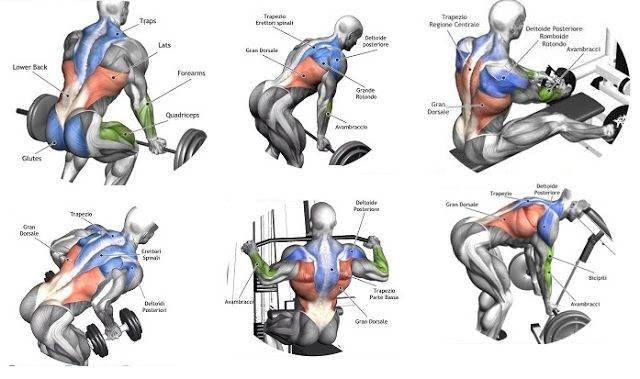
Want Bigger Gains & Healthier Joints? The 15‐Minute Warm‐Up Hack Every Lifter Needs

Conclusion

Consistent, focused warm‑ups are one of the highest‑leverage habits for better performance and joint longevity. To deepen your understanding of how to structure progressive warm‑up sets and bridge them into effective working sets, read Warm Up Sets: How to Warm Up For Your Working Sets.

Want Bigger Gains & Healthier Joints? The 15‐Minute Warm‐Up Hack Every Lifter Needs Read More »
, , , ,
Person performing heavy lifts while considering joint health over 30.

Over 30? Why Heavy Lifts Could Be ‘Breaking’ Your Joints — And How to Save Them

Title: Joint-Smart Lifting After 30

Lifting heavy after age 30 can feel empowering — until nagging aches and stiffness start to show up. Changes in recovery capacity, subtle loss of connective tissue resilience, accumulated microtrauma and the temptation to chase numbers can all make heavy lifting feel like it’s "breaking" your joints rather than strengthening them. A few smart adjustments to programming, technique and recovery can keep you lifting strong for decades. For help with nutrition habits that affect recovery and inflammation, see this guide on why you crave sugary and processed foods — and how to stop.

Over 30? Why Heavy Lifts Could Be 'Breaking' Your Joints — And How to Save Them

Why joints become more vulnerable after 30

  • Slower tissue repair: Collagen turnover and soft-tissue healing slow with age, so tendons and cartilage take longer to recover from high loads.
  • Cumulative wear: Years of imperfect movement, heavy sets with poor form, or repetitive patterns create micro-damage that compounds.
  • Hormonal shifts: Subtle declines in anabolic hormones and growth factors reduce the speed of adaptation.
  • Mobility and control: Tight hips, ankles or thoracic spine change joint loading and can concentrate stress in vulnerable areas.
  • Training errors: Jumping straight to maximal loads, skipping deloads, and not addressing muscle imbalances all increase joint strain.

Signs heavy lifting is crossing the line

  • Persistent joint pain that lingers >48–72 hours and worsens with normal daily activity.
  • Sharp, localized pain (not the diffuse soreness of a hard workout).
  • Swelling, stiffness that doesn’t improve with light activity, or reduced range of motion.
  • Performance drops despite consistent training (strength or speed decreases).

Smart rules to lift heavy without breaking your joints

  1. Prioritize movement quality over load
    • Nail technique with lighter sets and deliberate tempo before adding weight. Small technical corrections often remove excessive joint stress.
  2. Use progressive overload intelligently
    • Increase weight or volume in small, planned increments (e.g., 2.5–5% or an extra rep across workouts), and include scheduled deload weeks every 4–8 weeks.
  3. Vary the stimulus
    • Mix heavy low-rep work (1–5) with moderate (6–12) and higher-rep hypertrophy sets. Use machines, bands and tempo work to reduce peak joint compression some days.
  4. Strengthen the whole kinetic chain
    • Add unilateral work, mobility drills, and glute/rotator cuff/hip-abductor strengthening to distribute loads evenly.
  5. Add eccentric and tendon-focused work
    • Slow eccentrics and isometric holds promote tendon resilience. Examples: 3–5 second slow lowers, controlled negatives, and heavy slow resistance for tendons.
  6. Manage volume and intensity
    • If a joint starts protesting, reduce weekly volume (sets) and frequency temporarily before cutting intensity (load).
  7. Warm up like you mean it
    • Dynamic movement prep, activation sets, and progressive loading prepare tissues for heavy work and reduce injury risk.
  8. Recovery: sleep, nutrition and inflammation control
    • Aim for adequate protein, vitamin C and overall calories to support tissue repair. Time-controlled refueling and sleep are crucial; consider targeted strategies when rehab is needed (more on boosting protein intake below).
  9. Use equipment and tempo strategically
    • Belts, sleeves, sleeves for knees, and adjusting bar path can reduce harmful shear. Slow tempos and partials can condition tissues safely.
  10. Seek professional help for persistent issues
  • If pain persists, get evaluated by a physical therapist or sports physician; targeted rehab beats guesswork.

Practical weekly example (balanced for joint health)

  • Day 1 — Heavy lower-body compound (e.g., squat variation): warm-up, 3–5 heavy sets at RPE 7–9; accessory single-leg work, glute activation.
  • Day 2 — Upper push/pull mix: moderate loading, emphasis on scapular control and rotator cuff work.
  • Day 3 — Active recovery + mobility: low-intensity movement, soft-tissue work, and core stability.
  • Day 4 — Speed/power or lighter technique work: focus on bar path and explosive control with lower absolute load.
  • Day 5 — Hypertrophy full-body: higher reps, controlled eccentrics, and conditioning as tolerated.
  • Day 6 — Optional low-impact cardio and mobility.
  • Day 7 — Rest or light movement.

Nutrition and connective tissue
Protein and certain nutrients support tendon and cartilage repair. Aim for consistent protein throughout the day and include vitamin C-rich foods to support collagen synthesis. For practical tips on increasing protein intake with every meal and snack, check this guide on 10 easy ways to increase your protein intake.

When to stop and see someone

  • Immediate medical attention for joint instability, severe swelling, or inability to bear weight.
  • If an issue persists despite reduced load and therapy, consult a clinician for imaging or structured rehab.

Over 30? Why Heavy Lifts Could Be 'Breaking' Your Joints — And How to Save Them

Conclusion

For an evidence-based look at how strength training supports healthier bodies as we age, see this resource: How can strength training build healthier bodies as we age.

Over 30? Why Heavy Lifts Could Be ‘Breaking’ Your Joints — And How to Save Them Read More »

, , , ,
Scroll to Top