
high protein meals

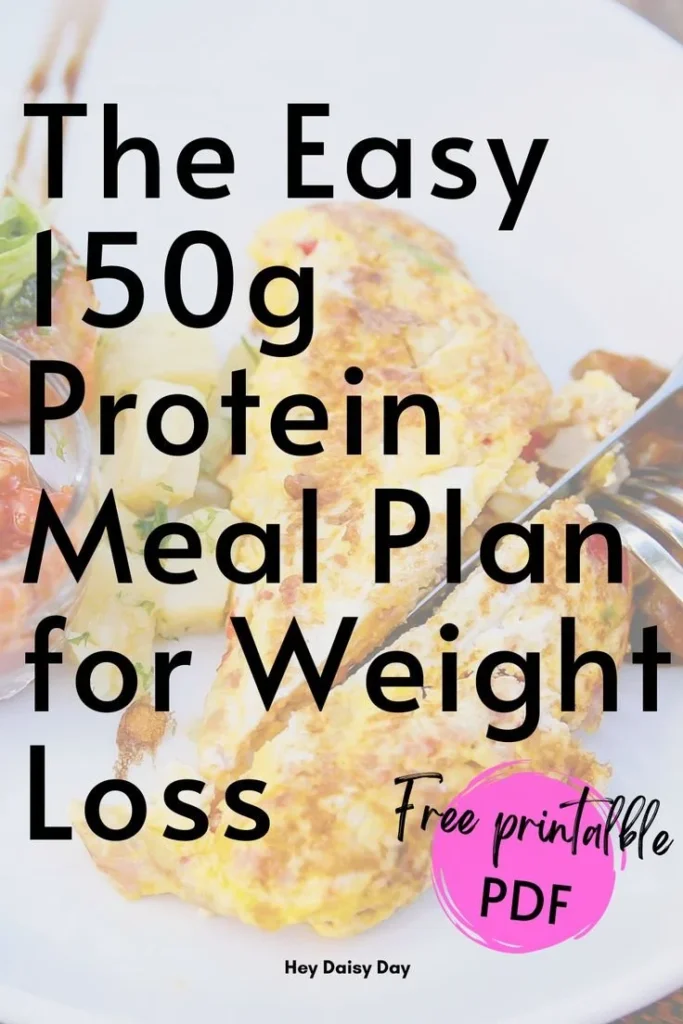
Visual representation of a protein plate with 150g of protein servings.

What 150g of Protein Looks Like on a Plate

What 150g of Protein Looks Like on a Plate

Hitting 150 grams of protein in a day can sound daunting, but when you break it down into real plates and portions it becomes very manageable. Whether you’re building muscle, recovering from injury, or simply wanting to maintain lean mass, knowing what portions look like helps you plan meals that meet your target. For quick strategies to boost protein at every meal, see this helpful guide on 10 easy ways to increase your protein intake.

Below are realistic, mixed-diet and plant-forward plate examples plus simple visual cues so you can imagine — and plate — 150 g of protein across a day.

Why 150 g might be your goal

  • Active lifters and many athletes often aim for 1.2–2.2 g/kg bodyweight; for many people that falls near 150 g/day.
  • Older adults and those in recovery often need higher protein to preserve muscle.
  • The goal should be spread across meals (e.g., 3–5 eating occasions) to maximize muscle protein synthesis.

Quick visual cues to estimate portions

  • A cooked palm-sized portion of meat or fish (~100–150 g cooked) = roughly 25–35 g protein.
  • 1 large egg = ~6–7 g protein.
  • 1 scoop whey protein = ~20–25 g protein.
  • 1 cup cottage cheese = ~25–30 g; 200 g Greek yogurt ≈ 15–20 g.
  • 1 cup cooked lentils = ~15–18 g; 100 g firm tofu ≈ 8–15 g (varies by brand).
  • Handful of nuts (30 g) = ~5–7 g.

Use these cues when building plates: one palm-sized portion of animal protein + a cup of Greek yogurt or a scoop of protein powder during the day will get you most of the way.

Sample daily plates that add up to ~150 g

Omnivore plan

  • Breakfast: 3 eggs (18 g) + 200 g Greek yogurt (20 g) = 38 g
  • Lunch: 150 g grilled chicken breast (~45 g) + greens and quinoa (5 g) = 50 g
  • Snack: 1 scoop whey protein (24 g) + 30 g almonds (6 g) = 30 g
  • Dinner: 150 g salmon (~34 g) = 34 g
    Total ≈ 152 g

Vegetarian plan

  • Breakfast: 1 cup cottage cheese (28 g) + 2 tbsp peanut butter (8 g) = 36 g
  • Lunch: 200 g firm tofu (~24 g) + 1 cup cooked lentils (18 g) = 42 g
  • Snack: 200 g Greek yogurt (20 g) + a protein bar (20 g) = 40 g
  • Dinner: 150 g tempeh (~32 g) = 32 g
    Total ≈ 150 g

Vegan plan (mixing concentrated plant proteins)

  • Breakfast: Smoothie with 1 scoop pea protein (25 g) + oats (6 g) = 31 g
  • Lunch: Seitan 100 g (~25 g) + 1 cup cooked chickpeas (15–20 g) = ~44 g
  • Snack: 150 g edamame (17 g) + 30 g almonds (6 g) = 23 g
  • Dinner: 200 g firm tofu (~24 g) + 1 cup quinoa (8 g) = 32 g
  • Add a small protein bar (20 g) as needed = total ≈ 150 g

These are examples — adjust portion sizes based on the specific protein content of the foods you use and how much you need at each meal.

How to distribute protein through the day

  • Aim for 30–40 g per meal across 3 meals, plus 10–30 g from snacks or shakes. That distribution is convenient for reaching 150 g without huge single meals.
  • Combine complementary plant proteins (grains + legumes) when following plant-based plans to ensure varied amino acids.
  • Simple swaps (larger portions of Greek yogurt or cottage cheese, adding a scoop of protein powder to smoothies, choosing higher-protein breads) can raise intake without major meal changes.

Pairing protein with training

Protein timing matters less than total daily intake, but eating protein within a couple hours before or after resistance training supports recovery and growth. If you pair a higher-protein day with focused strength work, include compound lifts and targeted arm work to make the most of that protein — for example, try a barbell-only arms routine if you’re looking to emphasize the biceps and triceps in a session: 4 biceps exercises — barbell-only arms workouts.

Practical plating tips

  • Use your hand as a measuring tool: a palm-sized cooked protein portion per meal, plus a small cup of dairy or a scoop of powder at some point in the day, gets you close.
  • Pre-portion snacks (yogurt cups, hard-boiled eggs, single-serve cottage cheese) so you can add protein quickly between meals.
  • Track a few days with a food-tracking app to learn your most reliable protein sources and portion sizes; once you know them, plating becomes second nature.

Conclusion

Seeing protein on a plate is easier than it seems — a few palm-sized portions of meat/fish/tofu plus strategic dairy, legumes, or a scoop of powder can get most people to 150 g/day. For a complementary visual comparison showing what 100 grams looks like across diets (helpful when scaling up to 150 g), check out this visual guide: Your Visual Guide: Here’s What 100 Grams of Protein Looks Like on ….
What 150g of Protein Looks Like on a Plate Read More »

, , , ,
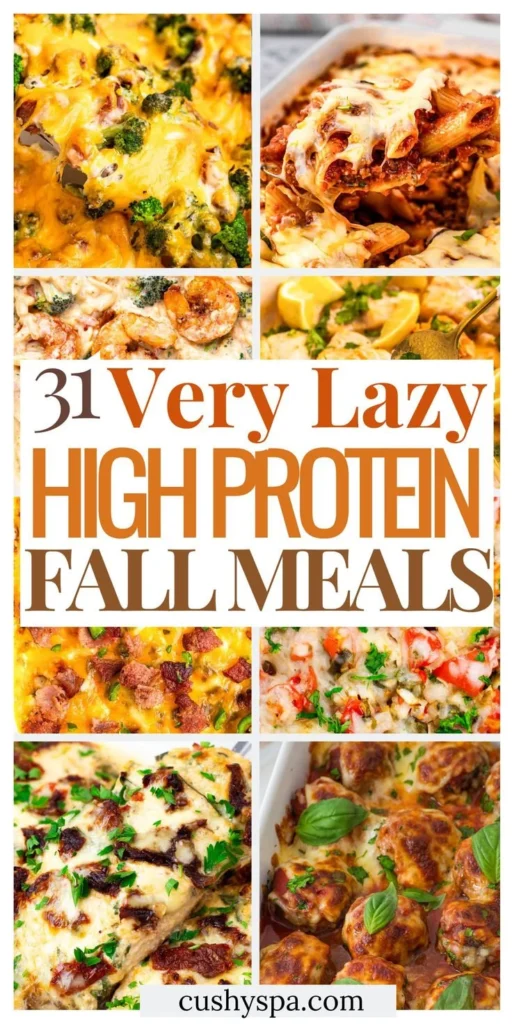
Easy high protein meals for fall, perfect for busy individuals and families.

31 Laziest Fall High Protein Meals Anyone Can Make

Title: 31 Laziest Fall High-Protein Meals Anyone Can Make

Autumn calls for cozy flavors and minimal fuss. If you want to eat protein-rich meals without spending hours in the kitchen, this list delivers 31 simple, satisfying ideas that work for breakfasts, lunches, dinners, and snacks. Many require just a few ingredients and common cooking tools—sheet pans, skillets, microwaves, or no-cook assembly. If you prefer liquid meals or need quick post-workout options, check out these 8 high-protein smoothie recipes for inspiration.

How to use this list

  • Pick meals based on the equipment you want to use (e.g., skillet vs. sheet pan).
  • Batch-cook proteins (chicken, tofu, beans) once and repurpose through the week.
  • Add seasonal produce—apples, squash, beets, Brussels sprouts—for fall flavor without extra effort.

The 31 laziest fall high-protein meals

  1. Greek yogurt parfait with walnuts and maple — Layer whole-milk Greek yogurt, chopped walnuts, a drizzle of maple, and cinnamon. No cooking, maximum comfort.

  2. Smoked salmon on rye toast — Top toasted rye with cream cheese, smoked salmon, and lemon. Ready in 5 minutes.

  3. Sheet-pan chicken thighs with apples — Toss bone-in thighs and apple wedges with olive oil and rosemary; roast until golden.

  4. Tuna-stuffed baked sweet potatoes — Bake or microwave a sweet potato and top with canned tuna mixed with plain yogurt and mustard.

  5. One-pan sausage and Brussels sprouts — Slice smoked sausage and sauté with halved Brussels sprouts until crisp and caramelized.

  6. Cottage cheese and pear bowl — Cottage cheese, sliced pear, hemp seeds, and a pinch of cinnamon.

  7. Turkey and Swiss melt — Turkey slices and Swiss cheese on whole-grain bread, finished under the broiler.

  8. Lentil and pumpkin soup (stovetop or slow cooker) — Use canned pumpkin and pre-cooked or canned lentils for a hearty, creamy soup.

  9. Egg scramble with kale and feta — Whisk eggs, fold in chopped kale and crumbled feta, and cook in one skillet.

  10. Chickpea shawarma bowls — Roast canned chickpeas with shawarma seasoning; serve over greens with tahini.

  11. Quick shrimp and garlic pasta — Sauté shrimp in garlic and butter, toss with pasta and parsley for a 15-minute meal.

  12. Protein pancakes — Mix protein powder into pancake batter or use cottage-cheese pancakes for added protein.

  13. Baked tofu with maple-mustard glaze — Press tofu, slice, glaze with maple-mustard, and bake until caramelized.

  14. Steak and arugula plate — Grill or pan-sear a steak, slice thinly, and serve over dressed arugula with shaved Parmesan.

  15. Black bean and quinoa skillet — Sauté onions, add cooked quinoa and canned black beans, season and top with avocado.

  16. Salmon cakes from canned salmon — Mix canned salmon, egg, breadcrumbs, shape and pan-fry. Serve with lemon yogurt sauce.

  17. Chicken Caesar salad (shortcut) — Use rotisserie chicken and store-bought Caesar dressing atop chopped romaine.

  18. Baked eggs in squash halves — Roast halved acorn or butternut squash, crack an egg in each cavity, and bake until set.

  19. Turkey chili in the Instant Pot — Brown ground turkey and add canned tomatoes and beans for an easy one-pot chili.

  20. Hummus and smoked turkey roll-ups — Spread hummus on turkey slices, roll with spinach leaves, and enjoy no-cook protein.

  21. Sardine toast with tomato — Canned sardines on toasted sourdough with sliced tomato and lemon zest.

  22. Greek-style lentil salad — Combine cooked lentils with cucumber, tomato, red onion, feta, and a lemon-oregano vinaigrette.

  23. Seared halloumi with roasted beets — Pan-sear halloumi slices and serve over simple roasted or pre-cooked beet slices.

  24. Egg fried rice (leftover rice rescue) — Use cold rice, scrambled eggs, and frozen veggies tossed with soy and sesame.

  25. BBQ pulled chicken bowls — Shred rotisserie chicken and warm in BBQ sauce; serve over cauliflower rice or with roasted squash.

  26. Baked cod with herb crust — Top cod fillets with a mix of breadcrumbs, herbs, and olive oil; bake until flaky.

  27. Peanut-butter banana protein smoothie — Blend a banana, a scoop of protein powder, milk, and a spoonful of peanut butter.

  28. Mediterranean tuna pasta salad — Mix canned tuna with short pasta, olives, tomatoes, and a light vinaigrette.

  29. Duck or turkey sausage skillet with roasted apples — Quick-slice sausages, pan-fry with apple slices for a sweet-savory combo.

  30. Open-faced tempeh BLT — Marinate tempeh slices briefly, pan-fry, and serve with lettuce, tomato, and vegan mayo on toast.

  31. Sheet-pan salmon and root vegetables — Place salmon fillets and chopped root vegetables on one pan; season and roast together for minimal cleanup. Tip: For more ideas on high-protein foods that are great for grilling, try grilling batch proteins for the week.

Lazy prep tips

  • Use canned beans and fish to skip long cooking times.
  • Keep cooked grains and roasted vegetables in the fridge for quick assemblies.
  • Invest in a quality nonstick skillet and a baking sheet to speed cooking and cleanup.
  • Flavor with pantry staples: mustard, smoked paprika, soy sauce, lemon, and maple.

Conclusion

If you want an easy-ready collection that inspired this list, see the original roundup: 31 Laziest Fall High Protein Meals Anyone Can Make – Cushy Spa.

31 Laziest Fall High Protein Meals Anyone Can Make Read More »

, , , ,
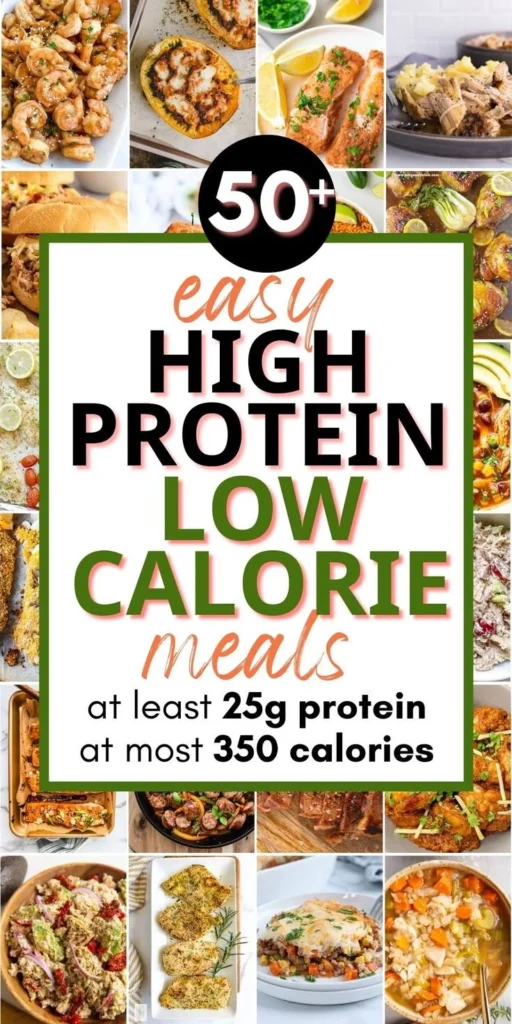
A collection of 50+ high protein low calorie meal recipes for healthy eating

50+ High Protein, Low Calorie Meals (Easy Recipes)

50+ High-Protein, Low-Calorie Meals (Easy Recipes)

Eating for strength, fat loss, or simple everyday health doesn’t have to be complicated. High-protein, low-calorie meals keep you full, support muscle maintenance, and make it easier to stay within your daily calorie goals. Below are easy, practical ideas and recipe frameworks you can mix and match to create 50+ meals without spending hours in the kitchen.

High-protein meals center on lean animal proteins (chicken breast, turkey, fish), plant proteins (tofu, tempeh, legumes), and dairy or dairy alternatives (Greek yogurt, cottage cheese). Pair these with high-volume, low-calorie sides—lots of vegetables, leafy greens, and modest portions of whole grains—to create satisfying plates that are light in calories but rich in nutrients.

If you’re pairing nutrition with training, try stacking meals around workouts and recovery strategies—this is especially useful when doing targeted routines like a focused leg day such as Sam Sulek’s quad-focused leg day, where protein timing can aid muscle repair.

How to Build a High-Protein, Low-Calorie Meal (Simple Formula)

  • Protein: 20–40 g per meal (3–6 oz lean meat, 1–2 cups Greek yogurt, or equivalent plant protein).
  • Veggies: 1–3 cups non-starchy vegetables (spinach, broccoli, zucchini, peppers).
  • Healthy fat: 1 tsp–1 tbsp if needed (olive oil, avocado, nut butter) — keep fats modest to control calories.
  • Optional: small serving of whole grains or starchy veggie (¼–½ cup cooked quinoa, brown rice, sweet potato) if you need extra energy.

Breakfast Ideas (10+)

  • Egg white omelet with spinach, cherry tomatoes, and feta.
  • Greek yogurt parfait with berries and a sprinkle of crushed nuts.
  • Cottage cheese bowl with sliced peaches and cinnamon.
  • Protein pancakes made with cottage cheese and oats (blend and cook like pancakes).
  • Savory scrambled eggs with smoked salmon and chives.
  • Overnight oats with protein powder and a handful of blueberries.
  • Tofu scramble with turmeric, mushrooms, and kale.
  • High-protein chia pudding using milk + protein powder.
  • Egg muffins: eggs, lean turkey, peppers baked in a muffin tin (make-ahead).
  • Low-calorie breakfast burrito: whole-wheat wrap, egg whites, salsa, and black beans.

Lunch Ideas (10+)

  • Grilled chicken breast over mixed greens with lemon-tahini dressing.
  • Tuna salad (water-packed tuna, Greek yogurt, diced celery) on lettuce cups.
  • Turkey and veggie lettuce wraps with mustard or hot sauce.
  • Lentil and roasted vegetable salad (lentils give protein, veggies add volume).
  • Shrimp and cucumber salad with dill and low-fat yogurt dressing.
  • Salmon and steamed asparagus with a squeeze of lemon.
  • Chickpea “tuna” with avocado-free dressing for fewer calories.
  • Turkey chili made with extra beans and diced tomatoes (batch cook).
  • Baked cod with cauliflower mash and steamed greens.
  • Quinoa and edamame bowl with sesame-ginger vinaigrette (hold the oil).

Dinner Ideas (10+)

  • Baked lemon-herb chicken thighs (skinless) with roasted Brussels sprouts.
  • Steak salad: thin-sliced flank steak over arugula, cherry tomatoes, and red onion.
  • Grilled mahi-mahi with pico de gallo and sautéed zucchini.
  • Stir-fry: tofu or shrimp with broccoli, bell pepper, and a splash of low-sodium soy.
  • Turkey meatballs with spiralized zucchini and marinara.
  • Baked turkey or chicken meatloaf using oats instead of breadcrumbs.
  • Stuffed bell peppers with ground turkey and cauliflower rice.
  • Seared tuna over a bed of steamed spinach and edamame.
  • Miso-glazed salmon with a side of steamed bok choy.
  • Vegetable and bean stew with smoked paprika and herbs.

Snacks & Small Meals (10+)

  • Hard-boiled eggs or egg whites with hot sauce.
  • Cottage cheese with sliced cucumber and dill.
  • Roasted edamame or spiced chickpeas (watch portion size).
  • Protein mug cake made with protein powder and egg white for a quick dessert.
  • Low-fat Greek yogurt dip with raw veggies.
  • Sliced turkey roll-ups with mustard and pickle.
  • Smoked salmon on cucumber rounds with a dollop of low-fat cream cheese.
  • Homemade protein bars using protein powder, nut butter (small amount), and oats.
  • Baked chicken tenders with almond flour crust (air-fryer recommended).
  • Protein-rich hummus made with extra chickpeas and tahini, used sparingly.

Soups, Salads & One-Pot Meals

  • Chicken and vegetable soup with lots of greens and beans.
  • Lentil soup with diced tomatoes and spinach.
  • Brothy seafood chowder using skim milk or light milk alternatives thickened with pureed cauliflower.
  • Warm salmon salad with green beans and mustard vinaigrette.
  • High-protein minestrone with extra beans and lean turkey sausage.

Smoothies & Shakes

Smoothies are fast, portable, and easy to control for calories. Use a base of water or unsweetened plant milk, add 1 serving protein powder or Greek yogurt, a handful of spinach, and frozen berries. For more ideas and muscle-building shakes, check out 8 high-protein smoothie recipes that can be adapted to lower calories.

Flavor Boosters and Low-Calorie Dressings

  • Citrus (lemon, lime) and vinegars add flavor with almost no calories.
  • Mustard-based dressings or salsa for zest.
  • Fresh herbs and spices: basil, cilantro, cumin, smoked paprika.
  • Use Greek yogurt as a creamy base instead of mayo.
  • Spray olive oil and grill or roast for depth without excess calories.

Meal Prep Strategies

  • Batch-cook proteins (grill chicken, bake fish, roast tofu) and portion into containers.
  • Keep a variety of pre-cut raw veggies on hand for quick salads and stir-fries.
  • Make one-pot soups and stews in large batches to freeze single servings.
  • Use a food scale and reusable containers to control portion sizes and make tracking easier.
  • Swap similar ingredients week to week to keep variety: chicken one week, tempeh or fish the next.

Calorie & Protein Targets (Quick Guide)

  • Weight loss: aim for 20–40 g protein per meal and 150–250 calories from non-protein components (veggies and small fats).
  • Maintenance/muscle gain: increase protein portions and include more starchy carbs post-workout.
  • Snacks: keep to 100–250 calories with 10–20 g protein.

Sample Weekly Plan (Mix-and-Match)

  • Monday: Egg white omelet; tuna lettuce wraps; baked salmon with roasted broccoli.
  • Tuesday: Greek yogurt parfait; turkey chili; tofu stir-fry.
  • Wednesday: Protein pancakes; shrimp salad; turkey meatballs with zucchini noodles.
  • Thursday: Cottage cheese and peach bowl; lentil salad; grilled mahi-mahi.
  • Friday: Tofu scramble; chicken and vegetable soup; steak salad.
  • Weekend: Use leftovers, batch soups, and enjoy a higher-carb meal near training if desired.

Tips for Staying On Track

  • Keep meals colorful and varied to avoid boredom.
  • Prioritize whole foods and limit liquid calories from sugary beverages.
  • Adjust portion sizes based on hunger and activity.
  • Use simple seasonings to make repetitive proteins exciting.

Conclusion

For a comprehensive compilation and more ready-to-use dishes, see the curated list of 50+ High Protein Low Calorie Meals (Easy Meal Prep Recipes) which pairs well with the ideas above and offers many make-ahead options to simplify your week.

50+ High Protein, Low Calorie Meals (Easy Recipes) Read More »

, , , ,
Scroll to Top