High-Protein Foods: A Practical List and How to Use Them
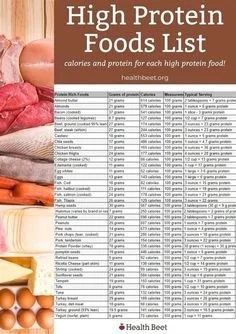
Getting enough protein supports muscle repair, keeps you full longer, and helps maintain healthy body composition. Below is a versatile, easy-to-follow high-protein food list organized by category, plus simple tips for adding more protein to everyday meals. If you like cooking outdoors, you might also enjoy these suggestions for high-protein foods that are great for grilling.
These figures are approximate and vary by brand and preparation. For more extended lists and ideas, see this broader high-protein foods resource.
Animal-based proteins
Animal proteins are complete proteins, meaning they contain all essential amino acids. Lean poultry, beef, pork tenderloin, fish, and seafood are efficient ways to add large amounts of protein with relatively small portions. Choose grilling, baking, or broiling to keep added fats low. Canned tuna or salmon are pantry-friendly high-protein options for sandwiches, salads, and casseroles.
Plant-based proteins
Legumes, soy products, grains, nuts, and seeds provide excellent plant-based protein choices. Combining beans or lentils with grains (e.g., rice or quinoa) creates a complementary amino acid profile. Tofu and tempeh are versatile: marinate and stir-fry, grill, or cube into soups and salads. Seitan is a concentrated wheat-based protein suitable for many savory dishes. Snack on roasted chickpeas or edamame for portable protein-rich options.
Dairy, eggs, and protein-packed snacks
Greek yogurt, cottage cheese, and cheeses deliver higher protein than regular yogurt or milk per serving. Hard-boiled eggs are an inexpensive, easy snack. Beef jerky, smoked salmon, or protein bars (watch the sugar content) are convenient on-the-go choices. Smoothies made with milk or yogurt, protein powder, and nut butter can quickly boost daily intake.
Meal planning tips to increase protein intake
Spread protein evenly across meals (aim for 20–30 g per meal for many adults).
Prioritize a protein source first when composing a plate, then add vegetables and grains.
Use high-protein swaps: Greek yogurt instead of sour cream, cottage cheese in pancakes, chickpeas for croutons.
Prepare protein-rich staples in batches (grilled chicken, roasted chickpeas, boiled eggs) to streamline weekday meals.
Pay attention to portion sizes and prepare meals using simple seasonings to make lean proteins more appealing.
Special considerations
Vegetarians and vegans can meet protein needs with careful planning: legumes, soy, whole grains, nuts, and seeds combined throughout the day.
Older adults may need slightly higher protein targets to preserve muscle mass; consult a healthcare professional for personalized guidance.
If you have kidney disease or other medical conditions, discuss protein intake with your care team.
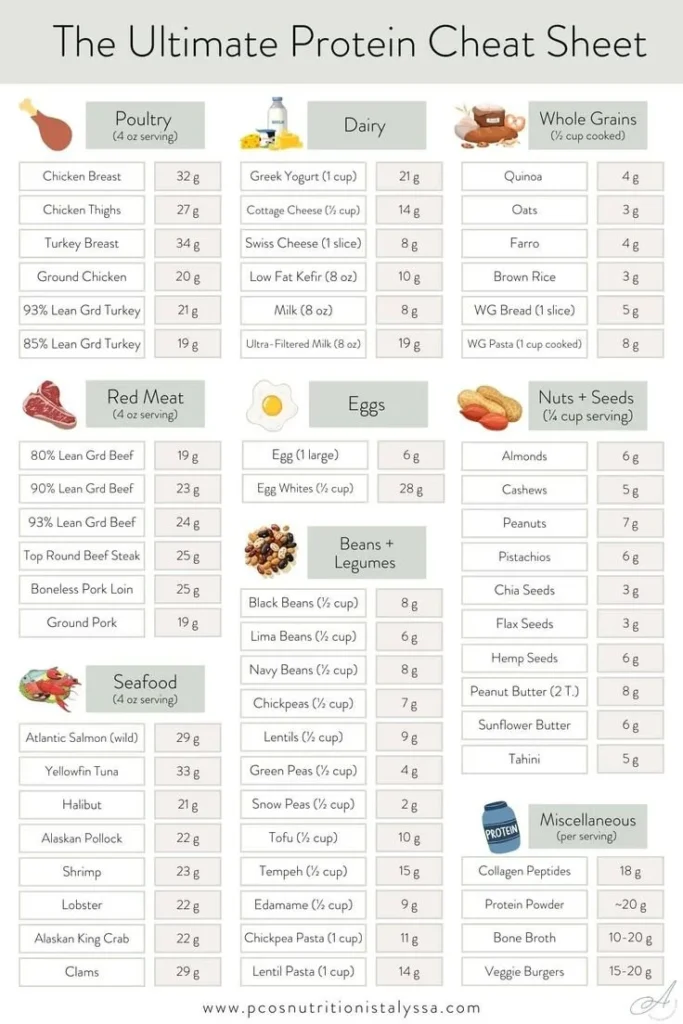
A Dietitian’s High Protein Cheat Sheet — Practical Tips You Can Use Today
Whether you want to build muscle, lose fat, manage hunger, or recover faster after workouts, protein is one of the most powerful tools in your nutrition toolbox. This article condenses a dietitian’s practical guidance into an easy-to-follow cheat sheet: how much protein you need, where to get it, timing and portion ideas, and simple swaps to make daily meals more protein-rich.
Introduction
Protein does more than support muscles — it helps regulate appetite, supports immune function, and stabilizes blood sugar. If you cook outdoors or like bold flavors, there are plenty of ways to boost protein while keeping meals exciting — from grilled salmon to marinated tofu. For inspiration on grilling high-protein choices, check out this list of high-protein foods that are great for grilling.
Why protein matters
Satiety: Protein promotes feeling full longer, which can reduce overall calorie intake.
Muscle maintenance and growth: Protein supplies amino acids needed for repair and growth, especially after strength training.
Metabolic benefit: The thermic effect of protein (energy used to digest) is higher than carbs or fat.
Wellness: Protein supports repair processes and various enzymes and hormones.
How much protein do you need?
General guideline: 0.8–1.0 g/kg body weight for sedentary adults.
Active people and those aiming to build or keep muscle: 1.4–2.0 g/kg.
Older adults: aim toward the higher end (1.2–2.0 g/kg) to preserve muscle mass.
For weight loss while preserving lean mass: 1.6–2.4 g/kg can be useful under supervision.
Protein quality and distribution
Aim to distribute protein evenly across meals (20–40 g per meal depending on body size).
Include a high-quality source at breakfast, lunch, and dinner to maximize daily muscle protein synthesis.
Combining plant proteins (e.g., beans + rice) throughout the day improves overall amino acid balance.
Protein timing and post-workout strategy
Having a balanced meal with 20–40 g protein within 2 hours of resistance exercise helps recovery.
Quick post-workout options: Greek yogurt, a protein shake, cottage cheese, or lean poultry.
Lunch: Quinoa salad with grilled chicken and beans (35 g)
Snack: Cottage cheese + berries (12–15 g)
Dinner: Grilled salmon + roasted vegetables + a small sweet potato (35–40 g)
Total: ~130–140 g (adjust portions to match your needs)
Practical tips and common myths
Myth: You need protein immediately after training or it’s useless. Reality: a 2-hour window with sufficient protein spread across the day works well.
Tip: If you struggle to reach goals, add a protein-rich snack or increase portion sizes at meals by palm-sized servings.
Tip: Use meal prep to keep high-protein choices ready — batch-cook lean meats, beans, and grain bowls.
Safety: Most healthy adults tolerate higher protein intakes, but those with kidney disease should consult a clinician before increasing protein.
A quick printable cheat-sheet checklist
Target grams per meal: aim for 20–40 g depending on body size and goals.
Include a protein source at every main meal and choose a protein-rich snack.
Favor lean cuts post-workout and distribute protein evenly through the day.
Mix animal and plant sources for variety and micronutrient balance.
Plan and prep: cook once, use for several meals.
Conclusion
For an easy, printable reference you can keep in the kitchen or on your phone, download the free resource titled A Dietitian’s High Protein Cheat Sheet (Free PDF). It consolidates portions, quick swaps, and sample meals into a single page that’s handy for meal planning and grocery shopping.
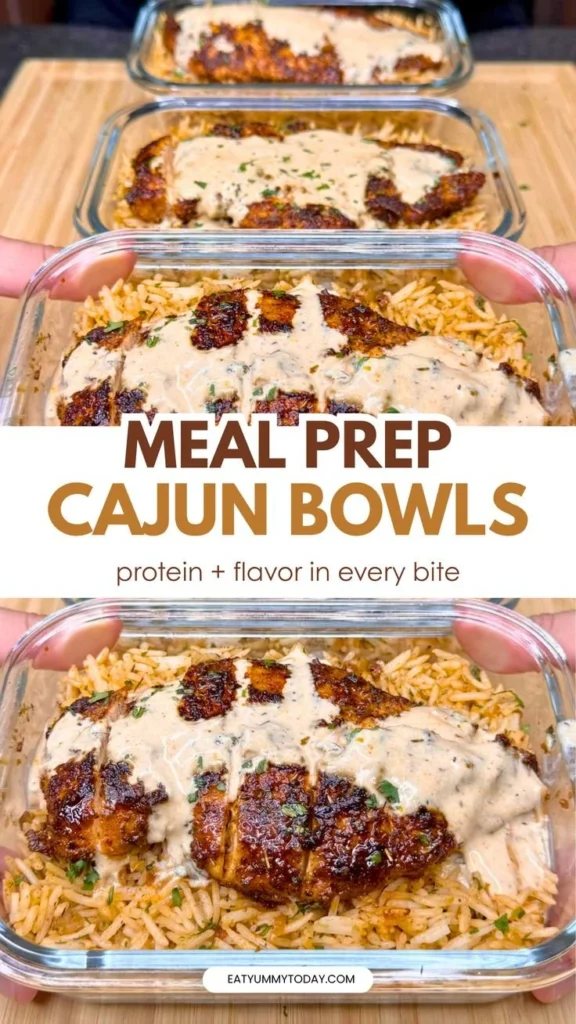
Creamy Cajun Chicken & Rice Bowls are a delicious way to turn bold flavors into a week’s worth of high-protein meals. Tender chicken tossed in a spiced, creamy sauce over rice and veggies makes an easy, satisfying dish for lunch or dinner. If you’re trying to hit your daily protein goals, pair this bowl with other strategies like the 10 easy ways to increase your protein intake with every meal and snack to maximize results without losing flavor.
Why this bowl works for meal prep
High protein: Lean chicken breast provides substantial protein to support muscle maintenance and recovery.
Balanced macros: Rice supplies carbohydrates for energy and veggies add fiber, vitamins, and minerals.
Make-ahead friendly: Sauces and cooked chicken hold up well in the fridge, making portioning simple.
Versatile: Swap grains, tweak spice level, or add beans for extra fiber and variety.
1 cup plain Greek yogurt or light sour cream (for creaminess)
2 cups cooked brown rice or white rice
2 cups baby spinach (optional)
Fresh parsley or green onions for garnish
Salt and pepper to taste
Quick method
Season the chicken with 1–2 tablespoons Cajun seasoning, salt, and pepper.
Heat 1 tbsp olive oil in a large skillet over medium-high heat. Sear the chicken until golden and cooked through, about 6–8 minutes. Transfer to a plate.
In the same pan, add remaining oil and sauté the onion and bell peppers until softened, 4–5 minutes. Add garlic and cook 30 seconds.
Sprinkle remaining Cajun seasoning, stir, then pour in chicken broth to deglaze the pan. Let simmer 2 minutes.
Reduce heat to low and stir in Greek yogurt until sauce is creamy and smooth. Return chicken to the pan and coat with sauce. If it’s too thick, add a splash more broth.
Fold in spinach until wilted, then remove from heat. Adjust seasoning.
Serve over warm rice and garnish.
Meal prep & storage tips
Portion into airtight containers with rice on one side and chicken & veggies on the other to prevent sogginess.
Refrigerate for up to 4 days; freeze for up to 3 months (thaw overnight before reheating).
Reheat gently in a microwave or on the stovetop with a splash of water to loosen the sauce.
Question: Is there anything that isn’t made better by the smoky sear of a grill? Answer: No!
I’ve always believed that if you can eat it, you can grill it. That’s why it’s a shame that when most people want to get primal by pursuing outdoor cookery they stick to the usual suspects. A grilled meal need not be limited to burgers and sausages.
For the sake of better taste and improved nutrition, it’s time to think outside the bun and look to your grill as an ultra-versatile cooking medium that is ready to prepare all sorts of food that can upgrade your summer meals. Your outdoor hot box deserves a bigger challenge than just another round of charred wieners doused in ketchup. And your health and waistline will benefit from going easy on the saucy ribs in favor of some more nutritious flame-licked foods.
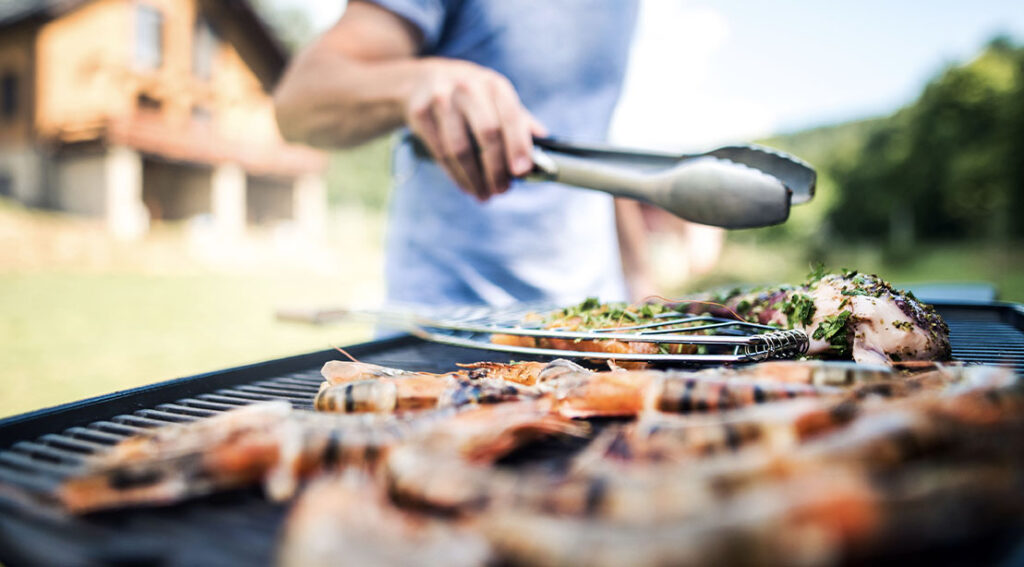
Grab your tongs, folks. Here are four muscle-building foods to throw on the grill that aren’t business as usual.
Tofu
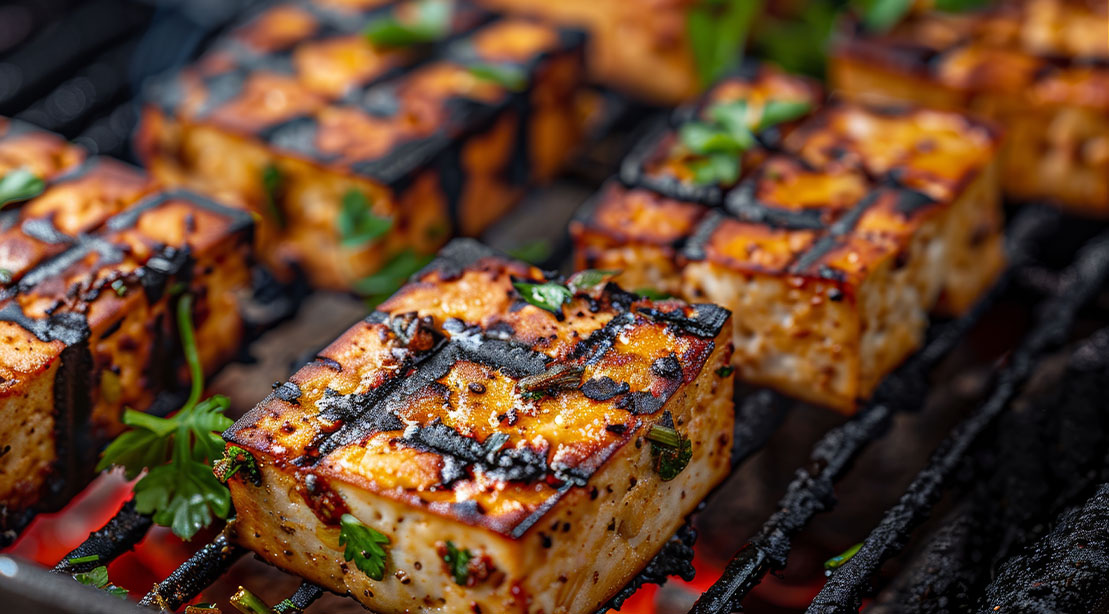
When you want to look beyond animal flesh for the grill, consider reaching for a package of tofu. Yes, tofu. Grilling the slab of soy is a surefire way to make the plant-based protein taste, well, more meaty and flecked with tasty crispy grill marks. And because tofu is plant-based, you won’t have to fret about undercooking and the dangers that poses.
No need for a meat thermometer here. Don’t worry that swapping out your grilled steak for tofu will deflate your muscles. Most of the scientific evidence suggests that soy protein can help us pack on more muscle. A half package of extra-firm tofu gives you roughly 20 grams of good quality protein. Don’t overlook the results of studies showing that going bigger on plant-based proteins like soy can increase longevity by helping stamp out some of the biggest killers like heart disease. Depending on the coagulant used during production such as magnesium chloride (called nigari) or calcium sulfate, tofu supplies good amounts of these minerals, too.
How To Grill Tofu
The type of tofu you choose to grill is super important. Best to use extra firm tofu so that it holds together well over the flames. Other types of tofu will be too soft to place on your grill. But you’ll want to remove as much of the excess water in the tofu as possible so that it holds flavor and gets nice and crispy. Slice a block of drained tofu along its width into 2 slabs. Line a cutting board with a couple of sheets of paper towel. Top with tofu pieces and a couple more sheets of towel.
Press gently to extract excess liquid. Brush both sides with oil and season with salt and pepper. You can also season the slabs with other flavorings such as curry powder or za’atar. Marinading the pressed tofu slabs like you would meat for several hours before grilling is also acceptable. Grill tofu over medium-high heat on preheated greased grill grates until golden and grill marks appear, about 4 minutes per side. Give the tofu a 90-degree turn halfway through cooking each side to produce a nice cross-hatch pattern. You can slice the grilled tofu to add to salads or tacos.
Mussels
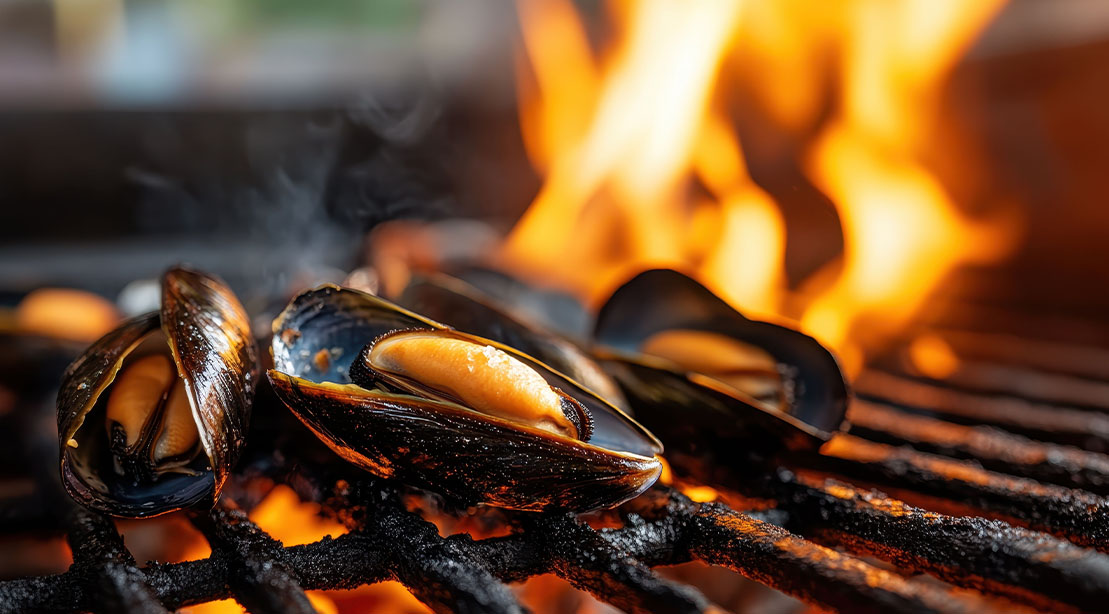
Burnt out, so to speak, on all your go-to grilled meats? Mussels to the rescue. When briny meets smoky magic happens. You’ll be amazed just how easy and fast these inexpensive shellfish are to cook in the great outdoors minus the need to fret about your pricey cut of fish sticking to the grill grates like superglue.
Plus, by taking your seafood outside you avoid making your kitchen waft of high tide. And it’s good to know that mussels are a nutritional treasure trove with high amounts of protein (I’ll spare you the mussels for muscles pun here), heart-benefiting omega fats, and a range of must-have micronutrients including selenium, vitamin B12, and iron. Yes, they are one of the most nutrient-dense foods you can grill.
How To Grill Mussels
Build a medium-hot fire in a charcoal grill, or heat a gas grill to medium-high. Dunk mussels in a large bowl of cold water, stir them around a bit, wait 15 minutes, and then drain. Place mussels in a high-sided grill basket (you really should use a grill basket), close lid and grill until the shells pop open, 4 to 6 minutes. Do this in batches if grilling a large amount of mussels.
Another grilling option is to add mussels to a cast iron skillet with about 1/2 cup of white wine; cover pan with foil to create some steam and grill until shellfish pop open. Remove mussels from grill and place in a large bowl (pitch any that did not pop open) squeeze on a generous amount of lemon juice and scatter on a bunch of fresh parsley. Boom…you’re now a grilling badass.
Halloumi
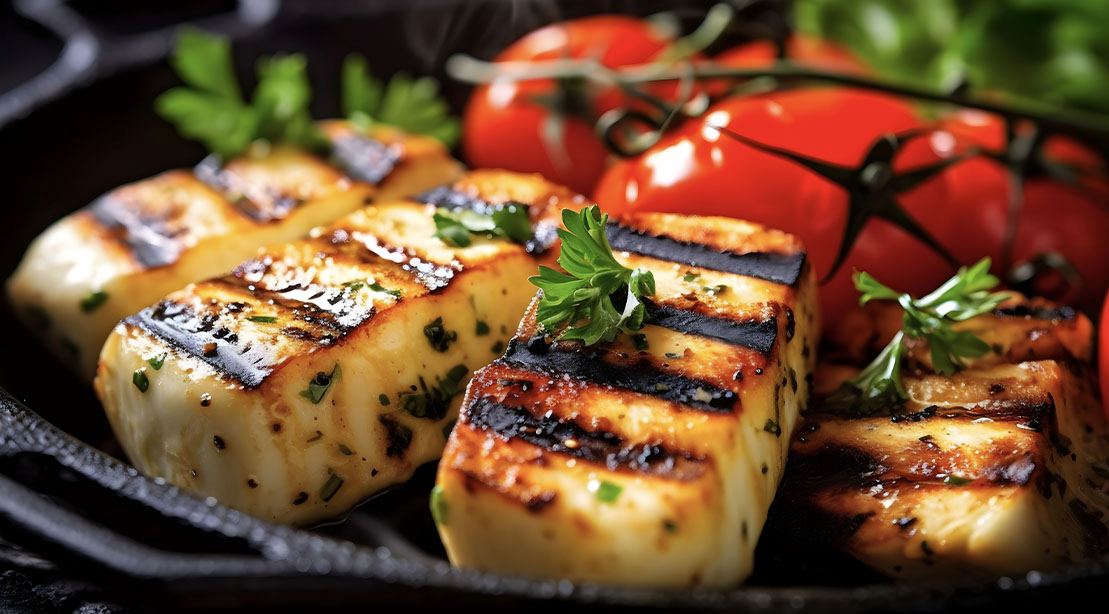
The literal grilled cheese. Salty and squeaky halloumi is a brick of semi-hard cheese originally hailing from Cyprus that is traditionally made with a combo of sheep and goat milk. Its superpower is the ability to withstand melting into cheese soup when spending time on the scorching hot grill. Instead, the outside becomes imbued with crispy pieces while the inside turns velvety. That’s code for major deliciousness. And your pecs will appreciate its protein prowess—about 6 ounces in each ounce serving, or nearly the same amount you get from significantly more boring chicken breast.
That makes it more dense in the muscle-making macro than most other cheese options. It’s fairly salty, so I most enjoy grilling halloumi after a particularly sweaty workout—post-training comfort food, if you will. Typically, this fire-retardant cheese is the most available and least expensive when purchased from Middle Eastern or Greek grocers, but you can also find a package of halloumi at many regular supermarkets.
How To Grill Halloumi
Upend a block of halloumi and slice lengthwise into 2 slabs. Brush with oil (go ahead and grease the grill grate as well for extra no-stick protection) and heat until grill marks appear on both sides, 1 to 2 minutes per side. Or cut the cheese into 1-inch chunks and skewer kebab-style. Add grilled chewy halloumi to summer salads, or treat a slab like you would a burger and stuff it between a bun with your favorite toppings. Also amazing when loaded into a warm doughy pita with tomato, red onion, lettuce, and tzatziki.
Pork Tenderloin
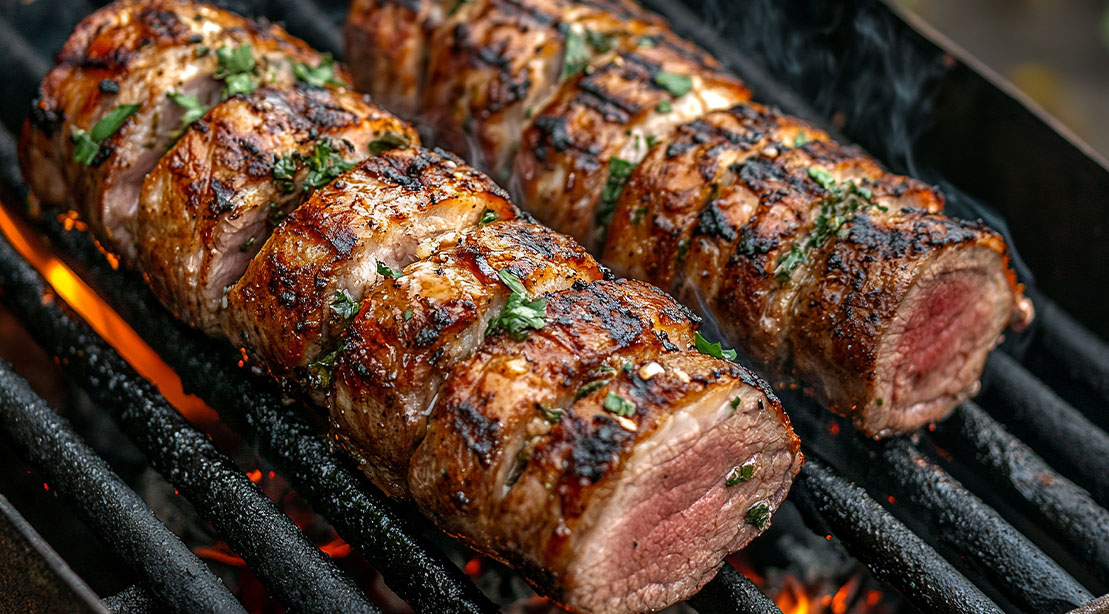
When you’re hunting for lean protein to slap on the grill that actually tastes good, often overlooked pork tenderloin is a good choice. The tenderloin is cut from the center of the pig just below the ribs, which is a tender cut, as long as it’s not grilled too aggressively. A 4 oz serving of the loin has 24 grams of protein and just a single gram of saturated fat. That is a ratio that few cuts of beef can approach.
You also get a handful of important micronutrients including zinc, selenium, and vitamin B12. Another selling point should be that “the other white meat” costs less per pound than most steaks and chicken breast. After all, aren’t we all looking for a few bargains in the increasingly expensive grocery store?
How To Grill Pork Tenderloin
Pork tenderloin is very customizable. You can flavor it any way you like with marinades or rubs. It’s best to grill pork tenderloin using the indirect grilling method and letting it rest off the grill to maximize juiciness. Preheat the grill on high for 10 to 15 minutes. Turn off the burner directly below where you will place the meat. Adjust burner controls to medium-high heat.
Place the seasoned meat on the grill over the turned-off burner, cover the grill and cook a ¾- to 1-pound tenderloin for 30 to 35 minutes or until it registers 145°F on an instant-read thermometer. Turn once halfway through grilling time. Remove meat from grill, cover loosely with foil and allow to stand 10 minutes before slicing and serving. Resting meat after grilling allows its fibers to relax, redistributing and reabsorbing juices for a more flavorful bite.