healthy eating

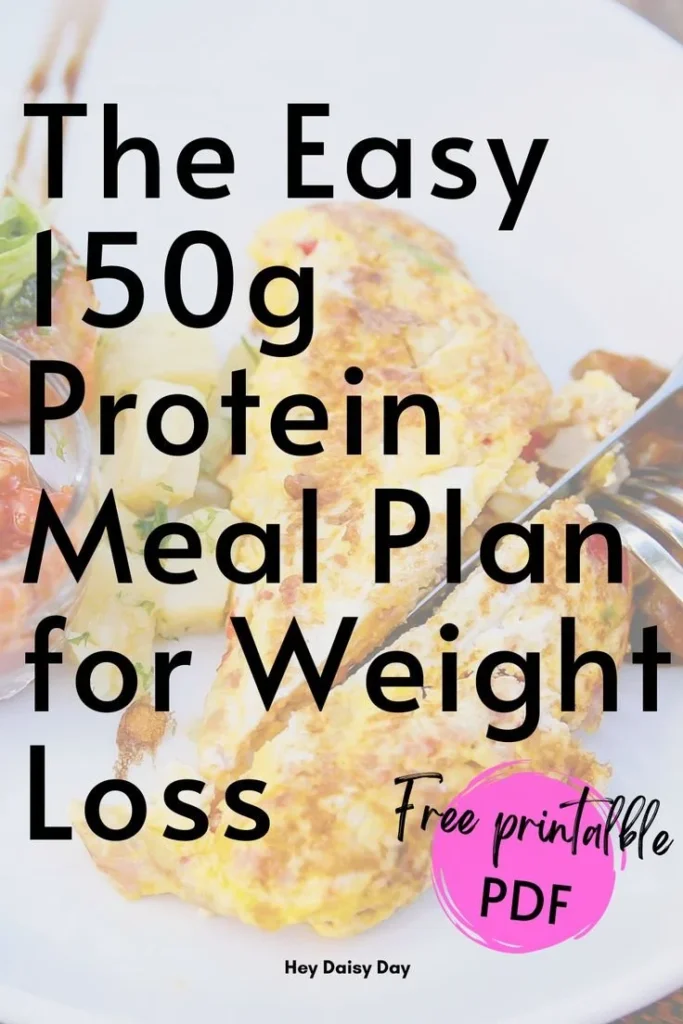
Visual representation of a protein plate with 150g of protein servings.

What 150g of Protein Looks Like on a Plate

What 150g of Protein Looks Like on a Plate

Hitting 150 grams of protein in a day can sound daunting, but when you break it down into real plates and portions it becomes very manageable. Whether you’re building muscle, recovering from injury, or simply wanting to maintain lean mass, knowing what portions look like helps you plan meals that meet your target. For quick strategies to boost protein at every meal, see this helpful guide on 10 easy ways to increase your protein intake.

Below are realistic, mixed-diet and plant-forward plate examples plus simple visual cues so you can imagine — and plate — 150 g of protein across a day.

Why 150 g might be your goal

  • Active lifters and many athletes often aim for 1.2–2.2 g/kg bodyweight; for many people that falls near 150 g/day.
  • Older adults and those in recovery often need higher protein to preserve muscle.
  • The goal should be spread across meals (e.g., 3–5 eating occasions) to maximize muscle protein synthesis.

Quick visual cues to estimate portions

  • A cooked palm-sized portion of meat or fish (~100–150 g cooked) = roughly 25–35 g protein.
  • 1 large egg = ~6–7 g protein.
  • 1 scoop whey protein = ~20–25 g protein.
  • 1 cup cottage cheese = ~25–30 g; 200 g Greek yogurt ≈ 15–20 g.
  • 1 cup cooked lentils = ~15–18 g; 100 g firm tofu ≈ 8–15 g (varies by brand).
  • Handful of nuts (30 g) = ~5–7 g.

Use these cues when building plates: one palm-sized portion of animal protein + a cup of Greek yogurt or a scoop of protein powder during the day will get you most of the way.

Sample daily plates that add up to ~150 g

Omnivore plan

  • Breakfast: 3 eggs (18 g) + 200 g Greek yogurt (20 g) = 38 g
  • Lunch: 150 g grilled chicken breast (~45 g) + greens and quinoa (5 g) = 50 g
  • Snack: 1 scoop whey protein (24 g) + 30 g almonds (6 g) = 30 g
  • Dinner: 150 g salmon (~34 g) = 34 g
    Total ≈ 152 g

Vegetarian plan

  • Breakfast: 1 cup cottage cheese (28 g) + 2 tbsp peanut butter (8 g) = 36 g
  • Lunch: 200 g firm tofu (~24 g) + 1 cup cooked lentils (18 g) = 42 g
  • Snack: 200 g Greek yogurt (20 g) + a protein bar (20 g) = 40 g
  • Dinner: 150 g tempeh (~32 g) = 32 g
    Total ≈ 150 g

Vegan plan (mixing concentrated plant proteins)

  • Breakfast: Smoothie with 1 scoop pea protein (25 g) + oats (6 g) = 31 g
  • Lunch: Seitan 100 g (~25 g) + 1 cup cooked chickpeas (15–20 g) = ~44 g
  • Snack: 150 g edamame (17 g) + 30 g almonds (6 g) = 23 g
  • Dinner: 200 g firm tofu (~24 g) + 1 cup quinoa (8 g) = 32 g
  • Add a small protein bar (20 g) as needed = total ≈ 150 g

These are examples — adjust portion sizes based on the specific protein content of the foods you use and how much you need at each meal.

How to distribute protein through the day

  • Aim for 30–40 g per meal across 3 meals, plus 10–30 g from snacks or shakes. That distribution is convenient for reaching 150 g without huge single meals.
  • Combine complementary plant proteins (grains + legumes) when following plant-based plans to ensure varied amino acids.
  • Simple swaps (larger portions of Greek yogurt or cottage cheese, adding a scoop of protein powder to smoothies, choosing higher-protein breads) can raise intake without major meal changes.

Pairing protein with training

Protein timing matters less than total daily intake, but eating protein within a couple hours before or after resistance training supports recovery and growth. If you pair a higher-protein day with focused strength work, include compound lifts and targeted arm work to make the most of that protein — for example, try a barbell-only arms routine if you’re looking to emphasize the biceps and triceps in a session: 4 biceps exercises — barbell-only arms workouts.

Practical plating tips

  • Use your hand as a measuring tool: a palm-sized cooked protein portion per meal, plus a small cup of dairy or a scoop of powder at some point in the day, gets you close.
  • Pre-portion snacks (yogurt cups, hard-boiled eggs, single-serve cottage cheese) so you can add protein quickly between meals.
  • Track a few days with a food-tracking app to learn your most reliable protein sources and portion sizes; once you know them, plating becomes second nature.

Conclusion

Seeing protein on a plate is easier than it seems — a few palm-sized portions of meat/fish/tofu plus strategic dairy, legumes, or a scoop of powder can get most people to 150 g/day. For a complementary visual comparison showing what 100 grams looks like across diets (helpful when scaling up to 150 g), check out this visual guide: Your Visual Guide: Here’s What 100 Grams of Protein Looks Like on ….

What 150g of Protein Looks Like on a Plate Read More »

, , , ,
High-protein foods for women over 50 for better health and wellness

Top High-Protein Foods for Women Over 50 – The Fibro Warriors

Top High-Protein Foods for Women Over 50

As we age, preserving muscle mass, supporting bone health, and maintaining energy become top priorities — and protein plays a central role. Women over 50 often face hormonal changes, slower metabolism, and conditions like osteoporosis or chronic pain that increase the need for quality protein at meals. Pairing the right foods with movement and smart meal planning helps protect strength and independence. For ideas on staying active while nourishing your body, consider a restorative option like hiking retreats, which pair movement with good food and recovery.

Why Protein Matters After 50

  • Muscle preservation: After 50, muscle loss (sarcopenia) accelerates. Adequate protein plus resistance exercise helps maintain lean mass.
  • Bone health: Protein supports bone repair and helps calcium absorption when paired with vitamin D.
  • Metabolic and immune support: Protein helps regulate appetite, blood sugar, and immune function — all increasingly important with age.
  • Recovery and pain management: For women with chronic conditions, higher-quality protein can aid tissue repair and lower inflammation.

How Much Protein Do You Need?

General guidance suggests aiming for 1.0–1.2 g/kg of body weight daily for older adults who are generally healthy; some with chronic conditions or recovering from illness may need slightly more. Practically, targeting 20–30 grams of protein at each main meal is a simple way to distribute intake and maximize muscle protein synthesis.

Top High-Protein Foods (and How to Use Them)

  1. Lean Poultry and Fish
  • What: Chicken, turkey, and fatty fish like salmon.
  • Protein per serving: ~20–25 g per 3–4 oz cooked portion.
  • Why: Excellent complete proteins; salmon adds anti-inflammatory omega-3s that support joints and heart health.
  • How to eat: Bake or grill fillets, add to salads, or make a batch of shredded chicken for quick meals.
  1. Eggs and Egg Whites
  • What: Whole eggs and whites.
  • Protein per serving: ~6–7 g per large egg.
  • Why: Versatile, inexpensive, and nutrient-dense (vitamin B12, choline).
  • How to eat: Scrambles with veggies, boiled for snacks, or poached on whole-grain toast.
  1. Dairy and Fermented Dairy
  • What: Greek yogurt, cottage cheese, kefir.
  • Protein per serving: Greek yogurt ~15–20 g per cup; cottage cheese ~14 g per half cup.
  • Why: Probiotic options help digestion, and dairy is a primary source of bioavailable calcium.
  • How to eat: Layer Greek yogurt with fruit and nuts, use cottage cheese in savory bowls, sip kefir as a fermented drink.
  1. Seafood and Shellfish
  • What: Tuna, shrimp, cod, sardines.
  • Protein per serving: ~15–25 g per 3–4 oz.
  • Why: Low-fat, high-protein, and often rich in micronutrients like iodine and B12.
  • How to eat: Use canned tuna in salads, sauté shrimp with garlic and greens, or roast cod with lemon.
  1. Legumes and Pulses
  • What: Lentils, chickpeas, black beans.
  • Protein per serving: ~7–9 g per half cup cooked.
  • Why: Budget-friendly plant proteins with fiber and phytochemicals.
  • How to eat: Add to soups, make hummus, or toss into grain bowls.
  1. Soy Foods
  • What: Tofu, tempeh, edamame.
  • Protein per serving: Tofu ~10–20 g per serving depending on firmness; tempeh ~15–19 g per 3 oz.
  • Why: Complete plant proteins that are especially useful for vegetarian or flexitarian plans.
  • How to eat: Stir-fry tofu, snack on edamame, or marinate tempeh.
  1. Nuts, Seeds, and Nut Butters
  • What: Almonds, chia seeds, pumpkin seeds, peanut/almond butter.
  • Protein per serving: ~6–8 g per ounce for nuts; chia ~4 g per 2 tbsp.
  • Why: Provide healthy fats, a bit of protein, and crunch; good for snacks and toppings.
  • How to eat: Sprinkle seeds on yogurt, spread nut butter on fruit, or add ground nuts to cereal.
  1. Whole Grains and Pseudocereals
  • What: Quinoa, farro, oats.
  • Protein per serving: Quinoa ~8 g per cup cooked; oats ~6 g per cup cooked.
  • Why: Pairing grains with legumes or dairy creates complete meals and sustained energy.
  • How to eat: Make breakfast bowls with oats, mix quinoa into salads, or use whole-grain pilafs as sides.
  1. Protein-Enriched Foods and Supplements
  • What: Protein powders (whey, pea, soy), fortified milks.
  • Why: Convenient for boosting protein in smoothies or post-workout shakes.
  • How to use: Add a scoop to smoothies with fruit and greens, or mix into oatmeal for an extra protein punch.

Practical Tips for Eating More Protein

  • Spread protein across meals: Aim for 20–30 g per meal rather than loading one large dinner.
  • Pair protein with resistance training: Strength exercises amplify the muscle-building effects of protein.
  • Prioritize complete proteins: Animal proteins and soy contain all essential amino acids; combine plant proteins (e.g., beans + rice) to ensure completeness.
  • Watch portion sizes: Use palm-sized portions (one palm = approx. 20–30 g protein) as a simple guide.
  • Consider digestion: Some women find smaller, more frequent meals easier on the gut. Fermented dairy and cooked legumes can be gentler.
  • Choose variety and quality: Rotate proteins to get a range of nutrients—iron, zinc, B12, omega-3s, and fiber.
  • Mind the sodium and additives: Canned and processed proteins can be high in sodium; choose low-sodium or rinse canned beans.

Special Considerations for Women with Sensitivities or Chronic Pain

If you manage conditions like fibromyalgia, hypermobility, or other chronic issues, focus on anti-inflammatory protein sources (fatty fish, nuts, and legumes) and foods that support joint and connective tissue health (collagen-rich broths, vitamin C–rich fruits to aid collagen formation). Tailor textures and cooking methods to your tolerance if digestive sensitivity is an issue. For guidance on balancing connective tissue concerns with diet, exploring approaches that emphasize nutrient-dense whole foods can be helpful; consider reading about organic and non-organic options when selecting produce and proteins to suit your needs and budget by visiting organic and non-organic choices.

Quick Meal Ideas

  • Breakfast: Greek yogurt parfait with berries and chia seeds (20–25 g).
  • Lunch: Quinoa + black bean salad with avocado and grilled salmon (30–35 g).
  • Snack: Cottage cheese with fruit and a handful of almonds (15–20 g).
  • Dinner: Tofu and vegetable stir-fry over brown rice (25–30 g).
  • Post-workout: Smoothie with whey or pea protein, spinach, banana, and nut butter (20–30 g).

Monitoring Progress

Track strength (e.g., ability to lift or perform daily tasks), energy, and body composition over time rather than obsessing over the scale. If you’re unsure about how much protein is right for you — or if you have kidney disease, diabetes, or other conditions — consult a registered dietitian or your healthcare provider.

Conclusion

For women over 50, prioritizing quality protein at every meal supports muscle, bone, and overall resilience. If you’re managing connective tissue or hypermobility concerns and want targeted dietary guidance, this resource on Hypermobility and EDS: What is the best diet? offers practical ideas to align nutrition with your specific needs.

Top High-Protein Foods for Women Over 50 – The Fibro Warriors Read More »

, , , ,
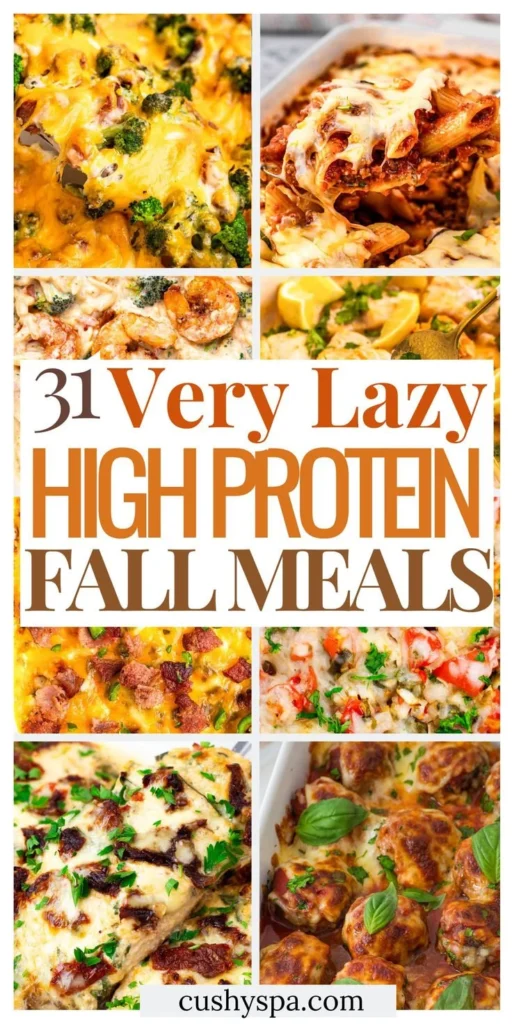
Easy high protein meals for fall, perfect for busy individuals and families.

31 Laziest Fall High Protein Meals Anyone Can Make

Title: 31 Laziest Fall High-Protein Meals Anyone Can Make

Autumn calls for cozy flavors and minimal fuss. If you want to eat protein-rich meals without spending hours in the kitchen, this list delivers 31 simple, satisfying ideas that work for breakfasts, lunches, dinners, and snacks. Many require just a few ingredients and common cooking tools—sheet pans, skillets, microwaves, or no-cook assembly. If you prefer liquid meals or need quick post-workout options, check out these 8 high-protein smoothie recipes for inspiration.

How to use this list

  • Pick meals based on the equipment you want to use (e.g., skillet vs. sheet pan).
  • Batch-cook proteins (chicken, tofu, beans) once and repurpose through the week.
  • Add seasonal produce—apples, squash, beets, Brussels sprouts—for fall flavor without extra effort.

The 31 laziest fall high-protein meals

  1. Greek yogurt parfait with walnuts and maple — Layer whole-milk Greek yogurt, chopped walnuts, a drizzle of maple, and cinnamon. No cooking, maximum comfort.

  2. Smoked salmon on rye toast — Top toasted rye with cream cheese, smoked salmon, and lemon. Ready in 5 minutes.

  3. Sheet-pan chicken thighs with apples — Toss bone-in thighs and apple wedges with olive oil and rosemary; roast until golden.

  4. Tuna-stuffed baked sweet potatoes — Bake or microwave a sweet potato and top with canned tuna mixed with plain yogurt and mustard.

  5. One-pan sausage and Brussels sprouts — Slice smoked sausage and sauté with halved Brussels sprouts until crisp and caramelized.

  6. Cottage cheese and pear bowl — Cottage cheese, sliced pear, hemp seeds, and a pinch of cinnamon.

  7. Turkey and Swiss melt — Turkey slices and Swiss cheese on whole-grain bread, finished under the broiler.

  8. Lentil and pumpkin soup (stovetop or slow cooker) — Use canned pumpkin and pre-cooked or canned lentils for a hearty, creamy soup.

  9. Egg scramble with kale and feta — Whisk eggs, fold in chopped kale and crumbled feta, and cook in one skillet.

  10. Chickpea shawarma bowls — Roast canned chickpeas with shawarma seasoning; serve over greens with tahini.

  11. Quick shrimp and garlic pasta — Sauté shrimp in garlic and butter, toss with pasta and parsley for a 15-minute meal.

  12. Protein pancakes — Mix protein powder into pancake batter or use cottage-cheese pancakes for added protein.

  13. Baked tofu with maple-mustard glaze — Press tofu, slice, glaze with maple-mustard, and bake until caramelized.

  14. Steak and arugula plate — Grill or pan-sear a steak, slice thinly, and serve over dressed arugula with shaved Parmesan.

  15. Black bean and quinoa skillet — Sauté onions, add cooked quinoa and canned black beans, season and top with avocado.

  16. Salmon cakes from canned salmon — Mix canned salmon, egg, breadcrumbs, shape and pan-fry. Serve with lemon yogurt sauce.

  17. Chicken Caesar salad (shortcut) — Use rotisserie chicken and store-bought Caesar dressing atop chopped romaine.

  18. Baked eggs in squash halves — Roast halved acorn or butternut squash, crack an egg in each cavity, and bake until set.

  19. Turkey chili in the Instant Pot — Brown ground turkey and add canned tomatoes and beans for an easy one-pot chili.

  20. Hummus and smoked turkey roll-ups — Spread hummus on turkey slices, roll with spinach leaves, and enjoy no-cook protein.

  21. Sardine toast with tomato — Canned sardines on toasted sourdough with sliced tomato and lemon zest.

  22. Greek-style lentil salad — Combine cooked lentils with cucumber, tomato, red onion, feta, and a lemon-oregano vinaigrette.

  23. Seared halloumi with roasted beets — Pan-sear halloumi slices and serve over simple roasted or pre-cooked beet slices.

  24. Egg fried rice (leftover rice rescue) — Use cold rice, scrambled eggs, and frozen veggies tossed with soy and sesame.

  25. BBQ pulled chicken bowls — Shred rotisserie chicken and warm in BBQ sauce; serve over cauliflower rice or with roasted squash.

  26. Baked cod with herb crust — Top cod fillets with a mix of breadcrumbs, herbs, and olive oil; bake until flaky.

  27. Peanut-butter banana protein smoothie — Blend a banana, a scoop of protein powder, milk, and a spoonful of peanut butter.

  28. Mediterranean tuna pasta salad — Mix canned tuna with short pasta, olives, tomatoes, and a light vinaigrette.

  29. Duck or turkey sausage skillet with roasted apples — Quick-slice sausages, pan-fry with apple slices for a sweet-savory combo.

  30. Open-faced tempeh BLT — Marinate tempeh slices briefly, pan-fry, and serve with lettuce, tomato, and vegan mayo on toast.

  31. Sheet-pan salmon and root vegetables — Place salmon fillets and chopped root vegetables on one pan; season and roast together for minimal cleanup. Tip: For more ideas on high-protein foods that are great for grilling, try grilling batch proteins for the week.

Lazy prep tips

  • Use canned beans and fish to skip long cooking times.
  • Keep cooked grains and roasted vegetables in the fridge for quick assemblies.
  • Invest in a quality nonstick skillet and a baking sheet to speed cooking and cleanup.
  • Flavor with pantry staples: mustard, smoked paprika, soy sauce, lemon, and maple.

Conclusion

If you want an easy-ready collection that inspired this list, see the original roundup: 31 Laziest Fall High Protein Meals Anyone Can Make – Cushy Spa.

31 Laziest Fall High Protein Meals Anyone Can Make Read More »

, , , ,
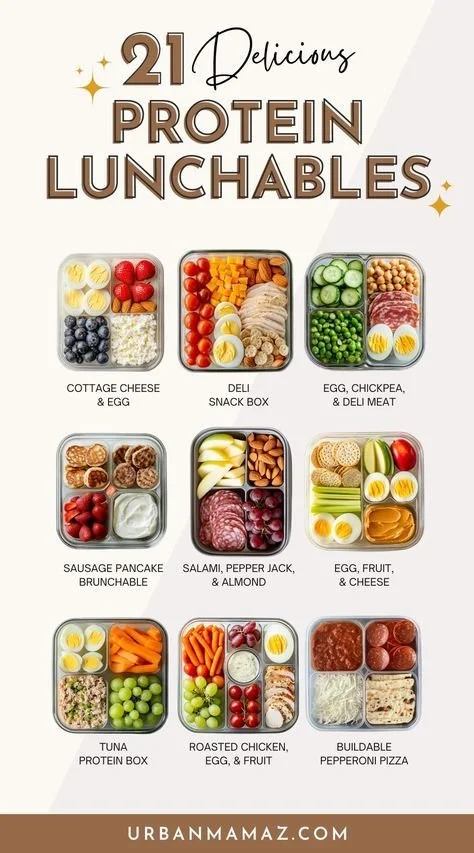
Assorted protein lunchables for adults featuring cheese, meats, and snacks.

21 Best Protein Lunchables for Adults

21 Best Protein Lunchables for Adults

Adults need lunchables that deliver more than nostalgia — they should provide satisfying protein, balanced fats, and enough fiber to keep you energized through the afternoon. Below are 21 creative, high-protein portable lunch ideas that feel like a grown-up version of the classic Lunchable: convenient, tasty, and geared toward satiety. If you’re pairing meals with training days, these options complement a routine built around the best full-body workouts for recovery and strength.

  1. Turkey, Swiss & Apple Stackers — Sliced turkey, Swiss cheese, apple slices, and a handful of almonds for crunch. Simple, 25–30g protein.
  2. Mediterranean Tuna Snack Box — Tuna in olive oil, cucumber, cherry tomatoes, olives, and whole-grain crackers. Rich in healthy fats and ~28g protein.
  3. Cottage Cheese & Veggie Pot — Full-fat cottage cheese with baby carrots, cucumbers, and hemp seeds. 20–24g protein and filling.
  4. Smoked Salmon Bagel Bite — Mini whole-grain bagel, smoked salmon, capers, and cream cheese. Omega-3s and ~22g protein.
  5. Roast Beef & Horseradish Roll-Ups — Thin roast beef slices rolled with a smear of horseradish and pickles. Compact and 25–30g protein.
  6. Spicy Edamame & Quinoa Salad — Shelled edamame mixed with quinoa, scallions, and sesame dressing. Plant-based, ~18–22g protein.
  7. Chicken Caesar Dip Box — Chopped grilled chicken, romaine hearts, parmesan crisps, and Caesar dip. Easy to eat with ~30g protein.
  8. Protein-Packed Greek Yogurt Parfait — Thick Greek yogurt layered with toasted seeds, berries, and a drizzle of honey. 20–25g protein.
  9. Hard-Boiled Egg & Avocado Duo — Two eggs, avocado wedges, and rye crisps. Simple, satiating, ~18g protein.
  10. Beef Jerky & Pickled Veggies — High-quality beef jerky paired with pickled cucumbers and cherry tomatoes. Convenient and ~20–25g protein.
  11. Chickpea Tuna Mash Wrap — Mashed chickpeas and tuna with lemon and herbs, served with whole-wheat crackers. Plant + animal protein blend, ~24g protein.
  12. Mini Frittata Squares & Greens — Baked frittata squares with spinach and feta, plus a small side salad. Portable and ~18–22g protein.
  13. Hummus, Falafel & Veggie Platter — Mini falafel, hummus, and sliced veg for dipping. Vegan-friendly and ~15–20g protein.
  14. BBQ Chicken Slider Box — Shredded BBQ chicken in a small whole-grain bun with slaw. Hearty, ~28–32g protein depending on portion.
  15. Seared Tofu & Pineapple Skewers — Firm tofu cubes, charred pineapple, and bell pepper on skewers. A sweet-savory vegetarian option with ~18–22g protein.
  16. Sardine & Whole-Grain Cracker Snack — Sardines in olive oil, mustard, and lemon on whole-grain crackers. Nutrient-dense and ~20g protein.
  17. Peanut Butter Protein Plate — Celery sticks, apple slices, and a pot of high-protein peanut butter or peanut powder mix. Simple and ~15–20g protein.
  18. Lentil Salad & Feta Cups — Cold lentil salad spooned into mini romaine leaves with feta. Filling and ~16–20g protein.
  19. Turkey Meatball Bento — Baked turkey meatballs, roasted veggies, and tzatziki for dipping. Comforting and ~30g protein.
  20. Protein Bar + Cheese & Fruit Combo — Choose a low-sugar, high-protein bar paired with a cheese stick and grapes. Quick and ~20–30g protein.
  21. Shrimp Cocktail Snack Pack — Chilled shrimp, cocktail sauce, and a lemon wedge with cucumber slices. Light and ~22g protein.

How to choose and pack:

  • Aim for 20–30g protein per meal to support muscle repair and fullness.
  • Include a fiber-rich carbohydrate (whole-grain crackers, veggies, or fruit) and a fat source (nuts, cheese, or olive oil) to slow digestion.
  • Use compact containers with dividers to keep textures fresh and dips separate.
  • Rotate proteins (fish, poultry, plant-based) across the week for nutrient variety.

Snackable strategy for busy days:

  • Assemble several grab-and-go protein packs on a weekend prep session.
  • Portion out nuts, boiled eggs, sliced cheeses, and single-serve Greek yogurt to reduce decision fatigue.
  • Consider pairing your protein lunchables with targeted nutrition strategies—especially if preserving muscle is a priority, check guidance on the best supplements for muscle preservation to see what supports your goals.

Conclusion

For a curated roundup and more shop-ready suggestions, see the full list at 21 Best Protein Lunchables for Adults – Urban Mamaz.

21 Best Protein Lunchables for Adults Read More »

, , , ,
High-protein grocery list with foods for weight loss and muscle building

High-Protein Grocery List: Best Foods for Weight Loss & Muscle Gain

High-Protein Grocery List: Best Foods for Weight Loss & Muscle Gain

Introduction
A high-protein grocery list can be your single best tool whether your goal is to lose body fat, preserve muscle while dieting, or build strength. Protein increases satiety, supports recovery, and helps maintain lean mass during calorie deficits. If you’re combining diet with targeted strategies — including evidence-backed supplements — check resources on muscle preservation supplements to optimize results alongside food choices.

Why Protein Matters for Fat Loss and Muscle Growth

  • Appetite control: Protein keeps you fuller longer, which reduces overeating.
  • Thermic effect: Digesting protein burns more calories than carbs or fats.
  • Muscle protein synthesis: Adequate protein and training stimulate muscle repair and growth, essential for improving body composition.
    Aim for a daily protein target that fits your goals — commonly 0.7–1.2 grams per pound (1.6–2.6 g/kg) of bodyweight depending on activity level and whether you’re cutting or bulking.

High-Protein Grocery Categories (and Top Picks)
Animal proteins (lean and versatile)

  • Chicken breast: Low fat, high protein; ideal for meal prep.
  • Turkey: Ground or whole cuts; leaner than many red meats.
  • Lean beef: Provides iron and B12 along with protein.
  • Fish (salmon, tuna, cod): Excellent protein plus omega-3s — salmon is higher in fat but great for recovery.

Dairy & eggs

  • Greek yogurt: Thick texture and double the protein of regular yogurt.
  • Cottage cheese: Slow-digesting casein protein — great before bed.
  • Eggs: Whole eggs supply protein and nutrients; egg whites add lean protein without fat.

Plant-based proteins

  • Lentils & chickpeas: High in protein and fiber, good for satiety.
  • Tofu & tempeh: Versatile soy proteins that hold up well in many dishes.
  • Edamame: Snackable, nutrient-rich, and high in protein per serving.
  • Quinoa: A complete plant protein, good as a carb-protein hybrid.

Pantry & convenience proteins

  • Canned tuna and salmon: Shelf-stable and compact protein choices.
  • Protein powders: Whey, casein, or plant-based powders for shakes or recipes.
  • Nuts and seeds: Calorie-dense but offer healthy fats plus protein — portion carefully.
  • Jerky and lean deli meats: Good for on-the-go protein, watch for sodium.

Meal and Grocery Shopping Tips

  • Build meals around a protein source first, then add vegetables, healthy fats, and a controlled portion of carbs.
  • Prioritize whole foods most shopping trips, but use convenience options (canned fish, Greek yogurt, protein powders) to stay consistent on busy days.
  • Buy in bulk and freeze portions to save money and prevent waste.
  • Track your intake for a few days to identify gaps (e.g., low morning protein) and adjust your grocery list accordingly.

Simple High-Protein Meal Ideas

  • Breakfast: Greek yogurt parfait with berries and a sprinkle of chopped nuts.
  • Lunch: Grilled chicken salad with quinoa and mixed greens.
  • Snack: Cottage cheese with pineapple or a small handful of almonds.
  • Dinner: Baked salmon with roasted Brussels sprouts and lentils.
  • Post-workout: Protein shake with a banana or a lean turkey sandwich on whole-grain bread.

Grilling and Cooking for Protein Retention
Grilling is a fast, flavorful way to prepare high-protein foods. Use marinades with acid (lemon, vinegar) and herbs to add taste without extra calories, and avoid charring by cooking at moderate heat. For more recipe ideas and protein-friendly grilling options, explore high-protein grilling options to keep meals interesting and effective for muscle goals.

Shopping Checklist (quick)

  • Proteins: Chicken breast, lean beef, salmon, canned tuna, tofu, tempeh
  • Dairy & eggs: Greek yogurt, cottage cheese, eggs
  • Legumes & grains: Lentils, chickpeas, quinoa
  • Snacks & pantry: Nuts, seeds, jerky, protein powder
  • Veggies & fruits: Leafy greens, cruciferous veggies, berries, bananas

Conclusion

For a thorough, beginner-friendly compilation that maps these choices into an actionable shopping list, see The Ultimate High-Protein Grocery List For Beginners | Nourish.

High-Protein Grocery List: Best Foods for Weight Loss & Muscle Gain Read More »

, , , ,
A selection of 9 fat-burning foods to boost weight loss and enhance health.

9 Fat-Burning Foods That’ll Help You Reach Your Goals Faster

9 Fat-Burning Foods That’ll Help You Reach Your Goals Faster

Introduction
Losing fat isn’t about miracle foods — it’s about choosing the right ingredients that support metabolism, keep you full, and help you maintain a calorie deficit sustainably. Below are nine evidence-backed foods that can accelerate fat loss when paired with consistent exercise and sensible portion control. If you want practical ways to boost the protein in meals that support these choices, check out this guide to how to increase your protein intake.

  1. Lean poultry (chicken, turkey)
    Why it helps: Lean meats are high in protein, which increases the thermic effect of food (you burn more calories digesting protein) and preserves muscle while you lose fat.
    How to use it: Grill or roast skinless breasts, slice into salads, or batch-cook shredded meat for quick, lean meals.

  2. Eggs
    Why it helps: Eggs are nutrient-dense and filling. Eating a protein-rich breakfast with eggs can reduce calorie intake later in the day.
    How to use it: Boil for snacks, make vegetable-packed omelets, or pair with whole-grain toast for satiety.

  3. Fatty fish (salmon, mackerel)
    Why it helps: Omega-3 fats help regulate appetite and inflammation, and the protein content supports muscle maintenance.
    How to use it: Bake or pan-sear fillets, add to salads, or make fish-based bowls with veggies and quinoa.

  4. Green tea
    Why it helps: Green tea contains catechins and a modest amount of caffeine, which together can slightly boost metabolic rate and fat oxidation.
    How to use it: Replace sugary drinks with brewed green tea; drink hot or cold throughout the day for a mild energy and metabolism lift.

  5. Chili peppers (capsaicin)
    Why it helps: Capsaicin, the compound that makes peppers hot, can raise calorie burning briefly and reduce appetite in some people.
    How to use it: Add chili flakes to sauces, salsas, or marinades; try spicy seasonings on roasted vegetables or lean proteins.

  6. Oats and other whole grains
    Why it helps: Whole grains are high in fiber and have a lower glycemic impact than refined carbs, promoting steady energy and fullness.
    How to use it: Start the day with oatmeal topped with nuts and berries, or use barley/brown rice as a base for balanced bowls.

  7. Greek yogurt
    Why it helps: Greek yogurt is higher in protein than regular yogurt and provides probiotics that may support gut health and digestion.
    How to use it: Use as a base for smoothies, mix with fruit and nuts, or swap for sour cream in savory dishes.

  8. Legumes (beans, lentils)
    Why it helps: Legumes provide plant-based protein and fiber, which lengthen digestion and stabilize blood sugar — both helpful for controlling hunger.
    How to use it: Add lentils to soups, make bean-based salads, or turn chickpeas into roasted snacks.

  9. Nuts (almonds, walnuts)
    Why it helps: Nuts offer healthy fats, protein, and fiber that increase satiety. Portion control is key because they’re calorie-dense.
    How to use it: Use small handfuls as snacks, sprinkle chopped nuts over yogurt or salads, or blend into homemade nut butter.

How to use these foods together

  • Build balanced plates: aim for a protein source + vegetables + a bit of whole grain or legume. That combo supports fullness and steady energy.
  • Prioritize fiber and protein at each meal to minimize snacking driven by hunger.
  • Prepare simple swaps: grilled salmon instead of fried protein, Greek yogurt instead of sugary desserts, and oats instead of sweetened cereals.
  • Track trends, not every calorie: monitor how your clothes fit, energy, and performance in workouts. If you want a quick method to check overall progress and habits, here’s a simple way to assess your health.

Quick tips for best results

  • Focus on consistency: adding these foods helps only when you stick with healthier patterns over weeks and months.
  • Watch portions of calorie-dense items (nuts, fatty fish) — they’re healthy but add up.
  • Pair dietary changes with strength training to protect muscle and increase resting metabolic rate.
  • Stay hydrated and get quality sleep; both influence hunger hormones and fat-loss results.

Conclusion

Food choices can make fat loss easier and more sustainable, but emotional or habit-driven eating often undermines even the best meal plans. If emotional eating is a barrier for you, refer to the Mayo Clinic’s guidance to Gain control of emotional eating for practical strategies to support lasting change.

9 Fat-Burning Foods That’ll Help You Reach Your Goals Faster Read More »

, , , ,
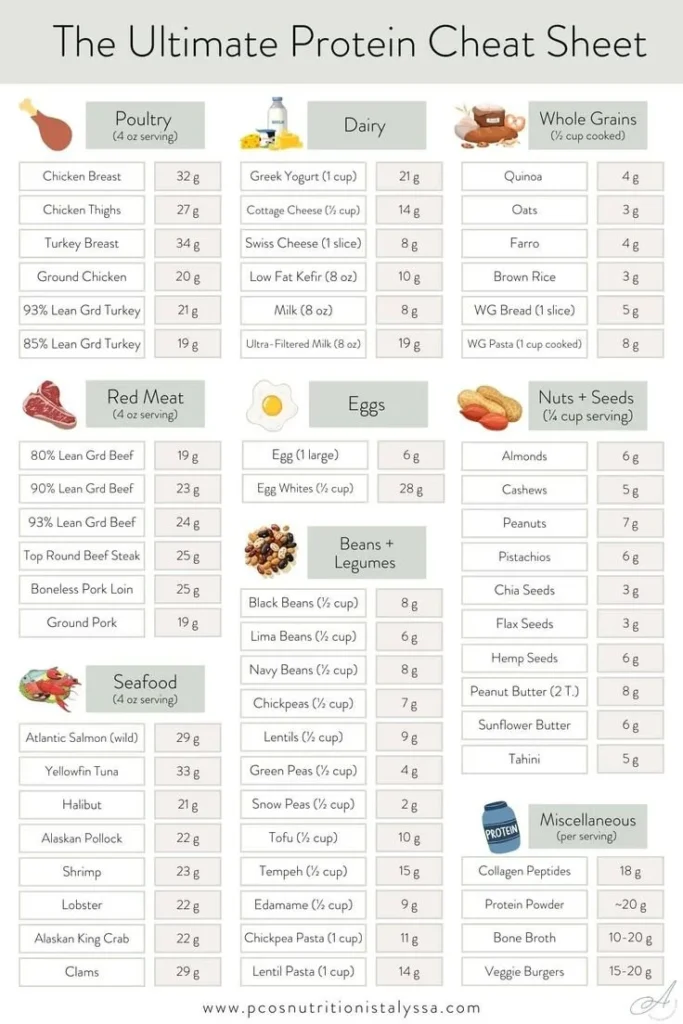
Free high protein cheat sheet PDF for healthy eating

A Dietitian’s High Protein Cheat Sheet (Free PDF)

A Dietitian’s High Protein Cheat Sheet — Practical Tips You Can Use Today

Whether you want to build muscle, lose fat, manage hunger, or recover faster after workouts, protein is one of the most powerful tools in your nutrition toolbox. This article condenses a dietitian’s practical guidance into an easy-to-follow cheat sheet: how much protein you need, where to get it, timing and portion ideas, and simple swaps to make daily meals more protein-rich.

Introduction
Protein does more than support muscles — it helps regulate appetite, supports immune function, and stabilizes blood sugar. If you cook outdoors or like bold flavors, there are plenty of ways to boost protein while keeping meals exciting — from grilled salmon to marinated tofu. For inspiration on grilling high-protein choices, check out this list of high-protein foods that are great for grilling.

Why protein matters

  • Satiety: Protein promotes feeling full longer, which can reduce overall calorie intake.
  • Muscle maintenance and growth: Protein supplies amino acids needed for repair and growth, especially after strength training.
  • Metabolic benefit: The thermic effect of protein (energy used to digest) is higher than carbs or fat.
  • Wellness: Protein supports repair processes and various enzymes and hormones.

How much protein do you need?

  • General guideline: 0.8–1.0 g/kg body weight for sedentary adults.
  • Active people and those aiming to build or keep muscle: 1.4–2.0 g/kg.
  • Older adults: aim toward the higher end (1.2–2.0 g/kg) to preserve muscle mass.
  • For weight loss while preserving lean mass: 1.6–2.4 g/kg can be useful under supervision.

Protein quality and distribution

  • Aim to distribute protein evenly across meals (20–40 g per meal depending on body size).
  • Include a high-quality source at breakfast, lunch, and dinner to maximize daily muscle protein synthesis.
  • Combining plant proteins (e.g., beans + rice) throughout the day improves overall amino acid balance.

Protein timing and post-workout strategy

  • Having a balanced meal with 20–40 g protein within 2 hours of resistance exercise helps recovery.
  • Quick post-workout options: Greek yogurt, a protein shake, cottage cheese, or lean poultry.
  • When choosing meat for post-workout recovery, consider lean choices to support faster synthesis; research comparing cuts suggests advantages to choosing lighter-fat options — learn more about how lean meat beats high-fat meat for faster post-workout muscle protein synthesis.

High-protein swaps and portion ideas

  • Breakfast: Swap low-protein cereal for Greek yogurt with nuts and fruit (20–30 g).
  • Lunch: Replace plain sandwiches with a grain bowl centered on grilled chicken, tempeh, or salmon (30–45 g).
  • Snacks: Hard-boiled eggs, roasted chickpeas, or a small tin of tuna (6–20 g depending on choice).
  • Dinner swaps: Trade extra starchy sides for an additional palm-sized portion of lean protein.
  • Plant-forward: Use lentils, edamame, and seitan to hit protein targets if you prefer vegetarian options.

Sample simple day (moderate active adult)

  • Breakfast: Omelet with 2 eggs + 1/2 cup egg whites + spinach (30 g)
  • Snack: Greek yogurt + 1 tbsp almond butter (15–20 g)
  • Lunch: Quinoa salad with grilled chicken and beans (35 g)
  • Snack: Cottage cheese + berries (12–15 g)
  • Dinner: Grilled salmon + roasted vegetables + a small sweet potato (35–40 g)
  • Total: ~130–140 g (adjust portions to match your needs)

Practical tips and common myths

  • Myth: You need protein immediately after training or it’s useless. Reality: a 2-hour window with sufficient protein spread across the day works well.
  • Tip: If you struggle to reach goals, add a protein-rich snack or increase portion sizes at meals by palm-sized servings.
  • Tip: Use meal prep to keep high-protein choices ready — batch-cook lean meats, beans, and grain bowls.
  • Safety: Most healthy adults tolerate higher protein intakes, but those with kidney disease should consult a clinician before increasing protein.

A quick printable cheat-sheet checklist

  • Target grams per meal: aim for 20–40 g depending on body size and goals.
  • Include a protein source at every main meal and choose a protein-rich snack.
  • Favor lean cuts post-workout and distribute protein evenly through the day.
  • Mix animal and plant sources for variety and micronutrient balance.
  • Plan and prep: cook once, use for several meals.

Conclusion

For an easy, printable reference you can keep in the kitchen or on your phone, download the free resource titled A Dietitian’s High Protein Cheat Sheet (Free PDF). It consolidates portions, quick swaps, and sample meals into a single page that’s handy for meal planning and grocery shopping.

A Dietitian’s High Protein Cheat Sheet (Free PDF) Read More »

, , , ,
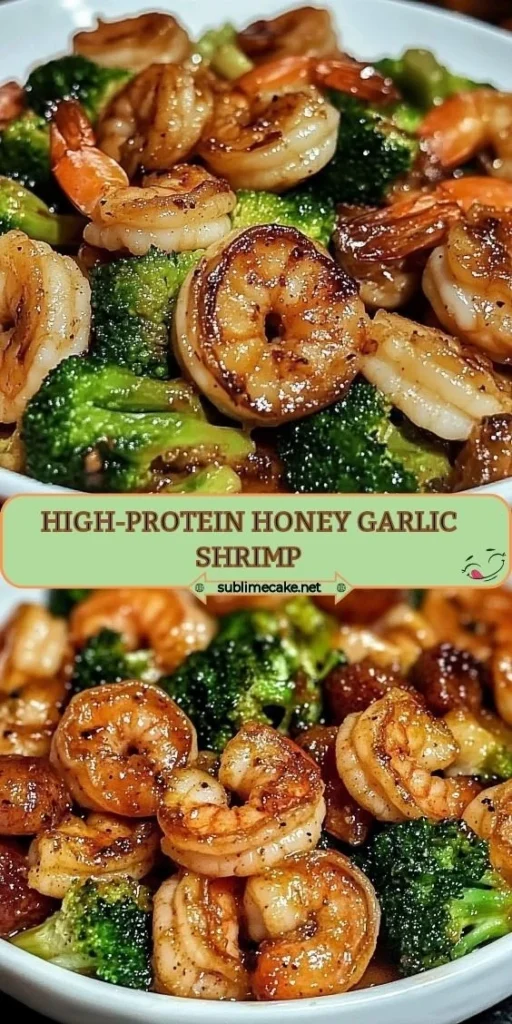
Delicious high-protein honey garlic shrimp on a plate, garnished and ready to serve.

High-Protein Honey Garlic Shrimp

High-Protein Honey Garlic Shrimp

Shrimp is a fast, versatile protein that shines in sweet-and-savory preparations. This high-protein honey garlic shrimp dish brings together caramelized honey, punchy garlic, and a bright splash of acid for a quick meal that satisfies both flavor and macro goals. If you like pairing strong flavors with muscle-building meals, try matching it with one of these high-protein smoothie recipes for an easy post-workout combo.

Why shrimp works for high-protein meals

  • Shrimp is lean and low in calories while packing about 20–24 g of protein per 100 g, making it ideal for muscle maintenance and weight management.
  • It cooks in minutes, which reduces nutrient loss and keeps meals convenient.
  • The clean flavor profile lets bold marinades like honey-garlic stand out without adding heavy fats.

Ingredients (serves 2)

  • 12–16 oz (about 340–450 g) large shrimp, peeled and deveined
  • 2 tbsp honey
  • 2–3 cloves garlic, minced
  • 1–2 tbsp soy sauce or tamari (low-sodium if preferred)
  • 1 tbsp rice vinegar or lemon juice
  • 1 tbsp olive oil or avocado oil
  • 1/4 tsp red pepper flakes (optional)
  • Salt and pepper to taste
  • Chopped scallions and sesame seeds for garnish

Tip: For an extra smoky flavor suitable for outdoor cooking, consider incorporating shrimp into your rotation of high-protein foods for grilling.

Method

  1. Pat shrimp dry and season lightly with salt and pepper.
  2. Whisk honey, garlic, soy sauce, vinegar, oil, and red pepper flakes in a bowl to make the glaze.
  3. Reserve about 2 tbsp of glaze for finishing. Toss shrimp in remaining glaze and let sit 5–10 minutes (or marinate up to 30 minutes).
  4. Heat a nonstick skillet or grill over medium-high heat. Add a small amount of oil if using a skillet.
  5. Cook shrimp 1.5–2 minutes per side until opaque and just cooked through. Avoid overcooking to keep shrimp tender.
  6. Brush the reserved glaze over shrimp in the final 30 seconds to create a glossy finish. Remove from heat and garnish with scallions and sesame seeds.

Serving suggestions: pile over brown rice or quinoa for a balanced plate, toss into a salad for a lighter option, or serve with steamed vegetables and a wedge of lemon.

Variations and tips

  • Make it spicier: increase red pepper flakes or add a dash of sriracha to the glaze.
  • Keep it lower-carb: serve over cauliflower rice or leafy greens.
  • Bulk it up for meal prep: add chickpeas, edamame, or extra vegetables like bell peppers to increase fiber and volume without sacrificing protein.
  • Freezing: cooked shrimp is best fresh, but you can freeze blanched shrimp before glazing for quick future meals—thaw and finish with fresh glaze.

Nutrition snapshot (approx. per serving, shrimp-only portion)

  • Calories: ~220–300 (varies with portion size and glaze)
  • Protein: ~30–40 g
  • Fat: 6–10 g
  • Carbohydrates: 8–14 g (mainly from honey)
    This makes the recipe excellent for people tracking macros who want a high-protein, flavorful entree.

Meal prep and timing

  • Shrimp is ideal for last-minute meals: marinate in the morning, cook in minutes at dinner.
  • For weekly meal prep, cook shrimp fresh and store components separately: pre-cook grains and vegetables, and refrigerate the glaze. Reheat shrimp gently (briefly) and toss with warm glaze to avoid rubbery texture.

Conclusion

If you want a tested, easy-to-follow version of this flavor profile, try the Allrecipes take on Honey-Garlic Shrimp for additional tips and measurements: Honey-Garlic Shrimp.

High-Protein Honey Garlic Shrimp Read More »

, , , ,
Variety of high-protein vegetables including broccoli, spinach, and peas.

High-Protein Vegetables

Title: High-Protein Vegetables: Powering Meals Without Meat

Introduction
Vegetables aren’t just side-dish fillers — many provide meaningful amounts of protein that can help you meet daily needs, especially when combined intelligently with other foods. For people cutting back on animal products, athletes seeking variety, or anyone aiming to eat more plant-forward, learning which vegetables pack the most protein and how to prepare them matters. You can even incorporate them into blended meals; for example, try some of these high-protein smoothie recipes that include spinach, peas, or other veggie boosters.

Why Protein from Vegetables Matters
Protein from vegetables contributes essential amino acids, fiber, vitamins, and minerals while typically being lower in saturated fat than animal proteins. While most single vegetables don’t match animal proteins gram-for-gram, several stand out (legume-related vegetables, leafy greens concentrated into portions, and certain cruciferous veggies). Combining vegetable proteins with grains, nuts, or dairy can create complete protein profiles that support muscle repair, hormonal balance, and satiety.

Top High-Protein Vegetables (What to Look For)

  • Edamame: Young soybeans are one of the richest vegetable sources of protein, with roughly 11 grams per 100 g cooked.
  • Lentils and peas (when counted as vegetables in dishes): Split peas and green peas are higher-protein vegetable options commonly used in soups and stews.
  • Spinach and kale: Per weight these are protein-dense, though servings are often large and cooking concentrates nutrients.
  • Broccoli and Brussels sprouts: Cruciferous vegetables that provide respectable protein plus fiber and phytochemicals.
  • Asparagus and artichokes: Underappreciated sources that add texture and protein to plates.
  • Corn and potatoes: Higher-carb vegetables with measurable protein that pair well with other protein sources.

Serving size matters: comparing protein per cup versus per 100 grams can change the picture, so think in realistic portions you’d actually eat.

Cooking and Preparation: Make the Most of Veggie Protein
How you cook vegetables affects digestibility, flavor, and how filling a serving will be. Roasting, steaming, and quick sautéing preserve nutrients while enhancing taste. For bold, smoky flavors and concentrated texture, consider grilling — vegetables like portobello mushrooms, asparagus, and bell peppers become hearty, protein-supporting mains when charred over heat. For practical guidance on turning plant-based proteins into satisfying grill options, check out tips for grilling vegetables and other high-protein foods.

Tips to Boost Protein Intake from Vegetables

  • Combine foods: Pair legumes or higher-protein veggies with whole grains, nuts, or seeds to create complete meals (e.g., lentil salad with quinoa).
  • Add concentrated sources: Toss edamame, tempeh, or tofu into salads and stir-fries for a protein bump.
  • Use powdered boosters: Pea protein or spinach powder can increase protein content in soups, sauces, and smoothies.
  • Prepare larger portions: Cooked greens shrink; starting with generous raw amounts ensures more protein per serving.
  • Snack smart: Roasted chickpeas, edamame pods, and hummus with raw crudités are portable, protein-forward snacks.

Sample Meal Ideas

  • Breakfast: Scrambled eggs or tofu with sautéed spinach and mushrooms; add a slice of whole-grain toast.
  • Lunch: Roasted vegetable bowl with quinoa, roasted Brussels sprouts, chickpeas, and tahini dressing.
  • Dinner: Grilled portobello steaks with a lentil side salad and steamed broccoli.
  • Snacks: Greek yogurt with a spoonful of hemp seeds and chopped blanched almonds, or edamame sprinkled with sea salt.

How Much Protein Can You Get?
Aiming for a balanced plate with a portion of a higher-protein vegetable plus legumes, grains, or dairy can yield 15–30 grams of protein per meal for most people. Athletes may need more; adjust portions and include concentrated plant proteins (tofu, tempeh, seitan) as needed.

Practical Considerations

  • Cost and accessibility: Frozen vegetables like peas and edamame can be budget-friendly and maintain high protein retention.
  • Taste and texture: If you’re transitioning from meat, use umami-rich cooking methods (roasting, grilling, caramelizing) and seasonings to make vegetables more satisfying.
  • Nutrient balance: Vegetables provide more than protein — pay attention to iron, B12, calcium, and omega-3 intake with appropriate dietary choices or supplementation if needed.

Conclusion

If you want a concise list and suggestions for how to eat more of the highest-protein vegetables, this guide on Vegetables High in Protein: 19 Veggies and How to Eat More offers practical, research-backed ideas to expand your plant-based protein options.

High-Protein Vegetables Read More »

, , , ,
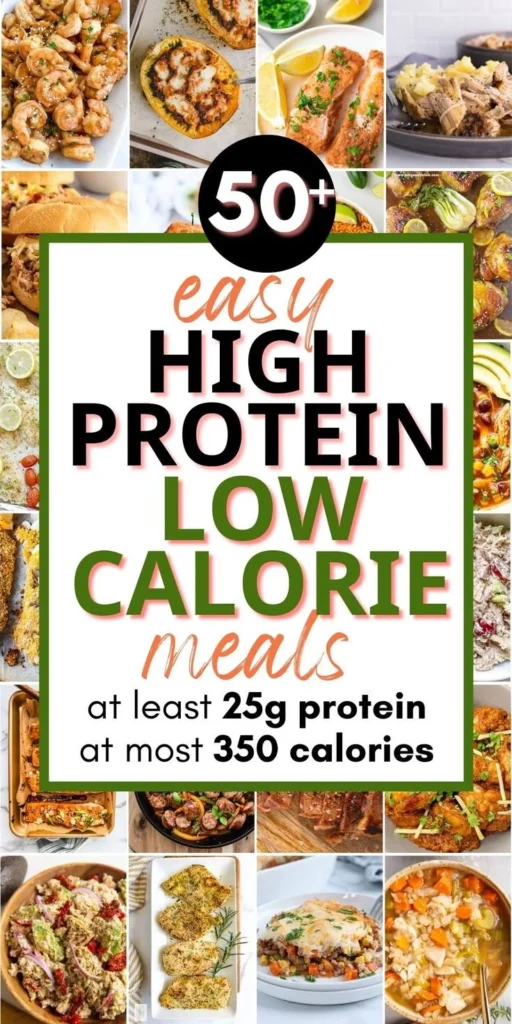
A collection of 50+ high protein low calorie meal recipes for healthy eating

50+ High Protein, Low Calorie Meals (Easy Recipes)

50+ High-Protein, Low-Calorie Meals (Easy Recipes)

Eating for strength, fat loss, or simple everyday health doesn’t have to be complicated. High-protein, low-calorie meals keep you full, support muscle maintenance, and make it easier to stay within your daily calorie goals. Below are easy, practical ideas and recipe frameworks you can mix and match to create 50+ meals without spending hours in the kitchen.

High-protein meals center on lean animal proteins (chicken breast, turkey, fish), plant proteins (tofu, tempeh, legumes), and dairy or dairy alternatives (Greek yogurt, cottage cheese). Pair these with high-volume, low-calorie sides—lots of vegetables, leafy greens, and modest portions of whole grains—to create satisfying plates that are light in calories but rich in nutrients.

If you’re pairing nutrition with training, try stacking meals around workouts and recovery strategies—this is especially useful when doing targeted routines like a focused leg day such as Sam Sulek’s quad-focused leg day, where protein timing can aid muscle repair.

How to Build a High-Protein, Low-Calorie Meal (Simple Formula)

  • Protein: 20–40 g per meal (3–6 oz lean meat, 1–2 cups Greek yogurt, or equivalent plant protein).
  • Veggies: 1–3 cups non-starchy vegetables (spinach, broccoli, zucchini, peppers).
  • Healthy fat: 1 tsp–1 tbsp if needed (olive oil, avocado, nut butter) — keep fats modest to control calories.
  • Optional: small serving of whole grains or starchy veggie (¼–½ cup cooked quinoa, brown rice, sweet potato) if you need extra energy.

Breakfast Ideas (10+)

  • Egg white omelet with spinach, cherry tomatoes, and feta.
  • Greek yogurt parfait with berries and a sprinkle of crushed nuts.
  • Cottage cheese bowl with sliced peaches and cinnamon.
  • Protein pancakes made with cottage cheese and oats (blend and cook like pancakes).
  • Savory scrambled eggs with smoked salmon and chives.
  • Overnight oats with protein powder and a handful of blueberries.
  • Tofu scramble with turmeric, mushrooms, and kale.
  • High-protein chia pudding using milk + protein powder.
  • Egg muffins: eggs, lean turkey, peppers baked in a muffin tin (make-ahead).
  • Low-calorie breakfast burrito: whole-wheat wrap, egg whites, salsa, and black beans.

Lunch Ideas (10+)

  • Grilled chicken breast over mixed greens with lemon-tahini dressing.
  • Tuna salad (water-packed tuna, Greek yogurt, diced celery) on lettuce cups.
  • Turkey and veggie lettuce wraps with mustard or hot sauce.
  • Lentil and roasted vegetable salad (lentils give protein, veggies add volume).
  • Shrimp and cucumber salad with dill and low-fat yogurt dressing.
  • Salmon and steamed asparagus with a squeeze of lemon.
  • Chickpea “tuna” with avocado-free dressing for fewer calories.
  • Turkey chili made with extra beans and diced tomatoes (batch cook).
  • Baked cod with cauliflower mash and steamed greens.
  • Quinoa and edamame bowl with sesame-ginger vinaigrette (hold the oil).

Dinner Ideas (10+)

  • Baked lemon-herb chicken thighs (skinless) with roasted Brussels sprouts.
  • Steak salad: thin-sliced flank steak over arugula, cherry tomatoes, and red onion.
  • Grilled mahi-mahi with pico de gallo and sautéed zucchini.
  • Stir-fry: tofu or shrimp with broccoli, bell pepper, and a splash of low-sodium soy.
  • Turkey meatballs with spiralized zucchini and marinara.
  • Baked turkey or chicken meatloaf using oats instead of breadcrumbs.
  • Stuffed bell peppers with ground turkey and cauliflower rice.
  • Seared tuna over a bed of steamed spinach and edamame.
  • Miso-glazed salmon with a side of steamed bok choy.
  • Vegetable and bean stew with smoked paprika and herbs.

Snacks & Small Meals (10+)

  • Hard-boiled eggs or egg whites with hot sauce.
  • Cottage cheese with sliced cucumber and dill.
  • Roasted edamame or spiced chickpeas (watch portion size).
  • Protein mug cake made with protein powder and egg white for a quick dessert.
  • Low-fat Greek yogurt dip with raw veggies.
  • Sliced turkey roll-ups with mustard and pickle.
  • Smoked salmon on cucumber rounds with a dollop of low-fat cream cheese.
  • Homemade protein bars using protein powder, nut butter (small amount), and oats.
  • Baked chicken tenders with almond flour crust (air-fryer recommended).
  • Protein-rich hummus made with extra chickpeas and tahini, used sparingly.

Soups, Salads & One-Pot Meals

  • Chicken and vegetable soup with lots of greens and beans.
  • Lentil soup with diced tomatoes and spinach.
  • Brothy seafood chowder using skim milk or light milk alternatives thickened with pureed cauliflower.
  • Warm salmon salad with green beans and mustard vinaigrette.
  • High-protein minestrone with extra beans and lean turkey sausage.

Smoothies & Shakes

Smoothies are fast, portable, and easy to control for calories. Use a base of water or unsweetened plant milk, add 1 serving protein powder or Greek yogurt, a handful of spinach, and frozen berries. For more ideas and muscle-building shakes, check out 8 high-protein smoothie recipes that can be adapted to lower calories.

Flavor Boosters and Low-Calorie Dressings

  • Citrus (lemon, lime) and vinegars add flavor with almost no calories.
  • Mustard-based dressings or salsa for zest.
  • Fresh herbs and spices: basil, cilantro, cumin, smoked paprika.
  • Use Greek yogurt as a creamy base instead of mayo.
  • Spray olive oil and grill or roast for depth without excess calories.

Meal Prep Strategies

  • Batch-cook proteins (grill chicken, bake fish, roast tofu) and portion into containers.
  • Keep a variety of pre-cut raw veggies on hand for quick salads and stir-fries.
  • Make one-pot soups and stews in large batches to freeze single servings.
  • Use a food scale and reusable containers to control portion sizes and make tracking easier.
  • Swap similar ingredients week to week to keep variety: chicken one week, tempeh or fish the next.

Calorie & Protein Targets (Quick Guide)

  • Weight loss: aim for 20–40 g protein per meal and 150–250 calories from non-protein components (veggies and small fats).
  • Maintenance/muscle gain: increase protein portions and include more starchy carbs post-workout.
  • Snacks: keep to 100–250 calories with 10–20 g protein.

Sample Weekly Plan (Mix-and-Match)

  • Monday: Egg white omelet; tuna lettuce wraps; baked salmon with roasted broccoli.
  • Tuesday: Greek yogurt parfait; turkey chili; tofu stir-fry.
  • Wednesday: Protein pancakes; shrimp salad; turkey meatballs with zucchini noodles.
  • Thursday: Cottage cheese and peach bowl; lentil salad; grilled mahi-mahi.
  • Friday: Tofu scramble; chicken and vegetable soup; steak salad.
  • Weekend: Use leftovers, batch soups, and enjoy a higher-carb meal near training if desired.

Tips for Staying On Track

  • Keep meals colorful and varied to avoid boredom.
  • Prioritize whole foods and limit liquid calories from sugary beverages.
  • Adjust portion sizes based on hunger and activity.
  • Use simple seasonings to make repetitive proteins exciting.

Conclusion

For a comprehensive compilation and more ready-to-use dishes, see the curated list of 50+ High Protein Low Calorie Meals (Easy Meal Prep Recipes) which pairs well with the ideas above and offers many make-ahead options to simplify your week.

50+ High Protein, Low Calorie Meals (Easy Recipes) Read More »

, , , ,
Scroll to Top