health tips

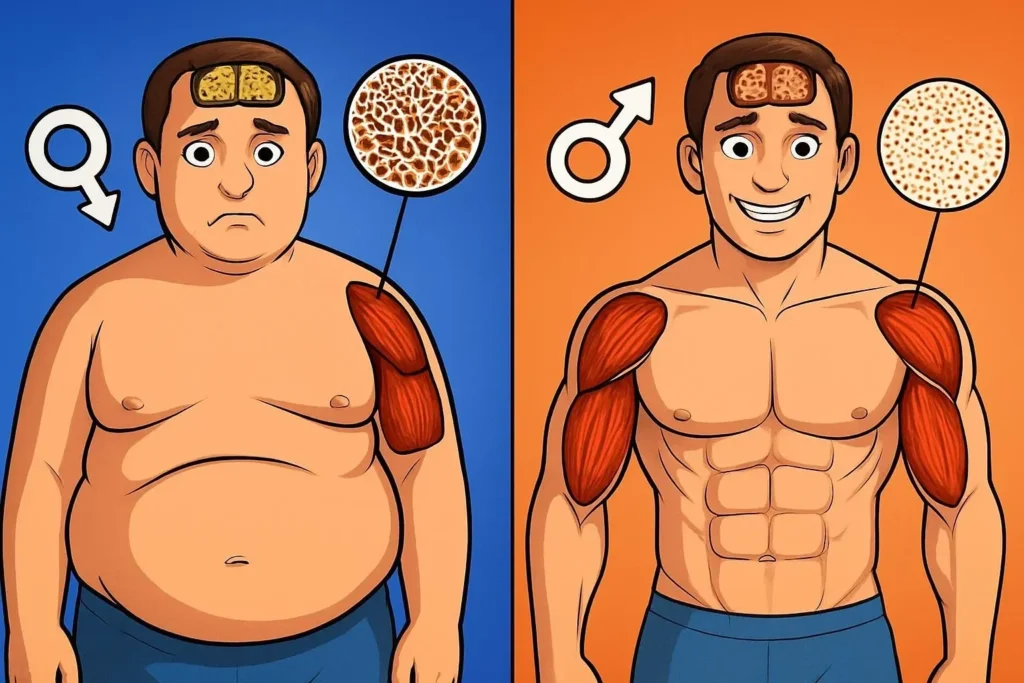
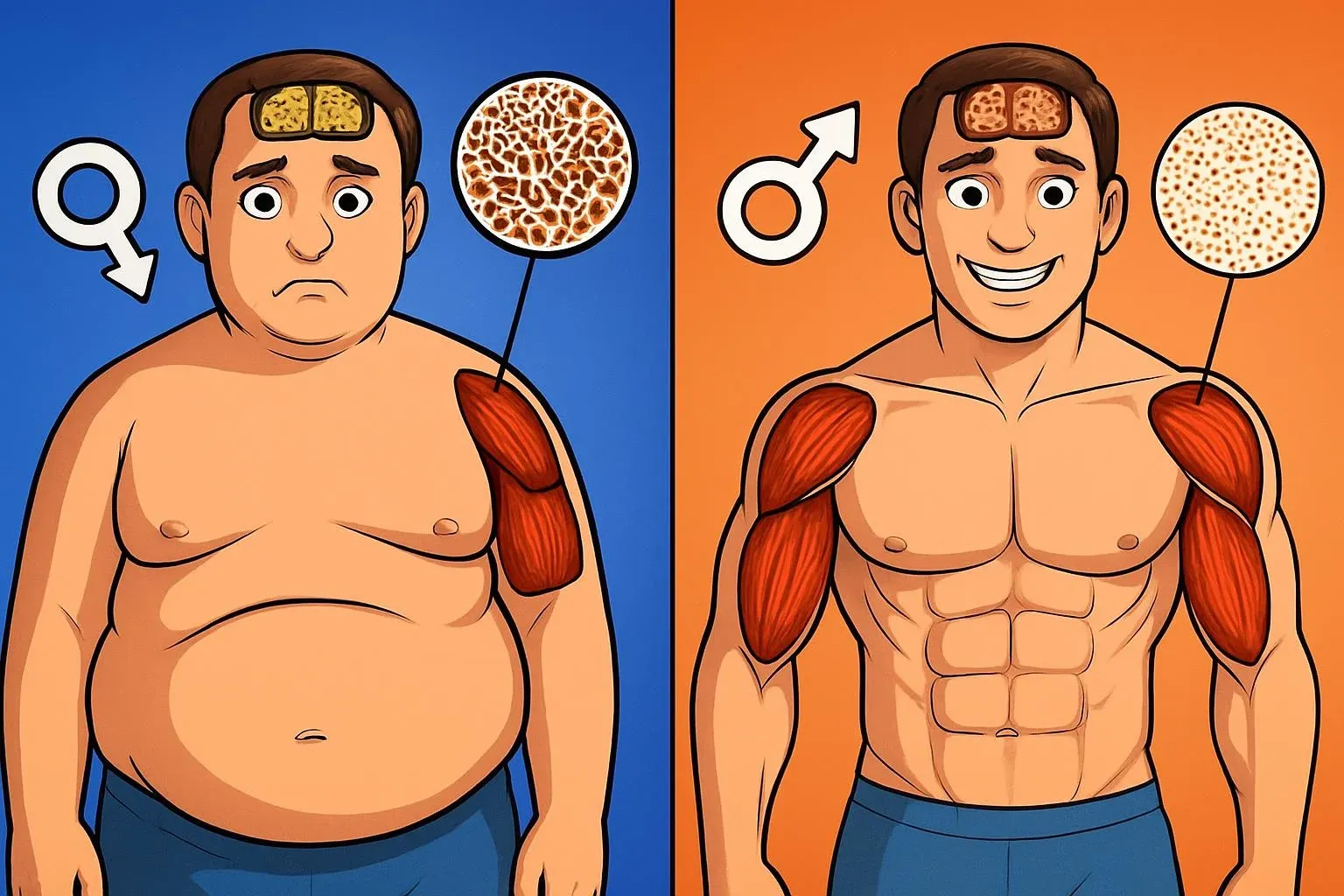
8 surprising facts about belly fat and how to reduce it effectively

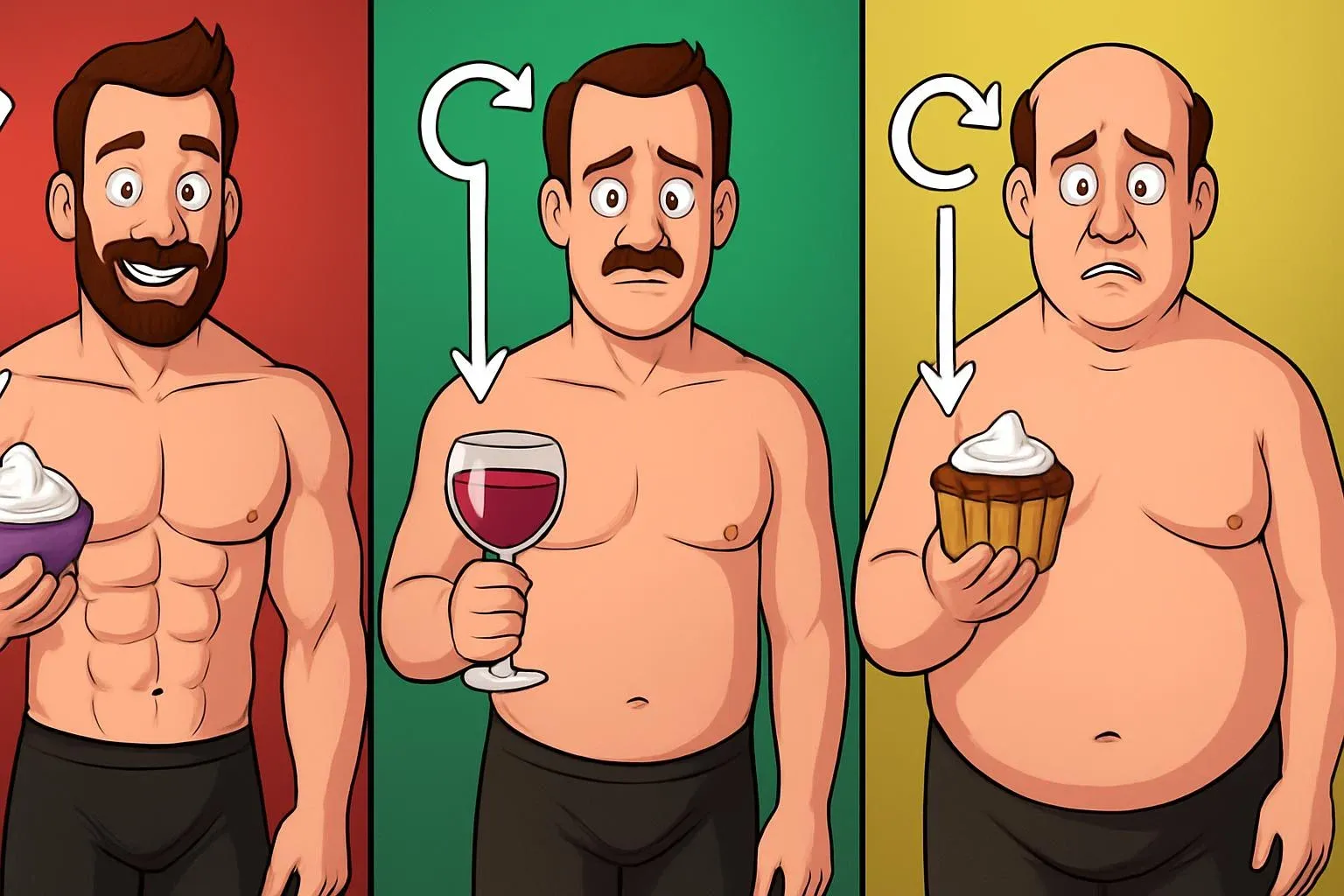
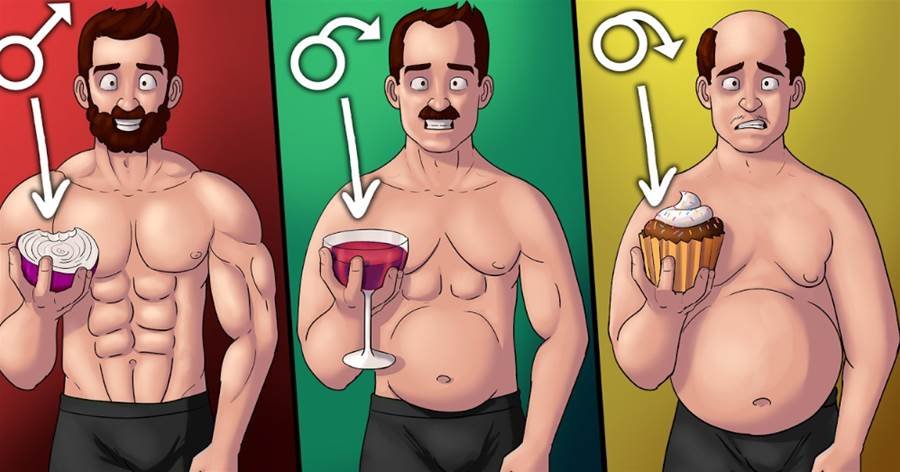
8 Things Nobody Tells You About Belly Fat

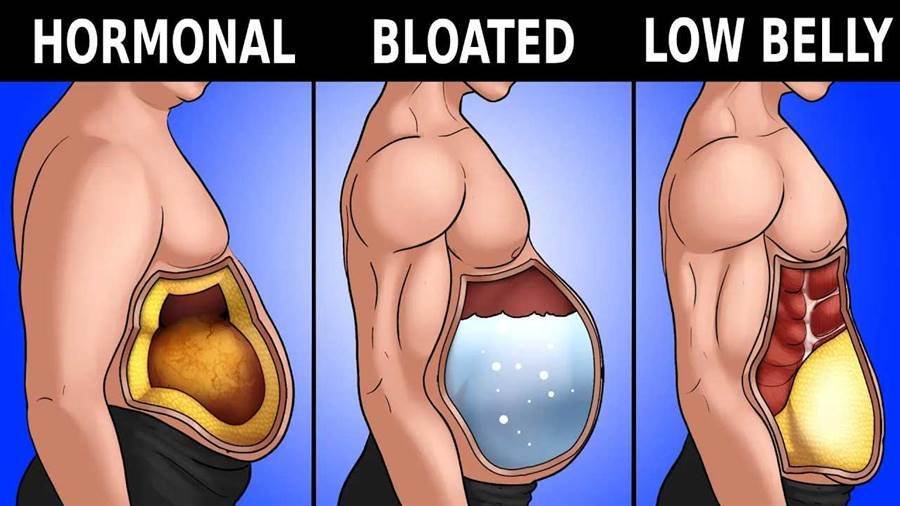
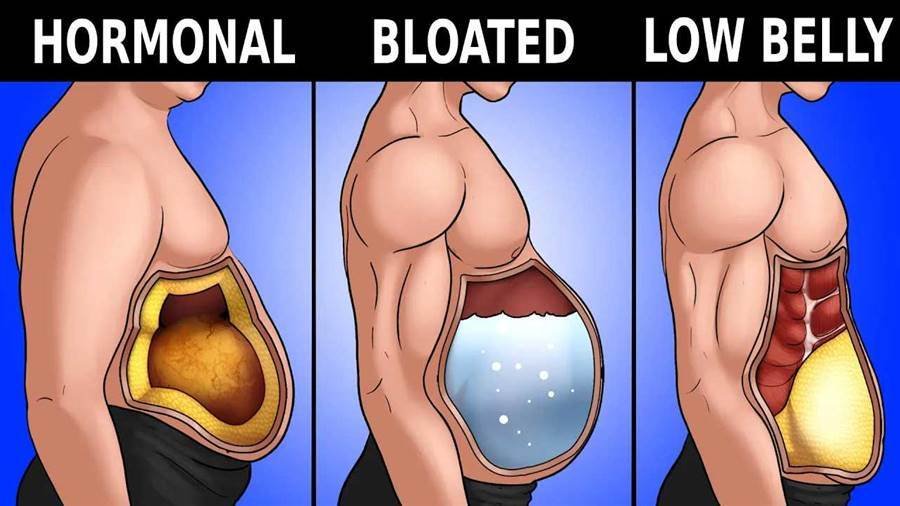
Belly fat is more than an aesthetic concern; it affects health, hormones and how your body responds to diet and exercise. Many common beliefs about belly fat are oversimplified or misleading; understanding the lesser-known facts helps you form smarter, sustainable strategies rather than chasing quick fixes. For a reality check on common exercise myths, see this clear explanation about why targeting fat in one spot rarely works: https://arnellavanilla.com/spot-reduction-is-a-myth-why-you-cant-burn-belly-fat-with-crunches/.
8 Things Nobody Tells You About Belly Fat

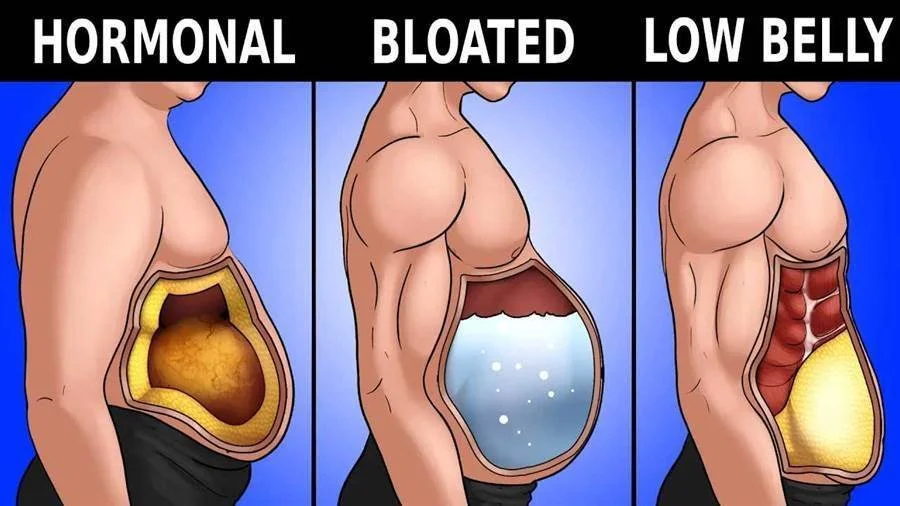
Visceral and subcutaneous fat are very different

  • Subcutaneous fat sits under the skin and is what you pinch. Visceral fat wraps around organs and is metabolically active — it releases inflammatory signals and raises disease risk. Reducing waist circumference typically targets visceral fat through overall lifestyle change rather than spot exercises.

Genetics and where you store fat matter

  • Your genes influence whether you store excess energy around your midsection. That doesn’t mean you’re stuck, but it explains why two people with the same weight can look very different and respond differently to the same regimen.

Stress and sleep drive stubborn belly fat

  • Chronic stress elevates cortisol, which encourages abdominal fat storage. Poor or short sleep disrupts hunger hormones (ghrelin/leptin) and insulin sensitivity, both of which favor fat gain around the waist. Managing stress and prioritizing sleep are as important as diet and activity.

Cardio helps, but resistance training is crucial

  • Steady-state cardio burns calories, but building or preserving muscle through resistance training raises resting metabolic rate and improves body composition. For practical clothing or gear ideas that support an active routine, check out this resource on apparel to fuel your journey: https://arnellavanilla.com/apparel-to-fuel-your-odyssey-28-club-uk/.

Diet quality beats gimmicks

  • Extreme diets or “belly-blasting” supplements rarely produce long-term results. Focus on protein for satiety and muscle preservation, fiber-rich vegetables and whole grains, and moderate healthy fats. Consistent caloric balance over time is the main driver of fat loss.

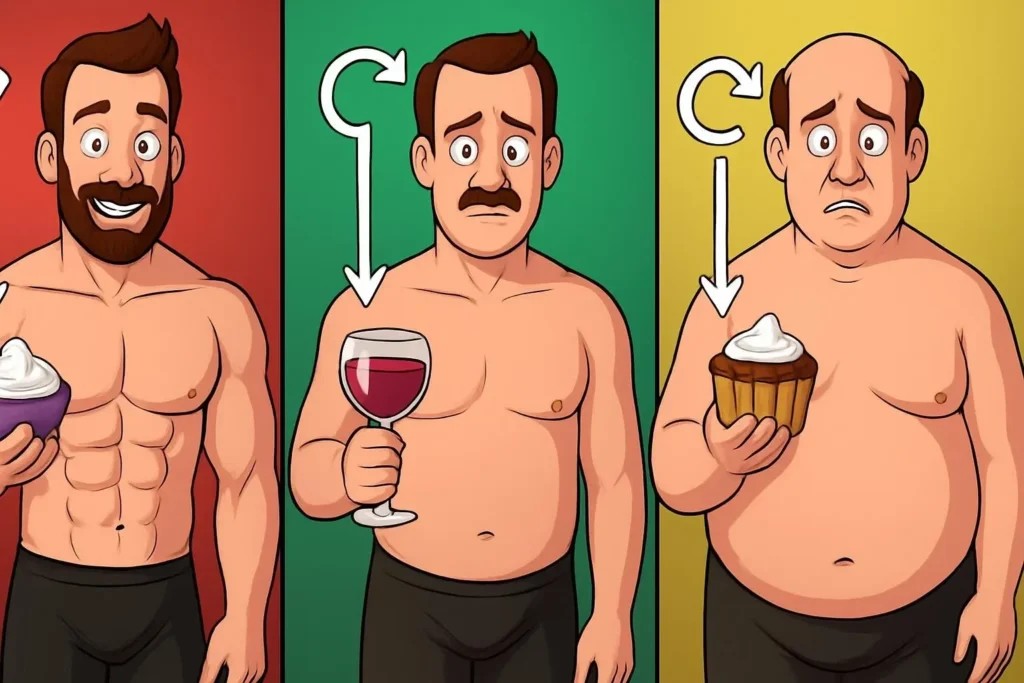
Alcohol is underestimated

  • Alcohol supplies empty calories, impairs judgment (leading to overeating), and can increase visceral fat storage when consumed in excess. Cutting back or choosing alcohol-free days helps reduce abdominal fat.

Inflammation and gut health play a role

  • Diets high in processed foods can promote low-grade inflammation, which is linked to abdominal fat. A varied, fiber-rich diet supports healthy gut bacteria and metabolic health — small improvements here can make belly fat easier to lose.

Patience and tracking beat obsession

  • Fat loss happens slowly and unevenly. Track trends (measurements, clothes fit, progress photos) rather than daily weight. Sustainable small habits — consistent strength work, protein at meals, sleep routines — compound into meaningful change.
8 Things Nobody Tells You About Belly Fat

Conclusion

Belly fat is influenced by hormones, genetics, lifestyle and habits; not just crunches or crash diets. For deeper reading on realistic expectations and practical strategies for losing weight, see Things Nobody Tells You About Losing Weight Part 1: Things Nobody Tells You About Losing Weight Part 1.
8 Things Nobody Tells You About Belly Fat Read More »

, , , ,
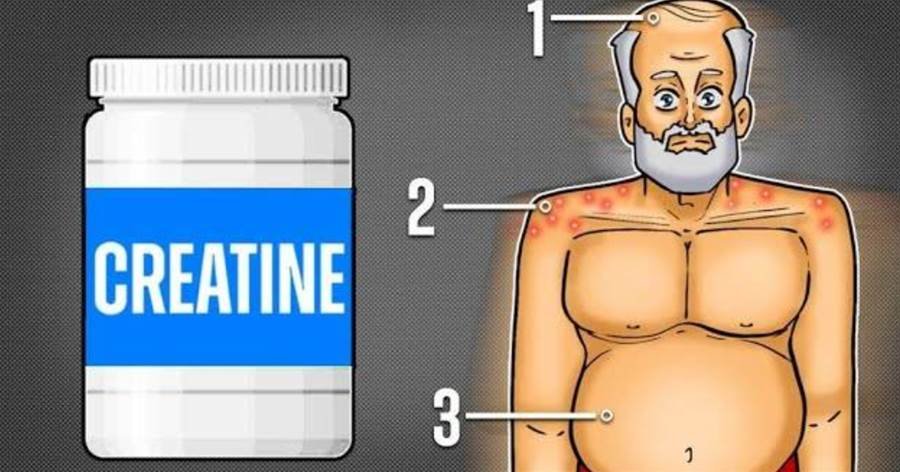
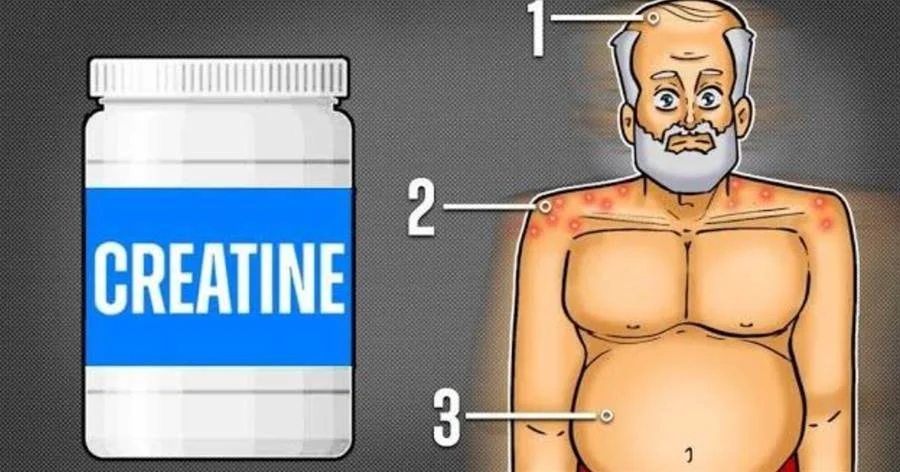
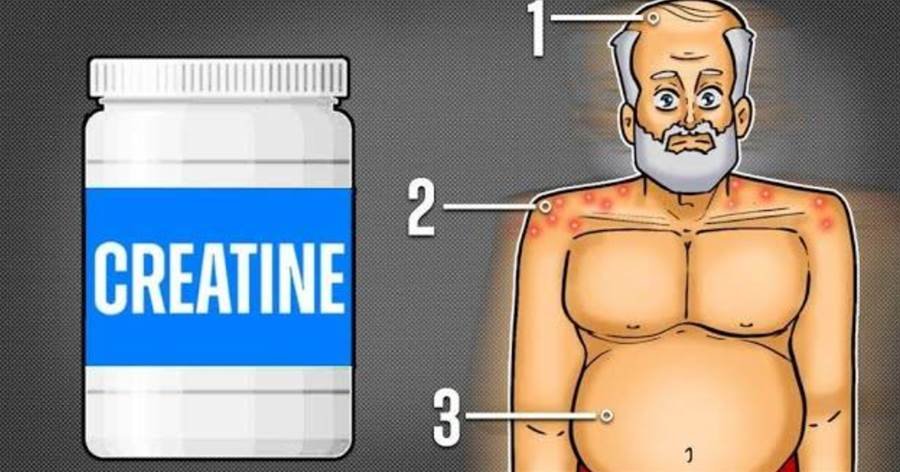
Infographic detailing 13 surprising facts about creatine supplementation

13 Things No One Tells You About Creatine

Creatine Uncovered: 13 Things You Didn’t Know

Creatine is one of the most researched supplements in sports nutrition, but even regular users miss important details that shape results, safety, and expectations. Whether you’re just starting or tweaking your regimen, these lesser-known facts will help you use creatine smarter — not just harder. If you’re planning a focused training block, consider pairing what you learn here with a program such as the Built Not Bought Challenge to see results faster.

13 Things No One Tells You About Creatine

  1. It’s not a steroid — it’s fuel
  • Creatine isn’t an anabolic steroid. It replenishes cellular ATP, the energy currency your muscles use for short bursts of effort (sprints, heavy reps). That’s why it helps power strength and high-intensity performance.
  1. Loading is optional
  • A common protocol is a 5–7 day loading phase (20 g/day split) followed by 3–5 g/day maintenance. But you can skip loading and take 3–5 g/day; it just takes longer (3–4 weeks) to saturate muscles.
  1. Creatine monohydrate is the gold standard
  • Many forms exist (ethyl ester, HCL, buffered), but creatine monohydrate has the strongest evidence for efficacy, safety, and cost-effectiveness when dosed properly.
  1. Expect some weight gain — usually water
  • Initial weight gain is mainly intracellular water in muscle cells, which can be mistaken for fat. This is often beneficial (fuller muscles) and not a sign of fat gain.
  1. Timing isn’t critical — consistency is
  • Post-workout timing may offer slight advantages for uptake, but overall daily consistency matters more. Daily intake keeps muscle stores topped up.
  1. Hydration matters
  • Creatine draws water into muscle cells. Maintain good hydration, especially in hot conditions or long endurance sessions, to avoid cramping and maintain performance.
  1. It’s safe long-term for most people
  • Extensive research shows creatine is safe for healthy individuals when taken at recommended doses. If you have kidney disease or other chronic conditions, consult a clinician before starting.
  1. Vegetarians and vegans may see bigger gains
  • People with lower baseline creatine (common in vegan/vegetarian diets) often experience larger relative improvements when supplementing.
  1. Caffeine interaction is nuanced
  • Early studies suggested caffeine might blunt creatine’s benefits, but evidence is mixed. Moderate caffeine use is generally fine; just monitor your performance and digestion.
  1. Purity matters
  • Choose reputable brands with third-party testing to avoid contaminants. Look for Creapure® or similar certifications when possible.
  1. It won’t give you a six-pack by itself
  • Creatine helps strength and muscle fullness, but reducing belly fat and revealing abs depends on diet and conditioning. For common misconceptions about abs and how training links to appearance, see these myths about six-pack.
  1. Small doses can help older adults and cognition
  • Research shows benefits for aging muscle preservation and even some cognitive support, though outcomes vary and require more study.
  1. Quality control and stacking
  • Combine creatine with a sensible training program and adequate protein for best results. Avoid overcomplicating stacks; creatine alone delivers big value for most people.

Practical tips

  • Start with 3–5 g/day if you prefer simplicity. If you choose to load, split the daily dose into 4 portions to reduce stomach upset.
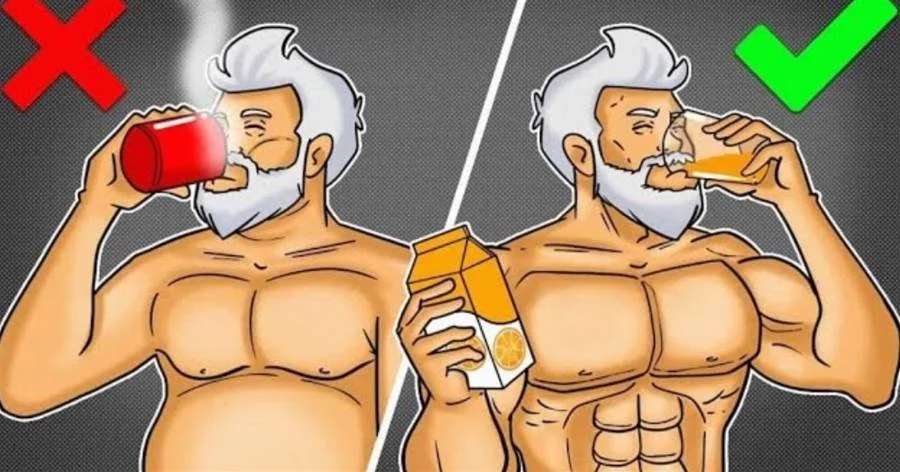
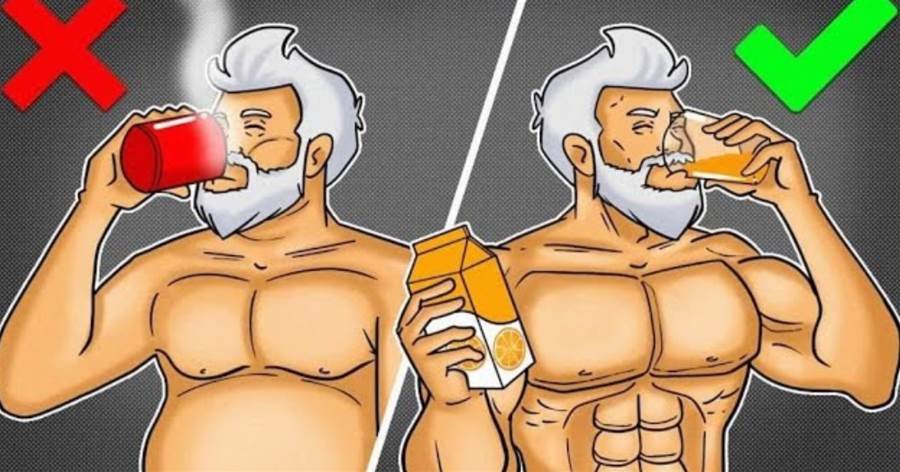
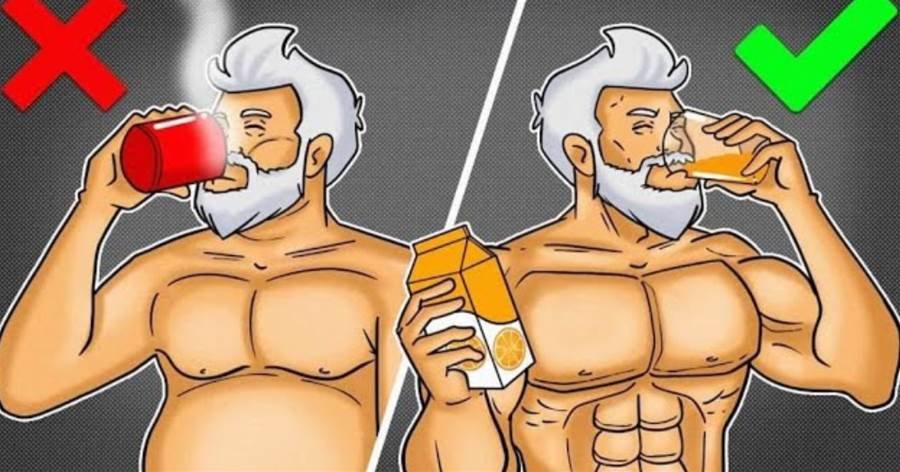
  • Mix with water, juice, or your post-workout shake. Creatine is flavorless and dissolves better in warm liquids.
  • Track bodyweight and performance, not just the scale. Strength and rep gains are the clearest signals of benefit.

13 Things No One Tells You About Creatine

Conclusion

For a concise, readable breakdown that complements this guide, check out 13 Things No One Tells You About Creatine. It’s a helpful companion if you want another take on dosing, myths, and practical use.

13 Things No One Tells You About Creatine Read More »

, , , ,
Man performing morning habits to build muscle faster after 40.

7 Morning Habits to Build Muscle Faster (men over 40)

Morning Muscle Boost: 7 Habits for Men 40+

Getting stronger after 40 is about consistent, smart habits more than frantic training. These seven morning habits help you build muscle faster while protecting joints and supporting recovery — ideal for men over 40 who want efficient progress. For a quick protein-rich start, try a few templates from these high-protein smoothie recipes to fuel morning workouts and recovery.

7 Morning Habits to Build Muscle Faster (men over 40)

  1. Wake and Rehydrate: Start with water (and a pinch of electrolytes if you sweat or trained hard the night before).

    • Why: Muscle is ~70% water; dehydration reduces strength and recovery.
    • How: Drink 16–24 oz within 30 minutes of waking. Add a squeeze of citrus for vitamin C.
  2. Gentle Mobility Routine (5–10 minutes): Move through full-range joint work — neck, shoulders, hips, and ankles.

    • Why: Mobility improves lifting mechanics and reduces injury risk.
    • How: Dynamic hip circles, thoracic rotations, and ankle dorsiflexion drills before loading a bar or kettlebell.
  3. Targeted Strength Session (20–30 minutes): Focus on compound moves with good form — push, pull, hinge, squat.

    • Why: Compound lifts yield more muscle stimulus in less time and support hormonal health.
    • How: Use moderate reps (6–12), 2–4 sets, and prioritize tempo and control over ego.
  4. Prioritize Protein Early: Consume 25–40 g of high-quality protein within 1–2 hours of training.

    • Why: Older adults have slightly higher protein needs to stimulate muscle protein synthesis.
    • How: Eggs, Greek yogurt, lean turkey, or a whey/plant protein shake work well.
  5. Add Fast, Smart Conditioning (Optional): Brief metabolic conditioning 2–3x/week.

    • Why: Short, intense intervals preserve muscle while improving heart health.
    • How: 10–15 minutes of intervals (sprints, rowing, or bike) post-strength or on separate mornings.
  6. Focused Leg Work (twice weekly): Don’t neglect lower body — it’s crucial for strength and metabolism.

    • Why: Strong legs support functional movement and overall muscle mass.
    • How: If balance or knee issues limit standard moves, use safer substitutions like split variations or machine work — explore useful alternatives in these Bulgarian split squat alternatives.
  7. Recovery-First Mindset: Track sleep, manage stress, and schedule deloads.

    • Why: Recovery determines how well you adapt to training; poor recovery blunts gains.
    • How: Aim 7–8 hours nightly, use morning breathing or brief meditation to lower cortisol, and reduce volume every 4–8 weeks.

Small tweaks compound: combine these habits into a repeatable morning routine that fits your schedule. Prioritize consistency, progressive overload, and adequate nutrition — that triad drives muscle growth after 40.

7 Morning Habits to Build Muscle Faster (men over 40)

Conclusion

Ready to expand your morning routine? For more actionable ideas to accelerate gains, check out Maximize Your Muscle Gain: 10 Simple Morning Habits You Need to …

7 Morning Habits to Build Muscle Faster (men over 40) Read More »

, , , ,
Plate of testosterone boosting foods for men, including nuts, eggs, and leafy greens.

10 Testosterone Boosting Foods Men NEED To Know About!

Title: Testosterone Fuel: 10 Foods Men Need

A strong, balanced diet can support healthy testosterone levels, energy, and recovery—without resorting to supplements or shortcuts. Below are 10 science-backed foods to include regularly, why they help, and simple ways to add them to meals. For practical protein swaps and meal ideas, check resources like high-protein foods for strength to inspire your shopping list.

10 Testosterone Boosting Foods Men NEED To Know About!

  1. Oysters
  • Why: Extremely high in zinc, a mineral directly linked to testosterone production and reproductive health.
  • How to eat: Fresh or cooked; marinated oysters or a small raw tasting can be a treat. Aim for occasional servings given sodium concerns in prepared options.
  1. Eggs
  • Why: Rich in vitamin D, cholesterol (a testosterone precursor), and high-quality protein.
  • How to eat: Whole eggs for yolk nutrients — scrambled, boiled, or added to salads and bowls.
  1. Fatty Fish (salmon, mackerel, sardines)
  • Why: Provide omega-3s and vitamin D, supporting hormone balance and inflammation control.
  • How to eat: Grill, bake, or add canned sardines to salads for a quick boost.
  1. Lean Beef
  • Why: Source of zinc, iron, and saturated fats in moderation — all important for hormone synthesis.
  • How to eat: Choose lean cuts and control portions; pair with veggies and whole grains.
  1. Spinach and Leafy Greens
  • Why: High in magnesium, which can increase free testosterone when levels are optimal.
  • How to eat: Add raw to smoothies or salads, or sauté as a side.
  1. Nuts and Seeds (walnuts, almonds, pumpkin seeds)
  • Why: Provide healthy fats, zinc, magnesium, and antioxidants that support overall endocrine health.
  • How to eat: Snack handfuls, stir into yogurt, or use as salad toppers.
  1. Avocado
  • Why: Rich in monounsaturated fats and vitamin E, supporting hormone production and cardiovascular health.
  • How to eat: Mash on toast, slice into salads, or blend into smoothies.
  1. Pomegranate
  • Why: Antioxidant-rich fruit linked in some studies with improved testosterone and reduced oxidative stress.
  • How to eat: Fresh arils in yogurt or salads, or drink 100% pomegranate juice in moderation.
  1. Broccoli and Cruciferous Vegetables
  • Why: Contain compounds that may help regulate estrogen metabolism, indirectly supporting testosterone balance.
  • How to eat: Roast, steam, or add raw to slaws for crunch.
  1. Beans and Legumes
  • Why: Plant-based proteins and zinc sources; also support stable blood sugar and weight management—both important for healthy testosterone.
  • How to eat: Add to soups, chilis, or bowls. For practical meal planning tips, see 10 easy ways to increase your protein intake.

Quick tips for success

  • Prioritize whole foods over processed options.
  • Balance dietary fats (monounsaturated and omega-3s) with lean proteins and plenty of vegetables.
  • Maintain healthy body composition and manage stress and sleep—diet helps, but lifestyle matters too.
  • Consider bloodwork if you suspect clinically low testosterone; diet supports health but won’t replace medical treatment when needed.

10 Testosterone Boosting Foods Men NEED To Know About!

Conclusion

To explore a concise roundup beyond this list, see 13 Top Testosterone-Boosting Foods for additional ideas and details to complement the foods above.

10 Testosterone Boosting Foods Men NEED To Know About! Read More »

, , , ,
Infographic on 6 testosterone killers men should avoid for better health.

6 Testosterone Killers Men MUST Avoid

Shield Your Testosterone: 6 Killers Men Must Avoid

Testosterone fuels strength, energy, mood, and libido. Small daily choices can chip away at levels more than you realize — but you can stop the slide by avoiding common pitfalls and building simple healthy habits. For quick ways to stay active even when short on time, try pairing healthier choices with short routines like 10-minute home workouts to support overall hormone health.

6 Testosterone Killers Men MUST Avoid

1) Excess Sugar and Refined Carbs

What it does: High sugar intake and refined carbohydrates cause insulin spikes and fat gain. Increased fat, especially around the belly, converts testosterone into estrogen and lowers overall testosterone production.

How to avoid it:

  • Swap soda and sweets for whole fruit, nuts, or yogurt.
  • Choose whole grains, legumes, and fibrous vegetables.
  • Read labels: avoid foods with added sugars high on the ingredients list.

2) Chronic Alcohol Use

What it does: Regular heavy drinking reduces testosterone synthesis, damages testicular tissue, and disrupts sleep patterns critical for hormone regulation.

How to avoid it:

  • Limit drinks to occasional moderate amounts.
  • Replace evening drinks with nonalcoholic alternatives to protect sleep and recovery.
  • If struggling with moderation, seek support — cutting alcohol yields noticeable hormonal improvements.

3) Too Little Strength Training (and Too Much Sitting)

What it does: Muscle-sparing resistance exercise stimulates testosterone. A sedentary lifestyle leads to fat gain and hormonal decline.

How to avoid it:

  • Prioritize compound strength moves (squats, deadlifts, presses). If you want movement ideas that build a stronger back and overall mass, consider practical guides like 5 must-do back moves.
  • Break up long sitting periods—stand, walk, or do short mobility sets every hour.
  • Aim for 2–4 strength sessions per week for hormonal and metabolic benefits.

4) Poor Sleep and Chronic Stress

What it does: Nightly testosterone production peaks during deep sleep. Chronic stress raises cortisol, which antagonizes testosterone and can blunt libido and vitality.

How to avoid it:

  • Prioritize 7–9 hours of quality sleep; maintain a consistent bedtime.
  • Use wind-down routines (no screens before bed, cool dark room).
  • Manage stress with breathing, brief walks, or mindfulness — even 5–10 minutes daily helps.

5) Obesity and Excess Body Fat

What it does: Higher body fat increases aromatase activity, converting testosterone into estrogen. Inflammation associated with overweight also suppresses healthy hormone signaling.

How to avoid it:

  • Combine strength training with moderate cardio and improved nutrition.
  • Focus on sustainable calorie control rather than extreme diets.
  • Small, consistent weight losses (5–10% of body weight) often produce meaningful testosterone gains.

6) Environmental Endocrine Disruptors and Certain Medications

What it does: Some plastics, BPA, phthalates, and even long-term use of specific medications can disrupt endocrine balance and reduce testosterone.

How to avoid it:

  • Prefer glass or stainless-steel for food storage instead of plastic.
  • Avoid microwaving food in plastic containers.
  • Discuss medication effects with your doctor — don’t stop prescribed meds without medical advice.

6 Testosterone Killers Men MUST Avoid

Conclusion

Avoiding these six common testosterone killers — excess sugar, heavy alcohol use, lack of strength training, poor sleep and stress, excess body fat, and environmental disruptors — can help preserve and even boost your natural testosterone levels. For a deeper look at diet-related factors that lower testosterone, see the detailed review on 6 testosterone-killing foods: Causes and factors.

6 Testosterone Killers Men MUST Avoid Read More »

, , , ,
A person demonstrating effective exercises to relieve pain and prevent surgery.

5 Exercises That Will Save You Years of Pain ($50,000 Surgery Risk)

Title: Lifesaver Moves: 5 Exercises to Avoid Years of Pain

A few targeted, consistent exercises can do more than ease daily aches — they can prevent the cascade of degeneration that leads to chronic pain, lost mobility, and even costly surgeries. This short plan focuses on strength, mobility, and balance to shore up common trouble spots: low back, hips, shoulders, and neck. For shoulder-focused strength ideas, see these best cable shoulder exercises to supplement the routines below.

5 Exercises That Will Save You Years of Pain ($50,000 Surgery Risk)

Why these five?

  • They address the muscles and movement patterns most tied to long-term wear: hip glutes for spine support, scapular stabilizers for shoulder health, and deep core for load transfer.
  • Each can be progressed and performed without expensive equipment.
  • Done consistently, they reduce compensations that often lead to joint degeneration and surgery.
  1. Hip Hinge + Glute Bridge (Hip & Low-Back Saver)
  • What: Learn the hip-hinge pattern, then add loaded or single-leg glute bridges.
  • Why: Strong glutes and a correct hinge protect the lumbar discs and reduce painful compensations.
  • How: 3 sets of 8–12 reps; bodyweight first, then progress with dumbbells or single-leg bridges.
  • Tip: Keep ribs down and avoid overarching the low back — imagine closing a book with your pelvis.
  1. Dead-Bug Progression (Deep Core & Spinal Control)
  • What: Controlled opposite arm/leg movements while maintaining a neutral spine.
  • Why: Retrains intra-abdominal pressure and coordination between diaphragm, pelvic floor, and core — crucial for low-back health.
  • How: 3 sets of 6–10 slow reps per side; add ankle/wrist weights when stable.
  • Tip: Breathe steadily — exhale as you extend limbs to keep the spine neutral.
  1. Scapular Wall Slides + Y-T-Ws (Shoulder Stability)
  • What: Slow wall slides and prone or standing Y-T-W raises to train scapular upward rotation and retraction.
  • Why: Many shoulder problems come from poor scapular control; strengthening these movements prevents impingement and degeneration.
  • How: 3 sets of 10–15 reps; perform daily as a warm-up to retrain movement.
  • Tip: Focus on scapular motion rather than lifting heavy — control is priority. For more mobility and soft-tissue preparation, check these stretches to relieve neck and shoulder stiffness which pair well with stability work.
  1. Split Squat / Step-Up (Hip Strength & Knee Alignment)
  • What: Bulgarian/split squats or controlled step-ups to build unilateral hip strength.
  • Why: Many back and knee issues arise because one side of the hips is weaker — unilateral work fixes imbalances and improves gait.
  • How: 3 sets of 6–10 reps per leg; increase load gradually.
  • Tip: Track knee alignment over toes and keep torso upright; if balance is an issue, use support and progress to single-leg versions.
  1. Cervical Retraction & Levator Mobility (Neck & Upper Back Relief)
  • What: Chin tucks (cervical retraction) and gentle levator scapulae/myofascial releases.
  • Why: Forward head posture and tight upper traps drive neck pain and headaches that, over time, can aggravate disc and joint wear.
  • How: 10–15 slow chin tucks twice daily; add mobility work with a lacrosse ball or gentle stretches after warming up.
  • Tip: Combine with thoracic mobility (foam roll or extensions) to restore full upper-spine movement.

Programming and consistency

  • Frequency: Aim for 3 sessions/week of the strength-focused moves (1–2 warm-up mobility sessions on off days).
  • Progression: Increase load, add single-leg variations, slow the eccentric phase, or add carries to challenge stability.
  • Recovery: Prioritize sleep, hydration, and light aerobic activity to promote tissue healing.

When to see a pro

  • If you have new numbness, progressive weakness, or severe unrelenting pain, get evaluated. These exercises are preventive and rehabilitative for many people, but not a substitute for urgent medical care when red flags are present.

5 Exercises That Will Save You Years of Pain ($50,000 Surgery Risk)

Conclusion

These five exercises create a resilient foundation that often prevents the slow decline leading to chronic pain and expensive interventions. If you’re an older runner or worried about maintaining distance and durability, read this helpful guide: 5 Things Runners Over 50 Need To Do To Keep Running Well.

5 Exercises That Will Save You Years of Pain ($50,000 Surgery Risk) Read More »

, , , ,
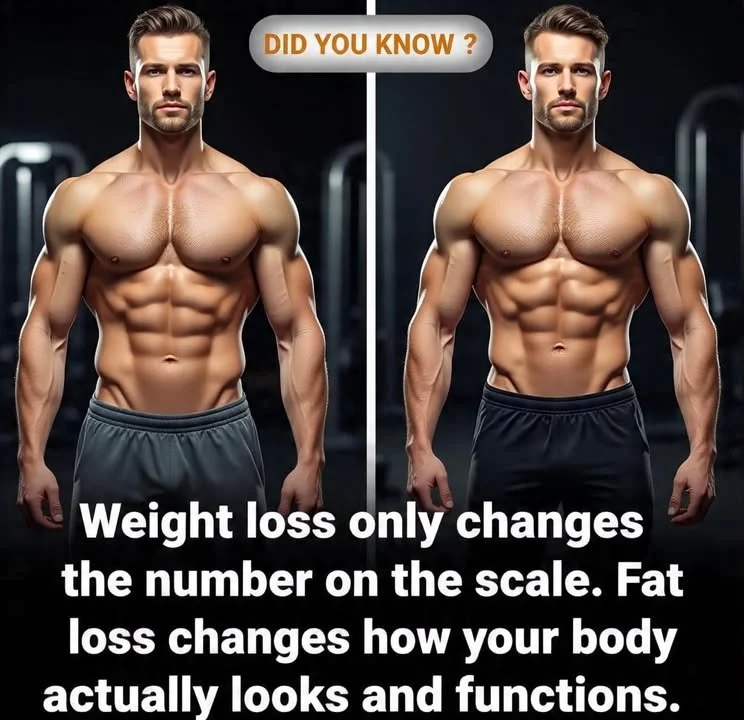
Infographic comparing weight loss and fat loss for effective health strategies.

Weight loss vs Fat loss

Weight Loss vs. Fat Loss: Why the Distinction Matters

Introduction
When people talk about “losing weight” they often mean the same thing as “losing fat,” but those two outcomes are not identical. Weight is the number on the scale; fat is a component of that weight that has specific health implications. Understanding the difference helps you build a plan that preserves muscle, improves health markers, and produces the look and function you want. For real-world inspiration on how goals translate to results, see this story about Kelly Clarkson’s weight loss success and the strategies she used.

What is weight loss?

  • Weight loss = any reduction in total body mass. That can include water, glycogen (carb stores), muscle, bone mass, and fat.
  • Rapid drops on the scale are often water and glycogen loss, not sustainable fat loss.
  • Because the scale doesn’t tell you composition, relying solely on it can mislead effort and expectations.

What is fat loss?

  • Fat loss specifically refers to reducing adipose tissue (body fat). Losing fat improves metabolic health, lowers disease risk, and changes body shape more noticeably than losing water or muscle.
  • Measuring fat loss: better methods include body-fat percentage, waist circumference, clothing fit, and progress photos rather than daily weigh-ins.

Why fat loss is usually the goal (but weight loss dominates conversation)

  • People want lower body-fat for aesthetics, mobility, and health. But weight is easy to measure and often used as a shorthand.
  • Focusing only on the scale can lead to unsafe practices (extreme calorie restriction, dehydration, loss of muscle) that degrade performance and long-term outcomes.

How to prioritize fat loss while minimizing muscle loss

  1. Create a modest calorie deficit
    • Aim for a realistic, sustainable deficit (generally 10–20% below maintenance or ~250–500 kcal/day for many people). Too large a deficit increases muscle loss and metabolic slowdown.
  2. Maintain adequate protein
    • Protein supports muscle repair and preservation. A common recommendation is 1.6–2.2 g/kg of body weight per day for those in a deficit.
  3. Lift weights or do resistance training
    • Resistance training signals the body to keep muscle. Combining it with a protein-forward diet preserves strength and shape. If you need structured exercise ideas, consider a set of full-body routines like these full-body workout routines to burn fat faster.
  4. Include some cardio strategically
    • Cardio helps create an energy deficit and improve cardiovascular health. Balance intensity and frequency so it doesn’t interfere with recovery from resistance training.
  5. Track progress using meaningful metrics
    • Use body composition measures, strength gains, energy levels, and how clothes fit. Weekly or biweekly tracking avoids overreacting to daily fluctuations.
  6. Prioritize sleep and manage stress
    • Poor sleep and chronic stress can raise hunger and reduce recovery, making it harder to lose fat and preserve muscle.

Common pitfalls and how to avoid them

  • Chasing the scale: Expect weight to fluctuate; focus on trends and body composition.
  • Too fast, too soon: Extreme diets can cause muscle loss, nutrient deficiencies, and metabolic slowdown.
  • Neglecting strength training: Skipping resistance work increases the risk of losing muscle mass during a calorie deficit.
  • Ignoring protein: Low protein intake while dieting accelerates muscle loss.

Practical timeline and realistic expectations

  • Safe fat loss typically ranges from 0.25–1% of body weight per week depending on starting point and strategy. Beginners and those with higher starting body fat can often lose faster initially.
  • Expect plateaus; adjust calories, training, or recovery rather than resorting to extreme measures.

Everyday examples (short)

  • If you lose 3 lbs in two days after cutting carbs, much of that is likely water/glycogen rather than fat.
  • If you lose 0.5–1.5 lbs per week while maintaining strength and protein intake, a greater portion of that is likely fat.

Psychological and lifestyle considerations

  • Focus on habits that are sustainable: enjoyable movement, satisfying meals, and social support.
  • Celebrate non-scale victories — better sleep, improved mood, more energy, and easier movement.

Conclusion

Understanding the difference between scale changes and actual fat loss is key to lasting progress. For a clear, expert-friendly breakdown of how to tell those differences and practical tips on measuring progress, read this guide: Weight Loss vs. Fat Loss: How to Tell the Difference.

Weight loss vs Fat loss Read More »

, , , ,
Scroll to Top