
health and wellness

Top 8 activities for post workout recovery and improved results

8 Best Things to do After a Workout

8 Smart Moves After Your Workout

A great workout pays off only when you follow it with the right recovery steps. These eight simple actions help your body repair, reduce soreness, and turn effort into progress — whether you’re training for strength, endurance, or general fitness. If you want to optimize the whole routine, don’t forget to pair recovery with the right pre-workout fuel for better performance and results: best pre-workout snacks to power your morning routine.

8 Best Things to do After a Workout

  1. Cool down with light movement
  • Spend 5–10 minutes walking, cycling slowly, or doing gentle dynamic stretches after intense exercise. This helps clear metabolic waste from muscles and lowers heart rate gradually.
  1. Do focused stretching or mobility work
  • Target tight areas (hamstrings, hips, chest) with controlled stretches or mobility drills to maintain flexibility and reduce stiffness.
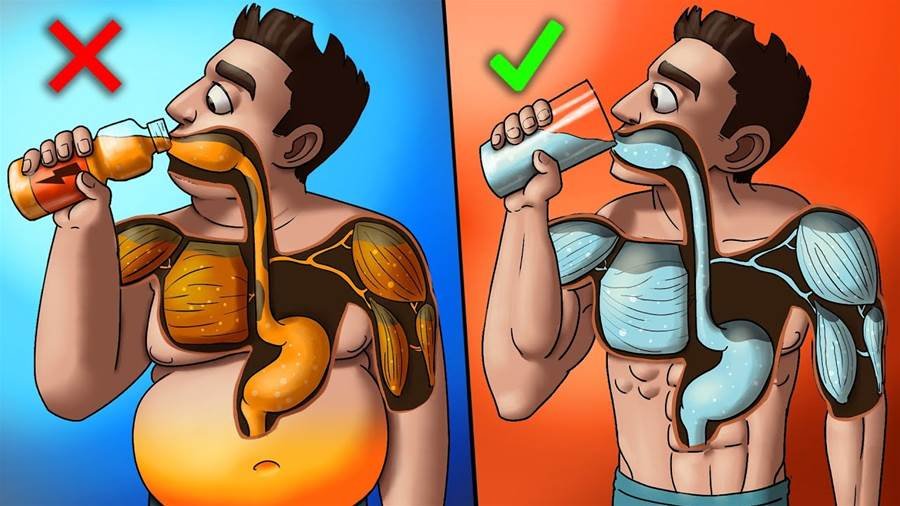
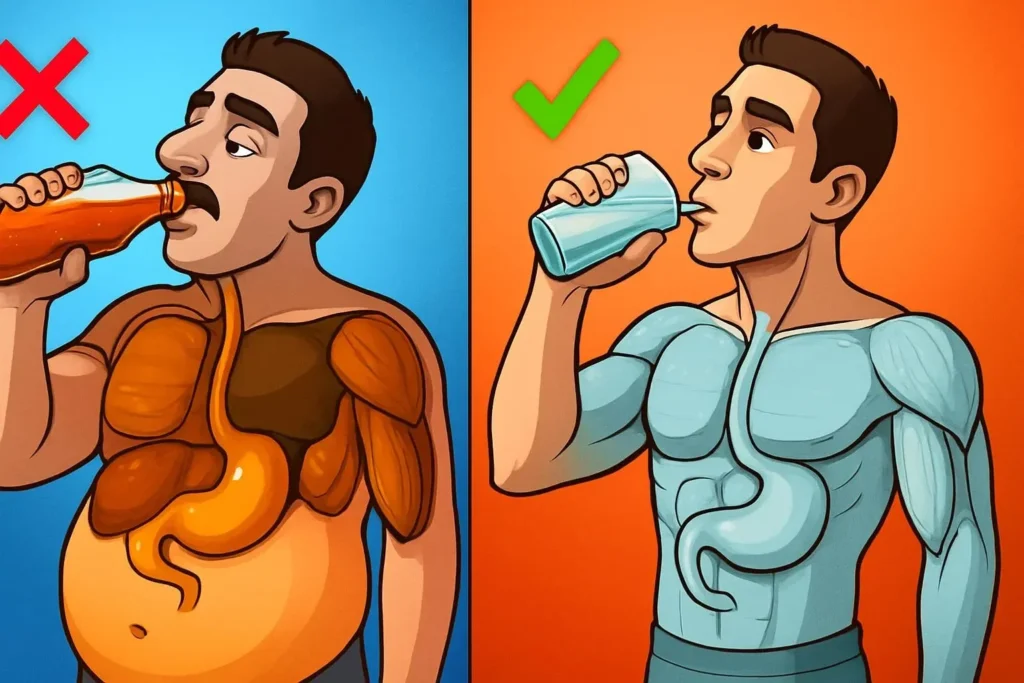
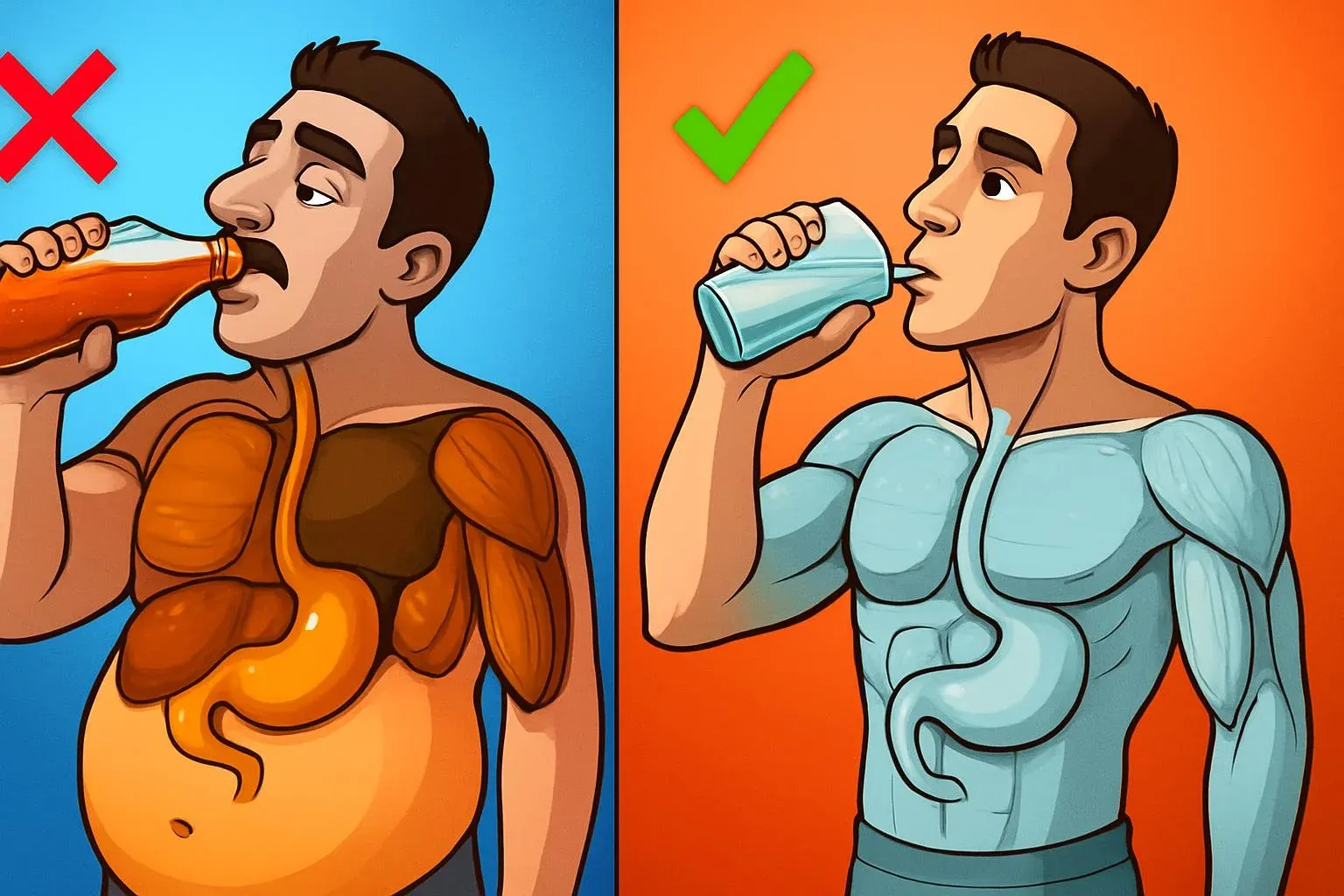
  1. Rehydrate smartly
  • Replace fluids lost during exercise. Water is usually enough for short sessions; if you had a long or very sweaty workout, a drink with electrolytes can help.
  1. Refuel within 45–60 minutes
  • Eat a balanced snack or meal with protein and carbohydrates to support muscle repair and glycogen replenishment. Aim for roughly a 3:1 carb-to-protein ratio for optimal recovery.
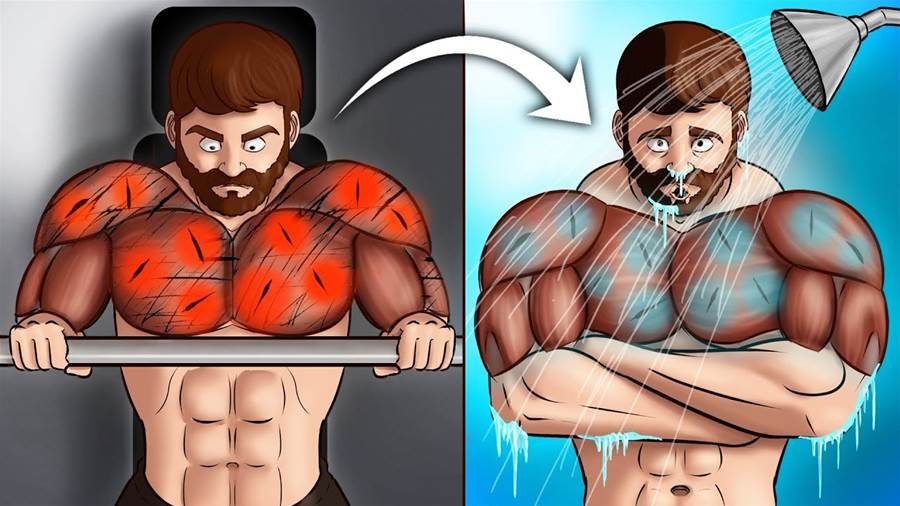
  1. Apply contrast or ice when needed
  • For acute soreness or swelling, short icing sessions can reduce inflammation. Alternating warm and cold (contrast therapy) can also relieve tightness for some people.
  1. Use active recovery days
  • Include low-intensity activities like walking, swimming, or yoga on rest days to promote circulation and healing without adding stress.
  1. Track recovery and tailor it to your body
  • Pay attention to how your body responds and adjust rest, nutrition, and intensity accordingly. If you’re following a plan for a specific body type, adapt recovery strategies to match your needs — for example, those working with an endomorph profile may emphasize different approaches for metabolism and recovery: endomorph body type: best 3 workouts and diets.
  1. Prioritize sleep and stress management
  • Sleep is when most muscle repair and hormonal recovery happen. Aim for consistent, quality sleep and use relaxation techniques (breathing, stretching, light reading) to lower overall stress levels.
8 Best Things to do After a Workout

Conclusion

For an evidence-based checklist of post-workout steps and more tips you can try, see What to Do After Working Out: 11 Tips to Try Post-Workout (https://www.healthline.com/health/exercise-fitness/what-to-do-after-working-out).
8 Best Things to do After a Workout Read More »

, , , ,
Person demonstrating workout tips for an effective fitness routine.

10 Best Things to do During Every Workout

10 Workout Essentials to Always Do

A great workout is more than showing up — it’s about the habits you repeat every session. These 10 simple, reliable actions will make every training session safer, more effective, and more rewarding. For quick reference on full-body workout structure, check out this guide: full-body workout options.

10 Best Things to do During Every Workout

  1. Warm up smartly
    Spend 5–10 minutes ramping up heart rate and loosening joints. Dynamic stretches (leg swings, arm circles) and light cardio prepare muscles and nervous system for harder work, reducing injury risk.

  2. Prioritize form over load
    Good technique beats heavy weight every time. Focus on controlled movement patterns and joint alignment. If a set feels sloppy, reduce the weight and reset.

  3. Use a purposeful breathing pattern
    Match your breath to the effort — exhale on exertion, inhale on the return. Proper breathing stabilizes your core and helps maintain performance across sets.

  4. Track one measurable variable per workout
    Pick something to track each session — sets, reps, total volume, time under tension, or rest duration. Over time that data shows progress and highlights where to adjust. For ideas on fueling workouts and recovery, see this simple guide to boosting protein intake.

  5. Maintain consistent tempo
    Control both the concentric and eccentric phases of each rep. Using a steady tempo improves muscle engagement and reduces momentum cheating.

  6. Use progressive overload, not random spikes
    Increase load, reps, or quality gradually. Small, consistent changes compound into big gains and lower injury risk compared with sudden large jumps.

  7. Respect rest intervals
    Planned rest helps you hit the intended intensity. Short rests improve conditioning; longer rests support maximal strength. Time your pauses and adjust them as you progress.

  8. Include a mobility finisher
    A few minutes of targeted mobility — thoracic rotations, hip openers, ankle mobility — after the main work keeps joints healthy and speeds recovery.

  9. Hydrate and refuel appropriately
    Drink during extended sessions and have a recovery snack or meal with protein and carbs afterward to support repair and energy replenishment.

  10. Reflect and plan the next session
    End each workout by noting what went well, what felt off, and one specific goal for the next session. That small habit turns workouts into a program.

10 Best Things to do During Every Workout

Conclusion

Consistency in these ten habits transforms isolated workouts into steady progress. For practical tips on managing stress and improving overall well‑being — which supports better training and recovery — see the NHS guide on 10 stress busters.

10 Best Things to do During Every Workout Read More »

, , , ,
A visual representation of a super fat body highlighting body composition and wellness.

super fat body

Understanding the "Super Fat Body": Biology, Health, and Respectful Approaches

The phrase "super fat body" is a blunt, colloquial way some people describe bodies with a high proportion of adipose tissue. Behind that shorthand are real biological processes, health consequences, and social issues. Whether you’re curious about how excess body fat develops, looking for practical ways to change body composition, or trying to respond with sensitivity and accuracy, this article walks through the essentials. If you’re ready to pair information with action, consider exploring curated exercise options like full-body workouts for maximum results to get started.

What body fat really is

Body fat (adipose tissue) serves multiple physiological roles:

  • Energy storage: excess calories are stored as triglycerides in fat cells.
  • Endocrine functions: adipose tissue secretes hormones and signaling molecules (adipokines) that influence appetite, inflammation, and insulin sensitivity.
  • Insulation and protection: fat helps regulate temperature and cushions organs.

Not all fat is the same. Subcutaneous fat lies under the skin, while visceral fat surrounds internal organs and is more strongly linked to metabolic disease. Body fat distribution matters more for health than total fat alone.

How a high amount of body fat develops

Several interacting factors determine why some people accumulate large amounts of fat:

  • Genetics: inherited tendencies affect how fat is stored and how easily weight changes.
  • Diet: sustained caloric surplus, ultra-processed foods, and high-sugar diets promote fat gain.
  • Activity level: low physical activity reduces daily energy expenditure, favoring storage.
  • Hormones and medications: thyroid function, cortisol, sex hormones, and some drugs can change appetite and fat distribution.
  • Sleep, stress, and environment: poor sleep and chronic stress disrupt metabolic regulation.
  • Socioeconomic and cultural factors: access to healthy food, safe exercise spaces, and healthcare influences risk.

Health impacts and risks

High levels of adiposity—particularly visceral fat—are associated with increased risk of:

  • Type 2 diabetes and insulin resistance
  • Cardiovascular disease (hypertension, atherosclerosis)
  • Certain cancers
  • Sleep apnea, osteoarthritis, and reduced mobility

However, risk varies by fat distribution, fitness level, and metabolic markers. Two people with similar weights can have different health profiles depending on these factors.

Myths, stigma, and why language matters

Calling a body "super fat" can be stigmatizing. Weight stigma harms mental health, decreases healthcare seeking, and can worsen biological stress responses. When discussing body composition:

  • Use neutral, specific language (e.g., "higher body fat percentage," "visceral adiposity").
  • Separate health advice from moral judgment.
  • Recognize the complex causes of weight gain, not just individual choices.

Practical approaches to changing body composition

Meaningful, sustainable change focuses on behavior and environment rather than quick fixes.

Nutrition

  • Aim for a modest caloric deficit if weight loss is the goal; prioritize nutrient-dense foods (vegetables, lean proteins, whole grains).
  • Small, sustainable changes (meal planning, reducing sugary drinks) generally outperform extreme diets.

Exercise and movement

  • Strength training preserves or increases lean mass while burning calories; aerobic exercise improves cardiovascular health.
  • For people seeking structured programs, practical options include the many available full-body workout plans; for example, try one of the full-body workout routines to burn fat faster as part of a consistent weekly routine.
  • Consistency is more important than intensity alone—gradual progression reduces injury risk.

Medical and surgical options

  • For some individuals, medications, medical supervision, or bariatric surgery are appropriate and effective. Decisions should be made with a qualified healthcare professional.

Behavioral and environmental supports

  • Address sleep, stress management, and social supports.
  • Make environmental changes that make healthier choices easier (food availability, regular activity breaks).

Mental health and social support

Weight-related changes can affect self-image and mental health. Counseling, support groups, and health professionals experienced in compassionate care can help people adopt sustainable habits and cope with stigma.

When to seek medical advice

If weight gain is rapid, unexplained, or accompanied by symptoms (fatigue, excessive thirst, shortness of breath, or joint pain), see a clinician. A provider can evaluate for endocrine causes, medication side effects, or other conditions and recommend appropriate interventions.

Conclusion

Understanding the causes, consequences, and respectful ways to address a "super fat body" requires both science and empathy. For an evidence-based review of how medications and clinical factors influence body weight and fat distribution, see Drugs That Affect Body Weight, Body Fat Distribution, and ….

super fat body Read More »

, , , ,
Scroll to Top