health

8 foods that kill testosterone levels in men - science-based insights

8 SURPRISING Foods that KILL Testosterone (Science-Based)

8 Unexpected Foods That Lower Testosterone

Diet plays a bigger role in hormone balance than many realize. While some foods can support testosterone, others — surprisingly common — can suppress it by altering hormone production, binding testosterone, or raising estrogen-like compounds. Small changes can make a meaningful difference; for example, swapping some processed meals for lean, grilled options can help preserve testosterone levels — try grilling-focused protein choices like grilling-friendly high-protein foods for easy swaps.

8 SURPRISING Foods that KILL Testosterone (Science-Based)

Here are eight surprising foods and ingredients that have been linked to lower testosterone (science-based explanations and practical swaps included).

  1. Soy products (tofu, soy milk, tempeh)
  • Why: Soy contains isoflavones, plant compounds with weak estrogen-like activity (phytoestrogens). In large amounts, these can modestly affect hormone balance in some men.
  • What to swap in: Use other plant proteins (peas, lentils) or lean animal proteins occasionally.
  1. Flaxseed
  • Why: Flaxseed is high in lignans, another class of phytoestrogens, and some studies show flax intake can lower testosterone concentrations.
  • What to swap in: Chia seeds or hemp seeds for fiber and healthy fats with less phytoestrogen effect.
  1. Licorice (including supplements and certain candies)
  • Why: Licorice root contains glycyrrhizin, which has been shown to reduce testosterone production in small studies.
  • What to swap in: Choose herbal alternatives without glycyrrhizin; read ingredient labels on supplements and candies.
  1. Spearmint and peppermint (large amounts)
  • Why: Some research indicates that regular consumption of spearmint or peppermint teas may lower free testosterone levels, possibly via anti-androgenic effects.
  • What to swap in: Opt for other herbal teas like rooibos or ginger if you’re concerned about hormone effects.
  1. Alcohol (especially chronic/high intake)
  • Why: Heavy or frequent alcohol use impairs the testes’ ability to produce testosterone and disrupts the hypothalamic-pituitary-gonadal axis.
  • What to swap in: Limit alcohol intake; choose low- or no-alcohol beverages and hydrate with water or sparkling water on social occasions.
  1. Processed & fried foods (trans fats)
  • Why: Trans fats (often found in fast food, fried snacks, and certain baked goods) are associated with lower testosterone, likely through inflammation, insulin resistance, and direct testicular damage.
  • What to swap in: Cook at home using healthier fats and try grilled options and whole-food snacks — or enjoy protein-packed home dishes like high-protein chicken enchiladas as occasional treats.
  1. High-sugar foods and sugary drinks
  • Why: Excess sugar causes insulin spikes and metabolic stress; chronically high blood sugar and insulin resistance are linked to lower testosterone.
  • What to swap in: Replace sugary sodas with infused water, and choose whole fruits over candy or pastries.
  1. Excessive intake of certain seed/vegetable oils (in large, processed amounts)
  • Why: Diets very high in highly processed seed oils and industrial vegetable oils can promote inflammation and oxidative stress; some studies suggest adverse effects on male hormones when consumed in excess.
  • What to swap in: Use moderate amounts of olive oil, avocado oil, or whole-food fat sources (nuts, olives) and avoid repeatedly reheated frying oils.

Practical tips

  • Focus on balance rather than fear: Most of these foods are fine in moderation; it’s chronic, high consumption that poses the greatest risk.
  • Prioritize whole foods, lean proteins, and healthy fats while limiting processed foods, added sugars, and heavy alcohol use.
  • Monitor and adjust: If you suspect a specific food is impacting your energy, libido, or mood, try reducing it for several weeks and note changes, and consult a clinician if needed.

8 SURPRISING Foods that KILL Testosterone (Science-Based)

Conclusion

If you want a broader, science-backed overview of testosterone-influencing foods — including benefits, risks, and recipe ideas — see 10 Testosterone-Killing Foods: Benefits, Risks, Recipes.

8 SURPRISING Foods that KILL Testosterone (Science-Based) Read More »
, , , ,
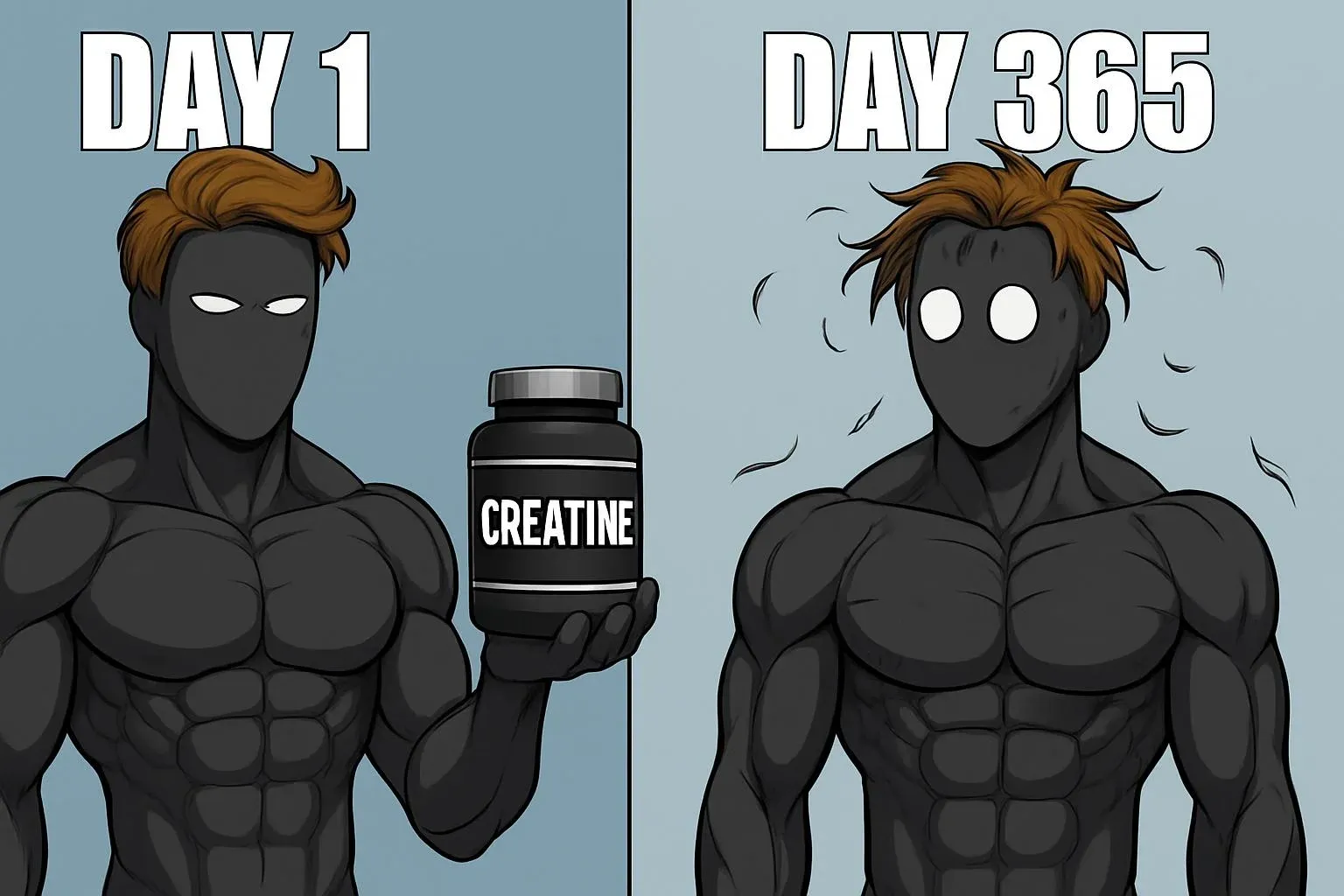
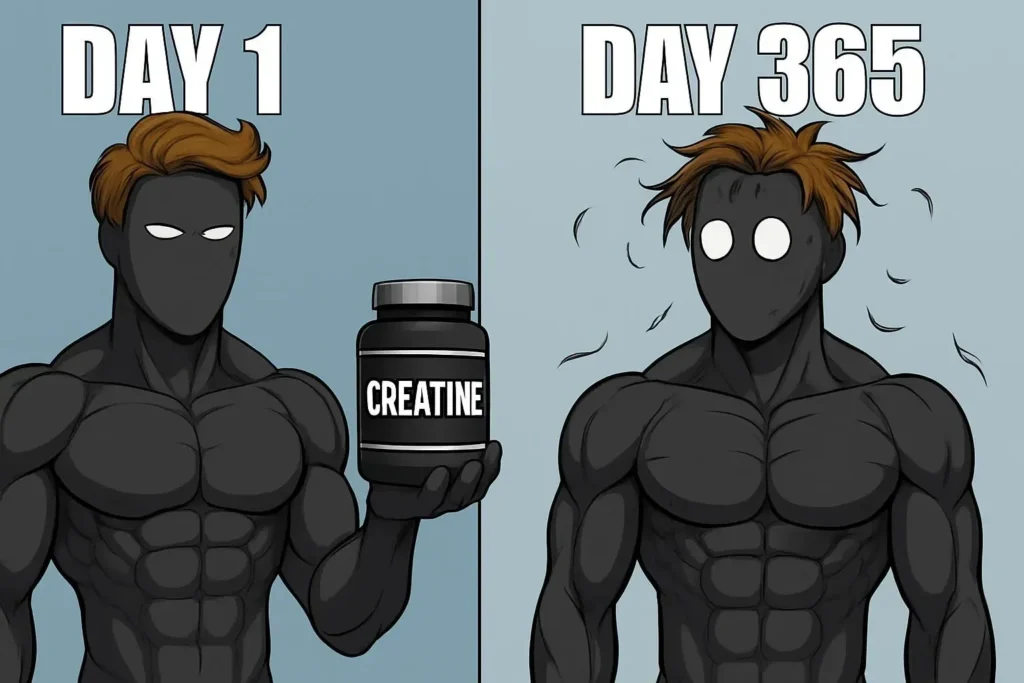
A person measuring creatine powder for daily supplementation.

I Took Creatine For 365 Days… Here is What Happened.

365 Days on Creatine — Year in Gains

I decided to take creatine every day for 365 days to see what consistent supplementation would do for strength, size, recovery, and how it would feel day-to-day. I treated it like a year-long experiment: same basic training split, roughly the same calorie target, and a simple 5 g daily dose of creatine monohydrate. The mindset was consistent practice — similar to how artists improve by returning to fundamentals again and again, which kept me committed during slow weeks (human figure drawing essential techniques for artists).

I Took Creatine For 365 Days... Here is What Happened.

What I did (protocol)

  • Dose: ~5 g creatine monohydrate daily, with water. No loading phase after month one.
  • Training: Hypertrophy + strength mix, 3–5 sessions/week.
  • Nutrition: Slight calorie surplus some months, more attention to protein timing and quality.
  • Tracking: Monthly photos, lifting numbers for main lifts, bodyweight, and subjective recovery scores.

Month-by-month highlights

  • Month 1: Noticeable water retention and fuller muscles. Strength jumps felt fastest here — likely improved ATP availability and neuromuscular adaptations.
  • Months 2–3: Strength gains continued but steadied. Bench, squat, and deadlift numbers rose more consistently than my bodyweight did.
  • Months 4–6: Visual muscle gains became clearer. Recovery between sessions improved; I could handle slightly higher volume.
  • Months 7–12: Gains slowed to a sustainable pace, but overall strength and muscle were still above baseline. No major side effects; energy and training consistency became the main drivers of progress rather than acute supplement effects.

Quantifiable results (my experience)

  • Bodyweight: +5–7 lbs over the year (some was water early on, some lean mass later).
  • Strength: 8–20% increases on compound lifts depending on the lift and starting level.
  • Recovery: Less soreness and quicker return to high-quality sessions in the weeks after intense training.

Side effects and safety

  • Early water retention: Most noticeable first 2–6 weeks. Muscles looked fuller but scales rose slightly.
  • Digestive issues: A few days of mild stomach upset the first time I tried a concentrated dose; spreading intake with a meal fixed that.
  • No kidney pain or alarming symptoms. I did routine blood work midway and at the end of the year — kidney markers remained normal. If you have pre-existing kidney issues, check with your physician before starting.
  • Sleep and mood: No consistent negative effects; a handful of days I felt mentally sharper, though that’s anecdotal.

How creatine helped beyond muscle

  • Short-burst power and strength: Felt subjectively stronger on heavy sets and sprints.
  • Training volume: Ability to add reps or sets more often without breaking down.
  • Confidence and consistency: Seeing early wins helped maintain adherence to training and nutrition — habits that produced bigger returns than the supplement alone.

Nutrition and stacking considerations

  • Protein matters: Creatine isn’t a substitute for adequate protein; it works best when paired with consistent protein intake and good post-workout nutrition. I prioritized lean, timely protein after workouts to support synthesis and recovery (lean meat beats high-fat meat for faster post-workout muscle protein synthesis).
  • Hydration: Drinking more water helped manage the initial bloat and supported training intensity.
  • No fancy stacks required: Monohydrate worked fine for me. I didn’t notice meaningful extra benefit from adding other ergogenic supplements beyond protein and caffeine when needed.

Practical tips from a year of use

  • Start at 5 g/day; loading isn’t necessary, but you can do it if you want faster saturation.
  • Mix with water or put it into a post-workout shake. If you get stomach upset, split the dose.
  • Track measurable lifts and photos monthly to see real progress beyond the scale.
  • Stay consistent: The biggest gains came from steady use over months, combined with progressive overload in training.
  • Check bloodwork annually if you plan to use creatine long-term, especially if you’re older or have health concerns.

What I wish I’d done differently

  • More structured deloads to maintain peak performance during heavy months.
  • More rigorous dietary tracking early on to separate water weight from lean gains.
  • Kept a short daily log of sleep and mood — some subtle cognitive effects might’ve been easier to identify.

Who should consider it

  • Strength trainees and those seeking to add measurable power or muscle mass tend to see the best returns.
  • Older adults can benefit from preserved muscle and power, but consult a doctor if you have health issues.
  • Creatine is one of the most-studied supplements and, for most healthy people, is safe and cost-effective.

Final verdict
After 365 days, creatine gave me reliable, measurable improvements in strength, a fuller muscle appearance, and better session-to-session recovery. It wasn’t a miracle pill — training consistency, progressive overload, and nutrition were the real engines — but creatine acted like a steady helper that made those engines run a bit better.

I Took Creatine For 365 Days... Here is What Happened.

Conclusion

If you’re weighing long-term supplementation and lifestyle choices — especially as you age or if you follow a restrictive diet — it helps to learn what to avoid and how to adapt. For readers over 50 or anyone managing dietary constraints, these tips on common pitfalls can be a useful companion to supplement decisions: 7 Mistakes People Over Age 50 Make With The Keto Diet.

If you want a quick starter plan or have questions about dosing and timing for your goals, ask and I’ll share the specifics I used.

I Took Creatine For 365 Days… Here is What Happened. Read More »

, , , ,
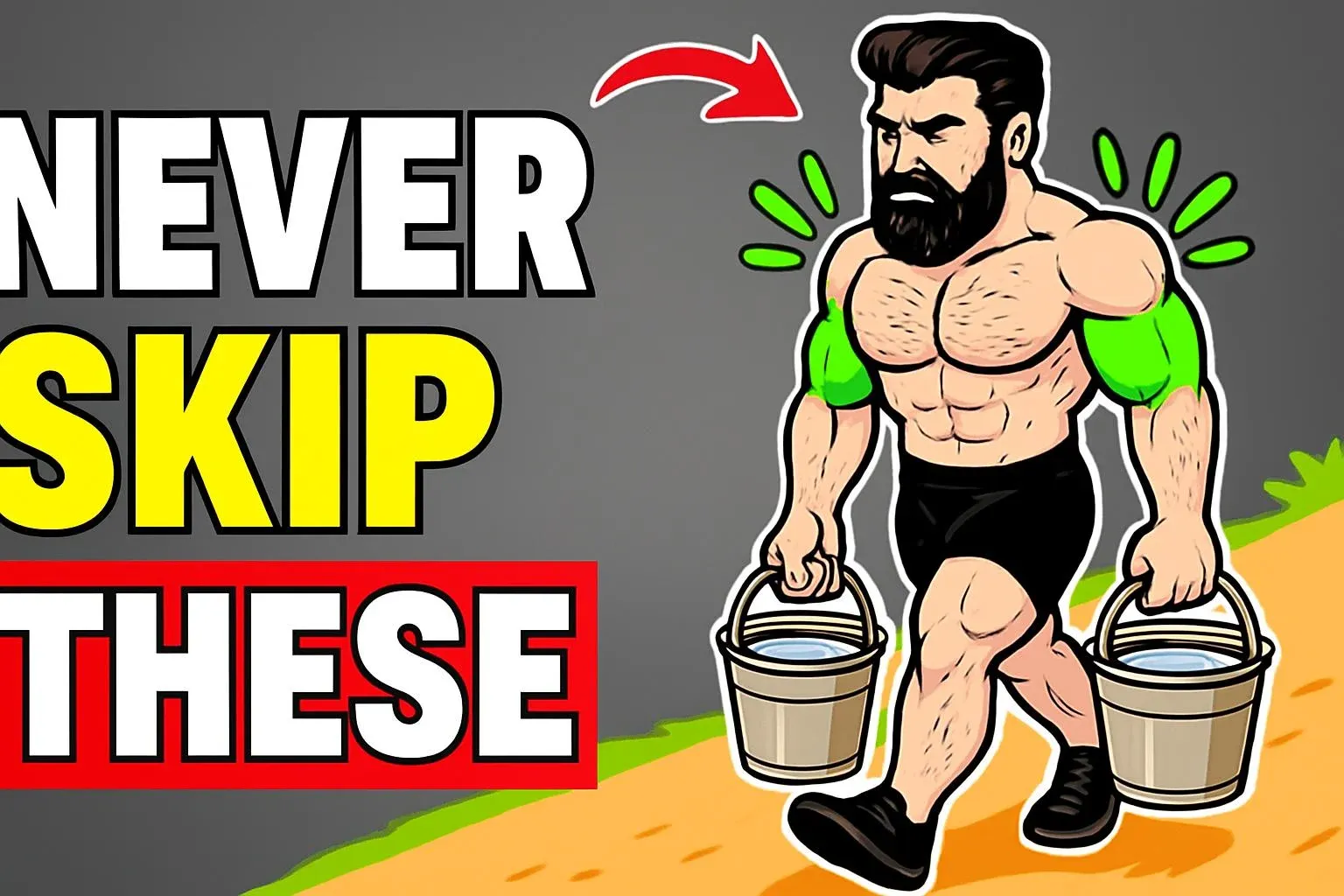
Five essential exercises you should never skip in your workout routine

The ONLY 5 Exercises You Should Never Skip

Don’t Skip These 5 Essential Moves

Start strong: whether you’re short on time or training for a goal, these five exercises give the best return on effort — strength, stability, mobility, and injury prevention. For targeted shoulder work that complements these moves, see this routine for cable-based lifts: Top 5 Cable Exercises for Shoulders.

The ONLY 5 Exercises You Should Never Skip

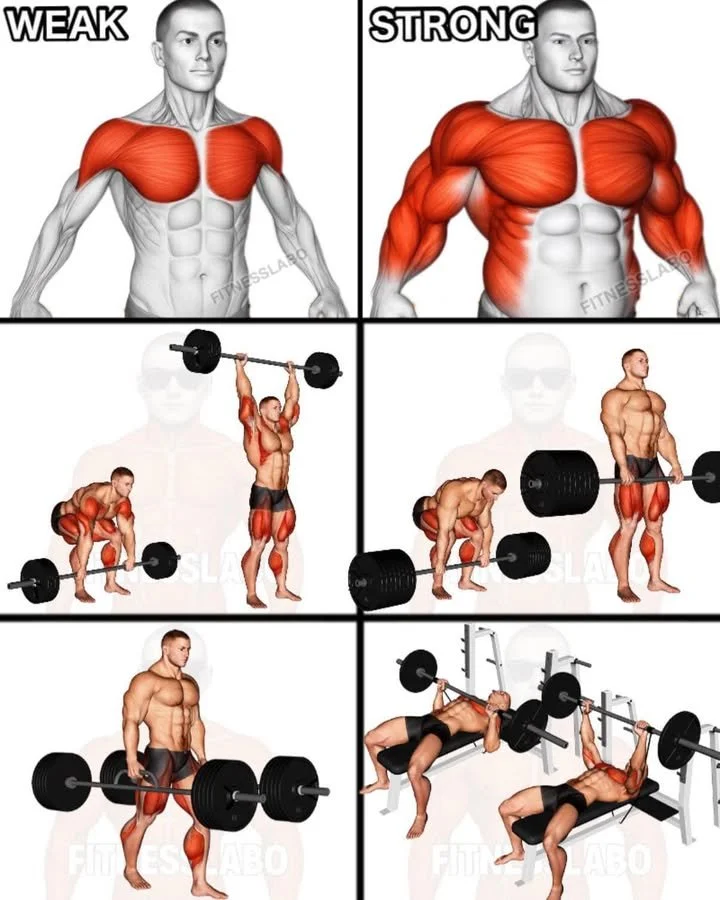
  1. Squat (Goblet or Back Squat)
  • Why it matters: Squats load the hips, quads, glutes, and core in a functional pattern you use every day.
  • How to do it: Keep chest up, knees tracking over toes, depth controlled. Use goblet for beginners; progress to back squats or front squats.
  • Programming tip: 3–5 sets of 5–12 reps depending on strength vs. hypertrophy focus.
  1. Hinge (Romanian Deadlift or Kettlebell Swing)
  • Why it matters: The hinge trains posterior chain strength (hamstrings, glutes, low back) and improves hip drive.
  • How to do it: Push hips back, maintain a flat back, feel stretch in hamstrings, return by driving hips forward.
  • Programming tip: Heavy Romanian deadlifts for strength (3–5 reps) or swings for conditioning (15–30 reps).
  1. Push (Push-up or Bench Press)
  • Why it matters: Horizontal pushing builds chest, shoulders, and triceps while teaching core rigidity.
  • How to do it: Maintain straight line from head to heels, lower chest to elbows at ~45 degrees, press evenly.
  • Progressions: Incline or kneeling push-ups for beginners; weighted or barbell bench for advanced trainees.
  1. Pull (Row or Pull-Up)
  • Why it matters: Pulling balances pushing work, protects the shoulders, and develops mid-back thickness.
  • How to do it: Squeeze shoulder blades together, avoid shrugging. Choose rows for horizontal pull and pull-ups for vertical strength.
  • For shoulder-focused accessory work, try these dumbbell-only movements: Dumbbells-Only Shoulder Exercises.
  1. Single-Leg (Bulgarian Split Squat or Single-Leg Deadlift)
  • Why it matters: Single-leg work fixes imbalances, improves balance, and transfers to athletic movement.
  • How to do it: Keep torso upright, drive through the front heel, control the descent. Use assistance if balance is an issue.
  • Programming tip: Use moderate reps (8–15) and prioritize control over heavy loading.

Quick warm-up and cool-down essentials

  • Warm-up: 5–10 minutes of light cardio + mobility for loaded joints.
  • Cool-down: Finish with light movement and targeted stretches to help recovery and reduce soreness.

How to fit them together

  • Minimalist template: 3 days/week — Day A: Squat, Push, Hinge accessory; Day B: Single-leg, Pull, Core. Rotate and adjust volume based on recovery.

The ONLY 5 Exercises You Should Never Skip

Conclusion

Consistency matters as much as exercise selection — and finishing sessions properly helps you recover and stay consistent. For guidance on why you should always finish with a proper cooldown, read this helpful article on the importance of a post-workout cool-down.

The ONLY 5 Exercises You Should Never Skip Read More »

, , , ,
Effective workout plan for achieving a dream body

Workout Plan For Dream Boday

Workout Plan For Dream Boday

Want a structured, realistic plan to build the body you’ve always wanted? This guide lays out simple principles, a weekly workout cycle, sample sessions, and recovery strategies so you can pursue your dream "boday" with consistency and confidence.

Introduction
A dream physique isn’t built overnight — it’s the product of deliberate training, steady nutrition, and smart recovery. Start by assessing your current fitness level and goals (strength, size, definition, or endurance). If you’re short on time, consider shorter high-impact sessions that still deliver big results, or review curated routines like 10 best full-body workouts to help choose a starting point that matches your schedule and preferences.

Fundamental Principles

  • Progressive overload: Gradually increase weight, reps, or sets to force adaptation.
  • Consistency over intensity: Regular, moderate workouts beat sporadic extremes.
  • Compound movements first: Squats, deadlifts, presses, and rows recruit the most muscle and build strength efficiently.
  • Balanced training: Include push, pull, and leg work plus mobility and core training to avoid imbalances.
  • Recovery and sleep: Muscles grow outside the gym — prioritize rest, sleep, and nutrition.

Weekly Structure (Balanced and Flexible)
This 5-day template balances strength, hypertrophy, and recovery. Adjust days and volume to fit your experience and recovery capacity.

  • Day 1 — Lower Strength: Heavy squats or deadlift variations, 3–5 working sets, 3–6 reps.
  • Day 2 — Upper Hypertrophy: Moderate loads, higher reps (8–12), emphasis on chest, shoulders, and triceps.
  • Day 3 — Active Recovery / Mobility: Light conditioning, foam rolling, dynamic stretches.
  • Day 4 — Pull Focus: Heavy rows, pull-ups, and posterior chain work.
  • Day 5 — Full-Body Conditioning: Circuit-style or metcon session to build work capacity.
  • Day 6 — Optional Skill / Weak-Point Work: Calves, forearms, glutes, or mobility.
  • Day 7 — Rest: Full recovery, sleep, and nutrition focus.

Sample Workouts (Adaptable)
Here are two sample sessions you can rotate through the week. For time-crunched days, try efficient formats like a 20-minute full-body workout to maintain momentum without sacrificing progress.

  • Lower Strength (Day 1)

    • Back Squat: 5×5 (work up to a challenging weight)
    • Romanian Deadlift: 3×8
    • Bulgarian Split Squat: 3×8 per leg
    • Plank: 3×60 seconds
  • Upper Hypertrophy (Day 2)

    • Bench Press or Dumbbell Press: 4×8–10
    • Seated Row: 4×8–12
    • Overhead Press: 3×8–10
    • Lateral Raises: 3×12–15
    • Biceps Curls + Triceps Extensions: 3×12 superset

Nutrition Basics

  • Protein: Aim for ~1.6–2.2 g/kg bodyweight daily to support muscle repair.
  • Calories: Slight surplus for building mass (250–500 kcal/day), slight deficit for fat loss (-250–500 kcal/day).
  • Whole foods: Prioritize lean proteins, vegetables, whole grains, and healthy fats.
  • Hydration: Drink regularly; performance drops with even mild dehydration.

Recovery and Progress Tracking

  • Sleep: Target 7–9 hours per night.
  • Deload: Every 4–8 weeks, reduce volume or intensity to let the body recover.
  • Track: Log workouts, weights, and reps; take progress photos and measure key lifts.
  • Mobility: Incorporate dynamic warm-ups, hip and thoracic mobility, and hamstring care.

Common Mistakes to Avoid

  • Neglecting form: Sacrificing technique for heavier loads increases injury risk.
  • Overtraining: More isn’t always better — watch for persistent fatigue, poor sleep, and stagnation.
  • Ignoring weaknesses: Address mobility, unilateral imbalance, or posterior chain deficits early.

Motivation and Mindset
Set small, measurable goals (add 5–10 lbs to a lift, reduce body fat by 1–2%) and celebrate progress. Build a routine that fits your life — consistency is the real secret weapon. Use training partners, playlists, or short-term challenges to stay engaged.

Conclusion

To deepen your routine ideas and explore a specific sequence, check out the Dream Body Workout Series, which offers detailed workouts and progressions you can adapt to your schedule.

Workout Plan For Dream Boday Read More »

, , , ,
Inspiring fitness tips and workouts to help achieve health goals.

Pin on Fitness

Pin on Fitness: How to Build a Pinterest-Style Board That Actually Improves Your Health

“Pin on Fitness” is more than a catchy phrase — it’s a method for collecting inspiration, workouts, meal ideas, and gear in one visual, actionable place. Whether you use Pinterest, a private mood board, or a simple digital folder, curating content intentionally helps you move from inspiration to consistent action. Below are practical tips for creating a fitness pinboard that supports your goals, with advice on organization, visuals, nutrition, travel and tracking.

Start with a focused purpose (Introduction)

Decide what you want your board to do: motivate, educate, or plan. Are you collecting quick 10-minute routines for busy mornings, saving healthy recipes, or mapping out long-term goals like a race or body-composition change? Keeping that purpose in mind makes saving and selecting pins much easier.

If nutrition is part of your plan, consider staples and superfoods that fuel recovery and performance — for example, learn more about why spinach is called a superfood to inspire nutritious recipe choices: why spinach is called a superfood.

Organize by goal, not just by category

Instead of a single, sprawling fitness board, create sub-boards or folders by outcome:

  • Strength building (with progressive templates)
  • Mobility and recovery
  • Short cardio (10–20 minutes)
  • Meal prep and recovery nutrition
  • Skill-based goals (handstands, muscle-ups)
    This outcome-first approach helps you quickly find actionable content when time is limited.

Make pins actionable and realistic

A great pin does two things: it inspires and it instructs. When pinning workouts, favor entries that include:

  • Clear sets/reps or timed intervals
  • Skill progressions for beginners and regressions for advanced athletes
  • Equipment listed upfront (bodyweight, dumbbells, bands)
    Visual step-by-step images or a brief embedded video raise the likelihood you’ll actually do the workout.

Design pins that motivate — visual tips

Pins that get revisited combine strong imagery and quick context:

  • Use bright, high-quality photos showing movement or finished meals
  • Add concise overlay text describing the workout time/intensity (e.g., “12-min HIIT — No Equipment”)
  • Include a small caption with substitutions or expected benefits
    Templates save time: pick one layout and adapt it so your board looks cohesive and easy to browse.

Use your board for fitness travel and planning

If you travel or like active vacations, build a mini “travel workouts” board. Save hotel-room routines, portable-equipment circuits, and local outdoor routes. This can also tie into planning fitness-friendly trips — for inspiration on destinations that foster active travel and wellness, check out resources about discovering the best fitness-friendly destinations.

Gear, maintenance, and safety pins

Pins are perfect for tracking gear ideas (shoes, watches, bands) and maintenance tips. Keep a small section for “equipment care” if you own specialty gear — for example, how to adjust machines or replace small parts — so your equipment stays safe and reliable.

Turn pins into a weekly routine

Schedule a weekly 15–20 minute “pin review” to:

  • Remove pins that no longer fit your goals
  • Save 1–2 workouts to your calendar for the coming week
  • Note recipes you’ll prep and the groceries needed
    This ritual reduces decision fatigue and makes it easier to follow through.

Track progress visually

Complement your pinboard with a simple visual tracker: screenshots of completed workouts, photos of meal preps, or weekly notes. Over time the board becomes a living record of progress rather than a static wish list.

Accessibility and sharing

Decide whether your board is public for community inspiration or private for personal use. Public boards can attract helpful suggestions and accountability; private boards give you a judgment-free space to experiment.

Conclusion

Curating a purposeful “Pin on Fitness” board bridges inspiration and habit. Whether you’re tracking workouts, saving healthy recipes, or sourcing durable equipment parts, the right pins keep your plan visible and achievable. If you need replacement or specialty parts for commercial equipment, consider checking these Life Fitness Pins for quality components: Life Fitness Pins.

Pin on Fitness Read More »

, , , ,
Strong arm emoji representing fitness and strength training.

💪🏻

Sure! Here’s a unique article based on the given text, formatted in Markdown.

# Embracing Strength: The Power of Resilience

In an increasingly challenging world, the concept of strength has evolved beyond mere physical prowess. The symbol of 💪🏻 is a testament to this changing paradigm, representing not only muscular strength but also resilience, determination, and the unwavering spirit to overcome obstacles.

## The Multi-Dimensional Nature of Strength

### Physical Strength
Traditionally, strength has been associated with physical abilities—lifting weights, running long distances, and performing strenuous activities. However, developing physical strength is just the tip of the iceberg. It serves as a foundation for a more balanced approach to overall well-being.

### Mental and Emotional Resilience
In recent years, the importance of mental and emotional resilience has gained recognition. The ability to bounce back from setbacks, manage stress, and maintain a positive outlook is critical in today's fast-paced environment. Cultivating mental strength can be likened to training a muscle; it requires practice, patience, and consistent effort.

### Community and Support
No one can achieve strength in isolation. Building a supportive community is essential for fostering resilience. Surrounding yourself with positive influences can provide motivation and encouragement, helping individuals navigate through life's challenges with greater ease. By sharing burdens and celebrating victories, we bolster our collective strength.

## Building Your Strength

### Set Realistic Goals
Establishing achievable goals is the first step in cultivating strength—be it physical, mental, or emotional. Breaking larger ambitions into smaller, more manageable tasks can prevent feelings of overwhelm and foster a sense of accomplishment.

### Practice Mindfulness
Incorporating mindfulness practices, such as meditation or yoga, can enhance resilience. These techniques promote self-awareness, helping individuals process emotions and stress effectively. Mindfulness allows for a more centered approach to challenges, enabling a clearer path to solutions.

### Engage in Regular Physical Activity
Physical exercise is a powerful tool for building strength across all dimensions. Whether it's hitting the gym, going for a run, or practicing a sport, regular activity helps boost mood and fosters mental clarity. The release of endorphins during exercise can significantly enhance resilience.

## The Journey of Transformation

Ultimately, strength is a journey, not a destination. Embracing and acknowledging the various facets of strength allows individuals to grow holistically. Each step taken towards resilience—be it a physical breakthrough, a mental triumph, or a moment of emotional clarity—builds a well-rounded sense of strength.

In a world where resilience is often tested, embodying the spirit of 💪🏻 can serve as a reminder of our capacity to overcome hardships. By focusing on continuous growth and support, we can cultivate a robust strength that prepares us for whatever challenges lie ahead.

Feel free to modify any part of it to better suit your needs!

💪🏻 Read More »

, , , ,
An inspiring collage representing the vibrant #fblifestyle of fitness and wellness.

#fblifestyle

Exploring the #FBLifestyle: A Journey to Embrace a Fulfilling Life

In today’s fast-paced world, the way we live, work, and connect with one another has dramatically transformed. The #FBLifestyle—or the "Facebook Lifestyle"—is a term that encapsulates how social media influences our day-to-day lives, shaping our interactions, perceptions, and even our aspirations. In this article, we will explore the nuances of the #FBLifestyle and how it enriches our existence.

The Digital Connection

The #FBLifestyle emphasizes fostering connections through digital platforms. Facebook, as one of the pioneering social media platforms, has created a space where friends and family can unite regardless of geographical boundaries. This digital connection allows us to share experiences, celebrate milestones, and support each other during difficult times. The ability to maintain these relationships through likes, comments, and messages has become an integral part of our social fabric.

Benefits of the Digital Community

  1. Global Networking: The internet has made it possible to connect with individuals from diverse backgrounds and cultures. The #FBLifestyle promotes the notion of global community building, allowing us to learn from others’ experiences and share our uniqueness in return.

  2. Access to Information: In the digital age, information is at our fingertips. From health tips to travel recommendations, the #FBLifestyle offers a platform where people share resources that enhance our lives. This community-driven knowledge exchange helps us make informed decisions and explore new interests.

  3. Creative Expression: Social media provides the tools necessary for creative individuals to showcase their talents. Whether it’s through art, music, writing, or photography, the #FBLifestyle encourages self-expression and inspires others to immerse themselves in creativity.

The Balance Between Online and Offline

Despite the myriad advantages of the #FBLifestyle, it’s crucial to strike a balance between our digital interactions and real-life experiences. While social media enhances our connections, it can also lead to feelings of inadequacy and isolation if not approached mindfully.

Tips for Achieving Balance

  1. Set Boundaries: Limit the time spent on social media. Designate specific times to check your feeds or engage with your online community rather than scrolling mindlessly throughout the day.

  2. Prioritize Face-to-Face Interactions: Make an effort to meet friends and family in person. These authentic connections can provide a sense of fulfillment that virtual interactions may lack.

  3. Curate Your Feed: Follow accounts that inspire and uplift you. Unfollow those that evoke negative feelings. An intentional feed helps foster a positive digital space that complements your lifestyle.

Embracing a Holistic Lifestyle

So what does the #FBLifestyle mean in terms of holistic living? It goes beyond merely existing online; it’s about integrating the positivity and support we find in digital communities into our physical lives.

Holistic Practices to Consider

  1. Mindfulness: Engage in activities that ground you in the present. Practices such as meditation, yoga, or even simple breathing exercises can enhance your well-being.

  2. Community Engagement: Use your online platform to promote offline initiatives. Whether it’s volunteering, attending events, or supporting local businesses, being active in your community fosters strong ties and enhances your sense of belonging.

  3. Health and Wellness: Take advantage of the wealth of information available online to improve your health. Follow nutritionists, fitness gurus, or wellness coaches who can guide you on your journey to a healthier lifestyle.

Conclusion

The #FBLifestyle is not just about keeping up with trends on social media; it’s about cultivating meaningful relationships and experiences that enhance our lives. By embracing the digital community while maintaining a balance with offline connections, we can create a holistic lifestyle that promotes happiness, creativity, and a sense of belonging.

As with any lifestyle, the key is to navigate it thoughtfully—to use social media as a means of enrichment rather than a source of stress. Embrace the #FBLifestyle with open arms, and watch as it transforms your connections and aspirations into something truly fulfilling.

#fblifestyle Read More »

, , , ,
Illustration of strength and wellness symbolized by 💪🏻✨.

💪🏻✨

Embracing Strength and Sparkle: A Journey of Empowerment

In today’s fast-paced world, the need for strength—both physical and emotional—has never been more crucial. When we think of strength, images of muscle-bound individuals lifting heavy weights often come to mind. However, true strength encompasses much more than mere physicality; it’s about resilience, determination, and the ability to shine brightly, even in the face of adversity. This article explores the dual themes of strength and sparkle, and how they can empower our lives.

The Essence of Strength

Strength is a multifaceted concept rooted in various aspects of our lives. It manifests in the ability to overcome challenges, pursue goals, and maintain a positive outlook. Here are some key elements to consider:

Physical Strength

While we often associate strength with physical prowess, it’s important to acknowledge that everyone has their own unique abilities. Whether it’s lifting weights at the gym, completing a marathon, or simply committing to a daily walk, physical strength can come in many forms. Engaging in regular exercise not only builds muscle but also releases endorphins, which enhance our mood and overall well-being.

Mental Resilience

Mental strength is equally vital. This involves developing the capacity to face setbacks, remain focused under pressure, and cultivate a growth mindset. Challenges are an inevitable part of life, but embracing them with resilience can lead to profound personal growth. Techniques like mindfulness, meditation, or journaling can help in honing mental fortitude.

Emotional Fortitude

Emotional strength allows us to navigate relationships and life’s ups and downs with grace and composure. It’s about understanding and managing our emotions while empathizing with others. Building a strong support network, seeking help when needed, and cultivating self-compassion are essential aspects of emotional health.

The Power of Sparkle

While strength grounds us, a bit of sparkle adds joy and vibrancy to our lives. This sparkle represents our passions, creativity, and zest for life. Here’s how to cultivate that sparkle:

Find Your Passion

Engaging in activities that excite and inspire us can make a significant difference in our overall happiness. Whether it’s painting, dancing, writing, or cooking, immersing ourselves in our passions adds color to our daily routines and ignites a spark of creativity.

Cultivate Positivity

Surrounding ourselves with positive influences is crucial for maintaining that inner sparkle. This includes nurturing uplifting relationships, indulging in motivational content, and practicing gratitude. Celebrating small victories, no matter how minor, allows us to recognize the beauty in everyday life.

Embrace Your Uniqueness

Each individual has a unique blend of strengths and quirks. Embracing your authenticity not only boosts self-confidence but also inspires others to do the same. Don’t be afraid to let your personality shine—this individuality is your sparkle.

Merging Strength and Sparkle

The true magic happens when we successfully combine strength with sparkle. Here’s how to integrate these two powerful concepts into your life:

  • Set Goals: Define what strength means to you and set achievable goals that align with both your physical and emotional well-being. Allow your passions to drive these ambitions and enhance the sparkle in your journey.

  • Practice Self-Care: Prioritize taking care of your body and mind through healthy habits, relaxation techniques, and hobbies. A balanced lifestyle supports both strength and a sense of joy.

  • Encourage Others: Share your journey of strength and sparkle with those around you. Inspire friends and family to discover their own strength while encouraging them to embrace their unique sparkles. A community uplifted together becomes a powerful force.

Conclusion

Strength and sparkle are not mutually exclusive; they are intertwined aspects of a fulfilled life. By embracing both, we cultivate a robust foundation for ourselves while allowing our inner light to shine. So, let’s lift ourselves up, sparkle brightly, and foster a world where everyone feels empowered to be their truest selves. Remember, you are stronger and more radiant than you realize! 💪🏻✨

💪🏻✨ Read More »

, , , ,
Strong individual showcasing fitness achievements and wellness journey

💪🏼✨

Embracing Strength and Positivity: A Journey of Transformation 💪🏼✨

In a world where challenges abound and uncertainties lurk around every corner, the capacity to cultivate resilience and positivity has never been more essential. Two symbols, a muscular arm and a sparkling star, represent this empowering journey—to embrace one’s strength while being open to the magic that positivity can bring into our lives.

The Power of Strength 💪🏼

Strength is often perceived merely as physical prowess, but it encapsulates much more than that. Emotional resilience, mental fortitude, and the courage to face adversity contribute to a person’s overall strength. It is a multifaceted trait that allows us to withstand the storms of life.

Building Physical Strength

To physically strengthen the body, one must engage in regular exercise, maintain a balanced diet, and practice consistency. Whether it’s lifting weights, practicing yoga, or jogging in the park, the key lies in making movement a priority. Each step taken towards physical health lays the groundwork for increased mental resilience.

Strengthening the Mind

Just as we train our bodies, our minds deserve equal attention. Meditation, reading, and learning new skills challenge our brains and enhance cognitive resilience. By cultivating a growth mindset, we can transform obstacles into opportunities. Every setback thus becomes a lesson, making us stronger for the road ahead.

The Magic of Positivity ✨

Positivity is not merely an absence of negativity; it is a vibrant outlook that allows us to appreciate life’s beauties. A mindset rooted in optimism can illuminate even the darkest moments.

Cultivating a Positive Mindset

To nurture positivity, one must start by practicing gratitude. Keeping a daily journal of things we are thankful for can shift our focus from what is lacking to the abundance around us. Surrounding ourselves with uplifting influences—like friends, inspiring books, or motivational podcasts—also contributes to a more positive outlook.

Spreading Joy to Others

Positivity blossoms when shared. Lifting others through kind words and actions can create a ripple effect of joy that enhances the overall atmosphere of our communities. Simple gestures, such as complimenting someone or helping a neighbor, not only enrich others’ lives but also strengthen our own sense of purpose and happiness.

The Intersection of Strength and Positivity

When strength and positivity coalesce, an extraordinary transformation occurs. They fuel each other, enabling us to navigate life’s challenges with grace and assurance. A strong foundation allows us to be more resilient, while a positive mindset helps fuel our drive to overcome obstacles.

Embracing the Journey

Every individual’s journey is unique. It’s important to recognize that growth is not linear—there will be ups and downs along the way. Embracing both strength and positivity means accepting ourselves fully and progressing at our own pace.


In conclusion, the journey toward embracing our strength and positivity is one that encompasses both self-acceptance and the pursuit of unwavering resilience. Armed with physical strength and a sparkling mindset, each of us can illuminate our paths and inspire those around us. By celebrating the power within and spreading light to others, we can create a world that thrives on strength and positivity. 💪🏼✨

💪🏼✨ Read More »

, , , ,
A person exercising for fitness and a healthier lifestyle.

💪🏻✨

The Power Within: Embracing Strength and Brilliance

In the modern world, the journey towards self-improvement and personal empowerment has taken center stage. The symbols of strength, represented by the bicep emoji 💪🏻, and brilliance, highlighted by the sparkle emoji ✨, encapsulate a profound message about the importance of harnessing our internal power while shining our light in the world.

The Essence of Strength

Strength is often perceived solely in physical terms; however, it embodies much more than just muscle. Emotional, mental, and spiritual strength are equally essential. Building these facets of strength involves self-discipline, resilience, and a willingness to confront challenges head-on.

Building Emotional Resilience

Emotional strength allows us to navigate life’s ups and downs with grace. Practicing mindfulness, seeking therapy, or simply engaging in self-reflection can help bolster emotional resilience. By prioritizing mental health, we empower ourselves to respond to adversity with courage and clarity.

Cultivating Mental Fortitude

Mental strength is about fostering a positive mindset, developing willpower, and maintaining focus. Engaging in activities such as meditation, reading, or continuous learning can sharpen our mental capacities. Each challenge surmounted adds another layer to our mental fortitude, enabling us to tackle future obstacles with increased confidence.

The Brilliance of Self-Expression

Just as strength is multi-faceted, so too is brilliance. The sparkle emoji ✨ symbolizes the light we all possess—the creativity, the ideas, and the unique talents that make us who we are.

Discovering Your Unique Spark

Identifying what makes you unique is crucial. This may involve exploring new hobbies, setting personal goals, or pushing yourself outside your comfort zone. As you embrace your individuality, you not only cultivate self-love, but you also inspire those around you to do the same.

Shining Bright in a Digital Age

In today’s interconnected world, expressing our brilliance can take many forms. Whether through social media, writing, art, or public speaking, sharing your voice and vision can amplify your impact. Don’t shy away from showcasing your talents—every bit of brilliance contributes to the vibrant tapestry of human experience.

The Dual Power: Strength and Brilliance

When strength and brilliance come together, they create an unstoppable force. This synergy encourages us to face challenges with courage while simultaneously illuminating the paths for others. As you cultivate your core strengths and let your unique brilliance shine, consider how you can inspire and uplift those around you.

Embracing the Journey

Embracing the journey towards strength and self-expression is not simply a goal but a lifelong commitment. Remember, the path to empowerment is not linear; it encompasses growth, setbacks, and breakthroughs. By celebrating small victories along the way, we can maintain our momentum and continue to evolve.

Conclusion: Your Power Awaits

The journey to realizing our fullest potential begins with recognizing the strength within ourselves and the brilliance we can share with the world. With the symbols of 💪🏻 and ✨ as reminders, let us strive to foster resilience, cultivate our unique talents, and shine brightly in all our endeavors. Empower yourself, and in doing so, empower others—a ripple effect of strength and brilliance that can transform lives and communities.

Let your light shine!

💪🏻✨ Read More »

, , , ,
Diverse fitness activities promoting health and wellness for all fitness levels.

💪🏻

Strength Through Support: Building a Community of Empowerment 💪🏻

In a world that often emphasizes individual achievement, the importance of community support cannot be overstated. Whether it is in fitness, mental health, or personal growth, surrounding ourselves with positive influences fosters resilience and encourages us to reach our fullest potential.

The Power of Support Systems

A support system is not merely a network of friends and family; it includes anyone who contributes positively to our lives. This can be fellow gym-goers who motivate each other, online forums where individuals share their experiences, or even mentors who provide guidance and encouragement. The combined strength of these relationships helps us to push through challenges and celebrate victories, both big and small.

Why Community Matters

  1. Accountability: When we share our goals with others, we cultivate a sense of responsibility. Knowing that someone is cheering for us or checking in on our progress can be a powerful motivator.

  2. Diverse Perspectives: Each person in our community can offer unique insights and experiences. Diverse viewpoints can help us see problems in a new light and lead to innovative solutions that we might not have considered alone.

  3. Emotional Support: Life is riddled with ups and downs, and having a support system can provide a safety net during tough times. A kind word or a listening ear can make all the difference in our mental well-being.

  4. Inspiration: Being part of a community with shared goals creates an environment ripe for inspiration. Witnessing the achievements of others can spark our own ambition and encourage us to strive for our personal best.

Building Your Community

Creating a supportive environment starts with intentional actions:

  • Engage: Join local classes, clubs, or online communities that resonate with your values or interests. Engaging with like-minded individuals is key to forming lasting connections.

  • Be Supportive: Offer your support to others. Celebrate their victories, listen to their struggles, and provide encouragement. The more you invest in your community, the more you will receive in return.

  • Set Common Goals: Whether it’s a group fitness challenge or a book club, common goals unify people and create stronger bonds. Shared objectives not only enhance motivation but also foster teamwork and friendship.

The Ripple Effect

As we contribute to our community, we create a ripple effect. By lifting others, we encourage a culture of support and empowerment. This, in turn, encourages more people to join the movement, leading to a broader impact. A community built on mutual encouragement can transform lives, foster innovation, and cultivate a sense of belonging.

Conclusion

In a culture that often glorifies individualism, it’s essential to remember that strength lies in numbers. Let’s commit to building and nurturing communities where everyone feels supported, inspired, and empowered to pursue their dreams. Together, we can achieve much more than we ever could alone. Let’s flex those support muscles and lift each other towards greatness! 💪🏻


By embracing the power of community, we can catalyze incredible change in our lives and the lives of others. If you’re not already part of a supportive network, consider reaching out today. The journey towards empowerment starts with you!

💪🏻 Read More »

, , , ,
spinach

Discover The Top 6 Reasons Why Spinach Is Called A Superfood

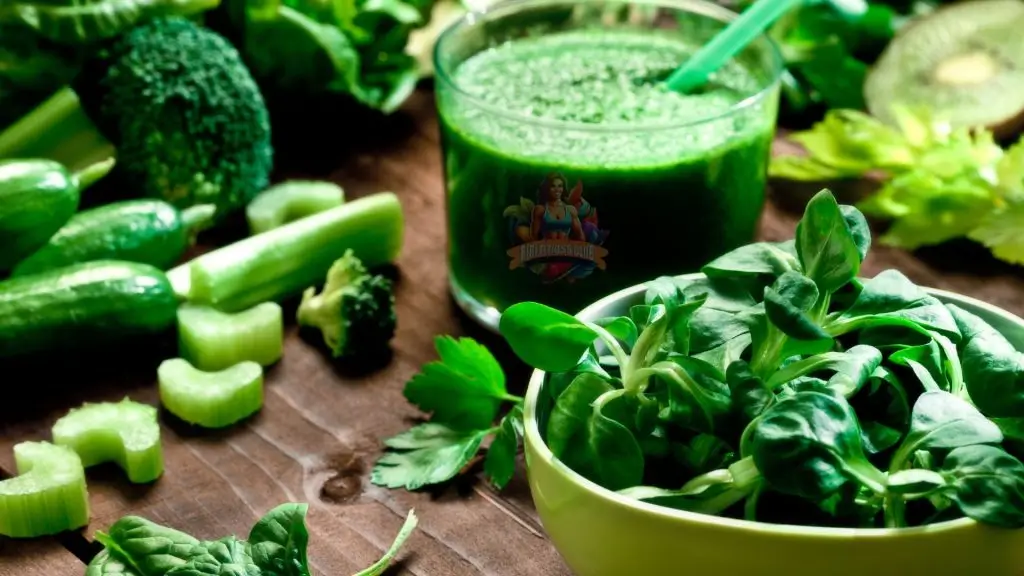
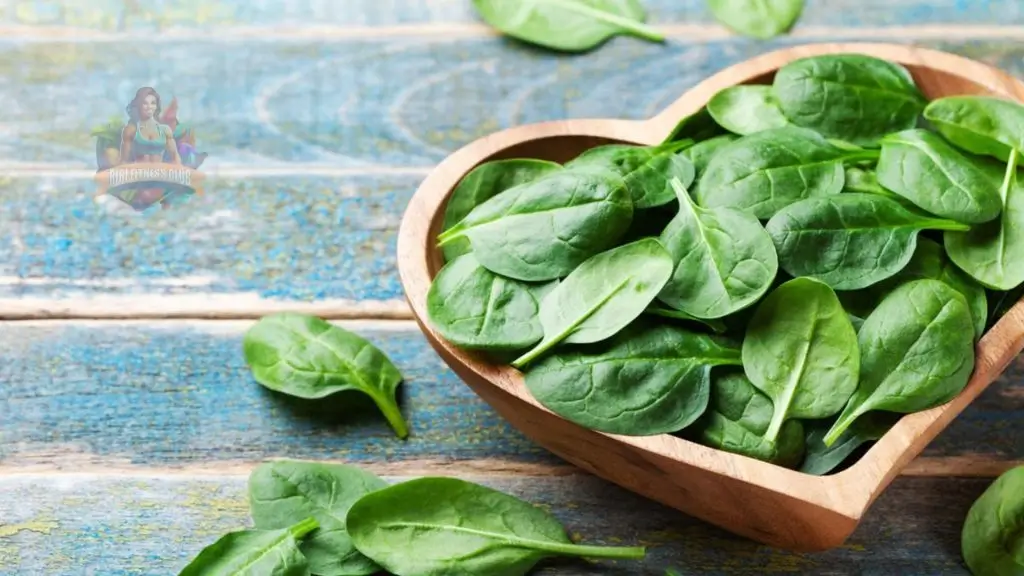
Among all the green leafy vegetables, is one of the most versatile. You can add it to smoothies, enjoy it in a chilled salad, steam and stir it as a side dish, add it to stir-fries, and even mix it into baked goods, such as muffins.

Also, he has many health benefits. It is packed with vitamins, nutrients, and antioxidants that protect against chronic disease and promote brain, cardiovascular, and eye health. You can easily add spinach to your meals to maximize these perks.

Here are six health benefits of eating more of this powerful protective plant, as well as simple ways to incorporate them into your meals and snacks.

spinach

According to the Department of Agriculture, three cups of raw spinach provide approximately 20 calories, less than one gram of fat, two grams of protein, three grams of carbohydrates, and two grams of fiber.

Although it contains few calories, is packed with nutrients. The three-cup portion provides over 300% of the average daily value for vitamin K. Green leafy vegetables also provide more than 160% and 40% of the average daily values ​​for vitamin A and vitamin C, respectively. According to the National Library of Medicine, vitamins K and A support bone strength. And vitamin C helps wounds heal.

Is also contains 45% of the average daily value for folate, a B vitamin that helps form red blood cells and DNA. It also provides iron, magnesium, potassium, and calcium, along with small amounts of other B vitamins.

Rich in antioxidants

In addition to its many vitamins and minerals, is provides antioxidants that are linked to anti-inflammatories and disease prevention.

Some of the antioxidants found in spinach include kaempferol, quercetin, myricetin, and isorhamantin also known as flavonoids. According to the Department of Agriculture, flavonoids are compounds that may help protect you from cancer, as well as cardiovascular disease and inflammation.

Protects from diseases

spinach

In a 2016 study published in the journal Food & Function, researchers summarized the protective effects of it. They noted that compounds found in it can reduce oxidative stress. They also positively influence gene expression – or the “playback” of certain genes – in metabolism and inflammation. Additionally, these compounds trigger the release of satiety hormones that make you feel full and satisfied after eating spinach.

For these reasons, researchers concluded that eating more from it may help reduce chronic diseases including heart disease, cancer, type 2 diabetes, and obesity.

Supports brain health

The anti-inflammatory effects of spinach make it a prime contender for brain protection – especially for aging.

In a 2015 study published in Alzheimer’s & Dementia, researchers tracked the eating patterns and cognitive abilities of more than 900 adults between the ages of 58 and 98 for about five years. They observed a significant reduction in the rate of cognitive decline among those who consumed more amounts of green leafy vegetables than the others.

The data also indicated that people who ate one to two servings of these vegetables daily had the same cognitive abilities as people 7.5 years younger than actual age.

Helps control blood pressure

spinach

is also a source of nitrates, which are natural chemicals. Nitrates open or widen blood vessels. It improves blood flow and relieves stress on the heart.

In a study published in 2016 in the Journal of Nutrition, a group of seven women and 11 men drank four nitrate-rich drinks, including spinach. The researchers found that participants’ blood nitrate levels increased after drinking the drinks.

Spinach, beetroot juice, and watercress salad drinks also lowered blood pressure. Diastolic blood pressure the bottom number in a blood pressure reading, which indicates the amount of pressure in the arteries between heartbeats remained low for five hours after the spinach and watercress drinks.

Protects eye health

An antioxidant in spinach, lutein, may reduce the risk of age-related macular degeneration (AMD). According to the National Eye Institute, AMD is an eye disease that can blur the sharp central vision necessary for reading and driving. It is a major cause of vision loss for people over 55 years of age. Prevention is key because there is no cure for AMD.

In a 2016 study published in the Nippon Ganka Gakkai Zasshi [Journal of the Japanese Ophthalmological Society], researchers examined the eyes of 11 participants who ate 75 grams of frozen spinach containing 10 milligrams of lutein daily for two months. Eating lutein-rich spinach increased the participants’ blood levels of lutein, as well as the macular pigment optical density (MPOD) measurement.

The macular pigment works like indoor sunglasses to protect the eyes. Low or low MPOD is a risk factor for AMD. Research has indicated that consuming spinach may help reduce the risk of AMD

How does cooking spinach affect nutrients?

spinach

While incorporating spinach into both raw and cooked dishes can help maximize its health benefits, some research shows that not cooking the vegetable preserves its lutein content.

In one study published in 2018 in Food Chemistry, researchers found that after spinach was cooked in different ways, the lutein content in the vegetable gradually decreased. When the researchers fried spinach at a high temperature, its lutein decreased significantly after two minutes.

Therefore, it is important to eat raw spinach to get the maximum amount of lutein. For example, try incorporating spinach into a smoothie, with healthy fats like avocado or almond butter. When you chop spinach into small pieces, the lutein is released from the leaves. Healthy fats increase their ability to absorb eye disease-fighting antioxidants.

Also, a study published in 2018 in the journal Food Science and Biotechnology examined the effects of different cooking methods on the vitamin content of selected vegetables, including spinach. Researchers found that cooking vegetables in the microwave was the best way to preserve vitamin K.

Boiling or adding vegetables to boiling water to remove their skins greatly reduces the vitamin C content. Instead, researchers found that steaming vegetables was the best way to preserve vitamin C. It happens when the plant’s walls become soft, which helps release and absorb nutrients.

So, for best results, mix up the way you eat spinach — some raw, some cooked — but avoid overcooking the leafy greens.

Easy ways to eat more spinach

spinach

You should try to eat 1 cup (about the size of a tennis ball) of some type of green leafy vegetable, such as spinach, every day.

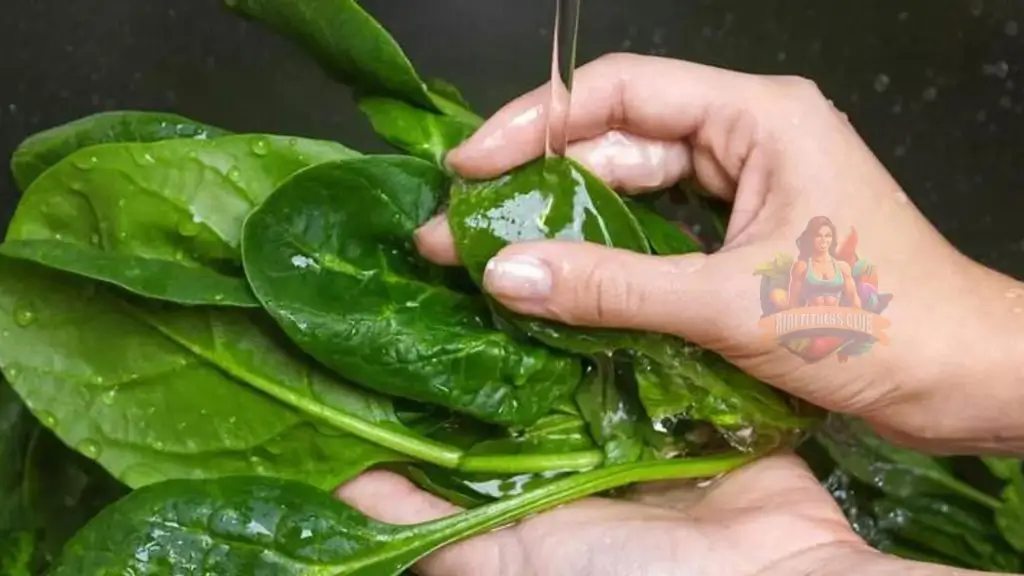
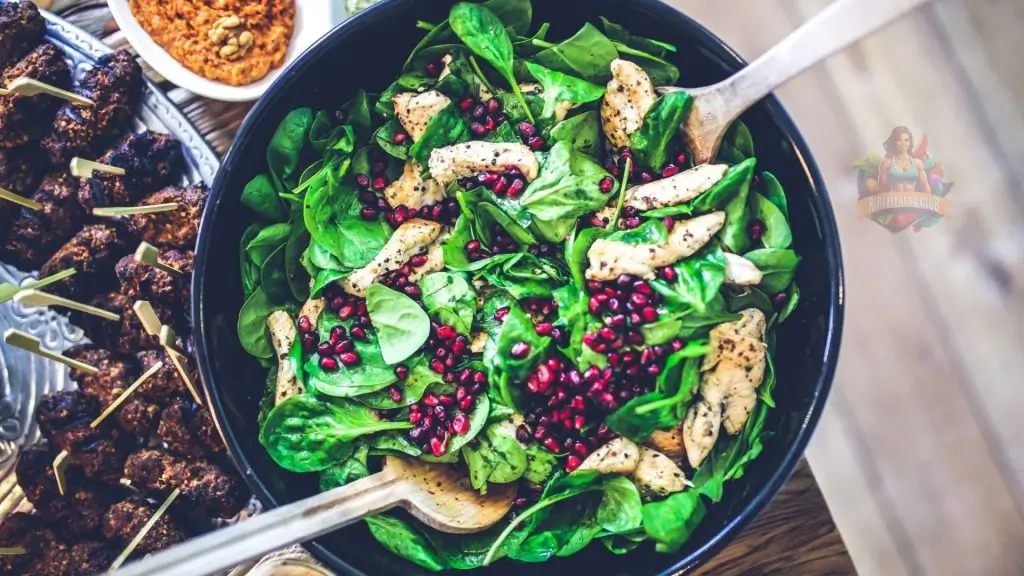
Include a handful of spinach in your meals as a bed for whatever else you’re eating to add a few spinach leaves with every bite. For a quick and easy side dish, toss spinach with a simple vinaigrette made by whisking together extra virgin olive oil, balsamic vinegar, Dijon mustard, and seasoning of dried Italian herbs. Sauté spinach in extra virgin olive oil with sweet paprika and crushed red pepper, or steam-saute and toss vegetables with grated olive oil or dairy-free pesto.

If you’re making a cereal bowl, place a handful of spinach on the bottom and flip the portion sizes of greens and grains to increase your vegetable intake. Mix spinach with anything from fruit juice to pancakes to hummus, and add it to soups, chili, and tacos.

You can add spinach to almost any dish. Try it and reap those vitamins, minerals, and antioxidants that promote healthy living.

Discover The Top 6 Reasons Why Spinach Is Called A Superfood Read More »

, , , , , , , , , , , , , , , ,
Scroll to Top