

Want Bigger Muscles in 8 Weeks? These 3 “Secret” Tricks Are What Your Gym Coach Won’t Tell You
Title: 8-Week Muscle Surge: 3 Coach-Only Tricks
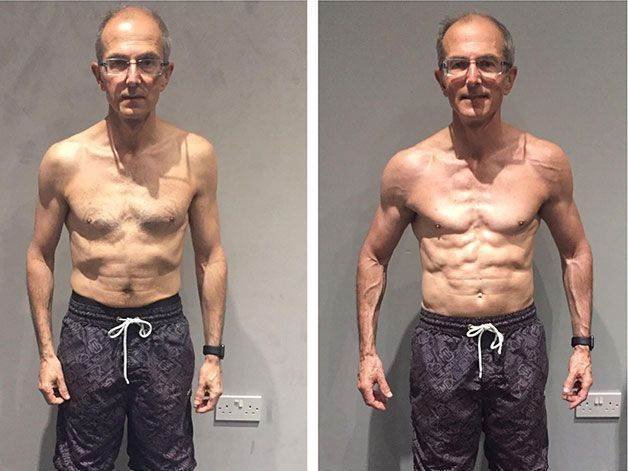
Want bigger muscles in 8 weeks? It’s possible with focused training, smarter programming, and recovery strategies most gym-goers overlook. These three “secret” tricks aren’t magic — they’re science-backed approaches coaches often keep as premium tips. Use them together and you’ll stack strength and size faster than chasing random workouts.
Introduction
Start by treating the next two months as a mini cut-and-build experiment: clear goals, consistent tracking, and small weekly progressions. Before you begin, make sure your baseline nutrition is solid — if you’re unsure where to start, read this quick primer on how to meet your nutrient needs: are you meeting your nutrient needs for optimal wellness.
Secret Trick 1 — Progressive Micro-Loading (Not Big Jumps)
Why it works
Muscle growth responds to gradually increasing tension. Instead of guessing a huge jump in weight, add tiny increments each week — 1–2.5% on big lifts, or an extra rep across sets.
How to apply it
- Use a 3–4 compound-lift template (e.g., squat, bench, deadlift/hinge, overhead press).
- Track one lift as your “priority” each week and attempt a micro-load increase or add one rep on the final set.
- Keep accessory work moderate (8–12 reps) to target hypertrophy without fatiguing your central nervous system.
Example week (priority: squat)
- Day A: Squat 4×5 (target +1 rep or +2.5 lb from last week), Romanian deadlift 3×8, lunges 3×10
- Day B: Bench 4×6, rows 3×8, core work 3×15
This steady climb avoids stalled progress from overshooting and helps you build consistent volume.
Secret Trick 2 — Cluster Sets & Heavy 5s for Growth and Strength
Why it works
Combining heavier low-rep work with controlled rest-inserted clusters lets you lift heavier volumes without collapsing form or technique. Low rep heavy sets (often in the 4–6 rep range) stimulate strength, while clusters maintain intensity and stimulate type II fibers that are prime for size.
How to apply it
- Use clusters on your main compound: e.g., 5 clusters of 3 reps at 85% of your 1RM with 20–30 seconds rest between clusters.
- Alternate weeks: one week focus on cluster/heavy 5-style intensity, the next week on slightly higher volume 8–12 rep hypertrophy sets.
- Keep accessories as 3 sets of 8–12 to pump the muscle and increase time under tension.
Coaching tip: maintain strict form on heavy cluster work — fewer quality reps beat more sloppy reps every time.
Secret Trick 3 — Protein Distribution, Sleep & Strategic Auto-Regulation
Why it works
Muscle repair and growth require protein and recovery. But exact distribution across the day and smart fatigue management make a surprising difference.
How to apply it
- Aim for 0.25–0.4 g/kg bodyweight per meal (roughly 25–40 g protein) spread over 3–4 meals. Include a mix of fast and slow proteins around workouts.
- Prioritize 7–9 hours of sleep and reduce late-night stimulants to keep hormonal environment favorable for growth.
- Auto-regulate intensity: on days you’re drained, drop a set or reduce load slightly rather than forcing poor reps.
Practical meal idea
Blend high-protein, calorie-friendly meals into your plan — for example, try a protein-rich recipe like these chicken enchiladas to hit your targets: 38g protein chicken enchiladas.
8-Week Sample Roadmap (high level)
- Weeks 1–2: Build a foundation — learn movement patterns, establish consistent protein and sleep habits. Moderate volume (3–4 sets main lifts).
- Weeks 3–4: Increase total weekly volume by ~10% with micro-loading and add an accessory focused on lagging muscle groups.
- Weeks 5–6: Introduce cluster/heavy 5 sessions on two main lifts to spike intensity. Keep accessories lower volume but higher quality.
- Weeks 7–8: Peak for heavier single-week performance (test a +5–10% load on a priority lift) then deload in final 5–7 days to consolidate gains.
Tracking & tweaking
- Use a simple log: load, reps, RPE (rate of perceived exertion). If RPE drifts upward across workouts, back off volume for a week and prioritize sleep and protein.
- Expect 5–10% visible strength/size gains if you follow the plan and hit nutrition targets.
Common mistakes to avoid
- Skipping progressive overload: doing the same weight for eight weeks yields stagnation.
- Ignoring recovery: training hard without sleep and protein is a recipe for plateaus.
- Chasing novelty: stick to a few core lifts and perfect them.

Conclusion
Want a deeper dive into why training with shorter, heavier sets can be more effective than longer, lighter ones? Read this clear explanation: 5s, Not 10s | Carl Raghavan.
Follow these three tricks consistently — micro-loading, focused cluster/heavy work, and disciplined nutrition/recovery — and you’ll be positioned to see meaningful muscle and strength gains in eight weeks.