glute exercises

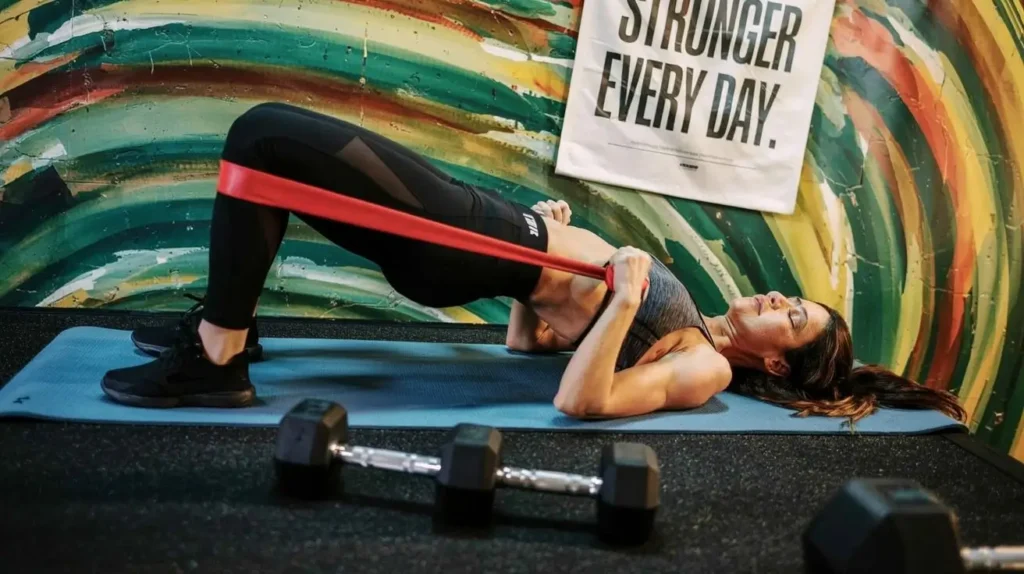
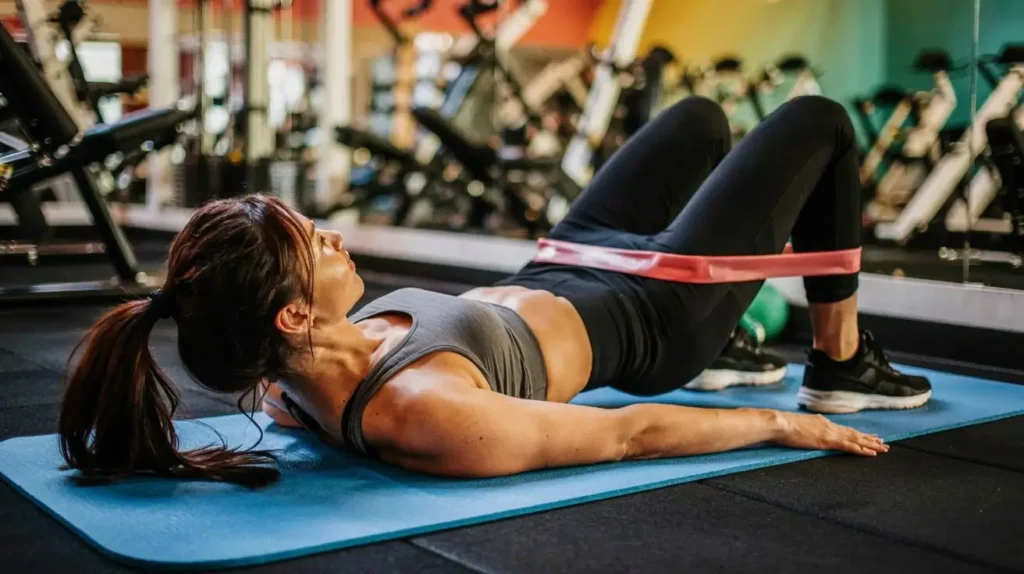
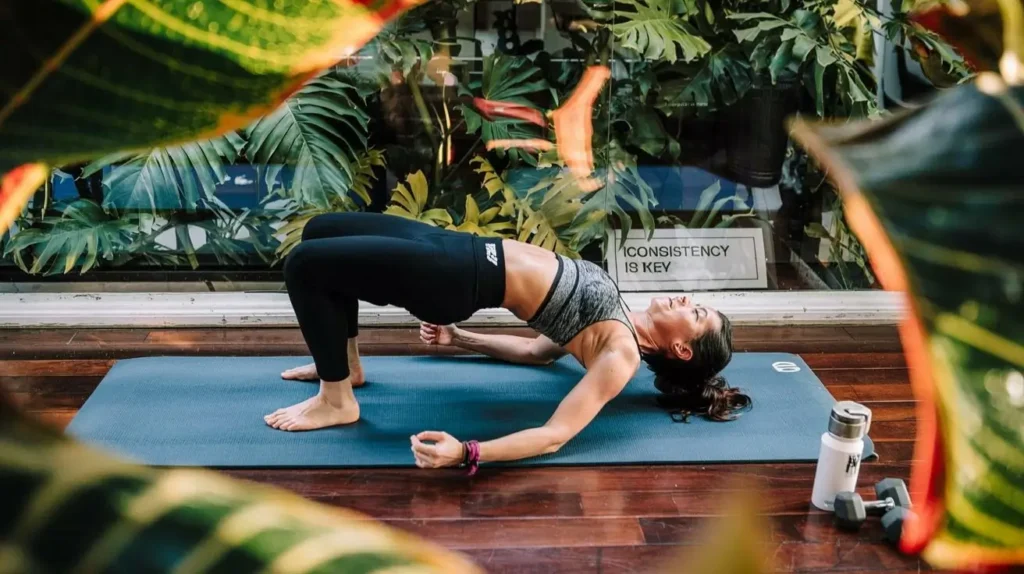
Woman demonstrating proper donkey kick technique for better glute development

Donkey kick mistakes you should avoid for better glutes

Donkey Kick Mistakes You Should Avoid for Better Glutes

Donkey kicks are a staple for targeting the gluteus maximus without heavy equipment, but small form errors can turn this simple move into a missed opportunity—or worse, a strain. This article breaks down the most common mistakes people make with donkey kicks and gives clear fixes so you get stronger, rounder glutes safely. If you’re looking for complementary moves that build on donkey kicks, check out this guide to transform your glutes with four powerful exercises.

  1. Arching the lower back (hyperextension)
  • The mistake: Pushing the leg up by arching the lumbar spine, which transfers effort away from the glutes and onto the lower back.
  • Why it’s bad: Chronic lumbar arching can cause discomfort and reduces glute activation.
  • Fix: Keep a neutral spine by drawing your ribs down and bracing your core. Think about rotating the pelvis slightly posteriorly (tucking the tailbone a bit) so the motion comes from the hip, not the back. Perform movements slowly with control.
  1. Rotating the hip outward or upward
  • The mistake: Letting the working hip open or externally rotate so the leg swings outwards instead of moving in a straight line.
  • Why it’s bad: This shifts activation to the hamstrings and external rotators, reducing gluteus maximus engagement.
  • Fix: Imagine pressing the sole of your foot directly toward the ceiling as the heel reaches up. Keep hips square to the floor and pause at the top to check alignment.
  1. Using momentum instead of muscle
  • The mistake: Snapping the leg up quickly or kicking too hard for more “range,” relying on momentum rather than muscle contraction.
  • Why it’s bad: Fast momentum lowers time under tension and reduces strength gains; it also increases injury risk.
  • Fix: Slow the tempo—2 seconds up, 1-second hold, 2 seconds down. Focus on a deliberate squeeze of the glute at the top of each rep.
  1. Not bracing the core
  • The mistake: Letting the torso sag or the midsection loosen during the rep.
  • Why it’s bad: A floppy core reduces stability and allows compensations (spine or hip errors).
  • Fix: Engage the abdominals as if preparing for a light punch to the stomach. This stabilizes the pelvis and gives the glutes a solid platform to work from.
  1. Over-extending the hip or lifting too high
  • The mistake: Lifting the leg past the point of glute engagement (often with lumbar extension).
  • Why it’s bad: Motion beyond the hip’s effective range taxes the lower back and doesn’t increase glute activation.
  • Fix: Lift the leg only until you feel a strong glute contraction—typically when the thigh is roughly parallel to the floor or slightly higher depending on mobility—then pause and lower under control.
  1. Pointing the toes or using an unstable foot position
  • The mistake: Planting the foot awkwardly or pointing the toes, which changes the line of force.
  • Why it’s bad: This can shift the workload to other muscles and reduce the mechanical advantage for the glute.
  • Fix: Keep the foot flexed or neutral with heel oriented toward the ceiling. Maintain a stable base on the supporting knee and hand.
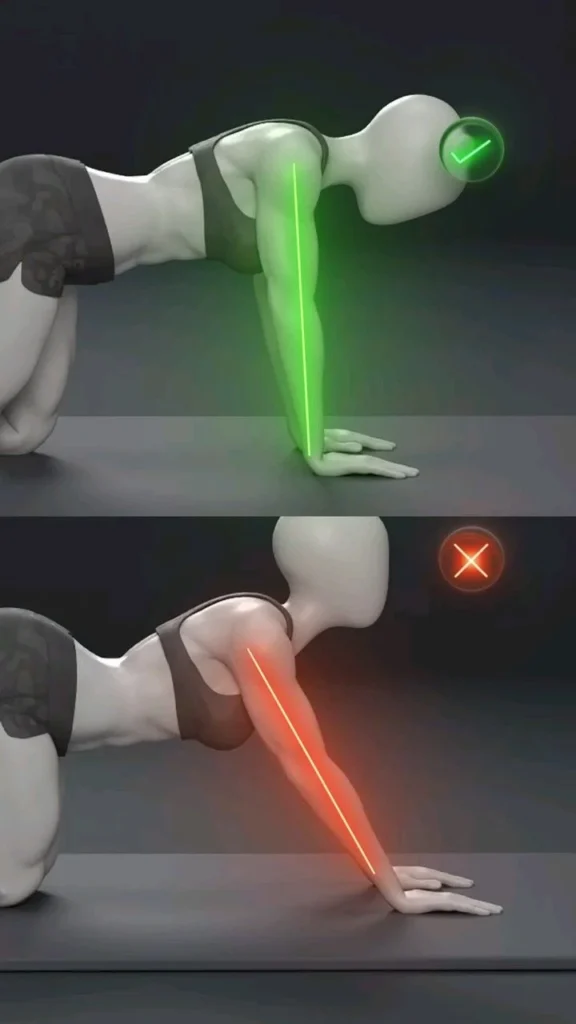
  1. Poor neck and head alignment
  • The mistake: Looking up or craning the neck forward.
  • Why it’s bad: Misalignment creates unnecessary tension through the cervical spine and interrupts overall posture.
  • Fix: Keep your head in a neutral position—gaze down at the mat a few inches in front of your hands.
  1. Ignoring unilateral weaknesses
  • The mistake: Using the same tempo and ROM on both sides without addressing asymmetry.
  • Why it’s bad: One-sided dominance can hide a weaker glute and perpetuate imbalances.
  • Fix: Perform single-legged sets and take extra reps or a small drop set on the weaker side. Track progress and emphasize quality over quantity.
  1. Doing too many reps with poor form
  • The mistake: Chasing high rep numbers at the expense of technique.
  • Why it’s bad: Repetition of bad form engrains poor movement patterns and limits strength and hypertrophy gains.
  • Fix: Prioritize 10–20 strict reps per side with perfect form, or choose slow-tempo sets that maintain tension. Add resistance bands or ankle weights progressively when form is maintained.
  1. Forgetting recovery and nutrition
  • The mistake: Expecting rapid changes without sufficient recovery or protein intake.
  • Why it’s bad: Muscles need nutrients and rest to repair and grow; neglecting these reduces the effectiveness of any exercise.
  • Fix: Pair your training with adequate protein and recovery strategies. For broader context on meeting nutrient needs to support training, see this article on are you meeting your nutrient needs for optimal wellness?

Quick cues to use during donkey kicks

  • “Hinge at the hip, not the back.”
  • “Squeeze the glute at the top for 1–2 seconds.”
  • “Keep hips square; imagine a book balanced on your lower back.”
  • “Flex the foot and press the heel toward the ceiling.”

Progression & programming tips

  • Start bodyweight to master technique; when 3 sets of 15–20 strict reps feel easy, add a resistance band above the knees or light ankle weights.
  • Pair donkey kicks with compound glute moves (hip thrusts or Bulgarian split squats) in the same workout for better hypertrophy.
  • Use them as a finisher for glute activation or as part of a rehabilitation routine to reinforce mind-muscle connection.

When to see a professional

  • If you experience persistent pain (not normal muscle fatigue) in the lower back, hip, or knee during donkey kicks, stop and consult a physical therapist or qualified trainer to screen for movement dysfunction or structural issues.

Conclusion

Avoiding common donkey kick mistakes—like arching the lower back, using momentum, and letting the hips rotate—will make every rep count toward stronger glutes. For a practical how-to and variations you can add to your routine, see this helpful guide: Add Donkey Kicks to Your Workouts for Stronger Glutes.

Donkey kick mistakes you should avoid for better glutes Read More »
, , , ,
How to Build Bigger Glutes

How to Build Bigger Glutes: A Comprehensive Guide

let’s fined out is it bigger Glutes

Achieving well-defined and bigger glutes is a common fitness goal for many individuals. A structured workout routine that focuses on the right exercises can help in strengthening and enlarging this muscle group effectively. Below, we will explore some key exercises you can incorporate into your fitness regime for massive glute gains.

How to Build Bigger Glutes

1. Reverse Hyper Extensions

Reverse hyperextensions are an excellent exercise for targeting the gluteus maximus while also engaging the lower back and hamstrings. This movement mimics the natural hip extension pattern, which is crucial for glute growth.

How to Perform:

  • Position yourself on the reverse hyperextension machine with your hips at the edge.
  • Grab the handles securely.
  • Allow your legs to hang off the edge, keeping your feet pointed and slightly together.
  • Engage your core and lift your legs in a controlled motion until they are parallel to the ground.
  • Slowly lower your legs back to the starting position.

Sets and Reps: Perform 3 sets of 12-15 reps.

2. Romanian Deadlift

The Romanian deadlift is a fantastic compound movement focusing on the posterior chain, particularly the glutes and hamstrings. This exercise not only builds strength but also improves flexibility in the hips.

How to Perform:

  • Stand with feet shoulder-width apart, holding a barbell with both hands in front of your thighs.
  • Keeping your knees slightly bent, hinge at the hips and lower the barbell along your legs, maintaining a straight back.
  • Go as low as your flexibility allows, ideally stopping when you feel a stretch in your hamstrings.
  • Engage your glutes to return to the starting position while keeping your back straight.

Sets and Reps: Complete 3 sets of 12-15 reps.

3. Back Extensions

How to Build Bigger Glutes

Back extensions, often performed on a hyperextension bench, are excellent for strengthening the lower back while also engaging the glutes. This exercise emphasizes hip extension and can contribute to building stronger glute muscles.

How to Perform:

  • Position yourself on the back extension machine, ensuring your hips are snug against the pad.
  • Cross your arms over your chest or place your hands behind your head.
  • Lower your upper body towards the ground while maintaining a straight spine.
  • Engage your glutes and lift your torso back to a neutral position.

Sets and Reps: Aim for 3 sets of 12-15 reps.

4. Wall Squats

Wall squats are a low-impact exercise that can help promote proper squat form while effectively targeting the glute muscles. This is an excellent movement for building endurance and strength in the glutes.

How to Perform:

  • Stand with your back against a wall, feet shoulder-width apart, and about 2 feet away from the wall.
  • Slide your back down the wall until your thighs are parallel to the ground, ensuring your knees do not go past your toes.
  • Hold this position while engaging your core and glutes.
  • Slowly push through your heels to stand back up against the wall.

Sets and Reps: Perform 3 sets of 12-15 reps.

Conclusion

Building bigger glutes requires a combination of effective exercises, proper form, and consistency. By incorporating reverse hyperextensions, Romanian deadlifts, back extensions, and wall squats into your routine, you will start seeing improvements in your strength and glute development. Always remember to warm up before your workout and listen to your body to prevent injuries. Happy lifting!

How to Build Bigger Glutes: A Comprehensive Guide Read More »

, , , ,
Exercises for building bigger glutes including barbell squats and hip extensions.

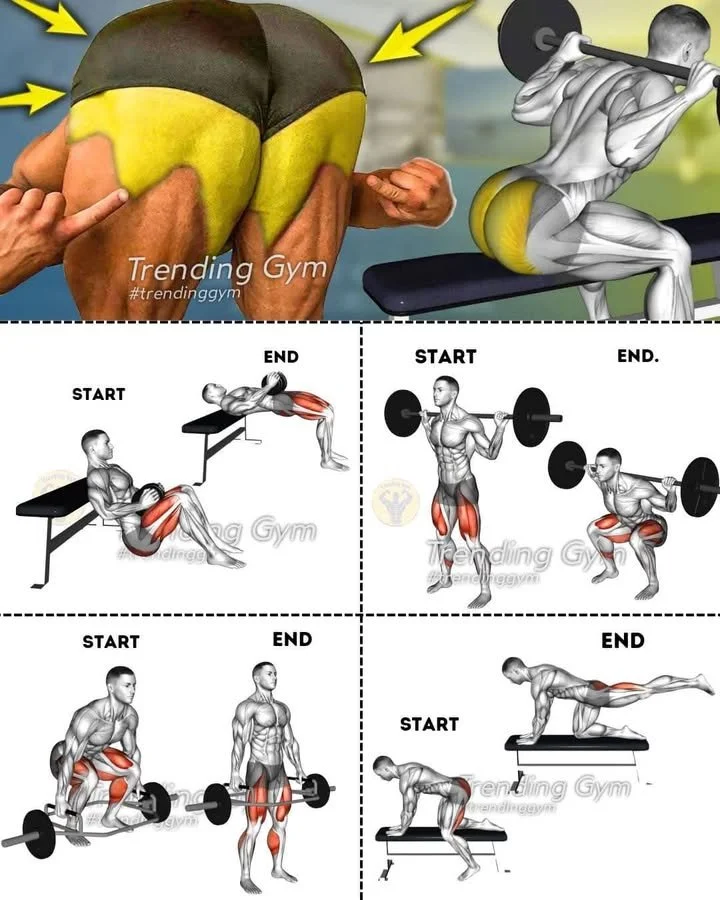
✅ How To Build Bigger Glutes – Legs Workouts 1 Bench Hip Extension 2 Barbell Squats 3 Barbell Deadlift 4 Donkey Kicks 3 sets 10-12 reps #fitness #gym #exercise #workout #workoutroutine #exercis…

How to Build Bigger Glutes: Effective Leg Workouts

Building bigger glutes is a common fitness goal for many who seek both aesthetic appeal and improved functional strength. A well-developed posterior not only enhances your physical appearance but also supports better athletic performance and overall body mechanics. In this article, we’ll explore a targeted workout routine aimed at maximizing glute growth through various leg exercises.

Key Exercises for Glute Development

To achieve your glute goals, consistency and progressive overload are crucial. Here’s an effective workout routine that includes a mix of compound and isolation exercises.

1. Bench Hip Extension

Begin your workout with the Bench Hip Extension. This exercise focuses on the glutes while also engaging the hamstrings and lower back.

How to Perform:

  • Sit on the edge of a bench with your upper back and shoulders resting against it.
  • Roll a barbell over your lap, or use a weight plate for added resistance.
  • Plant your feet firmly on the ground, shoulder-width apart.
  • Push through your heels to lift your hips off the ground until your body forms a straight line from shoulders to knees.
  • Lower your hips back down and repeat.

Sets: 3
Reps: 10-12

2. Barbell Squats

Squats are a powerhouse for glute development and overall leg strength. The barbell squat allows you to load extra weight, facilitating muscle growth.

How to Perform:

  • Stand with your feet shoulder-width apart and a barbell resting on your traps.
  • Lower your body by bending at the knees and hips, keeping your chest up and back straight.
  • Descend until your thighs are parallel to the ground or lower.
  • Push through your heels to return to the starting position.

Sets: 3
Reps: 10-12

3. Barbell Deadlift

The Barbell Deadlift is another essential exercise that not only targets your glutes but also engages your entire posterior chain, including your hamstrings and lower back.

How to Perform:

  • Stand with your feet hip-width apart and a barbell over your mid-foot.
  • Bend at your hips and knees to grasp the barbell.
  • Keeping your chest up and back straight, push through your heels to lift the barbell off the ground.
  • Fully extend your hips at the top of the movement before returning to the starting position.

Sets: 3
Reps: 10-12

4. Donkey Kicks

To isolate and strengthen the glute muscles further, incorporate Donkey Kicks. This exercise allows for increased activation of the gluteus maximus.

How to Perform:

  • Start on all fours on a mat, with your hands under your shoulders and knees under your hips.
  • Keeping your knee bent, lift one leg towards the ceiling, squeezing your glute at the top.
  • Lower the leg back to the starting position without touching the ground.
  • Repeat on one leg before switching to the other.

Sets: 3
Reps: 10-12

Final Thoughts

Incorporating these exercises into your workout routine can significantly enhance the size and strength of your glutes. Remember to focus on your form and gradually increase the weights as you get stronger. Alongside this routine, a balanced diet rich in protein and healthy fats will support muscle growth and recovery. Stay committed, and you’ll see the results in your glute development over time.


Utilize this guide to craft a workout plan that works for you, and enjoy the journey to stronger, rounder glutes!

#fitness #gym #exercise #workout #workoutroutine #exercise

✅ How To Build Bigger Glutes – Legs Workouts 1 Bench Hip Extension 2 Barbell Squats 3 Barbell Deadlift 4 Donkey Kicks 3 sets 10-12 reps #fitness #gym #exercise #workout #workoutroutine #exercis… Read More »

, , , ,
Scroll to Top