fitness training

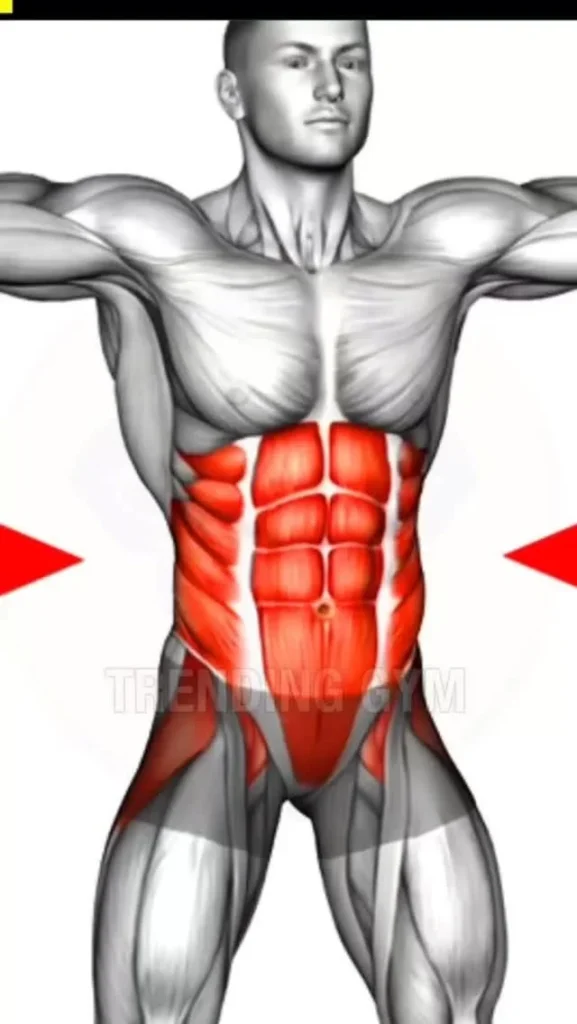
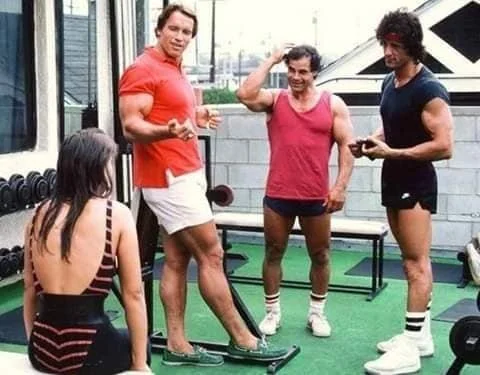
Illustration showing various svalové partie for fitness training

Jaké svalové partie budete procvičovat?

Which muscle groups will you train?

Deciding which muscle groups to work on each session is one of the most important choices in building an effective training plan. The right split depends on your goals, experience, available time, and recovery capacity. This article walks through the core principles, popular splits, sample weekly plans, exercise selection, and practical tips to help you pick the best approach.

Core principles

  • Goal first: Prioritize strength, hypertrophy (muscle growth), fat loss, or athletic performance. Each goal shifts volume, intensity, and exercise choice.
  • Frequency matters: Hitting a muscle 2–3 times per week is generally optimal for most people seeking hypertrophy and strength. Beginners may benefit more from full-body sessions, while advanced lifters sometimes require more focused splits.
  • Volume is king: Total weekly effective sets per muscle drive progress. For hypertrophy, a common target is 10–20 sets per muscle per week, adjusted by experience and recovery.
  • Intensity and progression: Track weights, reps, or sets (progressive overload). Regularly increase load or volume to continue adapting.
  • Recovery: Sleep, nutrition, and stress management determine how much volume you can handle. Schedule easier sessions or rest days when needed.

Popular splits and when to use them

  • Full-body (3×/week): Best for beginners, time-crunched lifters, or anyone wanting high frequency with moderate volume per session. Each workout hits all major muscle groups.
  • Upper/Lower (4×/week): Great balance of frequency and volume. Allows heavier sessions and more focused accessory work.
  • Push/Pull/Legs (3–6×/week): Very flexible. Can be arranged as a 3-day rotation or doubled to 6 days for higher volume and specialization.
  • Bodypart (bro-split) (4–6×/week): One or two muscles per session (e.g., chest day, back day). Often used by advanced bodybuilders to target specific muscles with high volume, but usually lowers weekly frequency per muscle unless doubled.
  • Hybrid/Strength-focused: Combine heavy compound-focused strength days with accessory hypertrophy days (e.g., heavy squat/bench/deadlift days plus higher-rep accessory workouts).

Sample weekly templates

  • Beginner (full-body, 3 days)

    • Day A: Squat, Bench Press, Row, Overhead Press, Core
    • Day B: Deadlift, Pull-Up, Lunges, Dips, Core
    • Day C: Front Squat, Incline Press, Single-arm Row, Hamstring Curls, Mobility
  • Intermediate (upper/lower, 4 days)

    • Upper 1: Bench, Row, Incline DB Press, Lat Pulldown, Biceps
    • Lower 1: Squat, Romanian Deadlift, Leg Press, Calves, Core
    • Upper 2: Overhead Press, Pull-Up, Chest Fly, Rear Delt, Triceps
    • Lower 2: Deadlift, Front Squat, Lunges, Hamstrings, Calves
  • Advanced (PPL 6 days)

    • Push: Heavy bench/press + triceps and shoulders
    • Pull: Heavy row/deadlift + biceps and rear delts
    • Legs: Heavy squat/deadlift variations + quads/hamstrings/calves
    • Repeat with lighter/higher-rep variations on the second half of the week

Choosing exercises per muscle group

  • Chest: Bench press (barbell), dumbbell press, incline variations, chest flyes.
  • Back: Deadlift, barbell row, single-arm row, pull-ups, lat pulldowns.
  • Legs: Squat, lunges, leg press, Romanian deadlift, hamstring curls, calf raises.
  • Shoulders: Overhead press, lateral raises, face pulls, rear delt flyes.
  • Arms: Close-grip pressing and dips for triceps; curls (barbell, dumbbell, hammer) for biceps.
  • Core: Planks, anti-rotation holds, hanging leg raises, weighted crunches.

Balance compound lifts (multi-joint) for strength and mass with isolation work for detail and addressing weaknesses.

Volume, intensity, and progression guidelines

  • Beginners: 8–12 total sets per muscle per week can be enough to start making progress.
  • Intermediate/advanced: 12–20+ sets per muscle per week, spread across 2–3 sessions.
  • Reps and load: Use 4–6 reps for strength-focused sets, 6–12 for hypertrophy, and 12–20+ for endurance or metabolic conditioning. Mix rep ranges across the week.
  • Progressive overload: Add small increments in weight, extra reps, or extra sets over weeks. Deload every 4–12 weeks depending on training intensity.

Recovery and injury prevention

  • Warm up dynamically before heavy lifts and include mobility work to maintain joint health.
  • Rotate emphasis to avoid overuse (e.g., alternate heavy and lighter weeks or vary exercise selection).
  • Prioritize sleep and protein intake (rough guideline: 1.6–2.2 g/kg bodyweight for most trainees).
  • If a joint or muscle is persistently sore, reduce volume and address technique or imbalances.

Common mistakes to avoid

  • Training by "feel" only: Without tracking load and volume, it’s hard to manage progression.
  • Too much isolation too early: Beginners should emphasize compound movements first.
  • Overtraining individual muscles: Hitting the same muscle every day with high volume can stall progress.
  • Neglecting weaker muscles: If a bodypart lags, increase its frequency and prioritize it early in a session.

How to decide what to prioritize

  1. Identify your main goal (strength, size, aesthetics, endurance).
  2. Pick a realistic training frequency based on weekly availability and recovery.
  3. Allocate weekly volume per muscle according to priority (e.g., 15–20 sets for priority muscles, 8–12 for maintenance).
  4. Choose a split that lets you hit frequencies and volumes consistently.
  5. Track results and adjust every 4–8 weeks.

Conclusion

If you want a clear, practical guide to dividing muscle groups across workouts, check this helpful resource on how to correctly split muscle groups into workouts. It offers templates and principles you can adapt to your schedule and goals.
Jaké svalové partie budete procvičovat? Read More »

, , , ,
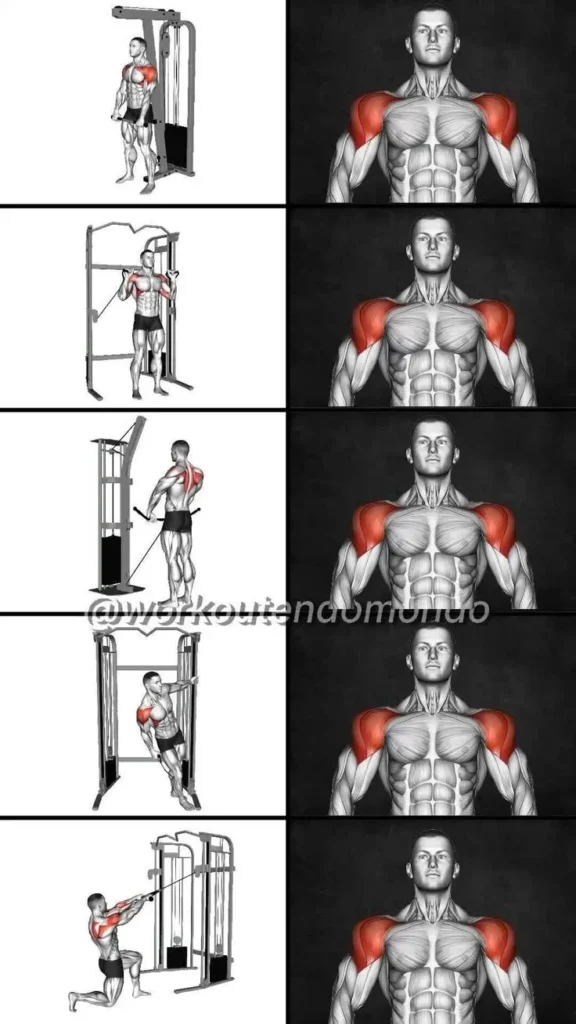
Top 5 cable exercises for enhancing shoulder strength and stability

Enhance Your Shoulders: Top 5 Cable Exercises

Enhance Your Shoulders: Top 5 Cable Exercises

Strong, rounded shoulders improve posture, boost pressing strength, and give your upper body a balanced, athletic look. Cable machines are ideal for shoulder development because they provide constant tension and allow for smooth, controlled movement through a variety of angles. This guide covers five highly effective cable exercises, how to perform them, programming tips, and common mistakes to avoid.

If you like to combine upper-body work with lower-body or full-body training days, consider pairing shoulder sessions with dedicated glute work for better overall balance — for example, try the routines in this glute exercise guide.

Warm-up: Prep the Shoulders

Before you start loading weight, spend 8–10 minutes prepping:

  • 3–5 minutes of light cardio to raise body temperature.
  • Dynamic shoulder mobility: arm circles, band pull-aparts, and cross-body swings.
  • 2–3 light sets of the first exercise you’ll perform (e.g., cable face pulls) with minimal resistance.

Proper warm-up reduces injury risk and improves muscle recruitment during your main sets.

1. Cable Lateral Raise (Single-Arm or Double-Arm)

Why it works: Targets the lateral deltoid head — the primary muscle for shoulder width.
How to do it:

  • Set the pulley low. Stand with the cable at your side.
  • With a slight bend in the elbow, lift the handle out to the side until your arm is parallel to the floor.
  • Pause briefly at the top, then lower under control.
    Coaching tips:
  • Avoid shrugging; keep the neck relaxed.
  • Use a moderate rep range (8–15) and focus on a controlled eccentric.

2. Cable Front Raise (Using Rope or Handle)

Why it works: Emphasizes the anterior deltoid and helps with pressing strength.
How to do it:

  • Set the pulley near the very low position. Grip a single handle or rope with both hands.
  • Keeping arms mostly straight, lift in front of you to shoulder height.
  • Lower slowly, resisting the cable on the way down.
    Variations:
  • Single-arm front raises allow correcting left-right imbalances.
  • Use a neutral grip (thumb up) to slightly shift emphasis and joint comfort.

3. Cable Face Pull

Why it works: Builds rear delts and external rotators — crucial for posture and shoulder health.
How to do it:

  • Set the pulley at upper-chest to head height and attach a rope.
  • Pull the rope toward your forehead, flaring your elbows out and squeezing the shoulder blades.
  • Control the return; don’t let the shoulders round forward.
    Programming tip: For posture-focused work, perform higher reps (12–20) and multiple sets.
    Need help integrating core stability for better control during pulls? Check this abs routine to strengthen your midline and support heavy pulls.

4. Cable Upright Row (Wide Grip)

Why it works: Hits the lateral delts and traps; using cables keeps tension consistent.
How to do it:

  • Attach a straight bar to a low pulley. Stand close enough so the cable forms a slight angle.
  • Pull the bar up toward the upper chest with elbows leading and flaring outward.
  • Stop at chest or collarbone height and lower under control.
    Safety note:
  • If you have shoulder impingement issues, limit range of motion or swap for a different exercise.

5. Cable Reverse Fly (Incline or Standing)

Why it works: Excellent for rear delts and upper back — improves shoulder balance and scapular stability.
How to do it:

  • Set two pulleys to mid-chest height and cross them (left hand holds right pulley and vice versa).
  • Bend slightly at the hips or use an incline bench for support.
  • With a soft elbow, open your arms out to the sides, squeezing between shoulder blades.
    Mistakes to avoid:
  • Don’t use momentum; keep the motion deliberate and focused on the rear delts.

Programming Guidelines

  • Frequency: Train shoulders 1–3 times per week depending on volume and recovery.
  • Reps and sets: For size, aim for 3–5 sets of 8–12 reps on main lifts; include higher-rep accessory work (12–20) for rear delts and rotator cuff health.
  • Exercise order: Start with compound or multi-joint movements (upright row variants) and finish with single-joint isolation (lateral raises, face pulls).
  • Progressive overload: Increase weight, reps, or improve form week to week.
    Also remember to balance shoulder sessions with solid core work to stabilize lifts — fortified abs help transfer force better during standing cable movements.

Common Mistakes and How to Fix Them

  • Using too much momentum: Slow down the eccentric and prioritize control.
  • Neglecting posterior chain of the shoulder: Rear delts often lag — include face pulls and reverse flies each week.
  • Poor posture and scapular mechanics: Strengthen scapular stabilizers and maintain neutral spine during exercises.

Sample Cable Shoulder Workout

  • Warm-up: mobility + 2 light sets of face pulls
  • Cable Lateral Raises: 4 x 10–12
  • Cable Front Raises (alternating arms): 3 x 10–12
  • Cable Upright Row (wide grip): 4 x 8–10
  • Cable Face Pulls: 3 x 15–20
  • Cable Reverse Flys: 3 x 12–15
    Finish with 2–3 sets of rotator cuff work or light band external rotations for joint health.

Conclusion

Cables are an incredibly versatile tool for building rounded, functional shoulders because they offer constant tension and easy angle adjustments. For more exercises, progressions, and a structured approach to cable shoulder training, see this resource on 6 Best Cable Shoulder Exercises for Size and Strength.

Enhance Your Shoulders: Top 5 Cable Exercises Read More »

, , , ,
Chest workout with bodyweight exercises including push-ups and variations.

[Видео] «[Видео] «𝗙𝗜𝗧𝗡𝗘𝗦𝗦𝗟𝗔𝗕𝗢 on Instagram: “✅ Chest Workout with Bodyweight ① Push-up ② Close Grip Push-up ③ Decline Push-up ④ Incline Push-up 3 sets 12-15 reps …»» в 2025 г | Тренировка с гантелями, Фитнес мужчины, Тренировки мышц живота

Bodyweight Chest Workout: Simple, Effective, and Progressable

If you want a compact chest session that requires no gym machine — just your body and a bit of creativity — the classic push-up family is a perfect place to start. These movements build pressing strength, improve shoulder stability, and translate well to weighted lifts. If you want to add a dumbbell layer later, check this practical guide to a focused dumbbell chest routine for twists and incline flies to pair with bodyweight work: dumbbell chest workout guide.

Below is a concise breakdown of why push-up variations work, how to perform them safely, and a sample routine based on 3 sets of 12–15 reps — the same template many trainers recommend for hypertrophy and muscular endurance.

Why bodyweight chest work matters

  • Accessibility: You can do push-ups almost anywhere.
  • Joint-friendly progressions: Variations (incline, decline, close-grip) let you modulate intensity without loading the spine.
  • Transferable strength: Solid bodyweight pressing improves stability and motor patterns used in bench and dumbbell pressing.

Key push-up variations and technique

  • Standard Push-up: Hands just wider than shoulder-width, core braced, body in a straight line. Lower until chest hovers above the floor, then press up.
  • Close-Grip Push-up: Hands narrower, elbows tucked more; emphasizes the inner chest and triceps. When you progress to barbell work, learning the proper close-grip mechanics helps — for a technical deep dive see this article on mastering the close-grip technique: close-grip technique guide.
  • Decline Push-up: Feet elevated on a bench or box to shift load toward the upper chest and shoulders.
  • Incline Push-up: Hands on a raised surface (bench, step) to reduce load, useful as a regression or high-volume finisher.

Technique tips

  • Tempo: Try 2 seconds down, 1-second pause, explosive up to build both control and power.
  • Scapular control: Allow shoulders to protract/retract as you move — avoid rigid shrugging.
  • Core and glutes: Keep them engaged to maintain a straight plank line.
  • Range of motion: Work through full range; partial reps have a place for overload but prioritize depth for hypertrophy.

Sample 30–40 minute chest session (no equipment)

  • Warm-up (5–7 min): arm circles, band pull-aparts or scapular push-ups, light plank hold.
  • Main sets:
    • Standard Push-ups — 3 sets of 12–15 reps
    • Close-Grip Push-ups — 3 sets of 12–15 reps
    • Decline Push-ups — 3 sets of 12–15 reps
    • Incline Push-ups — 2 sets of 15–20 reps (as a burnout)
  • Rest: 60–90 seconds between sets for hypertrophy-style work.
  • Core finisher (optional): 2 sets of 30–45 seconds plank or hollow hold.

Progressions and adding load

  • Increase reps, decrease tempo, or add a weighted vest when bodyweight becomes easy.
  • Introduce unilateral variations (one-arm incline negatives, archer push-ups) to build imbalance-correcting strength.
  • Pair with dumbbell movements (incline flies or presses) for added stimulus on chest fiber types.

Programming tips

  • Frequency: Train chest 2 times per week for best balance of volume and recovery.
  • Volume: Aim for 9–15 sets per muscle group per week depending on experience and recovery.
  • Recovery: Prioritize sleep, protein intake, and joint mobility — shoulders respond well to regular mobility work.

Final notes

Bodyweight chest workouts are deceptively effective. With thoughtful progressions, varied angles, and attention to technique, you can build a strong, well-developed chest without barbells. Start with solid form, use the 3×12–15 template as a baseline, and layer in resistance or dumbbell variations as you outgrow pure bodyweight.

[Видео] «[Видео] «𝗙𝗜𝗧𝗡𝗘𝗦𝗦𝗟𝗔𝗕𝗢 on Instagram: “✅ Chest Workout with Bodyweight ① Push-up ② Close Grip Push-up ③ Decline Push-up ④ Incline Push-up 3 sets 12-15 reps …»» в 2025 г | Тренировка с гантелями, Фитнес мужчины, Тренировки мышц живота Read More »

, , , ,
A fitness instructor demonstrating top exercises for the abdomen in a workout video.

TOP EXERCÍCIOS PARA O ABDÔMEN, BORA TREINAR!! GOSTOU DO CONTEÚDO ME SIGA PARA NÃO PERDER… [Vídeo] em 2025 | Exercícios para abdômen, Exercícios de treino, Exercícios com halteres

Top Ab Exercises to Try in 2025 — Let’s Train!

Want sharp, functional abs this year? This guide brings together the best ab moves you can do with (and without) dumbbells, progressive ways to challenge your core, and a simple routine you can start today. For a quick way to build whole-body tension that supports core strength, try the 15-minute heavy deadlift EMOM — deadlifts are fantastic for teaching bracing and posterior chain strength, which helps your abs perform better.

Why train the core (beyond aesthetics)

  • Improves posture and stability for daily tasks and lifts.
  • Reduces risk of low-back pain by improving load distribution.
  • Transfers force between upper and lower body for better athletic performance.

Equipment and safety

You only need a pair of dumbbells (adjustable is ideal) and a mat. Focus on controlled movement, full breathing (exhale on exertion), and bracing the belly as if preparing for a punch. If you have a history of back problems, reduce range of motion and consult a professional.

Top exercises with dumbbells (and how to do them)

  1. Dumbbell Russian Twist

    • Sit with knees bent, feet on the floor (or slightly elevated to increase difficulty). Hold one dumbbell with both hands, rotate torso left and right.
    • Tip: Keep shoulders elevated as a unit; rotate from the ribs, not just the arms. 3 sets of 12–20 reps per side.
  2. Suitcase Carry (Farmer Carry variation)

    • Hold one heavy dumbbell at your side and walk 30–60 seconds. Anti-lateral-flexion work forces deep core engagement.
    • Tip: Keep hips level, shoulders square. 3 rounds, 30–60s each.
  3. Weighted Dead Bug

    • Lie on your back holding a light dumbbell or plate overhead with straight arms; alternate lowering opposite arm and leg while keeping low back pressed to the floor.
    • Great for learning to resist unwanted lumbar extension. 3 sets of 8–12 per side.
  4. Dumbbell Overhead Press (Anti-Extension/Anti-Rotation Benefit)

    • Pressing overhead challenges the core to stabilize the spine — use a single-arm press for anti-rotation emphasis.
    • Tip: Brace before pressing and avoid arching the lower back. 3 sets of 6–10 per side.
  5. Weighted Sit-Up or Crunch (Controlled)

    • Hold a light dumbbell on the chest or overhead and perform controlled sit-ups or crunches. Use full breathing and avoid jerking.
    • 3 sets of 10–15.
  6. Plank with Dumbbell Drag

    • From high plank, drag a dumbbell from one side to the other using the opposite hand while resisting rotation.
    • 3 sets of 8–12 drags per side.
  7. Hanging Knee Raise (bodyweight)

    • If you have a pull-up bar, hanging movements build hip flexor and lower-abs strength. Slow, controlled reps beat swinging.

Programming: sample 20–30 minute ab session

  • Warm-up: 3–5 minutes dynamic mobility (cat-cow, leg swings, hip circles)
  • Circuit (repeat 3 rounds, 30–45s rest between rounds):
    1. Suitcase Carry — 40s (each side)
    2. Dumbbell Russian Twist — 20 reps (total)
    3. Weighted Dead Bug — 10 reps per side
    4. Plank with Dumbbell Drag — 8 drags per side
  • Finish: 60s slow hollow hold or light stretching.

Progress by increasing load, range of motion, or time under tension. Swap unilateral work to expose and correct imbalances.

Nutrition and recovery (brief)

Abs are built in the gym and revealed in the kitchen. Prioritize protein, a modest calorie deficit for fat loss, and adequate sleep. If you’re navigating midlife changes, special nutrition strategies can help maintain muscle and metabolic health — see this practical guide on menopause nutrition for tips that also apply to many active adults.

Quick troubleshooting

  • No progress? Track load, reps, and rest so you can overload gradually.
  • Low-back discomfort? Regress to more stable anti-extension drills (dead bugs, planks) and reduce ROM on weighted sit-ups.
  • Boredom? Mix tempo, unilateral work, and carries to keep sessions fresh.

Conclusion

If you’re curious about how calorie burn from high-intensity moves compares to strength work — for example, whether burpees truly “burn so few calories” — check out this community discussion: Do burpees really burn so few calories?

Happy training — consistency and progressive challenge are the real keys to a stronger, more functional core.

TOP EXERCÍCIOS PARA O ABDÔMEN, BORA TREINAR!! GOSTOU DO CONTEÚDO ME SIGA PARA NÃO PERDER… [Vídeo] em 2025 | Exercícios para abdômen, Exercícios de treino, Exercícios com halteres Read More »

, , , ,
Scroll to Top