Which Muscle Groups Will You Train? Designing Smart, Efficient Workouts
Choosing which muscle groups to train each session is one of the most important decisions for making steady progress, avoiding overtraining, and keeping workouts interesting. Whether your aim is strength, hypertrophy, athletic performance, or general fitness, the way you divide muscle groups across the week will shape how often each muscle is stimulated, how much volume it receives, and how quickly you recover.
Below are clear principles and practical options you can use to build a program that fits your schedule, goals, and recovery capacity.
Key principles
Frequency matters: Hitting each muscle group 2–3 times per week tends to produce better strength and hypertrophy results than hitting it only once, assuming total weekly volume is similar.
Volume and intensity: Weekly sets per muscle (not just per session) drive adaptation. Beginners need less volume; intermediates and advanced lifters require more.
Compound-first, isolation-after: Start with multi-joint lifts (squat, deadlift, bench, row, overhead press) to build strength and systemic stimulus, then add isolation work to target weak points.
Balance push and pull: Maintain shoulder and spinal health by balancing pushing (chest, shoulders, triceps) and pulling (back, biceps) movements.
Recovery and sleep: Training layout must allow muscles, CNS, and joints time to recover—adjust splits when life stress or sleep is poor.
Common training splits (with when to use them)
Full-body (3×/week)
Best for beginners, time-crunched lifters, or when you want frequent practice of big lifts.
Example: Squat, bench or press, hinge, plus 1–2 accessory moves per session.
Upper/Lower (4×/week)
Great balance of frequency and volume. Easier to accumulate weekly sets for each muscle.
Example: Upper A, Lower A, rest, Upper B, Lower B, rest, rest.
Push/Pull/Legs (PPL) (3–6×/week)
Flexible: can be 3 sessions (P, P, L) or repeated twice for 6 sessions. Good for intermediate lifters focusing on volume.
Each session targets one or two muscle groups (e.g., chest, back, legs, shoulders, arms). Useful for bodybuilders who want lots of per-session volume, but muscles are often trained only once per week.
Hybrid splits
Mix elements (e.g., Upper/Lower + an accessory day, or conditioning + strength days) to suit sport or lifestyle.
How to pair muscle groups in a session
Push & triceps: triceps assist pressing, so placing them after push work is efficient.
Pull & biceps: biceps assist rows and pulls; train them after heavy back work.
Legs: combine quads and hamstrings in the same day or split them (e.g., quad-focus and hinge/hamstring-focus) depending on volume and recovery.
Core and calves: can be added at the end of sessions or on active recovery days.
Start with progressive overload: increase reps, sets, or load gradually.
Track weekly volume per muscle (sets × reps × intensity) to ensure you’re within appropriate ranges.
Use deload weeks every 4–8 weeks depending on intensity and fatigue.
Prioritize weak points by placing them earlier in sessions or adding more weekly sets.
Manage technique before adding load—form reduces injury risk and improves transfer.
Warm-up and recovery
Warm-up: 5–10 minutes of light cardio, dynamic mobility, and movement-specific sets with lighter loads.
Mobility: address hips, thoracic spine, and shoulders frequently for stability and range of motion.
Recovery: sleep, nutrition (adequate protein and calories), hydration, and active recovery (light cardio, mobility work).
Tracking and adapting
Reassess every 4–8 weeks. If progress stalls, adjust volume, intensity, or frequency rather than immediately switching programs.
Use objective markers: strength increases, body composition changes, energy levels, and readiness to train.
If soreness persists for multiple days or performance drops, reduce volume or add extra recovery.
Practical examples of pairing choices
Want more arm growth? Keep biceps after heavy back work and add an extra 6–10 sets weekly.
Prioritize deadlifts? Reduce lower-body frequency but keep deadlift intensity and accessory work for hamstrings and glutes.
Limited to 30–40 minutes/day? Do upper/lower or push/pull with 4–6 focused exercises, emphasizing compound lifts.
Conclusion
If you want step-by-step guidance on splitting muscle groups into effective training sessions, this resource on how to properly divide muscle groups into workouts offers practical layouts and explanations to help plan your program.
The triceps pushdown is a staple cable exercise for building the posterior upper arm. It isolates the triceps long and lateral heads, allows precise load control, and is easy to vary for different training goals. If you pair it with pressing work like the seated dumbbell shoulder press in your program, you’ll create complementary strength and hypertrophy effects across the shoulder–arm chain.
Why it works (anatomy & purpose)
The triceps make up the bulk of upper-arm mass and extend the elbow. Pushdowns keep the shoulder relatively stable and place most of the work on elbow extension, letting you:
Target triceps without heavy shoulder involvement.
Train with consistent tension through the range of motion using cables.
Use variations (rope, straight bar, V-bar) to emphasize different heads.
Setup & positioning
Stand upright in front of a cable machine with a high pulley. Feet hip-width apart, knees soft.
Grab your chosen attachment with a neutral or overhand grip. Keep your torso tall and chest up.
Tuck your elbow to your sides: the elbow should act as a hinge, not travel forward or backward.
Slight forward lean (~10–15°) from the hips can improve shoulder stability and allow a fuller contraction.
Execution: step-by-step
Start with forearms bent and the attachment near chest height.
Exhale and press the attachment down by extending the elbows until arms are fully straight (avoid hyperextension).
Pause briefly with triceps contracted, focusing on squeezing the muscle.
Inhale and return under control to the start position, resisting the weight on the eccentric phase.
Maintain elbows close to your torso; only the forearm should move.
Cues: “Drive the hands down,” “Keep elbows glued,” and “Squeeze at the bottom.”
Grip & attachment choices
Rope: allows a greater peak contraction and slight external rotation at the bottom to hit medial and lateral heads.
Straight bar: produces a strong, stable pressing line; good for heavier loads.
V-bar or angled bar: blends straight-bar stability with a more natural wrist position.
Switch attachments across workouts to stimulate the triceps from different angles.
Tempo, sets & reps
Strength: 3–5 sets of 4–6 reps with heavier loads, controlled 2–3 sec eccentric.
Hypertrophy: 3–4 sets of 8–15 reps with 1–2 sec concentric, 2–3 sec eccentric.
Endurance: 2–3 sets of 15–25+ reps with lighter loads.
Controlling the eccentric and pausing at the bottom increase time under tension and build muscle quality.
Common mistakes and corrections
Elbow drift: If elbows move forward, reduce weight and focus on a tactile cue (touch the side of your ribcage).
Using too much torso: If you lean excessively, reduce load and keep a small forward lean only.
Partial range: Let the forearm come high enough at the top to create a full stretch without loosening the elbow.
Wrist collapse: Maintain a neutral or safe wrist angle—switch attachments if you feel strain.
Variations and programming tips
Single-arm cable pushdowns: useful for correcting left-right imbalances and improving mind–muscle connection.
Reverse-grip pushdowns: place more emphasis on the long head.
Superset with overhead triceps extensions for long-head emphasis.
For accessory or home workouts consider pairing with dumbbell extensions — see a focused routine for that approach in this article about a triceps workout using dumbbells.
Warm-up and injury prevention
Warm up with light cable pushdowns for 1–2 sets of 15–20 reps.
Incorporate shoulder mobility drills to keep the scapula stable.
Avoid heavy maximal loads if you have a history of elbow tendinopathy; prioritize tempo and higher reps instead.
Sample session (hypertrophy focus)
Warm-up: band pull-aparts + light pushdowns 2 × 15
Compound pressing: bench/pressing movement 3–4 sets
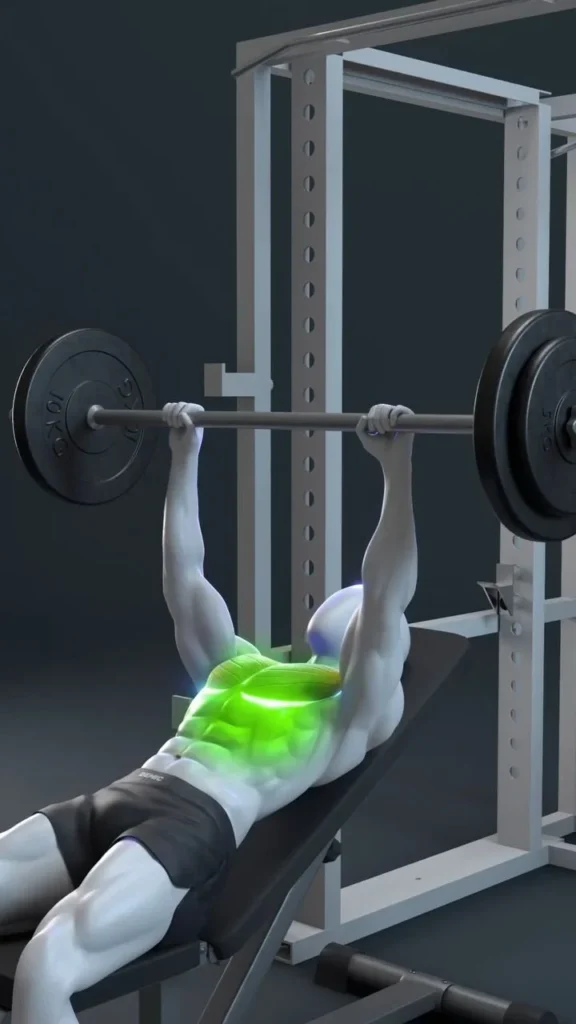
The incline bench press is one of the best compound lifts for building upper-chest thickness and shoulder stability when performed correctly. Small adjustments in setup, bar path, and muscle recruitment separate an effective, joint-friendly press from an inefficient or injurious one. Before diving in, review related shoulder mechanics—for example, this primer on the seated dumbbell shoulder press setup—to better understand how the delts and scapula should behave during incline pressing.
Why incline press matters
Targets clavicular head of the pectoralis major more than flat benching.
Improves upper-chest fullness and the transition between chest and shoulders.
Encourages a more upright pressing pattern that translates to overhead strength.
Setup: bench angle, feet, and grip
Bench angle: Aim for 30–45 degrees. Lower angles (around 30°) emphasize the upper chest while reducing excessive anterior deltoid stress; higher angles shift load to the shoulders.
Feet: Plant them firmly to create a stable base and enable leg drive. Your feet should remain flat throughout the rep.
Grip width: Use a grip that places your forearms vertical at the bottom of the press. Too wide reduces range of motion and increases shoulder strain; too narrow makes the press more triceps-dominant.
Positioning the body: scapula and chest
Retract and depress the scapulae: Pinch your shoulder blades together and slightly down to create a solid pressing platform. This protects the shoulder joint and increases chest recruitment.
Chest up: Think about presenting your sternum toward the bar. Keeping the chest elevated shortens the ROM and promotes better pectoral activation.
Maintain a natural lower-back arch; don’t over-bridge. The arch should be stable, not mobile.
Bar path and elbow position
Bar path: Lower the bar to the upper-chest / lower-clavicle area, then press up and slightly back toward your eyes. This diagonal path keeps the load aligned with the muscle work.
Elbow angle: Aim for elbows 45–70 degrees from your torso (roughly halfway between flared and tucked). This reduces impingement risk while allowing the chest to work.
Touch point: Lightly touch the chest—do not bounce. Controlled contact ensures tension stays on the muscles.
Breathing, tempo, and tension
Inhale and brace the core as you lower the bar, maintaining full-body tension.
Pause for a brief moment at the bottom (no dead stop if using continuous tension), then exhale as you press.
Tempo: A controlled 2–3 second descent with a deliberate press up maximizes muscle fiber recruitment and control.
Keep tension through the glutes, legs, core, and lats to transfer force efficiently.
Common mistakes and fixes
Excessive bench angle: If you feel your front delts dominating, lower the angle a few degrees.
Flaring elbows: If your shoulders ache, bring elbows closer to the torso and focus on chest squeeze.
Poor scapular control: Practice retracted holds and lighter sets to engrain the position.
Lack of leg drive: Drive the feet and squeeze the glutes at the top of each rep to stabilize the torso.
Progressions and accessory work
Use varied rep ranges: heavier sets (3–6) for strength, moderate (8–12) for hypertrophy, and lighter (<15) for endurance and control.
Accessory lifts: Incline dumbbell press, incline flyes, and pressing variations strengthen weak points. For triceps-focused assistance and lockout work, consider techniques from the close-grip press family—see this piece on the close-grip bench press technique.
Deload and mobility: If shoulder stiffness appears, reduce load and add mobility work for the thoracic spine and shoulder girdle.
How to program it
Frequency: 1–3 times per week depending on goals and recovery.
Volume: Start with 6–12 working sets per week for the incline press and adjust based on progress.
Pair with vertical press and row variations to balance pushing and pulling strength.
A well-developed pair of biceps not only looks great but also improves pulling strength and elbow stability. Whether your goal is fuller peaks, thicker arms, or better functional strength, a focused biceps plan will help. If you’re looking for a simple, strength-focused approach, try a barbell-only biceps routine to prioritize load and progressive overload.
Anatomy and How It Affects Training
Understanding the muscle heads helps you choose exercises:
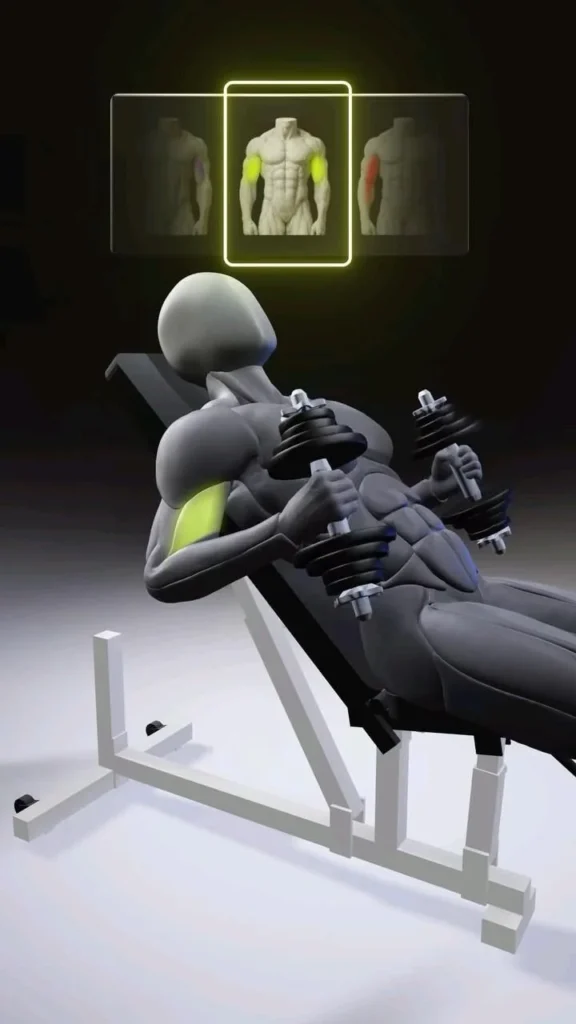
Long head: contributes to the biceps “peak.” Emphasize incline curls and supinated grips to better target it.
Short head: adds thickness and width. Movements with a wider grip and preacher-style curls emphasize this head.
Brachialis: lies beneath the biceps and pushes the biceps up when developed — hammer curls and neutral-grip work well.
Brachioradialis: forearm muscle that assists elbow flexion, trained with hammer and reverse curls.
Train with exercises that place the muscle under tension through various joint angles to stimulate all portions effectively.
Training Principles
Progressive overload: gradually increase load, reps, or time under tension over weeks.
Frequency: 2 sessions per week for biceps is effective for most lifters — ensure 48–72 hours recovery between sessions.
Rep ranges: 6–8 for strength, 8–12 for hypertrophy, and 12–20+ for endurance and metabolic stress. Mix ranges across sessions.
Volume: aim for 8–20 hard sets per week depending on experience and recovery.
Tempo and control: slow the eccentric (lowering) phase for more muscle damage and growth stimulus.
Exercise Selection
Choose 3–4 exercises per session to hit the biceps from multiple angles:
Barbell curls (strict or with controlled cheat)
Dumbbell alternating curls (supination through the arc)
Hammer curls (brachialis and brachioradialis emphasis)
Preacher curls (short head isolation)
Incline dumbbell curls (long head stretch)
Cable curls (constant tension)
Variety prevents plateaus and ensures broader development.
Sample 4-Exercise Routine
Here’s a balanced session you can repeat twice weekly. For a full program of complementary movements and progressions, consider an effective biceps exercises routine that cycles load and intensity.
Hammer curls — 3 sets of 10–12 reps (neutral grip)
Cable curls (rope or single-handle) — 3 sets of 12–15 reps (constant tension, last set to near failure)
Rest 60–90 seconds between sets. Adjust volume based on recovery and overall arm training load.
Technique Tips
Keep elbows relatively fixed to isolate the biceps; avoid excessive upper-arm swing.
Supinate (turn palm up) throughout curls to maximize long head recruitment.
Use full range of motion: fully extend to stretch, fully contract at the top.
Control the eccentric for 2–4 seconds to increase time under tension.
When fatigued, drop the weight or switch to partial reps rather than sacrificing form.
Common Mistakes
Using momentum: turns the lift into a row and reduces biceps stimulus.
Neglecting forearms and brachialis: this limits overall arm thickness.
Overtraining: too many daily sets without recovery can halt progress.
Ignoring variety: always doing the same curl leads to adaptation and stagnation.
Recovery and Progression
Sleep, nutrition (adequate protein), and managing total weekly volume are crucial.
Track weights and reps; if you can complete target reps easily, increase load or reps next session.
Deload every 4–8 weeks if progress stalls or fatigue accumulates.
Equipment Variations
No dumbbells? Use resistance bands or a barbell.
Gym cables offer constant tension; machines add stability for drop sets.
For home training, tempo emphasis and higher volume can compensate for lighter loads.
Conclusion
Consistent, progressive training with deliberate exercise selection and solid technique will drive biceps growth and strength. For a large library of guided biceps movements and video demonstrations to expand your exercise options, see Biceps Exercises: 200+ Free Video Exercise Guides | Muscle ….
The Smith machine row is an accessible, stable choice for targeting the mid-back and lats while minimizing balance demands. By guiding the bar along a fixed vertical path, the Smith machine lets you focus on contraction, tempo, and position without worrying about barbell stability. Below are practical techniques, cueing, and programming tips to get the most from this exercise while avoiding common pitfalls.
Why use the Smith machine for rows?
Stability: The fixed bar path reduces the need for stabilizer recruitment, allowing heavier loads or focused muscle work.
Safety: Built-in catches and locking points make it easier to train near failure without a spotter.
Variety: Allows for grip and body-angle adjustments (e.g., torso angle, foot placement) that change emphasis across the back muscles.
Setup and starting position
Bar height: Set the Smith bar so it sits at about knee height or slightly below when standing upright. This gives a natural pulling path that approximates a bent-over row.
Foot placement: Stand with feet roughly hip-width apart. You can step forward slightly to allow more torso flexion and a fuller ROM.
Torso angle: Hinge at the hips to roughly 30–45° from vertical for a classic row. More horizontal (closer to 90°) increases posterior chain demand.
Grip: Use an overhand (pronated) grip for upper back emphasis; an underhand (supinated) grip shifts emphasis onto the lats and biceps. Grip width should be just outside shoulder width for balanced lat and rhomboid activation.
Core and spine: Brace the core, keep a neutral spine, and maintain a fixed rib-to-pelvis relationship to avoid lumbar flexion.
Execution cues and technique
Initiate with the lats: Think about pulling your elbows back into your hips rather than pulling with your hands.
Elbow path: Drive elbows toward your lower ribs or hips (not straight out to the sides) to maximize lat engagement.
Shoulder blades: Pull your scapulae together at the top of the movement, pause 0.5–1.0s, then control the lowering phase.
Range of motion: Pull until your torso is close to vertical or until you achieve a strong contraction at the back—do not hyper-extend the shoulders.
Tempo: A common tempo is 2:0:1:2 (2s eccentric, no pause, 1s concentric, 2s isometric squeeze), though slower eccentrics increase time under tension.
Variations and when to use them
Chest-supported Smith rows: Lie face-down on an incline bench and row the Smith bar. Great for removing lower-back strain and isolating the mid-back.
Incline/decline foot placement: Stepping forward or backward changes torso angle and the bar path—experiment to feel different muscle emphasis.
Underhand (supinated) Smith rows: Use when you want more biceps and lower-lat drive.
Wide-grip Smith rows: Emphasizes upper traps and rear delts; keep elbows higher but avoid flaring too much.
Single-arm supported row with the Smith: Place one hand behind your back on a bench and row with the other for unilateral balance work.
Programming guidelines
Strength focus: 4–6 sets of 4–6 reps with heavier load and controlled tempo; longer rests (2–3 minutes).
Hypertrophy focus: 3–5 sets of 8–12 reps, 60–90s rest; emphasize full contraction and 2–3s eccentric.
Endurance/conditioning: 2–4 sets of 15–25 reps with lighter load and shorter rests.
Frequency: 1–3 back sessions per week depending on total training volume and recovery. Combine Smith rows with vertical pulls (pull-ups/lat pulldowns) and posterior-chain work for balanced development.
Common mistakes and how to fix them
Rounding the lower back: Fix by reducing range of motion or using a chest-supported variation and by reinforcing a strong core brace.
Using momentum: Slow the eccentric and control the concentric; think “pull with the elbows” to reduce arm-dominant movement.
Shrugging at the top: Drive elbows back into hips rather than elevating the shoulders; maintain scapular control.
Too narrow or too wide grip: Find a neutral grip width that feels strongest—generally just outside shoulders.
Too upright or too horizontal torso: Adjust feet and bench position to hit the desired muscle emphasis. If the torso is too upright, the movement resembles a vertical pull; too horizontal risks lumbar strain.
Safety tips
Warm up the posterior chain and scapular retractors before heavy sets (band pull-aparts, face pulls, light rows).
Set bar height so you don’t have to reach or over-flex at the start position.
Use the machine’s safety catches and consider stopping a rep earlier than risking form breakdown.
If you have lower-back issues, use chest-supported variations or reduce the range until core stability improves.
Sample sessions
Strength day: Warm-up, then Smith machine rows 5×5 heavy with 2–3 minutes rest; follow with heavy deadlifts or rack pulls.
Hypertrophy day: Smith machine rows 4×10 with 90s rest, superset with single-arm cable rows or face pulls.
Donkey Kick Mistakes You Should Avoid for Better Glutes
Donkey kicks are a staple for targeting the gluteus maximus without heavy equipment, but small form errors can turn this simple move into a missed opportunity—or worse, a strain. This article breaks down the most common mistakes people make with donkey kicks and gives clear fixes so you get stronger, rounder glutes safely. If you’re looking for complementary moves that build on donkey kicks, check out this guide to transform your glutes with four powerful exercises.
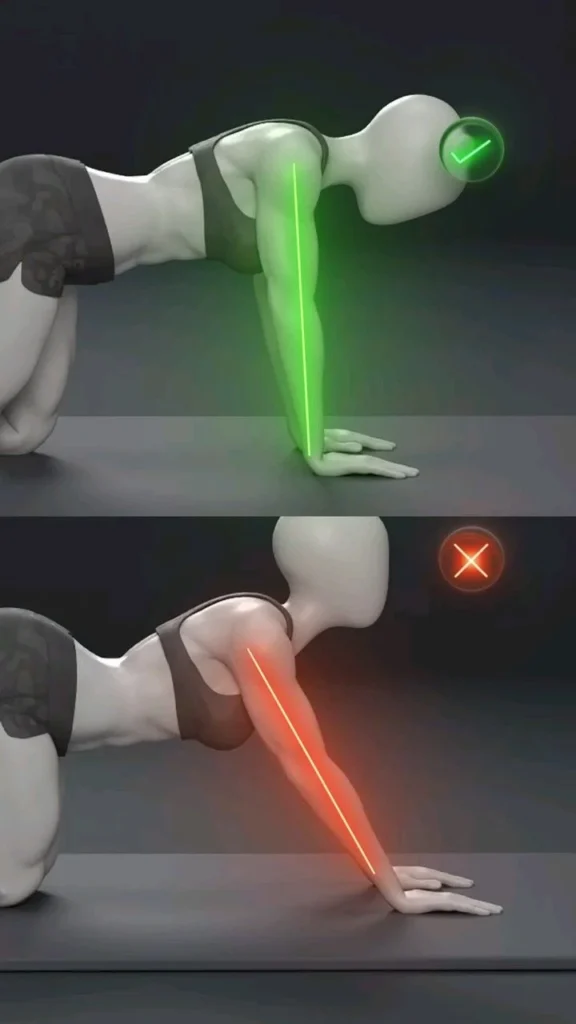
Arching the lower back (hyperextension)
The mistake: Pushing the leg up by arching the lumbar spine, which transfers effort away from the glutes and onto the lower back.
Why it’s bad: Chronic lumbar arching can cause discomfort and reduces glute activation.
Fix: Keep a neutral spine by drawing your ribs down and bracing your core. Think about rotating the pelvis slightly posteriorly (tucking the tailbone a bit) so the motion comes from the hip, not the back. Perform movements slowly with control.
Rotating the hip outward or upward
The mistake: Letting the working hip open or externally rotate so the leg swings outwards instead of moving in a straight line.
Why it’s bad: This shifts activation to the hamstrings and external rotators, reducing gluteus maximus engagement.
Fix: Imagine pressing the sole of your foot directly toward the ceiling as the heel reaches up. Keep hips square to the floor and pause at the top to check alignment.
Using momentum instead of muscle
The mistake: Snapping the leg up quickly or kicking too hard for more “range,” relying on momentum rather than muscle contraction.
Why it’s bad: Fast momentum lowers time under tension and reduces strength gains; it also increases injury risk.
Fix: Slow the tempo—2 seconds up, 1-second hold, 2 seconds down. Focus on a deliberate squeeze of the glute at the top of each rep.
Not bracing the core
The mistake: Letting the torso sag or the midsection loosen during the rep.
Why it’s bad: A floppy core reduces stability and allows compensations (spine or hip errors).
Fix: Engage the abdominals as if preparing for a light punch to the stomach. This stabilizes the pelvis and gives the glutes a solid platform to work from.
Over-extending the hip or lifting too high
The mistake: Lifting the leg past the point of glute engagement (often with lumbar extension).
Why it’s bad: Motion beyond the hip’s effective range taxes the lower back and doesn’t increase glute activation.
Fix: Lift the leg only until you feel a strong glute contraction—typically when the thigh is roughly parallel to the floor or slightly higher depending on mobility—then pause and lower under control.
Pointing the toes or using an unstable foot position
The mistake: Planting the foot awkwardly or pointing the toes, which changes the line of force.
Why it’s bad: This can shift the workload to other muscles and reduce the mechanical advantage for the glute.
Fix: Keep the foot flexed or neutral with heel oriented toward the ceiling. Maintain a stable base on the supporting knee and hand.
Poor neck and head alignment
The mistake: Looking up or craning the neck forward.
Why it’s bad: Misalignment creates unnecessary tension through the cervical spine and interrupts overall posture.
Fix: Keep your head in a neutral position—gaze down at the mat a few inches in front of your hands.
Ignoring unilateral weaknesses
The mistake: Using the same tempo and ROM on both sides without addressing asymmetry.
Why it’s bad: One-sided dominance can hide a weaker glute and perpetuate imbalances.
Fix: Perform single-legged sets and take extra reps or a small drop set on the weaker side. Track progress and emphasize quality over quantity.
Doing too many reps with poor form
The mistake: Chasing high rep numbers at the expense of technique.
Why it’s bad: Repetition of bad form engrains poor movement patterns and limits strength and hypertrophy gains.
Fix: Prioritize 10–20 strict reps per side with perfect form, or choose slow-tempo sets that maintain tension. Add resistance bands or ankle weights progressively when form is maintained.
Forgetting recovery and nutrition
The mistake: Expecting rapid changes without sufficient recovery or protein intake.
Why it’s bad: Muscles need nutrients and rest to repair and grow; neglecting these reduces the effectiveness of any exercise.
“Keep hips square; imagine a book balanced on your lower back.”
“Flex the foot and press the heel toward the ceiling.”
Progression & programming tips
Start bodyweight to master technique; when 3 sets of 15–20 strict reps feel easy, add a resistance band above the knees or light ankle weights.
Pair donkey kicks with compound glute moves (hip thrusts or Bulgarian split squats) in the same workout for better hypertrophy.
Use them as a finisher for glute activation or as part of a rehabilitation routine to reinforce mind-muscle connection.
When to see a professional
If you experience persistent pain (not normal muscle fatigue) in the lower back, hip, or knee during donkey kicks, stop and consult a physical therapist or qualified trainer to screen for movement dysfunction or structural issues.
Conclusion
Avoiding common donkey kick mistakes—like arching the lower back, using momentum, and letting the hips rotate—will make every rep count toward stronger glutes. For a practical how-to and variations you can add to your routine, see this helpful guide: Add Donkey Kicks to Your Workouts for Stronger Glutes.
A well-defined lower chest adds shape and balance to the torso, improves pressing strength, and makes chest development look complete. To build that lower portion effectively, focus on movements that press or fly from high-to-low and include decline angles plus carefully executed bodyweight variations. Nutrition supports growth too — if you need ideas for fueling those workouts, check out 10 easy ways to increase your protein intake for practical tips.
How the lower chest responds
Lower pectoralis fibers are most stimulated when the line of force moves from a higher starting position down toward the hips (high-to-low).
Decline angles make the sternal (lower) head take a larger share of the load.
Progressive overload, proper mind–muscle connection, and adequate recovery are essential.
7 Best Exercises to Target the Lower Chest
Decline Barbell Bench Press
Why: Classic compound movement that allows heavy loading at a decline angle to emphasize the lower sternal fibers.
How to: Set bench decline 15–30 degrees. Keep a slight arch, retract shoulder blades, and press through the same line, lowering to the lower chest. Use a full-but-controlled lockout.
Sets/reps: 3–5 sets of 4–8 reps for strength, or 3–4 sets of 8–12 for hypertrophy.
Tip: Use a spotter for heavy sets and prioritize controlled negatives.
Decline Dumbbell Press
Why: Frees each side to move independently, allowing a deeper stretch and slightly different path than the barbell.
How to: On a decline bench, press the dumbbells together at the top to increase tension on the chest. Maintain elbow tuck ~45 degrees.
Sets/reps: 3–4 sets of 8–12 reps.
Form cue: If you want a quick refresher on dumbbell pressing fundamentals, review this basic shoulder-chest exercise with dumbbells to lock down posture and elbow path.
Weighted Chest Dips (chest-focused)
Why: One of the best bodyweight-to-weighted transitions for lower chest when performed with a forward lean.
How to: Lean torso forward ~30–45 degrees, flare elbows slightly, and dip until chest is stretched. Drive up focusing on chest contraction rather than triceps.
Sets/reps: 3–4 sets of 6–12 reps. Add belt weight or a dumbbell between legs to progress.
Cable High-to-Low Fly (or High-to-Low Crossover)
Why: Cables maintain constant tension and allow you to pull from a high anchor down across the body — ideal for the lower pec line.
How to: Set pulleys high, use single or dual handles, and perform a descending arc, finishing hands near the hips or upper thighs. Keep a slight bend in elbows.
Sets/reps: 3–4 sets of 10–15 reps.
Tip: Slow eccentric and squeeze at the bottom to maximize fiber recruitment.
Incline Hands-Elevated Push-ups (lower-chest emphasis)
Why: Elevating your hands (placing them on a bench or step) biases the lower chest compared to flat push-ups.
How to: Place hands on a stable surface shoulder-width or slightly wider, toes on the floor, lower chest toward the bench, and press through the palm to the top.
Sets/reps: 3–4 sets of 12–20 reps (or AMRAP sets for conditioning).
Single-Arm High-to-Low Cable Press
Why: Unilateral pressing from high to low isolates the lower chest while challenging core stability.
How to: Set cable at a high position, stand sideways, and press down and across the body. Focus on bringing the working hand toward the hip while keeping torso steady.
Sets/reps: 3 sets of 8–12 reps per side.
Progression: Increase resistance or add a pause at the bottom for time under tension.
Decline Close-Grip Press (barbell or dumbbells)
Why: Narrower grip at a decline angle emphasizes the lower inner pec fiber line while still taxing triceps — great for finishing work.
How to: Use a moderate-close grip on a decline bench, descend under control, and press focusing on chest squeeze.
Sets/reps: 2–3 sets of 8–12 reps as a finisher.
Programming and Progression
Frequency: Train chest 1–3 times per week depending on recovery. Include at least one session with heavier compound declines and one with higher-rep cable/fly work.
Order: Start workouts with the heaviest compound decline presses, then move to dips and unilateral cable work, finishing with high-rep flies or incline push-ups.
Progressive overload: Add weight, reps, or extra sets over time. Track performance to ensure steady progress.
Recovery: Get 48–72 hours between intense chest sessions, prioritize sleep, and follow a protein-forward diet to support repair.
Common Mistakes and How to Fix Them
Mistake: Using too steep a decline (over 30°) which can shift stress away from chest and toward shoulders. Fix: Keep decline moderate (15–30°).
Mistake: Relying on momentum on cable flies. Fix: Slow the eccentric, pause, and squeeze at the contraction.
Mistake: Performing dips upright (which emphasizes triceps). Fix: Lean forward and open the chest to stress pecs more.
Mistake: Neglecting form for heavier loads. Fix: Drop weight, refine tempo, and prioritize muscle feeling over ego lifts.
Warm-up and Mobility
General warm-up: 5–10 minutes of light cardio.
Specific warm-up: 2–3 sets of light incline or flat push movements (e.g., push-ups, light dumbbell presses) for 10–15 reps.
Mobility: Thoracic spine rotation and scapular retraction drills help stabilize the shoulder girdle and protect the joints.
Measuring Progress
Track the load, reps, and perceived difficulty of your key decline lifts.
Use tape measurements and progress photos every 6–8 weeks.
Monitor how the lower chest “fills out” under certain movements (you should feel more targeted activation during high-to-low presses and decline work).
Sample Lower-Chest Mini-Workout (intermediate)
Decline Barbell Bench Press: 4 sets x 6–8 reps
Weighted Chest Dips: 3 sets x 8–10 reps
Cable High-to-Low Fly: 3 sets x 12–15 reps
Incline Hands-Elevated Push-ups: 2 sets x 15–20 reps (finisher)
Safety Notes
If you have shoulder pain, reduce range of motion and avoid extreme decline angles. Consider substituting with cable high-to-low work which is more joint-friendly.
Use a spotter for heavy declines and be cautious when adding load to dips.
Conclusion
Want a structured routine and additional exercise variations to shape and strengthen your lower chest? This guide pairs well with expert recommendations you can find in The Best Lower Chest Workout for Shape and Strength | Anytime … — a helpful resource for programming ideas and exercise demonstrations.
Abs Killer: 8 Core Moves to Burn, Tone, and Sculpt Your Midsection
A ripped midsection comes from consistent, targeted work and smart programming — not endless crunches. To truly carve and strengthen your abs, combine exercises that attack the upper, lower, and obliques while prioritizing technique, progressive overload, and sufficient recovery. For best results, pair core development with complementary posterior-chain training; a balanced approach to back and core helps posture and performance — try this back workout to balance your routine.
Why targeted ab work matters
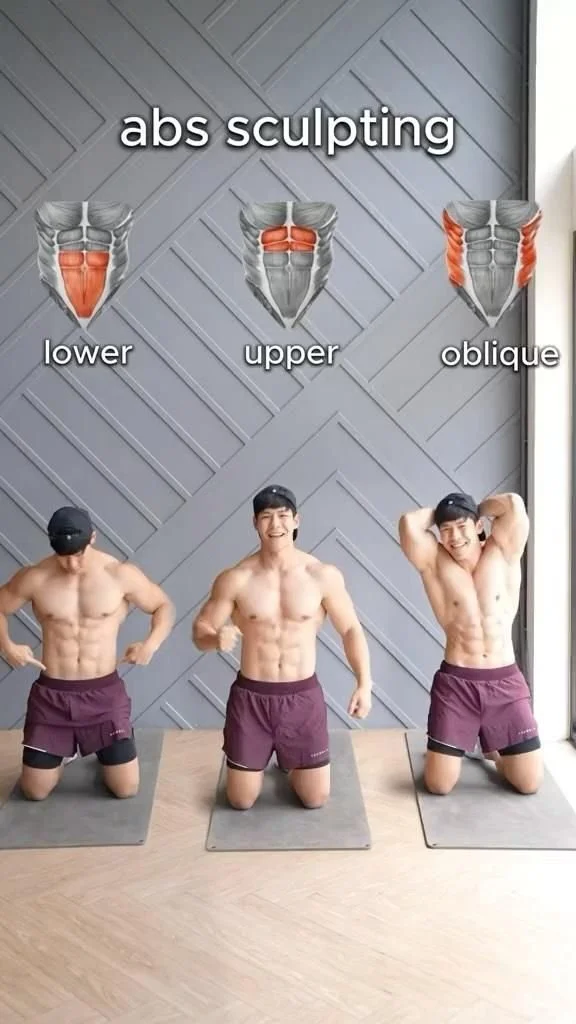
Many people default to one or two moves (crunches, sit-ups) and wonder why their midsection doesn’t improve. The abs are a functional muscle group with different regions:
Upper abs: flex the torso (e.g., crunch variations).
Lower abs: control pelvic tilt and lift the legs (e.g., leg raises).
Obliques: resist rotation and lateral flexion (e.g., side planks, Russian twists).
Training each region with progressive difficulty and varied planes of motion yields the best visual and functional results.
8 Killer Exercises to Burn Your Core
Perform these exercises as a circuit or broken into supersets. Focus on control, full range, and breathing.
Hollow Body Hold (30–60 sec)
Why: Builds total-core isometric strength and creates that “tight” midsection.
Cue: Flatten your lower back to the floor, squeeze glutes, hold shoulders off the mat, legs extended and slightly off the ground.
Weighted Crunch (3 sets of 10–15)
Why: Targets upper abs with added load for hypertrophy.
Cue: Use a plate or dumbbell across the chest or behind the head; exhale on the lift, keep chin tucked.
Hanging Leg Raises (3 sets of 8–12)
Why: High activation of lower abs and hip flexors.
Cue: Control the descent; avoid swinging. Progress by straightening knees or adding ankle weights.
Russian Twists (3 sets of 20 total)
Why: Hits the obliques and improves rotational strength.
Cue: Keep back at a 45° angle, rotate from the torso, not just the arms. Add a med ball for load.
Bicycle Crunches (3 sets of 20 total)
Why: Great dynamic movement for obliques and rectus abdominis coordination.
Cue: Drive elbow to opposite knee, not just moving the elbow. Slow and controlled reps beat speed.
Pallof Press (3 sets of 10–12 each side)
Why: Anti-rotation move that strengthens the deep core stabilizers.
Why: Adds intensity to upper and mid-ab focus; V-ups incorporate lower abs too.
Cue: Focus on an explosive concentric and controlled eccentric.
Side Plank With Hip Dips (3 sets of 10–15 dips each side)
Why: Strengthens lateral chain and obliques for aesthetics and stability.
Cue: Keep hips high, slow dip and return. Add a weight on the top hip for progression.
Sample 20–30 Minute Killer Core Circuit
Warm up: 5 minutes dynamic mobility (cat-camel, leg swings).
Circuit (3 rounds, minimal rest):
Hollow Body Hold — 30 sec
Hanging Leg Raises — 10 reps
Pallof Press (each side) — 10 reps
Russian Twists — 16 reps
Side Plank Hip Dips (each side) — 12 reps
Rest 60–90 seconds between rounds.
Tip: If you’re short on time, superset abs with upper-body movements (e.g., biceps or presses). For efficient pairing and programming ideas, consider this compact barbell-only biceps routine to alternate with core sets.
Progression and troubleshooting
Increase difficulty by adding load, range, or instability (e.g., weighted Russian twists, single-leg hollow holds).
If you feel neck strain, support the head lightly and focus on pelvic tilt to use abs rather than neck muscles.
Swaying or momentum means you’re too fast — slow it down.
Track reps and time under tension instead of just “how many sets” you did.
Nutrition and recovery
Sculpted abs are built in the kitchen as much as the gym. Aim for:
A slight calorie deficit if body fat reduction is the goal.
Adequate protein to preserve lean mass.
Whole-food carbohydrates timed around workouts for performance.
Also prioritize sleep and active recovery; core training demands CNS readiness and spinal health.
Final tips
Train abs 2–4 times per week, mixing heavy-loaded sessions with endurance and stability work.
Pair core work with posterior chain training to prevent imbalances and protect your spine.
Consistency and progressive overload will win over countless reps of the same old crunch.
Start with the fundamentals, practice perfect form, and gradually layer intensity. With the right plan and patience, you’ll see both strength and sculpting results in your core.
Introduction
Visible abs are a common fitness goal — a blend of muscular development, low body fat, and consistent habits. Achieving a defined midsection isn’t just about doing endless crunches; it requires understanding anatomy, nutrition, and targeted training. If you’re curious about side definition and oblique-focused work, this primer links to more focused guidance on how to target those areas: visible side abs exercises.
Why abs might not be showing
Three primary reasons your abs aren’t visible:
Body fat: Even well-developed abdominal muscles remain hidden under a layer of fat. For most people, single-digit to low-teens body fat percentages are necessary for visible six-packs.
Muscle development: The rectus abdominis, obliques, and transverse abdominis all contribute. If the muscles are underdeveloped, definition will be limited.
Water retention and bloating: Short-term factors like sodium intake, carbohydrate cycling, and gut health can obscure abs temporarily.
Anatomy & function — not just aesthetics
Understanding the muscles helps plan training:
Rectus abdominis: The “six-pack” muscles that run vertically down the front of the abdomen.
External and internal obliques: Responsible for rotation and side bending; contribute to the tapered waist look.
Transverse abdominis: Deep stabilizer that flattens the stomach and supports posture.
Training strategies that work
Effective abdominal training balances strength, hypertrophy, and function.
Prioritize compound lifts: Squats, deadlifts, overhead presses and pulls demand core stability and build functional midsection strength.
Include targeted ab work 2–4 times per week: Mix exercises that target upper/lower rectus and obliques — planks, hanging leg raises, cable woodchoppers, and anti-rotation movements.
Progressive overload: Just like any muscle group, abs respond to increased resistance and volume over time.
If you prefer short, effective home routines, you can follow structured at-home workouts that focus on core progression: home abs workout routines.
Nutrition: the decisive factor
Visible abs are earned in the kitchen as much as the gym:
Create a modest calorie deficit to reduce body fat (0.5–1% of body weight per week is sustainable for many).
Prioritize protein (0.7–1.0 g per lb of body weight) to preserve lean mass during fat loss.
Manage carbs and sodium around training to control energy and water retention; eat fiber and probiotics for gut regularity.
Cardio, HIIT, and non-exercise activity
Non-exercise activity thermogenesis (NEAT) — walking, standing, daily movement — can significantly boost calorie expenditure.
Steady-state cardio helps burn extra calories; high-intensity interval training (HIIT) can be efficient for time-limited schedules and may preserve more muscle.
Recovery and consistency
Sleep: 7–9 hours per night supports fat loss, hormone balance, and recovery.
Stress management: High cortisol can promote abdominal fat storage.
Patience and adherence: Short-term extreme dieting often backfires. Slow, steady progress is more sustainable and healthier.
Common myths
Spot reduction is a myth: Doing thousands of crunches won’t burn belly fat specifically.
Genetics matter: You can improve your midsection substantially, but genetics determine abdominal shape and the exact level of body fat required for visibility.
Abs-only programs: Overemphasizing isolated ab work without overall strength training and nutrition yields limited results.
Title: Pin en 筋肉 — Building Muscle, Curating Motivation, and Practical Recovery
Introduction
"Pin en 筋肉" captures a common online habit: collecting visual inspiration for building muscle (筋肉) and saving ideas that motivate workouts, nutrition, and recovery. Whether you’re saving a striking before-and-after photo or a simple routine to try next week, a well-curated board can be a practical tool for progress. If life gets busy, consider pairing your inspiration with realistic plans like these workout strategies for busy parents to keep momentum without burning out.
Why visual curation helps muscle development
Focus and memory: Pinning routines, form cues, and progress photos reinforces the specific exercises and habits you want to reproduce in the gym. The more specific the image or note, the easier it is to recall the movement pattern or rep scheme.
Habit formation: A visible collection of small, achievable goals (e.g., "3×10 Romanian deadlifts" pinned beside a photo of proper form) nudges you to act. Visual reminders work as prompts that reduce friction between intent and behavior.
Diversity of ideas: Boards let you gather strength training splits, mobility drills, and accessory work in one place so you can trial combinations and build a program that fits your time and goals.
Training fundamentals to pin and practice
Progressive overload: Save pins that track rep or weight progression—charts, templates, or short videos that show incremental increases. Small, consistent gains are how muscle grows.
Compound movements first: Pins that emphasize squats, deadlifts, presses, and pulls are worth prioritizing; these moves produce the largest stimulus and help build balanced strength.
Accessory work and mobility: Curate specific pins for common weak points (e.g., glute activation drills or thoracic mobility routines). These help prevent plateaus and reduce injury risk.
Nutrition notes for muscle growth
Muscle-building requires protein and calories in appropriate amounts, but also varied micronutrients. Pin practical meal templates (easy, repeatable, and transportable) rather than elaborate one-off recipes. If you want to emphasize nutrient-dense greens alongside your protein sources, read more about why leafy vegetables like spinach are often labeled a superfood in this article on the benefits of spinach: spinach as a superfood. Pins that show simple meal-prep steps cut down on decision fatigue and make consistent eating much easier.
Recovery, pain management, and realistic expectations
Sleep and rest: Pin bedtime routines and sleep-hygiene tips—recovery starts at night. Consistent sleep supports hormone balance and muscle repair.
Active recovery: Low-intensity movement, foam rolling, and gentle stretching can be pinned as short routines to follow on rest days.
Addressing soreness and focal pain: For localized tight spots or nagging stiffness, keep pins that detail conservative approaches—heat/cold, targeted stretches, and when to seek professional help. If you want product-based relief options, reserve those links for targeted research rather than random pins so you can assess ingredients and instructions carefully.
Organizing a "筋肉" board that works
Create sub-sections: Divide pins into Workouts, Nutrition, Mobility, and Recovery so you can quickly find what you need for the day.
Use captions: Add a one-line note to each pin—why you saved it and how you plan to use it. That turns inspiration into a plan.
Limit the noise: Periodically archive pins that no longer fit your goals. A lean, intentional board is more actionable than a sprawling one.
Practical weekly routine (example)
Monday: Lower-body strength (focus: compound lifts) + short mobility finisher
Tuesday: Upper-body push/pull + accessory rotator cuff work
Wednesday: Active recovery (walking, mobility, foam rolling)
Thursday: Hypertrophy-based lower-body + sprint or conditioning finisher
Friday: Upper-body accessory + core stability
Weekend: One longer active session or sport, plus rest and meal prep
Use your pins to map each week—attach notes for target sets/reps and the weight you aim to progress. That small habit converts pinned inspiration into measurable results.
Conclusion
If you’re dealing with persistent localized stiffness or want a targeted, over-the-counter option to complement the recovery techniques you pin, consider researching products like サロンパス®ツボコリ®パッチ|コリや痛みにピンポイント®で効く. It can be a helpful part of a broader recovery plan when used appropriately and in conjunction with movement, rest, and professional advice when needed.
Five Small Habits That Actually Help Shrink Belly Fat
Losing belly fat doesn’t require dramatic diets or hours in the gym — small, consistent changes add up. This article offers five simple, science-backed habits you can start today. If you want a quick boost in results, try to increase your protein intake across meals and snacks; protein helps with satiety, preserves muscle, and supports a higher metabolic rate.
Move more — throughout the day
Aim to reduce long periods of sitting. Non-exercise activity thermogenesis (NEAT) — walking, fidgeting, taking the stairs — can significantly increase daily calorie burn.
Add short movement breaks every hour: 5–10 minutes of brisk walking, stair climbs, or bodyweight movements. These small bursts compound over the day and help reduce abdominal fat when combined with a calorie-aware diet.
Prioritize protein and fiber at every meal
Protein keeps you full longer and helps maintain lean muscle as you lose fat. Include a source at each meal (eggs, poultry, fish, beans, tofu, dairy, or protein shakes).
Fiber from vegetables, fruits, legumes, and whole grains slows digestion and helps control blood sugar and appetite.
Swapping a refined-carb snack for a protein-and-fiber combo (Greek yogurt with berries, apple slices with nut butter) can reduce overall calorie intake without hunger.
Strength training — full-body over endless crunches
Many people waste time doing thousands of crunches expecting spot reduction. The truth is you can’t burn fat from just one area; fat loss comes from a whole-body calorie deficit plus muscle-building exercise.
Prioritize compound lifts (squats, deadlifts, rows, presses) and progressive overload 2–3 times per week to increase muscle mass and resting metabolic rate. For more on why core-only routines fall short, see why spot reduction is a myth.
Cut liquid calories and refined sugars
Sugary beverages and frequent sweet treats spike insulin and add calories with little satiety. Replacing sodas, sweetened lattes, and fruit juices with water, sparkling water, or unsweetened tea reduces daily sugar intake quickly.
When you do enjoy carbs, choose whole-food sources (oats, potatoes, whole grains) and pair them with protein and fat to blunt blood-sugar swings and curb overeating.
Improve sleep and manage stress
Poor sleep and chronic stress increase cortisol, which is linked to increased abdominal fat and stronger cravings for calorie-dense foods.
Aim for 7–9 hours of quality sleep. Build relaxing pre-sleep routines (reduce screens, dim lights, avoid heavy meals late at night).
Use simple stress-reduction strategies: brief daily walks, deep breathing, journaling, or short guided meditations. Consistent recovery supports better food choices and consistent workouts.
Quick implementation tips
Track small wins: note steps, protein servings, or sleep hours to build momentum.
Meal prep simple, balanced meals to avoid impulse choices.
If you’re short on time, 20–30 minutes of combined strength and brisk walking most days is effective.
Conclusion
Small, sustainable habits beat extreme short-term fixes for reducing belly fat. As you prepare more of your own meals to support these changes, remember safe food handling matters — learn the 4 Steps to Food Safety | FoodSafety.gov to keep your healthy meals both nutritious and safe.
Top 4 Dumbbell Chest Exercises for a Stronger, Better-Defined Chest
Building a solid chest with just a pair of dumbbells is entirely possible when you choose the right exercises and focus on form. Below is a concise, practical guide to four highly effective dumbbell moves, plus programming tips, common mistakes to avoid, and how to pair chest days with complementary work. If you want a ready-made template that uses four key moves, see this best chest workout routine — 4 exercises to compare variations and rep schemes.
The Top 4 Dumbbell Chest Exercises
Flat Dumbbell Chest Press
What it does: Primary pressing movement for overall chest mass and strength; also engages triceps and front delts.
How to do it: Lie flat on a bench, press dumbbells from chest level to full extension, palms facing forward (or slightly turned in for comfort). Keep shoulder blades retracted and feet planted.
Reps/sets: 3–4 sets of 8–15 reps. Use heavier weight for 6–8 reps to build strength, or moderate weight for 12–15 reps to emphasize hypertrophy and endurance.
Tip: Pause briefly at the bottom on tougher sets to eliminate momentum and increase muscle activation.
Close‑Grip Dumbbell Press (For inner chest and triceps synergy)
What it does: A close-grip variation narrows the line of force and brings more emphasis to the inner chest and triceps without needing machines.
How to do it: On a flat bench, hold dumbbells with palms facing each other or slightly angled, keep the dumbbells close together throughout the pressing motion, and press them up while maintaining a controlled path.
Reps/sets: 3 sets of 10–15 reps to focus on time under tension.
Tip: Keep elbows tucked slightly to protect the shoulder joint; this variation can also be a great finisher.
Incline Dumbbell Press
What it does: Targets the upper chest (clavicular head) and helps create a fuller, balanced chest.
How to do it: Set bench at 25–40 degrees, press dumbbells upward and slightly together at the top. Avoid excessive incline to prevent overloading anterior delts.
Reps/sets: 3 sets of 8–12 reps.
Tip: Think of driving the weights up and slightly inward to emphasize upper pec contraction.
Dumbbell Flyes (Flat or Incline)
What it does: Stretches and isolates the chest fibers, improving shape and the “stretch-contract” stimulus.
How to do it: With a slight bend in the elbows, open arms wide on the eccentric and bring dumbbells together over the chest on the concentric. Move through a controlled arc; don’t drop too low to avoid shoulder strain.
Reps/sets: 3 sets of 10–15 reps.
Tip: Use lighter weight than presses. Focus on a slow eccentric (3 seconds) to maximize tension.
Structuring the Session and Progression
Sample session: 1) Incline DB Press 3×8–12, 2) Flat DB Press 3×8–12, 3) Dumbbell Flyes 3×10–15, 4) Close‑Grip DB Press 3×12–15.
Frequency: Train chest 1–2 times per week depending on recovery and total volume.
Progression: Increase load when you can hit the top of the rep range with solid form for two sessions in a row. Alternatively, add a set or reduce rest to create overload.
Rest: 60–90 seconds between sets for hypertrophy; 2–3 minutes for heavier strength-focused sets.
Pairing Chest Work with Other Muscle Groups
Balancing your upper-body training is important. Chest days often pair well with triceps and shoulders, or you can alternate with back/biceps days to allow recovery. If you focus on arms on a separate day and want a simple, effective arm routine to complement your dumbbell chest work, consider this concise 4 biceps exercises routine — barbell only to balance pushing sessions with pulling-focused arm development.
Common Form Mistakes and Safety Notes
Overarching the lower back: Keep a neutral spine and a slight natural arch only. Clamp the ribcage down by engaging core.
Using too much weight: Sacrificing range of motion and control reduces muscle activation and increases injury risk.
Flaring elbows excessively: Leads to shoulder strain—keep elbows at about 45 degrees from the torso on presses.
Rushing reps: Slow, controlled reps increase time under tension and build better muscle quality.
Conclusion
Four well-chosen dumbbell exercises—flat press, incline press, close-grip press, and flyes—cover the movement patterns needed to build chest thickness and shape. Prioritize form, progressive overload, and program balance, and you’ll see steady gains without needing a lot of complex equipment.
Get 3D Shoulders: Build Strength and Definition Fast
Strong, rounded shoulders—what many call "3D shoulders"—come from targeted training that develops all three heads of the deltoid, reinforces supporting muscles, and optimizes recovery. This guide gives you the principles, exercises, and a compact program to add width and definition quickly without getting lost in complicated routines.
Why 3D Shoulders Matter
Well-developed shoulders improve aesthetics and functional strength for pressing, pulling, and overhead work. They also help stabilize the scapula and protect the rotator cuff during heavy lifts. To get balanced, three-dimensional shoulders you must train:
Anterior (front) deltoid
Lateral (side) deltoid
Posterior (rear) deltoid
…and the traps, rotator cuff, and upper back that support them.
Good shoulder development is supported by a strong torso and stable core, so layering in rotational and anti-rotation work can accelerate progress. For example, exercises like the band twist are great for building that foundational core strength that transfers to more stable overhead work: band twist: how to build core strength.
Training Principles for Fast Results
Follow these key principles to maximize gains:
Progressive overload: Gradually increase weight, reps, or volume every 1–3 weeks.
Head-specific selection: Include at least one heavy, compound movement and one isolation for each deltoid head.
Frequency: Train shoulders 2–3 times per week with varied intensity.
Range of motion and control: Prioritize clean movement and full ROM to stimulate fibers across each head.
Recovery: Sleep, nutrition, and spacing heavy sessions are critical to avoid overuse injuries.
Best Exercises (and How to Use Them)
Compound lifts build mass and strength; isolation moves carve shape.
Overhead Press (barbell or dumbbell) — primary mass builder for anterior and lateral delts. Use heavy sets of 4–6 reps and moderate sets of 8–12.
Dumbbell Lateral Raise — isolates the lateral deltoid for width. Aim for controlled reps (10–15).
Rear Delt Row / Face Pull — targets posterior delts and upper back. High-rep sets (12–20) maintain health and posture.
Arnold Press / Incline Front Raise — variations to emphasize anterior delts and add fullness.
Trap Work (shrugs) — builds the upper frame and complements shoulder width.
Use a mix of heavy compound lifts (low reps) and lighter isolation work (higher reps) in each training block.
Sample Workout Split (2–3x Week Focus)
Example 2-day-per-week focused approach that pairs well with other training:
Day A — Strength Focus
Barbell Overhead Press: 4 sets × 4–6 reps
Weighted Chin-ups or Bent-over Rows: 3 × 6–8
Dumbbell Lateral Raises: 4 × 10–12
Face Pulls: 3 × 15–20
Shrugs: 3 × 8–10
Day B — Hypertrophy & Balance
Seated Dumbbell Press: 3 × 8–10
Cable Lateral Raises (drop set last set): 3 × 12–15
Rear Delt Flyes (on incline or machine): 4 × 12–15
Upright Rows (light/moderate): 3 × 10–12
Rotator Cuff External Rotations: 3 × 15–20
If you prefer integrating full-body sessions, sprinkle shoulder-focused sets into upper-body days. For athletes looking to boost overall strength quickly, pairing this with heavy posterior chain sessions—like an EMOM deadlift workout—can improve total-body force production and shoulder transfer: the 15-minute heavy deadlift EMOM workout to build strength fast.
Technique & Injury Prevention
Keep the shoulder blades stable and slightly retracted during pressing.
Avoid excessive forward lean or flaring of the elbows on overhead presses.
Use controlled negatives on lateral and rear delt work to maximize time under tension.
Warm up the rotator cuff and scapular stabilizers with band work and light sets before heavy pressing.
Nutrition & Recovery
Aim for a small caloric surplus (200–400 kcal) if your primary goal is hypertrophy.
Protein: 1.6–2.2 g/kg bodyweight per day to support muscle repair and growth.
Prioritize sleep (7–9 hours) and manage session density—don’t train shoulders heavy on consecutive days without deloading.
Quick 6-Week Progression Plan
Weeks 1–2: Establish technique. Moderate weight, higher reps (8–12) for most accessory moves.
Weeks 3–4: Increase intensity. Add a heavy day (4–6 reps) and a volume day (10–15 reps).
Weeks 5–6: Peak week with a slight increase in load and a deload in the final week to consolidate gains.
Track at least one metric (press weight, lateral raise reps, or tape measurements) every week to ensure progress.
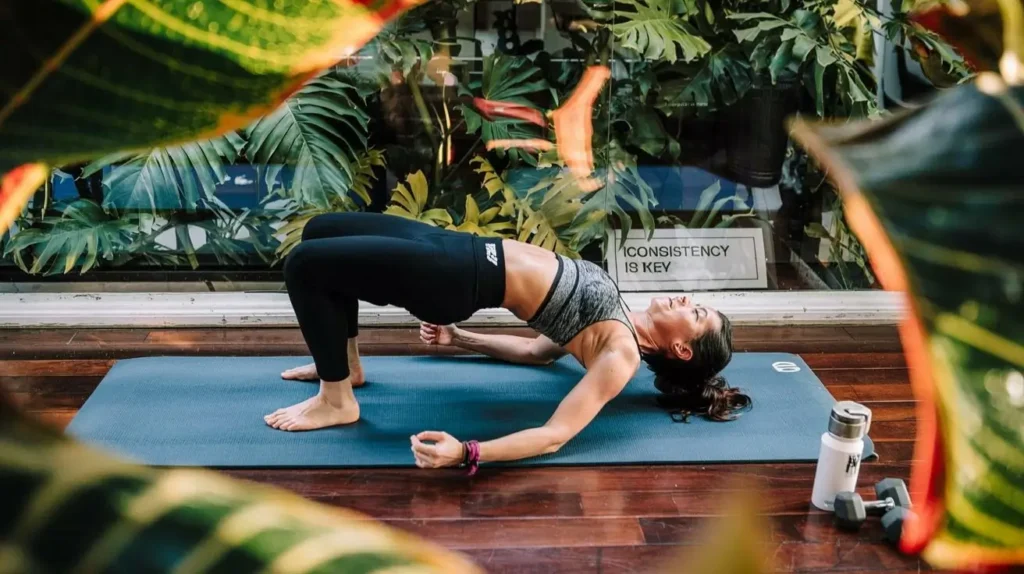
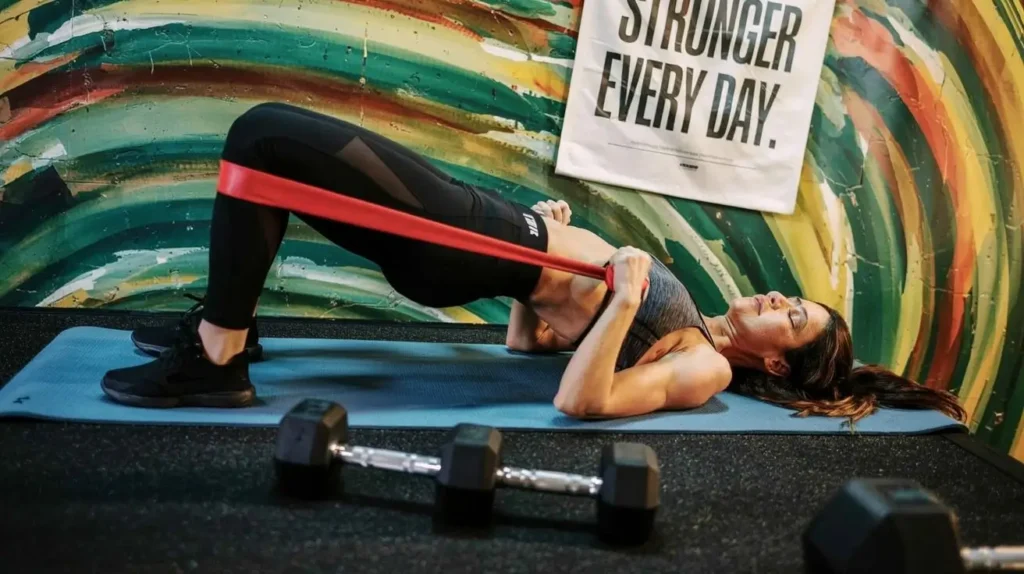
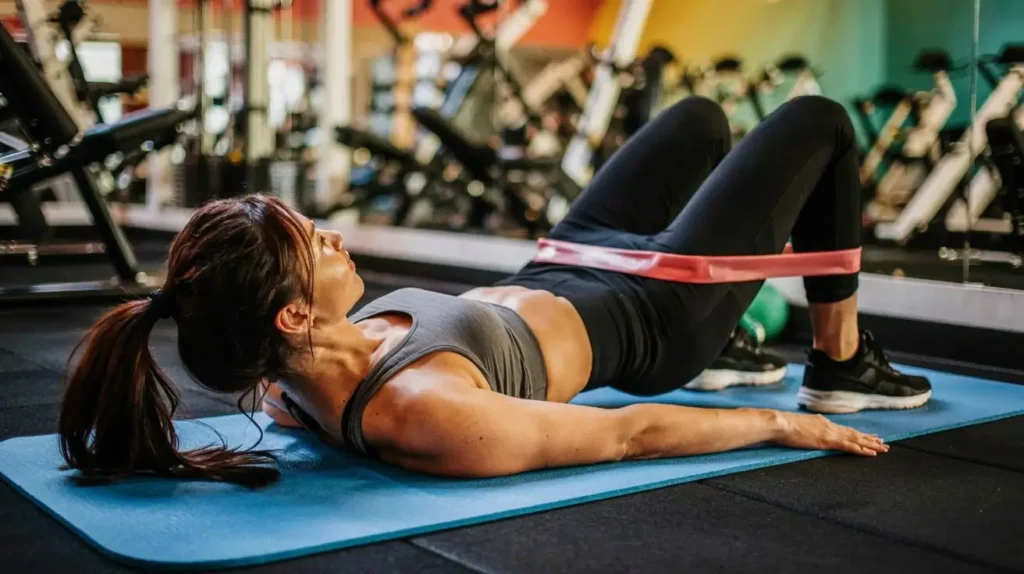
Achieving well-defined and bigger glutes is a common fitness goal for many individuals. A structured workout routine that focuses on the right exercises can help in strengthening and enlarging this muscle group effectively. Below, we will explore some key exercises you can incorporate into your fitness regime for massive glute gains.
1. Reverse Hyper Extensions
Reverse hyperextensions are an excellent exercise for targeting the gluteus maximus while also engaging the lower back and hamstrings. This movement mimics the natural hip extension pattern, which is crucial for glute growth.
How to Perform:
Position yourself on the reverse hyperextension machine with your hips at the edge.
Grab the handles securely.
Allow your legs to hang off the edge, keeping your feet pointed and slightly together.
Engage your core and lift your legs in a controlled motion until they are parallel to the ground.
Slowly lower your legs back to the starting position.
Sets and Reps: Perform 3 sets of 12-15 reps.
2. Romanian Deadlift
The Romanian deadlift is a fantastic compound movement focusing on the posterior chain, particularly the glutes and hamstrings. This exercise not only builds strength but also improves flexibility in the hips.
How to Perform:
Stand with feet shoulder-width apart, holding a barbell with both hands in front of your thighs.
Keeping your knees slightly bent, hinge at the hips and lower the barbell along your legs, maintaining a straight back.
Go as low as your flexibility allows, ideally stopping when you feel a stretch in your hamstrings.
Engage your glutes to return to the starting position while keeping your back straight.
Sets and Reps: Complete 3 sets of 12-15 reps.
3. Back Extensions
Back extensions, often performed on a hyperextension bench, are excellent for strengthening the lower back while also engaging the glutes. This exercise emphasizes hip extension and can contribute to building stronger glute muscles.
How to Perform:
Position yourself on the back extension machine, ensuring your hips are snug against the pad.
Cross your arms over your chest or place your hands behind your head.
Lower your upper body towards the ground while maintaining a straight spine.
Engage your glutes and lift your torso back to a neutral position.
Sets and Reps: Aim for 3 sets of 12-15 reps.
4. Wall Squats
Wall squats are a low-impact exercise that can help promote proper squat form while effectively targeting the glute muscles. This is an excellent movement for building endurance and strength in the glutes.
How to Perform:
Stand with your back against a wall, feet shoulder-width apart, and about 2 feet away from the wall.
Slide your back down the wall until your thighs are parallel to the ground, ensuring your knees do not go past your toes.
Hold this position while engaging your core and glutes.
Slowly push through your heels to stand back up against the wall.
Sets and Reps: Perform 3 sets of 12-15 reps.
Conclusion
Building bigger glutes requires a combination of effective exercises, proper form, and consistency. By incorporating reverse hyperextensions, Romanian deadlifts, back extensions, and wall squats into your routine, you will start seeing improvements in your strength and glute development. Always remember to warm up before your workout and listen to your body to prevent injuries. Happy lifting!
Building stronger, more muscular legs is a goal for many fitness enthusiasts and athletes alike. Not only do well-developed legs contribute to a balanced physique, but they also enhance athletic performance and improve functional strength. Here, we will explore some effective exercises tailored to help you achieve bigger legs. Let’s dive into the specifics!
1. Pistol Squat
The pistol squat is a challenging unilateral exercise that targets multiple muscle groups, including the quadriceps, hamstrings, and glutes. This exercise also improves balance, flexibility, and core strength.
How to Perform:
Stand on one leg with the other extended straight in front of you.
Lower your body into a squat position while keeping your extended leg off the ground.
Go down as low as you can, ideally reaching a full squat position.
Push through your heel to return to the starting position.
Sets and Reps:
Aim for 3 sets of 12-15 reps on each leg. If you’re a beginner, you can use support to help maintain balance.
2. Laying Leg Curl
The laying leg curl is a fantastic isolation exercise that specifically targets the hamstrings. Building strong hamstrings is crucial for overall leg development and injury prevention.
How to Perform:
Lie face down on a leg curl machine and position your ankles under the padded lever.
Curl your legs upwards towards your glutes while keeping your hips down against the bench.
Slowly lower the weight back to the starting position.
Sets and Reps:
Perform 3 sets of 12-15 reps. Focus on controlling the movement and squeezing your hamstrings at the peak contraction.
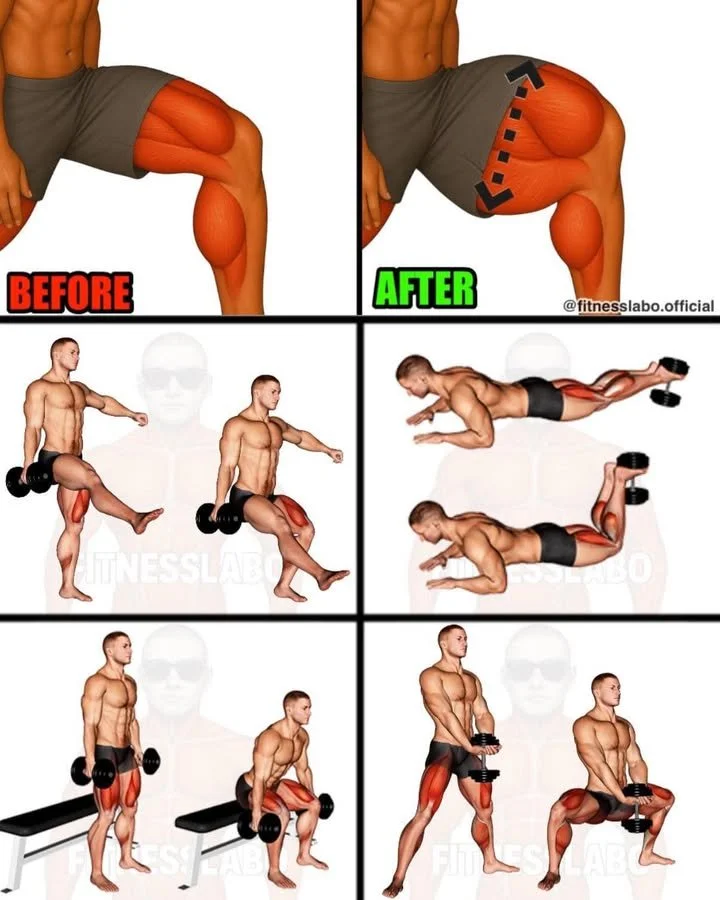
3. Bench Squat
The bench squat is great for developing proper squat mechanics and building strength in the quads and glutes. It’s an excellent option for those who may struggle with traditional squats.
How to Perform:
Stand in front of a bench or box with your feet shoulder-width apart.
Push your hips back and lower your body as if you are going to sit on the bench.
Make sure your knees don’t extend past your toes, and your back remains straight.
Lightly touch the bench with your glutes before pushing back up to standing.
Sets and Reps:
Complete 3 sets of 12-15 reps. Use body weight or add a barbell or dumbbells for added resistance as you gain strength.
4. Plyo Squat
Plyometric exercises are excellent for building explosive strength and power in the legs. The plyo squat incorporates speed and stability, making it a dynamic addition to your leg workout.
How to Perform:
Start in a squat position with your feet shoulder-width apart.
Jump as high as you can, extending your arms upwards.
Land softly back into the squat position, absorbing the impact with your legs.
Sets and Reps:
Aim for 3 sets of 12-15 reps. Ensure you maintain proper form to avoid injury and enhance effectiveness.
Conclusion
Incorporating these exercises into your leg workout routine can help you build bigger, stronger legs over time. As always, focus on maintaining proper form, gradually increasing resistance, and listening to your body to prevent injuries. Happy training, and enjoy your journey to achieving impressive leg gains!
Are you looking to build a stronger, more defined upper body but unsure where to start? Whether you’re a beginner taking your first steps into fitness or an experienced gym-goer aiming to level up your strength, upper body workouts are a cornerstone of any effective fitness routine. From sculpting toned arms and a powerful chest to improving posture and overall functional strength, a well-rounded upper body workouts plan can transform not just your physique but also your daily life.
In this Ultimate Guide to Upper Body Workouts for All Fitness Levels, we’ll break down everything you need to know to get started, or to take your training to the next level. You’ll discover the best exercises for targeting key muscle groups, learn how to create a workout plan tailored to your goals, and pick up expert tips to maximize your results. No matter your fitness level, this guide is your one-stop resource for building a stronger, healthier, and more confident upper body.
1. Why Upper Body Workouts Are Essential for Overall Fitness
Why Upper Body Workouts Are Essential for Overall Fitness
Upper body workouts is a critical component of overall fitness and plays a vital role in both physical health and daily functionality. While many people focus on lower body strength or cardio, neglecting the upper body can lead to imbalances, poor posture, and limited performance in everyday activities. Here’s why building upper body workouts is so important and how it can benefit you:
1. Improved Posture and Spinal Health
A strong upper body, particularly the back and shoulder muscles, helps maintain proper posture. In today’s world, where many of us spend hours sitting at desks or looking at screens, weak upper body muscles can lead to slouching, rounded shoulders, and even chronic pain. Strengthening muscles like the trapezius, rhomboids, and latissimus dorsi helps pull your shoulders back and align your spine, reducing the risk of discomfort and long-term postural issues.
2. Enhanced Functional Strength for Daily Activities
Upper body workouts aren’t just about looking good, they’re about making everyday tasks easier. Whether you’re lifting groceries, carrying your kids, or moving furniture, a strong upper body improves your ability to perform these activities with ease. Functional exercises like push-ups and shoulder presses mimic real-life movements, building strength that translates directly into your daily life.
3. Improved Posture and Reduced Risk of Injury
A strong upper body is crucial for maintaining proper posture, especially in today’s world where many of us spend hours hunched over desks or screens. Exercises like rows and pull-ups strengthen your back muscles, helping to counteract slouching and reduce the risk of chronic pain. Additionally, a balanced upper body workouts routine ensures that all muscle groups are equally developed, preventing imbalances that can lead to injuries.
4. Better Athletic Performance
Whether you’re a runner, swimmer, cyclist, or play sports like basketball or tennis, upper body workouts plays a key role in your performance. A strong upper body improves your ability to generate power, maintain stability, and endure physical demands. For instance, swimmers rely on their shoulders and arms for propulsion, while runners benefit from strong arms to maintain momentum and balance.
5. Balanced Muscle Development for a Toned Physique
If you’re aiming for a well-proportioned, toned physique, upper body workouts are a must. Targeting muscles like the chest, shoulders, arms, and back helps create a balanced look, whether your goal is to build muscle mass or simply tone up. Plus, a strong upper body complements lower body strength, giving you a complete, athletic appearance.
6. Boosted Confidence and Mental Health
There’s something incredibly empowering about feeling strong and capable. Building upper body strength not only improves your physical abilities but also boosts your self-esteem and mental well-being. The sense of accomplishment that comes from mastering new exercises or lifting heavier weights can have a positive impact on your overall mindset.
7. Supports Overall Fitness Goals
Upper body strength is a key component of a well-rounded fitness routine. It complements lower body strength and cardiovascular fitness, ensuring that your body is balanced and capable of handling a variety of physical challenges. Whether you’re aiming to lose weight, build muscle, or improve endurance, upper body workouts are an essential part of the equation.
8. Long-Term Health Benefits
Maintaining upper body strength as you age is crucial for preserving independence and quality of life. Strong muscles help you stay active, reduce the risk of falls, and make it easier to perform daily tasks, even as you get older. Investing in your upper body strength now pays off in the long run.
Upper body strength is about more than just looking good, it’s about feeling strong, capable, and healthy in every aspect of your life. By incorporating upper body workouts into your fitness routine, you’ll not only improve your physical appearance but also enhance your overall well-being. So, whether you’re a beginner or a seasoned fitness enthusiast, don’t underestimate the power of a strong upper body. Start today and experience the transformative benefits for yourself!
2. Key Muscle Groups Targeted in Upper Body Workouts
Key Muscle Groups Targeted in Upper Body Workouts
Upper body workouts focus on several major muscle groups, each playing a unique role in movement, strength, and stability. Understanding these muscles and their functions can help you design a balanced and effective workout routine. Here’s a breakdown of the key muscle groups targeted in upper body workouts:
Chest (Pectorals)
The chest muscles, or pectorals, are located in the front of your upper body and are primarily responsible for pushing movements. Exercises like bench presses, push-ups, and chest flys target this area, helping to build strength, power, and a well-defined chest. Strong pectorals also support activities like lifting and pushing objects in daily life.
Back (Latissimus Dorsi, Trapezius, Rhomboids)
The back muscles are among the largest and most important muscle groups in the upper body. The latissimus dorsi (lats) and trapezius (traps) are key players in pulling movements, such as pull-ups, rows, and lat pulldowns. These muscles help improve posture, stabilize the spine, and create a strong, V-shaped back. The rhomboids, located between the shoulder blades, assist in retracting and stabilizing the scapulae.
Shoulders (Deltoids)
The shoulder muscles, or deltoids, are divided into three parts: anterior (front), lateral (side), and posterior (rear) deltoids. They are responsible for lifting and rotating the arms, as well as stabilizing the shoulder joint. Exercises like shoulder presses, lateral raises, and rear delt flys target these muscles, enhancing shoulder strength, mobility, and overall upper body stability.
Arms (Biceps and Triceps)
The arms consist of two main muscle groups: the biceps (front of the arm) and the triceps (back of the arm). The biceps are involved in pulling and curling motions, such as bicep curls and chin-ups, while the triceps assist in pushing movements, like tricep dips and bench presses. Strong arms are not only aesthetically pleasing but also essential for daily tasks like lifting and carrying.
Core (Abs and Obliques)
While often associated with lower body workouts, the core muscles play a vital role in upper body workouts by providing stability and balance. The rectus abdominis (abs) and obliques (side muscles) help maintain proper form during movements like planks, push-ups, and overhead presses. A strong core also protects the spine and enhances overall athletic performance.
Why These Muscle Groups Matter
Each of these muscle groups works together to create a strong, functional, and balanced upper body. Neglecting any one group can lead to muscle imbalances, poor posture, and increased risk of injury. By incorporating exercises that target all these areas, you’ll build a well-rounded upper body that’s not only powerful but also resilient and capable of handling everyday challenges.
3. Best Upper Body workouts for All Fitness Levels
Best Upper Body workouts for All Fitness Levels
Whether you’re just starting out or looking to challenge yourself, there’s an upper body workouts for everyone. Here’s a breakdown of the best upper body workouts tailored to different fitness levels, ensuring you can build strength and progress at your own pace.
Beginner: Push-Ups, Wall Push-Ups, Resistance Band Rows
If you’re new to upper body workouts, start with bodyweight exercises like push-ups and wall push-ups. These movements build foundational strength without requiring equipment. Resistance band rows are another great option for beginners, as they target the back muscles while being low-impact and easy to modify.
Push-Ups
Targets: Chest, shoulders, triceps, and core.
How to Do It: Start in a plank position with your hands slightly wider than shoulder-width apart. Lower your body until your chest nearly touches the floor, then push back up. Modify by doing knee push-ups if needed.
Why It’s Great: A classic bodyweight exercise that requires no equipment and builds overall upper body strength.
Wall Push-Ups
Targets: Chest, shoulders, and triceps.
How to Do It: Stand facing a wall, place your hands on it at shoulder height, and perform a push-up motion.
Why It’s Great: An excellent modification for those building strength or recovering from injury.
Resistance Band Rows
Targets: Back, biceps, and shoulders.
How to Do It: Loop a resistance band around a sturdy object, hold the ends, and pull toward your torso while squeezing your shoulder blades together.
Why It’s Great: A low-impact exercise that strengthens the back and improves posture.
Once you’ve mastered the basics, incorporate dumbbell bench press, pull-ups, and shoulder presses into your routine. These exercises add resistance to challenge your muscles further, promoting growth and strength. Pull-ups, in particular, are a fantastic compound exercise that engages multiple upper body muscles at once.
Dumbbell Bench Press
Targets: Chest, shoulders, and triceps.
How to Do It: Lie on a bench with a dumbbell in each hand, lower the weights to chest level, then press them back up.
Why It’s Great: Adds resistance to build muscle mass and strength.
Pull-Ups
Targets: Back, biceps, and shoulders.
How to Do It: Grab a pull-up bar with an overhand grip, pull your body up until your chin clears the bar, then lower yourself slowly.
Why It’s Great: A challenging compound exercise that builds upper body power.
Dumbbell Shoulder Press
Targets: Shoulders and triceps.
How to Do It: Sit or stand with dumbbells at shoulder height, press them overhead until your arms are fully extended, then lower them back down.
Why It’s Great: Strengthens the shoulders and improves overhead mobility.
For those with more experience, advanced exercises like barbell bench press, weighted pull-ups, and tricep dips take your upper body workout to the next level. These movements require greater strength and control, helping you push past plateaus and achieve new levels of muscle development.
Barbell Bench Press
Targets: Chest, shoulders, and triceps.
How to Do It: Lie on a bench with a barbell, lower it to your chest, then press it back up.
Why It’s Great: A staple for building upper body mass and strength.
Weighted Pull-Ups
Targets: Back, biceps, and shoulders.
How to Do It: Attach a weight plate or wear a weighted vest while performing pull-ups.
Why It’s Great: Increases the intensity of pull-ups for advanced strength gains.
Tricep Dips
Targets: Triceps, chest, and shoulders.
How to Do It: Use parallel bars or a sturdy surface, lower your body by bending your elbows, then push back up.
Why It’s Great: A challenging bodyweight exercise that builds arm and shoulder strength.
Tips for Progression
Start Slow: If you’re a beginner, focus on mastering proper form before adding weight or intensity.
Gradual Increase: Use the principle of progressive overload by gradually increasing weight, reps, or sets over time.
Mix It Up: Incorporate a variety of exercises to target all muscle groups and prevent plateaus.
4. Creating an Effective Upper Body Workouts Plan
Creating an Effective Upper Body Workouts Plan
An effective upper body workouts plan is more than just a random collection of exercises, it’s a carefully designed routine that targets all major muscle groups, balances intensity, and allows for proper recovery. Whether you’re a beginner or an advanced fitness enthusiast, here’s how to create a plan that works for you.
How Many Sets and Reps to Perform (e.g., 3 Sets of 10-12 Reps)
A well-structured upper body workouts plan typically includes 3-4 sets of 8-12 reps per exercise. This rep range is ideal for building muscle strength and size. For endurance-focused workouts, aim for higher reps (15-20) with lighter weights.
Importance of Rest Days and Recovery
Rest days are just as important as workout days. Your muscles need time to recover and grow after intense upper body workouts. Aim for at least 1-2 rest days per week, and consider alternating muscle groups to avoid overtraining.
Sample Weekly Workout Split (e.g., 2-3 Upper Body Sessions Per Week)
A balanced weekly split might include 2-3 upper body workouts sessions, focusing on different muscle groups each day. For example:
Day 1: Chest and Triceps
Day 2: Back and Biceps
Day 3: Shoulders and Core
How you divide your workouts throughout the week depends on your fitness level and schedule. Here are a few examples:
Full Upper Body Workouts (2-3 Days/Week):
Perform all upper body workouts in one session.
Ideal for beginners or those with limited time.
Push/Pull Split (3-4 Days/Week):
Push Day: Focus on chest, shoulders, and triceps (e.g., bench press, shoulder press, tricep dips).
Pull Day: Focus on back and biceps (e.g., pull-ups, rows, bicep curls).
Allows for more volume and recovery for each muscle group.
Muscle Group Split (4-5 Days/Week):
Dedicate each day to a specific muscle group (e.g., Chest Day, Back Day, Shoulder Day).
Best for advanced lifters looking to maximize muscle growth.
5. Tips for Maximizing Your Upper Body Workouts Results
Tips for Maximizing Your Upper Body Workouts Results
Getting the most out of your upper body workouts requires more than just showing up at the gym or doing a few push-ups at home. To maximize your results, whether your goal is to build muscle, increase strength, or improve endurance, you need to focus on strategy, consistency, and recovery. Here are 7 actionable tips to help you achieve your upper body fitness goals:
Focus on Proper Form to Avoid Injury
Proper form is critical for preventing injuries and ensuring you’re targeting the right muscles. Take the time to learn the correct technique for each exercise, and don’t hesitate to ask a trainer for guidance if needed.
How to Do It:
Learn the correct technique for each exercise (watch tutorials or consult a trainer).
Start with lighter weights to master the movement before increasing intensity.
Avoid using momentum or swinging your body during lifts.
Incorporate Progressive Overload for Muscle Growth
To continue making progress, gradually increase the weight, reps, or intensity of your upper body workouts. This principle, known as progressive overload, is key to building strength and muscle over time.
How to Do It:
Gradually increase the weight, reps, or sets of your exercises.
Reduce rest periods between sets to increase intensity.
Combine Strength Training with Proper Nutrition and Hydration
Your diet plays a huge role in your fitness results. Fuel your body with protein-rich foods, healthy fats, and complex carbs to support muscle recovery and growth. Staying hydrated is equally important for optimal performance during your workouts.
Building a stronger, more defined upper body is within your reach, no matter your current fitness level. With the right exercises, a well-structured plan, and a commitment to consistency, you can achieve remarkable results that go beyond just aesthetics. Upper body workouts not only enhance your physical appearance but also improve your posture, boost your functional strength, and contribute to overall health and confidence.
Remember, progress takes time, so be patient with yourself and celebrate every milestone along the way. Whether you’re performing your first push-up or mastering advanced weighted exercises, every step forward is a victory. Use the tips and strategies in this guide to create a routine that works for you, and don’t forget to prioritize proper form, recovery, and nutrition to maximize your results.
For more expert tips and advanced techniques on upper body workouts, check out this comprehensive guide from Healthline.
Now it’s your turn! Lace up your sneakers, grab those dumbbells (or just your bodyweight), and start your upper body workouts journey today. Share your progress, challenges, and successes in the comments below, we’d love to hear from you! Here’s to a stronger, healthier, and more confident you. 💪
FAQ: Upper Body Workouts
1. Can I Do Upper Body Workouts at Home Without Equipment?
Answer: Absolutely! Bodyweight exercises like push-ups, tricep dips, and planks are excellent for building upper body strength without any equipment. You can also use household items like water bottles or resistance bands for added resistance
2. How Often Should I Train My Upper Body?
Answer: For most people, training the upper body 2-3 times per week is ideal. This allows enough time for muscle recovery while still providing consistent stimulation for growth. Beginners can start with 2 days, while advanced lifters may benefit from 3-4 days with a split routine.
3. How Long Does It Take to See Results from Upper Body Workouts?
Answer: Results vary depending on factors like consistency, diet, and genetics. However, with a proper workout plan and nutrition, you may start noticing improvements in strength and endurance within 4-6 weeks. Visible muscle growth typically takes 8-12 weeks or more.
4. What’s the Difference Between Push and Pull Exercises?
Answer: Push exercises (e.g., bench press, push-ups) target muscles involved in pushing movements, like the chest, shoulders, and triceps. Pull exercises (e.g., pull-ups, rows) focus on muscles used in pulling motions, like the back and biceps. A balanced routine includes both types of exercises.
5. Can Women Benefit from Upper Body Workouts?
Answer: Yes! Upper body workouts are just as important for women as they are for men. They help improve posture, build functional strength, and create a balanced, toned physique. Women don’t need to worry about “bulking up”, building significant muscle mass requires specific training and nutrition.