Fitness tips

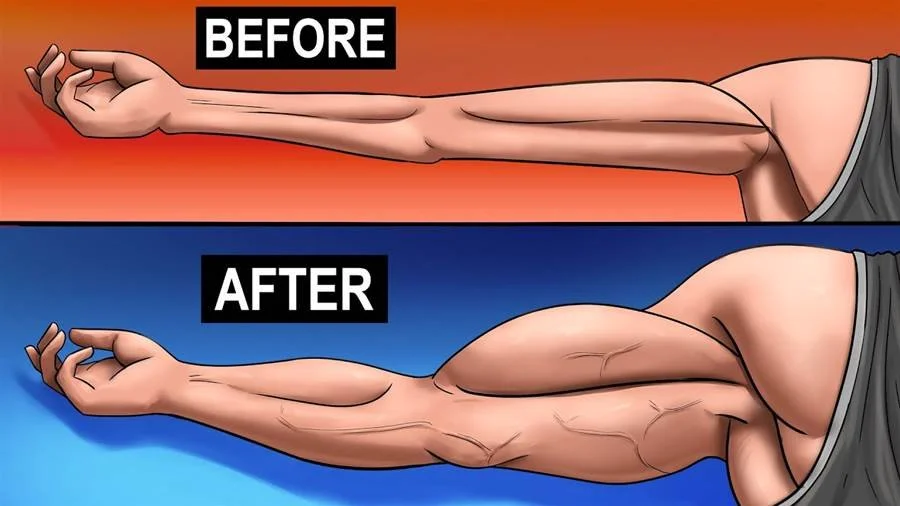
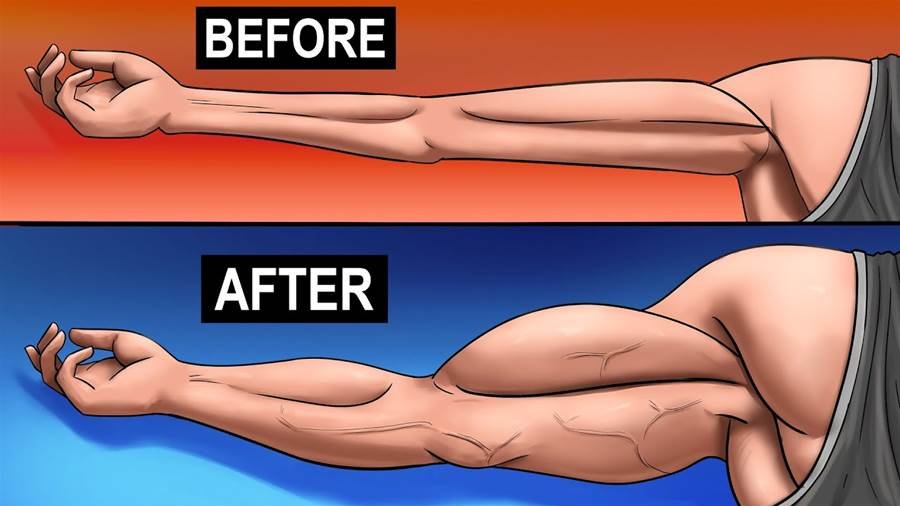
Man performing exercises to get bigger arms in 30 days

5 Steps to Get Bigger Arms in 30 Days

Want noticeably bigger arms in 30 days? This concise, focused plan gives you five practical steps; workouts, nutrition tweaks, and recovery habits; to maximize arm growth quickly and safely. Commit to the plan, track progress, and adjust weights each week for steady gains.
5 Steps to Get Bigger Arms in 30 Days 💪

Step 1 — Prioritize Progressive Overload

  • Increase weight, reps, or sets each week. Progressive overload forces muscle growth. Aim to add 2–5% more weight or 1–2 reps each session.
  • Focus workouts around a mix of compound presses and isolation moves so your biceps and triceps get both heavy loading and targeted stimulus.

Step 2 — Use the Right Exercises and Rep Ranges

  • Compound lifts: Close-grip bench press, dips, and chin-ups build overall arm mass.
  • Isolation moves: Barbell curls, hammer curls, triceps pushdowns, and overhead triceps extensions create shape and peak.
  • Rep scheme: 4–6 heavy reps for compound strength, 8–12 for hypertrophy, and finish with 12–20 for metabolic stress. Combine ranges across sets.

Step 3 — Train Frequency and Volume

  • Train arms directly 2–3 times per week with moderate volume (8–16 total sets per muscle group/week), and include them indirectly on compound days.
  • Structure sample week: Day 1 heavy compound focus, Day 3 accessory arm work (higher reps), Day 5 mixed strength + finishers. For complementary core work, consider a focused plan like the 30-Day Ab Challenge to stabilize your lifts.

Step 4 — dial in Nutrition and Calories

  • To grow, eat a slight calorie surplus: ~250–500 kcal above maintenance, emphasizing protein (0.7–1.0 g per pound bodyweight).
  • Prioritize whole food protein sources, adequate carbs around workouts, and healthy fats. Small changes in diet often speed visible results more than extra sets.

Step 5 — Recovery, Form, and Consistency

  • Sleep 7–9 hours and manage stress—muscle repair happens outside the gym.
  • Maintain strict form to target the intended muscles and avoid injury. Use tempo (2–1-2) on accessory lifts to increase time under tension.
  • Balance arm work with overall conditioning; consider mixing in balanced plans like these 5 Full-Body Workout Routines on non-specialized days to keep fat low and shape defined.

Quick 30-Day Sample Microcycle (Weeks 1–4):

  • Week 1: Establish baseline weights, focus on technique.
  • Week 2: Increase volume (add a set) and push rep targets.
  • Week 3: Add weight on main lifts; maintain accessory volume.
  • Week 4: Deload or reduce volume slightly while keeping intensity to let growth consolidate.

Common Pitfalls to Avoid

  • Chasing ego lifts—too much weight with poor form limits growth.
  • Overtraining—arms need recovery; constant soreness with no progress is a sign to back off.
  • Ignoring nutrition—no matter how hard you train, insufficient calories/protein will stall gains.
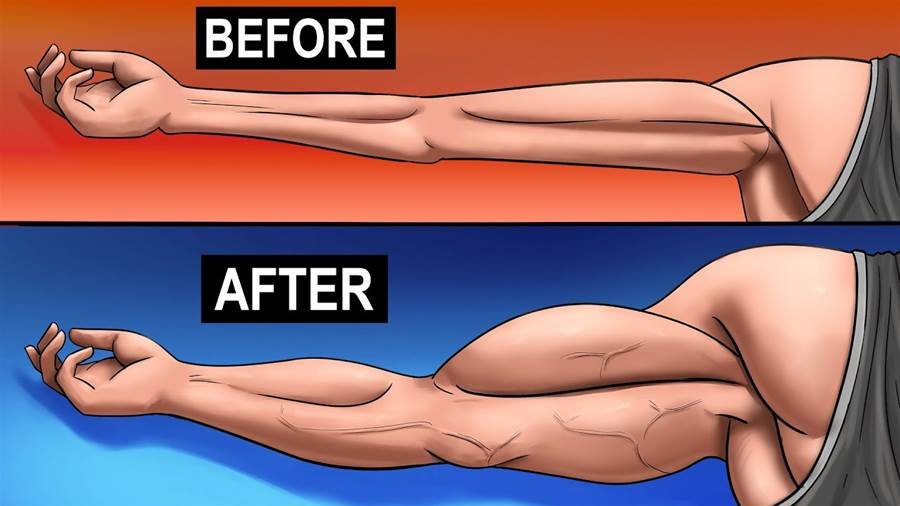
5 Steps to Get Bigger Arms in 30 Days 💪

Conclusion

Pair training with a sensible nutrition plan for faster results; for a structured dietary push you can explore the Keto Challenge 30 Days To Transform Your Body Fast Food Edition to see how adjusting your eating strategy can accelerate your 30-day arm gains.


5 Steps to Get Bigger Arms in 30 Days Read More »

, , , ,
Intense home abs workout tips for blocky abs and faster results

Abs Workout – Grow your Abs faster with these No Bullsh*t tips.Discover the Secret to Blocky Abs: Intense Home Workout Revealed! 💪🔥

Blocky Abs Blueprint

Get ready to stop spinning your wheels on endless crunches and confusing advice. This short, no-nonsense guide gives you the exact principles and a compact at-home routine to grow your abs faster — the efficient, real-world approach that actually produces results. For a quick home-focused routine reference, check this home abs workout guide to pair with the tips below.

Abs Workout - Grow your Abs faster with these No Bullsh*t tips.Discover the Secret to Blocky Abs: Intense Home Workout Revealed! 💪🔥

Why "blocky" abs happen: the short science

  • Abs grow when muscle fibers are overloaded and recover properly. That means progressive tension, not just high reps.
  • Visible abs are 2 things: well-developed abdominal muscles and low enough body fat to reveal them. You must attack both.
  • Focus on compound moves that engage the core under load — you’ll stimulate deeper muscle layers and functional strength.

Program — Intense Home Workout (20–30 minutes)
Do this circuit 3 times a week. Warm up 5 minutes (jog in place, dynamic stretches).

  • Hollow Hold to Pike (45 sec): build anti-extension strength.
  • Slow-Tempo V-Ups (10–12 reps): controlled, full-range contraction.
  • Weighted Russian Twists* (20 total): add a household weight for progressive overload.
  • Plank-to-Push-Up (10 reps): integrates anti-rotation and anterior chain work.
  • Hanging Knee Raises substitute: Lying Leg Raises (12–15 reps) if no bar.

Perform 3 rounds with 60–90 seconds rest between rounds. Increase difficulty by adding weight, slowing eccentrics, or reducing rest.

Progression and programming tips

  • Track sets, reps, and perceived difficulty. When you can do the top of the rep range easily, add load or raise difficulty.
  • Prioritize form over quantity: targeted ab actions are short; make each rep purposeful.
  • Consistency beats novelty: choose 2–4 focused ab sessions weekly and stick with them for 8–12 weeks.

Diet and body-fat strategy

  • Nutrition wins. You cannot out-train a poor diet if your goal is visible, blocky abs.
  • Aim for a moderate calorie deficit if you need to lower body fat, high protein to preserve muscle during the cut.
  • Use whole foods, minimize liquid calories, and time higher-carb meals around your workouts for energy.

For practical protein hacks across meals and snacks, see this easy protein-increase guide that pairs well with the training plan above.

Common mistakes to avoid

  • Doing endless high-rep sit-ups without progressive overload.
  • Neglecting posterior chain and overall strength work; a strong back and glutes improve core development and aesthetics.
  • Expecting visible abs without addressing body fat — both pillars must be managed.

Minimal equipment alternatives

  • Use a dumbbell, kettlebell, or even a heavy backpack to add load to twists and sit-up variations.
  • A pull-up bar enables hanging leg raises — the single best home-to-gym transfer for the lower abs.
  • If equipment is unavailable, slow eccentric bodyweight moves and isometric holds are very effective.

Recovery and lifestyle

  • Sleep, hydration, and stress management influence your hormonal environment for muscle growth and fat loss.
  • Deload every 4–6 weeks if progress stalls: reduce volume or intensity for a week, then come back stronger.

Abs Workout - Grow your Abs faster with these No Bullsh*t tips.Discover the Secret to Blocky Abs: Intense Home Workout Revealed! 💪🔥

Conclusion

Sculpting blocky abs is a two-front battle: targeted progressive training plus disciplined weight management. For an external resource on weight-management strategies that complements this approach, visit Motorcycle Safety Weight Management.

Abs Workout – Grow your Abs faster with these No Bullsh*t tips.Discover the Secret to Blocky Abs: Intense Home Workout Revealed! 💪🔥 Read More »

, , , ,
Woman performing glute training exercises for rounder glutes.

ROUNDER GLUTES: 5 Mistakes Keeping Your Butt Flat! 🚨Breaking News: Common Glute Training Mistakes Exposed! Fix These Now!

Fix Flat Glutes: 5 Common Mistakes

Want a rounder, stronger butt but not seeing progress? You might be sabotaging your glute gains with small, fixable errors. Read on to learn the five most common mistakes that keep your glutes flat — and how to correct them so your hard work finally shows. For quick exercise ideas to pair with these fixes, check out this guide to 5 powerful glute exercises at home.

ROUNDER GLUTES: 5 Mistakes Keeping Your Butt Flat! 🚨Breaking News: Common Glute Training Mistakes Exposed! Fix These Now!

  1. Skipping Progressive Overload
    Why it hurts: Glutes are muscle tissue — they need progressive challenge to grow. Doing the same lightweight sets for months won’t stimulate adaptation.
    Fix: Track your weights, reps, or tempo. Add resistance, more reps, or slower eccentric phases every 2–4 weeks. Prioritize compound hip-dominant moves (hip thrusts, Romanian deadlifts) and finish with targeted isolation work.

  2. Relying on Poor Form (and Momentum)
    Why it hurts: Swinging through reps or letting other muscles (quads/lower back) take over removes tension from the glutes. You’ll feel “work” elsewhere but not grow the target.
    Fix: Slow the reps, focus on hip hinge mechanics, and squeeze the glutes at the top of each rep. Record a set or have a coach check your form to ensure glute activation.

  3. Not Activating the Glutes Before Heavy Work
    Why it hurts: Starting heavy sets with sleepy glutes means your body will default to stronger synergists. Lack of activation can limit recruitment during key lifts.
    Fix: Add short activation circuits (banded lateral walks, glute bridges, clams) before working sets. For technique-specific advice and common errors on accessory moves, review this breakdown of donkey kick mistakes to avoid to make your warm-up count.

  4. Too Much Isolation, Not Enough Hip-Drive Work
    Why it hurts: Isolation exercises (leg lifts, kickbacks) have value, but they won’t produce the same hypertrophy stimulus as heavy hip thrusts or deadlifts. Overemphasis on isolation can limit overall growth.
    Fix: Make hip-dominant compound lifts the foundation of your routine. Use isolation moves as finishers to target stubborn areas and even out muscle imbalances.

  5. Poor Programming and Recovery
    Why it hurts: Training intensity, volume, and recovery must be balanced. Either undertraining (not enough volume) or overtraining (too frequent heavy sessions without recovery) stalls progress. Nutrition and sleep also matter — without calories and recovery, muscles can’t grow.
    Fix: Aim for 8–20 weekly sets of quality glute work depending on experience level, split across 2–4 sessions. Prioritize protein intake, manage stress, and schedule rest or deload weeks when performance trails off.

Quick sample session (simple and effective)

  • Warm-up & activation: Banded lateral walks + glute bridges — 2 rounds
  • Main lift: Hip thrusts — 4 sets of 6–10 reps (progress weight)
  • Secondary: Romanian deadlifts — 3 sets of 8–10 reps
  • Finisher: Cable kickbacks or clams — 2–3 sets of 12–20 reps

Little habits that help every day

  • Mind-muscle connection: Pause and squeeze at the top of reps.
  • Prioritize range of motion: Don’t half-rep heavy exercises.
  • Track progress: Use a training log or app to ensure you’re improving week to week.

ROUNDER GLUTES: 5 Mistakes Keeping Your Butt Flat! 🚨Breaking News: Common Glute Training Mistakes Exposed! Fix These Now!

Conclusion

Fixing these five mistakes will push your glute development forward faster. If you want a practical setup guide for a key growth exercise, check out this step-by-step resource: Setting Up Smith Machine Hip Thrusts: A Step-by-Step Guide.

ROUNDER GLUTES: 5 Mistakes Keeping Your Butt Flat! 🚨Breaking News: Common Glute Training Mistakes Exposed! Fix These Now! Read More »

, , , ,
Person showing veiny arms after following tips for vascularity and muscle definition.

5 Tips to get Veiny Arms Fast

Vein-Ready Arms Fast

Want arms that show prominent veins quickly and safely? This short guide gives five focused tips — from training tweaks to diet and recovery — to help your veins pop sooner without resorting to risky shortcuts. Include these habits into your routine consistently for the best results. Try a protein-forward breakfast to fuel your workouts effectively.

5 Tips to get Veiny Arms Fast

  1. Prioritize low-bodyfat nutrition
  • Veins become visible primarily when subcutaneous fat is reduced. Focus on a modest calorie deficit, adequate protein (to preserve muscle), and plenty of vegetables. Short-term water and sodium manipulation can temporarily increase vascularity before events, but long-term results come from consistent fat loss.
  1. Lift heavy with high-rep finishing sets
  • Build and pump the muscle beneath the skin: compound lifts plus targeted arm work. Finish sessions with higher-rep sets (12–20) of curls, triceps extensions, and forearm exercises to create local blood pooling that enhances vein visibility.
  1. Use metabolic-style and superset training
  • Supersets and metabolic circuits increase blood flow and vascular congestion. Example: alternate hammer curls with triceps rope pushdowns for 3–4 rounds with minimal rest to get a sustained pump and faster vascular adaptation.
  1. Improve circulation and reduce water retention
  • Stay hydrated, get enough potassium-rich foods, and avoid excessive sodium. Light cardio and mobility work improve capillary density and help the veins sit closer to the skin. Also, sauna or contrast showers can temporarily increase blood flow and vascular appearance.
  1. Strength-focused foundational lifts
  • Prioritize compound strength work to build overall arm mass and forearm development. If you want a quick, practical strength template to complement arm-specific work, consider a heavy deadlift EMOM to boost overall strength and hormonal response: try this short EMOM strength blast.

Additional tips

  • Skin health matters: exfoliate and moisturize to improve skin tone.
  • Timing: veins look their best immediately after training when pumped.
  • Patience and consistency beat gimmicks — sustained training and nutrition changes produce lasting vascularity.

5 Tips to get Veiny Arms Fast

Conclusion

For a deeper, structured guide on how to make your arms permanently more veiny when you flex, see How To Permanently Get Veiny Arms That Pop When You Flex.

5 Tips to get Veiny Arms Fast Read More »

, , , ,
Infographic showing the formula for rapid, lean muscle growth.

Stop Wasting Time — Here’s the Real Formula for Rapid, Lean Muscle Growth

Title: Lean Rapid: The Real Formula for Fast Muscle Growth

Stop spinning your wheels and hoping for magic. Building lean muscle fast is not about extremes — it’s about a precise, repeatable formula that pairs smart training, targeted nutrition, and disciplined recovery. Follow the core principles below and you’ll get consistent gains without unnecessary fat or wasted effort.

Stop Wasting Time — Here’s the Real Formula for Rapid, Lean Muscle Growth

Why this approach works

  • Focus on progressive overload and movement quality to force adaptation.
  • Prioritize sufficient protein and controlled calories to fuel muscle without excess fat.
  • Use training frequency and exercise selection to maximize stimulus while limiting fatigue.
  • Optimize recovery (sleep, stress, mobility) so growth actually happens between sessions.

The Training Principles

  1. Progressive overload, not endless volume
    • Increase weight, reps, or density weekly. Small, consistent increments beat sporadic extremes.
  2. Favor compound lifts
    • Squats, deadlifts, presses, rows and chins move the most load and drive hormonal and mechanical stimulus.
  3. Rep ranges and session design
    • 3–6 sets per main lift, 6–12 reps for hypertrophy work, and occasional 3–5 rep strength blocks to raise training ceiling.
  4. Frequency matters
    • Train each major muscle 2–3 times per week for faster hypertrophy.

Quick note on food choices
Choose high-quality, lean protein sources around workouts to maximize protein synthesis — lean options often outperform high-fat choices for post-workout recovery. See research-backed guidance on why lean meats can be superior after training: lean meat post-workout.

Nutrition: the lean-growth template

  • Protein: 1.6–2.2 g/kg body weight per day (adjust up for larger or older trainees).
  • Calories: a mild surplus of 250–350 kcal/day for most trainees targeting lean gains; leaner individuals can use cycling or refeeds.
  • Carbohydrates: prioritize around training (pre/post) to support performance and recovery.
  • Fats: 20–30% of calories to support hormones and satiety.
  • Hydration and electrolytes: underrated but critical for performance and recovery.

Supplements that actually help
Supplements are tools, not magic. Creatine monohydrate, vitamin D (if deficient), and a protein powder for convenience are top priorities. For preserving muscle during dieting or to complement training, consult evidence-based options and consider targeted protocols: best supplements for muscle preservation.

Programming example (8-week lean build)
Weeks 1–4: 3 full-body sessions/week — main lift + 2 accessory movements per session, 8–12 reps for most accessory work.
Weeks 5–8: Upper/lower split — increase intensity on main lifts, include a heavier set (3–6 reps) and a hypertrophy cluster (3 sets of 8–10).
Progress rule: if you hit top reps for all sets two workouts in a row, increase load 2.5–5%.

Recovery and lifestyle

  • Sleep: aim for 7–9 hours; less sleep kills muscle gains and learning.
  • Stress management: chronic cortisol blunts growth; use breathing, distractions, and structure.
  • Non-exercise activity: maintain NEAT to control fat gain while in a surplus.

Common mistakes to avoid

  • Chasing the biggest pump instead of progressive overload.
  • Overshooting calories and blaming “slow metabolism.”
  • Ignoring mobility and joint health — pain limits progress.
  • Changing too many variables at once (program, diet, supplements).

Simple 4-week checklist to start

  • Track training loads weekly.
  • Log calories and protein for at least two weeks.
  • Sleep priority: 7+ hours on 5+ nights/week.
  • Use the programming example above and adjust based on progress.

Stop Wasting Time — Here’s the Real Formula for Rapid, Lean Muscle Growth

Conclusion

For a sustainable, evidence-informed approach to lean gains, combine progressive overload, adequate protein, and disciplined recovery. If you want a deeper review of how calorie strategies and maintenance affect body composition and long-term weight control, see this resource on weight-loss and maintenance strategies.

Stop Wasting Time — Here’s the Real Formula for Rapid, Lean Muscle Growth Read More »

, , , ,
A person experiencing fatigue due to overtraining while exercising.

Gain or Pain? Why Overtraining Is the Silent Progress Killer — And How to Spot It

Silent Setback: Spotting & Stopping Overtraining

Overtraining can feel like a mystery—you’re putting in more hours, eating right, and yet progress stalls or reverses. Understanding the subtle warning signs and knowing how to respond can turn that plateau back into gains without losing your momentum. For example, smart accessory work like a controlled band routine can maintain strength while you deload: band twist core guide.

Gain or Pain? Why Overtraining Is the Silent Progress Killer — And How to Spot It

What overtraining looks like

  • Persistent fatigue that sleep doesn’t cure.
  • Drops in performance or stalled strength gains.
  • Elevated resting heart rate and slower recovery between sets.
  • Mood changes, irritability, or diminished motivation.
  • Increased injury risk and frequent minor illnesses.

Why it happens

  • Chronic training stress without adequate recovery (sleep, nutrition, deloads).
  • Excessive volume or intensity for too long.
  • Poor programming—too many high-intensity days stacked together.
  • Life stress, poor sleep, or inadequate calories compounding training stress.

How to spot it early

  • Track trends: sleep quality, resting heart rate, and workout performance week-to-week.
  • Rate of perceived exertion (RPE) feels unusually high for normal loads.
  • Workouts that used to feel “productive” become grindy or joyless.
  • Use simple self-checks: morning energy, appetite, and enthusiasm for training.

Immediate steps to recover

  • Back off: reduce volume or intensity for 7–14 days (a deload).
  • Prioritize sleep and add 1–2 extra rest days.
  • Keep movement: light mobility, walking, or a brief low-intensity session to maintain blood flow.
  • Reassess nutrition—ensure adequate protein, carbs around workouts, and overall calories.

Programming fixes to prevent recurrence

  • Plan regular deload weeks every 4–8 weeks, depending on intensity and experience.
  • Cycle intensity: mix heavy, moderate, and light training blocks.
  • Track accumulated stress (work, family, travel) and adjust training accordingly.
  • Consider monitoring metrics like HRV or morning pulse as early warning signals.

Recovery tools that actually help

  • Quality sleep hygiene: consistent schedule, cool dark room, no screens before bed.
  • Active recovery sessions and targeted mobility work.
  • Strategic supplementation only when needed—consult a professional.
  • If muscle focus is needed during low-intensity phases, intentionally choose lower-impact core work or controlled ab routines: abs killer routine.

When to seek help

  • Symptoms persist despite a structured deload and improved sleep/nutrition.
  • Recurrent injuries or long-term mood disruption—consult a coach or medical professional.
  • Consider professional testing (bloodwork for hormones, iron, vitamin D) if unexplained fatigue continues.

Simple 2-week deload plan (example)

  • Reduce volume by ~40% and intensity by ~10–20%.
  • Replace two intense sessions with low-intensity cardio and mobility.
  • Keep one short, high-quality session focused on technique and speed with light loads.
  • Prioritize sleep and add daily walks or light yoga.

Gain or Pain? Why Overtraining Is the Silent Progress Killer — And How to Spot It

Conclusion

Overtraining is manageable when you recognize early signs and respond with deliberate recovery and smarter programming. For guidance on handling post-workout soreness and whether pain relievers are appropriate during recovery, see this resource: Sore Muscles After Workouts: Should You Take Pain Relievers?

Gain or Pain? Why Overtraining Is the Silent Progress Killer — And How to Spot It Read More »

, , , ,
Hidden errors that hinder muscle growth despite training hard

You’re Training Hard But Not Growing? These 5 “Hidden” Errors Are Stealing Your Muscle

5 Silent Muscle Thieves

If you’re training hard but the mirror and the scale aren’t showing progress, something’s stealing your gains. Often it isn’t the program — it’s small, “hidden” errors in recovery, nutrition, technique, or lifestyle that quietly blunt muscle growth. Before you overhaul your routine, check these five common saboteurs and the simple fixes that actually work.

You’re Training Hard But Not Growing? These 5 “Hidden” Errors Are Stealing Your Muscle

  1. Chronic Under-Recovery: Training More ≠ Growing
  • The problem: Doing extra sessions or piling on volume without enough recovery keeps your body in a catabolic state. You can’t out-train inadequate rest.
  • Signs: Persistent soreness, plateaued lifts, sleep trouble, low motivation.
  • Fix: Prioritize sleep (7–9 hours for most), schedule lighter weeks, and add active recovery days. Use progressive overload but plan deloads every 4–8 weeks.
  1. Hidden Calorie and Protein Shortfall
  • The problem: Many trainees underestimate how many calories and how much protein they need to build muscle, especially when adding heavy training.
  • Signs: Slow strength gains, minimal size increases, feeling drained.
  • Fix: Track intake for 1–2 weeks to find maintenance, then add a modest surplus (200–400 kcal/day). Aim for 0.7–1.0 g protein per pound of bodyweight (1.6–2.2 g/kg). If you’re unsure about your overall nutrition approach, review your choices and supplementation strategy — and consider checking resources on meeting nutrient needs to confirm you’re on track: are you meeting your nutrient needs.
  1. Inefficient Training Focus: Volume vs. Intensity Balance
  • The problem: Either too much low-quality volume or constant maximal attempts can both impair hypertrophy. Muscles grow from a mix of tension, metabolic stress, and adequate volume executed with good form.
  • Signs: Lots of time in the gym but weak progressive increases, recurring form breakdown.
  • Fix: Periodize training: include blocks that emphasize heavier strength work (3–6 reps), hypertrophy ranges (6–12 reps), and lighter metabolic work. Track sets that reach near-failure for targeted muscles each week.
  1. Subtle Form Flaws and Muscle Imbalances
  • The problem: Small technique errors or dominant muscle groups taking over can prevent the target muscle from being fully stressed.
  • Signs: One side lags, certain muscles never feel “worked,” joint discomfort.
  • Fix: Slow down reps, use controlled tempo, add unilateral movements (single-leg or single-arm) and pre-exhaust techniques. Video yourself or get a coach critique. Also evaluate your training apparel and mobility — small gear or mobility choices can affect movement quality; for example, selecting appropriate training gear can improve comfort and performance: apparel to fuel your odyssey.
  1. Lifestyle Stress and Inflammation
  • The problem: High life stress, poor sleep hygiene, excessive alcohol, or chronic low-level inflammation reduce recovery capacity and impair anabolic signaling.
  • Signs: Persistent fatigue, poor sleep, frequent illness, slow healing.
  • Fix: Manage stress with brief daily practices (breathing, short walks), limit evening stimulants, keep consistent sleep schedules, and prioritize anti-inflammatory whole foods. If inflammation or health concerns persist, get professional care.

Quick troubleshooting checklist (do this weekly)

  • Calculate rough calorie needs and protein — adjust slowly.
  • Log key lifts and sets; look for trends rather than single workouts.
  • Ensure 1–2 full rest or active recovery days per week.
  • Video compound lifts monthly to monitor form.
  • Assess sleep quality and stress; aim to improve one small habit each week.

Small changes compound
Often these errors coexist. Fixing just one — improving sleep, increasing protein, correcting a form issue — can unlock weeks of progress. Be patient: muscle growth is slow but consistent, and reducing these “silent thieves” makes every workout count.

You’re Training Hard But Not Growing? These 5 “Hidden” Errors Are Stealing Your Muscle

Conclusion

If you suspect stress, sleep, or underlying health issues are holding back your progress, consider getting professional student health or wellness support. The Utah State University Student Health Center can be a helpful starting point for assessments and guidance on sleep, nutrition, and medical concerns.

You’re Training Hard But Not Growing? These 5 “Hidden” Errors Are Stealing Your Muscle Read More »

, , , ,
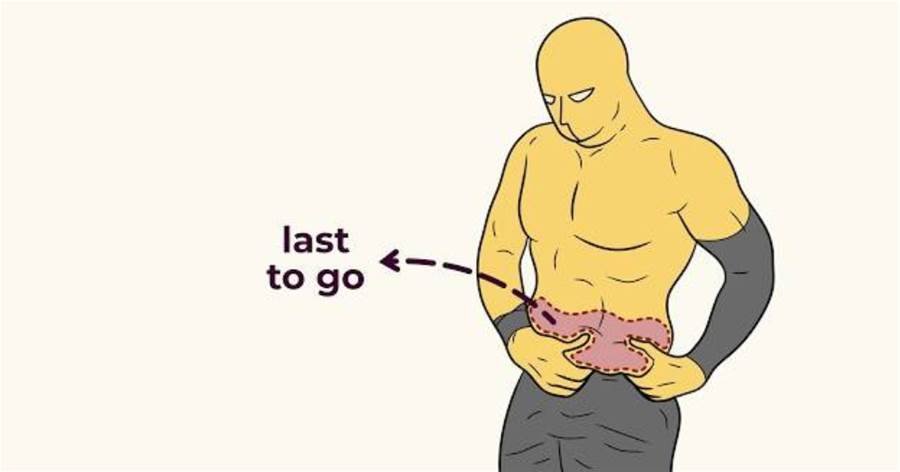
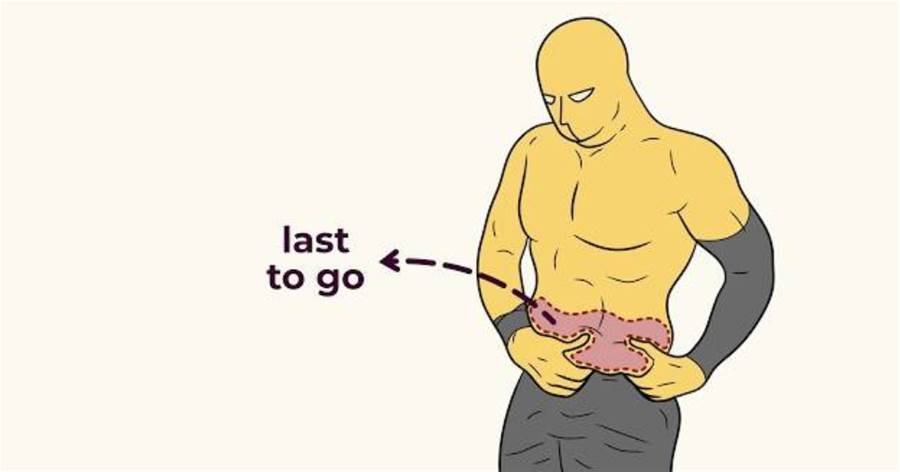
Illustration of body areas where fat loss is challenging.

Why you’re not losing fat in the areas you want

Spot-Fat Standoff: Why Targeted Fat Loss Fails

Most people who exercise and eat "right" still notice stubborn fat in certain places — hips, belly, thighs, or under the chin — and assume something is broken. The truth is more about biology, habits, and expectations than a single missing trick. If your goal is to change specific body areas, first understand how fat storage and loss actually work, then apply strategies that shift overall body composition.

Why you’re not losing fat in the areas you want

Introduction: Why spot reduction is a myth

  • Fat cells shrink and grow systemically, not selectively. When you lose weight, your body pulls energy from fat stores based on genetics, hormones, and overall energy balance, not the muscle you’re training.
  • That said, you can influence appearance by building muscle in certain areas and reducing overall body fat. Small daily habits add up — even nighttime routines can help, as described in how to burn fat while you sleep with a 10-minute habit.

Why some areas hold on longer

  • Genetics and fat distribution: Your genes largely determine whether you store more fat around your midsection or your hips. Those stubborn areas often have fat cells that are more resistant to hormone-driven breakdown.
  • Hormonal influences: Insulin, cortisol, estrogen, and testosterone change how easily different fat depots release energy. Chronic stress and elevated cortisol tend to protect belly fat.
  • Age and sex: As you age, you lose muscle mass and hormone balances shift, which can make fat loss slower and redistribute fat differently, often to the abdomen.
  • Local blood flow and receptor types: Fat cells in different regions have different receptor profiles (alpha vs. beta adrenergic receptors) affecting how readily they respond to signals that trigger fat breakdown.

Practical strategies that actually help

  1. Prioritize overall fat loss
    • Create a sustainable calorie deficit through diet and increased activity. Short-term extreme dieting often backfires; aim for modest, maintainable changes.
  2. Strength training with targeted hypertrophy
    • While you can’t burn fat only from one spot, building the underlying muscle can change shape and tone. Focus on progressive overload in the areas you want to shape.
  3. Use full-body and compound movements
    • Exercises like squats, deadlifts, lunges, and rows burn more calories and stimulate hormones that favor fat loss and muscle retention.
  4. Manage insulin and meal timing
  5. Sleep and stress control
    • Poor sleep and chronic stress impair fat loss by disrupting hunger hormones and recovery. Prioritize 7–9 hours and stress-reduction practices.
  6. Be patient and track progress correctly
    • Use circumference, photos, and strength numbers rather than only scale weight. Fat-loss in stubborn areas often lags; persistent, consistent effort changes body composition over months, not days.

Quick tactical checklist

  • Aim for a 300–500 kcal daily deficit (adjust individually).
  • Strength train 3–4 times per week and include progressive overload.
  • Keep protein around 0.7–1.0 g per pound of bodyweight (or as appropriate for you).
  • Add 150–300 minutes of moderate activity weekly plus NEAT (non-exercise activity) increases.
  • Reduce processed carbs and added sugars; emphasize fiber and vegetables.
  • Track trends, not daily fluctuations.

When to consider medical or professional help

  • If you struggle despite consistent diet and training, evaluate medications, thyroid function, and other medical conditions that can impede weight loss.
  • A registered dietitian, certified trainer, or physician can help tailor interventions and check for underlying issues.

Common mistakes that stall progress

  • Overdoing cardio and under-building muscle: leads to slower metabolism and frustration.
  • Chasing quick fixes: fat-freezing gadgets and spot-targeted gimmicks rarely replace consistent lifestyle changes.
  • Ignoring overall caloric intake: you can out-train a poor diet for only so long.

Why you’re not losing fat in the areas you want

Conclusion

If you’ve done the fundamentals and still can’t shift stubborn fat, learn more about medical and metabolic reasons that may be affecting your progress by reading This could be why you’re not losing weight.

Why you’re not losing fat in the areas you want Read More »

, , , ,
Building muscle without creatine - effective strategies for muscle growth.

No Creatine, No Gains? The Brutal Truth About Building Muscle Without a Secret Weapon

Gains Without Creatine

First thing’s first: no, creatine isn’t a miracle drug you absolutely must take to build muscle — but it is a powerful, convenient aid. If you choose to train without it, the road is still very much open; it just requires smarter programming, sharper nutrition, and realistic expectations about timelines. This article lays out how to get meaningful hypertrophy without relying on that "secret weapon."

No Creatine, No Gains? The Brutal Truth About Building Muscle Without a Secret Weapon

Why creatine helps (and what you lose when you skip it)

  • Creatine increases available phosphocreatine in muscles, boosting short, intense efforts and helping you squeeze out extra reps or a heavier set.
  • Without it you may see slightly slower strength gains early on and less ability to hit those last grind-reps that stimulate extra growth.
  • The trade-off: no supplementation means you avoid the small risks, costs, and habit of daily dosing — and many lifters still build impressive muscle naturally.

Introduction: set expectations and a plan
If your goal is visible muscle and strength but you’re opting out of creatine, be clear on timeframes: gains may be marginally slower and recovery from maximal efforts might feel different. That said, with disciplined training and nutrition you can still progress steadily. For programming ideas focused on unilateral strength and stability that pair well with no-supplement approaches, check out Bulgarian split squat alternatives to build robust lower-body work without overloading the central nervous system every session.

How muscle grows without a supplement

  • Mechanical tension: Lift heavy (relative to you) and prioritize progressive overload. Track reps, weight, and tempo.
  • Metabolic stress: Use higher-rep sets, dropsets, and short rest periods to create cellular signaling for growth.
  • Muscle damage and repair: Controlled eccentric loading (slow negatives) stimulates remodeling. Balance this with adequate recovery.
  • Volume matters most: Total weekly volume per muscle group is a primary driver of hypertrophy. If you can’t push intensity as high each session, increase sets across the week.

Diet tweaks to compensate

  • Aim for a slight caloric surplus (200–350 kcal/day) if your goal is hypertrophy. Prioritize protein at ~1.6–2.2 g/kg bodyweight.
  • Time your carbs around workouts to fuel effort and replenish glycogen; this helps maintain training quality without creatine’s burst-capacity boost.
  • Creatine can increase cell water and muscle fullness; without it, emphasize sodium and carbohydrate timing to maintain training performance on heavy days.
  • For guidance on how food choices affect performance and recovery across broader eating styles, see how organic and non-organic choices play into food quality — it’s not creatine, but food quality matters.

Training strategies that work well without creatine

  • Prioritize barbell compound lifts 2–3x/week (e.g., squat, bench, deadlift, row, press) to build overall strength.
  • Use autoregulation (RPE or leaving 1–2 reps in reserve) to avoid chronic overreaching when you can’t rely on extra short-term power.
  • Add hypertrophy-focused accessory work: 8–15 rep ranges, varied tempos, and controlled eccentrics.
  • Increase weekly volume gradually and deload every 4–8 weeks depending on fatigue signs.

Recovery and non-training factors

  • Sleep 7–9 hours where possible — recovery drives protein synthesis.
  • Manage stress and maintain consistent meal timing.
  • Consider caffeine for acute performance (pre-workout) but don’t equate it to creatine’s effects.
  • Stay hydrated and monitor electrolyte balance, particularly if you noticed added muscle fullness when previously using creatine.

Common pitfalls when skipping creatine

  • Expecting the same week-to-week jumps in strength — they’ll be smaller.
  • Training too hard too often because you’re compensating mentally for “missing” the supplement.
  • Underestimating the need for consistent progressive overload and volume.
  • Neglecting nutrition timing and total calories; supplements don’t replace fundamentals.

A simple 8-week approach (sample)
Weeks 1–4

  • 3 weight sessions/week: full-body template (squat/press/row + 2 accessory movements).
  • Rep ranges: 4–6 heavy sets; 8–12 accessory sets; total weekly volume per muscle: moderate.
  • Focus: technique, build consistency.
    Weeks 5–8
  • Increase weekly sets by ~10–20% for each major muscle group.
  • Add slow eccentrics and a weekly higher-rep finisher per muscle.
  • Evaluate progress: if strength and size stalling, add another set or adjust calories.

Small wins to track

  • Increased working sets at a given weight.
  • More accurate execution of tempo and eccentrics.
  • Clothing fit and measurements rather than scale weight alone.
  • Consistent increases in weekly volume or training load.

No Creatine, No Gains? The Brutal Truth About Building Muscle Without a Secret Weapon

Conclusion

You can absolutely build meaningful muscle without creatine by dialing in progressive overload, weekly volume, recovery, and nutrition — but expect slightly slower short-term gains and be methodical. If you’re curious about dietary pitfalls that commonly affect older adults who may be altering their nutrition for performance or body composition, read this resource: 7 Mistakes People Over Age 50 Make With The Keto Diet.

No Creatine, No Gains? The Brutal Truth About Building Muscle Without a Secret Weapon Read More »

, , , ,
Training frequency analysis on building muscle with 3 vs 6 days a week

Why Training Just 3 Days a Week Builds More Muscle Than 6 (The Science Your Coach Won’t Tell You)

Title: The 3-Day Muscle Advantage

Training smarter, not harder, is the short path to bigger gains. Many lifters assume that more sessions equal more muscle, but science and practical experience tell a different story: when programmed correctly, three focused, high-quality workouts per week often produce better hypertrophy than six lower-quality sessions. This article explains why and gives actionable guidance so you can get stronger and grow without burning out. For a quick look at why daily fluctuations matter when you track progress, see why your weight fluctuates daily.
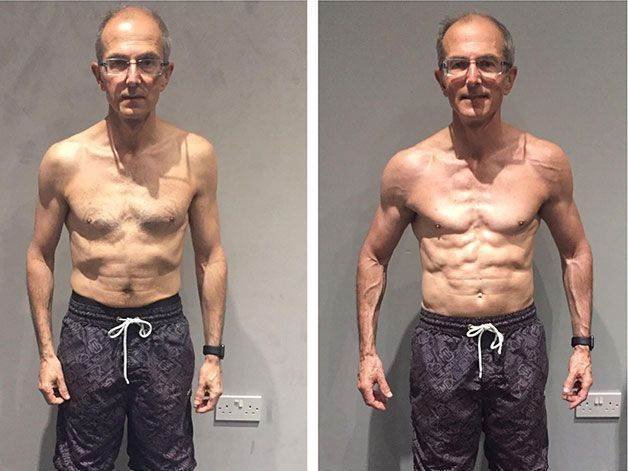
Why Training Just 3 Days a Week Builds More Muscle Than 6 (The Science Your Coach Won’t Tell You)

Why fewer sessions can beat more

  • Recovery drives growth. Muscle protein synthesis (MPS) spikes after a workout and then tapers. If you train the same muscle group too frequently without adequate recovery, you blunt subsequent MPS responses and accumulate fatigue that reduces training quality.
  • Intensity and effort matter more than calendar time. Three sessions performed with heavier loads, higher intent, and full focus on progressive overload produce more mechanical tension per rep than six rushed, low-effort workouts.
  • Nervous system recovery and movement quality improve strength gains. Heavy compound lifts require CNS readiness; spreading hard sets across three well-structured sessions preserves force production and technique.

How the weekly volume puzzle fits together
Volume (sets x reps x load) is a primary driver of hypertrophy, but distribution matters. Total weekly volume can be matched with different split frequencies:

  • 3 days: You can perform more sets per session for each muscle group, allowing long warm-ups, multiple intensity techniques, and adequate rest between sets.
  • 6 days: Often forces shorter sessions, less rest, and lower per-set intent. Cumulative fatigue can reduce effective reps and increase injury risk.

Science highlights

  • Acute MPS peaks in the 24–48 hours after training and returns toward baseline after that window. Spacing sessions to let MPS subside then re-stimulate yields repeated anabolic responses.
  • Overreaching from too-frequent hard sessions raises cortisol and inflammatory markers that can impair recovery and hypertrophy.
  • Many studies show similar or better hypertrophy with moderate frequency (2–3x per muscle/week) when total volume is matched, indicating efficiency gains with fewer sessions.

Practical programming: what a 3-day split can look like

  • Option A — Full-body, Mon/Wed/Fri:
    • Squat variation 4 sets x 6–8
    • Press variation 4 sets x 6–8
    • Rowing/pull 4 sets x 6–8
    • One assistance movement per major muscle group 3 sets x 8–12
  • Option B — Upper/Lower + Full, Mon/Wed/Fri:
    • Day 1: Upper heavy (4–6 reps), Day 2: Lower heavy, Day 3: Full-body moderate
  • Prioritize compound lifts early, hit at least 10–20 hard sets per major muscle group per week divided intelligently across the three days.
Maximizing gains from three sessions

  • Prioritize progressive overload: increase load, reps, or set quality each week.
  • Track effective reps — the ones close to failure — rather than total reps.
  • Manage non-training stressors: sleep, nutrition, and lifestyle determine how well you recover between sessions.
  • Use deloads: a planned lighter week every 4–8 weeks resets the system and prevents stagnation.
  • Nutrition: hit daily protein targets (roughly 1.6–2.2 g/kg bodyweight) and maintain a slight calorie surplus for consistent growth. For practical food strategies, you might find ideas from diverse nutrition reads helpful; for example, some posts explore the nutrient power of common greens like spinach and how they fit into an anabolic diet.

When six days can be useful
Six-days-a-week plans can work when sessions are low volume, focused on technique, or used by advanced athletes performing high total volume split across many small sessions. But for most trainees seeking hypertrophy, that volume is better concentrated into fewer, higher-quality workouts.

Common pitfalls to avoid

  • Doing too many mediocre sets instead of fewer high-quality ones.
  • Ignoring progressive overload because you’re chasing session frequency.
  • Failing to adjust nutrition or sleep when upping session count.
  • Mistaking soreness for productive training — chronic soreness is often a sign of under-recovery.

Quick troubleshooting

  • If weekly progress stalls, first assess sleep and protein. Then reduce session frequency or total volume before adding more work.
  • If you’re constantly tired mid-session, drop a couple of sets, increase rest, or switch to a three-day plan.
  • If you love training daily for habit and mental health, keep intensity low on extra days (mobility, technique, light conditioning) to avoid interfering with hypertrophy.

Why Training Just 3 Days a Week Builds More Muscle Than 6 (The Science Your Coach Won’t Tell You)

Conclusion

Three well-planned, high-effort workouts per week give your body the stimulus and recovery it needs to grow more efficiently than spreading similar work across six submaximal sessions. For context on how quickly performance and fitness metrics change when training frequency shifts, see this piece on losing running fitness.

Why Training Just 3 Days a Week Builds More Muscle Than 6 (The Science Your Coach Won’t Tell You) Read More »

, , , ,
Calisthenics training for muscle growth and overcoming common mistakes.

Calisthenics Muscle Growth: The Hidden Mistakes Killing Your Progress

Calisthenics Growth Killers

Calisthenics builds strength and size without a gym, but many athletes stall because of small, avoidable mistakes. This article pinpoints the hidden errors that quietly kill your muscle growth and gives practical fixes so you can start making consistent progress again. For a quick nutrition tip, consider how lean protein choices affect recovery and synthesis: lean meat boosts post-workout protein synthesis.

Calisthenics Muscle Growth: The Hidden Mistakes Killing Your Progress

Why progress stalls

  • Failure to apply progressive overload. Bodyweight training still needs gradual increases in tension, volume, or difficulty. Doing the same reps and routines week after week won’t drive growth.
  • Poor exercise selection. Relying on variations that don’t sufficiently load target muscles (e.g., light-range push-ups instead of weighted or advanced push variations) limits stimulus.
  • Neglecting volume and frequency. Calisthenics lifters often underdo total weekly sets for hypertrophy because single-session rep counts look high, but overall weekly stimulus remains low.

Form, range, and tempo

  • Rushed reps and short ranges reduce muscle tension. Slow eccentrics and full range-of-motion reps amplify hypertrophic signaling.
  • Skipping progressions. Instead of forcing a skill-level move repeatedly, use regressions that let you hit quality volume (e.g., ring rows, incline variations, or negatives).
  • Ignoring eccentric and isometric loading. Incorporate controlled negatives and holds to increase time under tension without needing heavy external load.

Programming mistakes

  • No plan for periodization. Rotate intensity, volume, and focus (strength vs hypertrophy) across weeks to prevent stagnation.
  • Random exercise mixing. Track what works; repeat and gradually intensify proven progressions rather than constantly switching for novelty.
  • Underestimating recovery. Without adequate sleep and deload periods, the nervous system and muscles fail to adapt.

Nutrition and calories

  • Under-eating. Many calisthenics athletes assume bodyweight training needs less fuel — in reality, growth requires a caloric surplus or at least maintenance with optimal protein.
  • Protein neglect. Aim for 0.7–1.0 g per pound of bodyweight (1.6–2.2 g/kg). If you struggle to hit targets, use practical strategies like the ones in 10 easy ways to increase your protein intake.
  • Timing and distribution. Spread protein across meals and include a quality source after training to support repair and synthesis.

Common training anti-patterns

  • Doing endless skill practice but no hypertrophy work. Skills improve neural efficiency but don’t always deliver enough volume for muscle growth.
  • Chasing high reps only. Extremely high reps can build endurance but may not maximize hypertrophy unless matched with progressive overload.
  • Skipping accessory work. Small isolation-style pulls/pushes and unilateral exercises correct imbalances and increase total volume.

Tracking and adjustments

  • Not measuring progress. Track sets, reps, tempo, and perceived effort. If you aren’t improving one of those metrics, change something.
  • Waiting too long to adjust. If 4–6 weeks of consistent effort yields no improvement, alter load, volume, or nutrition.
  • Overdoing everything at once. Change one variable at a time (e.g., increase weekly sets by 10–20%) to find what drives gains without burning out.

Quick, practical tweaks to restart growth

  • Add small, weekly progression steps: extra rep, added tempo, or harder variation.
  • Schedule 2–3 hypertrophy-focused sessions weekly with 8–20 total weekly sets per muscle group depending on experience.
  • Prioritize sleep, protein, and a modest calorie surplus if your goal is size.
  • Use negatives, holds, and tempo work to increase intensity without weights.
  • Track workouts and body measurements to objectively assess progress.

Calisthenics Muscle Growth: The Hidden Mistakes Killing Your Progress

Conclusion

If your calisthenics gains have plateaued, revisiting these common pitfalls is the fastest path back to progress. For a focused breakdown of mistakes that stop progress and how to fix them, see 9 Mistakes Why You are Not Making ANY Progress with Calisthenics …

Calisthenics Muscle Growth: The Hidden Mistakes Killing Your Progress Read More »

, , , ,
Muscles showing true strength beyond biceps

These 3 Muscles Signal STRENGTH (It’s Not Biceps)

Hidden Strength: 3 Muscles That Prove Power

We obsess over biceps when we think "arm strength," but real functional power and athletic presence come from other muscles that rarely get the spotlight. These three muscle groups not only perform heavy lifting and dynamic movement — they also signal true strength in posture, athleticism, and everyday tasks. If you want to look and move powerful, start paying attention beyond the curl rack. Try a focused challenge to see the difference in weeks.

These 3 Muscles Signal STRENGTH (It's Not Biceps)

Why these muscles matter

  • They contribute to big, compound movements (deadlifts, sprints, carries).
  • They influence posture and how force transfers through the body.
  • Visual cues from these areas often make someone look more powerful than bulky biceps alone.
  1. Gluteus Maximus — the engine for power
    The glutes are the body’s largest and most powerful hip extensors. Strong glutes mean better sprinting, jumping, and force production for lifts like squats and deadlifts. Underactive or weak glutes force surrounding muscles and the lower back to overcompensate, reducing performance and increasing injury risk. Train them with heavy hip hinges, single-leg work, and explosive moves to both build size and functional strength.

  2. Latissimus Dorsi — width and pulling strength
    The lats create the classic “V-taper” that telegraphs upper-body power and also drive pulling strength for rows, pull-ups, and stabilization during overhead work. Well-developed lats help you control heavy loads and produce a stronger, more athletic silhouette. Incorporate varied grip pulls, weighted pull-ups, and horizontal rows to target different fibers. For targeted shoulder and back shaping techniques, check practical methods like the Get 3D Shoulders approach that complements lat development.

  3. Forearms and grip — small muscles, big message
    Grip strength is a tiny but telling indicator of overall strength and work capacity. Strong forearms mean you can hold more weight longer, translate force through chains (bar, kettlebell, implement), and resist fatigue during compound sets. Farmers carries, dead-hang holds, and heavy bar holds are straightforward ways to test and build a grip that commands respect. Improved grip also protects you in many sports and manual tasks where control matters more than isolated arm size.

How to prioritize these muscles in a program

  • Focus on compound lifts first (deadlifts, squats, rows) to leverage systemic strength gains.
  • Add unilateral work to fix imbalances (single-leg Romanian deadlifts, single-arm rows).
  • Use loaded carries and grip-specific drills at the end of sessions for durability.
  • Progressive overload still rules: increase load, reps, or time under tension gradually.

Performance and injury considerations
These muscles work in chains; neglecting any link can reduce power or raise injury risk. Balanced programming and attention to movement quality are essential. Address mobility, ensure proper loading, and consider working with a coach if you’re rehabbing or working through chronic pain.

These 3 Muscles Signal STRENGTH (It's Not Biceps)

Conclusion

If you want to understand why the biceps aren’t the whole story — and how injuries or tendon issues can complicate things — this resource on Distal Biceps Tendon Rupture Elbow offers clear clinical insight into how arm-focused problems relate to broader strength and function.

These 3 Muscles Signal STRENGTH (It’s Not Biceps) Read More »

, , , ,
3 secret tricks to get bigger muscles in 8 weeks

Want Bigger Muscles in 8 Weeks? These 3 “Secret” Tricks Are What Your Gym Coach Won’t Tell You

Title: 8-Week Muscle Surge: 3 Coach-Only Tricks

Want bigger muscles in 8 weeks? It’s possible with focused training, smarter programming, and recovery strategies most gym-goers overlook. These three “secret” tricks aren’t magic — they’re science-backed approaches coaches often keep as premium tips. Use them together and you’ll stack strength and size faster than chasing random workouts.

Want Bigger Muscles in 8 Weeks? These 3 “Secret” Tricks Are What Your Gym Coach Won’t Tell You

Introduction
Start by treating the next two months as a mini cut-and-build experiment: clear goals, consistent tracking, and small weekly progressions. Before you begin, make sure your baseline nutrition is solid — if you’re unsure where to start, read this quick primer on how to meet your nutrient needs: are you meeting your nutrient needs for optimal wellness.

Secret Trick 1 — Progressive Micro-Loading (Not Big Jumps)
Why it works
Muscle growth responds to gradually increasing tension. Instead of guessing a huge jump in weight, add tiny increments each week — 1–2.5% on big lifts, or an extra rep across sets.

How to apply it

  • Use a 3–4 compound-lift template (e.g., squat, bench, deadlift/hinge, overhead press).
  • Track one lift as your “priority” each week and attempt a micro-load increase or add one rep on the final set.
  • Keep accessory work moderate (8–12 reps) to target hypertrophy without fatiguing your central nervous system.

Example week (priority: squat)

  • Day A: Squat 4×5 (target +1 rep or +2.5 lb from last week), Romanian deadlift 3×8, lunges 3×10
  • Day B: Bench 4×6, rows 3×8, core work 3×15
    This steady climb avoids stalled progress from overshooting and helps you build consistent volume.

Secret Trick 2 — Cluster Sets & Heavy 5s for Growth and Strength
Why it works
Combining heavier low-rep work with controlled rest-inserted clusters lets you lift heavier volumes without collapsing form or technique. Low rep heavy sets (often in the 4–6 rep range) stimulate strength, while clusters maintain intensity and stimulate type II fibers that are prime for size.

How to apply it

  • Use clusters on your main compound: e.g., 5 clusters of 3 reps at 85% of your 1RM with 20–30 seconds rest between clusters.
  • Alternate weeks: one week focus on cluster/heavy 5-style intensity, the next week on slightly higher volume 8–12 rep hypertrophy sets.
  • Keep accessories as 3 sets of 8–12 to pump the muscle and increase time under tension.

Coaching tip: maintain strict form on heavy cluster work — fewer quality reps beat more sloppy reps every time.

Secret Trick 3 — Protein Distribution, Sleep & Strategic Auto-Regulation
Why it works
Muscle repair and growth require protein and recovery. But exact distribution across the day and smart fatigue management make a surprising difference.

How to apply it

  • Aim for 0.25–0.4 g/kg bodyweight per meal (roughly 25–40 g protein) spread over 3–4 meals. Include a mix of fast and slow proteins around workouts.
  • Prioritize 7–9 hours of sleep and reduce late-night stimulants to keep hormonal environment favorable for growth.
  • Auto-regulate intensity: on days you’re drained, drop a set or reduce load slightly rather than forcing poor reps.

Practical meal idea
Blend high-protein, calorie-friendly meals into your plan — for example, try a protein-rich recipe like these chicken enchiladas to hit your targets: 38g protein chicken enchiladas.

8-Week Sample Roadmap (high level)

  • Weeks 1–2: Build a foundation — learn movement patterns, establish consistent protein and sleep habits. Moderate volume (3–4 sets main lifts).
  • Weeks 3–4: Increase total weekly volume by ~10% with micro-loading and add an accessory focused on lagging muscle groups.
  • Weeks 5–6: Introduce cluster/heavy 5 sessions on two main lifts to spike intensity. Keep accessories lower volume but higher quality.
  • Weeks 7–8: Peak for heavier single-week performance (test a +5–10% load on a priority lift) then deload in final 5–7 days to consolidate gains.

Tracking & tweaking

  • Use a simple log: load, reps, RPE (rate of perceived exertion). If RPE drifts upward across workouts, back off volume for a week and prioritize sleep and protein.
  • Expect 5–10% visible strength/size gains if you follow the plan and hit nutrition targets.

Common mistakes to avoid

  • Skipping progressive overload: doing the same weight for eight weeks yields stagnation.
  • Ignoring recovery: training hard without sleep and protein is a recipe for plateaus.
  • Chasing novelty: stick to a few core lifts and perfect them.

Want Bigger Muscles in 8 Weeks? These 3 “Secret” Tricks Are What Your Gym Coach Won’t Tell You

Conclusion

Want a deeper dive into why training with shorter, heavier sets can be more effective than longer, lighter ones? Read this clear explanation: 5s, Not 10s | Carl Raghavan.

Follow these three tricks consistently — micro-loading, focused cluster/heavy work, and disciplined nutrition/recovery — and you’ll be positioned to see meaningful muscle and strength gains in eight weeks.

Want Bigger Muscles in 8 Weeks? These 3 “Secret” Tricks Are What Your Gym Coach Won’t Tell You Read More »

, , , ,
Effective ab workout guide challenging common fitness myths.

99% of Ab Workouts Are a Waste — Do This Instead

Title: Ditch the Crunches: Core Work That Actually Works

Most people spend hours doing endless crunches, sit-ups, and isolated core machines believing they’ll sculpt a visible six-pack. The truth is simple: spot-reducing fat with targeted ab exercises is a myth, and most ab routines miss the point of what the "core" actually does — stabilize, transfer force, and protect the spine during real movement. Explore immersive training options if you want programmed guidance that teaches this properly.

99% of Ab Workouts Are a Waste — Do This Instead

Why 99% of ab workouts are wasted time

  • Isolation over integration: Traditional ab workouts focus on flexing the spine (crunches) rather than training the core to resist movement (anti-extension, anti-rotation). The core’s primary job is to stabilize the torso while limbs move.
  • Visibility ≠ strength: Aesthetic results depend on body fat percentage and genetics. You can have a strong core without a visible six-pack.
  • Poor carryover: Doing endless rep-based floor moves rarely improves performance in lifting, running, or everyday tasks like carrying groceries or picking up a child.
  • Faulty programming: Many routines lack progressive overload, variety, or context — they’re add-ons, not prioritized training elements.

What to do instead — principles that work

  1. Prioritize function over flexing
  • Train the core to resist unwanted movement. Exercises that teach anti-extension (plank variations), anti-rotation (pallof press), and anti-lateral-flexion (farmer carries) are the foundation.
  1. Use loaded, compound movements
  • Squats, deadlifts, overhead presses, and carries force the core to stabilize under load and transfer power between the lower and upper body — giving both strength and practical carryover.
  1. Progressive overload and specificity
  • Add weight, increase time under tension, or vary positions. Program core work like any other muscle group: track progress, increase demand, and prioritize consistency.
  1. Breathe, brace, and move safely
  • Learn proper diaphragmatic breathing and bracing. A well-timed brace protects the spine and improves force production. Practice bracing during compound lifts and functional tasks.
  1. Train for your lifestyle and body
  • Endurance athletes, strength athletes, and everyday lifters need different emphases. If you’re carrying extra body fat or have a specific body type, tailored guidance can speed progress — for example, check this endomorph workout guide for programming ideas that match physiology.

Sample mini-program (do 2–3x/week)

  • Loaded carry: 3 x 40–60 seconds (farmer or suitcase carry)
  • Pallof press: 3 x 8–12 reps each side
  • Overhead carry or press: 3 x 6–8 reps
  • Plank progression (weighted or single-arm): 3 x 30–90 seconds
  • Finish with one functional rotation or anti-rotation move: 3 x 8–10 each side

Quick coaching cues

  • Tighten the midline as if preparing for a punch to the stomach.
  • Breathe into the belly, not the chest; maintain tension throughout the set.
  • Choose exercises that challenge your ability to stay rigid while moving or resisting movement.

Common mistakes to avoid

  • Doing endless reps without load or progression.
  • Relying on machines that flex the spine repeatedly.
  • Ignoring breathing and bracing technique.
  • Expecting sit-ups to melt off belly fat.

99% of Ab Workouts Are a Waste — Do This Instead

Conclusion

If you want alternatives to pointless repetition and strategies that build a resilient, functional midsection, start with integrated core training and compound lifts. For unrelated but useful ideas on replacing unhealthy habits with engaging alternatives, see this curated list of 99 sober activities to enjoy instead of drinking.

99% of Ab Workouts Are a Waste — Do This Instead Read More »

, , , ,
Person performing neck exercises for building a strong neck

How to Finally Build a Strong Neck (Most People Miss This)

The Overlooked Neck: Build Strength They Miss

A strong neck improves posture, reduces pain, enhances athleticism, and protects your head in contact sports — yet most people skip the right progressions and technique to build it safely. Start with small, specific steps and you’ll see big gains.

How to Finally Build a Strong Neck (Most People Miss This)

Why people miss neck training

  • Fear or confusion: many avoid neck work because it feels vulnerable or unfamiliar.
  • Poor progression: jumping to heavy harnesses or risky bridges before building control leads to setbacks.
  • Neglect of supporting systems: strong shoulders, upper back, and core are essential for safe cervical strength; compound stability work (even leg-driven balance training like Bulgarian split squat alternatives) contributes to overall resilience.

Core principles before exercises

  • Neutral spine and scapular control: the neck doesn’t act alone — retract and stabilize your shoulders first.
  • Gradual loading: start with bodyweight and isometrics, add bands, then progressive harness or plate resistance.
  • Frequency and recovery: short, focused sessions 2–3 times per week allow adaptation without overload.
  • Pain vs. discomfort: mild fatigue and tightness are normal; sharp pain, numbness, or radiating symptoms are not.

Safe, practical neck-strengthening exercises

  1. Cervical isometrics (beginner)

    • Sit tall. Use your hand or a band for 5–10 second resisted pushes in flexion, extension, and both lateral directions.
    • 3 sets of 6–8 reps (holds).
  2. Prone head lifts / "chin tucks" (posture builders)

    • Lying prone, lift your head slightly while keeping shoulders down; for chin tucks, retract the chin while seated.
    • 3 sets of 10–15 slow reps.
  3. Band-resisted neck extensions and flexions (progression)

    • Anchor a light band behind you; loop it at the forehead for extension or under chin for flexion. Control the motion.
    • 3 sets of 8–12 reps.
  4. Lateral flexion with band or light dumbbell

    • Seated, tilt head against light resistance. Focus on controlled range, not heavy load.
    • 3 sets of 8–12 reps each side.
  5. Shrugs and scapular strengthens (indirect but vital)

    • Heavy shrug variants and scapular retractions build the support around the neck.
    • 3 sets of 6–10 reps.
  6. Farmer carries and loaded carries (functional integration)

    • Grip and posture under load reinforce the neck’s role in whole-body stability.
  7. Advanced options (only after months of progression)

    • Neck harness with small weight increments, or carefully coached ring/neck bridges for sport-specific needs.

Programming example (12-week beginner to intermediate)

  • Weeks 1–4: Isometrics + chin tucks 2×/week; light band lat work 1×/week.
  • Weeks 5–8: Add band-resisted extensions/flexions and lateral work; integrate 1 heavy upper-back session.
  • Weeks 9–12: Introduce light harness work (if comfortable) and maintain scapular/upper-back strength.

Common errors and how to avoid them

  • Loading through extreme range of motion: stay within pain-free range.
  • Using momentum: slow, controlled reps build strength and tissue tolerance.
  • Ignoring the upper back: balance neck work with rows, pull-aparts, and external-rotation work.
  • Overtraining: neck muscles are small — more frequent low-volume sessions beat heavy daily pounding.

When to see a professional

  • If you experience persistent pain, radiating numbness, dizziness, or weakness, stop training and consult a clinician. For programming in contact sports or return-to-play scenarios, a coach or physical therapist can individualize progressions and test tolerance (and you can build complementary rotational stability with movements like the band twist to protect your neck during rotation).

How to Finally Build a Strong Neck (Most People Miss This)

Conclusion

A steady, cautious approach — emphasizing isometrics, gradual resistance, and upper-back support — is how you finally build a strong, resilient neck. If you need authoritative background on conditions that affect neck and motor function, see this resource: Amyotrophic Lateral Sclerosis (ALS) | National Institute of …

How to Finally Build a Strong Neck (Most People Miss This) Read More »

, , , ,
5 exercises that effectively burn fat and help achieve fitness goals.

5 Killer Exercises That Burn FAT Like CRAZY (NEVER FAT AGAIN)

Fat-Blast Five

Get ready to torch calories and strip unwanted fat with five high-impact, science-backed moves you can do with minimal equipment. These exercises combine strength, cardio, and core work to raise your metabolic rate and keep burning long after your session ends. For more full-body routines that complement these moves, check out this helpful guide to full-body routines.

5 Killer Exercises That Burn FAT Like CRAZY (NEVER FAT AGAIN)

  1. Burpee with Tuck Jump
  • Why it works: Burpees combine squats, plank work, and explosive jumping to spike heart rate and recruit multiple muscle groups.
  • How to do it: From standing, drop into a squat, kick feet back to plank, do a quick push-up (optional), jump feet forward, explode into a tuck jump.
  • Sets/reps: 3 rounds of 10–15 reps, rest 60s between rounds.
  • Tip: Focus on smooth transitions and soft landings to protect knees.
  1. Kettlebell (or Dumbbell) Swing
  • Why it works: Powerful hip extension drives calorie burn and builds posterior chain strength — glutes and hamstrings.
  • How to do it: Hinge at hips, swing weight to chest height using a strong hip snap, keep core braced.
  • Sets/reps: 4 sets of 12–20 swings, rest 45–60s.
  • Modification: Use a lighter weight to learn the hip-hinge pattern first.
  1. Walking or Jumping Lunges
  • Why it works: Lunges are unilateral, correcting imbalances while elevating heart rate and building leg strength.
  • How to do it: Step forward (or jump for plyometric), lower until both knees are ~90°, push through front heel to stand.
  • Sets/reps: 3 sets of 12–16 steps per leg.
  • Tip: Keep torso upright and step far enough that the front knee stays behind the toes.
  1. Mountain Climbers to Plank Jack Combo
  • Why it works: This hybrid keeps intensity high, alternating core stabilization with cardio bursts for maximal fat-burning effect.
  • How to do it: From plank, drive knees toward chest alternating for 10–20 reps, then do 10 plank jacks (jump feet wide then together). Repeat.
  • Sets/reps: 4 rounds of the combo (30–45s work, 15–30s rest).
  • Variation: Slow mountain climbers to focus on core, speed them up to emphasize conditioning.
  1. Russian Twists (Weighted) + Hollow Hold Finisher
  • Why it works: Targets oblique and deep core muscles for a strong midsection that improves posture and movement efficiency.
  • How to do it: Sit, lean back slightly, lift feet, twist a weight side to side for 20–30 reps, then hold a hollow body position for 20–40s.
  • Sets/reps: 3 rounds of twists + hollow hold.
  • For more focused core drills that amplify these results, try these core-sculpting moves.

Weekly Programming Tips

  • Frequency: Do these workouts 3–5 times weekly, alternating high-intensity days with low-intensity recovery or mobility sessions.
  • Combine with strength training: Swap in heavier strength sessions twice a week to preserve muscle as you lose fat.
  • Diet matters: Pair these workouts with a modest calorie deficit and adequate protein for best results.

Recovery & Safety

  • Warm up 5–10 minutes (dynamic movements, light cardio).
  • Cool down with foam rolling and stretching.
  • Scale intensity if you have joint issues — choose lower-impact variations like step-back lunges or reduced jump height.

5 Killer Exercises That Burn FAT Like CRAZY (NEVER FAT AGAIN)

Conclusion

To jump-start short, intense sessions that blast fat in minimal time, try the guided routine in the Killer 10 Minute Fat Burning Bodyweight Workout for a quick, effective boost to your weekly plan: Killer 10 Minute Fat Burning Bodyweight Workout.

5 Killer Exercises That Burn FAT Like CRAZY (NEVER FAT AGAIN) Read More »

, , , ,
Scroll to Top