fitness recovery

Person stretching after workout to improve recovery and flexibility

Stretching After Your Workout? The Brutal Truth Science Doesn’t Want You to Know

After-Workout Stretching: The Uncomfortable Science

Most gym-goers reach for a long static stretch after training because it feels like the responsible thing to do — we assume it speeds recovery, prevents soreness, and lowers injury risk. The real picture is messier: stretching has benefits, but they’re specific, limited, and sometimes counterproductive if used as a catch-all solution. If recovery and muscle maintenance are your priorities, don’t overlook basic nutrition — for example, learn practical ways to increase your protein intake to support repair and growth.
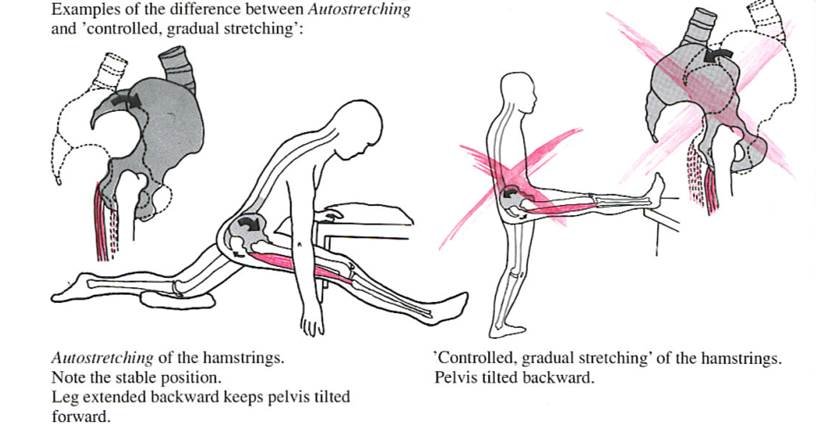
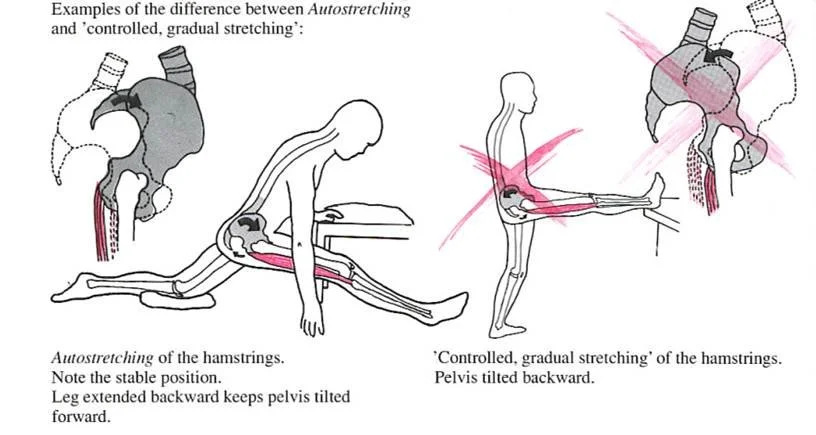
Stretching After Your Workout? The Brutal Truth Science Doesn’t Want You to Know

Why we stretch: the common beliefs

  • Stretching after exercise is supposed to reduce muscle soreness (DOMS) and lower injury risk.
  • Many people equate longer stretches with “better recovery.”
  • It’s also a ritual: finishing a workout with 10–15 minutes of static stretching feels like finishing strong.

What the research actually shows

  • Static stretching does improve immediate flexibility, but the effect is short-lived unless you do it consistently over weeks.
  • Multiple studies find static stretching post-exercise does not meaningfully reduce delayed-onset muscle soreness (DOMS) or prevent most acute injuries in recreational athletes.
  • Doing long static stretches right before or immediately after heavy strength work can temporarily reduce maximal strength and power output — not ideal when the goal is to build or maintain strength.
  • The greatest protective benefits against injury and functional decline come from progressive strength training and movement quality, not from static stretching alone.

Where stretching helps

  • Long-term flexibility and range-of-motion improvements: regular, targeted stretching can change tissue tolerance and joint mobility over weeks to months.
  • Rehabilitation and mobility training: in clinical settings, stretching is useful as part of a plan to restore specific ranges of motion.
  • Nervous-system calming: gentle stretching and breath work can help with relaxation and perceived recovery after intense sessions.

Practical recommendations you can use today

  • Prioritize strength and movement training. Strength work builds resilience, improves tissue health, and lowers real-world injury risk more than passive stretching.
  • Warm up with dynamic, movement-based mobility rather than long static holds when preparing for strength or power work.
  • Use short, targeted static stretches when you need to regain a specific range of motion, and plan them consistently (several times per week) for lasting change.
  • Consider alternatives for recovery and soreness reduction: active recovery, light aerobic activity, sleep, hydration, and proper protein intake.
  • If balance or technique limits certain exercises (like split squats), choose simpler strength alternatives to build the foundation first — for example, explore single-leg alternatives that remove the balance challenge while strengthening the same muscles.

A final, evidence-based playbook

  • For immediate post-workout recovery: cool down with light movement and focus on nutrition and sleep.
  • For long-term mobility: schedule consistent stretching and mobility sessions, not just the few minutes tacked onto a workout.
  • For injury prevention and durability: invest your time most in progressive strength training and movement competency.
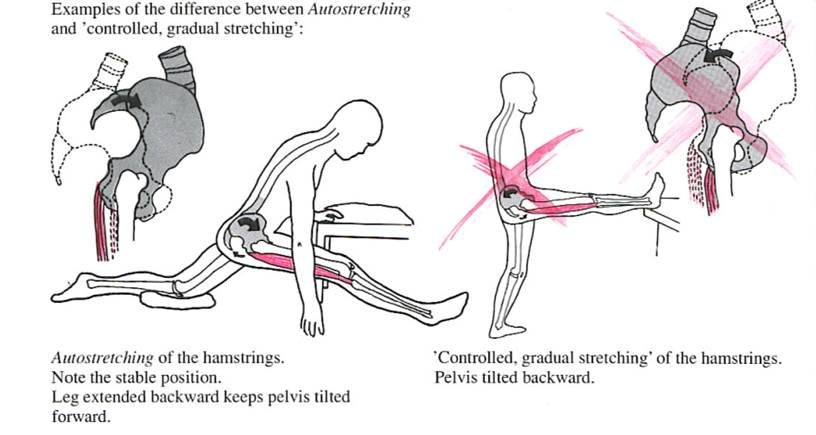
Stretching After Your Workout? The Brutal Truth Science Doesn’t Want You to Know

Conclusion

If your priority is building resilience and healthier bodies over the long term, strength training — combined with smart mobility work and nutrition — is the evidence-backed route. Read more on how strength training helps aging bodies stay stronger and healthier here: How can strength training build healthier bodies as we age …

Stretching After Your Workout? The Brutal Truth Science Doesn’t Want You to Know Read More »

, , ,
6 things to avoid doing after a workout to prevent common workout mistakes.

6 Things to NEVER Do After a Workout

6 Post-Workout No-Nos

A great workout can be undone by a few careless choices afterward. Avoid common mistakes that slow recovery, increase soreness, or hinder progress so your hard work actually pays off. For ideas on effective training structure, check out these full-body routines that complement good recovery habits.

6 Things to NEVER Do After a Workout

  1. Skipping cool-down and stretching
    Jumping straight from intense effort to sitting down traps muscles in a shortened, tense state. Spend 5–10 minutes cooling down with light cardio and targeted stretching to clear metabolic byproducts and restore range of motion.

  2. Not refueling properly
    Your body needs carbs and protein after exercise to replenish glycogen and repair muscle. Aim for a balanced snack or meal within 30–90 minutes—something like yogurt with fruit, a smoothie, or a lean protein and rice.

  3. Ignoring hydration
    Dehydration impairs recovery, concentration, and performance the next session. Rehydrate gradually with water or an electrolyte drink if you sweated heavily; don’t wait until you feel thirsty.

  4. Staying in sweaty clothes too long
    Lingering in damp workout gear promotes bacterial growth and skin irritation, and can let your core temperature remain elevated. Change into clean clothes and shower when you can. For workout ideas that build stronger back and posture support, try these must-do back moves — they pair well with good post-workout hygiene and stretching.

  5. Overusing painkillers to mask soreness
    Taking NSAIDs or heavy painkillers routinely to ignore pain can blunt natural inflammation necessary for adaptation and hide injuries. Use medications sparingly and consult a professional for persistent pain.

  6. Immediately crashing into intense activity or cold exposure
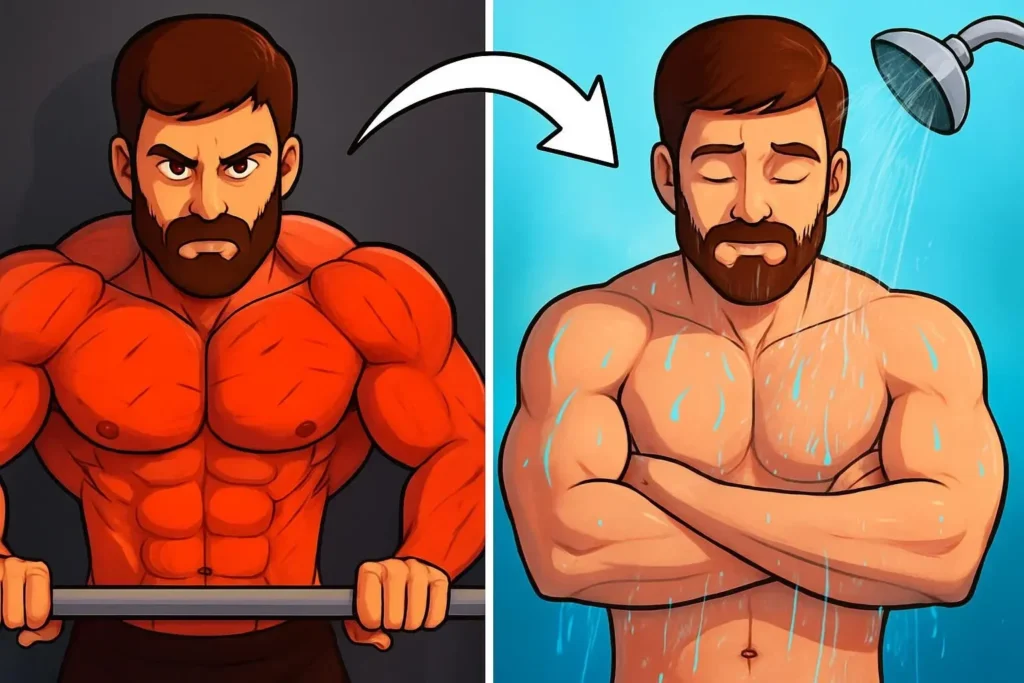
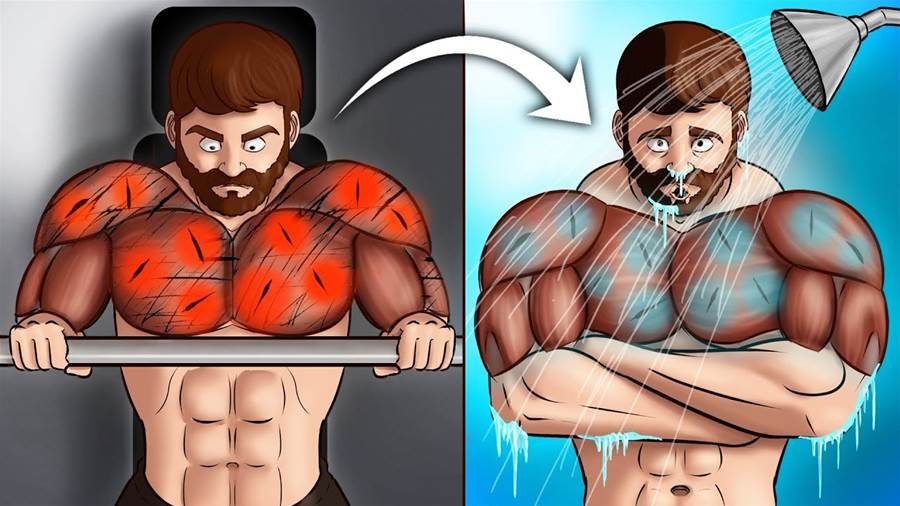
    While contrast therapy and cold dips have benefits, plunging into extreme temperatures or starting another high-intensity session right after can be counterproductive. Give your body time to normalize and use targeted recovery methods like light movement, foam rolling, or a gentle sauna if appropriate.

6 Things to NEVER Do After a Workout

Conclusion

Small post-workout choices add up. To dive deeper into what to avoid after training and protect your gains, read this guide on 12 things you should never do after a workout.

6 Things to NEVER Do After a Workout Read More »

, , , ,
Top 8 activities for post workout recovery and improved results

8 Best Things to do After a Workout

8 Smart Moves After Your Workout

A great workout pays off only when you follow it with the right recovery steps. These eight simple actions help your body repair, reduce soreness, and turn effort into progress — whether you’re training for strength, endurance, or general fitness. If you want to optimize the whole routine, don’t forget to pair recovery with the right pre-workout fuel for better performance and results: best pre-workout snacks to power your morning routine.

8 Best Things to do After a Workout

  1. Cool down with light movement
  • Spend 5–10 minutes walking, cycling slowly, or doing gentle dynamic stretches after intense exercise. This helps clear metabolic waste from muscles and lowers heart rate gradually.
  1. Do focused stretching or mobility work
  • Target tight areas (hamstrings, hips, chest) with controlled stretches or mobility drills to maintain flexibility and reduce stiffness.
  1. Rehydrate smartly
  • Replace fluids lost during exercise. Water is usually enough for short sessions; if you had a long or very sweaty workout, a drink with electrolytes can help.
  1. Refuel within 45–60 minutes
  • Eat a balanced snack or meal with protein and carbohydrates to support muscle repair and glycogen replenishment. Aim for roughly a 3:1 carb-to-protein ratio for optimal recovery.
  1. Apply contrast or ice when needed
  • For acute soreness or swelling, short icing sessions can reduce inflammation. Alternating warm and cold (contrast therapy) can also relieve tightness for some people.
  1. Use active recovery days
  • Include low-intensity activities like walking, swimming, or yoga on rest days to promote circulation and healing without adding stress.
  1. Track recovery and tailor it to your body
  • Pay attention to how your body responds and adjust rest, nutrition, and intensity accordingly. If you’re following a plan for a specific body type, adapt recovery strategies to match your needs — for example, those working with an endomorph profile may emphasize different approaches for metabolism and recovery: endomorph body type: best 3 workouts and diets.
  1. Prioritize sleep and stress management
  • Sleep is when most muscle repair and hormonal recovery happen. Aim for consistent, quality sleep and use relaxation techniques (breathing, stretching, light reading) to lower overall stress levels.

8 Best Things to do After a Workout

Conclusion

For an evidence-based checklist of post-workout steps and more tips you can try, see What to Do After Working Out: 11 Tips to Try Post-Workout (https://www.healthline.com/health/exercise-fitness/what-to-do-after-working-out).

8 Best Things to do After a Workout Read More »

, , , ,
Person applying ice or heat for post-workout recovery in the gym

Ice or Heat? The 90% of Gym‐Goers Using It Wrong — One Mistake Could Cost You 3 Weeks! 😱

Ice vs Heat: Stop Adding 3 Weeks to Your Recovery

Most gym-goers know to reach for ice or heat when something hurts — but 90% are choosing the wrong one at the wrong time. That single mistake can slow healing, prolong inflammation, and in some cases add up to three weeks to your recovery. Learning simple rules for acute injuries versus chronic aches, plus proper application technique, will save you time and training progress. Diet and inflammation also play a role in how fast you bounce back.

Ice or Heat? The 90% of Gym‐Goers Using It Wrong — One Mistake Could Cost You 3 Weeks! 😱

Why this matters

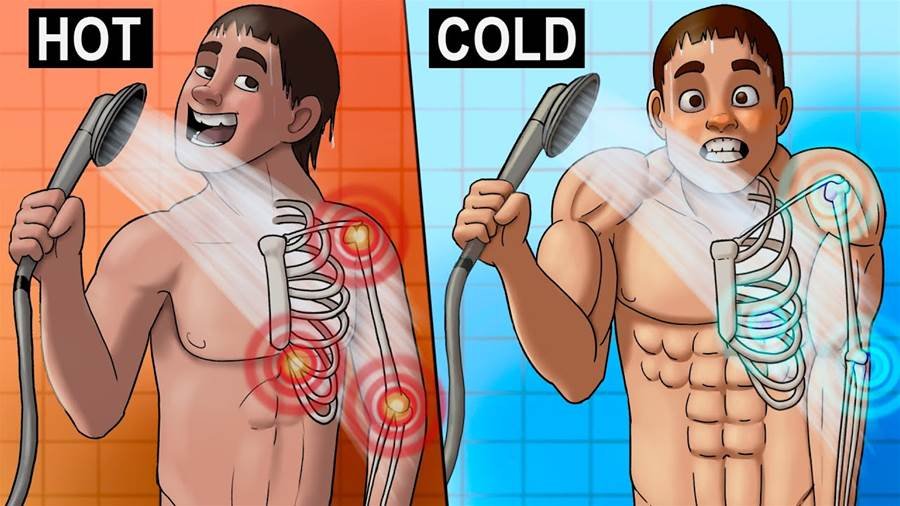
  • Ice and heat aren’t interchangeable: they work through different mechanisms. Ice reduces blood flow and numbs pain; heat increases blood flow and relaxes tissue.
  • Using the wrong therapy can blunt the body’s natural healing response or worsen swelling.
  • For gym-goers chasing progress, a 1–3 week delay can derail programming and lead to compensations that cause new injuries.

Quick rules at a glance

  • Acute injury (first 48–72 hours, sudden pain, swelling, bruising): use ice. Aim to control swelling and pain.
  • Chronic stiffness or muscle tightness (ongoing soreness, long-standing joint stiffness): use heat to increase flexibility and circulation.
  • Post-exercise soreness without a clear injury: contrast (brief heat then ice) or targeted foam rolling often helps more than long ice baths.
  • If in doubt, favor rest and consult a clinician for serious trauma.

When to use ice — exact steps

  1. Indication: sudden sprain, sharp pain with swelling or bruising, post-workout acute flare.
  2. Application: 15–20 minutes every 1–2 hours during first 48–72 hours. Use a thin cloth between ice and skin to avoid frostbite.
  3. Method: ice pack, bag of frozen peas, or commercial gel pack. Elevate the limb when possible to reduce pooling.
  4. What to avoid: prolonged icing (>30 minutes) or icing before trying gentle movement long-term — immobility can slow recovery.

When to use heat — exact steps

  1. Indication: chronic joint stiffness, tight muscles before activity, non-swollen chronic pain.
  2. Application: 15–20 minutes before activity to loosen tissues; avoid heat directly on newly inflamed areas.
  3. Method: moist heat (hot towel), heating pad, warm shower, or heat wraps for prolonged low-level warmth.
  4. What to avoid: applying heat to an acutely swollen area or open wound — this will increase inflammation.

Common mistakes that cost weeks

  • Icing every day for chronic tendon pain: prolonged suppression of blood flow can slow remodeling and prolong tendinopathy.
  • Heat immediately after a sprain: increases bleeding and swelling, potentially adding days to recovery.
  • Overdoing anti-inflammatory measures without progressive loading: inflammation is part of healing; complete suppression can prevent tissue strengthening.
  • Relying on passive measures (ice/heat) without addressing movement, strength, and mobility deficits.

Rehab principles to pair with correct therapy

  • Early controlled movement: after the initial window, gentle range-of-motion and progressive loading promote repair.
  • Load management: reduce intensity/volume but maintain some specific stimulus to avoid deconditioning.
  • Manual care and mobility: integrate soft-tissue work and mobility drills when pain allows.
  • If pain is severe, numbness, or symptoms worsen, seek medical evaluation.

Nutrition, sleep, and recovery (short checklist)

  • Protein and anti-inflammatory foods support tissue repair; hydration matters for tissue resilience.
  • Rest and quality sleep accelerate recovery pathways.
  • For practical pre-workout fueling that complements your recovery plan, check out these smart pre-workout snack ideas to minimize late-session fatigue and avoid overloading damaged tissues.

Actionable 7‑day plan after a sprain (example)
Day 0–2: Ice 15–20 min every 1–2 hours, rest, elevate.
Day 3–5: Transition to gentle range-of-motion and light isometrics; brief heat before movement if stiffness dominates.
Day 6–7: Progress resistance as tolerated, monitor swelling; avoid aggressive loading until strength returns.

When to see a professional

  • Inability to bear weight, numbness, severe deformity, or persistent swelling beyond a week.
  • Recurrent injuries or pain that doesn’t improve with appropriate ice/heat and progressive rehab.

Ice or Heat? The 90% of Gym‐Goers Using It Wrong — One Mistake Could Cost You 3 Weeks! 😱

Conclusion

Choosing ice or heat correctly can shave days — even weeks — off your recovery timeline. For care of reusable pads, towels, and gym gear that help you apply therapies safely and hygienically, see this guide on Mastering the Art of Washing Clothes with Powder Detergent. Follow the rules above, pair them with movement and proper nutrition, and you’ll get back to training sooner and stronger.

Ice or Heat? The 90% of Gym‐Goers Using It Wrong — One Mistake Could Cost You 3 Weeks! 😱 Read More »

, , , ,
Scroll to Top