

fitness plan

A guide to using creatine for muscle growth with detailed usage plan.

How To Use CREATINE for Muscle Growth (FULL PLAN)

Creatine Growth Blueprint

Creatine is one of the most researched supplements for increasing strength, power and muscle mass. This guide gives a simple, practical plan to use creatine safely and effectively, including dosing, timing, training pairings and troubleshooting for best results. For coaches and educators wanting to turn this into a session, see this resource on designing fitness workshops: how to design educational fitness workshops.
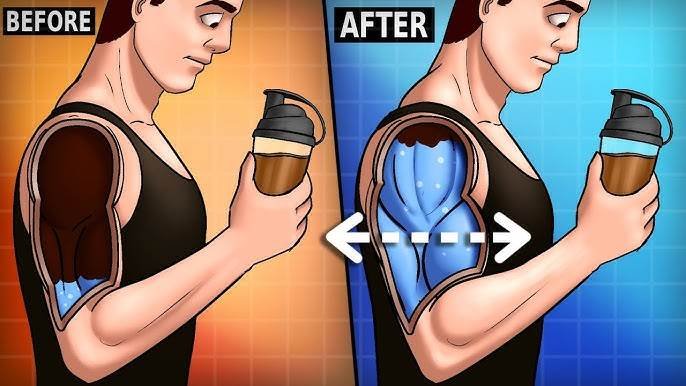
How To Use CREATINE for Muscle Growth (FULL PLAN)

What follows is a concise, actionable plan you can apply whether you’re a beginner or an experienced lifter.

How creatine works

  • Creatine supplies quick phosphate groups (as phosphocreatine) to regenerate ATP during short, high-intensity efforts — the kind of energy used in sprints and heavy lifts.
  • Over weeks, improved training quality (more reps, heavier loads, better recovery) drives greater muscle hypertrophy.

Which creatine to choose

  • Creatine monohydrate (micronized) is the gold standard — cheapest, safest, and most studied.
  • Avoid exotic blends or proprietary mixes unless they explicitly list creatine monohydrate and dose.

Loading vs. low-dose daily

  • Loading (optional): 20 g/day split into 4 doses for 5–7 days to saturate muscles fast.
  • Maintenance: 3–5 g/day thereafter.
  • Skip loading if you prefer a steady approach: 3–5 g/day will saturate muscles in ~3–4 weeks with similar long-term benefits.

Timing and pairings

  • Timing is flexible: daily consistency matters more than exact minute timing.
  • Small advantage: taking creatine post-workout with carbs/protein can aid uptake — mix it with your post-workout shake or a carb snack.
  • Stay well hydrated; creatine draws water into muscle cells.

Sample simple plan (two options)

  • Fast saturation (optional):
    • Loading: 20 g/day (4 × 5 g) for 5–7 days
    • Maintenance: 3–5 g/day thereafter
  • Straight maintenance:
    • 3–5 g/day every day (no loading)

Training and nutrition to maximize gains

  • Use progressive overload: prioritize compound lifts (squats, deadlifts, presses, rows) and gradually increase weight or reps.
  • Creatine works best when combined with consistent resistance training and adequate protein (0.7–1 g/lb bodyweight) and calories.
  • Use creatine during cutting phases too to preserve strength and lean mass.

Safety and side effects

  • Side effects are uncommon; occasional bloating or stomach upset can occur (reduce dose or split throughout the day).
  • Kidney concerns are not supported in healthy individuals at recommended doses, but consult a medical professional if you have pre-existing kidney disease.
  • For gym safety while pushing heavier loads, review basic safety protocols to reduce injury risk: how to stay safe at the gym.

Practical tips and troubleshooting

  • Mix creatine into warm water, juice or your shake to dissolve it fully.
  • If you forget a dose, skip it and resume the next day — don’t double up.
  • Track progress: log lifts, sets, and body measurements every 4 weeks to see creatine’s benefits.

Frequently asked questions

  • Will creatine make me bulky? It increases muscle size when combined with training; initial weight gain may include water in muscle cells.
  • Is cycling necessary? No; continuous daily use at maintenance doses is common and effective.
  • Can women use it? Yes — benefits apply across sexes when paired with resistance training.
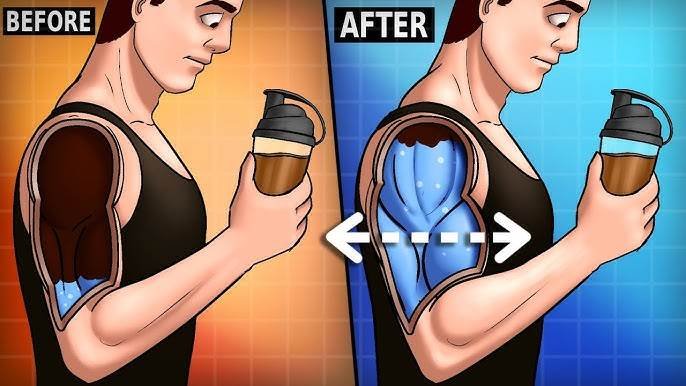
How To Use CREATINE for Muscle Growth (FULL PLAN)

Conclusion

For a reliable, medically reviewed overview of creatine — including benefits, safety and supplement guidance — consult the Cleveland Clinic summary: Creatine: What It Does, Benefits, Supplements & Safety.

How To Use CREATINE for Muscle Growth (FULL PLAN) Read More »

, , , ,
This workout plan designed to build muscle 3X faster for effective strength training

This Workout Plan Builds Muscle 3X Faster (STEAL THIS)

Triple Gain Blueprint

This plan is built for lifters who want bigger muscle faster without gimmicks. It factors in heavy compound lifts, strict progression, focused recovery, and the nutrition tweaks that actually move the needle. If you want a simple, repeatable template for accelerating hypertrophy, this is it — and it works whether you prefer animal or plant proteins; see one breakdown on lean meat vs high-fat meat benefits for how protein quality affects recovery.

This Workout Plan Builds Muscle 3X Faster (STEAL THIS)

Why this approach speeds growth

  • Focus on high-quality compound lifts (squat, deadlift, bench, row, overhead press) to recruit maximum fibers and stimulate systemic anabolic responses.
  • More frequent stimulation: target each major muscle 2–3 times weekly rather than once — shorter, sharper sessions beat long, infrequent marathons.
  • Progressive overload with micro-increments: small, consistent increases in weight or volume beat sporadic big jumps and reduce injury risk.
  • Nutrition and recovery tuned to support the workload: protein timing, total calories, sleep, and deloads.

Weekly sample (8–12 week block)

  • Day 1 — Heavy lower: Squats 5×5, Romanian deadlift 3×8, calf raises 3×12.
  • Day 2 — Upper push/pull: Bench 5×5, bent-over rows 4×6, face pulls 3×12.
  • Day 3 — Active recovery or conditioning: low-impact cardio, mobility.
  • Day 4 — Volume lower: Front squats 4×8, lunges 3×10, hamstring curls 3×12.
  • Day 5 — Upper volume: Overhead press 4×6, incline dumbbell press 3×10, pull-ups 3×AMRAP.
  • Day 6 — Optional weak-point work: arms, traps, calves or technique work.
  • Day 7 — Rest.

Programming tips that triple results

  • Keep rep ranges focused: 4–6 reps for strength and size in compound lifts, 8–12 for accessory hypertrophy.
  • Track every set and aim for small weekly progressions (0.5–2.5 kg increases or an extra rep).
  • Manage fatigue with planned deloads every 4–6 weeks (drop volume 30–50%).
  • Use tempo and pause reps for added stimulus without heavy load increases.

Nutrition and recovery

  • Aim for a slight calorie surplus (200–350 kcal/day) while prioritizing ~0.8–1.2 g protein per pound of bodyweight for most lifters.
  • Spread protein evenly across meals to support synthesis throughout the day.
  • Strategically use carbohydrate timing around training for performance and glycogen replenishment.
  • Sleep 7–9 hours and prioritize stress management; muscles grow when you recover.

Accessory choices and technique

  • Pick accessory lifts that address your sticking points: glute ham raises for hip drive, rows for upper-back thickness, and farmer carries for core and grip.
  • Maintain clean technique on heavy sets; use a spotter or safety setup when pushing near failure.
  • Shorten sessions to 45–75 minutes to limit systemic fatigue and improve consistency.

Adapting for dietary preferences

  • Both animal-based and plant-based diets can support rapid muscle growth when total protein and calories are adequate — see research on how you can build muscle on a plant-based diet for implementation ideas. plant-based muscle research

Common mistakes to avoid

  • Chasing volume without progressive load increases.
  • Ignoring recovery and sleep.
  • Skipping compound lifts in favor of machines that don’t transfer as well to systemic growth.
  • Expecting dramatic overnight changes; compounding progress week-to-week is the goal.

This Workout Plan Builds Muscle 3X Faster (STEAL THIS)

Conclusion

If you want a proven, fast path to bigger muscles, pair this blueprint with a reliable strength routine like the StrongLifts 5×5 quick start guide to lock in consistent, measurable progress.

This Workout Plan Builds Muscle 3X Faster (STEAL THIS) Read More »

, , , ,
Scroll to Top