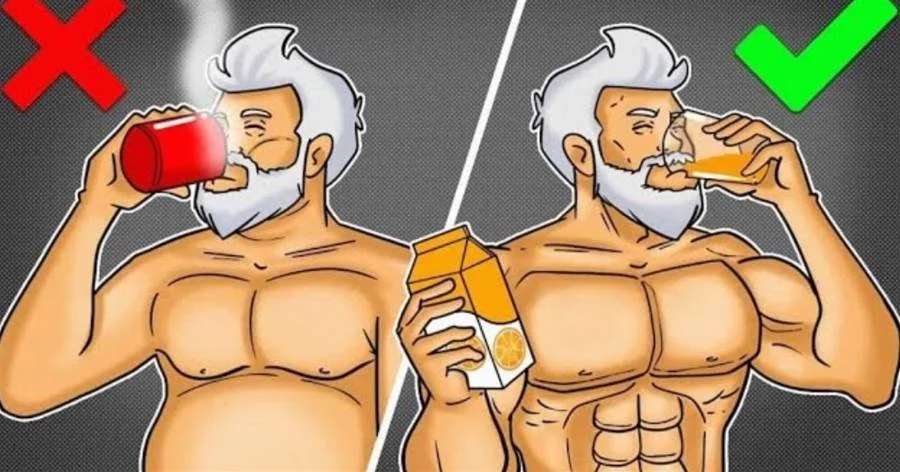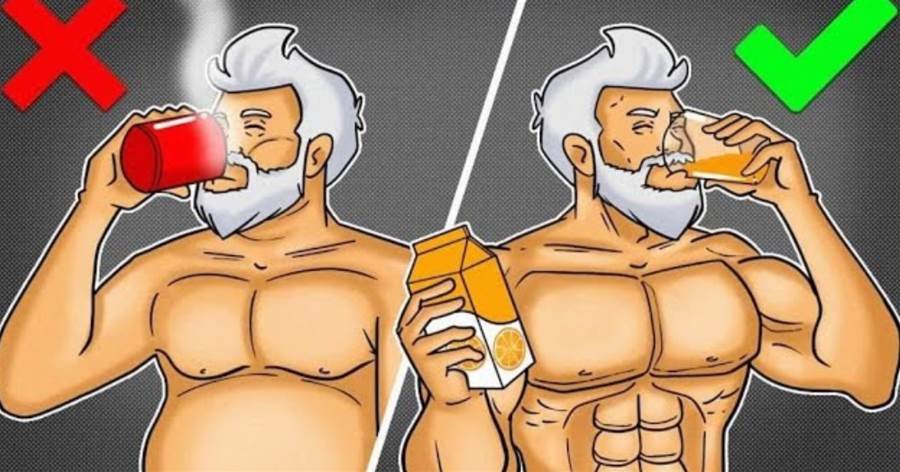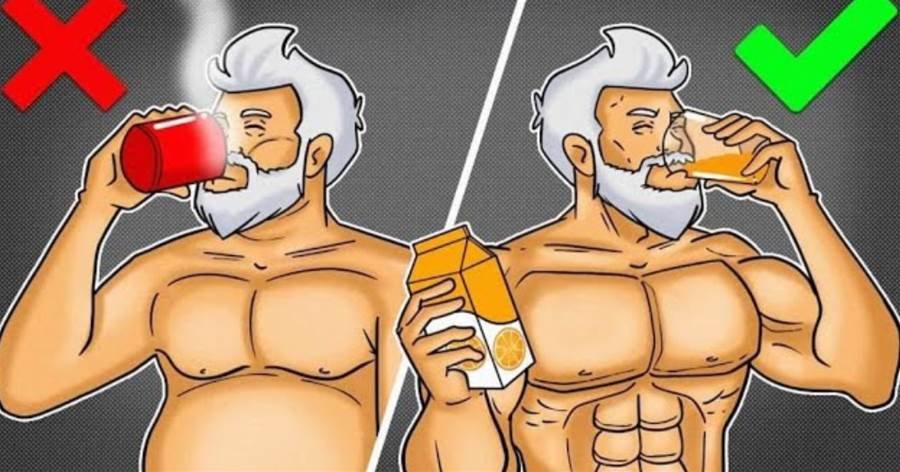
Why You’re NOT Building Muscle After 40 (and how to fix it)
Title: Forty and Strong: Fix Your Muscle Gains
A lot of people over 40 wonder why gains slow or stop even when they’re training hard. The truth is that age brings specific changes — lower hormones, slower recovery, and different nutritional needs — but none of these are fatal to progress. With targeted adjustments to training, nutrition, and recovery you can rebuild or even exceed your previous strength and muscle. If food cravings or poor choices sabotage your diet, see this guide on why cravings happen and how to stop them to stay on track.
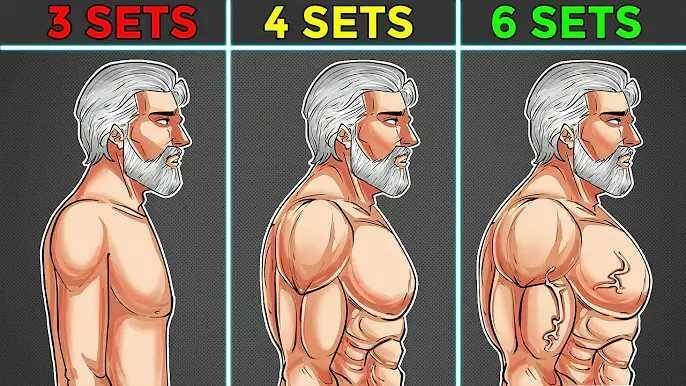
What changes after 40
- Hormones: Testosterone and growth hormone decline with age, making muscle growth harder but not impossible.
- Muscle protein synthesis slows: You need stronger anabolic signals (heavier loads, more protein, strategic nutrition) to trigger growth.
- Recovery capacity drops: Sleep and recovery become as important as the workout itself.
- Lifestyle factors compound the issue: stress, activity level, and diet have bigger effects than in your 20s.
Train smarter, not just harder
- Prioritize compound lifts: Squats, deadlifts, presses and rows stimulate more muscle and hormonal response.
- Emphasize progressive overload: Increase load, reps or volume gradually — consistency beats spikes.
- Add quality hypertrophy work: 6–12 rep ranges for most sets, with occasional heavier sets (3–6 reps) to maintain strength.
- Respect recovery: schedule rest days, deloads, and active recovery weeks to avoid chronic fatigue or injury.
Nutrition that actually builds muscle
- Eat enough protein: Aim for 1.0–1.6 g/kg bodyweight per day (higher end for those pushing heavy training).
- Spread protein through the day: 25–40 g per meal to maximize muscle protein synthesis.
- Balance calories: Slight surplus supports growth; too large a surplus adds unwanted fat.
- Use strategic food choices: whole foods first, targeted supplements second. For quick, protein-forward options try high-protein smoothies and recipes that support muscle-building like these 8 high-protein smoothie recipes to build muscle.
Recovery, sleep and stress
- Sleep 7–9 hours: Growth and repair happen during deep sleep.
- Manage stress: chronic cortisol suppresses recovery and muscle-building signals.
- Mobility and soft tissue work: improves movement quality, reduces injury risk, and lets you lift heavier over time.
- Monitor load vs capacity: pain that doesn’t improve with modest modifications needs professional attention.
Programming and practical tips
- Frequency: Hitting each muscle group 2x per week is ideal for many lifters over 40.
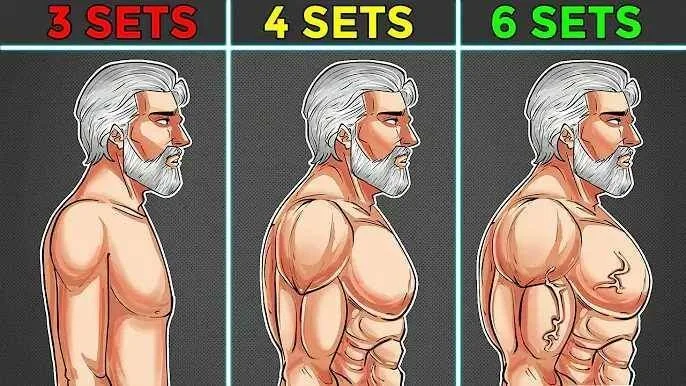
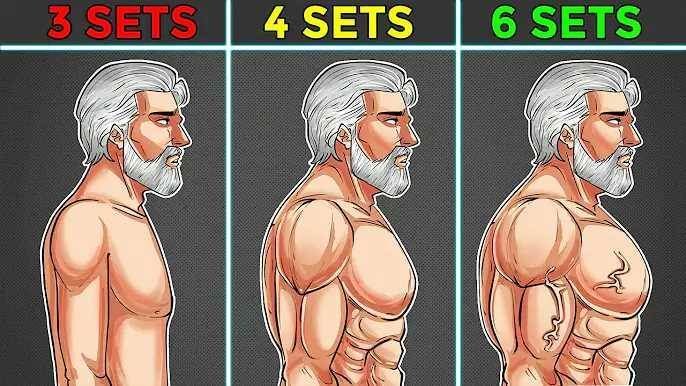
- Volume: Moderate weekly volume with careful progression is better than frequent intensity spikes.
- Tempo and form: Slower, controlled reps improve muscle tension without unnecessary joint strain.
- Track progress: Keep simple logs for weight, sets, and recovery markers (sleep, mood, soreness).
Mindset and longevity
- Be patient: remodeling muscle takes time, especially with life demands.
- Prioritize consistency: small regular improvements beat intermittent intense bursts.
- Seek support: coaches, training partners, and reliable resources help maintain form and motivation.
Conclusion
Want a concise, practical roadmap tailored to building muscle after 40? This comprehensive guide on Building Muscle After 40 offers clear benefits and program ideas to help you rebuild strength safely and effectively. (Visit the full resource here: Building Muscle After 40)
Why You’re NOT Building Muscle After 40 (and how to fix it) Read More »