Fuel Pairings: 5 Pre- and Post-Workout Combos That Work
Eating the right foods at the right times can transform your gym sessions. The goal is simple: give your body quick energy before training and the building blocks it needs to recover afterward. For a quick primer on smart pre-workout choices, see this guide to best natural pre-workout foods and benefits.
Why pair foods? A smart pairing balances carbs for energy, protein for muscle repair, and fats for sustained fuel. Below are five proven combinations you can mix and match depending on workout intensity, duration, and personal taste.
Banana + Almond Butter — Fast Fuel, Gentle Protein
Why it works: Bananas provide quick-digesting carbs and potassium to support muscle function; almond butter adds a touch of protein and healthy fats to slow digestion just enough for steady energy.
When: 30–60 minutes before moderate cardio or strength sessions.
Quick tip: Slice a banana and spread 1 tablespoon of almond butter for a portable, easy snack.
Greek Yogurt + Berries — Protein for Recovery, Antioxidants for Inflammation
Why it works: Greek yogurt delivers fast-absorbing whey and casein proteins; berries supply carbs and antioxidants to help reduce exercise-induced oxidative stress.
When: Within 30–60 minutes after workouts focused on strength or high intensity.
Serving: 3/4 cup plain Greek yogurt + 1/2 cup mixed berries; add a drizzle of honey if you need extra carbs.
Oatmeal + Whey or Plant Protein — Sustained Carbs + Muscle Repair
Why it works: Oats offer slow-release carbs and fiber; adding a scoop of protein creates a balanced meal that supports recovery and keeps you full.
When: 60–90 minutes before long sessions or early-morning workouts.
Prep: Cook 1/2 cup oats with water, stir in 1 scoop protein powder after cooking, top with a few sliced almonds.
Whole-Grain Toast + Egg — Simple, Balanced, and Versatile
Why it works: Toast gives quick carbs; eggs supply complete protein and essential amino acids for muscle repair. Add avocado for extra healthy fats if desired.
Why it works: Lean grilled chicken is a rich source of complete protein; sweet potatoes provide restorative complex carbs and micronutrients like vitamin A and potassium. For ideas on protein-forward grilling, check out these high-protein foods that are great for grilling.
When: 30–90 minutes after a heavy lifting session or long endurance workout.
Meal idea: 4–6 oz grilled chicken breast + 1 small-to-medium baked sweet potato + steamed greens.
Additional practical tips
Portion control: Adjust serving sizes based on body size, workout intensity, and goals (fat loss vs. muscle gain).
Hydration: Drink water before, during, and after exercise. Add electrolytes for long workouts.
Timing flexibility: If you don’t have time to eat solid food pre-workout, a small smoothie (banana, protein powder, water) is a good substitute.
Experiment: Everyone digests differently — test pairings on light training days before using them on big sessions.
Conclusion
Pairing carbs with a quality protein source before and after workouts helps maximize performance and recovery. For tracking portions and staying accountable with your nutrition and energy balance, try using the Lose It! – Calorie Counter App to log meals and monitor progress.
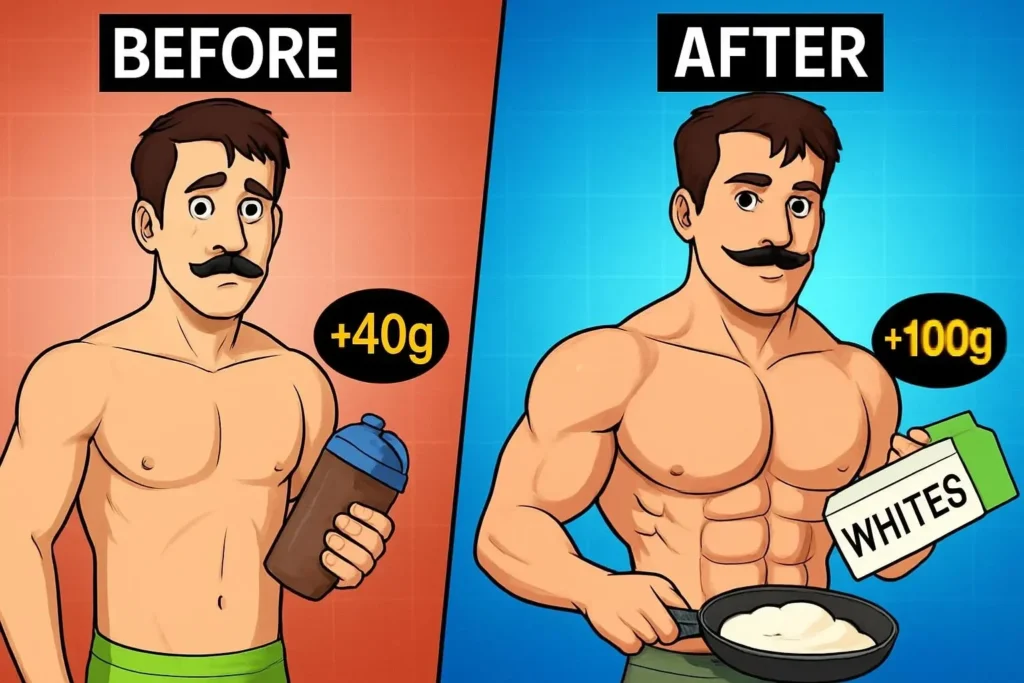
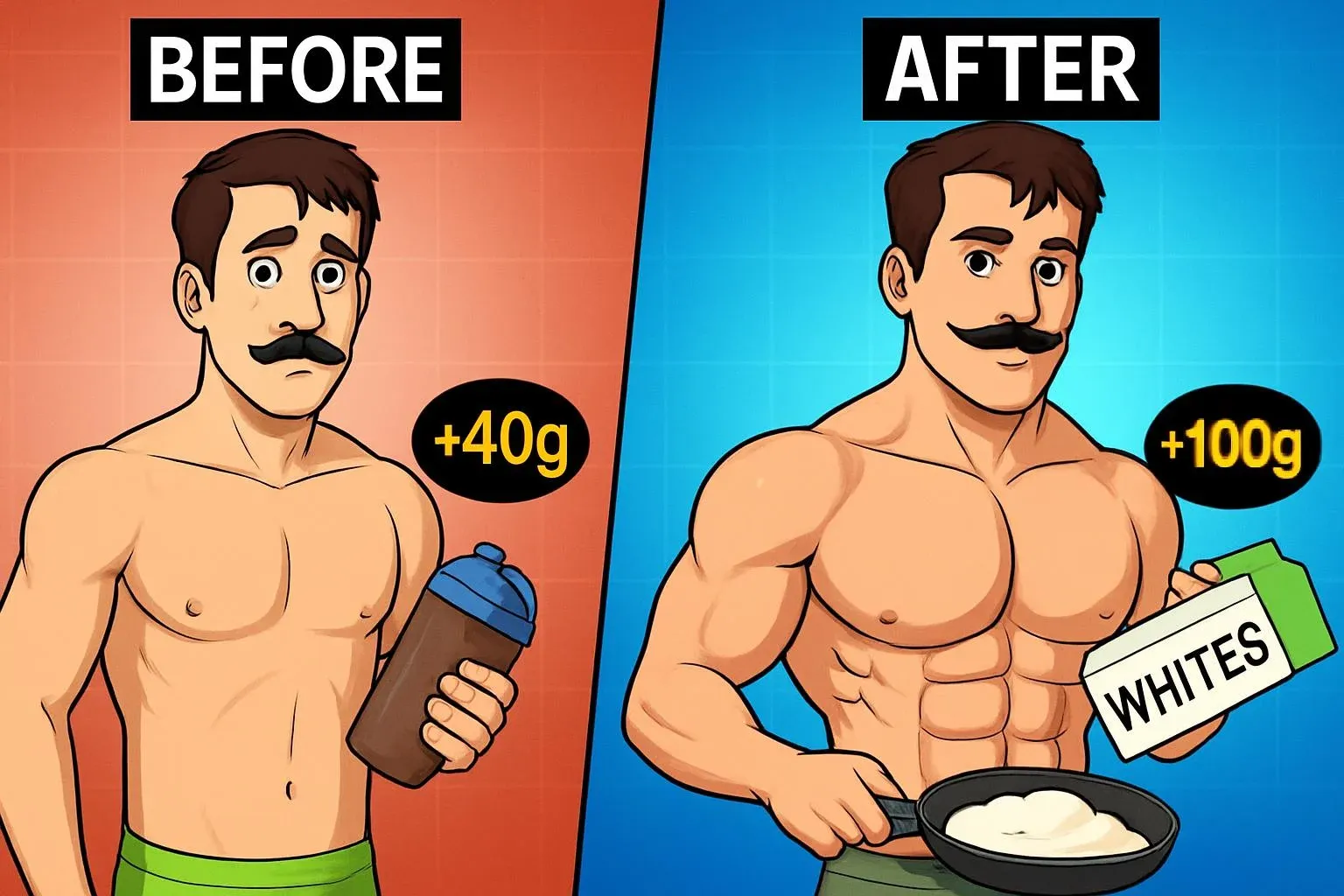
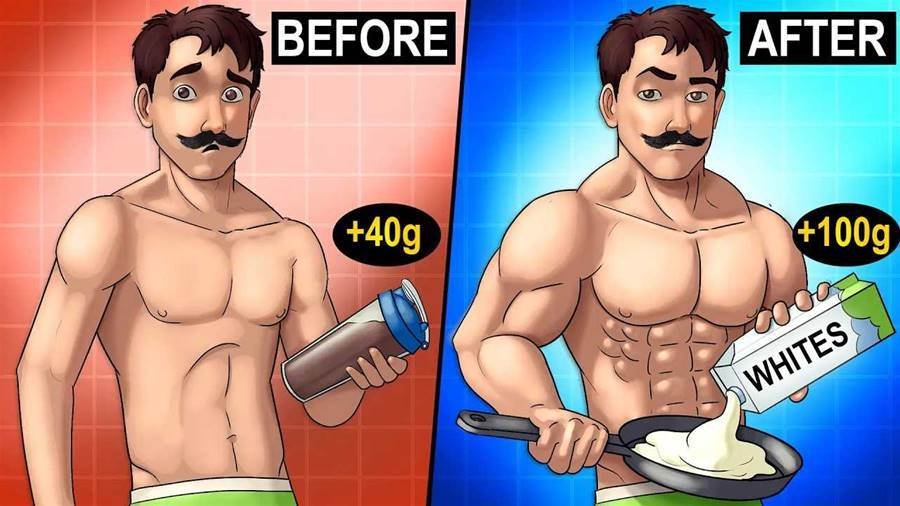
Eating an extra 100g of protein a day is easier than you think when you pick the right foods and portions. Below are ten practical, everyday foods with serving-size examples so you can mix and match to reach that 100g target without relying on one source. For grilling ideas that pair well with many of these choices, check out grill-friendly proteins.
Chicken breast — 31g per 100g
Tip: A typical cooked 150g portion gives about 46g protein. Lean, versatile, and easy to add to salads, bowls, and sandwiches.
Canned tuna (in water) — 25g per 100g
Tip: One 165g can (drained) provides ~40g protein. Great for quick salads or mixed into pasta.
Greek yogurt (nonfat) — 10g per 100g
Tip: A 300g tub can add ~30g protein. Use as a breakfast base, smoothie ingredient, or savory sauce.
Cottage cheese — 11g per 100g
Tip: A 200g serving gives ~22g protein. Mix with fruit or use as a spread for extra satiety.
Eggs — 6g per large egg
Tip: Four eggs = ~24g protein. Hard-boiled eggs are a portable way to add protein to snacks and meals.
Whey or plant protein powder — 20–25g per scoop
Tip: One scoop blended into a shake or oatmeal quickly adds 20–25g toward your daily goal.
Lean beef (sirloin) — 26g per 100g
Tip: A 150g serving provides ~39g protein. Quick pan-seared steaks or stir-fries are satisfying options.
Lentils (cooked) — 9g per 100g
Tip: One cup cooked (~198g) gives ~18g protein. Pair with grains or add to stews for plant-based protein.
Chickpeas — 9g per 100g
Tip: One cup cooked (~164g) provides ~15g protein. Roasted chickpeas make a crunchy snack; hummus is a great spread.
Almonds — 21g per 100g
Tip: A 50g handful yields ~10.5g protein. Use as a snack or topping for yogurt and salads. For more practical snack and meal strategies to lift protein across the day, see easy ways to boost protein.
Small swaps (like choosing Greek yogurt over regular yogurt, adding an extra egg, or including a scoop of protein powder) can make the difference between 60g and 100g without big meals or complicated recipes.
Conclusion
Consistently hitting an extra 100g of protein each day is achievable with intentional choices — lean meats, dairy, legumes, nuts, and a little protein powder go a long way. For more ideas on high-protein ingredients and portion guidance, see this helpful list of 10 high protein foods | Good Food.
Consistent, well-distributed protein intake is the single most important nutritional factor for building and preserving muscle. Aim for a daily target based on bodyweight, spread across meals that each contain enough essential amino acids — especially leucine — to trigger maximal muscle protein synthesis. For a deeper dive into how food choice affects post-workout protein use, consider how lean meat beats high-fat meat for faster post-workout muscle protein synthesis in practical settings.
Why this matters
Muscle protein synthesis (MPS) is the process of building new muscle. You stimulate MPS with resistance training and dietary protein; you reduce net muscle loss by minimizing breakdown with adequate energy and protein.
The goal is to maximize the response to each meal so that total daily MPS is as high as possible.
Daily protein targets
Evidence-based range: 1.6–2.2 g/kg bodyweight per day for most people seeking muscle growth (higher end if you’re in a calorie deficit or older).
Example: a 75 kg person should target roughly 120–165 g/day depending on training status and goals.
Calories and overall energy still matter — protein won’t build muscle if you’re severely underfed.
Per-meal protein and the leucine threshold
Per-meal doses of ~0.4–0.55 g/kg (roughly 20–40 g for many people) effectively stimulate MPS when evenly distributed.
Leucine, an essential branched-chain amino acid, acts as a key trigger. Aim for ~2.5–3 g leucine per meal (commonly reached with ~25–40 g of high-quality protein).
Spread protein evenly across 3–5 meals to repeatedly stimulate MPS instead of front-loading all protein in one sitting.
Timing around training
Post-workout protein is valuable, but the “anabolic window” isn’t a narrow 30-minute slot for most people. If you’ve eaten a protein-containing meal within a few hours before training, post-workout urgency is reduced.
Practical rule: consume a quality protein-containing meal within 1–3 hours after resistance training if your previous meal was several hours earlier.
Pre-sleep protein (30–40 g casein or whole-food protein) can support overnight MPS and recovery, especially on hard training days.
Protein quality and choices
Prioritize high-quality sources with complete amino acid profiles: whey, eggs, dairy, lean meats, poultry, fish, and soy.
For convenience or caloric control, whey and lean protein sources are efficient choices; they digest quickly and deliver leucine efficiently.
If you’re plant-based, combine complementary sources and aim for slightly higher daily protein to offset lower digestibility.
Practical strategies to hit targets
Distribute protein: aim for similar protein amounts at breakfast, lunch, dinner, and at least one snack or shake.
Simple swaps: add an extra egg or Greek yogurt at breakfast, include a lean meat or tofu portion at lunch, and finish dinner with a solid protein portion.
Use protein-rich snacks after training or between meals to keep per-meal intake sufficient — for more tips, check these ways to increase your protein intake.
Track totals for a few days and adjust: focus on meeting the daily and per-meal numbers rather than obsessing over timing.
Special populations and considerations
Older adults: may need the higher end of the protein range (2.0–2.4 g/kg) and larger per-meal protein to overcome anabolic resistance.
During fat loss: keep protein at the upper range (2.0–2.4 g/kg) to minimize muscle loss.
Athletes with heavy training loads: maintain adequate calories and lean toward the higher end of the recommended range.
Sample daily plan (75 kg lifter aiming ~150 g/day)
Breakfast: 30 g protein (eggs + Greek yogurt)
Midday meal: 35 g (lean chicken, rice, veg)
Post-workout snack: 25 g (whey shake + banana)
Dinner: 40 g (fish or steak with sides)
Optional bedtime casein: 20 g (cottage cheese)
This distribution keeps each meal in the effective per-meal range and provides regular MPS stimulation.
Conclusion
Consistent daily protein intake, distributed across several meals with sufficient leucine per meal, is the most science-supported approach to maximizing muscle growth. For a thorough, science-based guide to optimizing protein timing and doses, see The Smartest Way To Use Protein To Build Muscle (Science …).
Building muscle faster doesn’t require a cabinet full of powders and pills — just a short, smart stack of supplements, consistent training, and solid nutrition. Below I break down the truly essential supplements that give the biggest return on time and money, how to use them, and safety notes so you can stack intelligently.
Introduction
Focus on evidence-based staples first. Supplements are aids, not substitutes for progressive overload, sleep, and calories. If you struggle with specific lifts or balance, consider alternatives like these Bulgarian split squat alternatives to keep training consistent while you add the following basics.
The core supplements (the "ONLY" you need)
Protein powder (whey or plant)
Why: Ensures you hit daily protein targets conveniently, supporting muscle protein synthesis and recovery.
How to use: Aim for ~0.7–1.0 g per pound of bodyweight from all food; use a shake to fill gaps. Post-workout or between meals both work.
Tip: Blend into meals or try high-protein smoothies when you need calories and convenience.
Creatine monohydrate
Why: The most-researched supplement for strength and lean mass gains. Increases available ATP for short, intense efforts.
How to use: 3–5 g daily. Loading (20 g/day split for 5–7 days) speeds saturation but isn’t necessary.
Safety: Extremely safe for healthy adults when taken at recommended doses; stay hydrated.
Omega-3 (fish oil)
Why: Supports recovery, joint health, inflammation control, and overall well-being — useful when training volume increases.
How to use: 1–3 g combined EPA + DHA daily from a quality supplement or fatty fish.
Vitamin D (if deficient)
Why: Many adults are low in vitamin D, which can impair recovery, immune function, and mood — indirect but real effects on training consistency.
How to use: Test first if possible. Typical supplementation ranges from 1,000–4,000 IU/day, tailored to blood levels.
Caffeine (strategic, not daily high doses)
Why: Proven to boost performance, focus, and perceived exertion when taken pre-workout.
How to use: 3–6 mg/kg 30–60 minutes before training. Use only on training days or when you need a performance boost to avoid tolerance.
Optional single-purpose extras (use only if needed)
Beta-alanine: For longer sets or repeated sprint work (helps buffering), 2–5 g/day with 400 mg doses to reduce tingling.
A basic multivitamin: If your diet lacks variety, use a once-daily multivitamin as nutritional insurance.
How to prioritize and stack
Start with protein and creatine — these two give the largest, consistent impact for strength and muscle.
Add omega-3 and fix vitamin D if tests show deficiency or you have limited sun exposure.
Use caffeine only as a situational enhancer for hard sessions; don’t rely on it for every workout.
Keep supplements simple: one high-quality protein, creatine monohydrate, and a fish oil; add others only for specific needs.
Safety and quality control
Choose third-party tested brands when possible (NSF, Informed-Sport, USP).
Don’t exceed recommended doses; consult a healthcare professional if you have medical conditions, are pregnant, or take medications.
Remember supplements complement — they don’t replace — whole foods, progressive training, and sleep.
Practical sample daily plan
Breakfast: Protein + whole-food meal
Pre-workout: Caffeine (if needed)
Post-workout: Protein shake + creatine (3–5 g)
Daily: Fish oil and vitamin D (if supplementing)
Conclusion
Stick to the essentials — high-quality protein, creatine monohydrate, omega‑3s, and only add vitamin D or caffeine when needed — and you’ll cover the supplements that reliably speed muscle growth while minimizing cost and complexity. For a deeper, evidence-based overview of supplement roles and recommendations, see this comprehensive guide from supplements-for-muscle-growth | NASM.
Night Fuel: Protein’s Edge for Faster Muscle Gains
Is eating protein before bed really a shortcut to faster muscle growth? A recent wave of research suggests the answer is yes — when done right. In this article we’ll unpack what the new study implies, how nighttime protein affects muscle protein synthesis, practical dosing and food choices, and who benefits most from this strategy. If you already struggle to hit daily protein targets, adding a small pre-sleep shake or snack can be a simple fix — try incorporating high-protein smoothies into your routine for an easy bedtime option.
What the study found
The new research examined resistance-trained adults who consumed protein before sleep and compared their muscle growth and strength changes to those who did not.
Participants who took a slow-digesting protein (commonly casein) before bed showed improved overnight muscle protein synthesis and slightly larger gains in muscle mass over weeks of training.
The effect was greatest when total daily protein intake and training stimulus were already adequate — pre-sleep protein seems to augment, not replace, solid nutrition and workouts.
How pre-sleep protein works
During sleep your body is in an extended fasted state. Supplying amino acids overnight helps sustain muscle protein synthesis when otherwise it would drop.
Slow-digesting proteins like casein provide a steady release of amino acids for several hours, preventing prolonged catabolism and supporting overnight recovery.
Timing matters less than total intake; pre-sleep protein is most useful when it helps raise your daily protein to recommended levels for muscle growth.
Recommended amounts and types
Typical effective doses in studies range from 25–40 grams of high-quality protein taken 30–60 minutes before sleep.
Casein (found in cottage cheese or micellar casein powders) is ideal because it digests slowly. Whey works too but is faster-absorbing; combine forms if you prefer.
For those avoiding dairy, mixed plant proteins with complementary amino acid profiles can help, but you may need slightly higher amounts to match leucine delivery.
Practical bedtime protein ideas
Cottage cheese with berries and a sprinkle of nuts is an easy, whole-food option.
A small casein or mixed protein shake blended with water or milk keeps calories controlled.
Greek yogurt, a small omelet, or a serving of tofu scramble also work for variety and satiety.
How to use pre-sleep protein in your plan
Make sure your total daily protein is sufficient first — most people aiming for muscle gain should target ~1.6–2.2 g/kg bodyweight per day.
Use pre-sleep protein as a tool to reach daily goals or to support recovery after an evening workout.
If you train early in the evening and then go several hours without food before bed, the pre-sleep snack is especially helpful.
Who benefits most — and who should be cautious
Best candidates: resistance-trained individuals, those struggling to meet daily protein targets, and people doing evening workouts.
Be cautious if you’re trying to lose weight with a strict calorie deficit; additional bedtime calories can hinder fat loss unless accounted for in your daily plan.
Those with lactose intolerance should choose lactose-free or plant-based options; people with renal disease should consult a physician before increasing protein.
Quick do’s and don’ts
Do: aim for 25–40 g of a slowly digested protein before sleep if it helps meet daily protein.
Don’t: treat bedtime protein as a substitute for total daily protein or for progressive resistance training.
Do: monitor calorie balance — extra protein still adds energy.
Don’t: expect overnight protein alone to produce major gains; it’s an augmentative strategy.
Further reading and recipes
If you like ready-made options, try building a small bedtime shake or snack from recipes that emphasize protein density without excess calories.
For more ways to add protein across the day and for snack ideas beyond bedtime, see practical guides on how to increase protein with every meal.
Conclusion
The evidence suggests that ingesting protein before sleep can support overnight muscle protein synthesis and marginally improve muscle gains when combined with a robust training program and adequate daily protein. For a full review of the clinical evidence, read this detailed study: The Impact of Pre-sleep Protein Ingestion on the Skeletal Muscle …
Hitting 100 grams of protein a day can sound daunting, but with smart choices you can add big protein boosts without extra cooking time. Below are 10 high-protein foods and simple serving suggestions that make reaching — and even exceeding — 100 g daily easy and enjoyable. For quick grill-friendly picks, try some of the options linked here: grill-friendly high-protein foods.
How to read this list: each item includes an approximate protein amount per common serving and a quick idea for including it in your day. Mix and match items across meals and snacks to reach your target.
Chicken breast (cooked, 100 g — ~31 g protein)
Why: Lean, versatile, and easy to portion.
Quick tip: Add 150 g to a salad or grain bowl at lunch (~46 g protein) to power through the afternoon.
Canned tuna (1 can, drained ~165 g — ~35–40 g protein)
Why: Shelf-stable, inexpensive, and great cold or in salads.
Quick tip: Make a tuna-stuffed avocado or sandwich for a high-protein lunch.
Greek yogurt (200 g — ~18–22 g protein)
Why: Creamy, convenient, and doubles as breakfast or a snack base.
Quick tip: Stir in nuts and berries for a protein-rich breakfast parfait.
Eggs (large, 1 egg — ~6–7 g protein)
Why: Cheap, nutrient-dense and useful any time of day.
Quick tip: Two eggs for breakfast + 200 g Greek yogurt = ~30–36 g protein to start your day.
Whey (or other) protein powder (1 scoop — ~20–25 g protein)
Why: Fast, portable, and perfect for topping up protein quickly.
Quick tip: Blend a post-workout shake or add a scoop to oatmeal.
Cottage cheese (1 cup/210 g — ~25–28 g protein)
Why: Mild flavor, great savory or sweet.
Quick tip: Snack on cottage cheese with pineapple or mix into mashed potatoes for extra protein.
Salmon (cooked, 100 g — ~22–25 g protein)
Why: High-quality protein plus healthy fats.
Quick tip: A 150 g fillet at dinner adds ~33–37 g protein and keeps you full overnight.
Tempeh (100 g — ~18–20 g protein)
Why: Dense plant protein with a firm texture — excellent for veg/vegan meals.
Quick tip: Marinate and pan-fry tempeh for bowls, tacos, or stir-fries.
Lentils (cooked, 1 cup — ~17–18 g protein)
Why: Affordable, fiber-rich, and very versatile.
Quick tip: Add a cup of lentils to soups, stews, or grain salads to bulk up protein and fiber.
Almonds (1/4 cup — ~6 g protein) and seeds (hemp seeds, 2 tbsp — ~6–10 g protein)
Why: Handy snack boosters to push totals over 100 g without large meals.
Quick tip: Sprinkle hemp seeds on smoothies or salads; keep almonds as an on-the-go snack.
Sample day to reach ~100+ g protein (easy to adapt)
Breakfast: 2 eggs (12–14 g) + 200 g Greek yogurt (20 g) = ~32–34 g
Lunch: 150 g cooked chicken breast = ~46 g (running total ~78–80 g)
Snack/Shake: 1 scoop whey protein = ~22 g (final total ~100–102 g)
Boosting muscle means more than just heavy lifts — the right foods speed recovery, fuel growth, and maximize gains. Below are 15 surprising, science-backed foods that can accelerate muscle growth when paired with consistent training and smart recovery. For ideas on how to prepare protein-packed meals, check out these grilling-friendly high-protein options to add variety to your routine.
Salmon — Rich in high-quality protein and omega-3s, salmon reduces inflammation and supports muscle protein synthesis after workouts.
Greek Yogurt — Exceptionally high in casein and whey, it provides slow and fast-digesting proteins for sustained recovery.
Eggs — A complete protein with essential amino acids and leucine, eggs are a muscle-building staple.
Cottage Cheese — Loaded with casein protein, it’s ideal before bed to prevent overnight muscle breakdown.
Lean Beef — Packed with creatine, iron, and B-vitamins, lean beef supports strength and lean mass gains.
Quinoa — A complete plant-based protein that also offers carbs for glycogen replenishment.
Tuna — Low-fat, high-protein, and convenient — perfect for post-workout recovery and lean gains; pair it with complex carbs for best results.
Lentils — High in protein and fiber, lentils supply steady energy and support muscle repair; explore more holistic training tips like these effective muscle-gain strategies to combine diet and programming.
Chicken Breast — Lean, versatile, and protein-dense, chicken remains one of the most efficient ways to hit daily protein targets.
Whey Protein — Fast-digesting and rich in leucine, whey is ideal immediately after workouts to kickstart muscle synthesis.
Almonds — Provide healthy fats and a modest amount of protein; they help sustain energy and support hormone health important for growth.
Sweet Potatoes — Nutrient-dense carbs that refill glycogen stores and supply vitamins that aid recovery.
Edamame — A soy-based complete protein source great for plant-focused lifters.
Milk — Combines whey and casein offering both immediate and sustained amino acid delivery — great around workouts or before sleep.
Spinach — Not a high-protein food, but rich in nitrates and magnesium, supporting blood flow and muscle function for better workouts and recovery.
Quick tips to maximize these foods:
Prioritize total daily protein (roughly 1.6–2.2 g/kg bodyweight for many lifters).
Distribute protein across meals (20–40 g per meal) to optimize synthesis.
Combine protein with carbohydrates post-workout to restore glycogen and aid uptake.
Include some healthy fats for hormonal balance and nutrient absorption.
Conclusion
Pairing these 15 foods with consistent training and recovery will accelerate muscle growth and improve performance. For additional inspiration and motivation related to personal transformation journeys, see this resource on Jelly Roll Weightloss Journey Jre Jellyroll Podcast Motivation Hustle ….
Pomegranate Can Help You Get a Better Pump in the Gym
Pomegranate isn’t just a tasty fruit — it’s also a practical, science-backed tool you can add to your pre-workout routine to help enhance muscle pump and blood flow. If you combine pomegranate with a good pre-workout snack, you can make the most of both energy and recovery; consider ways to boost protein in your pre-workout snack to support muscle repair and growth.
What follows is a concise guide to why pomegranate can help, how to use it, and how to combine it with other evidence-based strategies for better pumps and performance.
Why pomegranate may improve your pump
Nitric oxide and blood flow: Pomegranate contains polyphenols and dietary nitrates that can improve nitric oxide bioavailability. Nitric oxide relaxes blood vessels, increasing blood flow to working muscles — the physiological basis of the “pump.”
Antioxidant and anti-inflammatory effects: Compounds like punicalagins and ellagitannins help reduce oxidative stress and inflammation, which can support endurance and recovery between sets.
Improved oxygen delivery and reduced fatigue: By promoting vasodilation and circulation, pomegranate may help deliver oxygen and nutrients more efficiently to muscles during high-intensity training, potentially delaying fatigue and enhancing performance.
How to use pomegranate for workouts
Juice: 6–12 ounces (roughly 180–350 ml) of pomegranate juice consumed 30–60 minutes before training is a common practical approach. This delivers concentrated polyphenols and nitrates quickly.
Whole seeds (arils): Add a half to one cup of arils to yogurt, oatmeal, or a smoothie if you prefer whole-food sources that also provide fiber.
Concentrates and extracts: Standardized extracts can provide higher, more consistent doses of active compounds; follow label directions for dosing.
Pairing: Combine pomegranate with carbohydrates and protein for a balanced pre-workout snack. Adding protein can help with recovery and muscle protein synthesis after training.
Timing, dose, and expectations
Timing: Aim for 30–60 minutes pre-workout for juice or extract. If using whole fruit in a meal, 60–90 minutes before may be more comfortable.
Dose: Practical doses used in research and practice vary; start with a moderate serving (6–8 oz juice or 1 cup arils) and adjust based on tolerance and results.
Expectations: Pomegranate may improve the quality of your pump and perceived muscle fullness, but effects vary between individuals. It’s an adjunct — not a replacement — for solid training, hydration, and nutrition practices.
Combine pomegranate with broader nutrition strategies
To maximize training adaptations and pump-related benefits, consider overall diet quality and micronutrient intake. Being mindful of whether you’re meeting your nutrient needs for optimal wellness helps ensure pomegranate is an effective part of a larger nutrition plan. Also consider pairing pomegranate with evidence-based supplements like citrulline or creatine if appropriate for your goals.
Safety and interactions
Sugar content: Pomegranate juice contains natural sugars. If you monitor carbohydrate or calorie intake, account for juice as part of your pre-workout calories.
Medications: Pomegranate can interact with certain medications (similar to grapefruit for some drug interactions). Consult your healthcare provider if you take prescription drugs, especially blood pressure or anticoagulant medications.
Allergies and GI tolerance: Most people tolerate pomegranate well, but start with a small dose if you’re trying it for the first time to check for gastrointestinal sensitivity.
Practical pre-workout recipes
Simple juice shot: 6 oz pomegranate juice + a squeeze of lemon; drink 30–45 minutes before training.
Pomegranate smoothie: 1 cup arils, 1/2 banana, 1 scoop protein, 8–10 oz water or milk of choice — a balanced pre-workout option.
Seed-topped yogurt: Plain Greek yogurt + 1/2 cup arils + a sprinkle of oats — a slow-release pre-workout meal if eaten ~60–90 minutes before.
Conclusion
If you’re looking to enhance blood flow and improve your gym pump naturally, pomegranate is a tasty, research-backed option to try alongside proper training and nutrition. For ideas on pairing pomegranate with caffeinated pre-workouts, check out this guide to the Top 5 Delicious Celsius Pre-Workout Flavors to Energize Your ….
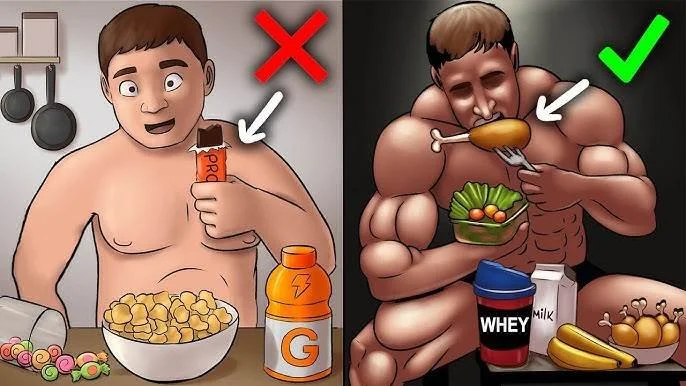
Pre-workout nutrition plays a critical role in determining how effectively you perform, how you feel during exercise, and how well you recover afterward. Many people believe that eating sugary snacks or drinking energy beverages before training is a smart way to get a quick energy boost. After all, sugar is a fast-digesting carbohydrate that provides glucose, the body’s primary fuel.
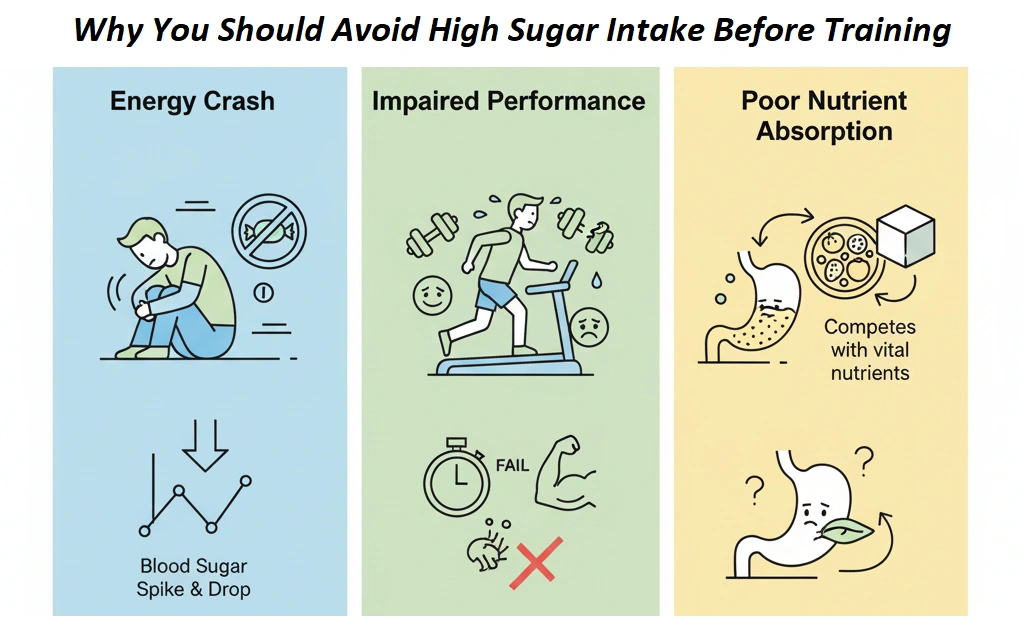
However, while sugar can provide a short-term surge of energy, consuming too much of it before training often backfires. Instead of sustained focus and power, you may experience an energy crash, mental fatigue, and even digestive discomfort midway through your workout. To optimize performance, it’s important to understand how sugar affects the body, why timing matters, and what smarter pre-workout nutrition strategies look like.
The Science of Sugar and Energy Metabolism
1. How Sugar Is Processed in the Body
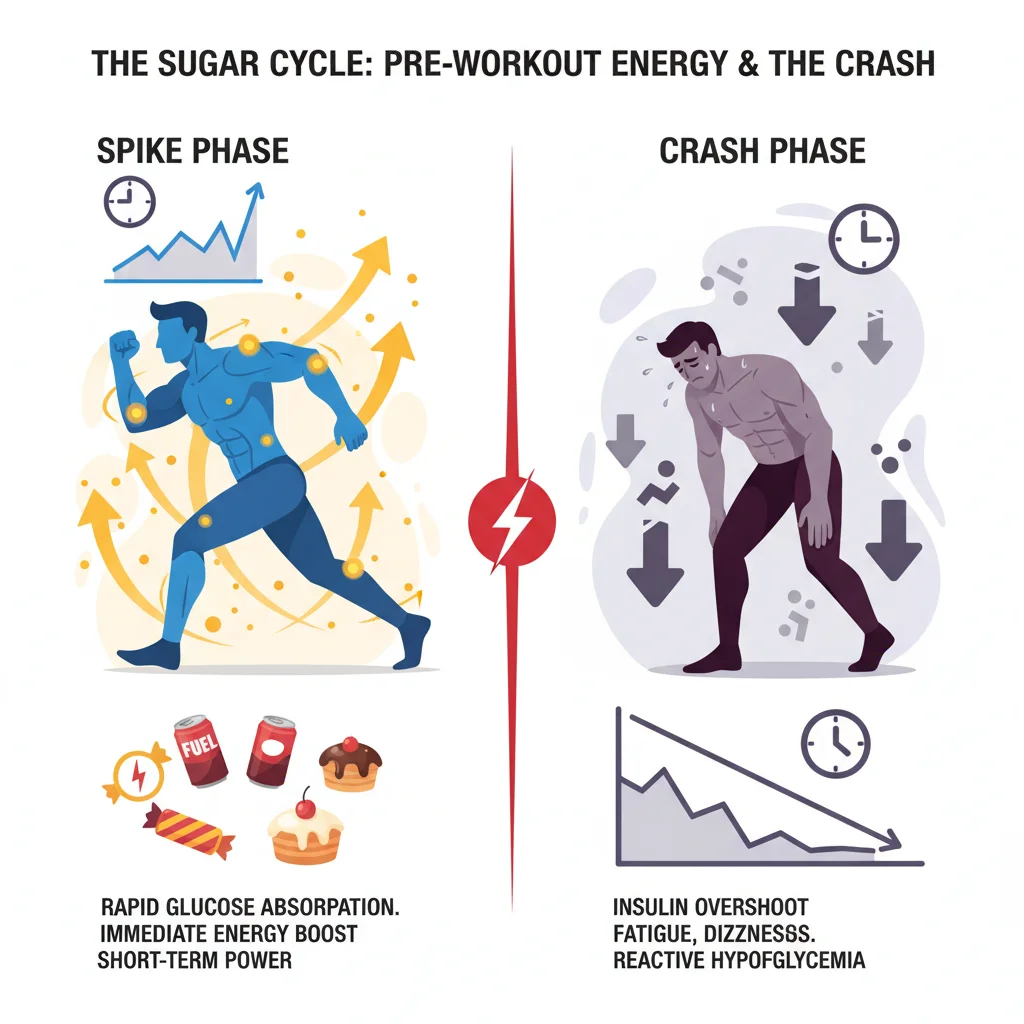
When you consume sugary foods or beverages—such as candy, soda, pastries, or sweetened energy drinks—your body rapidly breaks them down into glucose. This glucose enters the bloodstream, causing a quick rise in blood sugar levels. In response, the pancreas releases insulin, the hormone responsible for transporting glucose into cells for immediate energy use or storage.
Spike Phase: The initial rise in blood glucose gives you a temporary energy boost.
Crash Phase: Insulin overshoot may cause blood sugar to dip below baseline, leaving you feeling drained, hungry, or unfocused.
This cycle is known as reactive hypoglycemia and is a common consequence of consuming large amounts of simple sugars before training.
2. Role of Glycogen in Exercise
Muscles store glucose in the form of glycogen, which serves as the primary energy source during exercise. While some sugar intake can help replenish glycogen, consuming it right before training doesn’t necessarily improve performance. Instead, complex carbohydrates eaten in advance provide a steadier release of glucose and better support sustained energy output.
3. Hormonal Impact
Beyond blood sugar, high sugar intake influences several hormones:
Insulin: Spikes rapidly, followed by a drop, which may impair fat burning during exercise.
Cortisol: Stress hormones may rise if blood sugar crashes, increasing fatigue and perceived exertion.
Dopamine: Sugar stimulates reward pathways, but over-reliance can reduce natural motivation and create dependency.
Why High Sugar Intake Before Training Can Be Problematic
1. The Mid-Workout Crash
The biggest issue with high sugar intake is the energy crash that follows the initial spike. Instead of steady energy, you may feel sudden fatigue halfway through your session. This is especially detrimental during strength training or endurance workouts that require consistent effort.
2. Reduced Fat Utilization
When blood sugar and insulin levels are elevated, your body prioritizes burning glucose rather than mobilizing fat stores. For athletes or individuals aiming to improve body composition, this can limit fat loss efficiency.
3. Digestive Distress
Sugary beverages and snacks may cause bloating, stomach cramps, or nausea when consumed too close to exercise, particularly during high-intensity or endurance training. Liquids with high sugar concentration (like sodas or fruit juices) can also delay gastric emptying, leading to discomfort.
4. Mental Fatigue
A sugar crash doesn’t just affect physical energy—it also impacts cognitive function. Reduced blood sugar availability to the brain can lead to poor focus, slower reaction times, and lower motivation during exercise.
When Sugar May Be Useful in Training
Not all sugar is harmful in the context of exercise. In fact, there are strategic times when consuming simple carbs can be beneficial:
During Endurance Exercise (90+ minutes): Sports drinks, gels, or fruit can provide glucose to maintain glycogen levels and delay fatigue.
Post-Workout Recovery: A moderate amount of simple carbs combined with protein helps replenish glycogen and accelerate muscle repair.
High-Intensity Competition: Athletes who need quick energy bursts (e.g., sprinters, CrossFit competitors) may benefit from small amounts of fast-digesting carbs right before an event.
The key takeaway is that sugar can be a tool—but only when timed properly and consumed in moderation.
Smarter Pre-Workout Nutrition Choices
1. Complex Carbohydrates for Steady Energy
Instead of refined sugar, choose complex carbs that digest more slowly and release glucose gradually. Examples include:
Oatmeal with fruit
Brown rice or quinoa
Sweet potatoes
Whole-grain bread
These foods provide a stable energy supply without sharp spikes or crashes.
2. Include Lean Protein
Adding protein to pre-workout meals helps maintain satiety, stabilizes blood sugar, and supports muscle repair. Examples:
Chicken or turkey with rice
Greek yogurt with berries
Plant-based protein shakes
3. Healthy Fats in Moderation
Fats take longer to digest and are not ideal immediately before training, but small amounts can help sustain energy during longer sessions. Examples:
Nut butter on whole-grain toast
Avocado slices
Chia or flax seeds in a smoothie
4. Hydration First
Water or electrolyte beverages are essential for fluid balance, thermoregulation, and endurance. Dehydration, even as little as 2%, can reduce performance significantly.
Sample Pre-Workout Meal Ideas
1–2 Hours Before Training:
Oatmeal topped with banana slices and almond butter
Grilled chicken with sweet potato and vegetables
Whole-grain wrap with turkey, spinach, and hummus
30–45 Minutes Before Training (Quick Fuel):
Banana with peanut butter
Rice cake with almond butter and honey
Small protein smoothie with berries and oats
Special Considerations by Training Type
1. Strength Training
Balanced meals with protein and complex carbs 1–2 hours before lifting support glycogen stores and prevent fatigue. Avoid high-sugar snacks that cause fluctuations in strength mid-session.
2. Endurance Training
For runs or cycling sessions under 90 minutes, complex carbs and hydration are sufficient. For longer events, intra-workout simple carbs may be beneficial.
3. High-Intensity Interval Training (HIIT)
Stable energy from complex carbs prevents early fatigue. High sugar intake before HIIT can lead to early crashes and reduce output.
4. General Fitness and Weight Loss
Those training for weight loss or body composition should avoid high sugar intake, as it reduces fat mobilization and may trigger overeating later in the day.
Long-Term Strategies to Reduce Reliance on Sugar
Plan meals ahead: Having balanced meals prevents last-minute sugary snack choices.
Improve sleep: Adequate rest reduces cravings for fast-digesting carbs.
Manage stress: Meditation, deep breathing, and exercise lower cortisol-driven sugar cravings.
Retrain taste buds: Gradually reducing added sugar helps the body adapt and lowers long-term cravings.
Frequently Asked Questions
1. Is it bad to eat fruit before a workout? No. Whole fruits like bananas or berries contain natural sugars but also provide fiber, vitamins, and minerals. They are much better options than processed sugary foods.
2. Should I completely avoid sugar before training? Not always. Small amounts of natural sugar from fruit can be beneficial, but large amounts from processed foods should be avoided.
3. What if I only have time for a quick snack before exercise? Choose simple but balanced options like a banana with nut butter, a protein bar with low sugar, or a small smoothie.
4. Do energy drinks help performance? Many energy drinks are high in sugar and caffeine. While caffeine may enhance performance, the sugar content can lead to crashes. Sugar-free alternatives are often better.
Conclusion
While sugar can deliver a quick burst of energy, consuming large amounts before training is more likely to hinder performance than help it. The resulting blood sugar crash can reduce endurance, strength, and focus mid-session, while also contributing to digestive discomfort and limiting fat utilization.
A smarter strategy is to fuel your body with balanced meals that combine complex carbohydrates, lean protein, and healthy fats—providing steady energy and supporting recovery. For most workouts, this approach outperforms sugary snacks or drinks. The only exceptions are long-duration endurance events or immediate post-workout recovery, where targeted use of simple carbs can play a beneficial role.
By making more informed choices, you’ll not only avoid mid-session crashes but also enhance overall training quality, long-term results, and general health.
Ludwig, D. S. (2002). The glycemic index: physiological mechanisms relating to obesity, diabetes, and cardiovascular disease. JAMA.
Ivy, J. L. (2004). Regulation of muscle glycogen repletion, muscle protein synthesis and repair following exercise. Journal of Sports Science & Medicine.
Benton, D., & Young, H. A. (2017). Role of sugar in cognitive function. Nutrients.
Burke, L. M. et al. (2011). Carbohydrates for training and competition. Journal of Sports Sciences.