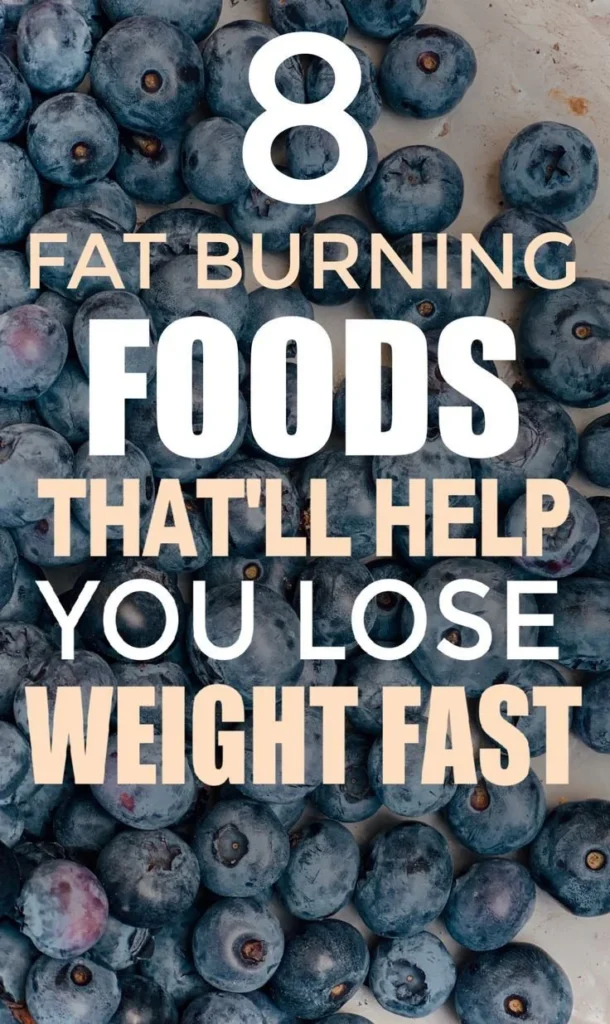
9 Fat-Burning Foods That’ll Help You Reach Your Goals Faster
9 Fat-Burning Foods That’ll Help You Reach Your Goals Faster
Introduction
Losing fat isn’t about miracle foods — it’s about choosing the right ingredients that support metabolism, keep you full, and help you maintain a calorie deficit sustainably. Below are nine evidence-backed foods that can accelerate fat loss when paired with consistent exercise and sensible portion control. If you want practical ways to boost the protein in meals that support these choices, check out this guide to how to increase your protein intake.
Lean poultry (chicken, turkey)
Why it helps: Lean meats are high in protein, which increases the thermic effect of food (you burn more calories digesting protein) and preserves muscle while you lose fat.
How to use it: Grill or roast skinless breasts, slice into salads, or batch-cook shredded meat for quick, lean meals.Eggs
Why it helps: Eggs are nutrient-dense and filling. Eating a protein-rich breakfast with eggs can reduce calorie intake later in the day.
How to use it: Boil for snacks, make vegetable-packed omelets, or pair with whole-grain toast for satiety.Fatty fish (salmon, mackerel)
Why it helps: Omega-3 fats help regulate appetite and inflammation, and the protein content supports muscle maintenance.
How to use it: Bake or pan-sear fillets, add to salads, or make fish-based bowls with veggies and quinoa.Green tea
Why it helps: Green tea contains catechins and a modest amount of caffeine, which together can slightly boost metabolic rate and fat oxidation.
How to use it: Replace sugary drinks with brewed green tea; drink hot or cold throughout the day for a mild energy and metabolism lift.Chili peppers (capsaicin)
Why it helps: Capsaicin, the compound that makes peppers hot, can raise calorie burning briefly and reduce appetite in some people.
How to use it: Add chili flakes to sauces, salsas, or marinades; try spicy seasonings on roasted vegetables or lean proteins.Oats and other whole grains
Why it helps: Whole grains are high in fiber and have a lower glycemic impact than refined carbs, promoting steady energy and fullness.
How to use it: Start the day with oatmeal topped with nuts and berries, or use barley/brown rice as a base for balanced bowls.Greek yogurt
Why it helps: Greek yogurt is higher in protein than regular yogurt and provides probiotics that may support gut health and digestion.
How to use it: Use as a base for smoothies, mix with fruit and nuts, or swap for sour cream in savory dishes.Legumes (beans, lentils)
Why it helps: Legumes provide plant-based protein and fiber, which lengthen digestion and stabilize blood sugar — both helpful for controlling hunger.
How to use it: Add lentils to soups, make bean-based salads, or turn chickpeas into roasted snacks.Nuts (almonds, walnuts)
Why it helps: Nuts offer healthy fats, protein, and fiber that increase satiety. Portion control is key because they’re calorie-dense.
How to use it: Use small handfuls as snacks, sprinkle chopped nuts over yogurt or salads, or blend into homemade nut butter.
How to use these foods together
- Build balanced plates: aim for a protein source + vegetables + a bit of whole grain or legume. That combo supports fullness and steady energy.
- Prioritize fiber and protein at each meal to minimize snacking driven by hunger.
- Prepare simple swaps: grilled salmon instead of fried protein, Greek yogurt instead of sugary desserts, and oats instead of sweetened cereals.
- Track trends, not every calorie: monitor how your clothes fit, energy, and performance in workouts. If you want a quick method to check overall progress and habits, here’s a simple way to assess your health.
Quick tips for best results
- Focus on consistency: adding these foods helps only when you stick with healthier patterns over weeks and months.
- Watch portions of calorie-dense items (nuts, fatty fish) — they’re healthy but add up.
- Pair dietary changes with strength training to protect muscle and increase resting metabolic rate.
- Stay hydrated and get quality sleep; both influence hunger hormones and fat-loss results.
Conclusion
Food choices can make fat loss easier and more sustainable, but emotional or habit-driven eating often undermines even the best meal plans. If emotional eating is a barrier for you, refer to the Mayo Clinic’s guidance to Gain control of emotional eating for practical strategies to support lasting change.
9 Fat-Burning Foods That’ll Help You Reach Your Goals Faster Read More »